
All posts by Admin

New milestone for specialist children’s hospital in the East of England

Artist's impression of the entrance to the future Cambridge Children’s Hospital

source: www.cam.ac.uk

Cambridge Children’s Hospital, which will be the first specialist children’s hospital for the East of England, has been given the green light to proceed to the final stage of its business case development. This means that pre-construction works can begin on the site of the new hospital, opposite the Rosie Maternity Hospital on Robinson Way, early next year.

Together we can detect childhood disease early or prevent it altogether, personalise health care and deliver it closer to homeDavid Rowitch

The Project had its Outline Business Case approved in principle by NHS England and the Department of Health and Social Care on 29 September 2023.  With this approval, which is subject to a review of the Project’s capital funding in April 2024, work can now commence on the Full Business Case for the Project.

The hospital, which was awarded planning permission in March 2022, is being built on the Cambridge Biomedical Campus, but will care for children and young people across the whole of Norfolk, Suffolk, Essex, Hertfordshire, Bedfordshire and Cambridgeshire.

It will be the first hospital designed to truly provide mental and physical health care together, delivered by staff who are trained in both. While the hospital will be built in Cambridge it will act as a central hub, working with services all over the East of England to provide care and support for children who may never visit the hospital itself. 

Dr Rob Heuschkel, Cambridge Children’s Hospital Clinical Lead for Physical Health said: “This is fantastic news for children across the East of England – the only region without a specialist children’s hospital.

“We know there is widespread support across the East of England for this Hospital – from children and their families to our regional colleagues and our regional MPs. Now is the time for us to all work together to turn our plans into reality. I can’t wait to get started on the next stage of this Project. “

The government committed £100m to Cambridge Children’s Hospital in 2018, under the Sustainability and Transformation Partnership scheme, and the project is on track to meet its target of an additional £100m of philanthropy and fundraising.  

Health Minister Lord Markham said: “We are investing in over 70 major new upgrades of NHS facilities across the country so patients can access high quality care in state-of-the-art hospitals, both now and in the years to come. I’m pleased Cambridge Children’s Hospital is now starting on the final stage of its business case with construction planned to begin next year.

“Backed by £100 million of government funding, this hospital will be the first specialist children’s hospital for the East of England and will bring mental and physical healthcare services together to benefit thousands of young people.”

Dr Cathy Walsh, Cambridge Children’s Hospital Clinical Lead for Mental Health, said: “There’s a long way still to go but this is an exciting moment in our journey to building a truly integrated children’s hospital.

“Our young people urgently need a new type of care, delivered by staff who are trained in both mental and physical health care. Cambridge Children’s Hospital will completely transform the future of healthcare for children and their families from across this region.”

The hospital will also house a University of Cambridge world-class research facility focussed on detecting and preventing childhood illness.

Professor David Rowitch, Head of the Department of Paediatrics at the University of Cambridge and Cambridge Children’s Hospital Research Lead, said: “Cambridge Children’s Hospital will use cutting-edge innovations in genomic science to detect origins of physical and mental health conditions and develop a new model of preventive medicine in paediatrics. We will foster game-changing breakthroughs in life sciences research that will have an impact across the globe.

“Together we can detect childhood disease early or prevent it altogether, personalise health care and deliver it closer to home.”

Members of Cambridge Children’s Hospital Network, which is made up of children, young people and parents from across the region, have been a crucial part of designing the future hospital, and helping to shape how the facility might look and feel like. 

Sarah Cobb, 19 from near Cambridge, has multiple disabilities and is visually impaired. She has been involved in the Project for a number of years. She said: “As someone with lifelong health conditions, who’s spent a lot of time in hospital as a child, a teenager and now a young adult, I’m delighted that Cambridge Children’s Hospital has reached this brilliant milestone. 

“I feel really honoured to be part of such an inspirational project. This hospital means so much to me and will make such a difference to the mental and physical health of children and young people in future.”

Work continues on finalising the costs and remaining funding streams for this brand new hospital. We will now start developing the final stage of the business case for Cambridge Children’s Hospital’s– the Full Business Case.


About Cambridge Children’s Hospital 

Cambridge Children’s Hospital will be the first hospital designed to truly provide mental and physical health care together, delivered by staff who are trained in both.

It is the first specialist children’s hospital for the East of England, the only region in the UK without one. 

The hospital will fully integrate physical and mental healthcare services under one roof to provide a whole new way of caring for children and young people aged 0-19, including those with cancer. 

Cambridge Children’s Hospital will be a national exemplar. Housing University of Cambridge research institutes focused on the prevention and early diagnosis of disease, the hospital will deliver game-changing advances in life sciences research. 

The hospital will be built on Europe’s leading life sciences campus, the Cambridge Biomedical Campus, and is being co-designed with the help of young people, families and healthcare professionals. 

Established by Cambridge University Hospitals NHS Foundation Trust, Cambridgeshire and Peterborough NHS Foundation Trust and the University of Cambridge, the hospital is a partnership which brings together clinical expertise and world-leading knowledge.

The Campaign for Cambridge Children’s Hospital, a partnership between Addenbrooke’s Charitable Trust (ACT), Head to Toe Charity and the University of Cambridge (CUDAR), is committed to raising £100 million from philanthropy and fundraising.


The text in this work is licensed under a Creative Commons Attribution-NonCommercial-ShareAlike 4.0 International License. Images, including our videos, are Copyright ©University of Cambridge and licensors/contributors as identified.  All rights reserved. We make our image and video content available in a number of ways – as here, on our main website under its Terms and conditions, and on a range of channels including social media that permit your use and sharing of our content under their respective Terms.

Latest Gaia data release reveals rare lenses, cluster cores and unforeseen science

Gaia view of Omega Centauri

source: www.cam.ac.uk

The European Space Agency’s Gaia mission has released a goldmine of knowledge about our galaxy and beyond. Among other findings, the star surveyor has surpassed its planned potential to reveal half a million new and faint stars in a massive cluster, identified over 380 possible cosmic lenses, and pinpointed the positions of more than 150,000 asteroids within the Solar System.

This release represents but a small taste of the riches to be revealed with the publication of the next full release, Gaia DR4Nicholas Walton

Gaia is mapping our galaxy and beyond in multi-dimensional detail, completing the most accurate stellar census ever. The mission is painting a detailed picture of our place in the Universe, enabling us to better understand the diverse objects within it.

The mission’s latest data release provides new and improved insights into the space around us. The release also brings findings that go far beyond what Gaia was initially designed to discover and digs deep into our cosmic history.

“This focused product data release will open up new insights across astronomy, from the precise orbits of asteroids in our Solar System, to quasar discovery in the distant cosmos,” said Dr Nicholas Walton from Cambridge’s Institute of Astronomy, lead of the UK Gaia Project team and ESA Gaia Science Team member. “It demonstrates the breadth of science enabled by Gaia, and the role of Cambridge and UK Gaia teams in the creation of these data products. This release represents but a small taste of the riches to be revealed with the publication of the next full release, Gaia DR4.”

So – what’s new from Gaia?

Half a million new stars: Gaia’s observing mode extended to unlock cluster cores

Gaia’s third data release (DR3) contained data on over 1.8 billion stars, building a pretty complete view of the Milky Way and beyond. However, there remained gaps in our mapping. Gaia had not yet fully explored areas of sky that were especially densely packed with stars, leaving these comparatively unexplored – and overlooking stars shining less brightly than their many neighbours.

Globular clusters are a key example of this. These clusters are some of the oldest objects in the Universe, making them especially valuable to scientists looking at our cosmic past. Unfortunately, their bright cores, chock-full of stars, can overwhelm telescopes attempting to get a clear view. As such, they remain missing pieces in our maps of the Universe.

To patch the gaps in our maps, Gaia selected Omega Centauri, the largest globular cluster that can be seen from Earth. Rather than just focusing on individual stars, as it typically would, Gaia enabled a special mode to truly map a wider patch of sky surrounding the cluster’s core every time the cluster came into view.

“In Omega Centauri, we discovered over half a million new stars Gaia hadn’t seen before – from just one cluster!” says lead author Katja Weingrill of the Leibniz-Institute for Astrophysics Potsdam (AIP), Germany, and a member of the Gaia collaboration.

“Through a new use of one of Gaia’s specialised engineering modes, we have been able to generate an imaging catalogue of some of the densest stellar fields in our galaxy,” said Dr Dafydd Wyn Evans, lead of the Gaia photometric development team. “This is enabling us to provide a more complete view of all components of the Milky Way, including the cores of Globular Clusters, some of the oldest structures in our Galaxy.”

This finding not only meets but actually exceeds Gaia’s planned potential. The team used an observing mode designed to ensure that all of Gaia’s instruments are running smoothly.

“The Gaia Sky Mapper images required the development of a new processing pipeline to measure the accurate brightness of the hundreds of thousands faint stars not seen by Gaia before,” said Dr Francesca De Angeli, lead of Gaia’s Photometric Data Processing Centre in Cambridge. “This rich data probes regions of the sky previously unseen by Gaia, and fills in important gaps in earlier data releases.”

The new stars revealed in Omega Centauri mark one of the most crowded regions explored by Gaia so far.

Gaia is currently exploring eight more regions in this way, with the results to be included in Gaia Data Release 4. These data will help astronomers to truly understand what is happening within these cosmic building blocks, a crucial step for scientists aiming to confirm the age of our galaxy, locate its centre, figure out whether it has gone through any past collisions, verify how stars change through their lifetimes, constrain our models of galactic evolution, and ultimately infer the possible age of the Universe itself.

Looking for lenses: Gaia the accidental cosmologist

While Gaia was not designed for cosmology, its new findings peer deep into the distant Universe, hunting for elusive and exciting objects that hold clues to some of humanity’s biggest questions about the cosmos: gravitational lenses.

Gravitational lensing occurs when the image of a faraway object becomes warped by a disturbing mass – a star or galaxy, for instance – sitting between us and the object. This intermediate mass acts as a giant magnifying glass, or lens, that can amplify the brightness of light and cast multiple images of the faraway source onto the sky. These rare configurations hold immense scientific value, revealing clues about the earliest days of the Universe.

The team identified the candidates from an extensive list of possible quasars (including those from Gaia DR3). Five of the possible lenses are potential Einstein crosses, rare lensed systems with four different image components shaped like a cross. (See 12 such configurations discovered by Gaia in 2021.)

Finding lensed quasars is challenging. A lensed system’s constituent images can clump together on the sky in misleading ways, and most are very far away, making them faint and tricky to spot.

Extending Gaia’s value into cosmology brings synergy with ESA’s Euclid mission, recently launched on its quest to explore the dark Universe. While both focus on different parts of the cosmos – Euclid on mapping billions of galaxies, Gaia on mapping billions of stars – the lensed quasars discovered by Gaia can be used to guide future exploration with Euclid.

Asteroids, stacked starlight and pulsating stars

Other papers published today offer further insight into the space around us, and the diverse and sometimes mysterious objects within it.

One reveals more about 156,823 of the asteroids identified as part of Gaia DR3. The new dataset pinpoints the positions of these rocky bodies over nearly double the previous timespan, making most of their orbits – based on Gaia observations alone – 20 times more precise. In the future, Gaia DR4 will complete the set and include comets, planetary satellites and double the number of asteroids, improving our knowledge of the small bodies in nearby space.

Another paper maps the disc of the Milky Way by tracing weak signals seen in starlight, faint imprints of the gas and dust that floats between the stars. The Gaia team stacked six million spectra to study these signals, forming a dataset of weak features that have never been measured in such a large sample. The dataset will hopefully allow scientists to narrow down the source of these signals, which the team suspects to be a complex organic molecule. Knowing more about where this signal comes from helps us to study the physical and chemical processes active throughout our galaxy, and to understand more about the material lying between stars.

Finally, a paper characterises the dynamics of 10,000 pulsating and binary red giant stars in by far the largest such database available to date. These stars were part of a catalogue of two million variable star candidates released in Gaia DR3, and are key when calculating cosmic distances, confirming stellar characteristics, and clarifying how stars evolve throughout the cosmos. The new release provides a better understanding of how these stars change over time.

“This data release further demonstrates Gaia’s broad and fundamental value – even on topics it wasn’t initially designed to address,” said Timo Prusti, Project Scientist for Gaia at ESA.

The next steps

Gaia’s previous Data Release, Gaia DR3, came on 13 June 2022. It was the most detailed survey of the Milky Way to date, and a treasure trove of data on strange ‘starquakes’, asymmetrically moving stars, stellar DNA and more. Gaia DR3 contained new and improved details for almost two billion stars in the Milky Way, and included the largest catalogues of binary stars, thousands of Solar System objects, and – more distantly and outside of our galaxy – millions of galaxies and quasars.

The mission’s next Data Release, Gaia DR4, is expected not before the end of 2025. It will build upon both Gaia DR3 and this interim focused product release to further improve our understanding of the multi-dimensional Milky Way. It will refine our knowledge of stars’ colours, positions, and movements; resolve variable and multiple star systems; identify and characterise quasars and galaxies; list exoplanet candidates; and more.

Adapted from an ESA press release.


The text in this work is licensed under a Creative Commons Attribution-NonCommercial-ShareAlike 4.0 International License. Images, including our videos, are Copyright ©University of Cambridge and licensors/contributors as identified.  All rights reserved. We make our image and video content available in a number of ways – as here, on our main website under its Terms and conditions, and on a range of channels including social media that permit your use and sharing of our content under their respective Terms.

Young children who are close to their parents are more likely to grow up kind, helpful and ‘prosocial’

Father hugging his son

source: www.cam.ac.uk

Study using data from 10,000 people in the UK found that those who had a closer bond with their parents at age 3 tended to display more socially-desirable behaviours like kindness, empathy and generosity, by adolescence.

As children, we internalise those aspects of our relationships with our parents that are characterised by emotion, care and warmthIoannis Katsantonis

A loving bond between parents and their children early in life significantly increases the child’s tendency to be ‘prosocial’, and act with kindness and empathy towards others, research indicates.

The University of Cambridge study used data from more than 10,000 people born between 2000 and 2002 to understand the long-term interplay between our early relationships with our parents, prosociality and mental health. It is one of the first studies to look at how these characteristics interact over a long period spanning childhood and adolescence.

The researchers found that people who experienced warm and loving relationships with their parents at age three not only tended to have fewer mental health problems during early childhood and adolescence, but also displayed heightened ‘prosocial’ tendencies. This refers to socially-desirable behaviours intended to benefit others, such as kindness, empathy, helpfulness, generosity and volunteering.

Although the correlation between parent-child relationships and later prosociality needs to be verified through further research, the study points to a sizeable association. On average, it found that for every standard unit above ‘normal’ levels that a child’s closeness with their parents was higher at age three, their prosociality increased by 0.24 of a standard unit by adolescence.

Conversely, children whose early parental relationships were emotionally strained or abusive were less likely to develop prosocial habits over time. The researchers suggest this strengthens the case for developing targeted policies and support for young families within which establishing close parent-child relationships may not always be straightforward; for example, if parents are struggling with financial and work pressures and do not have much time.

The study also explored how far mental health and prosocial behaviour are fixed ‘traits’ in young people, and how far they fluctuate according to circumstances like changes at school or in personal relationships. It measured both mental health and prosociality at ages five, seven, 11, 14 and 17 in order to develop a comprehensive picture of the dynamics shaping these characteristics and how they interact.

The research was undertaken by Ioannis Katsantonis and Dr Ros McLellan, both from the Faculty of Education, University of Cambridge.

Katsantonis, the lead author and a doctoral researcher specialising in psychology and education, said: “Our analysis showed that after a certain age, we tend to be mentally well, or mentally unwell, and have a reasonably fixed level of resilience. Prosociality varies more and for longer, depending on our environment. A big influence appears to be our early relationship with our parents. As children, we internalise those aspects of our relationships with our parents that are characterised by emotion, care and warmth. This affects our future disposition to be kind and helpful towards others.”

The study used data from 10,700 participants in the Millennium Cohort Study, which has monitored the development of a large group of people born in the UK between 2000 and 2002. It includes survey-based information about their prosociality, ‘internalising’ mental health symptoms (such as depression and anxiety) and ‘externalising’ symptoms (such as aggression).

Further survey data provided information about how far the participants’ relationships with their parents at age three were characterised by ‘maltreatment’ (physical and verbal abuse); emotional conflict; and ‘closeness’ (warmth, security and care). Other potentially confounding factors, like ethnic background and socio-economic status, were also taken into account.

The Cambridge team then used a complex form of statistical analysis called latent state-trait-occasion modelling to understand how far the participants’ mental health symptoms and prosocial inclinations seemed to be expressing fixed personality ‘traits’ at each stage of their development. This enabled them, for example, to determine how far a child who behaved anxiously when surveyed was responding to a particular experience or set of circumstances, and how far they were just a naturally anxious child.

The study found some evidence of a link between mental health problems and prosociality. Notably, children who displayed higher than average externalising mental health symptoms at a younger age showed less prosociality than usual later. For example, for each standard unit increase above normal that a child displayed externalising mental health problems at age seven, their prosociality typically fell by 0.11 of a unit at age 11.

There was no clear evidence that the reverse applied, however. While children with greater than average prosociality generally had better mental health at any single given point in time, this did not mean their mental health improved as they got older. On the basis of this finding, the study suggests that schools’ efforts to foster prosocial behaviours may be more impactful if they are integrated into the curriculum in a sustained way, rather than being implemented in the form of one-off interventions, like anti-bullying weeks.

As well as being more prosocial, children who had closer relationships with their parents at age three also tended to have fewer symptoms of poor mental health in later childhood and adolescence.

Katsantonis said that the findings underlined the importance of cultivating strong early relationships between parents and children, which is already widely seen as critical to supporting children’s healthy development in other areas.

“So much of this comes back to parents,” Katsantonis said. “How much they can spend time with their children and respond to their needs and emotions early in life matters enormously.”

“Some may need help learning how to do that, but we should not underestimate the importance of simply giving them time. Closeness only develops with time, and for parents who are living or working in stressful and constrained circumstances, there often isn’t enough. Policies which address that, at any level, will have many benefits, including enhancing children’s mental resilience and their capacity to act positively towards others later in life.”

The findings are reported in the International Journal of Behavioural Development.


The text in this work is licensed under a Creative Commons Attribution-NonCommercial-ShareAlike 4.0 International License. Images, including our videos, are Copyright ©University of Cambridge and licensors/contributors as identified.  All rights reserved. We make our image and video content available in a number of ways – as here, on our main website under its Terms and conditions, and on a range of channels including social media that permit your use and sharing of our content under their respective Terms.

People, climate and a national role for Cambridge are a focus of Vice-Chancellor’s first Annual Address

Vice-Chancellor Professor Debbie Prentice’s annual address to the University of Cambridge – 2023

https://www.youtube-nocookie.com/embed/niWi39UG-ls?wmode=opaque&controls=1&rel=0&autohide=0&enablejsapi=1&origin=https%3A%2F%2Fwww.cam.ac.uk

source: www.cam.ac.uk

Speaking at the Senate House, Professor Deborah Prentice marked the start of the academic year by delivering her first October address to the University.

Having come into office in July, she used the opportunity to share her evolving understanding of the Collegiate University and how it works. “I have found it useful to think of Cambridge as three separable entities, distinct in their goals, cultures, and modes of conduct and interrelated in their pursuit of Cambridge’s overarching mission.”

The first of these entities is Cambridge as a community of scholars, which she described as a “vibrant ecosystem”, and which she found to be “alive and well – indeed, more alive and more well here than in any other research-intensive university I know”.

The second is Cambridge as a public institution: “This Cambridge contributes around £30 billion a year to the British economy. Only last week it was ranked top in Research England’s Knowledge Exchange Framework, which measures universities’ impact on the economy and society. It generates research discoveries that shape policy and practice in every sector.”

“This is the Cambridge that, through its Press and Assessment, reaches over 100 million learners around the globe. This Cambridge welcomed the King immediately after his Coronation to the ground-breaking for the new Whittle Lab. This Cambridge is partnering to build two new hospitals on the biomedical campus and is working to define an innovation strategy for Greater Cambridge.”

The third face of Cambridge, she said, is the University as a modern organisation “that employs staff, manages the estate and the finances, runs the IT systems, staffs the committees, represents the University in professional organisations, raises funds for University endeavours, and communicates on the University’s behalf.”

“Cambridge’s sweet spot,” she concluded, “is where the aims of the scholars, the needs of society, and the capacities of the organisation align. Alignment is the key, and it cannot to be taken for granted.”

Reflecting on the year ahead, Professor Prentice was upbeat. She celebrated the UK’s readmission into the Horizon Europe, the world’s largest collaborative research programme. But much of the work of the University in the next twelve months, she said, would focus on people.  “Our people are the means and the ends of the work of a university… It is people who animate the community of scholars, and people whose imaginations and ambitions fuel the impact of the public institution.”

Acknowledging that the past few years have been challenging, she said: “We are aiming to improve pay and conditions in ways that respond to what we have been hearing from staff and are fair and equitable across the University, competitive with our peers, and financially sustainable. That’s a tall order, and it will take a multi-year plan to get there.”

Another priority in the year ahead, she said, will be “Cambridge’s contribution to the health of the planet”. The University is “aligned around a desire to make a difference in this critical domain. I hope to build on that alignment in the coming year and beyond, with the help of colleagues throughout the University… that have brought us this far. Greater alignment simply means that the University will build capacity to support the community of scholars working in this area, enable their interactions and cross-fertilisation, and position their work for greatest impact.”

In her closing remarks, the Vice-Chancellor reiterated her commitment to creating a forum for public dialogue on difficult topics, enhancing the role of the University as an environment in which free speech is actively fostered. She concluded by expressing an aspiration for the University of Cambridge to take on a leading role as a national institution.

“I’m convinced that Cambridge cannot be a great global university without being a great national and a great regional university too. Our impact on the world starts at home. I want to learn more about Cambridge’s opportunities and obligations in the East of England and the United Kingdom.”

“I look forward to seeing more of this beautiful country – especially the parts to the north and west that I have not seen before. I look forward to visiting areas with many Cambridge applicants and alumni, and areas with very few. I look forward to meeting partners and potential partners throughout the UK. And I look forward to engaging meaningfully with current and future development plans for our city, our county, and the wider region.”

Delivered at the Senate House, the Annual Address followed the ceremony for the election of the Proctors and the swearing-in of the Constables, and was open to all members of the University community.

Read the full address

Watch the full address


The text in this work is licensed under a Creative Commons Attribution-NonCommercial-ShareAlike 4.0 International License. Images, including our videos, are Copyright ©University of Cambridge and licensors/contributors as identified.  All rights reserved. We make our image and video content available in a number of ways – as here, on our main website under its Terms and conditions, and on a range of channels including social media that permit your use and sharing of our content under their respective Terms.
Drier savannas and grasslands store more climate-buffering carbon than previously thought

Fire in oak savannah

source: www.cam.ac.uk

Savannas and grasslands in drier climates around the world store more carbon than scientists previously thought and are helping to slow the rate of climate warming, according to a new study.

Because drier savannas are more sensitive to changes in fires, the decreases in burned area in those ecosystems has resulted in soils storing more carbon than they are releasingAdam Pellegrini

The study estimates that soils in savanna-grassland regions worldwide have gained 640 million metric tons of stored carbon over the past two decades.

This is because over the last 20 years, fire suppression has led to smaller wildfires, and less burned area in drier savannas and grasslands. 

When soil microbes break down fallen leaves, dead plant matter and roots, the carbon in this plant biomass is released and can associate with minerals in the soil to become very stable. But the energy of an intense fire can burn it back off, releasing carbon dioxide into the atmosphere.

Fires are being suppressed because of population expansion, and landscape fragmentation caused by the introduction of roads, croplands and pastures in savannas and grasslands.

The study, published today in the journal Nature Climate Change, is based on a reanalysis of datasets from 53 long-term fire-manipulation experiments worldwide, as well as field-sampling at six of those sites.

“We found that the potential – at very high fire frequencies – to release soil carbon into the atmosphere as carbon dioxide is greatest in dry areas. The potential to store carbon in soil when fires are less frequent is also the greatest in these dry areas,” said Dr Adam Pellegrini in the Department of Plant Sciences at the University of Cambridge, and lead author of the study.

The reduction in the size and frequency of wildfires in dryland savannas has led to an estimated 23% increase in carbon stored in topsoil. This increase was not foreseen by most of the state-of-the-art ecosystem models used by climate researchers. As a result, the researchers say, the climate-buffering impacts of dryland savannas are likely to have been underestimated.

Soil contains at least three times more organic carbon than the atmosphere or terrestrial plants, making it an important global carbon pool.

“Our findings show that because drier savannas are more sensitive to changes in fires, the decreases in burned area in those ecosystems has resulted in soils storing more carbon than they are releasing,” said Pellegrini.  

He added: “Many of the ecosystem models that are used in simulating the effects of global change on carbon cycling are unlikely to have captured these dynamics.”

The study involved twenty researchers from institutions around the globe, who looked at recent changes in burned area and fire frequency in savannas, other grasslands, seasonal woodlands and forests.

Across 888,000 square miles (2.3 million square kilometers) of dryland savanna-grasslands, where fire frequency and burned area declined over the past two decades, soil carbon rose by an estimated 23%.

But in more humid savanna-grassland regions covering 533,000 square miles (1.38 million square kilometers), more frequent wildfires and increased burned area resulted in an estimated 25% loss in soil carbon over the past two decades.

The net change during that time was a gain of 0.64 petagrams, or 640 million metric tons, of soil carbon. 

“In the past couple of decades, global savannas and grasslands have slowed climate warming more than they have accelerated it, despite fires. But there is absolutely no guarantee that this will continue in the future,” said Peter Reich, Director of the Institute for Global Change Biology at the University of Michigan, who was also involved in the study. 

“No single region – from the Amazon rainforest, to the US Great Plains grasslands to Canada’s boreal forest – can alone store sufficient carbon to make a large contribution to slowing climate change. But together, they can,” said Pellegrini.

He added: “There are several savanna and grassland regions where soil carbon-credit projects are being developed, so understanding their capacity to sequester carbon is relevant to those regions.”

This research was funded by the U.S. Department of Agriculture, United Kingdom Research and Innovation (UKRI), the Gordon and Betty Moore Foundation, and the US Department of Energy. 

Reference: Pellegrini, A.F.A, et al.: ‘Soil carbon storage capacity of drylands under altered fire regimes.’ Nature Climate Change, October 2023. DOI: 10.1038/s41558-023-01800-7

Adapted from a press release by the University of Michigan.

Learn more about Adam Pellegrini’s work.


The text in this work is licensed under a Creative Commons Attribution-NonCommercial-ShareAlike 4.0 International License. Images, including our videos, are Copyright ©University of Cambridge and licensors/contributors as identified.  All rights reserved. We make our image and video content available in a number of ways – as here, on our main website under its Terms and conditions, and on a range of channels including social media that permit your use and sharing of our content under their respective Terms.

New electric buses roll out to carry students, staff and public on extended Universal route

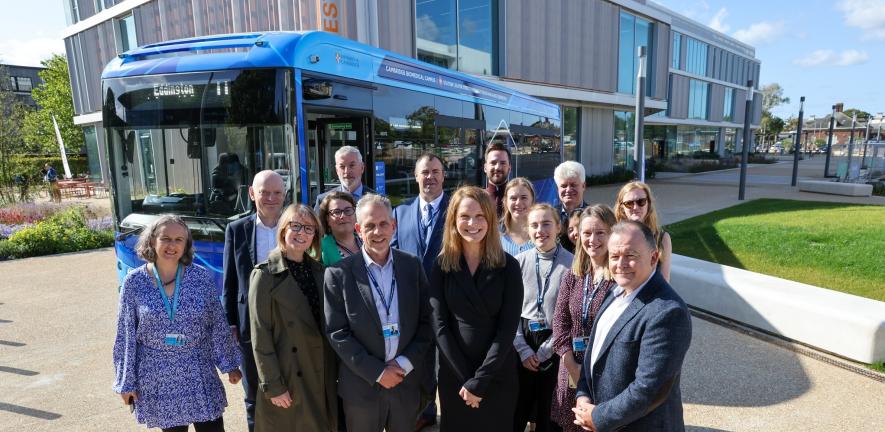
Members of the University team who have worked to bring new electric buses to the Universal service

source: www.cam.ac.uk

A new fleet of nine electric buses will operate on an extended Universal bus route from October, after the University of Cambridge and Whippet buses announced a new 8-year contract for the popular Cambridge service.

The U bus service supports growth and the local economy and is the only privately operated and funded fully electric bus service in the UK.Professor Andy Neely, Senior Pro-Vice-Chancellor for Enterprise and Business Relations

Subsidised by the University, but open to everyone, the U bus has been operating for 20 years. University staff and students use the service, as well as Eddington residents, sixth-form students, shoppers, tourists and key workers.

Professor Andy Neely, Senior Pro-Vice-Chancellor for Enterprise and Business Relations, said: “The U bus service supports growth and the local economy and is the only privately operated and funded fully electric bus service in the UK.

“The service has bucked the national trend by exceeding pre-COVID ridership levels this year. 2022/23 has been the busiest year ever on the Universal bus, with more than 719,000 passengers.”

Professor Ian Leslie, Chair of the University’s Environmental Sustainability Strategy Committee and Transport Working Group, said: “The Universal bus supports the university’s commitment to environmental sustainability, in particular sustainable business travel, as well as its work to meet the access requirements of all students.

“From the beginning of the new academic year (2 October 2023) the bus route will enable Girton, Homerton, Selwyn, Newnham and Wolfson Colleges to have more convenient access to the service, as well as buses now going to the Cambridge Biomedical Campus (Addenbrooke’s site) at the weekends as well as on weekdays.”

Jonathan Ziebart, Managing Director at Ascendal UK, parent company to Whippet, said: “The University’s latest investment will see a fleet of fully electric buses, offering cutting-edge technology and innovative safety features to provide a truly premium travel experience. Some of the key features include a state-of-the-art Camera Monitoring System replacing the need for wing mirrors. In parallel, we will be cascading our former Universal buses across Whippet’s local bus network, helping to improve passenger experience whilst lowering emissions.”

Nicoletta Gennaro, Group Head of Marketing and Customer Experience for Ascendal, said: “After many months of intensive effort, we are proud of the passenger-centric environment we have created on our new vehicles. We have dedicated special attention to customer experience, providing our passengers with high-quality vegan leather seats, and other features such as wireless charging, stop buttons on each seat, and high-quality WiFi.”

The standard single journey fare is £2, however University card holders (students and staff) can travel on the U bus for £1 per single trip. The new contract will provide a ‘split service’, with half of Universal buses serving Girton College at the northern end of the route, and half routed along Grange Road and Newnham Road to better serve Wolfson College, with some returning to Hills Road to connect with Homerton College and the Faculty of Education.

The new buses all have sustainability-themed names chosen from a selection of imaginative suggestions put forward by pupils at the University of Cambridge Primary School in Eddington. The bus names are: Bus Lightyear, Pollution Solution, Net-Zero Hero, Greenhopper, The Sustainable Hulk, The Peregreen Falcon, Eco Eddie, Lightning McGreen and The Green Clean Machine.


The text in this work is licensed under a Creative Commons Attribution-NonCommercial-ShareAlike 4.0 International License. Images, including our videos, are Copyright ©University of Cambridge and licensors/contributors as identified.  All rights reserved. We make our image and video content available in a number of ways – as here, on our main website under its Terms and conditions, and on a range of channels including social media that permit your use and sharing of our content under their respective Terms.

Autistic individuals have increased risk of chronic physical health conditions across the whole body

Two autistic friends sitting outside using stim toys and laughing at their phones

source: www.cam.ac.uk

Autistic people have higher rates of chronic physical health conditions across the whole body and are more likely to have complex health needs, according to a study led by researchers at the University of Cambridge. Their findings, published in the journal Molecular Autism, have important implications for the clinical care of autistic people.

This study emphasizes the increased health vulnerability of autistic people both in the types and number of conditions they may haveElizabeth Weir

Previous studies have shown that autistic people are dying far younger than others and that they are more likely to experience a range of physical health conditions. Until now, it was believed that autistic people were more likely to have specific conditions, such as gastrointestinal pain, sleep problems, and epilepsy/seizure disorders.

The new study is different in that it investigated a much wider range of health risks than has been done before and shows that autistic people experience a much broader range of health vulnerabilities than was previously thought.

Specifically, autistic people are more likely to have physical health conditions across all organ systems, including the brain (such as migraine), the gastrointestinal system (for example coeliac disease), and the endocrine system (for example endometriosis), compared to non-autistic people.

Dr Elizabeth Weir, a Research Associate at the Autism Research Centre in Cambridge, who led the team, said: “This study emphasizes the increased health vulnerability of autistic people both in the types and number of conditions they may have. We now need to understand the causes of these increased risks, which are likely multifactorial in nature.”

This is the first study to show that autistic people are more likely than non-autistic people to experience ‘physical health multimorbidity’, meaning that they have at least two or more physical health conditions. These include co-occurring fibromyalgia (which causes chronic pain throughout the body) and polycystic ovarian syndrome (which causes irregular menstrual cycles, infertility, excess hair growth, and acne in women) across different organ systems.

The study was conducted by a team at the ARC and used an anonymized, self-report survey to compare the experiences of 1,129 autistic people with 1,176 non-autistic people aged 16-90 years. The participants were international, although 67% of participants were from the UK.  

The survey assessed risk of 60 physical health conditions across nine different organ systems (gastrointestinal, endocrine, rheumatological, neurological, ocular, renal/hepatic, otolaryngological, haematological, and dermatological). The analysis took into account other factors such as age, sex assigned at birth, country of residence, ethnicity, education-level, alcohol use, smoking, body mass index, and family medical history.

The team found that autistic people were more likely to have diagnosed medical conditions across all nine organ systems tested, compared to non-autistic people. Regarding specific conditions, autistic people had higher rates of 33 specific conditions compared to non-autistic peers. These included coeliac disease, gallbladder disease, endometriosis, syncope (fainting or passing out), vertigo, urinary incontinence, eczema, and iron deficiency anaemia.

Dr John Ward, a visiting research scientist at the ARC in Cambridge, who conducted the analysis, said: “This research adds to the body of evidence that the healthcare needs of autistic people are greater than those of non-autistic people. More research is required, particularly surrounding the early identification, and monitoring of chronic conditions.”

This is also the first epidemiological study to show that Ehlers-Danlos Syndrome (EDS) – a group of disorders that affects connective tissues and which cause symptoms such as joint hypermobility, loose joints that dislocate easily, joint pain and clicking joints, skin that bruises easily, extreme tiredness, digestive problems, dizziness, stretchy skin, wounds that are slow to heal, organ prolapse, and hernias – may be more common among autistic women than non-autistic women.

The new research also replicates previous findings to show that autistic people have higher rates of all central sensitivity syndromes, which are a varied group of conditions that are related to dysregulation of the central nervous system, compared to non-autistic people. Central sensitivity syndromes include irritable bowel syndrome (IBS), temporomandibular joint syndrome (TMJ), migraine, tinnitus, myalgic encephalomyelitis/chronic fatigue syndrome (ME/CFS), and fibromyalgia.

The new study also investigated risks of physical health multimorbidity with a novel application of ‘network analysis’, a technique used to understand relationships between different parts of a system. This analysis method is regularly used in neuroscience to understand how different regions of the brain interact with each other. In this study, the analysis assessed how often conditions from different organ systems occurred together in the same person. In addition to highlighting complex health needs, this analysis established for the first time that the combinations of medical conditions that frequently co-occur may be different between autistic and non-autistic adults.

These results are preliminary evidence that healthcare providers such as GPs or family physicians need to be monitoring the health care needs of autistic people much more closely.

Dr Carrie Allison, Director of Strategy at the ARC and a member of the team, added: “These findings highlight the acute need to adapt the healthcare system to better meet the needs of autistic people. These results must be confirmed in larger, population-based samples.”

Professor Sir Simon Baron-Cohen, Director of the ARC and another member of the team, said: “We are aware of the risks of mental health conditions in autistic people, but this new research identifies their risks of physical health conditions too. We need to urgently re-evaluate current health care systems to improve support for autistic people.”

Funding for this project was provided by the Autism Centre of Excellence at Cambridge, the Rosetrees Trust, the Cambridge and Peterborough NHS Foundation Trust, the Corbin Charitable Trust, the Queen Anne’s Gate Foundation, the MRC, the Wellcome Trust and the Innovative Medicines Initiative.

Reference
Ward, J. & Weir, E., Allison, C., Baron-Cohen, S. Increased rates of chronic physical health conditions across all organ systems in autistic adolescents and adults. Molecular Autism (2023).


The text in this work is licensed under a Creative Commons Attribution-NonCommercial-ShareAlike 4.0 International License. Images, including our videos, are Copyright ©University of Cambridge and licensors/contributors as identified.  All rights reserved. We make our image and video content available in a number of ways – as here, on our main website under its Terms and conditions, and on a range of channels including social media that permit your use and sharing of our content under their respective Terms.

Cambridge events commemorate Black History Month 2023

source: www.cam.ac.uk

Screenings, re-enactments, lectures and panel discussions are taking place across the University and Colleges throughout October.

Learn about the contribution to the war effort of African-American women during the Second World War. Hear the rarely heard stories of how they fought not just fascism, but racism and sexism too. Murray Edwards College will host a screening, on Thursday 5th October, of ‘Invisible Warriors’. Following the screening there will be a virtual Q&A with the filmmaker, Gregory Cooke, live from the United States. Book for ‘Invisible Warriors’.

On Thursday 12th October, join award-winning writer, Sharon Dodua Otoo, as she discusses her latest novel ‘Ada’s Realm’ at Jesus College. Set in both Ghana and Germany, the novel’s fascinating storyline spans several centuries. Book here for this event.  

The University’s Black Advisory Hub is hosting the first in a series of seminars on Friday 13th October on the theme of language and race.

While attention is most often paid to racist incidents that involve explicit discrimination, less focus is given to the ways in which language and its use (or misuse) in teaching and learning contexts has an impact on Black students and their engagement with their studies. This series of four focus groups invites Cambridge students and staff to reflect on the power and impact of language choices on their educational experiences, the cumulative impact of everyday racism in choices of language in teaching and learning contexts, and the burden placed on Black and other racially minoritised students to educate others. Register for this online seminar, and others in the series

The Black Advisory Hub will be hosting two induction events for new students. The first, for undergraduates, will be held on Thursday 19th October between 5.30 and 7.30pm in the Student Union lounge. The second one, for postgraduates, will be held the following week, on Thursday 26th October, in the same venue and at the same time of day.

On the morning of Sunday 15th October, Chine McDonald, Director of Christian think tank Theos, and Cambridge alumna, will deliver the sermon at Great St Mary’s Church. The sermon is entitled ‘God is not a White man’. The St Catharine’s College Girls’ Choir will sing.

Homerton College will host its second Black History Month formal dinner on Wednesday 18th October. Last year’s event attracted well over 100 students and distinguished guests. 

Baldwin vs. Buckley DebateThe Cambridge Union, Tuesday 24th October, 7.30pm

Following a critically acclaimed run in New York and London, the American Vicarious’ production of the historic debate between James Baldwin and William F. Buckley Jr. is re-enacted live at the Cambridge Union. Watch as the actors recreate this historic debate in the same spots where Baldwin and Buckley faced each other in February 1965. Book your tickets.

Black Men on the Couch will be hosted by the University’s Counselling Service and Corpus Christi College on Wednesday 25th October.

Lord Simon Woolley, George the Poet and Professor Jason Arday will be in conversation with counsellor, Rotimi Akinsete, to discuss how to maintain good mental health. Black men are twice as likely to be sectioned as their White counterparts, and are also less likely to reach out for support if they encounter mental health struggles.

The University of Cambridge’s annual Race Equality Lecture on Thursday 26th October will be given by Professor Robbie Shilliam of Johns Hopkins University. Robbie is the author of the recently published book, ‘Decolonizing Politics’. His research focuses on the political and intellectual complicities of colonialism and race in the global order, with a particular interest in the Rastafari movement

Following this lecture why not head to St Catharine’s College for Night Songs in the Chapel which will feature a repertoire celebrating Black composers.

This year’s Gloria Carpenter Lecture will be held at Selwyn College on Monday 30th October. It will be delivered by Dr Bronwen Everill of the Centre for African Studies and is titled: ‘Good Intentions: Slavery, Abolition, and Inequality in the Modern World’. Book your place.


The text in this work is licensed under a Creative Commons Attribution-NonCommercial-ShareAlike 4.0 International License. Images, including our videos, are Copyright ©University of Cambridge and licensors/contributors as identified.  All rights reserved. We make our image and video content available in a number of ways – as here, on our main website under its Terms and conditions, and on a range of channels including social media that permit your use and sharing of our content under their respective Terms.

University of Cambridge awarded a Gold rating in the Teaching Excellence Framework 2023

The Senate House and Old Schools, Cambridge

source: www.cam.ac.uk

TEF 2023 awards of Gold, Silver and Bronze are based on universities’ performance across two key aspects: ‘student experience’ and ‘student outcomes’

“Excellent teaching that is based on our outstanding research, exceptional learning opportunities and individualised student support are at the heart of the Collegiate University’s educational mission”Professor Bhaskar Vira, Pro-Vice-Chancellor for Education

The Office for Students (OfS) has published the results of the Teaching Excellence Framework (TEF) 2023. The University of Cambridge has received a Gold award, the highest available to participating higher education providers.

TEF awards are based on universities’ performances across two aspects: the student experience and student outcomes. The University of Cambridge received a Gold rating in these aspects and an overall rating of Gold.

Student experience and outcomes are measured using datasets including Student Barometer Surveys and the Longitudinal Education Outcomes data collected by the UK Government. Qualitative sources such as universities’ own narrative submissions of their educational offer and student support are also taken into account. In addition, this TEF round marks the first use of formal submissions from students to inform universities’ individual TEF ratings. 

Professor Bhaskar Vira, Pro-Vice-Chancellor for Education, said:

 “I am delighted that the University of Cambridge has been awarded a Gold rating – the highest TEF rating available to participating universities. A Gold rating means that the student experience and student outcomes are typically outstanding for all our groups of students, including students from underrepresented groups, and across our range of courses and subjects.

 “Excellent teaching that is based on our outstanding research, exceptional learning opportunities and individualised student support are at the heart of the Collegiate University’s educational mission, and we are glad that this has been recognised by the OfS’s TEF panel in its latest round of assessments.

 “The University’s Gold TEF rating is testimony to the exceptional work of our dedicated teaching, support and technical staff, and I would like to thank them for their continued commitment to ensuring that our students thrive, both academically and personally.

 “I would also like to thank our students for their role as active learners, and for their engagement and feedback, which is invaluable to our ability to continually improve our educational practice and facilities. Finally, I am grateful to the Student Union team who provided a detailed student submission to the TEF panel.”


The text in this work is licensed under a Creative Commons Attribution-NonCommercial-ShareAlike 4.0 International License. Images, including our videos, are Copyright ©University of Cambridge and licensors/contributors as identified.  All rights reserved. We make our image and video content available in a number of ways – as here, on our main website under its Terms and conditions, and on a range of channels including social media that permit your use and sharing of our content under their respective Terms.
Blog: Permacrisis – A plan to fix a fractured world

A dark skyline above a polluted cityscape

source: www.cam.ac.uk

In this blog post, Mohamed A. El-Erian introduces us to the theme of permacrisis which is central the new book he has co-authored with Gordon Brown and Michael Spence.

Earlier this month, G20 leaders spoke of a planet gripped by “cascading crises.” Permacrisis: A Plan to Fix a Fractured World (out 28th September) is our attempt to understand and explain where we’ve gone wrong, and then go a step further by presenting a plan to better manage the future for the benefit of the many and not the few. 

Behind this permacrisis are failed approaches to growth, economic management, and global governance  In analysing these main drivers, we show why things will get even worse if policymakers fail to course-correct. But it’s not all doom and gloom. Far from it. Rather, our aim is to put forward a positive and realistic set of actions that can take us off this bumpy road and toward a better destination – reimagined models that can turn vicious cycles into virtuous ones.

‘Permacrisis’ originated from a series of Zoom calls among friends started during the first Covid lockdown. While Gordon, Mike, Reid and I came from different professional backgrounds and with different perspectives, we were united by a common concern about the world our children would inherit. And what kept us together is the desire to put forward an actionable agenda for improving their future.
 
What lies behind much of what has gone wrong, and is still going wrong, are those broken approaches to growth, domestic economic management, and global governance. The longer fractures persist, the more worrisome the global outlook. 

When we think of the stubbornly high inflation that has hit the poor particularly hard, climate emergencies increasingly met by a global shrug and not a groundswell, lagging growth within and across countries, ever greater indebtedness, worsening inequalities and spreading insecurity – we are reminded of the painful signposts that have come to define this permacrisis. Yet while approaches are broken, they are not beyond repair.

It is possible to deliver inclusive, sustainable and secure growth by harnessing strides in artificial intelligence and other innovations, fixing supply-side constraints, addressing labor and learning shortages and, where needed, restructuring debt for growth. 

Economic management, which as of late has come off as a contradiction in terms, can be made to better work by greater coordination and accountability, crowding-in more voices with diverse perspectives, and evolving new frameworks and targets that respond to – rather than reject – new realities such as a world facing supply rigidities. And a rapidly changing global order means we need to rethink governance structures and multilateral institutions so they can better cope with the shift from a unipolar to multipolar world, hyper-globalisation toward a globalisation-lite rather than fragmentation, and the slide toward neo-nationalism.
 
There is no big bang corrective measure. As hard as the four of us tried, the proposals we set out in ‘Permacrisis’ are not a singular silver bullet. Rather, we put forward a menu of actions that are both desirable and achievable –a set of steps that build positive momentum and open the way for virtuous cycles linking economics, finance, institutions, politics and, most importantly, societal wellbeing. New approaches to growth, economic management, and global governance, each on their own, will get us some of the way to a better destination. But acting on all three fronts at once is how we turn additive gains into multiplicative ones. That’s the kind of breakthrough needed to end today’s permacrisis. And it is within our reach. 

About the authors

Gordon Brown

Gordon Brown was Chancellor of the Exchequer, a role he held for more than a decade, then Prime Minister of the United Kingdom. He is credited with preventing a second Great Depression through his leadership at the 2009 London G20 summit where he mobilised global leaders to walk the world back from the financial brink. Today he is fully engaged in international development work serving as the United Nations Special Envoy for Global Education, spearheading efforts to deliver a quality and inclusive education for all of the world’s children, and as the World Health Organization’s Ambassador for Global Health Finance. Brown has a PhD in History from the University of Edinburgh. A Member of Parliament between 1983 and 2015, he lives in Fife, Scotland, and is married to Sarah, and the couple have two teenagers.

Mohamed A. El-Erian

Mohamed A. El-Erian is the President of Queens’ College, University of Cambridge. Since 2014, he has served as Chief Economic Advisor at Allianz, the corporate parent of PIMCO where he formerly served as Chief Executive and Co-chief Investment Officer. He is Chair of Gramercy Fund Management, a columnist for Bloomberg Opinion and a Financial Times contributing editor. He is a Senior Global Fellow at the Lauder Institute and the Rene M. Kern Practice Professor at the Wharton School of the University of Pennsylvania. He was previously a deputy director at the International Monetary Fund, a managing director at Solomon Smith Barney/Citigroup, and President and CEO of Harvard Management Company. From 2012 to 2017, Dr El-Erian served as Chair of President Obama’s Global Development Council. His books When Markets Collide (2008) and The Only Game in Town (2016) were New York Times bestsellers. 

Michael Spence

Michael Spence is the Philip H. Knight Professor Emeritus of Management in the Graduate School of Business at Stanford University, a Senior Fellow at Stanford’s Hoover Institution, and a Council on Foreign Relations Distinguished Visiting Fellow. He is an adjunct professor at Bocconi University and an honorary fellow of Magdalen College, Oxford. In 2001, Spence received the Nobel Prize in Economic Sciences for his work in the field of information economics. He is the author of The Next Convergence: The Future of Economic Growth in a Multispeed World (2011). Spence served as Dean of the Stanford Business School from 1990 to 1999 and Dean of the Faculty of Arts and Sciences at Harvard from 1984 to 1990. He is a recipient of the John Kenneth Galbraith Prize for excellence in teaching and the John Bates Clark Medal recognising American economists under forty.


The text in this work is licensed under a Creative Commons Attribution-NonCommercial-ShareAlike 4.0 International License. Images, including our videos, are Copyright ©University of Cambridge and licensors/contributors as identified.  All rights reserved. We make our image and video content available in a number of ways – as here, on our main website under its Terms and conditions, and on a range of channels including social media that permit your use and sharing of our content under their respective Terms.
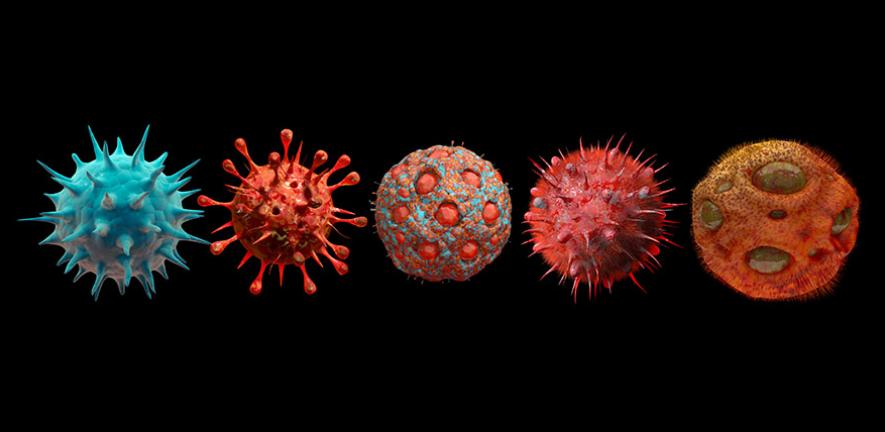
New vaccine technology could protect from future viruses and variants

Digital generated image of different variants of virus cells against a black background.

source: www.cam.ac.uk

Studies of a ‘future-proof’ vaccine candidate have shown that just one antigen can be modified to provide a broadly protective immune response in animals. The studies suggest that a single vaccine with combinations of these antigens – a substance that causes the immune system to produce antibodies against it – could protect against an even greater range of current and future coronaviruses.

This is an exceptionally different vaccine technology – it’s a real turning pointJonathan Heeney

The vaccine antigen technology, developed by the University of Cambridge and spin-out DIOSynVax in early 2020, provided protection against all known variants of SARS-CoV-2 – the virus that causes COVID-19 – as well as other major coronaviruses, including those that caused the first SARS epidemic in 2002.

The studies in mice, rabbits and guinea pigs – an important step before beginning human clinical trials, currently underway in Southampton and Cambridge – found that the vaccine candidate provided a strong immune response against a range of coronaviruses by targeting the parts of the virus that are required for replication. The vaccine candidate is based on a single digitally designed and immune-optimised antigen.

Even though the vaccine was designed before the emergence of the Alpha, Beta, Gamma, Delta and Omicron variants of SARS-CoV-2, it provided a strong protection against all of these and against more recent variants, suggesting that vaccines based on DIOSynVax antigens may also protect against future SARS-CoV-2 variants.

DIOSynVax (Digitally Immune Optimised Synthetic Vaccines) uses a combination of computational biology, protein structure, immune optimisation, and synthetic biology to maximise and widen the spectrum of protection that vaccines can provide against global threats including existing and future virus outbreaks. Its vaccine candidates can be deployed in a variety of vaccine delivery and manufacturing platforms. The results are reported in the journal Nature Biomedical Engineering.

Since the SARS outbreak in 2002, coronavirus ‘spillovers’ from animals to humans have been a threat to public health, and require vaccines that provide broad-based protection. “In nature, there are lots of these viruses just waiting for an accident to happen,” said Professor Jonathan Heeney from Cambridge’s Department of Veterinary Medicine, who led the research. “We wanted to come up with a vaccine that wouldn’t only protect against SARS-CoV-2, but all its relatives.”

All currently available vaccines, such as the seasonal flu vaccine and existing Covid-19 vaccines, are based on virus strains or variants that arose at some point in the past. “However, viruses are mutating and changing all the time,” said Heeney. “Current vaccines are based on a specific isolate or variant that occurred in the past, it’s possible that a new variant will have arisen by the time we get to the point that the vaccine is manufactured, tested and can be used by people.”

Heeney’s team has been developing a new approach to coronavirus vaccines, by targeting their ‘Achilles heel’. Instead of targeting just the spike proteins on the virus that change to evade our immune system, the Cambridge vaccine targets the critical regions of the virus that it needs to complete its virus life cycle. The team identifies these regions through computer simulations and selecting conserved structurally engineered antigens. “This approach allows us to have a vaccine with a broad effect that viruses will have trouble getting around,” said Heeney.

Using this approach, the team identified a unique antigen structure that gave a broad-based immune responses against different Sarbeco coronaviruses, the large group of SARS and SARS-CoV-2 related viruses that occur in nature. The optimised antigen is compatible with all vaccine delivery systems: the team administered it as a DNA immunogen (in collaboration with the University of Regensburg), a weakened version of a virus (Modified Vaccinia Ankara, supported by ProBiogen), and as an mRNA vaccine (in collaboration with Ethris). In all cases, the optimised antigen generated a strong immune response in mice, rabbits and guinea pigs against a range of coronaviruses. Based on a strong safety profile, the “first-in-human” clinical trials are ongoing at Southampton and Cambridge NIHR Clinical Research Facilities. The last booster immunisations will conclude by the end of September.

“Unlike current vaccines that use wild-type viruses or parts of viruses that have caused trouble in the past, this technology combines lessons learned from nature’s mistakes and aims to protect us from the future,” said Heeney. “These optimised synthetic antigens generate broad immune responses, targeted to the key sites of the virus that can’t change easily. It opens the door for vaccines against viruses that we don’t yet know about. This is an exceptionally different vaccine technology – it’s a real turning point.”

The research was initially funded by the DHSC UK Vaccine Network programme and later in part by the Innovate UK DIOS-CoVax programme. The DIOSynVax pipeline includes vaccine candidates for influenza viruses, haemorrhagic fever viruses, and coronaviruses including SARS-CoV-2, the latter of which is currently in clinical trials.

DIOSynVax is a spin-out company from the University of Cambridge, established in 2017 with the support of Cambridge Enterprise, the University’s commercialisation arm. Jonathan Heeney is the Professor of Comparative Pathology at the University of Cambridge, and a Fellow at Darwin College.

Reference:
Sneha Vishwanath et al. ‘A computationally designed antigen eliciting broad humoral responses against SARS-CoV-2 and related sarbecoviruses.’ Nature Biomedical Engineering (2023). DOI: 10.1038/s41551-023-01094-2


The text in this work is licensed under a Creative Commons Attribution-NonCommercial-ShareAlike 4.0 International License. Images, including our videos, are Copyright ©University of Cambridge and licensors/contributors as identified.  All rights reserved. We make our image and video content available in a number of ways – as here, on our main website under its Terms and conditions, and on a range of channels including social media that permit your use and sharing of our content under their respective Terms.

Widely-used COVID-19 antiviral could be helping SARS-CoV-2 to evolve

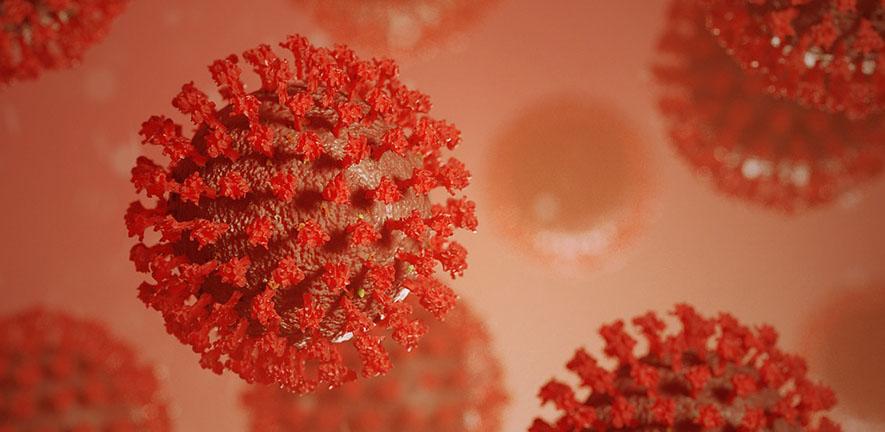
Image of SARS-CoV-2 viruses

Molnupiravir, an antiviral drug used to treat patients with COVID-19, appears to be driving SARS-CoV-2 to mutate and evolve, with some of these new viruses being transmitted onwards, a new study has shown. It is not clear, however, whether these mutated viruses pose an increased risk to patients or are able to evade the vaccine.

Molnupiravir belongs to a class of drugs that can cause the virus to mutate so much that it is fatally weakened. But what we’ve found is that in some patients, this process doesn’t kill all the virusesChristopher Ruis

The drug works by disrupting the virus’s genome, causing it to develop random mutations as it replicates, weakening the virus to prevent replication, thereby enabling clearance of infection.

But in research published today in Nature, scientists have shown that in some cases, mutated forms of the virus have been able to be transmitted from patients treated with molnupiravir and spread within the community.

Dr Christopher Ruis from the Department of Medicine at the University of Cambridge said: “Molnupiravir is one of a number of drugs being used to fight COVID-19. It belongs to a class of drugs that can cause the virus to mutate so much that it is fatally weakened. But what we’ve found is that in some patients, this process doesn’t kill all the viruses, and some mutated viruses can spread. This is important to take into account when assessing the overall benefits and risks of molnupiravir and similar drugs.”

Molnupiravir, marketed under the brand name Lagevrio, is licensed for the treatment of COVID-19 in several countries, including the UK, USA and Japan. It has been used to treat the disease since late 2021.

In the body, molnupiravir is converted into a molecule that disrupts the genome of the SARS-CoV-2 virus, introducing some nucleotide mutations in its RNA – randomly changing some Cs to Ts and some Gs to As. These changes mean that as the virus replicates, its progeny get weaker, reducing how quickly the virus is able to replicate and ridding the body of the virus.

However, concern has been expressed that in some cases, a number of mutated viruses may not be killed off quickly enough and so are able to infect other individuals, potentially allowing new mutated viruses to spread.

During the COVID-19 pandemic, a number of countries – spearheaded by the Cambridge-led COVID-19 Genomics UK Consortium – sequenced virus samples, depositing the information in databases such as the Global Initiative on Sharing All Influenza Data (GISAID) and the International Nucleotide Sequence Database Collaboration (INSDC). This allowed scientists and public health agencies to track the evolution and spread of the virus, and in particular to look out for so-called ‘variants of concern’ – versions of the virus with mutations that might make them more transmissible, more lethal, or able to evade the immune system of vaccinated individuals, such as the Delta and Omicron variants.

A team of researchers from the UK and South Africa noticed a number of viral genomes that contained a large number of mutations, particularly where Cs had changed to Ts and Gs to As. While C-to-T mutations are relatively common overall in SARS-CoV-2 evolution, G-to-A mutations occur much less frequently, and a higher proportion of G-to-A mutations is associated with molnupiravir treatment.

The team then analysed a family tree of more than 15 million SARS-CoV-2 sequences in the GISAID and INSDC databases looking for which mutations had occurred at each point in the virus’s evolutionary history. They found that viruses with this signature of mutations had begun to emerge almost exclusively from 2022 onwards and in countries and age groups where molnupiravir was being widely used to treat COVID-19.

To confirm the link, the researchers examined treatment records in England and found that at least one in three of viruses showing the mutational signature involved the use of molnupiravir.

The researchers also saw small clusters of patients infected with mutated viruses, which suggests that these new viruses were being passed from one person to another. However, none of the known variants of concern has so far been linked to the use of molnupiravir.

Dr Theo Sanderson from the Francis Crick Institute, said: “COVID-19 is still having a major effect on human health, and some people have difficulty clearing the virus, so it’s important we develop drugs which aim to cut short the length of infection. But our evidence shows that a specific antiviral drug, molnupiravir, also results in new mutations, increasing the genetic diversity in the surviving viral population.

“Our findings are useful for ongoing assessment of the risks and benefits of molnupiravir treatment. The possibility of persistent antiviral-induced mutations needs to be taken into account for the development of new drugs which work in a similar way.”

The research was funded by Wellcome, Cancer Research UK, the Medical Research Council, National Institute for Health and Care Research, Fondation Botnar, UK Cystic Fibrosis Trust and the Oxford Martin School.

Reference
Sanderson, T et al. A molnupiravir-associated mutational signature in global SARS-CoV-2 genomes. Nature; 25 Sept 2023: DOI: 10.1038/s41586-023-06649-6


The text in this work is licensed under a Creative Commons Attribution-NonCommercial-ShareAlike 4.0 International License. Images, including our videos, are Copyright ©University of Cambridge and licensors/contributors as identified.  All rights reserved. We make our image and video content available in a number of ways – as here, on our main website under its Terms and conditions, and on a range of channels including social media that permit your use and sharing of our content under their respective Terms.

How new model boosts supply and lowers prices for generic drugs

Pills and a capsule on pastel pink colored background. 3D rendered image.

First empirical evidence for Civica Rx, a health care utility, finds increased supply security and reduced costs for health systems, says study in NEJM Catalyst authored by two Cambridge Judge Business School academics.

Civica Rx, a not-for-profit drug manufacturer founded by seven US health systems and three philanthropic organisations, increased supply security and lowered cost on aggregate for 20 drug products, according to the first empirical evidence of Civica’s impact published in the journal NEJM Catalyst.

“Results show that Civica was able to improve generic drug access above the wholesaler model,” says the article in NEJM Catalyst, a publication that is part of the New England Journal of Medicine family. “Chronic drug shortages have been an extremely challenging problem and elusive to sustainable improvement in the past. This makes these early results highly promising.”

The NEJM Catalyst article (entitled “Vaccinating Health Care Supply Chains Against Market Failure: The Case of Civica Rx”) – is co-authored by the co-founders of the Healthcare Utility Initiative at Cambridge Judge Business School: Carter Dredge, Senior Vice President and Lead Futurist at SSM Health in St. Louis, Missouri (one of Civica’s founding health systems), who is a Business Doctorate candidate at Cambridge Judge, and by Stefan Scholtes, Dennis Gillings Professor of Health Management at Cambridge Judge.

Key breakthrough is structural rather than technological

“The results of this study are very encouraging for patients and health systems,” says Carter Dredge. “The innovation of Civica is not technological but rather structural: a new business model that injects a new type of supplier into a decades-old market for generic drugs in order to address a market failure.”

Civica is based on new business model called a health care utility (HCU) that prioritises access over profit. It was founded in 2018 to address generic drug shortages and high prices that have plagued health systems in the US and elsewhere, and now provides more than 75 critical medications at risk for shortages to US health systems.

Government intervention hasn’t solved problems in cost and supply

“Some problems in health care are so complex that traditional private-sector or governmental interventions alone have not been able to solve the problems,” the study says. “Although competition increases quality and reduces the cost of goods and services across a wide spectrum of industries, health care seems intractably resistant to standard forms of competition — particularly in its hyperspecialized supply chains.”

For example, the study says that the average price in 2022 for the uninsured for a box of five pen cartridges of insulin used to manage diabetes was more than $500, which results in 25% of Americans who rely on insulin being forced to ration their medications because of cost.

Study favourably compared Civica to 62 drug wholesalers

The study focused on a cohort of 14 critical and shortage-prone hospital drugs that represented 20 distinct products (some medicines have multiple products due to different dose and vial size) between 2020 and 2022. Data comes from internal hospital pharmacy operations systems, supply chain purchasing databases, wholesaler product information, the American Society of Health System Pharmacists, and Civica.

The authors estimated that Civica fulfilled its contractually guaranteed volume at 96%, whereas the wholesalers fulfilled their orders at 86%, with the difference being statistically significant (p=0.03). Further, Civica offered an additional product access benefit of 43% above the contractual minimum volume.

In addition, wholesaler prices at the order level were estimated to be on average 46% above the Civica price for the same product in the same year; however, through highly proactive health system purchasing efforts to buy more volume when prices were low from the 62 non-Civica manufacturers, this closed the actual achieved cost-savings gap between the wholesalers and Civica to 2.7% in aggregate, with Civica still being the lower-cost option.

(The 14 medicines are: bivalirudin to prevent blood clotting, the antibiotic daptomycin, anti-inflammatory dexamethasone, narcotic pain medicine fentanyl, pre-surgery medicine katamine, labetalol for hypertension, local anesthetic lidocaine, seizure medication lorazepam, naloxone to treat opioid overdose, neostigmine for anesthesia reversal, ondansetron to prevent nausea, rocuronium bromide for general anesthesia, sodium bicarbonate for cardiac arrest, and the antibiotic vancomycin.)

New model sells drugs at same transparent price to all health systems

The healthcare utility model is governed by stewards rather than owned, and pricing is uniform for all customers in a bid to maximise access rather than profits. Civica members purchase Civica medications at the same transparent price, as determined by the lowest appropriate cost necessary to sustainably provide the drugs over a 5-year period.

The seven large US health systems that founded Civica are: Catholic Health Initiatives, now CommonSpirit Health; HCA Healthcare; Intermountain Healthcare; Mayo Clinic; Providence St. Joseph Health; SSM Health; and Trinity Health. The three founding philanthropies are the Gary and Mary West Foundation, the Laura and John Arnold Foundation, and the Peterson Center on Healthcare.

Civica now serves more than 50 US health systems

The seven founding health systems have since been joined by more than 50 other health systems covering more than 1,500 hospitals and about 225,000 hospital beds. Through July 2023, more than 56 million cumulative patient doses of Civica medicines have been administered.

In conclusion, the authors say:

“The problems we face in health care are daunting, but many of them are solvable with the right approach. In learning from Civica’s experience, some of the most fundamental answers may already be at our fingertips.

“This article provides the first empirical evidence that this approach is working.”


The text in this work is licensed under a Creative Commons Attribution-NonCommercial-ShareAlike 4.0 International License. Images, including our videos, are Copyright ©University of Cambridge and licensors/contributors as identified.  All rights reserved. We make our image and video content available in a number of ways – as here, on our main website under its Terms and conditions, and on a range of channels including social media that permit your use and sharing of our content under their respective Terms.

Suppressing negative thoughts may be good for mental health after all

Women enjoying sun

The commonly-held belief that attempting to suppress negative thoughts is bad for our mental health could be wrong, a new study from scientists at the University of Cambridge suggests.

What we found runs counter to the accepted narrativeMichael Anderson

Researchers at the Medical Research Council (MRC) Cognition and Brain Sciences Unit trained 120 volunteers worldwide to suppress thoughts about negative events that worried them, and found that not only did these become less vivid, but that the participants’ mental health also improved.

“We’re all familiar with the Freudian idea that if we suppress our feelings or thoughts, then these thoughts remain in our unconscious, influencing our behaviour and wellbeing perniciously,” said Professor Michael Anderson.

“The whole point of psychotherapy is to dredge up these thoughts so one can deal with them and rob them of their power. In more recent years, we’ve been told that suppressing thoughts is intrinsically ineffective and that it actually causes people to think the thought more – it’s the classic idea of ‘Don’t think about a pink elephant’.”

These ideas have become dogma in the clinical treatment realm, said Anderson, with national guidelines talking about thought avoidance as a major maladaptive coping behaviour to be eliminated and overcome in depression, anxiety, PTSD, for example.

When COVID-19 appeared in 2020, like many researchers, Professor Anderson wanted to see how his own research could be used to help people through the pandemic. His interest lay in a brain mechanism known as inhibitory control – the ability to override our reflexive responses – and how it might be applied to memory retrieval, and in particular to stopping the retrieval of negative thoughts when confronted with potent reminders to them.

Dr Zulkayda Mamat – at the time a PhD student in Professor Anderson’s lab and at Trinity College, Cambridge – believed that inhibitory control was critical in overcoming trauma in experiences occurring to herself and many others she has encountered in life. She had wanted to investigate whether this was an innate ability or something that was learnt – and hence could be taught.

Dr Mamat said: “Because of the pandemic, we were seeing a need in the community to help people cope with surging anxiety. There was already a mental health crisis, a hidden epidemic of mental health problems, and this was getting worse. So with that backdrop, we decided to see if we could help people cope better.”

Professor Anderson and Dr Mamat recruited 120 people across 16 countries to test whether it might in fact be possible – and beneficial – for people to practice suppressing their fearful thoughts. Their findings are published today in Science Advances.

In the study, each participant was asked to think of a number of scenarios that might plausibly occur in their lives over the next two years – 20 negative ‘fears and worries’ that they were afraid might happen, 20 positive ‘hopes and dreams’, and 36 routine and mundane neutral events. The fears had to be worries of current concern to them, that have repeatedly intruded in their thoughts.

Each event had to be specific to them and something they had vividly imagined occurring. For each scenario, they were to provide a cue word (an obvious reminder that could be used to evoke the event during training) and a key detail (a single word expressing a central event detail). For example:

  • Negative – visiting one’s parents at the hospital as a result of COVID-19, with the cue ‘Hospital’ and the detail ‘Breathing’.
  • Neutral – a visit to the opticians, with the cue ‘Optician’ and the detail ‘Cambridge’.
  • Positive – seeing one’s sister get married, with the cue ‘Wedding’ and the detail ‘Dress’.

Participants were asked to rate each event on a number of points: vividness, likelihood of occurrence, distance in the future, level of anxiety about the event (or level of joy for positive events), frequency of thought, degree of current concern, long-term impact, and emotional intensity.

Participants also completed questionnaires to assess their mental health, though no one was excluded, allowing the researchers to look at a broad range of participants, including many with serious depression, anxiety, and pandemic-related post-traumatic stress.

Then, over Zoom, Dr Mamat took each participant through the 20-minute training, which involved 12 ‘No-imagine’ and 12 ‘Imagine’ repetitions for events, each day for three days.

For No-imagine trials, participants were given one of their cue words, asked to first acknowledge the event in their mind.  Then, while continuing to stare directly at the reminder cue, they were asked to stop thinking about the event – they should not try to imagine the event itself or use diversionary thoughts to distract themselves, but rather should try to block any images or thoughts that the reminder might evoke.  For this part of the trial, one group of participants was given their negative events to suppress and the other given their neutral ones.

For Imagine trials, participants were given a cue word and asked to imagine the event as vividly as possible, thinking what it would be like and imagining how they would feel at the event. For ethical reasons, no participant was given a negative event to imagine, but only positive or neutral ones.

At the end of the third day and again three months later, participants were once again asked to rate each event on vividness, level of anxiety, emotional intensity, etc., and completed questionnaires to assess changes in depression, anxiety, worry, affect, and wellbeing, key facets of mental health.

Dr Mamat said: “It was very clear that those events that participants practiced suppressing were less vivid, less emotionally anxiety-inducing, than the other events and that overall, participants improved in terms of their mental health. But we saw the biggest effect among those participants who were given practice at suppressing fearful, rather than neutral, thoughts.” 

Following training – both immediately and after three months – participants reported that suppressed events were less vivid and less fearful. They also found themselves thinking about these events less.

Suppressing thoughts even improved mental health amongst participants with likely post-traumatic stress disorder. Among participants with post-traumatic stress who suppressed negative thoughts, their negative mental health indices scores fell on average by 16% (compared to a 5% fall for similar participants suppressing neutral events), whereas positive mental health indices scores increased by almost 10% (compared to a 1% fall in the second group).

In general, people with worse mental health symptoms at the outset of the study improved more after suppression training, but only if they suppressed their fears. This finding directly contradicts the notion that suppression is a maladaptive coping process.

Suppressing negative thoughts did not lead to a ‘rebound’, where a participant recalled these events more vividly. Only one person out of 120 showed higher detail recall for suppressed items post-training, and just six of the 61 participants that suppressed fears reported increased vividness for No-Imagine items post-training, but this was in line with the baseline rate of vividness increases that occurred for events that were not suppressed at all.  

“What we found runs counter to the accepted narrative,” said Professor Anderson. “Although more work will be needed to confirm the findings, it seems like it is possible and could even be potentially beneficial to actively suppress our fearful thoughts.”

Although participants were not asked to continue practising the technique, many of them chose to do so spontaneously. When Dr Mamat contacted the participants after three months, she found that the benefits in terms of reduced levels of depression and negative emotions, continued for all participants, but were most pronounced among those participants who continued to use the technique in their daily lives.

“The follow up was my favourite time of my entire PhD, because every day was just joyful,” she said. “I didn’t have a single participant who told me ‘Oh, I feel bad’ or ‘This was useless’. I didn’t prompt them or ask ‘Did you find this helpful?’ They were just automatically telling me how helpful they found it.”

One participant was so impressed by the technique that she taught her daughter and her own mother how to do it. Another reported how she had moved home just prior to COVID-19 and so felt very isolated during the pandemic.

“She said this study had come exactly at the time she needed it because she was having all these negative thoughts, all these worries and anxiety about the future, and this really, really helped her,” said Dr Mamat. “My heart literally just melted, I could feel goosebumps all over me. I said to her ‘If everyone else hated this experiment, I would not care because of how much this benefited you!’.”

The research was funded by the Medical Research Council and the Mind Science Foundation.

Reference
Mamat, Z, and Anderson, MC. Improving Mental Health by Training the Suppression of Unwanted Thoughts. Sci Adv; 20 Sept 2023; DOI: 10.1126/sciadv.adh5292


The text in this work is licensed under a Creative Commons Attribution-NonCommercial-ShareAlike 4.0 International License. Images, including our videos, are Copyright ©University of Cambridge and licensors/contributors as identified.  All rights reserved. We make our image and video content available in a number of ways – as here, on our main website under its Terms and conditions, and on a range of channels including social media that permit your use and sharing of our content under their respective Terms.

Cambridge remains most intensive science and technological cluster in the world

Cambridge remains the most intensive science and technological cluster in the world – according to a new report ranking innovation around the globe.

“I am thrilled to see Cambridge again recognised as one of the greatest innovation hubs on the planet.”Professor Deborah Prentice, Vice-Chancellor

The 2023 Global Innovation Index (GII) – which evaluates the top-level innovative capacity of countries and economies, and identifies local concentrations of world-leading activity ­– has named Cambridge as the number one science and technological (S&T) cluster by intensity, in relation to its size, unchanged from the 2022 Index. San Jose, San Francisco, in the USA, was named second and Oxford third.

S&T clusters are established by analysing patent-filing activity and scientific article publication, and documenting the geographical areas around the world with the highest density of inventors and scientific authors.

According to the Index – which will be published in full on 27 September – the Cambridge cluster filed 6,582 Patent Cooperation Treaty (PCT) patent applications and published 37,136 scientific articles, both per 1 million inhabitants, over the past 5 years.

The University of Cambridge sits at the heart of the ‘Cambridge cluster’, powering world-leading research, driving a thriving ecosystem of hundreds of spinout and start-up companies, and nurturing an environment for business services and investment.

Earlier this year, a new report by leading consultants London Economics showed that the University adds nearly £30 billion to the economy every year and supports more than 86,000 jobs across the UK.

Professor Deborah Prentice, Vice-Chancellor of the University of Cambridge, said: “Cambridge is a truly extraordinary place, where leading scientists work side by side with industry and academic partners, sparking ideas and creating life-changing medicines, technologies and services. I am thrilled to see it again recognised as one of the greatest innovation hubs on the planet.”

Dr Diarmuid O’Brien, Chief Executive, Cambridge Enterprise, said: “It is fantastic to see this continued recognition of Cambridge’s success as the world’s most intensive science and technological cluster. The Cambridge innovation ecosystem is home to a unique and driven community of exceptional science, people, companies and partners, tackling global challenges and changing lives.”


The text in this work is licensed under a Creative Commons Attribution-NonCommercial-ShareAlike 4.0 International License. Images, including our videos, are Copyright ©University of Cambridge and licensors/contributors as identified.  All rights reserved. We make our image and video content available in a number of ways – as here, on our main website under its Terms and conditions, and on a range of channels including social media that permit your use and sharing of our content under their respective Terms.

Machine learning models can produce reliable results even with limited training data

Digital generated image of multi coloured glowing data over landscape.

source: www.cam.ac.uk

Researchers have determined how to build reliable machine learning models that can understand complex equations in real-world situations while using far less training data than is normally expected.

It’s surprising how little data you need to end up with a reliable modelNicolas Boullé

The researchers, from the University of Cambridge and Cornell University, found that for partial differential equations – a class of physics equations that describe how things in the natural world evolve in space and time – machine learning models can produce reliable results even when they are provided with limited data.

Their results, reported in the Proceedings of the National Academy of Sciences, could be useful for constructing more time- and cost-efficient machine learning models for applications such as engineering and climate modelling.

Most machine learning models require large amounts of training data before they can begin returning accurate results. Traditionally, a human will annotate a large volume of data – such as a set of images, for example – to train the model.

“Using humans to train machine learning models is effective, but it’s also time-consuming and expensive,” said first author Dr Nicolas Boullé, from the Isaac Newton Institute for Mathematical Sciences. “We’re interested to know exactly how little data we actually need to train these models and still get reliable results.”

Other researchers have been able to train machine learning models with a small amount of data and get excellent results, but how this was achieved has not been well-explained. For their study, Boullé and his co-authors, Diana Halikias and Alex Townsend from Cornell University, focused on partial differential equations (PDEs).

“PDEs are like the building blocks of physics: they can help explain the physical laws of nature, such as how the steady state is held in a melting block of ice,” said Boullé, who is an INI-Simons Foundation Postdoctoral Fellow. “Since they are relatively simple models, we might be able to use them to make some generalisations about why these AI techniques have been so successful in physics.”

The researchers found that PDEs that model diffusion have a structure that is useful for designing AI models. “Using a simple model, you might be able to enforce some of the physics that you already know into the training data set to get better accuracy and performance,” said Boullé.

The researchers constructed an efficient algorithm for predicting the solutions of PDEs under different conditions by exploiting the short and long-range interactions happening. This allowed them to build some mathematical guarantees into the model and determine exactly how much training data was required to end up with a robust model.

“It depends on the field, but for physics, we found that you can actually do a lot with a very limited amount of data,” said Boullé. “It’s surprising how little data you need to end up with a reliable model. Thanks to the mathematics of these equations, we can exploit their structure to make the models more efficient.”

The researchers say that their techniques will allow data scientists to open the ‘black box’ of many machine learning models and design new ones that can be interpreted by humans, although future research is still needed.

“We need to make sure that models are learning the right things, but machine learning for physics is an exciting field – there are lots of interesting maths and physics questions that AI can help us answer,” said Boullé.

Reference

Nicolas Boullé, Diana Halikias, and Alex Townsend. ‘Elliptic PDE learning is provably data-efficient.’ PNAS (2023). DOI: 10.1073/pnas.2303904120


The text in this work is licensed under a Creative Commons Attribution-NonCommercial-ShareAlike 4.0 International License. Images, including our videos, are Copyright ©University of Cambridge and licensors/contributors as identified.  All rights reserved. We make our image and video content available in a number of ways – as here, on our main website under its Terms and conditions, and on a range of channels including social media that permit your use and sharing of our content under their respective Terms.

Cambridge Zero takes centre stage at Climate Week NYC

Photograph of New York skyline

source: www.cam.ac.uk

Cambridge Zero Director Professor Emily Shuckburgh will take centre stage at the world’s biggest climate event of its kind in New York, where she will talk to global leaders of government, business and philanthropy about Cambridge’s efforts to tackle climate change.

Now is the time for Cambridge and the rest of the world to turn ambition into action in the race to accelerate the pace of a just transition to a net zero worldProf Emily Shuckburgh

Professor Shuckburgh (Trinity and Darwin) will be at Climate Week NYC  (17-24 September) to discuss how to address the challenges the world faces in keeping global temperatures to 1.5 degrees Celsius. She will be at the Opening Ceremony on Sunday 17 September alongside world government, business, science and policy leaders and appear with top climate scientists in the opening video. You can view the Opening Ceremony and video live by registering for it here.

Professor Shuckburgh will be appearing on Climate Week NYC’s Hub Live on Tuesday 19 September with Helen Clarkson (Corpus Christi 1993) Chief Executive Officer of the Climate Group which organises Climate Week, with Kate Brandt (Selwyn 2007) Chief Sustainability Officer of Google and Judith Weise Chief People & Sustainability Officer of Siemens AG to discuss the innovation and investment needed to achieve net zero. You can register to view Tuesday’s panel online through this link: New frontiers of Climate Action.

“Now is the time for Cambridge and the rest of the world to turn ambition into action in the race to accelerate the pace of a just transition to a net zero world and New York will be buzzing with the kinds of people who can make that happen,” Professor Shuckburgh said.    

Climate Week NYC takes place in partnership with the United Nations General Assembly and is run in coordination with the United Nations and the City of New York. It is the largest annual climate event of its kind, bringing together some 400 events and activities across the City of New York – in person, hybrid and online.

This year it centres around the UN General Assembly, the UN Secretary-General’s Climate Ambition Summit as well as hundreds of national government, business and climate group initiatives, making it a unique opportunity for Cambridge to communicate with the world.

On Wednesday evening, just hours after the UN Secretary-General’s Climate Ambition Summit is concluded at the nearby headquarters of the United Nations, Professor Shuckburgh will lead a discussion for alumni in New York, hosted by Cambridge in America at the Morgan Library, about the technological and behavioural solutions available to build a sustainable future for the whole planet.

Professor Shuckburgh will be joined at the alumni event by Professor of Planetary Computing Anil Madhavapeddy (Pembroke) and Fiona Macklin (St John’s 2012), Senior Adviser to Groundswell, a joint initiative between Bezos Earth Fund, Global Optimism and the Systems Change Lab. The panel will be chaired by Professor Matthew Connelly, the new Director of the Centre for the Study of Existential Risk at the University of Cambridge. 

Book online here to see Mission Possible: Creating a Better Planetary Future.

“Our alumni network is one of Cambridge’s greatest pillars of support and with their help the University is able to amplify its work, linking one of the world’s top research universities to peer institutions, policymakers and business leaders,” Professor Shuckburgh said.   

Throughout the visit to New York, Cambridge Zero will seek to respond to news and relevant climate announcements with the help of an assembled Cambridge Climate Media team of academics at the University.     


The text in this work is licensed under a Creative Commons Attribution-NonCommercial-ShareAlike 4.0 International License. Images, including our videos, are Copyright ©University of Cambridge and licensors/contributors as identified.  All rights reserved. We make our image and video content available in a number of ways – as here, on our main website under its Terms and conditions, and on a range of channels including social media that permit your use and sharing of our content under their respective Terms.

Roadside hedges can reduce harmful ultrafine particle pollution around schools

Monitoring particle air pollution either side of the tredge installed at St Ambrose primary school, Manchester

source: www.cam.ac.uk

A new study led by Cambridge University confirms that planting hedges between roadsides and school playgrounds can dramatically reduce children’s exposure to traffic-related particle pollution.

Our findings show that hedges can provide a simple, cheap and effective way to help reduce exposure to local sources of pollutionHassan Sheikh

The research, a collaboration with Lancaster University, found that hedges can act as protective barriers against air pollution from major city roads by soaking up significant quantities of harmful particles emitted by traffic.

The researchers applied a new type of pollution analysis, using magnetism to study particles trapped by a hedge separating a major 6-lane road from a primary school in Manchester, UK. They found that the hedge was especially successful in removing ultrafine particle pollution, which can be more damaging to health.

“Our findings show that hedges can provide a simple, cheap and effective way to help reduce exposure to local sources of pollution,” said lead author Hassan Sheikh from Cambridge’s Department of Earth Sciences.

The new study differs from conventional air pollution studies because the researchers specifically measured magnetic particles, which originate from vehicle exhaust and the wearing of brake pads and tyres. That allowed them to distinguish local traffic pollution from other sources of air pollution.

In England alone, epidemiological studies estimate that 26,000 to 38,000 deaths and thousands of NHS hospital admissions are linked to dust-like particles carried in air pollution — much of which is generated by heavy traffic in urban environments.

This particle pollution — or particulate matter — is made up of a variety of chemical compounds, metals and other materials, some of which are toxic. The bigger particles (which are still tiny) measure less than 10 microns in diameter (called PM10) and are easily inhaled. Finer particles of less than 2.5 microns across (PM2.5) can penetrate deeper into the lungs and are small enough to enter the bloodstream.

Children attending schools next to busy roads are especially vulnerable to the effects of air pollution because their airways are still developing and they breath faster than adults.

Sheikh and the team studied magnetic particles captured by a western red cedar ‘tredge’ (trees managed at head-height) which was previously installed outside St Ambrose Primary School as part of a trial led by Lancaster University.

“Western red cedar does a great job in ‘capturing ‘ particulate pollution because it has abundant, fine, evergreen leaves into which airborne particles bump and then settle from the roadside air,” said study co-author Professor Barbara Maher from the University of Lancaster who led the previous research.

Sheikh and the team measured particles of varying sizes on the leaves of the tredge and used air filters to measure particle abundance at intervals downwind toward the school playground.

They also developed a new experiment that used a tracer gas to understand how ultrafine particles (measuring less that 2.5 microns) moved through and were trapped by the tredge.

Their results revealed that there was a substantial reduction in particle pollution downwind of the tredge. “The tredge acts as a permeable barrier, intercepting and capturing particles effectively on its leaves,” said Sheikh.

In the school playground, 30 metres from the road, they measured a 78% decrease in PM10 relative to roadside air.

They noticed that this removal was even more efficient for ultrafine PM2.5 particles. “What was remarkable was just how efficiently the tredge hoovered up the very finest particles,” said senior author Professor Richard Harrison, also from Cambridge’s Department of Earth Sciences. They measured an 80% reduction in the ultrafine particles just behind the tredge.

They think the ultrafine particles are preferentially filtered out by the tredge because they have a higher likelihood of being captured on the ridged surfaces of the red cedar leaves than coarser particles.

However, they did note a slight uptick in levels of magnetic PM2.5 in the playground, although they were still 63% below roadside air. “The ultrafine particles were very effectively removed, but this shows that some air still goes over or around the tredge,” said Sheikh. Less is currently known about how particulate matter moves and disperses at this higher level, where air mixes around buildings and trees.

“That means the design and placement of tredges near playgrounds and schools should be carefully considered so that their ability to soak up particles can be used to maximum effect,” said Harrison.

Cllr Tracey Rawlins, Executive Member for Environment for Manchester City Council, said: “We were keen to be part of this study as Manchester seeks to embrace innovation in our efforts to become a greener city with cleaner air and tackle climate change.

“The findings underline the contribution which nature-based innovations can make to rising to that challenge. We look forward to delivering more green screens as well as many trees at school sites, complementing our education climate change strategy,” said Rawlins.

Previously, Sheikh and Harrison used their new magnetic analysis to identify high levels of ultrafine particles polluting the London Underground. They now plan on working with colleagues at the MRC Toxicology Unit in Cambridge to find out what happens when cells are exposed to this type of ultrafine particle pollution.

Reference:
Sheikh, H. A., Maher, B. A., Woods, A. W., Tung, P. Y., & Harrison, R. J. (2023). Efficacy of green infrastructure in reducing exposure to local, traffic-related sources of airborne particulate matter (PM). Science of the Total Environment, 166598.


The text in this work is licensed under a Creative Commons Attribution-NonCommercial-ShareAlike 4.0 International License. Images, including our videos, are Copyright ©University of Cambridge and licensors/contributors as identified.  All rights reserved. We make our image and video content available in a number of ways – as here, on our main website under its Terms and conditions, and on a range of channels including social media that permit your use and sharing of our content under their respective Terms.

Cambridge researchers announced as programme directors for new UK funding agency

Abstract image

ARIA, the UK’s new R&D funding agency, has announced its line-up of new programme directors – and three of them are current or former researchers from the University of Cambridge.

It’s a remarkable reflection of the quality of Cambridge research that three of the eight new programme directors stem from our UniversityAnne Ferguson-Smith

ARIA is a government-funded agency that aims to unlock scientific and technological breakthroughs that could benefit everyone. Many of society’s most important advances have stemmed from those with the foresight to pursue new capabilities that most believed to be unattainable. ARIA aims to empower scientists and engineers with the resources and freedom to pursue those breakthroughs.

The new programme directors include:

Gemma Bale

Gemma is the Gianna Angelopoulos Assistant Professor in Medical Therapeutics and Head of the Neuro Optics Lab at the University of Cambridge. Her work focuses on developing non-invasive brain monitoring in real-world environments where traditional brain monitoring isn’t usually possible.

Sarah Bohndiek

Sarah is a Professor of Biomedical Physics at the University of Cambridge, jointly appointed in the Department of Physics and the Cancer Research UK Cambridge Institute. Sarah leads an interdisciplinary team that uses optical imaging technology to monitor in situ tumour evolution and support earlier cancer detection.

Angie Burnett

Angie is a plant biologist, focused on investigating the responses of crop plants to environmental stresses, such as drought and extreme temperature. Angie worked as a Postdoctoral Research Associate at Brookhaven National Laboratory and a Consultant at the Food and Agriculture Organization of the United Nations, before becoming a Research Associate at the University of Cambridge.

Writing on the ARIA website, Professor Bohndiek and Dr Bale said: “We’re both passionate about the future health of our planet and the people on it. Working in the health tech space, we have created new tools to allow us to safely see inside humans in new ways using light. We believe that there are emerging optical technologies at the edge of the possible, which will disrupt the current landscape.

“As co-PDs, we’ll look to accelerate these technologies, initially by exploring ideas around non-invasive optical mapping and sensing across a range of applications – from monitoring human health to climate change.”

Professor Anne Ferguson-Smith, Pro-Vice-Chancellor for Research at the University of Cambridge, said: “The launch of ARIA, a brand new funding organisation, is an important moment for UK research and innovation. It’s a remarkable reflection of the quality of Cambridge research that three of the eight new programme directors stem from our University, including two current academics. We wish them luck in this exciting new endeavour.”


The text in this work is licensed under a Creative Commons Attribution-NonCommercial-ShareAlike 4.0 International License. Images, including our videos, are Copyright ©University of Cambridge and licensors/contributors as identified.  All rights reserved. We make our image and video content available in a number of ways – as here, on our main website under its Terms and conditions, and on a range of channels including social media that permit your use and sharing of our content under their respective Terms.

Over a third of UK medical students do not receive sexual misconduct training

Nurses walking down a corridor

source: www.cam.ac.uk

More than a third of newly qualified doctors are leaving UK medical schools without any education on sexual misconduct specifically relating to the medical profession according to new research led by researchers at the University of Cambridge.

Our study shows it cannot be assumed that graduates who are working as junior doctors have received training on sexual misconduct before starting their rolesSarah Steele

The study, published today in JRSM Open and based on responses by the UK’s 34 medical schools to Freedom of Information requests, shows there is no standardisation of training on sexual misconduct across medical universities.

Almost half of medical schools offered no training, or only generalised harassment training that was not specific to sexual misconduct or that was wholly outside the context of being a doctor.

The researchers point to research findings earlier this year that showed training for NHS staff on sexual harassment intervention is lacking, while other reports highlighted 20,000 incidents of sexual misconduct in the NHS, leading to healthcare workers leaving their professions. In August 2023, the General Medical Council issued new professional standards for doctors which, for the first time, included explicit rules on sexual misconduct.

Medical students, as future clinicians, have a crucial and strategic need for education that allows them to perform a critical role in exhibiting good behaviour, and intervening, identifying, assessing and reporting sexual misconduct when they see it happening at work or in wider society, say the researchers.

Lead researcher Dr Sarah Steele of the University of Cambridge and Jesus College, Cambridge, commented: “Our study shows it cannot be assumed that graduates who are working as junior doctors have received training on sexual misconduct before starting their roles. Considering the magnitude of this issue, universities and professional bodies should urgently address this problem.”

The researchers point to serious shortcomings within the health sector in preventing and addressing sexual misconduct, with costs in damages to address sexual misconduct in the NHS exceeding £4 million in the last five years.

In the medical schools where compulsory sexual misconduct training was provided, a wide range of delivery methods were adopted, with workshops and lectures being the main delivery approach.

Dr Steele said: “With such significant variations in the context and format of teaching, it is important to research which methods and content are most effective in improving these future clinicians’ responses to this form of abuse and discrimination.

“The latest GMC professional standards make it imperative medical schools offer this training. Tomorrow’s doctors need to be trained properly if we are to put in place the zero-tolerance approach.”

According to the study, the curriculum analysis within the study was significantly hampered by several medical schools refusing to provide information on the basis of it being proprietary knowledge. “The idea that public universities offering medical education in accordance with the General Medical Council requirements are in competition, such that they do not share curricular and do not engage in knowledge exchange, is concerning to say the least,” added Dr Steele.

Reference
Dowling, T and Steele, S. Is sexual misconduct training sufficient in the UK’s medical schools: Results of a cross-sectional survey and opportunities for improvement. JRSM Open; 12 Sept 2023; DOI: 10.1177/20542704231198732

Press release from the Royal Society of Medicine


The text in this work is licensed under a Creative Commons Attribution-NonCommercial-ShareAlike 4.0 International License. Images, including our videos, are Copyright ©University of Cambridge and licensors/contributors as identified.  All rights reserved. We make our image and video content available in a number of ways – as here, on our main website under its Terms and conditions, and on a range of channels including social media that permit your use and sharing of our content under their respective Terms.

Healthy lifestyle can help prevent depression – and new research may explain why

A group of people standing around a table with plates of food

source: www.cam.ac.uk

A healthy lifestyle that involves moderate alcohol consumption, a healthy diet, regular physical activity, healthy sleep and frequent social connection, while avoiding smoking and too much sedentary behaviour, reduces the risk of depression, new research has found.

Although our DNA – the genetic hand we’ve been dealt – can increase our risk of depression, we’ve shown that a healthy lifestyle is potentially more important.Barbara Sahakian

In research published today in Nature Mental Health, an international team of researchers, including from the University of Cambridge and Fudan University, looked at a combination of factors including lifestyle factors, genetics, brain structure and our immune and metabolic systems to identify the underlying mechanisms that might explain this link.

According to the World Health Organization, around one in 20 adults experiences depression, and the condition poses a significant burden on public health worldwide. The factors that influence the onset of depression are complicated and include a mixture of biological and lifestyle factors.

To better understand the relationship between these factors and depression, the researchers turned to UK Biobank, a biomedical database and research resource containing anonymised genetic, lifestyle and health information about its participants.

By examining data from almost 290,000 people – of whom 13,000 had depression – followed over a nine-year period, the team was able to identify seven healthy lifestyle factors linked with a lower risk of depression. These were:

  • moderate alcohol consumption
  • healthy diet
  • regular physical activity
  • healthy sleep
  • never smoking
  • low-to-moderate sedentary behaviour
  • frequent social connection

Of all of these factors, having a good night’s sleep – between seven and nine hours a night – made the biggest difference, reducing the risk of depression, including single depressive episodes and treatment-resistant depression, by 22%.

Frequent social connection, which in general reduced the risk of depression by 18%, was the most protective against recurrent depressive disorder.

Moderate alcohol consumption decreased the risk of depression by 11%, healthy diet by 6%, regular physical activity by 14%, never smoking by 20%, and low-to-moderate sedentary behaviour by 13%.

Based on the number of healthy lifestyle factors an individual adhered to, they were assigned to one of three groups: unfavourable, intermediate, and favourable lifestyle. Individuals in the intermediate group were around 41% less likely to develop depression compared to those in the unfavourable lifestyle, while those in the favourable lifestyle group were 57% less likely.

The team then examined the DNA of the participants, assigning each a genetic risk score. This score was based on the number of genetic variants an individual carried that have a known link to risk of depression. Those with the lowest genetic risk score were 25% less likely to develop depression when compared to those with the highest score – a much smaller impact than lifestyle.

In people at high, medium, and low genetic risk for depression, the team further found that a healthy lifestyle can cut the risk of depression. This research underlines the importance of living a healthy lifestyle for preventing depression, regardless of a person’s genetic risk.

Professor Barbara Sahakian, from the Department of Psychiatry at the University of Cambridge, said: “Although our DNA – the genetic hand we’ve been dealt – can increase our risk of depression, we’ve shown that a healthy lifestyle is potentially more important.

“Some of these lifestyle factors are things we have a degree control over, so trying to find ways to improve them – making sure we have a good night’s sleep and getting out to see friends, for example – could make a real difference to people’s lives.”

To understand why a healthy lifestyle might reduce the risk of depression, the team studied a number of other factors.

First off, they examined MRI brain scans from just under 33,000 participants and found a number of regions of the brain where a larger volume – more neurons and connections – was linked to a healthy lifestyle. These included the pallidum, thalamus, amygdala and hippocampus.

Next, the team looked for markers in the blood that indicated problems with the immune system or metabolism (how we process food and produce energy). Among those markers found to be linked to lifestyle were the C-reactive protein, a molecule produced in the body in response to stress, and triglycerides, one of the primary forms of fat that the body uses to store energy for later.

These links are supported by a number of previous studies. For example, exposure to stress in life can affect how well we are able to regulate blood sugar, which may lead to a deterioration of immune function and accelerate age-related damage to cells and molecules in the body. Poor physical activity and lack of sleep can damage the body’s ability to respond to stress. Loneliness and lack of social support have been found to increase the risk of infection and increase markers of immune deficiency.

The team found that the pathway from lifestyle to immune and metabolic functions was the most significant. In other words, a poorer lifestyle impacts on our immune system and metabolism, which in turn increases our risk of depression.

Dr Christelle Langley, also from the Department of Psychiatry at the University of Cambridge, said: “We’re used to thinking of a healthy lifestyle as being important to our physical health, but it’s just as important for our mental health. It’s good for our brain health and cognition, but also indirectly by promoting a healthier immune system and better metabolism.”

Professor Jianfeng Feng, from Fudan University and Warwick University, added: “We know that depression can start as early as in adolescence or young adulthood, so educating young people on the importance of a healthy lifestyle and its impact on mental health should begin in schools.”

This study was supported by grants from organisations including the National Natural Science Foundation of China and the Ministry of Science, China*.

Reference
Zhao, Y & Yang, L et al. The brain structure, immunometabolic and genetic mechanisms underlying the association between lifestyle and depression. Nature Mental Health; 11 Sept 2023; DOI: 10.1038/s44220-023-00120-1

*A full list of funders can be found in the paper.


The text in this work is licensed under a Creative Commons Attribution-NonCommercial-ShareAlike 4.0 International License. Images, including our videos, are Copyright ©University of Cambridge and licensors/contributors as identified.  All rights reserved. We make our image and video content available in a number of ways – as here, on our main website under its Terms and conditions, and on a range of channels including social media that permit your use and sharing of our content under their respective Terms.
Lack of evidence hampers progress on corporate-led ecosystem restoration

Degraded coral reef 'rubblefield' in Indonesia.

source: www.cam.ac.uk

A near total lack of transparency is making it impossible to assess the quality of corporate-led ecosystem restoration projects, a new study finds.

The world’s largest corporations have the potential to lift ecosystem restoration efforts to an unprecedented scale. But their involvement has to be managed with proper evidence and accountability, to make sure the outcomes are beneficial and fair for everyone.Rachael Garrett

An international team of scientists has analysed publicly available sustainability reports released by 100 of the world’s largest companies and found that despite many businesses claiming to actively rebuild damaged ecosystems, very little is known about what is actually being achieved.

Efforts to rebuild degraded environments are vital for achieving global biodiversity targets, and corporate-led projects offer huge potential to restore damaged and lost ecosystems around the globe.  

But the study reveals that over 90 percent of corporate-led restoration projects fail to report a single ecological outcome. Around 80 percent of projects do not reveal how much money is invested in restoration, and a third fail to even state the area of habitat that they aim to restore.

The United Nations has launched a Decade on Ecosystem Restoration, and in recent years businesses around the world have collectively pledged to plant billions of trees, hundreds of thousands of corals and tens of thousands of mangroves. Around two thirds of the top 100 largest global corporations undertake ecosystem restoration.

The study is published in the journal Science.

“Ultimately, if big businesses are going to contribute effectively to the UN Decade on Ecosystem Restoration, there needs to be transparency and consistency in reporting,” said Professor Rachael Garrett, Moran Professor of Conservation and Development at the University of Cambridge Conservation Research Institute, and a co-author of the report.

She added: “This is in the interest of the businesses themselves, who stand to gain from demonstrating to their customers, shareholders, employees and the wider public that they are making meaningful impacts with their declared restoration efforts.

“The world’s largest corporations have the potential to lift ecosystem restoration efforts to an unprecedented scale. But their involvement has to be managed with proper evidence and accountability, to make sure the outcomes are beneficial and fair for everyone.”

Many countries require businesses to conduct Environmental Impact Assessments (EIAs) to quantify and reduce their environmental damage, and other private-sector initiatives also encourage companies to measure and disclose their biodiversity impacts. However, the study finds that current guidelines and legal frameworks around ecosystem restoration are inadequate, and are not yet resulting in appropriate reporting by businesses.

The researchers are calling for more transparency around the reporting of corporate-led ecosystem restoration projects, and for reporting to be more consistently centred around scientific principles that determine ecosystem restoration success.

“Restoring degraded ecosystems is an urgent challenge for this decade, and big businesses have the potential to play a vital role,” said Dr Tim Lamont at Lancaster University, lead author of the study.

He added: “With their size, resources and logistics expertise, they could help deliver the large-scale restoration we need in many places. But at the moment there is very little transparency, which makes it hard for anyone to assess if projects are delivering benefits for ecosystems or people.

“When a business says it has planted thousands of trees to restore habitat and soak up carbon – how do we know if this has been delivered, if the trees will survive, and if it has resulted in a functioning ecosystem that benefits biodiversity and people? In many cases, we’ve found that the evidence provided by large corporations to support their claims is insufficient.”

The researchers say new improved reporting guidelines around ecosystem restoration should:

  • Recommend that companies clearly differentiate between restoration activities that merely mitigate the negative environmental impacts of a business’ operations from those that aim to provide wider climate, biodiversity and social justice outcomes.
  • Recommend a principle-based approach, drawing from conservation science, for planning and reporting, so that restoration projects in a range of different contexts can all maintain high standards across core areas.
  • Ensure corporations engage with and empower local stakeholders to co-design restoration projects from the outset.

Reference

Lamont, T, et al: ‘Hold big business to task on ecosystem restoration: corporate reporting must embrace holistic principles from restoration science.’ Sept 2023, Science. DOI: 10.1126/science.adh2610

Adapted from a press release by Lancaster University.


The text in this work is licensed under a Creative Commons Attribution-NonCommercial-ShareAlike 4.0 International License. Images, including our videos, are Copyright ©University of Cambridge and licensors/contributors as identified.  All rights reserved. We make our image and video content available in a number of ways – as here, on our main website under its Terms and conditions, and on a range of channels including social media that permit your use and sharing of our content under their respective Terms.

Switching ‘spin’ on and off (and up and down) in quantum materials at room temperature

Artist's impression of aligned spins in an organic semiconductor

source: www.cam.ac.uk

Researchers have found a way to control the interaction of light and quantum ‘spin’ in organic semiconductors, that works even at room temperature.

These new materials hold great promise for completely new applications, since we’ve been able to remove the need for ultra-cold temperaturesSebastian Gorgon

Spin is the term for the intrinsic angular momentum of electrons, which is referred to as up or down. Using the up/down spin states of electrons instead of the 0 and 1 in conventional computer logic could transform the way in which computers process information. And sensors based on quantum principles could vastly improve our abilities to measure and study the world around us.

An international team of researchers, led by the University of Cambridge, has found a way to use particles of light as a ‘switch’ that can connect and control the spin of electrons, making them behave like tiny magnets that could be used for quantum applications.

The researchers designed modular molecular units connected by tiny ‘bridges’. Shining a light on these bridges allowed electrons on opposite ends of the structure to connect to each other by aligning their spin states. Even after the bridge was removed, the electrons stayed connected through their aligned spins.

This level of control over quantum properties can normally only be achieved at ultra-low temperatures. However, the Cambridge-led team has been able to control the quantum behaviour of these materials at room temperature, which opens up a new world of potential quantum applications by reliably coupling spins to photons. The results are reported in the journal Nature.

Almost all types of quantum technology – based on the strange behaviour of particles at the subatomic level – involve spin. As they move, electrons usually form stable pairs, with one electron spin up and one spin down. However, it is possible to make molecules with unpaired electrons, called radicals. Most radicals are very reactive, but with careful design of the molecule, they can be made chemically stable.

“These unpaired spins change the rules for what happens when a photon is absorbed and electrons are moved up to a higher energy level,” said first author Sebastian Gorgon, from Cambridge’s Cavendish Laboratory. “We’ve been working with systems where there is one net spin, which makes them good for light emission and making LEDs.”

Gorgon is a member of Professor Sir Richard Friend’s research group, where they have been studying radicals in organic semiconductors for light generation, and identified a stable and bright family of materials a few years ago. These materials can beat the best conventional OLEDs for red light generation.

“Using tricks developed by different fields was important,” said Dr Emrys Evans from Swansea University, who co-led the research. “The team has significant expertise from a number of areas in physics and chemistry, such as the spin properties of electrons and how to make organic semiconductors work in LEDs. This was critical for knowing how to prepare and study these molecules in the solid state, enabling our demonstration of quantum effects at room temperature.”

Organic semiconductors are the current state-of-the-art for lighting and commercial displays, and they could be a more sustainable alternative to silicon for solar cells. However, they have not yet been widely studied for quantum applications, such as quantum computing or quantum sensing.

“We’ve now taken the next big step and linked the optical and magnetic properties of radicals in an organic semiconductor,” said Gorgon. “These new materials hold great promise for completely new applications, since we’ve been able to remove the need for ultra-cold temperatures.”

“Knowing what electron spins are doing, let alone controlling them, is not straightforward, especially at room temperature,” said Friend, who co-led the research. “But if we can control the spins, we can build some interesting and useful quantum objects.”

The researchers designed a new family of materials by first determining how they wanted the electron spins to behave. Using this bottom-up approach, they were able to control the properties of the end material by using a building block method and changing the ‘bridges’ between different modules of the molecule. These bridges were made of anthracene, a type of hydrocarbon.

For their ‘mix-and-match’ molecules, the researchers attached a bright light-emitting radical to an anthracene molecule. After a photon of light is absorbed by the radical, the excitation spreads out onto the neighbouring anthracene, causing three electrons to start spinning in the same way. When a further radical group is attached to the other side of the anthracene molecules, its electron is also coupled, bringing four electrons to spin in the same direction. 

“In this example, we can switch on the interaction between two electrons on opposite ends of the molecule by aligning electron spins on the bridge absorbing a photon of light,” said Gorgon. “After relaxing back, the distant electrons remember they were together even after the bridge is gone.

“In these materials we’ve designed, absorbing a photon is like turning a switch on. The fact that we can start to control these quantum objects by reliably coupling spins at room temperature could open up far more flexibility in the world of quantum technologies. There’s a huge potential here to go in lots of new directions.”

“People have spent years trying to get spins to reliably talk to each other, but by starting instead with what we want the spins to do and then the chemists can design a molecule around that, we’ve been able to get the spins to align,” said Friend. “It’s like we’ve hit the Goldilocks zone where we can tune the spin coupling between the building blocks of extended molecules.”

The advance was made possible through a large international collaboration – the materials were made in China, experiments were done in Cambridge, Oxford and Germany, and theory work was done in Belgium and Spain.

The research was supported in part by the European Research Council, the European Union, the Engineering and Physical Sciences Research Council (EPSRC), part of UK Research and Innovation (UKRI), and the Royal Society. Richard Friend is a Fellow of St John’s College, Cambridge.

Reference:
Sebastian Gorgon et al. ‘Reversible spin-optical interface in luminescent organic radicals.’ Nature (2023). DOI: 10.1038/s41586-023-06222-1


The text in this work is licensed under a Creative Commons Attribution-NonCommercial-ShareAlike 4.0 International License. Images, including our videos, are Copyright ©University of Cambridge and licensors/contributors as identified.  All rights reserved. We make our image and video content available in a number of ways – as here, on our main website under its Terms and conditions, and on a range of channels including social media that permit your use and sharing of our content under their respective Terms.

Reduced grey matter in frontal lobes linked to teenage smoking and nicotine addiction – study

Young people smoking

source: www.cam.ac.uk

Findings may demonstrate a brain and behavioural basis for how nicotine addiction is initiated and then takes hold in early life, say scientists. 

Smoking is perhaps the most common addictive behaviour in the world, and a leading cause of adult mortalityTrevor Robbins

Levels of grey matter in two parts of the brain may be linked to a desire to start smoking during adolescence and the strengthening of nicotine addiction, a new study has shown.

A team of scientists, led by the universities of Cambridge and Warwick in the UK and Fudan University in China, analysed brain imaging and behavioural data of over 800 young people at the ages of 14, 19 and 23.

They found that, on average, teenagers who started smoking by 14 years of age had markedly less grey matter in a section of the left frontal lobe linked to decision-making and rule-breaking. 

Grey matter is the brain tissue that processes information, and contains all of the organ’s neurons. While brain development continues into adulthood, grey matter growth peaks before adolescence.  

Low grey matter volume in the left side of the ventromedial prefrontal cortex may be an “inheritable biomarker” for nicotine addiction, say researchers – with implications for prevention and treatment. 

In addition, the scientists found that the opposite, right part of the same brain region also had less grey matter in smokers.

Importantly, loss of grey matter in the right prefrontal cortex appears to speed up only after someone has started smoking. This region is linked to the seeking of sensations.

The team argue that less grey matter in the left forebrain could lower cognitive function and lead to “disinhibition”: impulsive, rule-breaking behaviour arising from a limited ability to consider consequences. This may increase the chances of smoking at a young age.

Once a nicotine habit takes hold, grey matter in the right frontal lobe shrinks, which may weaken control over smoking by affecting “hedonic motivation”: the way pleasure is sought and managed. Excessive loss of grey matter in the right brain was also linked to binge drinking and marijuana use. 

Taken together, the findings point to a damaged “neurobehavioural mechanism” that can lead to nicotine use starting early and becoming locked into long-term addiction, say researchers. The study used data from the IMAGEN project and is published in the journal Nature Communications.

“Smoking is perhaps the most common addictive behaviour in the world, and a leading cause of adult mortality,” said Prof Trevor Robbins, co-senior author from Cambridge’s Department of Psychology.

“The initiation of a smoking habit is most likely to occur during adolescence. Any way of detecting an increased chance of this, so we can target interventions, could help save millions of lives.”

Annual deaths from cigarettes are expected to reach eight million worldwide by the end of the decade. Currently, one in five adult deaths each year are attributed to smoking in the US alone.

“In our study, reduced grey matter in the left prefrontal cortex is associated with increased rule-breaking behaviour as well as early smoking experiences. It could be that this rule-breaking leads to the violation of anti-smoking norms,” said Robbins.

Co-author Prof Barbara Sahakian from Cambridge’s Department of Psychiatry said: “The ventromedial prefrontal cortex is a key region for dopamine, the brain’s pleasure chemical. As well as a role in rewarding experiences, dopamine has long been believed to affect self-control. 

“Less grey matter across this brain region may limit cognitive function, leading to lower self-control and a propensity for risky behaviour, such as smoking.”

The study used data gathered by the IMAGEN project from sites in four European countries: UK, Germany, France and Ireland. The researchers compared brain imaging data for those who had smoked by age 14 with those who had not, and repeated this for the same participants at ages 19 and 23.

Those with smoking experience by 14 years of age had significantly less grey matter in the left prefrontal cortex, on average. Additionally, those who started smoking by age 19 also had less grey matter in their left prefrontal cortex at 14, indicating a potential causal influence.

The scientists also looked at the right ventromedial prefrontal cortex. Grey matter loss occurs in everyone as they age. However, those who smoked from age 14 as well as those smoking from age 19 both ended up with excessive grey matter loss in the right frontal lobe.

For the right prefrontal cortex, 19-year-old smokers who did not start during adolescence had similar grey matter levels at age 14 to those who never smoked at all. This suggests a rapid reduction in the right ventromedial prefrontal cortex only begins with the onset of smoking.

Data at age 23 showed that grey matter volume in the right prefrontal cortex shrank at a faster pace in those who continued to smoke, suggesting an influence of smoking itself on prefrontal function.

Researchers also analysed data from two questionnaires completed by participants to investigate the personality traits of novelty seeking and sensation seeking.

“Both questionnaires examine the pursuit of thrilling experiences, but they measure distinct behaviours,” said Robbins. “The sensation seeking scale focuses on pleasurable experiences, while the novelty seeking questionnaire includes items on impulsiveness and rule-breaking.”

Less grey matter in the left prefrontal cortex was associated with novelty seeking, particularly disorderly and rule-breaking behaviour, while reduced grey matter volume in the right prefrontal cortex was linked to sensation seeking only.

Lead author Prof Tianye Jia from Fudan University added: “Less grey matter in the left frontal lobes is linked to behaviours that increase the likelihood of smoking in adolescence.

“Smokers then experience excessive loss of grey matter in the right frontal lobes, which is linked to behaviours that reinforce substance use. This may provide a causal account of how smoking is initiated in young people, and how it turns into dependence.”

Reference:
Jia, Tianye; Xiang, Shintong et al. Association between vmPFC gray matter volume and smoking initiation in adolescents. Nature Communications; 15 Aug 2023; DOI: 10.1038/s41467-023-40079-2


The text in this work is licensed under a Creative Commons Attribution-NonCommercial-ShareAlike 4.0 International License. Images, including our videos, are Copyright ©University of Cambridge and licensors/contributors as identified.  All rights reserved. We make our image and video content available in a number of ways – as here, on our main website under its Terms and conditions, and on a range of channels including social media that permit your use and sharing of our content under their respective Terms.

Death tolls from climate disasters will ‘balloon’ without investment in Africa’s weather stations

Drone shot in front of a spinning weather station, Free State, South Africa

source: www.cam.ac.uk

Investment in ‘hydromet systems’ using technologies from AI to SMS would provide a nine-to-one ROI in saved lives and assets across African nations.

Well-funded hydromet systems must become a priority to help at-risk populations mitigate and adapt to weather-related hazards as the effects of climate change take holdCatherine Richards

The climate crisis is increasing the frequency and intensity of floods, droughts and heatwaves, with Africa expected to be among the global regions hit hardest.

Yet the systems and technologies across the continent that monitor and forecast weather events and changes to water levels are “missing, outmoded or malfunctioning” – leaving African populations even more exposed to climate change.

This is according to a team of risk experts and climatologists from the UK and Africa led by the University of Cambridge, who warn that without major and rapid upgrades to “hydromet infrastructure”, the damage and death toll caused by climate-related disasters across Africa will “balloon”.

Writing in the journal Nature, the authors point to latest research showing that – over the last two decades – the average number of deaths caused by a flooding event in Africa is four times higher than the European and North American average per flood.

When investigating this disparity, the team looked at World Meteorological Organization (WMO) data and found the entire continent of Africa has just 6% of the number of radar stations as the US and Europe’s combined total, despite having a comparable population size and a third more land.*

Radar stations detect weather fluctuations and rainfall as well as long-term climate trends, and are vital for the forewarning of impending floods and other meteorological events. The African continent has just 37 such stations.

Moreover, WMO data shows that more than 50% of the radar stations that do currently operate across Africa are unable to produce accurate enough data to predict weather patterns for the coming days or even hours. 

The research team call on the international community to boost funding for systems that mitigate risks to life from climate disasters. Currently, just US $0.47 of every $100 spent on global development aid goes towards disaster risk reduction of any kind.

“The vast gaps in Africa’s disaster reduction systems are in danger of rendering other aid investments redundant,” said Dr Asaf Tzachor, co-lead author and research affiliate at Cambridge’s Centre for the Study of Existential Risk (CSER).

“For example, there is little point investing in smallholder farms if floods are simply going to wash away seeds, agrochemicals, and machinery.”

“We need to offer all Africans a chance to reduce their exposure to climate risks by fixing this glaring hydro-meteorological blind spot, before ever more lives are lost to the effects of global heating.”

To illustrate their point, the team compare two recent category 4 storms: Tropical Cyclone Idai hit southeast Africa in 2019, and Hurricane Ida swept the eastern US in 2021. Both had wind speeds of over 200km/hour.

US populations received evacuation alerts before Ida hit land, but the limited ‘hydromet’ capabilities meant Idai caught African nations by surprise. The US death toll was under a hundred, while over a thousand Africans lost their lives.

“Multilayered hydromet systems, including weather monitoring, forecasting and early warning, are taken for granted by the Global North, and have been for decades,” said co-lead author Dr Catherine Richards, also from CSER at the University of Cambridge.  

“Meanwhile, the most foundational layer on which the others depend is often missing, outmoded or malfunctioning across Africa – more so than any other global region.”

“Well-funded hydromet systems must become a priority to help at-risk populations mitigate and adapt to weather-related hazards as the effects of climate change take hold,” Richards said.

The team outline a series of recommendations for plugging Africa’s weather-warning gap.

Firstly, identify the most at-risk areas. “Types of climate hazard vary wildly across the continent – from the cyclones in Madagascar to the protracted droughts of east Africa,” said Tzachor.

“The need for more weather stations across Africa is undeniable, but this must go hand-in-hand with improved satellite monitoring and major training initiatives to increase the number of skilled African meteorologists.”

The latest computational techniques must be adopted, say the authors, including automated AI approaches that combine weather data with social media activity to predict disaster dynamics.

Early warning systems need to be expanded, and provide clear directions to evacuate in local dialects. “Over 80% of Africans have access to a mobile network, so text messages could be a powerful way to deliver targeted warnings,” said Richards.

Finally, major investment will be vital – and pay dividends. “The World Bank has estimated a $1.5 billion price tag for continent-wide hydromet systems, but it would save African countries from $13 billion in asset losses and $22 billion in livelihood losses annually,” said Tzachor. “A nearly nine-to-one return on investment is surely a no-brainer.”   


* In Europe and the US, there are 636 radar stations for a total population of 1.1 billion and a landmass of 20 million km². In Africa, there are just 37 for a comparable population of 1.2 billion and landmass of 30 million km².


The text in this work is licensed under a Creative Commons Attribution-NonCommercial-ShareAlike 4.0 International License. Images, including our videos, are Copyright ©University of Cambridge and licensors/contributors as identified.  All rights reserved. We make our image and video content available in a number of ways – as here, on our main website under its Terms and conditions, and on a range of channels including social media that permit your use and sharing of our content under their respective Terms.