All posts by Admin

Effectiveness of Antibiotics Significantly Reduced When Multiple Bugs Present

Effectiveness of Antibiotics Significantly Reduced When Multiple Bugs Present

Woman coughing
Woman coughing Credit: Science Photo Library


A study has found that much higher doses of antibiotics are needed to eliminate a bacterial infection of the airways when other microbes are present. It helps explain why respiratory infections often persist in people with lung diseases such as cystic fibrosis despite treatment.


People with chronic infections often have co-infection with several pathogens, but the problem is we don’t take that into account in deciding how much of a particular antibiotic to treat them with

Thomas O’Brien

In the study, published today in The ISME Journal, researchers say that even a low level of one type of microbe in the airways can have a profound effect on the way other microbes respond to antibiotics.

The results highlight the need to consider the interaction between different species of microbe when treating infections with antibiotics – and to adjust dosage accordingly.

“People with chronic infections often have co-infection with several pathogens, but the problem is we don’t take that into account in deciding how much of a particular antibiotic to treat them with. Our results might help explain why, in these people, the antibiotics just don’t work as well as they should,” said Thomas O’Brien, who carried out the research for his PhD in the University of Cambridge’s Department of Biochemistry and is joint first author of the paper.

Chronic bacterial infections such as those in the human airways are very difficult to cure using antibiotics. Although these types of infection are often associated with a single pathogenic species, the infection site is frequently co-colonised by a number of other microbes, most of which are not usually pathogenic in their own right.

Treatment options usually revolve around targeting the pathogen, and take little account of the co-habiting species. However, these treatments often fail to resolve the infection. Until now scientists have had little insight into why this is.

To get their results the team developed a simplified model of the human airways, containing artificial sputum (‘phlegm‘) designed to chemically resemble the real phlegm coughed up during an infection, packed with bacteria.

The model allowed them to grow a mixture of different microbes, including pathogens, in a stable way for weeks at a time. This is novel, because usually one pathogen will outgrow the others very quickly and spoil the experiment. It enabled the researchers to replicate and study infections with multiple species of microbe, called ‘poly-microbial infections’, in the laboratory.

The three microbes used in the experiment were the bacteria Pseudomonas aeruginosa and Staphylococcus aureus, and the fungus Candida albicans – a combination commonly present in the airways of people with cystic fibrosis.

The researchers treated this microbial mix with an antibiotic called colistin, which is very effective in killing Pseudomonas aeruginosa. But when the other pathogens were present alongside Pseudomonas aeruginosa, the antibiotic didn’t work.

“We were surprised to find that an antibiotic that we know should clear an infection of Pseudomonas effectively just didn’t work in our lab model when other bugs were present,” said Wendy Figueroa-Chavez in the University of Cambridge’s Department of Biochemistry, joint first author of the paper.

The same effect happened when the microbial mix was treated with fusidic acid – an antibiotic that specifically targets Staphylococcus aureus, and with fluconazole – an antibiotic that specifically targets Candida albicans.

The researchers found that significantly higher doses of each antibiotic were needed to kill bacteria when it was part of poly-microbial infection, compared to when no other pathogens were present.

“All three species-specific antibiotics were less effective against their target when three pathogens were present together,” said Martin Welch, Professor of Microbial Physiology and Metabolism in the University of Cambridge’s Department of Biochemistry and senior author of the paper.

At present antibiotics are usually only laboratory tested against the main pathogen they are designed to target, to determine the lowest effective dose. But when the same dose is used to treat infection in a person it often doesn’t work, and this study helps to explain why. The new model system will enable the effectiveness of potential new antibiotics to be tested against a mixture of microbe species together.

Poly-microbial infections are common in the airways of people with cystic fibrosis. Despite treatment with strong doses of antibiotics, these infections often persist long-term. Chronic infections of the airways in people with asthma and chronic obstructive pulmonary disorder (COPD) are also often poly-microbial.

By looking at the genetic code of the Pseudomonas bacteria in their lab-grown mix, the researchers were able to pinpoint specific mutations that give rise to this antibiotic resistance. The mutations were found to arise more frequently when other pathogens were also present.

Comparison with the genetic code of 800 samples of Pseudomonas from around the world revealed that these mutations have also occurred in human patients who had been infected with Pseudomonas and treated with colistin.

“The problem is that as soon as you use an antibiotic to treat a microbial infection, the microbe will start to evolve resistance to that antibiotic. That’s what has happened since colistin started to be used in the early 1990’s. This is another reminder of the vital need to find new antibiotics to treat human infections,” said Welch.

This research was funded by the British Lung Foundation, the Cystic Fibrosis Trust, and the National Centre for the Replacement, Refinement and Reduction of Animals in Research (NC3Rs).

source: cam.ac.uk

Reference

O’Brien, T. et al: ‘Decreased efficacy of antimicrobial agents in a polymicrobial environment.’ The ISME Journal, March 2022. DOI: 10.1038/s41396-022-01218-7


Creative Commons License
The text in this work is licensed under a Creative Commons Attribution 4.0 International License. Images, including our videos, are Copyright ©University of Cambridge and licensors/contributors as identified.  All rights reserved. We make our image and video content available in a number of ways – as here, on our main website under its Terms and conditions, and on a range of channels including social media that permit your use and sharing of our content under their respective Terms.
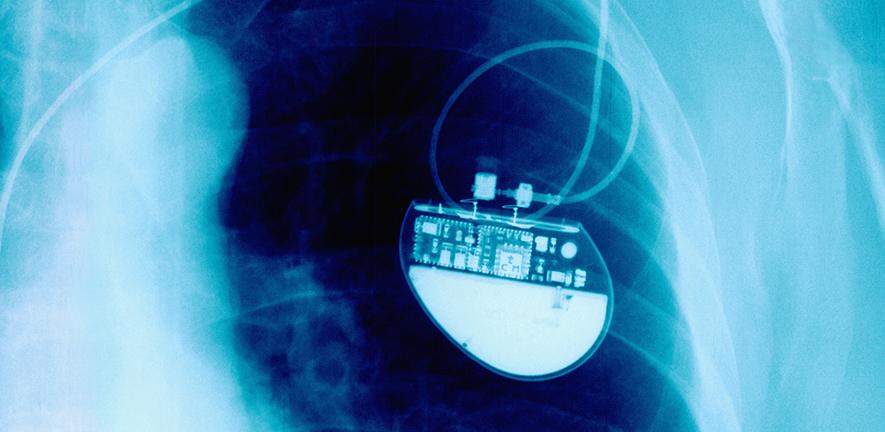
Drug Incorporated Into Silicone Coating Reduces ‘Foreign Body Reaction’ To Implants

X-Ray Showing Pacemaker
source: www.cam.ac.uk


Long-term use of implantable electronic medical devices – such as pacemakers and cochlear implants – is hampered by the body’s reaction to foreign bodies. Now, in a study in mice, a team led by scientists at the University of Cambridge has shown that this reaction can be dramatically reduced by incorporating an anti-inflammatory drug into the silicone coating around the implant.


Combining these drugs with different materials and softer coatings for devices could transform the lives of individuals who need long-term implants to overcome serious disability or illness

Clare Bryant

Implantable electronic medical devices are already widely used for a number of applications, but they also offer the prospect of transforming the treatment of intractable conditions, such as the use of neural electrical stimulators for spinal injury patients.

There is one major problem, however: our body recognises, attacks and surrounds these implants with a dense, ‘protective’ capsule of scar tissue that prevents electrical stimulation reaching the nervous system.

This so-called ‘foreign body reaction’ is driven by an inflammatory response against the implant. First, immune cells known as macrophages attack and try to destroy the device. Then a more long-term response kicks in, again coordinated by the macrophages, which leads to the build-up of a collagen-rich capsule to separate it from the surrounding tissue. This response then persists until the implant is removed from the body.

The mechanisms by which foreign body reaction occurs are poorly understood, meaning that there are no effective methods to prevent it without interfering with the tissue repair mechanisms, for example after nerve damage.

First author Dr Damiano Barone from the Department of Clinical Neurosciences at the University of Cambridge said: “Foreign body reaction is currently an unavoidable complication of implantation and is one of the leading causes of implant failure. At the moment, the only way we have of preventing it is to use broad-spectrum anti-inflammatory drugs such as dexamethasone. But these are problematic – they may stop the scarring, but they also stop the repair.”

In a study published today in the Proceedings of the National Academy of Sciences (PNAS), scientists implanted an electrical device into mice to compensate for sciatic nerve damage and compared the response within the surrounding tissue to that in mice who did not receive an implant. As well as using normal mice, the researchers used mice whose genes controlling the inflammatory response had been ‘knocked out’, preventing a response.

This allowed the team to see how the body’s inflammatory response generated the foreign body reaction, and which genes were involved. In turn, this showed that a particular molecule known as NLRP3 plays a key role.

The researchers then added a small molecule known as MCC950 to the device coating and tested its effect in the mice. MCC950 has previously been shown to inhibit the activity of NLRP3. They found that this prevented the foreign body reaction without affecting tissue regeneration. This contrasted with dexamethasone treatment, which prevents the foreign body reaction but also blocks nerve regeneration.

NLRP3 inhibitors are being developed for a number of clinical applications including inflammatory disease, cancer, sepsis, Alzheimer’s disease and Parkinson’s disease. They are already being tested in clinical trials for certain conditions.

Joint senior author Professor Clare Bryant from the Department of Medicine at the University of Cambridge said: “There’s a lot of excitement around this new class of anti-inflammatory drugs. Once they’ve been through clinical trials and have been shown to be safe to use, we should be in a good position to integrate them into the next generation of implantable devices.

“Combining these drugs with different materials and softer coatings for devices could transform the lives of individuals who need long-term implants to overcome serious disability or illness. In particular, this could make a huge difference to neuroprosthetics – prosthetics that connect to the nervous system – where the technology exists, but scarring has not yet made their widespread use viable.”

The research was supported by the Medical Research Council and Wellcome.

Reference
Barone, DG et al. Prevention of the foreign body response to implantable medical devices by inflammasome inhibition. PNAS; 14 March 2022; DOI: 10.1073/pnas.2115857119


Creative Commons License
The text in this work is licensed under a Creative Commons Attribution 4.0 International License. Images, including our videos, are Copyright ©University of Cambridge and licensors/contributors as identified.  All rights reserved. We make our image and video content available in a number of ways – as here, on our main website under its Terms and conditions, and on a range of channels including social media that permit your use and sharing of our content under their respective Terms.

Climate Action Scholarships For Small Island Nation Students Launched in Partnership With HRH The Prince of Wales

Earth from space (image by NASA)
source: www.cam.ac..uk


Students from small island nations will be supported in their work to address climate change through new scholarships inspired by His Royal Highness The Prince of Wales and announced today by the Universities of Cambridge, Toronto, Melbourne, McMaster and Montreal.


The alumni of the programme will form a cohort of talented people who will become future leaders and ambassadors in sustainability.

Professor Stephen Toope, Vice-Chancellor

The climate action awards are being launched to coincide with Commonwealth Day, and recognise the disproportionate effects of climate change on Small Island Developing States (SIDS), many of which are part of the Commonwealth.

Working with HRH The Prince of Wales, Professor Stephen Toope, Vice-Chancellor of the University of Cambridge, developed the initiative that will widen access by supporting students on courses that engage with sustainability, helping them develop their existing skills and knowledge to address the effects of climate change in the countries they come from.

“Climate change is a global challenge and we all have a role to play, as individuals and as organisations,” said Professor Toope. “The University of Cambridge is responding to the climate emergency on many fronts – through research and policy expertise, and by developing solutions that work for our lives and for our planet. The launch of these new scholarships, in partnership with HRH The Prince of Wales, who has long been a champion of environmental causes, is an extension of our ongoing commitment.

“The students who these new scholarships are aimed at are likely to have experienced first-hand the severe effects of climate change, including flooding and erosion in their own countries and communities. These awards will support their vital work around climate change, which will undoubtedly have an added and hugely personal significance for them. The alumni of the programme will form a cohort of talented people who will become future leaders and ambassadors in sustainability.”

The programme will see scholarships provided at the University of Toronto, the University of Melbourne, McMaster University and the University of Montreal, which along with the University of Cambridge have come together to address this critical issue.

In Cambridge, the programme of awards will be offered by the Cambridge Trust, which will be awarding 10 fully-funded ‘HRH The Prince of Wales Commonwealth Scholarships’ over the next two years, with the first recipients expected to take up their places at the University of Cambridge in October 2022.

The Cambridge Trust was established in the 1980s with the specific objective of providing scholarships to students from the Commonwealth and wider world who lacked the means to fund their studies at the University of Cambridge.  His Royal Highness The Prince of Wales, himself a Cambridge alumnus having graduated from Trinity College in 1970, has been involved in the work of the Trust for many years, serving as Patron since 2010.

Back in 2018, in celebration of the 70th anniversary of the modern Commonwealth and to mark The Prince of Wales’ 70th birthday, the Cambridge Trust launched a programme of His Royal Highness The Prince of Wales Scholarships. The scholarships funded University of Cambridge postgraduate applicants from Commonwealth nations whose studies focused on practical themes affecting the future of those nations, such as climate change, the blue economy and sustainability.  As part of the three-year programme, 20 fully-funded scholarships were awarded to applicants from around the Commonwealth, for both Masters and PhD studies.

The Trust was delighted to be able to continue this work by joining this new initiative.

Speaking about the scheme, Helen Pennant, the Trust’s Director, said: “I hope that these scholarships will make a difference both to the students who receive them and to their countries as they grapple with the many challenges of climate change.  I would like to thank HRH The Prince of Wales for his support of this important initiative.”

Scholarships at Cambridge will be available to students:

•    who are citizens of or normally resident in Small Island Developing States (SIDS) as defined by the United Nations;
•    who hold a conditional offer of admission to the University of Cambridge
•    studying at postgraduate level for a Masters degree or PhD;
•    pursuing courses in subjects that engage with sustainability and climate change

The HRH Prince of Wales Commonwealth Scholarship is fully-funded and will include tuition fees and maintenance.

For more information, contact the Cambridge Trust


Creative Commons License
The text in this work is licensed under a Creative Commons Attribution 4.0 International License. Images, including our videos, are Copyright ©University of Cambridge and licensors/contributors as identified.  All rights reserved. We make our image and video content available in a number of ways – as here, on our main website under its Terms and conditions, and on a range of channels including social media that permit your use and sharing of our content under their respective Terms.

Russia-Ukraine ‘Off-Ramp’: Potential Plan Drafted By Cambridge Peace Negotiator

source: www.cam.ac.uk


International law expert outlines terms for a possible agreement on Ukraine, including proposals for the Donbas and Crimea regions, and a “Cooperative European Security Architecture”.


It is vital the Ukrainian government is not pressured into accepting outcomes that reward a war of aggression

Marc Weller

A “finely balanced formula” in which the disputed Donbas regions have increased self-governance but remain Ukrainian, and a tacit “status quo” for Crimea is agreed along with rights for minority groups, could help provide an “off-ramp” for both sides in Russia’s war on Ukraine.

This is according to a proposed settlement designed by Marc Weller, Professor of International Law at the University of Cambridge and leading legal expert, who has mediated in a wide range of conflicts for the United Nations and others, including Kosovo, Syria, Yemen and Russian-occupied Transnistria.

Weller’s suggested deal would see NATO maintain its “open door” policy but grant Russia medium-term assurances on an effective moratorium for Ukraine, and possibly Moldova and Georgia, while allowing Sweden and Finland access if wished.

While nuclear arms controlled by the United States remain in Europe, the peace plan compels a return to negotiations on limitations of intermediate-range nuclear weapons on both sides, as part of several “confidence-building” steps.

Importantly, Weller argues that no agreement should intrude on pursuing Russian accountability for the horrific war crimes witnessed by the world in recent weeks, which may ultimately see demands for trillions of dollars in reparations to Ukraine.

His proposal is published by international law forum Opinio Juris in the form of a draft outline agreement.

“A settlement will only be possible when victory is unlikely, or when losses imposed upon either side by a continuation of conflict become truly unbearable,” said Weller. “That moment may come sooner or later, but in any event, we be must be ready to help establish peace.”

“The sense of outrage and injustice on the part of Ukraine will be difficult to overcome. It is vital the Ukrainian government is not pressured into accepting outcomes that reward a war of aggression.”

Moscow demands recognition of the independence of Donetsk and Luhansk, the “states” in eastern Ukraine’s Donbas region recognised by Russia at the outset of the conflict.

Their supposed independence was cynically used by Russia to argue a right of self-defence of these purportedly sovereign states, says Weller. He argues that these are “non-states”, and backing for purported statehood is not possible under international law.

Weller advocates a revised version of 2015’s Minsk II agreement that Russia has long complained was never fully implemented – one offering plenty of autonomy to both districts yet keeping them within Ukraine’s sovereign territory.

His proposed compromise, a form of “asymmetrical federation”, would see overall claims of statehood abandoned, but areas – or Oblasts – within the Donbas that have ethic or linguistic majorities be given greatly enhanced local self-governance.

“Unless Donetsk and Luhansk walk back their unfeasible claims to statehood, they will remain trapped in the twilight of international isolation, even with Russia propping them up,” said Weller.

“A settlement that keeps them as Ukrainian provinces but in an environment of self-government – almost virtual statehood – will allow both Oblasts authority over all their territory, rather than just the third taken by force in 2014,” he said.

“This would be balanced by internationally guaranteed rights to genuine local elections and safeguards for the right of minority populations—whether Russian speaking or Ukrainian.”

International observers should be maintained throughout to reassure populations of all backgrounds, says Weller, as should the possibility of cross-border links to the Russian Federation to placate separatist groups.

While cease-fire and retreat of forces – along with full humanitarian access – are conditions that underpin the settlement, Russian withdrawal from the Donbas regions could be subject to a “transitional phase”. “However, Ukraine must not suffer de-facto division forever more as a consequence of turning the invasion into a frozen conflict,” Weller said.

Crimea cannot be formally recognised as part of Russia, Weller contends, regardless of Kremlin demands. However, both sides could pledge not to challenge the “territorial status quo” of the situation as of 23 February 2022 forcibly or perhaps in general terms, for the sake of hostility cessation.

This balancing act would require international cooperation to secure rights for Crimea’s non-Russian speakers, and see the region’s Tatars – a mainly Muslim population persecuted during the Soviet years – benefit from a restoration of the ethnic minority “special protection” they once had.

While NATO’s “open door” policy will remain unshakeable in principle, Washington has already floated possible moratoria on Ukraine membership. Any settlement could adapt this into a self-imposed limitation by Ukraine for a given period of time – expressed through a legally binding unilateral declaration. Weller argues that such commitments could extend to Georgia and Moldova if needed.

He also outlines “Cooperative European Security Architecture” strategies to help reassure eastern European states that will not join NATO in the medium-term.

This would draw on existing arrangements as well as establish further steps to build transparency and keep regional tensions in check: rules for military flights toward national borders; prior notice agreements for military manoeuvres; arms limitations in key areas, supported by third-party verification.


Creative Commons License
The text in this work is licensed under a Creative Commons Attribution 4.0 International License. Images, including our videos, are Copyright ©University of Cambridge and licensors/contributors as identified.  All rights reserved. We make our image and video content available in a number of ways – as here, on our main website under its Terms and conditions, and on a range of channels including social media that permit your use and sharing of our content under their respective Terms.

Enterprising Minds- The Cambridge Networker

WHO? David Cleevely, CBE, Cambridge alumnus, serial entrepreneur and one of the architects of Cambridge’s world-beating innovation ecosystem.

WHAT? Co-founder of billion-dollar company, Abcam, and of three pillars of the Cambridge Cluster: Cambridge NetworkCambridge Wireless and Cambridge Angels.

WHAT ELSE? He set up the University’s Centre for Science and Policy (CSaP) and was Chair of the Raspberry Pi Foundation. David also supports, advises and mentors innumerable people and organisations in both the public and private sectors.

WHY? “I don’t think one has very much time on this planet and there is a lot to do.”

Growing up, did you always know that you were going to be an entrepreneur? I was always very excited by the future, and by where chemistry, biology and, particularly, computing would take us.

As a teenager, I wanted to keep bees but my parents wouldn’t let me have them in the garden so I started a bee-keeping club at school and had some hives there instead. The chap who taught me how to look after them worked at the National Physical Laboratory. He took me along to some talks which exposed me to some very forward thinking.

Serendipity has also played a big role in my life. One day, the careers master spotted me walking down a school corridor and dragged me into a presentation for which he was short of an audience. It was by Post Office Telecommunications, looking for applicants to its training scheme. I duly applied and was selected.

While I was at university, I spent a summer working at the Post Office’s Long-Range Studies Division, where my job was to look forward 20 or 30 years. When the Division moved from London to Cambridge and I finished my degree, I went with it – which is how I ended up doing my PhD here.

Just three years after finishing your PhD, you had already set up your first company, Analysys. How did that come about? I finished my PhD in 1982 and got a job in London as a consultant. I was soon running the telecommunications division and that seemed to be going pretty well. I was making lots of contacts and decided to start my own consultancy.

This wasn’t full-fat entrepreneur stuff. There’s limited risk. A consultant earns fees and pays money into their bank account. If it doesn’t work out, they can go and get another job.

Having said that, it was a difficult couple of years trying to get it off the ground. It finally began to grow in the late 1980s, largely on the back of work we got from the European Commission.

By 1991, I had acquired a reputation as an innovative thinker and we got a big contract looking at the future of telecommunications investment. This led to a massive expansion as suddenly all these new telecomms operators were coming on the scene and needed our help.

In the 1990s, amongst other things, you co-founded Cambridge Network, Cambridge Wireless, Cambridge Angels and Abcam. What makes you get involved with certain projects? It all goes back to serendipity again. Cambridge Network began over dinner in Wolfson College at which Alec (Broers)Hermann (Hauser) and I got terribly excited about creating a network. Later, I was in a coffee shop with Edward (Astle) when I saw how the model could be extended to Cambridge Wireless.

Then Robert Sansom moved into the house opposite and we had a ‘meet the neighbours’ lunch at which he asked if there was an angel group in Cambridge. I said there wasn’t. So we decided to start Cambridge Angels.

On 21 January 1998, I found myself sitting next to Jonathan (Milner) at a dinner and asked him a few questions about what he was doing. I said, “Oh my God, we’ve got a business here.” And that was the beginning of Abcam.

That’s how these things happen. You make opportunities and take opportunities.

“You make opportunities and take opportunities.”

Everyone has setbacks. How have you dealt with yours? You always have to think about the longer term. Most people, I’m afraid, don’t understand strategy. Strategy is thinking about what different futures might look like and what you need to do now so that you are prepared, whatever happens.

When disaster strikes – as it will – your strategy means you will be prepared and won’t get worn down by the minute-to-minute, hour-to-hour, day-to-day stuff. You’ve got to think strategically about how it will all work in the long run. That phrase from the Bible ‘and it came to pass’ reminds us that bad things happen but you will get through them.

When things were tough in the early days of Analysys, did you ever think of throwing in the towel and getting a job? My father was a civil servant but his true love was being a cartoonist. Once, when up before a promotion board, he said, “You have to understand that for you this is a career. For me, it’s a distraction.”

I think there’s a certain amount of genetic or behavioural inheritance which means I don’t really like being part of an organisation. Fitting in isn’t my thing. It’s okay, if I think everyone is right but I’m not going to go along with them if they are wrong.

Do you have an example of not ‘fitting in’? When I was in the Long-Range Studies Division I was asked to do a study of memory and semiconductor prices for an expert panel. I submitted my paper and a guy came to see me and said, “Everyone else is forecasting that prices will fall between four and six per cent per year. You are talking about 30, 40, 50, 60 per cent.” He asked me to bring my predictions in line with the others. When I wouldn’t, he asked me to leave the panel.

People are far too conventional in their thinking and that gets in the way. It’s the young who understand where things are going. We need to listen to them.

Once you reach 50, you don’t think or pick up trends in the same way. I try really hard to fight against that. It’s like taking physical exercise: you have to keep at it. You need to talk to people and understand why they think certain things are important. Otherwise you fall into the same old ways of thinking. It is really important to listen carefully to everyone.

“It is really important to listen carefully to everyone.”

You also need to stand up for your ideas, even though we are conditioned not to. It’s like those psychology experiments where the subject gives an opinion and everyone else gives a contradictory, blatantly wrong opinion and the subject ends up agreeing with them.

You can see why that behaviour is useful in evolutionary terms: it creates cohesive groups. You are never going to get anywhere if you spend all your time squabbling but it’s not helpful when trying to do new things. The trick is to listen and find a way through.

When you are considering investing in a company, what qualities do you look for in a founder? I want someone I can have a discussion with during which we come up with ideas that neither of us would have thought of on our own.

Any red flags? People with too high an opinion of themselves, who don’t listen or give other people space.

What is it about Cambridge that makes it so successful as a hub of entrepreneurship and innovation? That’s quite simple. It’s the open-minded, cross-disciplinary working, the mix of new people and new ideas.

The fact that it’s a small city helps, and the University’s college system is hugely important in bringing together people with different specialisms in one place. It’s those chance encounters at dinner, on the train, in the street – they are what make it work.

The environmental conditions are right in Cambridge. At least, they were. Cambridge is now facing its biggest challenge. Firstly, the city is still growing at seven per cent per year, which means the surface areas that can interact with each other are getting smaller relative to the body mass. In other words, it’s becoming easier to work inside an organisation than outside it.

And then along comes Covid. Before the pandemic, we used to meet about 10 people a day. That dropped to one or two – if you were lucky – and it’s now settling out at about three. We need to get back to meeting more people in person, having those chance encounters.

I’m chair of Cambridge Ahead‘s New Era for the Cambridge Economy initiative. Of all the things we’ve got to think about – housing, transport, office space and so on – nothing is more important than networking. We need a strategy now for what we want it to look like in the future.

If we are all in these little cells and no-one is talking to each other, we are not going to innovate. And that’s Cambridge’s lifeblood.

“It’s the open-minded, cross-disciplinary working, the mix of new people and new ideas.”

If you had to give one piece of advice to someone wanting to start their own business, what would it be? Always think about the longer term, the strategy.

Remember Pasteur’s ‘chance favours the prepared mind’. Understand that great ideas emerge from a synthesis of things, whether that’s something you’ve read or thought, but more often it comes from connecting with people.

You’ve got to be a proper networker, even if you don’t think you naturally are one. In Pride and Prejudice, Darcy says, “I certainly have not the talent some people possess of conversing easily with those I have never seen before.”

Elizabeth replies, “My fingers do not move over [the piano] in the masterly manner I see so many women’s do… But then I have always supposed it to be my own fault, because I would not take the trouble of practising.”

Everyone can network, even people who think they can’t. As Elizabeth says, it’s up to you to put in the practice.

“Everyone can network, even people who think they can’t.”

What are you most proud of? Setting up CSaP. The University wanted to connect academic research with policymaking. I turned this on its head. We asked policymakers what they want help with and then put them in touch with experts from different fields who can give them different perspectives.

There have now been something like 12,000 meetings between Policy Fellows and academics and the model is being copied by universities and other institutions around the world.

I’m also very proud of Raspberry Pi. Originally, I came in on the board of directors and then they asked me to be Chair. I reworked the constitution and governance structure and in December we delivered the second set of Raspberry Pis up to the Space Station, so there are now four of them up there. Which is pretty cool.

Quick fire

Optimist or pessimist? Optimist?

People or ideas? Both.  

On time or running late? Probably running late.

The journey or the destination? The journey. 

Team player or lone wolf? Team player.

Novelty or routine? Novelty.

Risk taker or risk averse? Entrepreneurs are generally risk averse. It’s about understanding and managing the risk and being in control.

Big picture or fine detail? Both.    

Lots of irons in the fire or all your eggs in one basket? There are so many irons it’s difficult to keep up with them all.  

Be lucky or make your own luck? You make your own luck but I’ve been very lucky. We are all victims of random events – you just need to be able to recognise an opportunity when you see it. 

Work, work, work or work-life balance? Work, work, work but, although I’ve been saying this for 30 years, it’s definitely about to change. On the other hand, I have just closed a funding round with a genius professor in Glasgow… 

Enterprising Minds has been developed with the help of Bruno Cotta, Executive Director of the Entrepreneurship Centre at the Cambridge Judge Business School.


The text in this work is licensed under a Creative Commons Attribution 4.0 International License. 

Climate Change Threat To Seabirds Must Be Properly Considered For Their Conservation To Be Effective

Puffins
source: www.cam.ac.uk


A new study shows how knowledge of climate change threats could be better connected with conservation efforts to help protect seabirds and other at-risk species.


Bridging climate change research and conservation action has never been more important.

Silviu Petrovan

Seabirds such as kittiwakes and puffins are being put at higher risk because of a disconnect between conservation efforts on the ground, and research knowledge of the threats to these birds from climate change. However, a new study has found that better integration of the two is possible to safeguard biodiversity.

The study, published today in the Journal of Applied Ecology, involved leading conservation experts at the Zoological Society of London (ZSL), the University of Cambridge, BirdLife International, RSPB and the IUCN Climate Change Specialist Group.

It revealed that the climate change threats highlighted by European seabird conservation groups are often poorly understood. In addition, almost one third of possible conservation interventions aimed at reducing the impacts of climate change on seabirds have conflicting or lack of evidence on their effectiveness.

The team has proposed an approach for connecting conservation research and management, which they call a ‘pressure-state-response framework.’ This provides a platform for identifying missing information and areas where connections need to be tightened to improve conservation outcomes.

Co-author Dr Silviu Petrovan – a researcher in the University of Cambridge’s Department of Zoology – said: “Climate change is happening at frightful pace, but our understanding and testing of practical responses for protecting biodiversity are lagging behind. This must change if we are to make substantive improvements – and seabirds are an urgent example.”

Lead author and ZSL Institute of Zoology post-doctoral fellow, Henry Hakkinen said: “There is a real opportunity here to identify missing information, and marry existing research on the risks of climate change with effective conservation and wildlife management.”

“Through our work we have identified several climate change threats and conservation actions that are well understood, but also several threats that are poorly understood and several actions that have very limited or mixed evidence on their effectiveness. These gaps urgently need addressing if we want to work out how we can best help seabirds adapt to climate change and survive.

“Seabirds in Europe are heavily researched and receive quite a lot of conservation attention. They are also heavily impacted by climate change, so are a good species group to start with.”

For the study, the team sent a series of surveys to more than 180 seabird conservation practitioners across Western Europe. They identified major knowledge gaps and began tallying up ways in which conservation action could address some of the major threats posed to the species by climate change.

For example, 45% of those surveyed said that disease risk from climate change was a serious threat to seabird populations, but the study showed that more needed to be done to monitor the effectiveness of conservation tools available to practitioners to address this. Hand rearing and vaccinations are suggested tools that could help.

“We need to be pragmatic and evidence-based – but also bold, and explore new approaches including, where appropriate, supporting colonisations of new habitat or even creating new habitats or breeding structures for seabirds. Bridging climate change research and conservation action has never been more important,” said Petrovan.

Seabirds represent one of the most threatened groups of birds in the world, with almost half of all species in decline. They are also significantly directly and indirectly threatened by climate change – for example by heatwaves, extreme wind and rain, and changes in food availability in response to changing climatic conditions, which lead to lack of fish for chicks during the nesting season.

Frameworks that link pressures on the environment, their effect on biodiversity and ways society can respond are often used in global policy-making to translate research to action. The team suggests that their ‘pressure-state-response framework’ could be applied to specific groups of species or ecosystems to identify existing gaps between research and conservation solutions for wildlife most at risk.

ZSL Senior Research Fellow and senior author Dr Nathalie Pettorelli said: “Our study provides an easily transferable approach for identifying missing information, and areas where connections between research and management need to be tightened to improve conservation outcomes.”

This research was funded by Stichting Ave Fenix Europa.

Reference

Hakkinen, H. et al: ‘Linking climate change vulnerability research and evidence on conservation action effectiveness to safeguard seabird populations in Western Europe.’ Journal of Applied Ecology, March 2022. 

Adapted from a press release by the Zoological Society of London.


Creative Commons License
The text in this work is licensed under a Creative Commons Attribution 4.0 International License. Images, including our videos, are Copyright ©University of Cambridge and licensors/contributors as identified.  All rights reserved. We make our image and video content available in a number of ways – as here, on our main website under its Terms and conditions, and on a range of channels including social media that permit your use and sharing of our content under their respective Terms.

Cambridge Vaccine Expert In $42million Partnership To Develop ‘Future-Proofed’ Coronavirus Vaccines

Professor Jonathan Heeney
source: www.cam.ac.uk


Prime Minister Boris Johnson announced that DIOSynVax, a biotech spinout of the University of Cambridge, will receive $42 million (about £32 million) to develop a vaccine candidate that could provide protection against both existing and future variants of SARS-CoV-2 – the virus that causes COVID-19 – as well as other major coronaviruses, including those that cause SARS and MERS.


Our approach is to be ahead of the next pandemic – to deliver custom designed, immune selected vaccine antigens – which is ideal to prevent diseases caused by complex viruses such as the large and diverse family of coronaviruses

Jonathan Heeney

The investment from the Coalition for Epidemic Preparedness Innovations (CEPI) will support the development of an mRNA vaccine. DIOSynVax, led by Professor Jonathan Heeney, Head of the Laboratory of Viral Zoonotics, University of Cambridge, will design and select the lead antigen through proof-of-concept preclinical studies, and undertake initial clinical development through Phase I/II studies.

DIOSynVax uses the combination of protein structure, computational biology and immune-optimisation to maximise the protection that vaccines can provide against global threats including existing and future virus outbreaks. Its vaccine candidates can be deployed in a variety of vaccine delivery and manufacturing platforms.

The DIOSynVax pipeline includes vaccine candidates for haemorrhagic fever viruses, influenza, and SARS-CoV-2, the latter of which is currently in clinical trials.

If DIOSynVax’s novel antigen design is successfully deployed using the intended mRNA platform, it could potentially be used to enable rapid development of vaccines against so-called Disease X – unknown pathogens with pandemic potential that have yet to emerge.

Professor Jonathan Heeney, Cambridge, said: “We are excited to be working with CEPI on its ground-breaking mission to leverage revolutionary science and technology to outmanoeuvre and minimise future pandemic threats.

“Our approach is to be ahead of the next pandemic – to deliver custom designed, immune selected vaccine antigens – which is ideal to prevent diseases caused by complex viruses such as the large and diverse family of coronaviruses. If successful, it will result in a safe, affordable NextGen vaccine for widespread use.”

CEPI, DIOSynVax and the University of Cambridge are committed to enabling global equitable access to the vaccines developed through this partnership. Under the terms of the funding agreement, DIOSynVax has committed to achieving equitable access to the outputs of this project.

Dr Richard Hatchett, CEO of CEPI, said: “The UK Government and the country’s world-leading scientific institutions have been pivotal to the global response to COVID-19. From the development of the CEPI-supported Oxford/AstraZeneca vaccine – which is used in more countries than any other – to the ground-breaking Recovery trial to evaluate life-saving treatments like dexamethasone, British science has played a leading role in protecting the world from COVID-19.

“I am excited to further strengthen CEPI’s strong ties to British science through this partnership with DIOSynVax, Cambridge, to develop a vaccine with the potential to protect against variants of SARS-CoV-2 and other Betacoronaviruses in the future. Coronaviruses have now proven their pandemic potential, so it’s imperative for global health security that we invest in R&D now to future-proof the world against the threat of coronaviruses.”

The announcement was made today at the Global Pandemic Preparedness Summit, which brings together a unique mix of leaders across governments, international agencies, science and academia, industry, philanthropy, and civil society to explore how to collectively prepare for future viral threats and mobilise critical resources and political support for CEPI’s work.

DIOSynVax is a spin-out company from the University of Cambridge, set up in 2017 with the support of Cambridge Enterprise, the University’s commercialisation arm.

Professor Heeney is a Fellow at Darwin College, Cambridge.

Adapted from a press release from CEPI


Creative Commons License
The text in this work is licensed under a Creative Commons Attribution 4.0 International License. Images, including our videos, are Copyright ©University of Cambridge and licensors/contributors as identified.  All rights reserved. We make our image and video content available in a number of ways – as here, on our main website under its Terms and conditions, and on a range of channels including social media that permit your use and sharing of our content under their respective Terms.

Dementia Patients Struggle To Cope With Change Because of Damage To General Intelligence Brain Networks

Elderly couple
source: www.cam.ac.uk


People with dementia struggle to adapt to changes in their environment because of damage to areas of the brain known as ‘multiple demand networks’, highly-evolved areas of the brain that support general intelligence, say scientists at the University of Cambridge.


At the heart of all dementias is one core symptom, which is that when things change or go unexpectedly, people find it very difficult

Thomas Cope

There are many different types of dementia, such as Alzheimer’s disease and frontotemporal dementia (FTD), which are characterised by the build-up of different toxic proteins in different parts of the brain. This means that the symptoms of dementia vary, and can include problems with memory, speech, behaviour or vision. But one symptom seen across every type of dementia is a difficulty in responding to unexpected situations.

Dr Thomas Cope from the MRC Cognition and Brain Science Unit and Department of Clinical Neurosciences at the University of Cambridge said: “At the heart of all dementias is one core symptom, which is that when things change or go unexpectedly, people find it very difficult. If people are in their own environment and everything is going to plan, then they are OK. But as soon as the kettle’s broken or they go somewhere new, they can find it very hard to deal with.”

To understand why this happens, Dr Cope and colleagues analysed data from 75 patients, all of whom are affected by one of four types of dementia that affect different areas of the brain. The patients, together with 48 healthy controls, listened to changing sounds while their brain activity was recorded by a magnetoencephalography machine, which measures the tiny magnetic fields produced by electrical currents in the brain. Unlike traditional MRI scanners, these machines allow very precise timing of what is happening in the brain and when. The results of their experiment are published today in the Journal of Neuroscience.

During the scan, the volunteers watched a silent film – David Attenborough’s Planet Earth, but without its soundtrack – while listening to a series of beeps. The beeps occurred at a steady pattern, but occasionally a beep would be different, for example a higher pitch or different volume.

The team found that the unusual beep triggered two responses in the brain: an immediate response followed by a second response around 200 milliseconds – a fifth of a second – a later.

The initial response came from the basic auditory system, recognising that it had heard a beep. This response was the same in the patients and healthy volunteers.

The second response, however, recognised that the beep was unusual. This response was much smaller among the people with dementia than among the healthy volunteers. In other words, in the healthy controls, the brain was better at recognising that something had changed.

The researchers looked at which brain areas activated during the task and how they were connected up, and combined their data with that from MRI scans, which show the structure of the brain. They showed that damage to areas of the brain known as ‘multiple demand networks’ was associated with a reduction in the later response.

Multiple demand networks, which are found both at the front and rear of the brain, are areas of the brain that do not have a specific task, but instead are involved in general intelligence – for example problems solving. They are highly evolved, found only in humans, primates and more intelligent animals. It is these networks that allow us to be flexible in our environment.

In the healthy volunteers, the sound is picked up by the auditory system, which relays information to the multiple demand network to be processed and interpreted. The network then ‘reports back’ to the auditory system, instructing it whether to carry on or to attend to the sound.

“There’s a lot of controversy about what exactly multiple demand networks do and how involved they are in our basic perception of the world,” said Dr Cope. “There’s been an assumption that these intelligence networks work ‘above’ everything else, doing their own thing and just taking in information. But what we’ve shown is no, they’re fundamental to how we perceive the world.

“That’s why we can look at a picture and immediately pick out the faces and immediately pick out the relevant information, whereas somebody with dementia will look at that scene a bit more randomly and won’t immediately pick out what’s important.”

While the research does not point to any treatments that may alleviate the symptom, it reinforces advice given to dementia patients and their families, said Dr Cope.

“The advice I give in my clinics is that you can help people who are affected by dementia by taking a lot more time to signpost changes, flagging to them that you’re going to start talking about something different or you’re going to do something different. And then repeat yourself more when there’s a change, and understand why it’s important to be patient as the brain recognises the new situation.”

Although their study only looked at patients with dementia, the findings may explain similar phenomena experienced by people living with conditions such as schizophrenia, where brain networks can become disrupted.

The research was funded by the Medical Research Council and National Institute for Health Research, with additional support from Wellcome, the Biotechnology and Biological Sciences Research Council and the James S McDonnell Foundation.

Dr Cope is a fellow at Murray Edwards College, Cambridge.

Reference
Cope, TE at al. Causal Evidence for the Multiple Demand Network in Change Detection: Auditory Mismatch Magnetoencephalography across Focal Neurodegenerative Diseases. JNeuro; 8 March 2022; DOI: 10.1523/JNEUROSCI.1622-21.2022


Creative Commons License
The text in this work is licensed under a Creative Commons Attribution 4.0 International License. Images, including our videos, are Copyright ©University of Cambridge and licensors/contributors as identified.  All rights reserved. We make our image and video content available in a number of ways – as here, on our main website under its Terms and conditions, and on a range of channels including social media that permit your use and sharing of our content under their respective Terms.
Cambridge Marks International Women’s Day 2022

source: www.cam.ac.uk


International Women’s Day – on Tuesday, 8 March – is a global day celebrating and reflecting on the social, economic, cultural, and political achievements of women.


International Women’s Day provides an opportunity to highlight the many extraordinary women amongst our staff, students and alumni, who continue to push for equality in all its forms.

Jenny Rampling, Chair of the University of Cambridge Women’s Staff Network

Talks, panel discussions and networking events are taking place across the University and colleges to mark International Women’s Day 2022, including events at the Museum of Zoology and the Institute of Astronomy.

The Women’s Staff Network (WSN) is celebrating by hosting a discussion with Pro-Vice Chancellor, Professor Kamal Munir to discuss the working lives of women at the University, where things are going well and where improvements can be made.  The WSN is also co-hosting a panel discussion, ‘Gender Equality, Cambridge and Me!’, involving members from a number of diversity networks, the University’s Gender Equality Champions and the Equality, Diversity and Inclusion team.

Jenny Rampling, Chair of the University of Cambridge Women’s Staff Network, said: “International Women’s Day (IWD) provides an opportunity to highlight the many extraordinary women amongst our staff, students and alumni, who continue to push for equality in all its forms. However, it is also a call to action as we still have a significant gender pay gap at Cambridge driven by an unequal distribution of women across staff pay grades and more needs to be actioned to resolve this.”

Sarah Colvin and Liz Hide, University Gender Champions, said: “International Women’s Day is a time to look honestly at where women are. At Cambridge many women are now looking at cuts to their USS pension which mean – in the context of a gender pay gap that looks likely to persist for around another 40 years – that they will not only work their entire careers for less, but are more likely to suffer hardship in old age.

“Women at the University have been particularly impacted by the COVID-19 pandemic, not only but also because childcare duties while schools and nurseries were closed fell overwhelmingly on women. As University Gender Champions we look forward to critical, open conversations – for example at the International Women’s Day event ‘Gender Equality, Cambridge and Me!’ We encourage you to join us.”

The Women’s Staff Network is open to all staff who self-identify as women working for the University, a College or an associated institution. It seeks to represent, inspire, support, and empower, through events, advocacy, and sharing experiences via its members. To join the WSN you can subscribe to the mailing list to receive information about news and events – Women’s Staff Network website.

This year’s International Women’s Day events include:

A celebration of the experiences and motivations that can shape a scientist’s career – Jesus College

Tuesday 8 March, 9.30am to 12.45pm
Online and in-person event

Is there only one way to be a scientist? How can broader life experiences impact science? What challenges exist in achieving your goals? Our expert panel will discuss their career paths, overcoming challenges, and lives outside of research.
The event is open to all staff and will take place simultaneously on Zoom and in person, with a series of talks and interviews followed by a panel discussion.

More information here.

A discussion with Professor Kamal Munir, Pro-Vice Chancellor (University Community and Engagement) – Women’s Staff Network

Tuesday, 8 March, 11am to 12.30pm
Online event

The Women’s Staff Network (WSN) would like to invite our members to a discussion with Professor Kamal Munir to share our thoughts and discuss how we can work together to improve the working lives of women at the university. Kamal is keen to hear our experiences, where things are going well and where we can make improvements.  This event is only open to WSN members.

More information here.

International Women’s Day at the Institute of Astronomy

Tuesday 8 March, from 11.30am
Online and in-person event

Join us for the global day of celebration as we honour the scientific contributions made by women at the Institute of Astronomy. International Women’s Day 2022 (IWD22) is a half day event with keynote address by Professor Belinda Wilkes, a careers panel, an observatory tour and an IWD lunch.

More information here.

Gender Equality, Cambridge and Me! Past to Present – Chaired by Liz Hide, University Gender Equality Champion STEMM

Tuesday, 8 March, 1pm to 2pm
Online event

Come and take part in this lunchtime discussion where we will consider gender equality in relation to what matters to us, what the bigger picture is for gender equality at the University and if/how the issues of gender equality have changed over the years. Panellists include:

  • Anjum Nahar, Postgraduate President, Cambridge Students’ Union
  • George Cronin, LGBT+ Network
  • Jennifer Skinner, Co-Chair, Race Equality Network (REN)
  • Jenny Rampling, Chair, Women’s Staff Network (WSN)
  • Miriam Lynn, Equality Diversity and Inclusion
  • Sarah Colvin, University Gender Equality Champion AHSSB&L

Everyone is very welcome to attend – post questions to the panel and join the discussion.

More information here.

International Women’s Day 2022: Women at the Leading Edge of the Pandemic Response – School of Clinical Medicine

Tuesday, 8 March, 1.15pm to 2.15pm
Online event

A timely response to the Covid-19 pandemic has been vital to reducing its adverse impacts. Professors Charlotte Summers and Sharon Peacock have been at the forefront of the pandemic response, making significant contributions nationally and globally. In this session, they will discuss their scientific contributions and their impacts, and in turn the impact of working on the pandemic response on their own lives. More broadly they will also cover aspects of gender and the media and will discuss what next for women in science in the wake of the pandemic.

More information here.


WeCREATE Launch Event

Tuesday 8 March, 4pm to 5pm
Online event

No-one should be discouraged from studying or working in engineering, computer science, applied maths or related areas. This is the driving idea behind WeCREATE, a series of free, interactive engagement sessions aiming to encourage and inspire female students and young professionals to embrace creative careers in engineering, computer science, applied maths, and beyond. We hope to do this by dispelling widely-held myths, and by putting creative female role models firmly in the spotlight.

More information here.

Women and the Future of Work: a fireside chat and networking event – Cambridge Judge Business School

Tuesday 8 March, 6pm to 7pm
Online and in-person event

Join us, in person or online, as Professor Mauro Guillén, Dean of Cambridge Judge Business School, hosts a fireside discussion with special guests on the impact of the pandemic and what can be done.

Guests:

  • Dr Bola Grace, Founder, Orishi; Visiting Scholar, Cambridge Judge Wo+Men’s Leadership Centre (EMBA 2019)
  • Maxine Nwaneri, Founder & Principal Consultant, The Future is Greater (MBA 2007)
  • Dr Vanessa Dekou, Managing Director, Clinical Services International, (MBA 2002)

More information here.

International Women’s Day at the Museum of Zoology

Tuesday 8 March, 7pm to 8pm
Online event

To celebrate International Women’s Day 2022, the Museum of Zoology will be joined by a panel of four amazing female scientists introducing their research and answering your questions. For details of the panel, please visit the events page.

More information here.


Creative Commons License
The text in this work is licensed under a Creative Commons Attribution 4.0 International License. Images, including our videos, are Copyright ©University of Cambridge and licensors/contributors as identified.  All rights reserved. We make our image and video content available in a number of ways – as here, on our main website under its Terms and conditions, and on a range of channels including social media that permit your use and sharing of our content under their respective Terms.

Road Radar To Reveal York’s Roman Secrets

View of the city of York in England including walls and cathedral
source: www.cam.ac.uk


The biggest investigation ever undertaken into Eboracum, the Roman city buried beneath York, is set to begin this summer. Ground penetrating radar will be used to map as much of the influential ancient settlement as possible in a bid to learn more about its evolving layout and use.


We hope to learn much more about the layout of the Roman city

Martin Millett

Did the Romans alter their legionary fortress at Eboracum in the late Antique period? What was the settlement around it like and how did this change? Did Eboracum receive a makeover when emperors came to town?

These are just some of the questions which Cambridge archaeologist Professor Martin Millett and his colleagues hope to answer without lifting a single spade or trowel.

Over summer 2022, a vehicle equipped with specialist radar equipment will survey 20km of streets around York – the first time a project on this scale has been undertaken in the UK. The team behind the scheme are working with City of York Council to access as much of the city centre road network as possible, including some pedestrianised streets, during the survey, with minimal disruption to the public.

Alongside the road surveys, a different radar system will scan the green spaces in the city centre, particularly around the Yorkshire Museum and York Minster.

The initiative is a joint project between Universities of Cambridge and Reading, York Archaeology and the York Museums Trust funded by the Arts & Humanities Research Council (AHRC). The 30-month-long project aims to collate everything archaeologists and historians know about the whole of Roman York into a single database which will then be made freely available to the public.

Among many other things, the team will be looking for evidence of Eboracum’s architecture and infrastructure being enhanced during periods of imperial residence (AD 208–11 and AD 305-06), or following York’s promotion to colonial status in the early 3rd century. They are also hoping to find evidence for changes in the organization and use of land in the immediate environs of York through the Roman period.

Alongside the research there will be a series of public engagement projects including volunteer-run research projects, an art initiative and a project for schools around the country linking research findings to geography, physics, geology and archaeology.

The radar mapping exercise will start in the summer, with dry weather being crucial to the success of the scanning, as the radar can only penetrate down to the water table, which is notoriously high for much of the year in York.

Project leader Martin Millett, Laurence Professor of Classical Archaeology at Cambridge and a trustee of York Archaeological Trust, said: “This is a key initiative where we hope to learn much more about the layout of the Roman city without having to dig a single trench.”

Co-investigator Dr John Creighton of the University of Reading said: “Over many years, various investigations have opened small windows into different parts of the Roman city, but we hope that this scanning will reveal far more about the city including details where the roads and significant buildings in the city were located, particularly around Micklegate.”

The wider research will bring together not only the results of archaeological excavations over the last 50 years, but also other less formal sources of information, including historic press reports of Roman finds, notebooks and published reports from the 18th century onwards. It is hoped that volunteers from across the community will be involved.

Cllr Darryl Smalley, Executive Member for Culture, Leisure and Communities at City of York Council, said: “This exciting new project will provide a new basis for understanding of Roman York and will enhance the ways in which the City can assess the impact of planning and future development on this valuable but hidden heritage.”

Updates on the project will be posted on yorkarchaeology.co.uk/romanyork

Professor Millett recently led the team which successfully mapped a complete Roman city, Falerii Novi, in Italy, using the same technology. This research received global media coverage. Find out more here.


Creative Commons License
The text in this work is licensed under a Creative Commons Attribution 4.0 International License. Images, including our videos, are Copyright ©University of Cambridge and licensors/contributors as identified.  All rights reserved. We make our image and video content available in a number of ways – as here, on our main website under its Terms and conditions, and on a range of channels including social media that permit your use and sharing of our content under their respective Terms.

Nutritious Fish Stocks Are Being Squandered By Salmon Farming, Say Scientists

Shoal of fish
source: www.cam.ac.uk


Eating wild-caught fish instead of using it as feed in salmon farming would allow nearly four million tonnes of fish to be left in the sea, while providing an extra six million tonnes of seafood for human consumption, a study finds.


If we want to feed the growing global population well and sustainably, we must stop catching wild fish to feed farmed fish.

David Willer

Scientists studying the Scottish salmon farming industry say that using only fish by-products – such as trimmings – for salmon feed, rather than whole wild-caught fish, would deliver significant nutritional and sustainability gains.

This would allow 3.7 million tonnes of fish to be left in the sea, and enable global annual seafood production to increase by 6.1 million tonnes.

The study, led by a team of scientists from the Universities of Cambridge, Lancaster and Liverpool and environmental NGO Feedback Global is published today in the journal PLOS Sustainability and Transformation.

As the world’s fastest growing food sector, aquaculture is often presented as a way to relieve pressure on wild fish stocks. But many aquaculture fish – such as Atlantic salmon – are farmed using fish oil and meal made from millions of tonnes of wild-caught fish, most of which is food-grade and could be eaten directly to provide vital nutrition.

The team collected data on fish nutrient content, fishmeal and fish oil composition, and salmon production, and examined the transfer of micronutrients from feed to fish in Scotland’s farmed salmon industry. They found that over half of the essential dietary minerals and fatty acids available in wild fish are lost when these fish are fed to farmed salmon.

Dr David Willer, a researcher in the University of Cambridge’s Department of Zoology and first author of the paper, said: “Fish and seafood provide a vital and valuable micronutrient-rich food source to people worldwide, and we must make sure we are using this resource efficiently. Eating more wild fish and using alternative feeds in salmon farms can achieve this.”

The team developed various alternative production scenarios where salmon were only produced using fish by-products, and then added more wild-caught fish, mussels or carp for human consumption. All scenarios produced more seafood that was more nutritious than salmon, and left 66-82% of feed fish in the sea.

Feedback’s Dr Karen Luyckx said: “If we want to feed a growing global population well and sustainably, we must stop catching wild fish to feed farmed fish. Until the salmon industry kicks its wild-caught fish oil and fishmeal habit, chefs and retailers should help citizens switch away from unsustainable salmon by offering ultra-nutritious mussels and small oily fish instead.”

Based on their findings on the Scottish salmon industry, the researchers collected global salmon, fishmeal and oil production data to apply their alternative scenarios at a global scale. One scenario shows that farming more carp and less salmon, using only feed from fish by-products, could leave 3.7 million tonnes of wild fish in the sea while producing 39% more seafood overall.

The authors caution that not enough is known about the source and species composition of fishmeal, but there are positive signs that the use of plant-based feeds is growing.

Dr James Robinson of Lancaster University said: “Aquaculture, including salmon farming, has an important role in meeting global food demand, but nutritious wild fish should be prioritised for local consumption rather than salmon feed, particularly if it is caught in food-insecure places.

“Support for alternative feeds can help this transition, but we still need more data on the volumes and species used for fishmeal and fish oil, as this can show where salmon farming places additional pressure on fish stocks.”

Ultimately, the authors call for a reduction in marine aquaculture feeds, as this will offer opportunities to produce more nutritious seafood while reducing pressure on marine ecosystems.

Willer added: “If we want to feed the growing global population well and sustainably, we must stop catching wild fish to feed farmed fish. There is an urgent need for the food industry to promote consumption of more sustainable seafood species – like mussels or carp – that don’t require other fish as feed.”

This research was funded by the Cambridge Philosophical Society, via a Henslow Fellowship to David Willer.

Reference
Willer, D.F., et al: ‘Maximising sustainable nutrient production from coupled fisheries-aquaculture systems.’ PLOS Sustainability and Transformation, 2022. DOI: 10.1371/journal.pstr.0000005

Adapted from a press release by Feedback Global.


Creative Commons License
The text in this work is licensed under a Creative Commons Attribution 4.0 International License. Images, including our videos, are Copyright ©University of Cambridge and licensors/contributors as identified.  All rights reserved. We make our image and video content available in a number of ways – as here, on our main website under its Terms and conditions, and on a range of channels including social media that permit your use and sharing of our content under their respective Terms.

New Industry Collaboration To Study Cryptocurrencies and Other Digital Assets

Business fund investor planning for investment
source: www.cam.ac.uk


Multi-year Cambridge Digital Assets Programme launched with 16 institutional research collaborators to create open-access datasets and tools to inform digital public dialogue and decision-making in such areas as the environment, infrastructure and cryptocurrencies.


The growing adoption of digital assets increasingly blurs the lines between roles, responsibilities and applicable rules, stretching the boundaries of long-term institutional arrangements

Bryan Zhang

The Cambridge Centre for Alternative Finance (CCAF) at Cambridge Judge Business School has announced the launch of the Cambridge Digital Assets Programme (CDAP), a research initiative in collaboration with 16 leading banks, public sector agencies and private organisations to study the rapid digitisation of assets and value transfer systems.

Over an initial period of two years, the CCAF will work with public and private organisations to create the data, tools, and insights necessary to facilitate an evidence-based public dialogue about the opportunities and risks presented by the growing digital asset ecosystem.

The CDAP’s institutional research collaborators are: Accenture, Bank for International Settlements (BIS) Innovation Hub, British International Investment (BII), Dubai International Financial Centre (DIFC), EY, Fidelity, UK Foreign, Commonwealth & Development Office (FCDO), Goldman Sachs, Inter-American Development Bank (IDB), International Monetary Fund (IMF), Invesco, London Stock Exchange Group (LSEG), Mastercard, MSCI, Visa, and the World Bank.

The programme builds on the CCAF’s work in creating digital tools such as the Cambridge Bitcoin Electricity Consumption Index (CBECI) and the Global Cryptoasset Benchmarking Study series. It is designed to address the broader ecosystem trends and issues through research that can help guide public opinion, inform regulation and policy discussion, as well as support evidence-based decision making by individuals and institutions.

Supporters of the programme include prominent public and private stakeholders from a variety of sectors to promote diversity in views and facilitate exchange of insight. These supporters will also provide input and guidance to ensure practical and meaningful research output.

“The growing adoption of digital assets increasingly blurs the lines between roles, responsibilities and applicable rules, stretching the boundaries of long-term institutional arrangements,” said Bryan Zhang, Executive Director, CCAF. “The Cambridge Digital Assets Programme aims to meet the resulting need for greater clarity by providing data-driven insights through collaborative research involving public and private sector stakeholders.”

The programme’s research will be centred around three distinct but related areas. The first is the environmental implications and broader ESG (environmental, social and governance) considerations of digital assets and their associated services. The second area will look at the processes and configurations of Distributed Financial Market Infrastructure (dFMI), including the evolving constellation of networks, platforms, applications, and services. The third research stream will focus on emergent money systems – the “asset” side of the ecosystem – comprising crypto-assets, stable-coins, Central Bank Digital Currencies (CBDCs), as well as enterprise and consumer tokens.

“We’ve spent a lot of time developing a consistent framework that consolidates our efforts in the digital assets space and ensuring that we have the right collaborations in place to deliver insight and clarity,” said Michel Rauchs, Digital Assets Lead, CCAF. “We believe this programme will provide decision-makers with the objective analysis and empirical evidence that they need to navigate the digital assets maze.”

Each research stream will convene a dedicated working group of CCAF researchers, domain experts, and representatives from supporting institutions of the programme.

Originally published on the Cambridge Judge Business School website.


Creative Commons License
The text in this work is licensed under a Creative Commons Attribution 4.0 International License. Images, including our videos, are Copyright ©University of Cambridge and licensors/contributors as identified.  All rights reserved. We make our image and video content available in a number of ways – as here, on our main website under its Terms and conditions, and on a range of channels including social media that permit your use and sharing of our content under their respective Terms.

Tiny ‘Skyscrapers’ Help Bacteria Convert Sunlight Into Electricity

3D-printed custom electrodes
source: www.cam.ac.uk


Researchers have made tiny ‘skyscrapers’ for communities of bacteria, helping them to generate electricity from just sunlight and water.


Our approach is a step towards making even more sustainable renewable energy devices for the future

Jenny Zhang

The researchers, from the University of Cambridge, used 3D printing to create grids of high-rise ‘nano-housing’ where sun-loving bacteria can grow quickly. The researchers were then able to extract the bacteria’s waste electrons, left over from photosynthesis, which could be used to power small electronics.

Other research teams have extracted energy from photosynthetic bacteria, but the Cambridge researchers have found that providing them with the right kind of home increases the amount of energy they can extract by over an order of magnitude. The approach is competitive against traditional methods of renewable bioenergy generation and has already reached solar conversion efficiencies that can outcompete many current methods of biofuel generation.

Their results, reported in the journal Nature Materials, open new avenues in bioenergy generation and suggest that ‘biohybrid’ sources of solar energy could be an important component in the zero-carbon energy mix.

Current renewable technologies, such as silicon-based solar cells and biofuels, are far superior to fossil fuels in terms of carbon emissions, but they also have limitations, such as a reliance on mining, challenges in recycling, and a reliance on farming and land use, which results in biodiversity loss.

“Our approach is a step towards making even more sustainable renewable energy devices for the future,” said Dr Jenny Zhang from the Yusuf Hamied Department of Chemistry, who led the research.

Zhang and her colleagues from the Department of Biochemistry and the Department of Materials Science and Metallurgy are working to rethink bioenergy into something that is sustainable and scalable.

Photosynthetic bacteria, or cyanobacteria, are the most abundant life from on Earth. For several years, researchers have been attempting to ‘re-wire’ the photosynthesis mechanisms of cyanobacteria in order to extract energy from them.

“There’s been a bottleneck in terms of how much energy you can actually extract from photosynthetic systems, but no one understood where the bottleneck was,” said Zhang. “Most scientists assumed that the bottleneck was on the biological side, in the bacteria, but we’ve found that a substantial bottleneck is actually on the material side.”

In order to grow, cyanobacteria need lots of sunlight – like the surface of a lake in summertime. And in order to extract the energy they produce through photosynthesis, the bacteria need to be attached to electrodes.

The Cambridge team 3D-printed custom electrodes out of metal oxide nanoparticles that are tailored to work with the cyanobacteria as they perform photosynthesis. The electrodes were printed as highly branched, densely packed pillar structures, like a tiny city.

Zhang’s team developed a printing technique that allows control over multiple length scales, making the structures highly customisable, which could benefit a wide range of fields.

“The electrodes have excellent light-handling properties, like a high-rise apartment with lots of windows,” said Zhang. “Cyanobacteria need something they can attach to and form a community with their neighbours. Our electrodes allow for a balance between lots of surface area and lots of light – like a glass skyscraper.”

Once the self-assembling cyanobacteria were in their new ‘wired’ home, the researchers found that they were more efficient than other current bioenergy technologies, such as biofuels. The technique increased the amount of energy extracted by over an order of magnitude over other methods for producing bioenergy from photosynthesis.

“I was surprised we were able to achieve the numbers we did – similar numbers have been predicted for many years, but this is the first time that these numbers have been shown experimentally,” said Zhang. “Cyanobacteria are versatile chemical factories. Our approach allows us to tap into their energy conversion pathway at an early point, which helps us understand how they carry out energy conversion so we can use their natural pathways for renewable fuel or chemical generation.”

The research was supported in part by the Biotechnology and Biological Sciences Research Council, the Cambridge Trust, the Isaac Newton Trust and the European Research Council. Jenny Zhang is BBSRC David Phillips Fellow in the Department of Chemistry, and a Fellow of Corpus Christi College, Cambridge.

Reference:
Xiaolong Chen et al. ‘3D-printed hierarchical pillar array electrodes for high performance semi-artificial photosynthesis.’ Nature Materials (2022). DOI: 10.1038/s41563-022-01205-5


Creative Commons License
The text in this work is licensed under a Creative Commons Attribution 4.0 International License. Images, including our videos, are Copyright ©University of Cambridge and licensors/contributors as identified.  All rights reserved. We make our image and video content available in a number of ways – as here, on our main website under its Terms and conditions, and on a range of channels including social media that permit your use and sharing of our content under their respective Terms.

Students Taking GCSE Ancient History Worry They Appear ‘Elitist’ To Friends and Family

source: www.cam.ac.uk


The tiny minority of state-educated students who take Ancient History at GCSE worry that the subject’s exclusive reputation will brand them ‘elitist’ in the eyes of friends and relatives, research suggests.


The message we got was generally: ‘This is really cool stuff, but it’s not meant for people like us’

Frances Foster

Their perspectives are documented in a newly-published study, which argues that Ancient History’s position as a minority subject in the curriculum is reinforcing its image as the preserve of a privileged elite. Since 2009, any school in England, Wales and Northern Ireland has had the option to offer Ancient History GCSE, but very few do so. Fewer than 1,000 candidates (about 0.1%) sit the exam every year, and only a fraction are from state schools.

The study, by academics at the University of Cambridge, surveyed students at three state-funded comprehensive schools which do teach the subject. All of the students said they felt stigmatised by their peers for taking Ancient History, and that it was generally perceived as “posh”, “academic”, “boring”, “elitist” and “snobby”. Some said these views were shared by members of their own family.

The researchers argue that making Ancient History more widely available in schools would resolve this image problem. There is also some evidence that it might even be a popular move. Despite their concerns, students who took the subject also said they found it interesting and rewarding. Many were particularly interested in the stranger and more distant aspects of the ancient world.

Dr Frances Foster, from the Faculty of Education, University of Cambridge, said:  “These were three very different schools, in very different communities and with varying levels of deprivation, but every single student we spoke to had experienced resistance to the idea of studying Ancient History from relatives or friends.”

“The message we got was generally: ‘This is really cool stuff, but it’s not meant for people like us.’ Once they stepped outside the classroom, they were uncomfortable even disclosing that they did Ancient History because they were worried about being seen as different, or about people assuming they went to a posh school. We ought to be emphasising that they have a right to study this subject just as much as anyone.”

The students were asked to answer a questionnaire about their background and any opportunities they had to learn about Ancient History outside school (for example by visiting museums). They then took part in a series of semi-structured interviews and focus groups, which explored their feelings about the subject.

Their comments disclosed widespread discomfort with being given what they knew was unequal access to a subject associated with social privilege. In many cases, either the students, or their relatives and peers, appeared to view Ancient History as both ‘very academic’ and ‘prestigious’ specifically because so few people study it.

One interviewee told the researchers: “People perceive it as posh because it’s not common… a lot of private schools have the option of taking it but I don’t know any other school in this area that has Latin or Ancient History.” Another said: “It’s perceived as quite an intelligent subject because a lot of schools don’t offer it. When you say, ‘I do Ancient History’, people kind of judge you and think, oh, you must go to a posh school.”

Many students were aware that this was a misconception, but they consistently felt that by taking the subject they had nonetheless been branded “clever”, “upper class” or even “unlucky” by their peers.

Despite this, many also expressed considerable interest in various source materials, the age of the subject matter, and the sophistication of the ancient world. The study also explores cases such as that of a girl from a Middle Eastern Family who explained how she had been able to feel more connected to her own heritage through learning about the Persian Empire. Two other students spoke enthusiastically about how the ancient world had inspired Winston Churchill during his own political career.

“They were really interested that texts which had survived for two millennia might still be useful to governments in another time and country,” Foster said. “Part of Ancient History’s attraction for students seems to be that the stories and objects they are studying were features of people’s lives two thousand years ago, but have come down to us. Another part is the very different nature of societies in the ancient world – the fact that so much of it is just plain weird.”

All the students said they would feel more comfortable taking Ancient History if it was more widely available. As the study’s authors note, several organisations – including the Classical Association, Classics for All, and the University’s own Cambridge Schools Classics Project – have actively campaigned for some time to increase access to Ancient History partly because of concerns about its marginal status.

Their report also points out that, because the GCSE course does not require knowledge of ancient languages, it can be delivered by History teachers even in schools which do not teach Classics.

“At the moment young people’s access to the ancient world is defined largely by chance – whether or not their school happens to offer it,” Foster said. “As long as that remains the case, students will be told it’s not for them, it’s not going to get them a job, and they would be better off doing something else. Ancient History was put on the GCSE curriculum to make it more accessible. If we value that principle, we should be worried that so many of the students who actually get to study it feel so uncomfortable about the idea.”

The study is published open access in The Curriculum Journal.


Creative Commons License
The text in this work is licensed under a Creative Commons Attribution 4.0 International License. Images, including our videos, are Copyright ©University of Cambridge and licensors/contributors as identified.  All rights reserved. We make our image and video content available in a number of ways – as here, on our main website under its Terms and conditions, and on a range of channels including social media that permit your use and sharing of our content under their respective Terms.
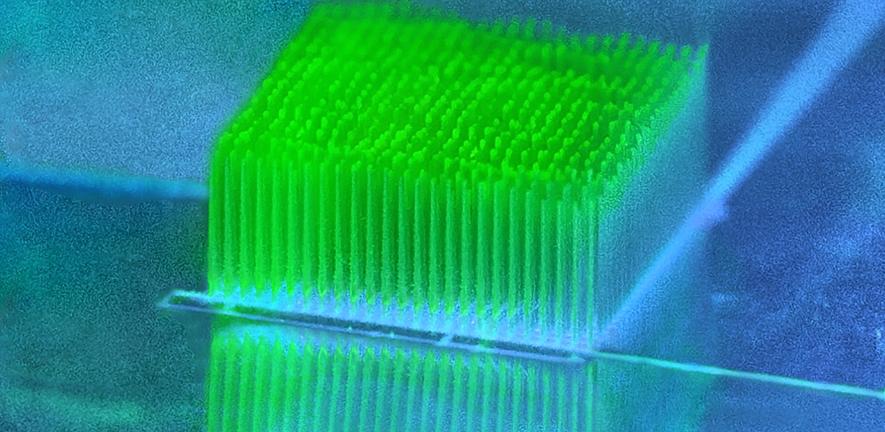
Microscopic View On Asteroid Collisions Could Help Us Understand Planet Formation

False-colour image of impact recrystallised phosphate mineral in Chelyabinsk meteorite
source: www.cam.ac.uk


A new way of dating collisions between asteroids and planetary bodies throughout our Solar System’s history could help scientists reconstruct how and when planets were born.


Our work shows that we need to draw on multiple lines of evidence to be more certain about impact histories – almost like investigating an ancient crime scene

Craig Walton

A team of researchers, led by the University of Cambridge, combined dating and microscopic analysis of the Chelyabinsk meteorite — which fell to Earth and hit the headlines in 2013 — to get more accurate constraints on the timing of ancient impact events.

Their study, published in Communications Earth & Environment, looked at how minerals within the meteorite were damaged by different impacts over time, meaning they could identify the biggest and oldest events that may have been involved in planetary formation.

“Meteorite impact ages are often controversial: our work shows that we need to draw on multiple lines of evidence to be more certain about impact histories – almost like investigating an ancient crime scene,” said Craig Walton, who led the research and is based at Cambridge’s Department of Earth Sciences.

Early in our Solar System’s history, planets including the Earth formed from massive collisions between asteroids and even bigger bodies, called proto-planets.

“Evidence of these impacts is so old that it has been lost on the planets — Earth, in particular, has a short memory because surface rocks are continually recycled by plate tectonics,” said co-author Dr Oli Shorttle, who is based jointly at Cambridge’s Department of Earth Sciences and Institute of Astronomy.

Asteroids, and their fragments that fall to Earth as meteorites, are in contrast inert, cold and much older— making them faithful timekeepers of collisions.

The new research, which was a collaboration with researchers from the Chinese Academy of Sciences and the Open University, recorded how phosphate minerals inside the Chelyabinsk meteorite were shattered to varying degrees in order to piece together a collision history.

Their aim was to corroborate uranium-lead dating of the meteorite, which looks at the time elapsed for one isotope to decay to another.

“The phosphates in most primitive meteorites are fantastic targets for dating the shock events experienced by the meteorites on their parent bodies,” said Dr Sen Hu, who carried out the uranium-lead dating at Beijing’s Institute of Geology and Geophysics, Chinese Academy of Sciences.

Previous dating of this meteorite has revealed two impact ages, one older, roughly 4.5-billion-year-old collision and another which occurred within the last 50 million years.

But these ages aren’t so clear-cut. Much like a painting fading over time, successive collisions can obscure a once clear picture, leading to uncertainty among the scientific community over the age and even the number of impacts recorded.

The new study put the collisions recorded by the Chelyabinsk meteorite in time order by linking new uranium-lead ages on the meteorite to microscopic evidence for collision-induced heating seen inside their crystal structures. These microscopic clues build up in the minerals with each successive impact, meaning the collisions can be distinguished, put in time order and dated.

Their findings show that minerals containing the imprint of the oldest collision were either shattered into many smaller crystals at high temperatures or strongly deformed at high pressures.

The team also described some mineral grains in the meteorite that were fractured by a lesser impact, at lower pressures and temperatures, and which record a much more recent age of less than 50 million years. They suggest this impact probably chipped the Chelyabinsk meteorite off its host asteroid and sent it hurtling to Earth.

Taken together, this supports a two-stage collision history. “The question for us was whether these dates could be trusted, could we tie these impacts to evidence of superheating from an impact?” said Walton. “What we’ve shown is that the mineralogical context for dating is really important.”

Scientists are particularly interested in the date of the 4.5-billion-year-old impact because this is about the time we think the Earth-Moon system came to being, probably as a result of two planetary bodies colliding.

The Chelyabinsk meteorite belongs to a group of so-called stony meteorites, all of which contain highly shattered and remelted material roughly coincident with this colossal impact.

The newly acquired dates support previous suggestions that many asteroids experienced high energy collisions between 4.48 – 4.44 billion years ago. “The fact that all of these asteroids record intense melting at this time might indicate Solar System re-organisation, either resulting from the Earth-Moon formation or perhaps the orbital movements of giant planets.”

Walton now plans to refine dating over the window of the Moon-forming impact, which could tell us how our own planet came to being.


Reference:
Walton, C.R. et al. ‘Ancient and recent collisions revealed by phosphate minerals in the Chelyabinsk meteorite.’ Communications Earth & Environment (2022). DOI: 10.1038/s43247-022-00373-1


Creative Commons License
The text in this work is licensed under a Creative Commons Attribution 4.0 International License. Images, including our videos, are Copyright ©University of Cambridge and licensors/contributors as identified.  All rights reserved. We make our image and video content available in a number of ways – as here, on our main website under its Terms and conditions, and on a range of channels including social media that permit your use and sharing of our content under their respective Terms.

Investment In Languages Education Could Return Double For UK Economy

A container ship
source: www.cam.ac.uk


An increase in secondary school pupils learning Arabic, Mandarin, French or Spanish could boost the UK economy by billions of pounds over 30 years, according to new research. The study warns that the ongoing decline in language learning in UK schools is undermining the country’s ability to compete internationally.


This study provides a new economic estimate for some of the UK’s untapped language potential

Wendy Ayres-Bennett

A new study from the University of Cambridge and the not-for-profit research institute RAND Europe shows that investing in languages education in the UK will return more than the investment cost, even under conservative assumptions.

By quantifying the wider economic benefits to the UK economy of extending languages education in schools, researchers found that the benefit-to-cost ratios for increasing Arabic, Mandarin, French or Spanish education are estimated to be at least 2:1, meaning that spending £1 could return about £2.

Researchers used a macroeconomic model to examine UK economic performance between now and 2050 if more pupils aged between 11 and 16 – Key Stage 3 (KS3) and Key Stage 4 (KS4) – learned to speak one of four different languages so they could later use it effectively in business. The modelling was based on the Government’s successful Mandarin Excellence Programme, in which extra hours are devoted to language learning without affecting other EBacc subjects, and lessons are fast-paced and engaging.

The analysis showed that a ten percentage point increase in UK pupils learning Arabic in KS3/KS4 could cumulatively increase UK GDP by between £11.8bn and £12.6bn over 30 years, compared against a baseline scenario in which the current levels of language provision in schools do not change. This corresponds to about 0.5% of the UK’s GDP in 2019.

An increase in pupils learning Mandarin would increase GDP by between £11.5bn and £12.3bn. For French, the benefit is between £9.1bn and £9.5bn, and an increase in Spanish is estimated to be between £9.1bn and £9.7bn.

Wendy Ayres-Bennett, the study’s lead author and Professor of French Philology and Linguistics at Cambridge said: “Languages play a significant role in international trade, and having a common language can, all else being equal, reduce trade barriers and foster trade. This study provides a new economic estimate for some of the UK’s untapped language potential.”

“However, the UK has experienced a sharp decline overall in the uptake of languages since 2004. At a time when the UK Government seeks to reset its global economic relationships, such a decline in language skills could impact on the UK’s ability to compete on a global stage.”

Researchers calculated the benefit-to-cost ratio by applying a range of education cost estimates per pupil per year for each of the four languages under consideration: £600 to £800 for Arabic; £480 to £720 for Mandarin; and £240 to £600 each for French and Spanish.

The resulting findings of a 2:1 benefit-to-cost ratio for each language demonstrated that there are identifiable returns for investing in languages education, not just in economic terms but also in producing workers with the language skills needed for the UK to compete internationally.

The report notes that while the UK does have a comparative advantage because of the global nature of English as a lingua franca, English is not the sole driver in certain key trade sectors such as mining and energy and services – and other languages matter equally, if not more, in reducing trade barriers.

UK exports are predicted to rise if there is an increase in the number of languages shared with its trading partners. The report shows that the removal of language barriers with trading partners in Arabic-, Chinese-, French- and Spanish-speaking countries could increase UK exports annually by about £19bn.

Marco Hafner, report co-author and senior economist at RAND Europe, said: “The analysis presented in this study demonstrates that investing in languages education could recoup its cost. But the idea behind the analysis was not in any way to substitute or diminish education in STEM or other EBacc subjects and replace them with languages. The intent is to demonstrate the value of improving the quality and quantity of languages education of secondary school pupils across the UK.”


Reference

W Ayres-Bennett et al., ‘The economic value to the UK of speaking other languages‘, RAND Corporation (2022).


Funding

This study was funded through a research grant from the Arts and Humanities Research Council (grant AH/V004182) awarded to Professor Ayres-Bennett.


Creative Commons License
The text in this work is licensed under a Creative Commons Attribution 4.0 International License. Images, including our videos, are Copyright ©University of Cambridge and licensors/contributors as identified.  All rights reserved. We make our image and video content available in a number of ways – as here, on our main website under its Terms and conditions, and on a range of channels including social media that permit your use and sharing of our content under their respective Terms.

Drug-Screening Spin-Out Secures New Funding

SemaCyte cell assaying platform
source: www,cam.ac.uk


Semarion Ltd, a University of Cambridge spin-out company from the Cavendish Laboratory, combines materials engineering and cell biology to help biopharma companies make better medicines, faster. It announced today that it has closed a £2.14 million seed funding round.


The funding will support the commercial development of Semarion’s SemaCyte® cell assaying platform. It will also enable further expansion of the team, as Semarion recruits scientists and engineers, and establishes additional research partnerships with biopharma partners for bespoke solutions to cell screening challenges.

SemaCytes, developed by Semarion, are a novel class of cell carrier materials, created using microchip fabrication technologies, nanomagnetism and smart materials. By facilitating workflow automation, assay miniaturisation and cell barcoding, this technology improves the quality and reproducibility of cell screening data while reducing the time and cost of drug discovery workflows.

Semarion was co-founded at the Cavendish Laboratory in 2018 by Jeroen Verheyen (CEO), Tarun Vemulkar (CTO), and Professor Russell Cowburn. Verheyen’s background in cell model development and Vemulkar’s experience in advanced materials and microfabrication drive Semarion’s vision to address foundational bottlenecks in drug discovery by integrating expertise across disciplines. Previously, the company received pre-seed funding and business support from Cambridge-based healthcare accelerator, Start Codon, which supported the transition of the company out of the University.

This investment round was led by Parkwalk Advisors, with the University of Cambridge Seed Funds, Martlet Capital, and angel investors also contributing.

Jeroen Verheyen, Co-Founder & CEO, Semarion, said: “This is a crucial step towards the commercialisation of our SemaCyte cell assaying platform. We were excited to see our product testers appreciate its truly unique feature. We aim to keep working closely with biopharma partners to address their unmet cell screening needs. I would like to thank all our investors and supporters for believing in the Semarion team and the SemaCyte technology.”

Dr Del Trezise, Advisor and Non-Executive director at Semarion said: “Our investors have identified the potential of Semarion’s technology, which is uniquely positioned to address a significant market opportunity and revolutionise drug discovery approaches. I look forward to working with the team to support the Company as it progresses to the next stage of commercial and scientific expansion.”


Creative Commons License
The text in this work is licensed under a Creative Commons Attribution 4.0 International License. Images, including our videos, are Copyright ©University of Cambridge and licensors/contributors as identified.  All rights reserved. We make our image and video content available in a number of ways – as here, on our main website under its Terms and conditions, and on a range of channels including social media that permit your use and sharing of our content under their respective Terms.

Genomic Study Shows That England’s Travel Quarantine Measures Were Effective – Up To A Limit


Airplane wing
source: www.cam.ac.uk


Fourteen-day quarantine measures imposed on incoming travellers returning to England in summer 2020 helped prevent the spread of the SARS-CoV-2 virus, particularly among 16-20 year olds, say a team led by Cambridge scientists.


Although the pandemic now looks very different to how it was in 2020 – with the emergence of new variants offset by increased vaccination – there are still important lessons that can be learned about the effectiveness of quarantine

Dinesh Aggarwal

In July 2020, following the first months of the pandemic, the UK government established new rules for travellers to and from England, in order to reduce the number of COVID-19 cases being imported into the country. Between 4 July 2020 and 1 February 2021, it established ‘travel corridors’ to countries deemed to be low risk for COVID-19, meaning that travellers returning from these countries did not need to quarantine. However, the majority of people returning from countries outside these corridors were required to quarantine for 14 days at home.

In research published today in Nature Communications, a team of scientists from the University of Cambridge, Wellcome Sanger Institute, COVID-19 Genomics UK (COG-UK) consortium and UKHSA (formerly Public Health England) examined the effectiveness of this policy by analysing contact-tracing data from NHS Test and Trace and genome sequences made available through COG-UK.

The team compared the number of contacts reported per case prior to a COVID-19 diagnosis between individuals returning from a country with a requirement to quarantine and those who did not need to quarantine on return. They tracked the spread of genomes from imported cases.

The researchers identified 4,207 positive COVID-19 cases in England between 27 May 2020 and 13 September 2020 related to international travel – with more than half (51%) of all imported cases coming from just one of three countries, Greece, Croatia, and Spain.

Travellers with COVID-19 returning from countries that required them to quarantine had fewer contacts than those returning from countries within the travel corridors, and so were less likely to pass on the infection to others. Using mathematical modelling, they estimate that individuals travelling from a country requiring quarantine had an average (mean) of 3.5 contacts, 40% fewer than someone returning from a country that did not require quarantine measures (who had an average of 5.9 contacts).

The number of contacts per case was greatest in the 16-20 age group who had travelled to countries with no requirement for quarantine, with a mean of 9.0. When quarantine was required, this fell to 4.7, similar to that of other age groups.

Genomic sequencing allowed a number of unique imported SARS-CoV-2 genomes to be identified that could be monitored to see how widely they had spread. The cluster size – that is, the number of related cases of onward transmission – for genomes imported from a country without a requirement to quarantine on return was significantly higher than for those related to countries with mandatory quarantine in place.

Dr Dinesh Aggarwal from the Department of Medicine at the University of Cambridge, the study’s first author, said: “Although the pandemic now looks very different to how it was in 2020 – with the emergence of new variants offset by increased vaccination – there are still important lessons that can be learned about the effectiveness of quarantine, in particular for future pandemic preparedness.

“Our study shows that while travel restrictions are effective in reducing the number of imported COVID-19 cases, they do not eliminate them entirely. It’s likely that one of the main reasons that quarantine measures helped is that they put people off travelling during this period.”

For the most common destinations – barring Spain – the number of imported cases dropped when the government removed a country from the ‘safe’ list and reintroduced mandatory quarantine.

The majority of importations from Greece came at the end of August and continued into September, a period during which there was no requirement to quarantine for travellers returning from the county – this was the source of greatest imported SARS-CoV-2 cases during the study period.

Dr Ewan Harrison from the Wellcome Sanger Institute, senior author, added: “Genomics has proven to be an invaluable tool in monitoring how the coronavirus spreads and helping inform infection control measures. By applying it to travel-related cases, it could help governments rapidly refine their travel policies and consider if any quarantine measures are appropriate.”

The research was supported by Wellcome, UK Research and Innovation, and the COVID-19 Genomics UK (COG-UK) Consortium

Dr Aggarwal is a PhD student at Churchill College.

Reference
Aggarwal, D, Page, AJ, Schaefer et al. Genomic assessment of quarantine measures to prevent SARS-CoV-2 importation and transmission. Nat Comms; 23 Feb 2022: DOI: 10.1038/s41467-022-28371-z


Creative Commons License
The text in this work is licensed under a Creative Commons Attribution 4.0 International License. Images, including our videos, are Copyright ©University of Cambridge and licensors/contributors as identified.  All rights reserved. We make our image and video content available in a number of ways – as here, on our main website under its Terms and conditions, and on a range of channels including social media that permit your use and sharing of our content under their respective Terms.

Risks of Using AI To Grow Our Food Are Substantial And Must Not Be Ignored, Warn Researchers

Drone spraying pesticide on wheat field
source: www.cam.ac.uk


Artificial intelligence (AI) is on the cusp of driving an agricultural revolution, and helping confront the challenge of feeding our growing global population in a sustainable way. But researchers warn that using new AI technologies at scale holds huge risks that are not being considered.


The idea of intelligent machines running farms is not science fiction.

Asaf Tzachor

Imagine a field of wheat that extends to the horizon, being grown for flour that will be made into bread to feed cities’ worth of people. Imagine that all authority for tilling, planting, fertilising, monitoring and harvesting this field has been delegated to artificial intelligence: algorithms that control drip-irrigation systems, self-driving tractors and combine harvesters, clever enough to respond to the weather and the exact needs of the crop. Then imagine a hacker messes things up.

A new risk analysis, published today in the journal Nature Machine Intelligence, warns that the future use of artificial intelligence in agriculture comes with substantial potential risks for farms, farmers and food security that are poorly understood and under-appreciated.

“The idea of intelligent machines running farms is not science fiction. Large companies are already pioneering the next generation of autonomous ag-bots and decision support systems that will replace humans in the field,” said Dr Asaf Tzachor in the University of Cambridge’s Centre for the Study of Existential Risk (CSER), first author of the paper.

“But so far no-one seems to have asked the question ‘are there any risks associated with a rapid deployment of agricultural AI?’” he added.

Despite the huge promise of AI for improving crop management and agricultural productivity, potential risks must be addressed responsibly and new technologies properly tested in experimental settings to ensure they are safe, and secure against accidental failures, unintended consequences, and cyber-attacks, the authors say.

In their research, the authors have come up with a catalogue of risks that must be considered in the responsible development of AI for agriculture – and ways to address them. In it, they raise the alarm about cyber-attackers potentially causing disruption to commercial farms using AI, by poisoning datasets or by shutting down sprayers, autonomous drones, and robotic harvesters. To guard against this they suggest that ‘white hat hackers’ help companies uncover any security failings during the development phase, so that systems can be safeguarded against real hackers.

In a scenario associated with accidental failure, the authors suggest that an AI system programmed only to deliver the best crop yield in the short term might ignore the environmental consequences of achieving this, leading to overuse of fertilisers and soil erosion in the long term. Over-application of pesticides in pursuit of high yields could poison ecosystems; over-application of nitrogen fertiliser would pollute the soil and surrounding waterways. The authors suggest involving applied ecologists in the technology design process to ensure these scenarios are avoided.

Autonomous machines could improve the working conditions of farmers, relieving them of manual labour. But without inclusive technology design, socioeconomic inequalities that are currently entrenched in global agriculture – including gender, class, and ethnic discriminations – will remain.

“Expert AI farming systems that don’t consider the complexities of labour inputs will ignore, and potentially sustain, the exploitation of disadvantaged communities,” warned Tzachor.

Various ag-bots and advanced machinery, such as drones and sensors, are already used to gather information on crops and support farmers’ decision-making: detecting diseases or insufficient irrigation, for example. And self-driving combine harvesters can bring in a crop without the need for a human operator. Such automated systems aim to make farming more efficient, saving labour costs, optimising for production, and minimising loss and waste. This leads to increasing revenues for farmers as well as to greater reliance on agricultural AI.

However, small-scale growers who cultivate the majority of farms worldwide and feed large swaths of the so-called Global South are likely to be excluded from AI-related benefits. Marginalisation, poor internet penetration rates, and the digital divide might prevent smallholders from using advanced technologies, widening the gaps between commercial and subsistence farmers.

With an estimated two billion people afflicted by food insecurity, including some 690 million malnourished and 340 million children suffering micronutrient deficiencies, artificial intelligence technologies and precision agriculture promise substantial benefits for food and nutritional security in the face of climate change and a growing global population.

“AI is being hailed as the way to revolutionise agriculture. As we deploy this technology on a large scale, we should closely consider potential risks, and aim to mitigate those early on in the technology design,” said Dr Seán Ó hÉigeartaigh, Executive Director of CSER and co-author of the new research.

This research was funded by Templeton World Charity Foundation, Inc.

Reference
Tzachor, A. et al: ‘Responsible Artificial Intelligence in Agriculture Requires Systemic Understanding of Risks and Externalities.’ Nature Machine Intelligence, February 2022. DOI: 10.1038/s42256-022-00440-4


Creative Commons License
The text in this work is licensed under a Creative Commons Attribution 4.0 International License. Images, including our videos, are Copyright ©University of Cambridge and licensors/contributors as identified.  All rights reserved. We make our image and video content available in a number of ways – as here, on our main website under its Terms and conditions, and on a range of channels including social media that permit your use and sharing of our content under their respective Terms.

Cambridge Spin-Out Receives European Innovation Council Grant To Develop Cancer Imaging Technologies

Bone cancer cell (nucleus in light blue)
source: www.cam.ac.uk


Spin-off company Cambridge Raman Imaging Ltd. and the Cambridge Graphene Centre will lead ‘CHARM’ project, recently awarded with €3.2 million


Funding from the European Union is an integral part of the Cambridge Graphene Centre’s success

Andrea Ferrari

The European Innovation Council (EIC) has awarded the first Transition Grant to Cambridge’s Department of Engineering. The project CHARM (chemometric histopathology via coherent Raman imaging for precision medicine) has received over €3.2 million to develop new medical imaging technologies. EIC funding will help the transition to industrial applications of graphene-enabled ultrafast lasers of the Cambridge Graphene Centre.

The EIC is Europe’s leading innovation programme to identify, develop and scale up breakthrough technologies and game-changing innovations. The Transition scheme is designed to further advance research results generated by other EU-funded initiatives, such as the European Research Council (ERC) Proof of Concept projects.

CHARM will develop a medical device based on high-speed, low-cost Raman digital imaging and artificial intelligence, to transform cancer diagnosis and treatment. Raman spectroscopy is a non-destructive technique used to investigate materials through their vibrational modes. It allows high speed, label-free imaging. The CHARM technology will analyse the molecular composition of patient tissue samples to distinguish cancerous from healthy cells, without the need for chemical staining.

CHARM is a European collaboration between the Cambridge Graphene Centre at the University of Cambridge, its spin-off Cambridge Raman Imaging, Politecnico Di Milano, Consiglio Nazionale Delle Ricerche ans INsociety in Italy, Jena University Hospital in Germany, and Inspiralia in Spain.

CHARM builds on the results of the ERC Proof of Concept grant GYNCOR, led by Professor Andrea Ferrari, Director of the Cambridge Graphene Centre. Within this ERC project, Cambridge researchers developed and patented a graphene-enabled laser technology that CHARM will transition to a medical device.

The EIC funding will help mature and validate the technology, as well as build a strong business case to accelerate the way towards commercialisation. On top of funding research and innovation, the EIC offers awardees business advancement services, including coaching, mentoring, and partnering events. CHARM will also have fast-track access to the EIC Accelerator programme, which financially supports later phases, such as commercialisation and scale-up.

“Funding from the European Union is an integral part of the Cambridge Graphene Centre’s success,” said Ferrari. “The European Research Council and the European Innovation Council are two of the most prestigious funding programmes worldwide. The University of Cambridge has a very strong track record in receiving ERC funds. I am sure this first EIC transition grant will pave the way for many more to follow. We all need to join the call to ‘stick to science’ and ensure that open and barrier-free collaboration among Europe’s research and innovation actors, who all share the same values, continues without unnecessary delays and interruptions.”

Originally published on the Cambridge Graphene Centre website


Creative Commons License
The text in this work is licensed under a Creative Commons Attribution 4.0 International License. Images, including our videos, are Copyright ©University of Cambridge and licensors/contributors as identified.  All rights reserved. We make our image and video content available in a number of ways – as here, on our main website under its Terms and conditions, and on a range of channels including social media that permit your use and sharing of our content under their respective Terms.
Self-Healing Materials For Robotics Made From ‘Jelly’ and Salt

source: www.cam.ac.uk


Researchers have developed self-healing, biodegradable, 3D-printed materials that could be used in the development of realistic artificial hands and other soft robotics applications.


It’s a really good sensor considering how cheap and easy it is to make

Thomas George-Thuruthel

The low-cost jelly-like materials, developed by researchers at the University of Cambridge, can sense strain, temperature and humidity. And unlike earlier self-healing robots, they can also partially repair themselves at room temperature.

The results are reported in the journal NPG Asia Materials.

Soft sensing technologies could transform robotics, tactile interfaces and wearable devices, among other applications. However, most soft sensing technologies aren’t durable and consume high amounts of energy.

“Incorporating soft sensors into robotics allows us to get a lot more information from them, like how strain on our muscles allows our brains to get information about the state of our bodies,” said David Hardman from Cambridge’s Department of Engineering, the paper’s first author.

As part of the EU-funded SHERO project, Hardman and his colleagues have been working to develop soft sensing, self-healing materials for robotic hands and arms. These materials can detect when they are damaged, take the necessary steps to temporarily heal themselves and then resume work – all without the need for human interaction.

“We’ve been working with self-healing materials for several years, but now we’re looking into faster and cheaper ways to make self-healing robots,” said co-author Dr Thomas George-Thuruthel, also from the Department of Engineering.

Earlier versions of the self-healing robots needed to be heated in order to heal, but the Cambridge researchers are now developing materials that can heal at room temperature, which would make them more useful for real-world applications.

“We started with a stretchy, gelatine-based material which is cheap, biodegradable and biocompatible and carried out different tests on how to incorporate sensors into the material by adding in lots of conductive components,” said Hardman.

The researchers found that printing sensors containing sodium chloride – salt – instead of carbon ink resulted in a material with the properties they were looking for. Since salt is soluble in the water-filled hydrogel, it provides a uniform channel for ionic conduction – the movement of ions.

When measuring the electrical resistance of the printed materials, the researchers found that changes in strain resulted in a highly linear response, which they could use to calculate the deformations of the material. Adding salt also enabled sensing of stretches of more than three times the sensor’s original length, so that the material can be incorporated into flexible and stretchable robotic devices.

The self-healing materials are cheap and easy to make, either by 3D printing or casting. They are preferable to many existing alternatives since they show long-term strength and stability without drying out, and they are made entirely from widely available, food-safe, materials.

“It’s a really good sensor considering how cheap and easy it is to make,” said George-Thuruthel. “We could make a whole robot out of gelatine and print the sensors wherever we need them.”

The self-healing hydrogels bond well with a range of different materials, meaning they can easily be incorporated with other types of robotics. For example, much of the research in the Bio-Inspired Robotics Laboratory, where the researchers are based, is focused on the development of artificial hands. Although this material is a proof-of-concept, if developed further, it could be incorporated into artificial skins and custom-made wearable and biodegradable sensors.

This work was supported by the Self-HEaling soft RObotics (SHERO) project, funded under the Future and Emerging Technologies (FET) programme of the European Commission.


Reference:
David Hardman, Thomas George-Thuruthel, and Fumiya Iida. ‘Self-Healing Ionic Gelatin/Glycerol Hydrogels for Strain Sensing Applications.’ NPG Asia Materials (2022). DOI: 10.1038/s41427-022-00357-9


Creative Commons License
The text in this work is licensed under a Creative Commons Attribution 4.0 International License. Images, including our videos, are Copyright ©University of Cambridge and licensors/contributors as identified.  All rights reserved. We make our image and video content available in a number of ways – as here, on our main website under its Terms and conditions, and on a range of channels including social media that permit your use and sharing of our content under their respective Terms.
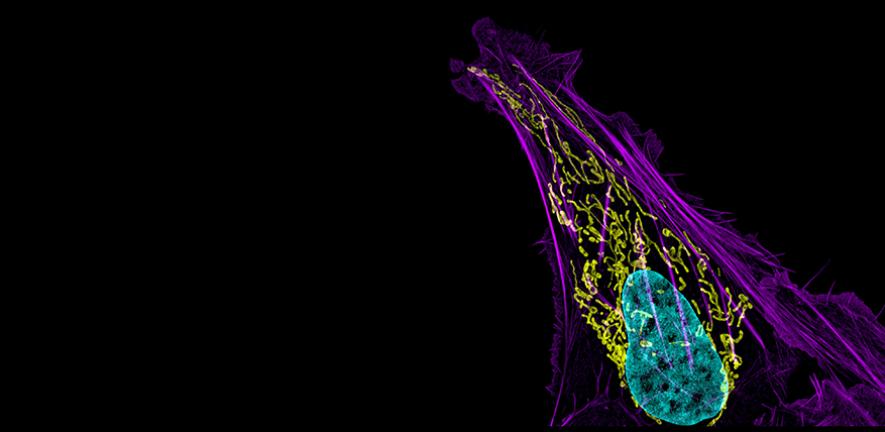
Zero-Carbon Refrigeration Spin-Out Sets Its Sights On Environmentally-Friendly Heating Systems

Xavier Moya
source: www.cam.ac.uk


Zero-carbon refrigeration pioneer Barocal has secured a £1.3 million investment to accelerate commercialisation of its novel technology designed to cut global CO₂ emissions. As the technology also works in heating applications, the University of Cambridge spin-out now plans to explore the potential of its breakthrough for domestic and commercial heating systems—to provide a cost-effective, efficient alternative to expensive air source heat pumps.


Instead of using refrigerant gases with high global warming potential, Barocal’s technology uses new solid-state, temperature-changing materials. Cheap and non-toxic, these are organic materials that release and absorb heat at different pressures as they change volume. Known as barocaloric materials, they are more efficient than fluid refrigerants. And, as they are solids, they are more environmentally friendly and easier to recycle at the end of a product’s lifetime.

“Heating and cooling accounts for 38% of the UK’s CO₂ emissions,” said Dr Xavier Moya, who co-founded Barocal based on his research in the Department of Materials Science and Metallurgy. “So the government’s commitment to a 78% cut in carbon emissions by 2035 means there is a growing need for new low-carbon domestic heating systems.”

“Current alternatives such as hydrogen boilers and traditional heat pumps,” he added, “are expensive and not practical for many homes. Barocal’s revolutionary new heat pump, based on non-vapour compression technology, holds the promise of a cost-effective, efficient and environmentally-friendly solution for domestic and commercial heating systems as well as air-conditioning and refrigeration.”

The £1.3 million investment in Barocal was led by IP Group plc. Cambridge Enterprise participated in the funding as part of a new sustainability initiative which, over the next four years, will support at least 15 of the University’s spin-outs and start-ups working on technologies that will rapidly cut emissions of global warming gases.

Through this initiative, Cambridge Enterprise recently joined in a £1 million investment in Carbon Re, a climate tech start-up using artificial intelligence to cut CO₂ emissions in the global cement industry and other energy-intensive sectors.

Investment Manager at Cambridge Enterprise, Chris Gibbs, said: “Barocal is the latest example of our early investments in transformative sustainable technologies. Our mission is to support entrepreneurs and academics with the potential to disrupt industries for the benefit of society and the planet.”

In 2019, Barocal was the sole European finalist in the Global Cooling Prize—an international innovation competition designed to stimulate invention and production of super-efficient and climate-friendly residential cooling solutions. Established by a coalition led by the Government of India along with the Rocky Mountain Institute, the competition attracted 139 teams from 31 countries.

The work on the technology began as a joint project among Cambridge’s Department of Materials and Metallurgy, the Polytechnic University of Catalonia, and the University of Barcelona. Barocal has a licence for the technology from Cambridge Enterprise.


Creative Commons License
The text in this work is licensed under a Creative Commons Attribution 4.0 International License. Images, including our videos, are Copyright ©University of Cambridge and licensors/contributors as identified.  All rights reserved. We make our image and video content available in a number of ways – as here, on our main website under its Terms and conditions, and on a range of channels including social media that permit your use and sharing of our content under their respective Terms.

Industry Funding Potentially Compromising Gambling Addiction Research, Say Experts

Computer poker graphics
source:www.cam.ac.uk


Too little research is being conducted into problem gambling – and what research there is, is often funded by the gambling industry rather than by independent means, say a team of experts. They argue in favour of a 1% statutory levy on the gambling industry that could be administered by one of the UK’s main research funders.


Gambling disorders are a serious problem in the UK yet remain low on the list of priorities in UK healthcare. There’s a chronic lack of investment and only belated acknowledgment of the problem

Barbara Sahakian

Writing in The Lancet Psychiatry, a group of clinicians and scientists set out their priorities for tackling the pervasive problem of gambling addiction, or ‘gambling disorder’.

Gambling disorder is a recognised mental health condition, a form of addiction that can have a serious impact on the lives of individuals and their families. It can lead to financial, emotional, and relationship problems, including interpersonal violence, and in some cases, engagement in illicit activities to fund their addiction.

Between four and nine people in 1,000 are estimated to experience problem gambling. The disorder appears to be more common in men compared to women and often develops during adolescence and young adulthood. For reasons that are unclear, some groups appear to be disproportionately affected – for example, in the UK, some research suggests it is more common among Black British people.

People with gambling disorders have high rates of other mental health conditions, including anxiety and mood disorders, substance abuse disorders, impulse control disorders, and attention-deficit/hyperactivity disorder (ADHD), though these are often undiagnosed. It is also associated with a considerably increased risk of suicide.

Professor Barbara Sahakian from the Department of Psychiatry at the University of Cambridge said: “Gambling disorders are a serious problem in the UK yet remain low on the list of priorities in UK healthcare. There’s a chronic lack of investment and only belated acknowledgment of the problem, which means that the true extent of gambling-related harm and the related resource pressure are ignored or unrecognised.

“While in the past, gambling largely took place in establishments such as betting shops or casinos, it has now become much easier to access in secret, particularly on smartphones and computers, so we’re seeing numbers increase particularly among adolescents and women. In short, it’s no longer necessary to leave your home to gamble.”

In 2020, a group of clinicians and scientists set up the National UK Research Network for Behavioural Addictions (NUK-BA) to identify unmet needs in terms of research and treatment provision for behavioural addictions, including gambling disorder, in the UK. The organisation does not accept any funding from the gambling industry.

In their article today, experts writing on behalf of NUK-BA say there is “a marked lack of dedicated explicit independent funding for research into Gambling Disorder”. The limited funding available now tends to be linked to the gambling industry: at present, funds for gambling research in the UK are collected by a voluntary levy on companies, and these funds are then administered through a specific organisation whose existence is dependent on this industry funding.

Professor Sam Chamberlain from the Faculty of Medicine at the University of Southampton said: “To many in the research world, funding that’s linked to the gambling industry – even when it’s administered through a third party – is compromised. It creates potential conflicts of interest and institutional rules that mean many universities, researchers and clinicians in the UK cannot accept funding administered through this route.

“With so little understood about gambling disorder, we clearly need much more research if we’re going to help those affected. For the purposes of transparency and to ensure that there are no conflicts of interest, this research needs be funded by independent bodies, such as the government or independent charities, and not by the gambling industry.”

The NUK-BA has called for the government to implement a 1% statutory levy on industry earnings and says this should be administered by an independent research body unrelated to the gambling industry, such as the Medical Research Council, part of UK Research & Innovation, a non-departmental government body.

In their article, the NUK-BA sets out its top priorities for UK research into gambling disorder:

  1. Conduct independent longitudinal research on prevalence of gambling disorder and at-risk gambling, and gambling harms, including in vulnerable and minority groups.
  2. Select and refine the optimal pragmatic measurement tools.
  3. Identify predictors – vulnerability and resilience markers – of disordered gambling in people who gamble recreationally, including in vulnerable and minority groups, longitudinally.
  4. Conduct randomised controlled trials on psychological interventions and drug treatments for gambling disorder.
  5. Optimise our understanding of the neurobiological basis of gambling disorder, including genetics, impulsivity and compulsivity, and other biomarkers.
  6. Develop clinical guidelines based upon the best possible contemporary research evidence to guide effective clinical interventions.

The researchers argue that our understanding of the prevalence and course of gambling disorder is further limited by a lack of appropriate expert consultation, noting that despite the Gambling Commission stating in its recent consultation that experts had been consulted, not a single member of NUK-BA group reported having been consulted.

Professor Henrietta Bowden-Jones, from the National Problem Gambling Clinic & National Centre for Gaming Disorders and the University of Cambridge, said: “The UK is fortunate to have world leading experts in the study of addiction as well as behavioural addiction. This places us in an excellent position to further our understanding and to develop new treatments. With sufficient independent funding, we will be able to make great progress in preventing problem gambling and improving the quality of life and wellbeing of those recovering from behavioural addictions and their families.”

Reference
Bowden-Jones, HL et al. Gambling Disorder in the United Kingdom: key research priorities and the urgent need for independent research funding. Lancet Psychiatry; 15 Feb 2022; DOI: 10.1016/S2215-0366(21)00356-4


Creative Commons License
The text in this work is licensed under a Creative Commons Attribution 4.0 International License. Images, including our videos, are Copyright ©University of Cambridge and licensors/contributors as identified.  All rights reserved. We make our image and video content available in a number of ways – as here, on our main website under its Terms and conditions, and on a range of channels including social media that permit your use and sharing of our content under their respective Terms.
Cambridge Researchers To Tackle Major Threats To ‘UK’s Vegetable Garden’

A wild horse on Wicken Fen, UK
source: www.cam.ac.uk


Cambridge researchers will tackle environmental threats that could affect a third of England’s home-grown vegetables and more than a quarter of the UK’s rare and endangered wild animals. Eco-friendly farming in the Fens, pine martens in the Cairngorms, and disappearing woodlands in the Lake District will all benefit from a £10 million countryside regeneration programme to safeguard the country’s most important agricultural land and beloved rural idylls.


The emphasis of the Cambridge Centre for Landscape Regeneration project will be on whole-systems approaches, as these are critical to addressing the root challenges of landscape regeneration.

Professor David Coomes, Director of the Conservation Research Institute

  • Although covering less than 4% of England’s farmed area, the Fens produce more than 7% of England’s total agricultural production, worth £1.23 billion. But they are threatened by climate change and their ancient peat soils are drying out, releasing millions of tonnes of CO2.
  • The Cairngorms are home to over a quarter of the UK’s endangered species, from capercaillies to ospreys.
  • The Lake District is a national treasure and a UNESCO World Heritage Site but future changes in agricultural subsidies present both challenges and opportunities for the landscape


The Cambridge Centre for Landscape Regeneration project will work with farmers, local communities and conservation groups to tackle environmental threats in these areas. This major countryside regeneration project will be led by Cambridge Conservation Initiative (CCI), Cambridge Zero and the Royal Society for the Protection of Birds (RSPB), in partnership with the UK Centre for Ecology and Hydrology (CEH) and the Endangered Landscape Programme.

Professor Emily Shuckburgh OBE, Director of Cambridge Zero said: “We aim to make a demonstrable difference to the way landscape restoration is designed, implemented, scaled up and supported by policy, ensuring solutions are resilient, inclusive and sustainable.”

Funding for the work with farmers, landowners, conservation groups and local communities to address ecological threats such as extinction, flooding, drought and pollution comes from the Natural Environment Research Council (NERC) as part of its £40 million ‘Changing the Environment’ programme.


The UK’s vegetable garden

The Fens contain almost half of the UK’s grade-1 agricultural land and support a farming industry worth around £3 billion across the food chain. Farming there directly employs over 10,000 people and supports around 80,000 jobs more widely.

The area is the vegetable garden of UK horticulture with 33% of England’s fresh vegetables grown here. More than a half of UK-grown lettuce and over 75% of UK-grown celery are produced in the Fens. Alongside salads, key vegetable crops such as carrots, leeks, potatoes, onions and beetroot are also extensively grown on the Fens.

Yet this fertile landscape faces a host of existential environmental challenges. It is estimated that only 1% of the original wetlands in the Fens remain intact and 30% of the peatlands have been lost – emitting millions of tonnes of carbon in the process.

Just as alarmingly, the region is projected to run out of water in five to 10 years, while simultaneously being threatened by rising sea levels.

Project researchers have been working closely with farmers in the region to find environmental solutions that work for them and their communities. Fourth-generation Fens farmer and Fenland SOIL steering committee member Tom Clarke said: “Farming in the Fens faces a triple threat – a climate challenge, a nature challenge, and a food security challenge. The best defence is for farming is to be less defensive about some of the problems it has contributed to. We farmers instead need to work in a positive and pragmatic way to find opportunities and solutions for the farmers of the future.”

Agriculture in this eastern region of England is of vital importance not just to the whole UK, but also to local people who rely on it for a living. That is why simply rewilding the Fens to preserve and restore its ecosystem is not an option. The funding from NERC will support this work and will enable researchers to find the best ways of protecting the ecosystem and its farmers.


National treasures endangered

The Cairngorms and the Lake District are both national treasures, but their ecology is severely imperiled. The beauty of these popular tourist destinations obscures significant degradation and wildlife loss.

The Cairngorms are under particular threat from climate change, as well as deforestation, erosion and the loss of iconic species which cannot be found anywhere else in the UK.

Teams there are working to expand and restore ancient Caledonian pinewoods. These spectacular forests have suffered from a significant loss of biodiversity and the encroachment of non-native tree species.

Professor Stephen J Toope, Vice-Chancellor of the University of Cambridge, said: “The interlinked extinction and climate crises pose a major threat to our future. Harnessing the full-breadth of expertise across Cambridge, this project will develop evidence-informed solutions and provide tools for government and stakeholders to regenerate landscapes for the benefit of climate, nature, the economy and society.”


Whole-systems solutions

Professor David Coomes, Director of the Conservation Research Institute within CCI, said: “The emphasis of the Cambridge University Centre for Landscape Regeneration project will be on whole-systems approaches, as these are critical to addressing the root challenges of landscape regeneration”. This means taking a holistic, long-term view that encompasses the whole ecology of a region.

One example is the work done by Cairngorms Connect – the UK’s biggest habitat restoration project, and a partnership of a private landowner, two government agencies and an NGO (the RSPB). Their focus is 130km2 of biodiverse native pinewood habitats in the Cairngorms, Scotland. The partners’ 200-year vision will expand the forest to its natural limit, thereby doubling its area. Within the existing forest they are creating more natural character by pulling down trees to simulate naturally occurring deadwood – a vital feature of a healthy forest. This deadwood benefits a wide range of animals, from invertebrates, fungi and lichens, to bird species – many of which are rare elsewhere in the UK.

Professor Jeremy Wilson, RSPB Director of Science said: “As a partner in the Cambridge Conservation Initiative, we are excited by this opportunity to tackle the problem of restoring some of our most precious but fragile landscapes for the benefit of nature, people and the climate. As one of the largest nature conservation land managers in the UK, our nature reserves are at the heart of these landscapes and the insights from this cutting-edge research will underpin our restoration work for decades to come.”

In the Fens, a group of farmers is experimenting with raising the water table to reduce greenhouse gas emissions. This offers a natural experiment to find out not only how such measures affect crop yields, but also its impact on the communities of insects and spiders on which bird populations and crop pollination depend.

In another example, farmers in the Fens are relaxing the usually drastic clearance of fen ditches and providing more farm reservoirs. This enables the storage of winter water for summer irrigation and also provides ideal habitats for fish and wetland birds such as herons and the Marsh Harrier – a species reduced almost to extinction in Britain in the 20th century.


Creative Commons License
The text in this work is licensed under a Creative Commons Attribution 4.0 International License. Images, including our videos, are Copyright ©University of Cambridge and licensors/contributors as identified.  All rights reserved. We make our image and video content available in a number of ways – as here, on our main website under its Terms and conditions, and on a range of channels including social media that permit your use and sharing of our content under their respective Terms.

Study Reveals High Rate of Possible Undiagnosed Autism In People Who Died By Suicide

Close up of hands of two people talking
source:www.cam.ac.uk


A significant number of people who died by suicide were likely autistic, but undiagnosed, according to new research that highlights the urgent need for earlier diagnosis and tailored support for suicide prevention.


Suicide rates are unacceptably high in autistic people and suicide prevention has to be the number one goal to reduce the worrying increased mortality in autistic people

Simon Baron-Cohen

A team of researchers, led by Dr Sarah Cassidy from the University of Nottingham and Professor Simon Baron-Cohen from the Autism Research Centre at the University of Cambridge, are the first to examine evidence of autism and autistic traits in those who died by suicide in England. They analysed Coroners’ inquest records of 372 people who died by suicide and also interviewed family members of those who died. The research is published today in the British Journal of Psychiatry.

The researchers found that 10% of those who died by suicide had evidence of elevated autistic traits, indicating likely undiagnosed autism. This is 11 times higher than the rate of autism in the UK. The research team worked with Coroners’ offices in two regions of England to identify the records.

The team first examined the coroners’ inquests for each death by suicide for signs of elevated autistic traits indicating possible undiagnosed autism, or a definite diagnosis of autism. Evidence of autism was then checked by an independent researcher to make sure that these decisions were reliable. The researchers then spoke to 29 of the families, to gather further evidence to corroborate the elevated autistic traits in those who died. After speaking with the families, the researchers found evidence of elevated autistic traits in more people who died by suicide (41%), which is 19 times higher than the rate of autism in the UK.

Previous research by the same group has shown that up to 66% of autistic adults have thought about taking their own life, and 35% have attempted suicide. Around 1% of people in the UK are autistic, yet up to 15% of people hospitalised after attempting suicide have a diagnosis of autism. Previous research has also found that both diagnosed autistic people and those with elevated autistic traits are more vulnerable to mental health problems, suicidal thoughts and behaviours. The new research goes beyond this by examining Coroner’s records related to people who have ended their own life.

Autism is a lifelong developmental condition diagnosed on the basis of difficulties in social and communication skills and in adapting to unexpected change, alongside heightened sensory sensitivity, unusually deep interests in specific topics, and a preference for predictability. There are many barriers to obtaining an autism diagnosis, including limited availability of diagnostic services, leading to long waiting lists. Even post-diagnosis, there are insufficient support services for autistic people.

Dr Sarah Cassidy commented: “Many adults in the UK find it very difficult to obtain an autism diagnosis and appropriate support post-diagnosis. Our study shows that undiagnosed autistic people could be at increased risk of dying by suicide.

“It is urgent that access to an autism diagnosis and appropriate support post diagnosis is improved. This is the top autism community priority for suicide prevention, and needs to be addressed immediately by commissioners of services and policy makers.”

Professor Simon Baron-Cohen added: “Even a single suicide is a terrible tragedy for the person and a traumatic loss for their families and friends. Suicide rates are unacceptably high in autistic people and suicide prevention has to be the number one goal to reduce the worrying increased mortality in autistic people.

“Autistic people on average die 20 years earlier than non-autistic people, and two big causes of this are suicide and epilepsy. We published the preliminary data on elevated suicide rates back in 2014 as a wake-up call to governments, and yet nothing has been done.”

Currently evidence of an autism diagnosis or elevated autistic traits are not usually included in Coroners’ inquests in England. This study highlights the need for Coroners to begin to systematically gather evidence of autism and autistic traits in inquests, to help prevent future deaths. There is also an urgent need to work with the autism community to co-design suicide prevention services.

Reference
Cassidy, S et al. Autism and autistic traits in those who died by suicide in England. BJPsych; 15 Feb 2022; DOI: 10.1192/bjp.2022.21

Adapted from a press release from the University of Nottingham


Creative Commons License
The text in this work is licensed under a Creative Commons Attribution 4.0 International License. Images, including our videos, are Copyright ©University of Cambridge and licensors/contributors as identified.  All rights reserved. We make our image and video content available in a number of ways – as here, on our main website under its Terms and conditions, and on a range of channels including social media that permit your use and sharing of our content under their respective Terms.