All posts by Admin

Rock Crystals From The Deep Give Microscopic Clues To Earthquake Ground Movements

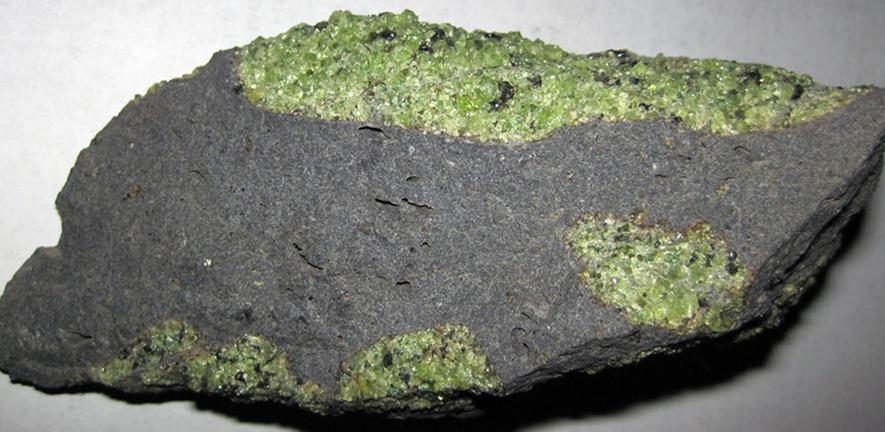
Chunks of exotic green rocks from the mantle erupted from the San Carlos Volcanic Field, Arizona


Microscopic imperfections in rock crystals deep beneath Earth’s surface play a deciding factor in how the ground slowly moves and resets in the aftermath of major earthquakes, says new research involving the University of Cambridge.


The stresses resulting from these defects – which are small enough to disrupt the atomic building blocks of a crystal – can transform how hot rocks beneath Earth’s crust move and in turn transfer stress back to Earth’s surface, starting the countdown to the next earthquake.

The new study, published in Nature Communications, is the first to map out the crystal defects and surrounding force fields in detail. “They’re so tiny that we’ve only been able to observe them with the latest microscopy techniques,” said lead author Dr David Wallis from Cambridge’s Department of Earth Sciences, “But it’s clear that they can significantly influence how deep rocks move, and even govern when and where the next earthquake will happen.”

By understanding how these crystal defects influence rocks in the Earth’s upper mantle, scientists can better interpret measurements of ground motions following earthquakes, which give vital information on where stress is building up – and in turn where future earthquakes may occur.

Earthquakes happen when pieces of Earth’s crust suddenly slip past each other along fault lines, releasing stored-up energy which propagates through the Earth and causes it to shake. This movement is generally a response to the build-up of tectonic forces in the Earth’s crust, causing the surface to buckle and eventually rupture in the form of an earthquake.

Their work reveals that the way Earth’s surface settles after an earthquake, and stores stress prior to a repeat event, can ultimately be traced to tiny defects in rock crystals from the deep.

“If you can understand how fast these deep rocks can flow, and how long it will take to transfer stress between different areas across a fault zone, then we might be able to get better predictions of when and where the next earthquake will strike,” said Wallis.

The team subjected olivine crystals – the most common component of the upper mantle — to a range of pressures and temperatures in order to replicate conditions of up to 100 km beneath Earth’s surface, where the rocks are so hot (roughly 1250oC) they move like syrup.

Wallis likens their experiments to a blacksmith working with hot metal – at the highest temperatures, their samples were glowing white-hot and pliable.

They observed the distorted crystal structures using a high-resolution form of electron microscopy, called electron backscatter diffraction, which Wallis has pioneered on geological materials.

Their results shed light on how hot rocks in the upper mantle can mysteriously morph from flowing almost like syrup immediately after an earthquake to becoming thick and sluggish as time passes.

This change in thickness — or viscosity – transfers stress back to the cold and brittle rocks in the crust above, where it builds up – until the next earthquake strikes.

The reason for this switch in behaviour has remained an open question, “We’ve known that microscale processes are a key factor controlling earthquakes for a while, but it’s been difficult to observe these tiny features in enough detail,” said Wallis. “Thanks to a state-of-the-art microscopy technique, we’ve been able to look into the crystal framework of hot, deep rocks and track down how important these miniscule defects really are”.

Wallis and co-authors show that irregularities in the crystals become increasingly tangled over time; jostling for space due to their competing force fields – and it’s this process that causes the rocks to become more viscous.

Until now it had been thought that this increase in viscosity was because of the competing push and pull of crystals against each other, rather than being caused by microscopic defects and their stress fields inside the crystals themselves.

The team hope to apply their work to improving seismic hazard maps, which are often used in tectonically active areas like southern California to estimate where the next earthquake will occur. Current models, which are usually based on where earthquakes have struck in the past, and where stress must therefore be building up, only take into account the more immediate changes across a fault zone and do not consider gradual stress changes in rocks flowing deep within the Earth.

Working with colleagues at Utrecht University, Wallis also plans to apply their new lab constraints to models of ground movements following the hazardous 2004 earthquake which struck Indonesia, and the 2011 Japan quake – both of which triggered tsunamis and lead to the loss of tens of thousands of lives.


Reference:
David Wallis et al. ‘Dislocation interactions in olivine control postseismic creep of the upper mantle.’ Nature Communications (2021). DOI: 10.1038/s41467-021-23633-8


Creative Commons License
The text in this work is licensed under a Creative Commons Attribution 4.0 International License. Images, including our videos, are Copyright ©University of Cambridge and licensors/contributors as identified.  All rights reserved. We make our image and video content available in a number of ways – as here, on our main website under its Terms and conditions, and on a range of channels including social media that permit your use and sharing of our content under their respective Terms.
Low-Cost Imaging Technique Shows How Smartphone Batteries Could Charge In Minutes

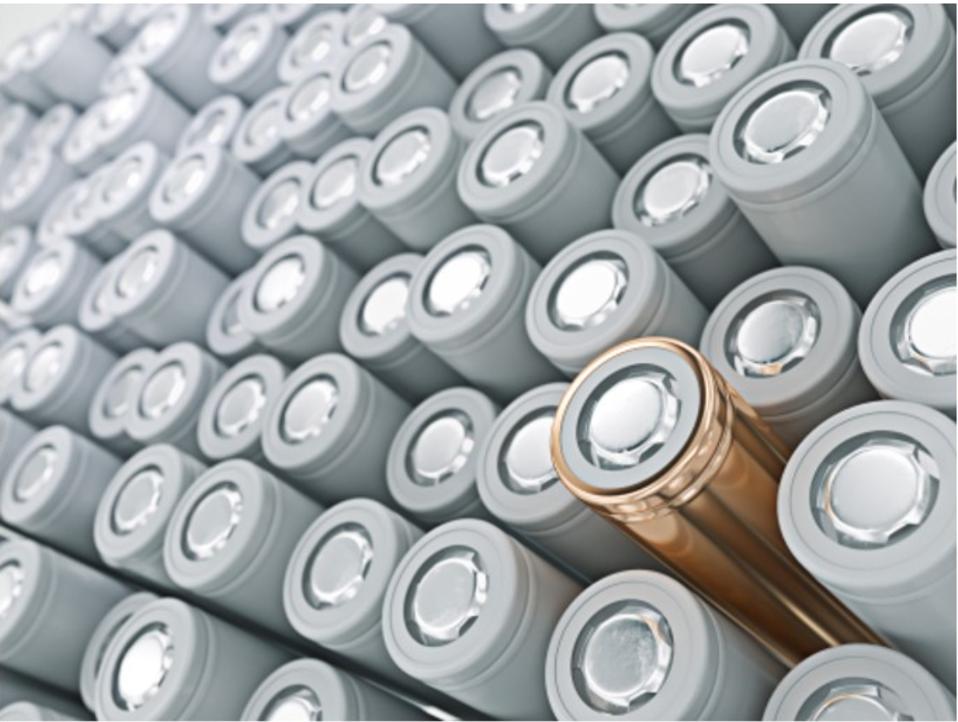
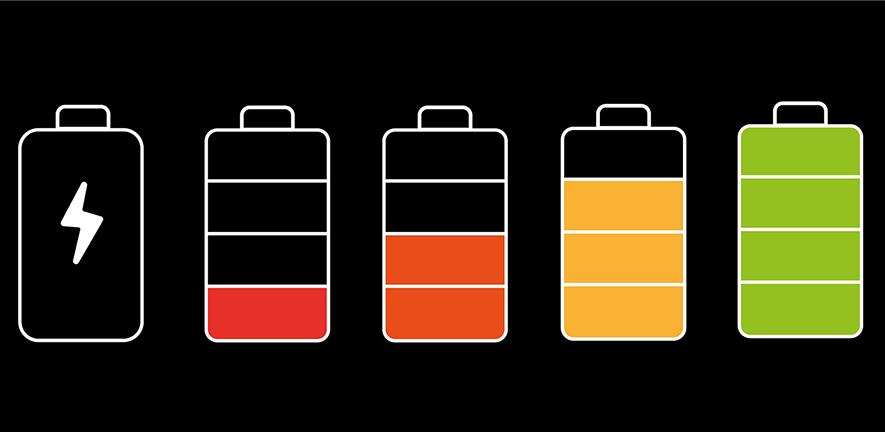
Illustration of batteries charging


Researchers have developed a simple lab-based technique that allows them to look inside lithium-ion batteries and follow lithium ions moving in real time as the batteries charge and discharge, something which has not been possible until now.


This technique could be an important piece of the puzzle in the development of next-generation batteries

Christoph Schnedermann

Using the low-cost technique, the researchers identified the speed-limiting processes which, if addressed, could enable the batteries in most smartphones and laptops to charge in as little as five minutes.

The researchers, from the University of Cambridge, say their technique will not only help improve existing battery materials, but could accelerate the development of next-generation batteries, one of the biggest technological hurdles to be overcome in the transition to a fossil fuel-free world. The results are reported in the journal Nature.

While lithium-ion batteries have undeniable advantages, such as relatively high energy densities and long lifetimes in comparison with other batteries and means of energy storage, they can also overheat or even explode, and are relatively expensive to produce. Additionally, their energy density is nowhere near that of petrol. So far, this makes them unsuitable for widespread use in two major clean technologies: electric cars and grid-scale storage for solar power.

“A better battery is one that can store a lot more energy or one that can charge much faster – ideally both,” said co-author Dr Christoph Schnedermann, from Cambridge’s Cavendish Laboratory. “But to make better batteries out of new materials, and to improve the batteries we’re already using, we need to understand what’s going on inside them.”

To improve lithium-ion batteries and help them charge faster, researchers need to follow and understand the processes occurring in functioning materials under realistic conditions in real time. Currently, this requires sophisticated synchrotron X-ray or electron microscopy techniques, which are time-consuming and expensive.

“To really study what’s happening inside a battery, you essentially have to get the microscope to do two things at once: it needs to observe batteries charging and discharging over a period of several hours, but at the same time it needs to capture very fast processes happening inside the battery,” said first author Alice Merryweather, a PhD student at Cambridge’s Cavendish Laboratory.

The Cambridge team developed an optical microscopy technique called interferometric scattering microscopy to observe these processes at work. Using this technique, they were able to observe individual particles of lithium cobalt oxide (often referred to as LCO) charging and discharging by measuring the amount of scattered light.

They were able to see the LCO going through a series of phase transitions in the charge-discharge cycle. The phase boundaries within the LCO particles move and change as lithium ions go in and out. The researchers found that the mechanism of the moving boundary is different depending on whether the battery is charging or discharging.

“We found that there are different speed limits for lithium-ion batteries, depending on whether it’s charging or discharging,” said Dr Akshay Rao from the Cavendish Laboratory, who led the research. “When charging, the speed depends on how fast the lithium ions can pass through the particles of active material. When discharging, the speed depends on how fast the ions are inserted at the edges. If we can control these two mechanisms, it would enable lithium-ion batteries to charge much faster.”

“Given that lithium-ion batteries have been in use for decades, you’d think we know everything there is to know about them, but that’s not the case,” said Schnedermann. “This technique lets us see just how fast it might be able to go through a charge-discharge cycle. What we’re really looking forward to is using the technique to study next-generation battery materials – we can use what we learned about LCO to develop new materials.”

“The technique is a quite general way of looking at ion dynamics in solid-state materials, so you can use it on almost any type of battery material,” said Professor Clare Grey, from Cambridge’s Yusuf Hamied Department of Chemistry, who co-led the research.

The high throughput nature of the methodology allows many particles to be sampled across the entire electrode and, moving forward, will enable further exploration of what happens when batteries fail and how to prevent it.

“This lab-based technique we’ve developed offers a huge change in technology speed so that we can keep up with the fast-moving inner workings of a battery,” said Schnedermann. “The fact that we can actually see these phase boundaries changing in real time was really surprising. This technique could be an important piece of the puzzle in the development of next-generation batteries.”


Reference:
Alice J. Merryweather et al. ‘Operando optical tracking of single-particle ion dynamics in batteries.’ Nature (2021). DOI: 10.1038/s41586-021-03584-2


Creative Commons License
The text in this work is licensed under a Creative Commons Attribution 4.0 International License. Images, including our videos, are Copyright ©University of Cambridge and licensors/contributors as identified.  All rights reserved. We make our image and video content available in a number of ways – as here, on our main website under its Terms and conditions, and on a range of channels including social media that permit your use and sharing of our content under their respective Terms.

Cambridge Researcher Named One of Top 50 Women in Engineering

Sohini Kar-Narayan
source: www.cam.ac.uk


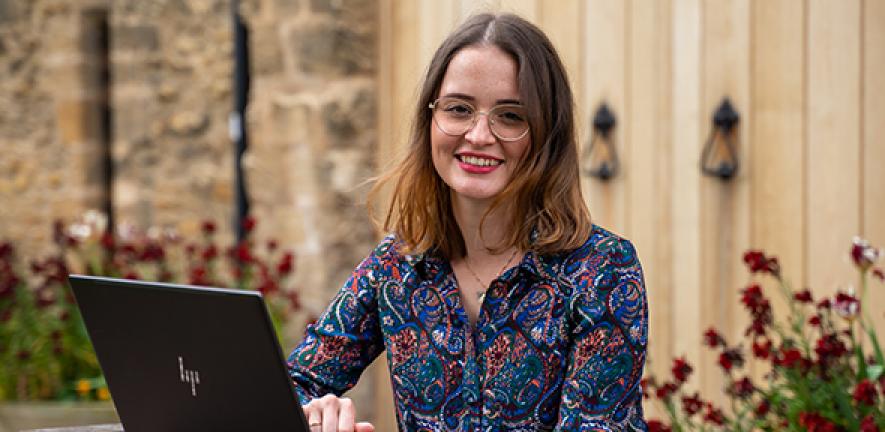
Dr Sohini Kar-Narayan from Cambridge’s Department of Materials Science and Metallurgy has been named one of the top 50 Women in Engineering 2021 by the Women’s Engineering Society.


Now in its sixth year, the 2021 WE50 celebrates the wealth of female talent within engineering and related disciplines. The annual celebration is aligned with International Women in Engineering Day (INWED) which takes place on 23 June.

Some of Kar-Narayan’s happiest childhood memories involved taking apart cassette players and VCR recorders, and that curiosity is what drew her to her current role. Her research involves developing new polymeric materials for harvesting energy to power health monitoring devices and integrating materials into versatile sensors. She has also been working on developing self-powered devices for patients.

“I am absolutely thrilled by this award, and to be recognised as an ‘Engineering Hero’ will go down well with my kids,” said Kar-Narayan, who is a Fellow of Clare Hall. “My late father was diabetic and suffered from heart disease, and this played a role in my desire to use science and engineering to improve patient care by developing self-powered devices that can offer personalised healthcare and remote health monitoring, and new technologies to study and manage the progression of disease at a cellular level. I am so grateful to WES for this award, and of course, to all the people who have supported me over the years, including my brilliant research group without whom this would not have been possible.”

One of the aims of Kar-Narayan’s research is the development of early-stage prototypes and eventual commercialisation of energy harvesting and self-powered sensing technologies. An example is the spin-out company ArtioSense Ltd that she has recently co-founded, which seeks to deliver low-cost conformable sensors that can aid orthopaedic surgery through real-time force monitoring in joints.

Even in the current climate, the number and standard of nominations were high, emphasising the exceptional achievements made by women in this field. The WE50 awards were judged by a panel of industry experts.

“It was wonderful to read about the achievements of these extraordinary women and the impact that they are making on society with their talent, hard work and dedication,” said Head Judge Professor Catherine Noakes OBE CEng FIMechE FIHEEM. “The COVID-19 pandemic has highlighted how truly important science, technology and engineering are to the health of our planet. The 2021 WE50 personify the inventive and inclusive thinking needed to build a sustainable future. If there was ever a time that we needed these heroes in engineering, it is now.”

INWED celebrates the achievements of women in engineering and related roles and highlights the opportunities available to engineers of the future. The WE50 was created to raise awareness of the skills shortage facing the industry, highlighting the huge discrepancy between the number of men vs. women currently in engineering professions. The theme of WE50 changes each year to recognise women working in different fields and from varying routes into engineering. This year’s theme is ‘Engineering Heroes.’


Creative Commons License
The text in this work is licensed under a Creative Commons Attribution 4.0 International License. Images, including our videos, are Copyright ©University of Cambridge and licensors/contributors as identified.  All rights reserved. We make our image and video content available in a number of ways – as here, on our main website under its Terms and conditions, and on a range of channels including social media that permit your use and sharing of our content under their respective Terms.
Professor Clare Grey Awarded €1 Million Körber Prize

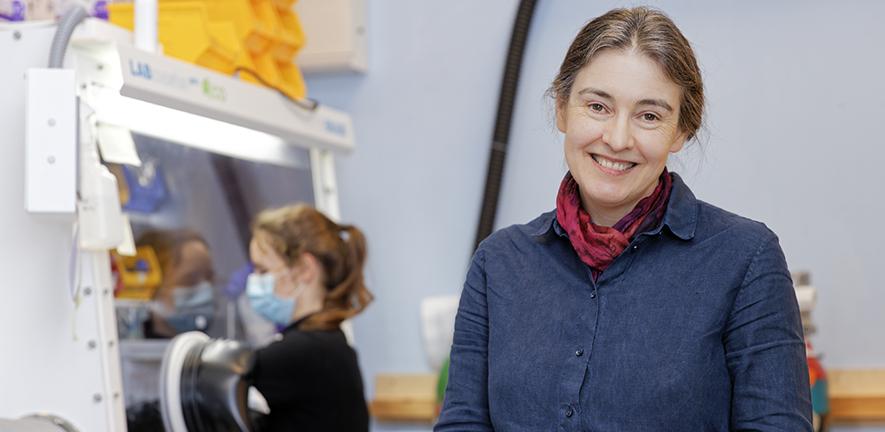
Professor Clare Grey
source: www.cam.ac.uk


The Körber European Science Prize 2021, worth one million euros, is to be awarded to University of Cambridge chemist Professor Clare Grey, one of the UK’s leading battery researchers.


Grey pioneered the optimisation of batteries with the help of NMR spectroscopy –similar to MRI technology – a method that allows non-invasive insights into the inner workings of batteries.

Her NMR studies have helped to significantly increase the performance of lithium-ion batteries, which power mobile phones, laptops and electric cars. She has been instrumental in the development of next-generation batteries and cost-effective, durable storage systems for renewable energy. She sees her fundamental research as an important contribution to achieving net-zero emissions by 2050.

“There have been significant advances in lithium-ion batteries since they were commercialised in the 1990s,” said Grey. “Their energy density has tripled and prices have fallen by 90 percent.”

Grey’s research has made key contributions to these developments. She is a pioneer in the study of solids with the help of NMR (nuclear magnetic resonance) spectroscopy, which she has developed and applied to allow researchers to observe the electrochemical processes at work during charging and discharging of batteries.

Clare Grey, 56, studied chemistry at the University of Oxford. At the age of 22, she published her first scientific article in the journal Nature. After completing her doctoral studies in 1991, she went to Radboud University in Nijmegen, the Netherlands, and has also worked as a visiting scientist at the US chemical company Dupont.

In 1994, she joined the State University of New York at Stony Brook as an assistant professor, and she became a full professor in 2001. In 2009, she became Geoffrey Moorhouse Gibson Professor at the University of Cambridge’s Yusuf Hamied Department of Chemistry. She is a Fellow of Pembroke College, and has been a Fellow of the Royal Society since 2011.

At the time Grey was still a student, most chemist and physicists used X-rays to determine the internal structure of solids. Grey was one of the first in her field to use solid state NMR instead: during her time in the USA, she met researchers from the Duracell company who inspired her to use the technology to study materials in batteries.

“Previously, the usual investigations with X-rays only provided an average picture,” Grey said. “With the help of NMR, I was able to detect the local structural details in these often-disordered materials.”

Initially, she examined individual materials by opening the batteries at a certain stage of their charging and discharging cycle. The aim was to find out which chemical processes cause the batteries to age and how their lifespan and capacity could be increased. Later, she improved the NMR technology so that she could use it to examine batteries during operation without destroying them, which helped speed up the studies enormously.

Now, in addition to her work improving lithium-ion batteries, Grey is developing a range of different next-generation batteries, including lithium-air batteries (which use oxidation of lithium and reduction of oxygen to induce a current), sodium, magnesium and redox flow batteries.

Her NMR studies allow her to follow the processes at work inside these batteries in real time and help determine the processes that cause batteries to degrade. She is working on further optimising the NMR method to design even more powerful, faster-charging and more environmentally friendly batteries.

In 2019, Grey co-founded a company, (Nyobolt), for ultra-fast charging batteries. Another company supplies the NMR measurement technology she designed to laboratories around the world.

To achieve climate goals and transition away from fossil fuels, Grey believes it is vital that “basic research into new battery technologies is already in full swing today – tomorrow will be too late.”

The Körber European Science Prize 2021 will be presented to Professor Clare Grey on 10 September in the Great Festival Hall of Hamburg City Hall. Since 1985, the Körber Foundation has honoured a breakthrough in the physical or life sciences in Europe with the Körber Prize. It is awarded for excellent and innovative research approaches with high application potential. To date, six Körber Prize winners have been awarded the Nobel Prize.


Creative Commons License
The text in this work is licensed under a Creative Commons Attribution 4.0 International License. Images, including our videos, are Copyright ©University of Cambridge and licensors/contributors as identified.  All rights reserved. We make our image and video content available in a number of ways – as here, on our main website under its Terms and conditions, and on a range of channels including social media that permit your use and sharing of our content under their respective Terms.

THE RAPID CHALLENGE

THE RAPID CHALLENGE

Hardware Start-ups

& Entrepreneurs

Join The RAPID Challenge journey to commercialise your innovation. Appications now open

Brought to you by

TBAT Main Logo.png
One PLM.png
Crowdcube_Logo.png
Prodrive Performance Unlimited logo.png
LEAD PARTNER -RPD_International.jpg
HSBC_MASTERBRAND_UK_RGB.png
PARTNER - Bridgehead.png
IP ASSET 2018 SQUARE LOGO.png

Media Partner

DEVELOP3D-LOGO-(WEB) 2.jpg
https://www.therapidchallenge.com/

THE PROCESS

A Challenge designed for hardware start-ups & entrepreneurs

The following 3 stage process has been created with the ethos that all who pass the criteria receive value by taking part. Specifically designed to address the challenges met by those commercialising hardware projects.

1

Workshop

Projects matching the entry criteria will be invited to attend a range of workshops. These sessions will include valuable advice and insight from our challenge partners to help you build and develop the business plan for your project. Following the workshop, applicants will be asked to submit a pitch deck including their business plan in order to reach the interview stage.

2

Interview

The business plans will be reviewed by a judging panel consisting of industry experts representing The RAPID Challenge Partners. Five  successful submissions will be invited to the interview stage to present their project and business plans in more detail and answer questions from the judging panel.  The best 3 projects will proceed to the Finals event.

3

Final

The final event will provide the best 3 projects with the opportunity to present their project to a wider audience of RAPID Challenge partners, affiliates, invited guests and investors where the winners of the prize package will be announced.

THE RAPID CHALLENGE

£75K Prize Package

A prize package specifically curated to benefit hardware startups. The prize package consists of:

  • £5K cash prize

  • An engineering service package from Prodrive

  • An R&D and grant application service package from TBAT Innovation

  • Manufacturing and design service package from RPD International

  • Go-to-market service package and entry to the Discover 21 Programme from Bridgehead Agency

  • Solid Edge CAD license for all applicants and an advanced CAD training course for the winner from OnePLM

  • Discounted listing fees on Crowdcube

  • Patent advice services from The IP Asset Partnership

  • Invitation to HSBC corporate events

KEY DATES

Applications open

Applications for 2021 The RAPID Challenge are open. Read more about the application criteria on the apply page: here.


Honeywell Takes a Majority Stake in British Quantum Computing Company: Cambridge Quantum Computing (CQC)

Honeywell Takes a Majority Stake in British Quantum Computing Company: Cambridge Quantum Computing (CQC)

Source: https://quantumzeitgeist.com/

June 8, 2021 

Honeywell, the developers of Ion Trap quantum technology have announced that they will take a majority stake in the Cambridge firm. Honeywell is a publicly listed technology company that has many products ranging from control systems to quantum computers. The move will help cement Honeywell’s push into quantum utilising the expertise that has been built up by CQC in Quantum Machine Learning, quantum languages (such a t|ket>) and NLP.

Upon completion of the deal, Honeywell will own the majority stake of the new business created. The quantum operating system will be a major part of that new business. The new business aims to offer a full suite of quantum software, including the most advanced quantum operating system. The business will continue to work on supporting developments across a number of sectors such as cyber security, drug discovery and delivery, material science, finance, and general optimisation. Of course the NLP (Natural Language Processing) expertise of CQC will likely play an important future role, something not lost on Honeywell and their motivations for the combined partnership.

The deal is expected to be complete in the third quarter of 2021, subject to regulatory approvals and customary closing conditions. Honeywell Chairman and Chief Executive Officer Darius Adamczyk will serve as chairman of the new company. The new company will be led by Ilyas Khan, the CEO and founder of CQC. Tony Uttley, currently the president of HQS, will serve as the new company’s president. Honeywell will invest between $270 million and $300 million in the new joint venture business.

At CQC, we are committed to using the most advanced tools and devices to develop the world’s leading quantum applications and products. Our cutting-edge software complements Honeywell’s innovative quantum technology and this investment
and partnership is of real significance in the overall development of quantum computers and their real-world impact on corporations and governments globally.”

Ilyas Khan CEO of CQC

In addition, Honeywell will invest between $270 million and $300 million in the new company and will have a long-term agreement to help manufacture the critical ion traps needed to power the quantum hardware. Honeywell’s businesses will continue to serve as a proving ground for the new company’s quantum offerings.

The combination is expected to be complete in the third quarter of 2021, subject to regulatory approvals and customary closing conditions. Honeywell Chairman and Chief Executive Officer Darius Adamczyk will serve as chairman of the new company. The new company will be led by Ilyas Khan, the CEO and founder of CQC. Tony Uttley, currently the president of HQS, will serve as the new company’s president.

A race for acquisitions and consolidation in Quantum?

As yet we do not know the new company name in the QZ office and are excited to learn what this will be, in addition to the excellent news for both Honeywell and CQC it comes as IonQ which also makes Ion Trap computers and plans to go public via a SPAC – something we have written extensively upon in the past. The news could create a flurry of activity as companies look to create more vertically aligned businesses.

The new venture will comprise experts in both and software and hardware and with multiple offerings will likely be a threat to many as the vertical alignment will strengthen their ability to attract clients to the nascent quantum area with the technical and applied experience of delivering software and hardware solutions.

Riverlane is also a Cambridge based company with its own Quantum operating system. This could mean it too, is also a target for a possible joint venture – perhaps teaming up with a hardware specialist to create a more vertically aligned combo.

Targeting Cellular Response To SARS-CoV-2 Holds Promise As New Way To Fight Infection

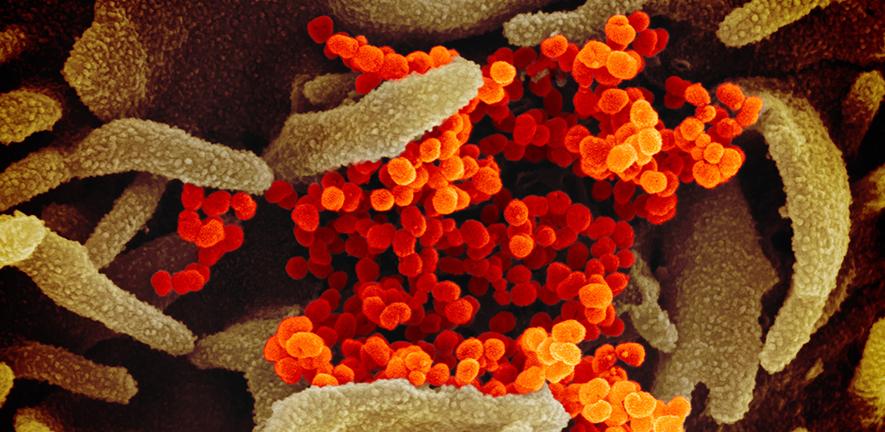
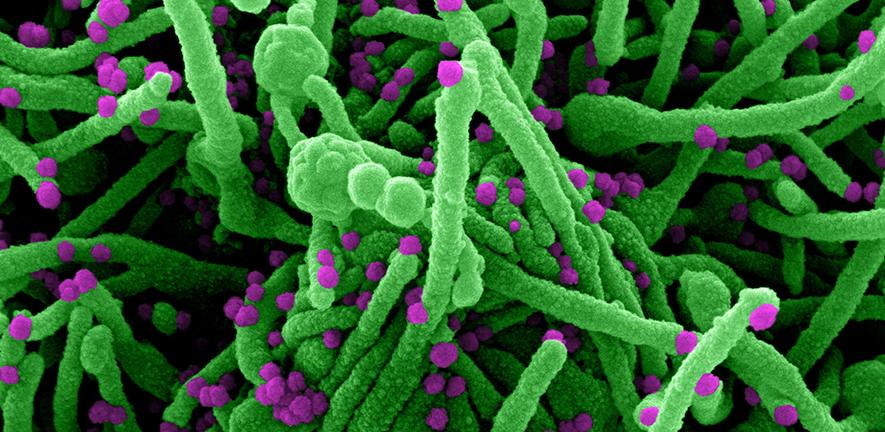
Scanning electron microscope image of SARS-CoV-2 (orange) emerging from the surface of cells (green) cultured in the lab.
source: www.cam.ac.uk


A new treatment approach focused on fixing cell damage, rather than fighting the virus directly, is effective against SARS-CoV-2 in lab models. If found safe for human use, this anti-viral treatment would make COVID-19 symptoms milder and speed up recovery times.


When a person is infected with SARS-CoV-2, the virus that causes COVID-19, it invades their cells and uses them to replicate – which puts the cells under stress. Current approaches to dealing with infection target the virus itself with antiviral drugs. But Cambridge scientists have switched focus to target the body’s cellular response to the virus instead.

In a new study, published today in the journal PLOS Pathogens, they found that all three branches of a three-pronged signalling pathway called the ‘unfolded protein response’ (UPR) are activated in lab-grown cells infected with SARS-CoV-2. Inhibiting the UPR to restore normal cell function using drugs was also found to significantly reduce virus replication.

“The virus that causes COVID-19 activates a response in our cells – called the UPR – that enables it to replicate,” said Dr Nerea Irigoyen in the University of Cambridge’s Department of Pathology, senior author of the report.

She added: “Using drugs we were able to reverse the activation of this specific cellular pathway, and remarkably this reduced virus production inside the cells almost completely, which means the infection could not spread to other cells. This has exciting potential as an anti-viral strategy against SARS-CoV-2.”

Treatment with a drug that targets one prong of the UPR pathway had some effect in reducing virus replication. But treatment with two drugs together – called Ceapin-A7 and KIRA8 – to simultaneously target two prongs of the pathway reduced virus production in the cells by 99.5%. This is the first study to show that the combination of two drugs has a much greater effect on virus replication in cells than a single drug.

The approach would not stop a person getting infected with the coronavirus, but the scientists say symptoms would be much milder, and recovery time would be quicker.

Anti-viral drugs currently in use to treat COVID-19, such as remdesivir, target replication of the virus itself. But if the virus develops resistance to these drugs they will no longer work. In contrast, the new treatment targets the response of the infected cells; this will not change even if new variants emerge, because the virus needs this cellular response in order to replicate.

The next step is to test the treatment in mouse models. The scientists also want to see whether it works against other viruses, and illnesses such as pulmonary fibrosis and neurological disorders that also activate the UPR response in cells.

“We hope this discovery will enable the development a broad-spectrum anti-viral drug, effective in treating infections with other viruses as well as SARS-CoV-2. We’ve already found it has an effect on Zika virus too. It has the potential to have a huge impact,” said Irigoyen.

SARS-CoV-2 is the novel coronavirus responsible for the COVID-19 pandemic. Since the end of 2019 there have been over 150 million cases of the disease worldwide, and over 3 million people have died.

This research was funded by an Isaac Newton Trust/Wellcome Trust ISSF/University of Cambridge Joint Research Grant.

Reference
Echavarria-Consuegra, L. et al: ‘Manipulation of the unfolded protein response: a pharmacological strategy against coronavirus infection.’ PLOS Pathogens. May 2021. DOI:10.1371/journal.ppat.1009644


Creative Commons License
The text in this work is licensed under a Creative Commons Attribution 4.0 International License. Images, including our videos, are Copyright ©University of Cambridge and licensors/contributors as identified.  All rights reserved. We make our image and video content available in a number of ways – as here, on our main website under its Terms and conditions, and on a range of channels including social media that permit your use and sharing of our content under their respective Terms.

Study Identifies Trigger For ‘Head-To-Tail’ Axis Development in Human Embryo

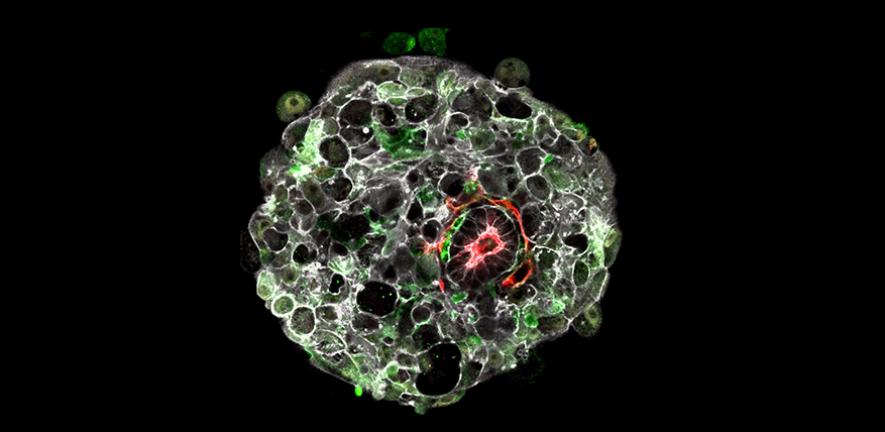
Human embryo in the lab 9 days after fertilisation.
source: www.cam.ac.uk


Scientists have identified key molecular events in the developing human embryo between days 7 and 14 – one of the most mysterious, yet critical, stages of our development.


We have revealed the patterns of gene expression in the developing embryo just after it implants in the womb

Magdalena Zernicka-Goetz

The second week of gestation represents a critical stage of embryo development, or embryogenesis. Failure of development during this time is one of the major causes of early pregnancy loss. Understanding more about it will help scientists to understand how it can go wrong, and take steps towards being able to fix problems.

The pre-implantation period, before the developing embryo implants into the mother’s womb, has been studied extensively in human embryos in the lab. On the seventh day the embryo must implant into the womb to survive and develop. Very little is known about the development of the human embryo once it implants, because it becomes inaccessible for study.

Pioneering work by Professor Magdalena Zernicka-Goetz and her team developed a technique, reported in 2016, to culture human embryos outside the body of the mother beyond implantation. This enabled human embryos to be studied up to day 14 of development for the first time.

In a new study, the team collaborated with colleagues at the Wellcome Sanger Institute to reveal what happens at the molecular level during this early stage of embryogenesis. Their findings provide the first evidence that a group of cells outside the embryo, known as the hypoblast, send a message to the embryo that initiates the development of the head-to-tail body axis.

When the body axis begins to form, the symmetrical structure of the embryo starts to change. One end becomes committed to developing into the head end, and the other the ‘tail’.

The new results, published today in the journal Nature Communications, reveal that the molecular signals involved in the formation of the body axis show similarities to those in animals, despite significant differences in the positioning and organisation of the cells.

“We have revealed the patterns of gene expression in the developing embryo just after it implants in the womb, which reflect the multiple conversations going on between different cell types as the embryo develops through these early stages,” said Professor Magdalena Zernicka-Goetz in the University of Cambridge’s Department of Physiology, Development and Neuroscience, and senior author of the report.

She added: “We were looking for the gene conversation that will allow the head to start developing in the embryo, and found that it was initiated by cells in the hypoblast – a disc of cells outside the embryo. They send the message to adjoining embryo cells, which respond by saying ‘OK, now we’ll set ourselves aside to develop into the head end.’”

The study identified the gene conversations in the developing embryo by sequencing the code in the thousands of messenger RNA molecules made by individual cells. They captured the evolving molecular profile of the developing embryo after implantation in the womb, revealing the progressive loss of pluripotency (the ability of the embryonic cells to give rise to any cell type of the future organism) as the fates of different cells are determined.

“By creating an atlas of the cells involved in human development and how they communicate with other cells, we can start to understand more about the cellular processes and mechanisms behind very early embryo growth, which has been much harder to study compared to other mammals. This freely available information can now be used by researchers around the world to help inform future studies,” said Dr Roser Vento-Tormo, one of the senior authors and Group Leader at the Wellcome Sanger Institute.

“Our goal has always been to enable insights to very early human embryo development in a dish, to understand how our lives start. By combining our new technology with advanced sequencing methods we have delved deeper into the key changes that take place at this incredible stage of human development, when so many pregnancies unfortunately fail,” said Zernicka-Goetz.

This research was funded by Wellcome. It was carried out with the oversight of the UK Human Fertilisation and Embryology Authority, and with permission from a local research ethics committee.

Reference: Mole, M.A. et al: ‘A single cell characterisation of human embryogenesis identifies pluripotency transitions and putative anterior hypoblast centre.’ Nature Communications, June 2021. DOI: 10.1038/s41467-021-23758-w 


Creative Commons License
The text in this work is licensed under a Creative Commons Attribution 4.0 International License. Images, including our videos, are Copyright ©University of Cambridge and licensors/contributors as identified.  All rights reserved. We make our image and video content available in a number of ways – as here, on our main website under its Terms and conditions, and on a range of channels including social media that permit your use and sharing of our content under their respective Terms.

Teenagers at Greatest Risk of Self-Harming Could Be Identified Almost a Decade Earlier


A man sitting in front of a screen
source: www.cam.ac.uk


Researchers have identified two subgroups of adolescents who self-harm and have shown that it is possible to predict those individuals at greatest risk almost a decade before they begin self-harming.


The current approach to supporting mental health in young people is to wait until problems escalate. Instead, we need a much better evidence base so we can identify who is at most risk of mental health difficulties in the future, and why

Duncan Astle

The team, based at the MRC Cognition and Brain Sciences Unit, University of Cambridge, found that while sleep problems and low self-esteem were common risk factors, there were two distinct profiles of young people who self-harm – one with emotional and behavioural difficulties, and a second group without those difficulties but with different risk factors.

Between one in five and one in seven adolescents in England self-harms, for example by deliberately cutting themselves. While self-harm is a significant risk factor for subsequent suicide attempts, many do not intend suicide but face other harmful outcomes, including repeatedly self-harming, poor mental health, and risky behaviours like substance abuse. Despite its prevalence and lifelong consequences, there has been little progress in the accurate prediction of self-harm.

The Cambridge team identified adolescents who reported self-harm at age 14, from a nationally representative UK birth cohort of approximately 11,000 individuals. They then used a machine learning analysis to identify whether there were distinct profiles of young people who self-harm, with different emotional and behavioural characteristics. They used this information to identify risk factors from early and middle childhood. The results are published in the Journal of the American Academy of Child and Adolescent Psychiatry.

Because the data tracked the participants over time, the researchers were able to distinguish factors that appear alongside reported self-harm behaviour, such as low self-esteem, from those that precede it, such as bullying.

The team identified two distinct subgroups among young people who self-harm, with significant risk factors present as early as age five, nearly a decade before they reported self-harming. While both groups were likely to experience sleep difficulties and low self-esteem reported at age 14, other risk factors differed between the two groups.

The first group showed a long history of poor mental health, as well as bullying before they self-harmed. Their caregivers were more likely to have mental health issues of their own.

For the second group, however, their self-harming behaviour was harder to predict early in childhood. One of the key signs was a greater willingness to take part in risk-taking behaviour, which is linked to impulsivity. Other research suggests these tendencies may predispose the individual towards spending less time to consider alternate coping methods and the consequences of self-harm. Factors related to their relationships with their peers were also important for this subgroup, including feeling less secure with friends and family at age 14 and a greater concern about the feelings of others as a risk factor at age 11.

Stepheni Uh, a Gates Cambridge Scholar and first author of the study, said: “Self-harm is a significant problem among adolescents, so it’s vital that we understand the nuanced nature of self-harm, especially in terms of the different profiles of young people who self-harm and their potentially different risk factors.

“We found two distinct subgroups of young people who self-harm. The first was much as expected – young people who experience symptoms of depression and low self-esteem, face problems with their families and friends, and are bullied. The second, much larger group was much more surprising as they don’t show the usual traits that are associated with those who self-harm.”

The researchers say that their findings suggest that it may be possible to predict which individuals are most at risk of self-harm up to a decade ahead of time, providing a window to intervene.

Dr Duncan Astle said: “The current approach to supporting mental health in young people is to wait until problems escalate. Instead, we need a much better evidence base so we can identify who is at most risk of mental health difficulties in the future, and why. This offers us the opportunity to be proactive, and minimise difficulties before they start.

“Our results suggest that boosting younger children’s self-esteem, making sure that schools implement anti-bullying measures, and providing advice on sleep training, could all help reduce self-harm levels years later.

“Our research gives us potential ways of helping this newly-identified second subgroup. Given that they experience difficulties with their peers and are more willing to engage in risky behaviours, then providing access to self-help and problem-solving or conflict regulation programmes may be effective.”

Professor Tamsin Ford from the Department of Psychiatry added: “We might also help at-risk adolescents by targeting interventions at mental health leaders and school-based mental health teams. Teachers are often the first people to hear about self-harm but some lack confidence in how to respond. Providing them with training could make a big difference.”

The research was supported by the Gates Cambridge Trust, Templeton World Charity Foundation, and the UK Medical Research Council.

Reference
Uh, S et al. Two pathways to self-harm in adolescence. Journal of the American Academy of Child and Adolescent Psychiatry; 14 June 2021; DOI: 10.1016/j.jaac.2021.03.010


Creative Commons License
The text in this work is licensed under a Creative Commons Attribution 4.0 International License. Images, including our videos, are Copyright ©University of Cambridge and licensors/contributors as identified.  All rights reserved. We make our image and video content available in a number of ways – as here, on our main website under its Terms and conditions, and on a range of channels including social media that permit your use and sharing of our content under their respective Terms.

Developer Of Aluminum-Ion Battery Claims It Charges 60 Times Faster Than Lithium-Ion, Offering EV Range Breakthrough

Michael Taylor

  • source: www.forbes.com

Range anxiety, recycling and fast-charging fears could all be consigned to electric-vehicle history with a nanotech-driven Australian battery invention.

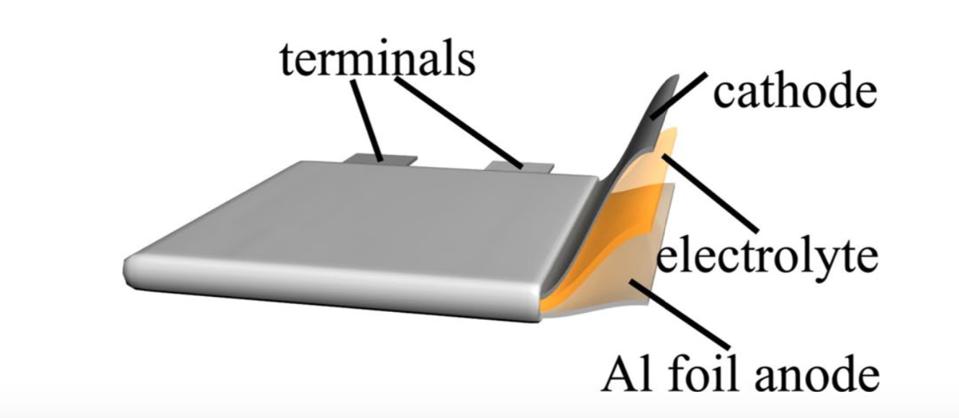
The graphene aluminum-ion battery cells from the Brisbane-based Graphene Manufacturing Group (GMG) are claimed to charge up to 60 times faster than the best lithium-ion cells and hold three time the energy of the best aluminum-based cells.

They are also safer, with no upper Ampere limit to cause spontaneous overheating, more sustainable and easier to recycle, thanks to their stable base materials. Testing also shows the coin-cell validation batteries also last three times longer than lithium-ion versions.

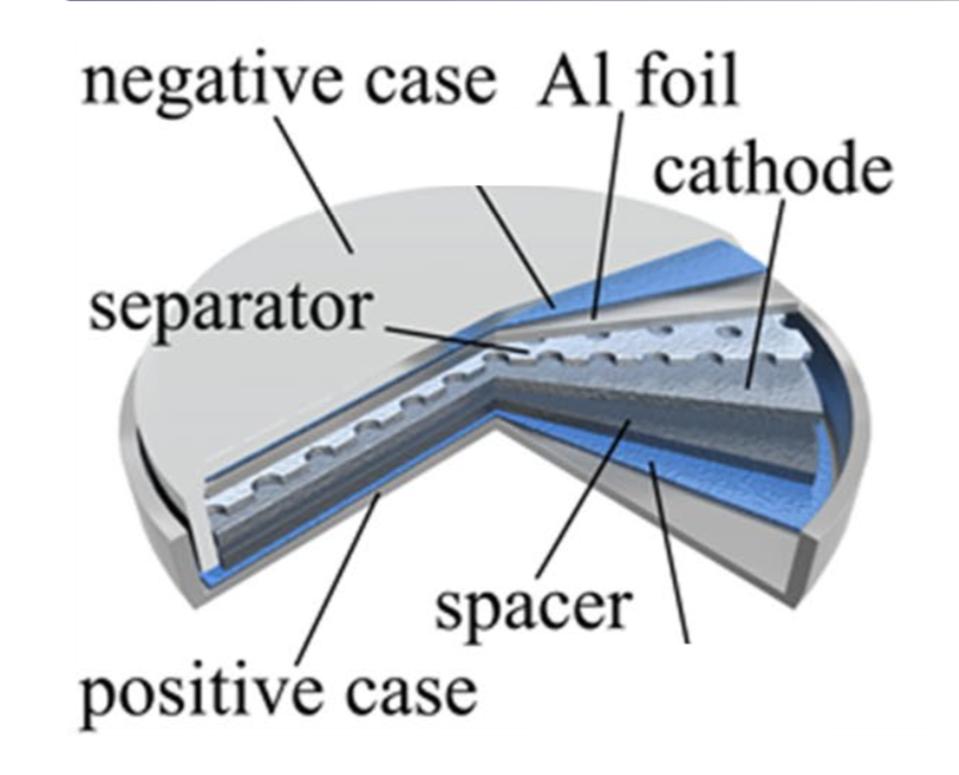
GMG plans to bring graphene aluminum-ion coin cells to market late this year or early next year, with automotive pouch cells planned to roll out in early 2024.

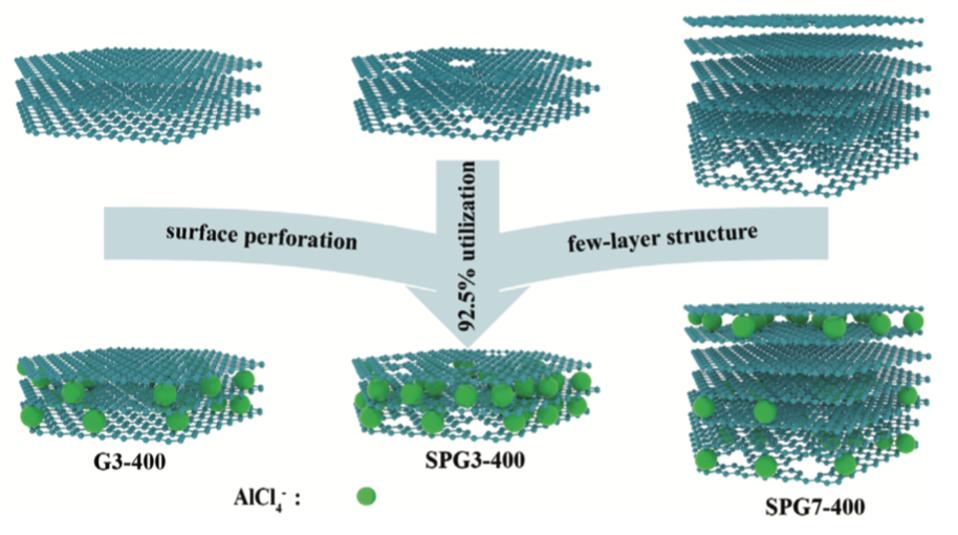
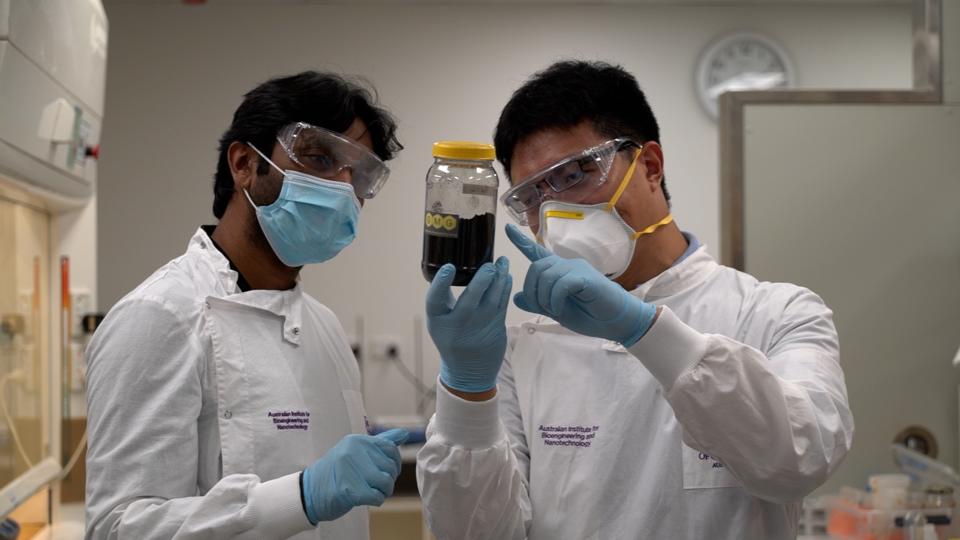
Based on breakthrough technology from the University of Queensland’s (UQ) Australian Institute for Bioengineering and Nanotechnology, the battery cells use nanotechnology to insert aluminum atoms inside tiny perforations in graphene planes.

Testing by peer-reviewed specialist publication Advanced Functional Materials publication concluded the cells had “outstanding high-rate performance (149 mAh g−1 at 5 A g−1), surpassing all previously reported AIB cathode materials”.

MORE FOR YOU

Elon Musk’s New Tesla Plant Runs Into Germany’s ‘Bureaucratic Hell’

The Impact Of Free Community College

GMG Managing Director Craig Nicol insisted that while his company’s cells were not the only graphene aluminum-ion cells under development, they were easily the strongest, most reliable and fastest charging.

“It charges so fast it’s basically a super capacitor,” Nicol claimed. “It charges a coin cell in less than 10 seconds.”

The new battery cells are claimed to deliver far more power density than current lithium-ion batteries, without the cooling, heating or rare-earth problems they face.

“So far there are no temperature problems. Twenty percent of a lithium-ion battery pack (in a vehicle) is to do with cooling them. There is a very high chance that we won’t need that cooling or heating at all,” Nicol claimed.

“It does not overheat and it nicely operates below zero so far in testing.

“They don’t need circuits for cooling or heating, which currently accounts for about 80kg in a 100kWh pack.”

The new cell technology, Nicol insisted, could also be industrialized to fit inside current lithium-ion housings, like the Volkswagen Group’s MEB archicture, heading off problems with car-industry architectures that tend to be used for up to 20 years.

“Ours will be the same shape and voltage as the current lithium-ion cells, or we can move to whatever shape is necessary,” Nicol confirmed.

“It’s a direct replacement that charges so fast it’s basically a super capacitor.

“Some lithium-ion cells can’t do more than 1.5-2 amps or you can blow up the battery, but our technology has no theoretical limit.”

Aluminum-ion battery cells are a hot bed of development, particularly for automotive use.

Recent projects alone have included a collaboration between China’s Dalian University of Technology and the University of Nebraska, plus others from Cornell University, Clemson University, the University of Maryland, Stanford University, the Zhejiang University’s Department of Polymer Science and the European Alion industrial consortium.

The differences are highly technical, but the GMG cells use graphene from made from its proprietary plasma process, rather than traditional graphite sourcing, and the result is three times the energy density of the next-best cell, from Stanford University.

Stanford’s natural graphite aluminum-ion technology delivers 68.7 Watt-hours per kilogram and 41.2 Watts per kilogram, while its graphite-foam bumps up to 3000W/kg.

The GMG-UQ battery heaves that forward to between 150 and 160Wh/kg and 7000W/kg.

“They (UQ) found a way to make holes in graphene and a way to store aluminum atoms closer together in the holes.

“If we drill holes the atoms stick inside the graphene and it becomes a whole lot more dense, like a bowling ball on a mattress.”

The peer-reviewed publication Advanced Functional Materials found surface-perforated, three-layer graphene (SPG3-400) had “a significant amount of in-plane mesopores (≈2.3 nm), and an extremely low O/C ratio of 2.54%, has demonstrated excellent electrochemical performance.

“This SPG3-400 material exhibits an extraordinary reversible capacity (197 mAh g−1 at 2 A g−1) and outstanding high-rate performance,” it concluded.

Aluminum-ion technology has intrinsic advantages and disadvantages over the preeminent lithium-ion battery technology being used in almost every EV today.

When a cell recharges, aluminum ions return to the negative electrode and can exchange three electrons per ion instead of lithium’s speed limit of just one.

There is also a massive geopolitical, cost, environmental and recycling advantage from using aluminum-ion cells, because they use hardly any exotic materials.

“It’s basically aluminum foil, aluminum chloride (the precursor to aluminum and it can be recycled), ionic liquid and urea,” Nicol said.

“Ninety percent of world lithium production and purchasing is still through China and 10 percent is through Chile.

“We have all the aluminum we need right here in Australia, and they can be safely made in the first world.”

Listed on the TSX Venture exchange in Canada, GMG hooked itself in to UQ’s graphene aluminum-ion battery technology by supplying the university with graphene.

“Our lead product scientist Dr Ashok Nanjundan was involved in the University of Queensland project in its nanotechnology research centre in its early days,” Nicol said, admitting GMG almost “lucked into” the technology by supplying research projects with its graphene at no cost.

GMG has not locked down a supply deal with a major manufacturer or manufacturing facility.

“We are not tied in to big brands yet, but this could go into an Apple iPhone and charge it in seconds,” Nicol confirmed.

“We will bring the coin cell to market first. It recharges in less than a minute, and it has three times the energy than with lithium,” the Barcaldine product said.

“It’s a lot less adverse effect on health, too. A kid can be killed by lithium if it’s ingested, but not with aluminum.”

Another benefit would be cost. Lithium has risen from US$1460 a metric tonne in 2005 to US$13,000 a tonne this week, while aluminum’s price has edged up from US$1730 to US$2078 over the same period.

Another advantage is that the GMG graphene aluminum-ion cells do not use copper, which costs around US$8470 a tonne.

While it is open to manufacturing agreements, GMG’s preferred plan is to “run” with the technology as far as it can, with 10 gigaWatt to 50gW plants, first, even if Australia may not be the logical first choice for the manufacturing facility.

It’s not the only Brisbane-based company pushing battery solutions onto the world, either.

PPK Group has a joint venture with Deakin University to develop lithium-sulphur batteries and the Vecco Group has confirmed a deal with Shanghai Electric for a Brisbane manufacturing plant for vanadium batteries for commercial energy storage.

Physical Activity May Help To Close the Wealth Gap in School Attainment By Improving Self-Control

Children running
source: www.cam.ac.uk


Guaranteeing every child the opportunity to participate in certain types of physical activity could support their academic attainment and help to close the achievement gap between wealthy and less-advantaged pupils, new research indicates.


In the context of COVID in particular, there may be a real temptation to encourage schools to maximise classroom time to stop children falling behind. This study is saying ‘think again’, because playtime and PE lessons benefit the mind in ways that children really need in order to do their best.

Michelle Ellefson

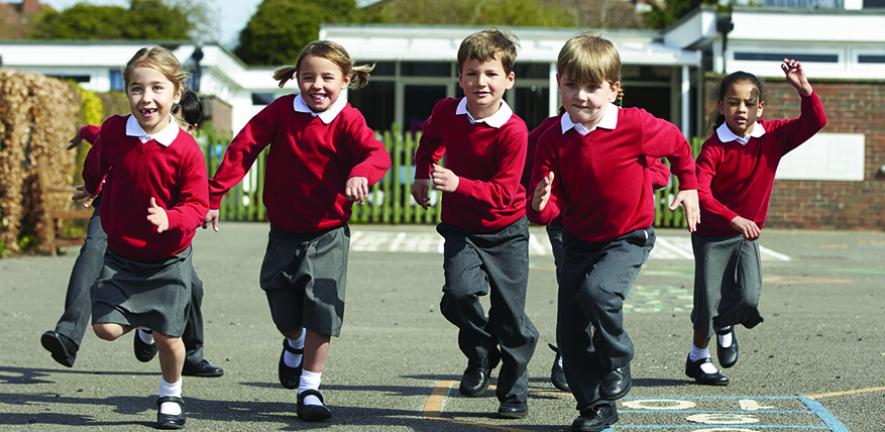
The study, which analysed data from more than 4,000 children in England, suggests that those who do more physical activity are likely to have stronger ‘self-regulation’ – the ability to keep themselves in check – and in particular may find it easier to control their emotions at an earlier age. Physical activities which promote self-control in this way, such as swimming or ball sports, also have positive, knock-on effects for academic attainment.

This pattern of association, through which physical activity indirectly influences progress at school by supporting self-regulation, was found to be particularly pronounced among disadvantaged children. The authors of the study, which is published in the journal PLoS ONE, suggest that this may in part be because less-advantaged children often have fewer opportunities to participate in organised recreation and sports, and therefore experience stronger benefits when they do so.

The study was the first ever long-term analysis of the connections between physical activity, self-regulation and academic achievement. Researchers used data captured at three stages during childhood and adolescence: ages seven, 11 and 14.

Fotini Vasilopoulos, who led the study while a research student at the Faculty of Education, University of Cambridge, said: “Research examining the links between physical activity and attainment has produced mixed findings, but there is a positive, indirect relationship because of the impact on mental processes like self-control. This may be particularly important for children from families who find it harder to access sports clubs or other forms of physical activity outside school.”

Dr Michelle Ellefson, Reader in Cognitive Science at the Faculty of Education and a co-author, said: “In the context of COVID in particular, there may be a real temptation to encourage schools to maximise classroom time to stop children falling behind. This study is saying ‘think again’, because playtime and PE lessons benefit the mind in ways that children really need in order to do their best.”

The research used a subset of data covering pupils’ physical activity from the Millennium Cohort Study, which is following the lives of around 19,000 young people born between 2000 and 2002 in the UK.

Researchers also used measures of the children’s behavioural regulation (their ability to manage their behaviour to achieve certain goals) and emotional regulation (control over thoughts and feelings). Standardised test scores and teacher reports were used to measure academic attainment, and a survey of standard risk factors, taken when the children were very young, to establish socio-economic status.

Vasilopoulos and Ellefson then conducted a statistical analysis in two broad stages. First, they examined the direct relationship between physical activity and self-regulation. Next, they examined how far this had an indirect, knock-on effect on achievement. In both cases, they produced a set of correlations which indicated how strong the relationship was, and whether it was positive or negative.

Overall, children who engaged in more physical activity had better emotional regulation – meaning fewer mood swings or emotional outbursts – although there was no corresponding impact on their behavioural regulation.

When the researchers factored in low socio-economic status, however, this positive association was lost. This suggests the direct connection between physical activity and children’s ability to self-regulate is actually being shaped by advantage and wealth. For example, it may reflect the fact that children from disadvantaged settings are known to struggle with emotional regulation. Equally, less-advantaged children often have fewer opportunities to join sports clubs, to participate in activities like swimming and dance lessons, or to access safe, open spaces for games and exercise.

The nature of the indirect pathway through which physical activity, by influencing self-regulation, also has knock-on effects for young people’s attainment, was found to vary between age groups. At age seven, the researchers found a positive relationship with academic progress through emotional control; by age 11, it was physical activity’s impact on behavioural regulation that principally led to any resulting academic benefits.

In both cases, these effects were measurably stronger when low socio-economic status was taken into account. This may be because physical activity has added value for children who might otherwise experience it less. Research by the Social Mobility Commission has, for example, suggested that 34% of disadvantaged children participate in sport less than once a week, compared with 13% of their better-off counterparts.

“The attainment gap is a really complex problem, but we know that some of it is linked to less-advantaged children having poor self-regulation skills early in childhood,” Vasilopoulos said. “Physical activities that help them to do things like focus on a task or maintain attention could be part of the way to bridge that gap.”

In general, the findings indicate that activities which influence emotional control – such as games that involve co-operation, or encourage children to take responsibility for their actions – could be particularly important during early childhood, while those which shape behavioural control may be more important later on. The authors also suggest that schools could build links with sports clubs to create targeted programmes for children experiencing early disadvantage.

“Even giving children less-structured opportunities to run around outside could be of real developmental importance,” Ellefson added. “We really need to ensure that physical activity does not become an area schools feel they can legitimately sacrifice to drive up academic attainment. It has a crucial part to play.”

Reference:
Fotini Vasilopoulos, Michelle R. Ellefson. ‘Investigation of the associations between physical activity, self-regulation and educational outcomes in childhood.’ PLoS ONE (2021). DOI: 10.1371/journal.pone.0250984


Creative Commons License
The text in this work is licensed under a Creative Commons Attribution 4.0 International License. Images, including our videos, are Copyright ©University of Cambridge and licensors/contributors as identified.  All rights reserved. We make our image and video content available in a number of ways – as here, on our main website under its Terms and conditions, and on a range of channels including social media that permit your use and sharing of our content under their respective Terms.

Cambridge Researchers Awarded the Millennium Technology Prize

Cambridge researchers awarded the Millennium Technology Prize


British duo Professor Shankar Balasubramanian and Professor David Klenerman have been awarded the Millennium Technology Prize for their development of revolutionary DNA sequencing techniques.


University of Cambridge chemists Shankar Balasubramanian and David Klenerman have been jointly awarded the 2020 Millennium Technology Prize, one of the world’s most prestigious science and technology prizes, by Technology Academy Finland (TAF).

The global prize, awarded at two-year intervals since 2004 to highlight the impact of science and innovation on society, is worth €1 million. Of the nine previous winners of the Millennium Technology Prize, three have subsequently gone on to win a Nobel Prize. This is the first time that the prize has been awarded to more than one recipient for the same innovation, celebrating the significance of collaboration. The announcement of the 2020 award was delayed due to the COVID-19 pandemic.

Professors Balasubramanian and Klenerman co-invented Solexa-Illumina Next Generation DNA Sequencing (NGS), technology that has enhanced our basic understanding of life, converting biosciences into ‘big science’ by enabling fast, accurate, low-cost and large-scale genome sequencing – the process of determining the complete DNA sequence of an organism’s make-up. They co-founded the company Solexa to make the technology available to the world.

The technology has had – and continues to have – a transformative impact in the fields of genomics, medicine and biology. One measure of the scale of change is that it has allowed a million-fold improvement in speed and cost when compared to the first sequencing of the human genome. In 2000, sequencing of one human genome took over 10 years and cost more than a billion dollars: today, the human genome can be sequenced in a single day at a cost of $1,000. More than a million human genomes are sequenced at scale each year, thanks to the technology co-invented by Professors Balasubramanian and Klenerman, meaning we can understand diseases much better and much more quickly.

Professor Sir Shankar Balsubramanian FRS from the Yusuf Hamied Department of Chemistry, Cancer Research UK Cambridge Institute and a Fellow of Trinity College, said: “I am absolutely delighted at being awarded the Millennium Technology Prize jointly with David Klenerman, but it’s not just for us, I’m happy on behalf of everyone who has contributed to this work.”

Professor Sir David Klenerman FMedSci FRS from the Yusuf Hamied Department of Chemistry, and a Fellow of Christ’s College, said: “It’s the first time that we’ve been internationally recognised for developing this technology. The idea came from Cambridge and was developed in Cambridge. It’s now used all over the world, so I’m delighted largely for the team of people who worked on this project and contributed to its success.”

Next-generation sequencing involves fragmenting sample DNA into many small pieces that are immobilized on the surface of a chip and locally amplified. Each fragment is then decoded on the chip, base-by-base, using fluorescently coloured nucleotides added by an enzyme. By detecting the colour-coded nucleotides incorporated at each position on the chip with a fluorescence detector – and repeating this cycle hundreds of times – it is possible to determine the DNA sequence of each fragment.

The collected data is then analysed using computer software to assemble the full DNA sequence from the sequence of all these fragments. The NGS method’s ability to sequence billions of fragments in a parallel fashion makes the technique fast, accurate and cost-efficient. The invention of NGS was a revolutionary approach to the understanding of the genetic code in all living organisms.

Next-generation sequencing provides an effective way to study and identify new coronavirus strains and other pathogens. With the emergence of the COVID-19 pandemic, the technology is now being used to track and explore mutations in the coronavirus. This work has helped the creation of multiple vaccines now being administered worldwide and is critical to the creation of new vaccines against new dangerous viral strains. The results will also be used to prevent future pandemics.

The technology is also allowing scientists and researchers to identify the underlying factors in individuals that contribute to their immune response to COVID-19. This information is essential to unravelling the reason behind why some people respond much worse to the virus than others.

NGS technology has revolutionised global biological and biomedical research and has enabled the development of a broad range of related technologies, applications and innovations. Due to its efficiency, NGS is widely adopted in healthcare and diagnostics, such as cancer, rare diseases, infectious medicine, and sequencing-based non-invasive prenatal testing.

It is increasingly used to define the genetic risk genes for patients with a rare disease and to define new drug targets for disease in defined patient groups. NGS has also contributed to the creation of new and powerful biological therapies like antibodies and gene therapies.

In the field of cancer, NGS is becoming the standard analytical method for defining personalised therapeutic treatment. The technology has dramatically improved our understanding of the genetic basis of many cancers and is often used both for clinical tests for early detection and diagnostics both from tumours and patients’ blood samples.

In addition to medical applications, NGS has also had a major impact on all of biology as it allows the clear identification of thousands of organisms in almost any kind of sample, which is important for agriculture, ecology and biodiversity research.

Academy Professor Päivi Törmä, Chair of the Millennium Technology Prize Selection Committee, said: “The future potential of NGS is enormous and the exploitation of the technology is still in its infancy. The technology will be a crucial element in promoting sustainable development through personalisation of medicine, understanding and fighting killer diseases, and hence improving the quality of life. Professor Balasubramanian and Professor Klenerman are worthy winners of the prize.”

Professor Marja Makarow, Chair of Technology Academy Finland said: “Collaboration is an essential part of ensuring positive change for the future. Next Generation Sequencing is the perfect example of what can be achieved through teamwork and individuals from different scientific backgrounds coming together to solve a problem.

“The technology pioneered by Professor Balasubramanian and Professor Klenerman has also played a key role in helping discover the coronavirus’s sequence, which in turn enabled the creation of the vaccines – itself a triumph for cross-border collaboration – and helped identify new variants of COVID-19.”

Tomorrow (19 May 2021) Professors Balasubramanian and Klenerman will deliver the Millennium Technology Prize Lecture, talking about their innovation, at 14:30 at the Millennium Innovation Forum. The lecture can be accessed here.


Creative Commons License
The text in this work is licensed under a Creative Commons Attribution 4.0 International License. Images, including our videos, are Copyright ©University of Cambridge and licensors/contributors as identified.  All rights reserved. We make our image and video content available in a number of ways – as here, on our main website under its Terms and conditions, and on a range of channels including social media that permit your use and sharing of our content under their respective Terms.

Climate Exp0 – International Climate Conference Being Hosted By UK Universities Ahead of COP26

Dr Emily Shuckburgh Exp0 2021

source: www.cam.ac.uk


Weeklong conference brings together leading scientists, government ministers and experts from around the world to set the agenda ahead of the United Nations Climate Change conference.


As we look to emerge from the pandemic and build a more resilient, sustainable future, we must harness the ideas and innovations that will support a cleaner and greener future

Emily Shuckburgh

This week, more than 500 researchers from over 80 UK and Italian Universities will be joining colleagues from 40 countries to contribute to Climate Exp0. Online, free, and open to all, it’s an opportunity to connect policy, academic and student audiences across the globe, and harness the power of virtual collaboration to help advance a resilient, zero-carbon world. It will feature a range of speakers – from policymakers and academics, to practitioners and students.

Organised by the COP26 Universities Network, the conference aims to raise ambition for tangible outcomes from the UN COP26 Climate Change Conference, jointly hosted by the UK and Italy in Glasgow this November.

At a critical point in the COP26 pre-meetings and negotiations – six months prior to the conference itself – Climate Exp0 will showcase the latest thinking and most relevant UK and international research around five key themes: Adaptation and Resilience; Finance; Green Recovery; Mitigation Solutions and Nature-based Solutions.

Dr Emily Shuckburgh, Chair of the COP26 Universities Network and Director of Cambridge Zero, said: “This is a vital moment for the world. As we look to emerge from the pandemic and build a more resilient, sustainable future, we must harness the ideas and innovations that will support a cleaner and greener future. Climate Exp0 is an exhibition of hope and inspiration to encourage the ambitious global climate action that is required.”

Highlights of this week’s conference include:

Monday
Opening of conference

The Rt Hon Alok Sharma, President of COP26 and Minister Roberto Cingolani, Minister for Ecological Transition, Italy
Climate risk. Opening session setting out the threat we face (09:30 – 10:30).
Dr Emily Shuckburgh Cambridge University; Albert Klein Tank, MET Office and Tim Benton, Royal Institute of International Affairs, Chatham House.

Tuesday
Nature-based solutions and the opportunities they offer (09:00 – 09:30)

Zac Goldsmith, Minister of State for Pacific and the Environment and Emma Howard Boyd, Chair of the Environment Agency, UK

Wednesday
Policies for delivering COP26 mitigation objectives (16:30 – 17:15)

Manuel Pulgar Vidal, Global Head of Climate and Energy at WWF, Former Ministry of Environment of Peru, COP20 President, Jim Watson, Professor of Energy Policy, University College London (UCL) Institute for Sustainable Resources and Jacob Werksman, Principal Advisor, DG-CLIMA, European Commission, Brussels, Belgium

Thursday
Adaptation and resilience challenges in the COP26 meeting (09:30 – 10:30)

Minister Maria Cristina Messa, Ministry of University and Research and The Rt Hon Anne-Marie Trevelyan MP, Minister of State for Business, Energy and Clean Growth, UK

Friday
Ask a Climate Change expert: How can we save our planet? (17:15 – 18:30)

Tamsin Edwards, Reader in Climate Change, Kings College London, Lord Deben, Chairman of the Committee on Climate Change and Brighton Kaoma, Global Director of UN Sustainable Development Solutions Network-Youth Initiative.

The conference is a partnership with ‘Rete delle Universita’ per lo sviluppo Sostenibile (Italian University Network for Sustainable Development), sponsored by UK Research and Innovation (UKRI), and with support from UN Climate Change Conference UK 2021 in Partnership with Italy and Cambridge University Press.


Creative Commons License
The text in this work is licensed under a Creative Commons Attribution 4.0 International License. Images, including our videos, are Copyright ©University of Cambridge and licensors/contributors as identified.  All rights reserved. We make our image and video content available in a number of ways – as here, on our main website under its Terms and conditions, and on a range of channels including social media that permit your use and sharing of our content under their respective Terms.

Year 8 Students Work With Cambridge Researchers to Help Their Peers Learn About The Census

source: www.cam.ac.uk


Year 8 students work with Cambridge researchers to help their peers learn about the census.


I find this information interesting because it shows a clear link between history and data, and how it affects people’s lives

Lewys, Year 8 student

Researchers from Cambridge’s Department of Geography and Year 8 students in Wales have worked together to produce a series of learning resources based on census data, showing how the country has changed over time.

The materials, including worksheets and a series of podcasts, are freely available for teachers to incorporate into their lessons.

Year 8 students from Radyr Comprehensive School and Pontarddulais Comprehensive School in Cardiff worked with Dr Alice Reid and colleagues from Cambridge, Leicester and Edinburgh Universities, to co-produce a learning resource about exploring the census in the past and present. They explored the Populations Past and Data Shine websites to discover facts about their local area and compared them with other parts of England and Wales.

After exploring the websites, the students drew up a set of interview questions to ask experts on historical and recent censuses, including the former National Statistician, Dame Jil Matheson. These interviews were recorded as podcasts.

The collaboration is part of the ‘Engaging the Public in Census 2021 project’, funded by the Arts and Humanities Research Council (AHRC) and Economic and Social Research Council (ESRC), part of UK Research and Innovation. This project teaches students about the relevance of the census and provides insight into being a data-driven social scientist.

“The students were really responsive and thoughtful,” said Reid. “We had originally thought they would be most interested in their local areas, and while some of them were, they all seemed fascinated by the comparative aspects, both over time and between places, and they easily grasped the idea of letting the patterns in the data guide them to interesting questions which we could then explore with them.”

Students were particularly interested in what life was like for children their age in other eras. Today young people have to stay in full-time education until they are 18, but in the middle of the nineteenth century, school was not compulsory. The first Education Act in 1870 established local school boards which could build and manage schools, and the 1880 Education Act made school compulsory between the ages of 5 and 10 years. However, the continued need to pay fees until 1891 meant that not all children could afford to attend school. Children not at school may have been earning money or doing housework at home.

Imogen, one of the students who took part, said, “I find it interesting how children aren’t allowed to work the same jobs now as kids did in 1861 and 1911. Did the government think that it was ok to let children work?”

Lewys, another student, said: “I find this information interesting because it shows a clear link between history and data, and how it affects people’s lives.”

One of the teachers involved in the project said: “An important part of the new curriculum in Wales is to embed the history of the local area into our study. It also combines History, Geography and RE as an all-around humanities subject. This project was the perfect combination of Geography and History and we will definitely be building the data into our curriculum in the future.”

“We were keen to work with Key Stage 3 students on this project in order to demonstrate the power and relevance of the social sciences,” said Reid. “The process of creating the material in collaboration with students inspired us to interrogate and explore our data in different ways which we are planning to build into our research programme.”

“I think it was really important to work with students on the project to gain insight into what they found most interesting about the census and to develop learning resources that were student-centred and responded to their needs and interests,” said Sophy Arulanantham from the Department of Geography. “This will help inform our work with schools and the development of further resources in future.”

Initial findings from the 2021 Census, which took place in March, are expected in March 2022, with a final release due in March 2023.


Creative Commons License
The text in this work is licensed under a Creative Commons Attribution 4.0 International License. Images, including our videos, are Copyright ©University of Cambridge and licensors/contributors as identified.  All rights reserved. We make our image and video content available in a number of ways – as here, on our main website under its Terms and conditions, and on a range of channels including social media that permit your use and sharing of our content under their respective Terms.

The Academy of Medical Sciences Announces Election of New Fellows 2021

The Academy of Medical Sciences announces election of new Fellows 2021

Elected Fellows
source: www.cam.ac.uk


Cambridge scientists are among the new Fellows announced today by the Academy of Medical Sciences.


The greatest health advances rely on the findings of many types of research, and on multidisciplinary teams and cross-sector and global collaboration.

Professor Dame Anne Johnson, President of the Academy of Medical Sciences

The Academy of Medical Sciences has elected 50 prominent biomedical and health scientists to its respected and influential Fellowship. The new Fellows have been selected for their exceptional contributions to the advancement of medical science through innovative research discoveries and translating scientific developments into benefits for patients and the wider society.

Professor Dame Anne Johnson, President of the Academy of Medical Sciences, said: “I am truly delighted to welcome these 50 new Fellows to the Academy’s Fellowship, and I offer my congratulations to each of them on their exceptional contribution to biomedical and health science. The knowledge, skill and influence that each brings to the Fellowship is the Academy’s most powerful asset.

“The last year has clearly demonstrated the power and prowess of UK biomedical science, and I am proud of how many Fellows, new and old, have been at the forefront of the COVID-19 response in the UK and globally.

“Although it is hard to look beyond the pandemic right now, I want to stress how important it is that the Academy Fellowship represents the widest diversity of biomedical and health sciences. The greatest health advances rely on the findings of many types of research, and on multidisciplinary teams and cross-sector and global collaboration.”

Professor Franklin Aigbirhio FRSC

Professor of Molecular Imaging Chemistry, Department of Clinical Neurosciences and the Department of Chemistry, Senior Research Fellow, Magdalene College

Professor Aigbirhio’s research focuses on the development and application of new biomedical imaging technologies for clinical research in areas such as dementia, acute brain injury and hypertension. His research seeks to enable earlier detection and a greater understanding of the disorders, thereby aiding the development of new treatments. A further objective of Professor Aigbirhio’s work is to enable these new imaging technologies to be more accessible and widely applied throughout the NHS.

“It’s a pleasure and honour to be elected to this Fellowship, which I recognise is an outcome of the collaborations with many talented colleagues at Cambridge and further afield, for which I give my sincere thanks,” said Aigbirhio.

“Going forward my election to the Fellowship provides a platform to highlight the role of black researchers and participants in biomedical and health research and to increase their involvement.”

Professor Ravindra Gupta

Professor of Clinical Microbiology at the Cambridge Institute of Therapeutic Immunology and Infectious Diseases, Fellow, Homerton College

Professor Gupta has worked extensively in HIV, both at molecular and population levels, and his work demonstrating escalating global resistance led to change in WHO treatment guidelines for HIV. He led the team that demonstrated HIV cure in the ‘London Patient’ – only the second in history.

In 2020 he was named as one of the 100 most influential people worldwide by TIME Magazine. Gupta deployed his expertise in RNA virus genetics and biology during the COVID-19 pandemic to report the first evidence for immune escape of SARS-CoV-2 within an individual, defining the process by which new variants likely arise, and also reporting the first data on Pfizer BioNTech vaccine-induced antibody responses against the B.1.1.7 ‘Kent UK’ variant.

“I am honoured to have been elected to Fellowship of the Academy of Medical Sciences,” said Gupta. “The COVID-19 pandemic has demonstrated the importance of cross-disciplinary science. Research excellence across medical sciences and translation to health improvements has been at the centre of the Academy’s mission and I am very pleased to now be able to contribute to fulfilling this aim as a Fellow.”

Professor Brian Huntly

Head of the Department of Haematology and Professor of Leukaemia Stem Cell Biology, Group Leader at the Wellcome – MRC Cambridge Stem Cell Institute

Professor Huntly’s research focuses on the stem cell aspects of the evolution of haematological malignancies, in particular acute myeloid leukaemia and lymphoma. His election recognises his many contributions to the understanding and treatment of blood cancers.

“I am delighted and honoured to be elected to the Fellowship of the Academy of Medical Sciences,” said Huntly. “The Academy’s aims of bringing the best minds in biomedical research together, supporting talent, asking challenging questions and sharing our work so that all can benefit from it mirror very much our own aims here in Cambridge. Biomedical research is a hugely collaborative endeavour and I see my election as recognition of the hard work of many people who have contributed to my research and also highlighting the tremendous work we are doing at the University of Cambridge Department of Haematology.”

Professor Adrian Liston

Senior Group Leader, Babraham Institute, Senior Research Fellow, Churchill College

Professor Adrian Liston works in the field of immunology, based around the question of the biological checkpoints that restrain immune activation. His research investigates the basis for pathological immune activation in the contexts of autoimmune diseases, primary immunodeficiencies and neuroinflammation. By understanding the genetic, molecular and cellular basis of immune checkpoint failure in these conditions, the rationale selection of therapeutics can help prevent or treat pathologies.

“This is a really wonderful recognition of the work from my team”, Liston said. “I’ve been lucky to work with an outstanding team of scientists, able to work on immune pathology from different angles – from the clinic or the lab, as an immunologist or a neuroscientist, in advanced techniques ranging from cytometry through to computational modelling. The curiosity and interdisciplinarity of the team are what has let us explore new fields and push the boundaries forwards.”

Professor Benjamin Simons FRS

Royal Society EP Abraham Professor, Department of Applied Mathematics and Theoretical Physics and Senior Group Leader of the Gurdon Institute, Group Leader at the Wellcome – MRC Cambridge Stem Cell Institute, Fellow, St John’s College

As a theorist, Professor Simons has contributed to a diverse range of fields, from quantum condensed matter physics to developmental and cancer biology. His research translates concepts and approaches from statistical physics to gain predictive insights in the collective dynamics of complex systems. In biology, his studies have revealed common mechanisms of stem cell regulation, and how these programmes become subverted during the early phase of tumour growth.

Simons said: “As a theorist, and relative newcomer to the field of biomedical sciences, it is a great honour to be elected as a Fellow of the Academy of Medical Sciences.”


Creative Commons License
The text in this work is licensed under a Creative Commons Attribution 4.0 International License. Images, including our videos, are Copyright ©University of Cambridge and licensors/contributors as identified.  All rights reserved. We make our image and video content available in a number of ways – as here, on our main website under its Terms and conditions, and on a range of channels including social media that permit your use and sharing of our content under their respective Terms.

‘Pre-bunk’ Tactics Reduce Public Susceptibility to COVID-19 Conspiracies and Falsehoods, Study Finds

‘Pre-bunk’ tactics reduce public susceptibility to COVID-19 conspiracies and falsehoods, study finds

source: www.cam.ac.uk


Latest research on digital interventions deployed by UK government and UNESCO suggests that exposing people to a “microdose” of techniques used by misinformation merchants helps “inoculate” them against fake news about the pandemic.


Cambridge University has provided solid backing for ‘pre-bunking’ misinformation and conspiracy theories propagated and reinforced during the pandemic

Stefania Giannini, Assistant Director-General for Education at UNESCO

A short online game designed to fight conspiracies about COVID-19 boosts people’s confidence in detecting misinformation by increasing their ability to perceive its “manipulativeness” compared to genuine news, according to a study.

Go Viral!, developed by the University of Cambridge’s Social Decision-Making Lab in partnership with the UK Cabinet Office and media agency DROG, was launched last autumn as part of the UK government’s efforts to tackle coronavirus falsehoods circulating online.

The five-minute game puts people in the shoes of a purveyor of fake pandemic news, encouraging players to create panic by spreading misinformation about COVID-19 using social media – all within the confines of the game.

Researchers say that, by giving people this taste of the techniques used to disseminate fake news, it acts as an inoculant: building a psychological resistance against malicious falsehoods by raising awareness of how misinformation works.

“While fact-checking is vital work, it can come too late. Trying to debunk misinformation after it spreads is often a difficult if not impossible task,” said Prof Sander van der Linden, Director of the Social Decision-Making Lab at Cambridge University.

“Go Viral! is part of a new wave of interventions that aim to ‘pre-bunk’. By preemptively exposing people to a microdose of the methods used to disseminate fake news, we can help them identify and ignore it in the future.”

The latest findings on the game’s effectiveness, published in the journal Big Data and Society, are accompanied by research on another COVID-19 “prebunking” intervention used by the United Nations Educational, Scientific and Cultural Organization (UNESCO).

UNESCO deployed infographics across social media highlighting tropes common to COVID conspiracy theories, such as claims of a “secret plot” or that the virus was spread intentionally, as part of their #ThinkBeforeSharing campaign.

“By exposing people to the methods used to produce fake news we can help create a general ‘inoculation’, rather than trying to counter each specific falsehood,” said study lead author and Cambridge Gates Scholar Melisa Basol.

The Cambridge researchers found the UNESCO approach also proved effective, albeit with a smaller effect size than the proactive game.

The Go Viral! project began with seed funding from Cambridge University’s COVID-19 rapid response fund, and was then supported and backed by the UK Cabinet Office and promoted by the World Health Organisation and UN.

The game has now been played over 400,000 times in a variety of languages – including Italian, Spanish, Ukrainian, and Brazilian Portuguese – since its October launch.

Players try and gain “likes” by promoting noxious posts on COVID-19, harnessing propaganda techniques such as fraudulent expertise and the use of emotionally charged language to stoke outrage and fear.

The final stage sees players “go viral” when they push a baseless conspiracy theory that explodes online and ignites nationwide protests.

For the new study, researchers used a sample of 3,548 players over the age of 18, including native speakers of three languages in which the game is available: English, German and French.

Study participants were shown 18 social media posts – nine containing information from credible news sources, and high-quality versions of COVID-19 conspiracies making up the rest – and asked the extent to which they felt manipulated by the framing and content of each one.

Roughly a third of the study participants then played Go Viral!, while another third – a control group – played Tetris for the same amount of time, and the final group read UNESCO’s set of “prebunking” infographics. Lastly, everyone was given the same set of news items to rate, a mixture of real and fake.

Just over half (55%) the Tetris players got better at spotting the falsehoods, little better than chance – suggesting many were guessing.

However, 74% of the “pre-bunked” Go Viral! players got much better at sensing when they were being manipulated by the misinformation: a 19 percentage point increase over the control group.

The infographics generated a more modest but still useful six percentage point increase in manipulation detection compared to the control (61% vs 55%).

When it came to confidence in their ability to spot fake news going forward, only 50% of the Tetris players said it had increased – no better than chance – whereas 67% of Go Viral! players felt they were less likely to get duped in the future.

In a follow-up survey one week after the single play of the game, participants were asked to rate a further set of real and fake social media posts about COVID-19. Go Viral! players were still rating COVID-19 misinformation as significantly more manipulative, while the effects of the UNESCO infographics had faded.

“Both interventions are fast, effective and easily scalable, with the potential to reach millions of people around the world,” said Dr Jon Roozenbeek, study co-lead author from Cambridge’s Department of Psychology.

“Interestingly, our findings also show that the active inoculation of playing the game may have more longevity than passive inoculations such as reading the infographics.”

“COVID-19 falsehoods and conspiracies pose a real threat to vaccination programmes in almost every nation. Every weapon in our arsenal should be used to fight the fake news that poses a threat to herd immunity. Pre-bunking initiatives have a crucial role to play in that global fight,” Roozenbeek said.

Stefania Giannini, Assistant Director-General for Education at UNESCO, added: “Cambridge University has provided solid backing for ‘pre-bunking’ misinformation and conspiracy theories propagated and reinforced during the pandemic, which have real-life consequences undermining trust in science and fueling hate speech.

“In this context, UNESCO’s work in education and media and information literacy is even more critical to strengthen learners’ digital citizenship.”


Creative Commons License
The text in this work is licensed under a Creative Commons Attribution 4.0 International License. Images, including our videos, are Copyright ©University of Cambridge and licensors/contributors as identified.  All rights reserved. We make our image and video content available in a number of ways – as here, on our main website under its Terms and conditions, and on a range of channels including social media that permit your use and sharing of our content under their respective Terms.

Philosopher’s Thumbs-Down To Social Media ‘Likes’ Gets Award Thumbs-Up From Royal Institute

Dr Lucy McDonald at St John’s College, Cambridge
source: www.cam.ac.uk


The Royal Institute of Philosophy has awarded (jointly) its 2021 essay prize to a University of Cambridge researcher for the first philosophical analysis of ‘liking’ on social media. The essay, which focuses on Facebook, warns that ‘likes’ encourage communicative laziness while ‘like tallies’ fuel fake news, ‘gamify sociality’ and play to our psychological weaknesses.


The ‘like’ function plays an instrumental role in fostering political polarisation because it reminds us constantly of our online social capital

Lucy McDonald

‘Please Like This Paper’, published today (12 May 2021) in the Institute’s journal Philosophy, argues that while ‘like’ functions help social media users feel they are being heard, they might actually be making us worse listeners/readers. It also suggests that ‘likes’ and ‘like tallies’, in particular, play a central role in fostering political polarisation.

The essay’s author, Dr Lucy McDonald, a Junior Research Fellow in Philosophy at St John’s College, Cambridge, says of liking: “It is a form of pseudo-engagement which absolves us of the guilt of not responding to others’ posts but creates the bare minimum of human connection.”

Contrary to some recent legal judgements, McDonald argues that liking defamatory content “should not necessarily count as endorsement of that content.” An active social media user herself, McDonald accepts that ‘like’ tallies: “give us information we previously lacked, but this information seems to have had a number of corrosive effects on internet discourse. These effects seem worrying enough to offset any particular benefits ‘like’ data may offer … there may be some things we are better off not knowing.”

McDonald argues that “we should not think of accrued likes as a reliable measure of the esteem in which a person is held.” Instead, “the ‘like’ tally both institutes and measures a digital form of what the French sociologist Pierre Bourdieu called ‘social capital’, or “the product of accumulated social labour”. ‘Like’ tallies have, McDonald points out, “made social capital both more visible and more measurable online” with a number of harmful effects.

“If our audience has thousands of posts to sift through, we need to say something dramatic to get their (and the algorithms’) attention. Our desire for engagement with others, and the social capital that comes with it, can make us care less about whether the claims we make and share online are true, as well as whether the content we share has been deliberately designed by others to trigger our biases and vulnerabilities, or to serve some nefarious political goal. This makes social media users more vulnerable to manipulation and can lead to the dissemination of harmful ideologies.

“This also hampers meaningful and productive political deliberation online. If we are not interested in getting at the truth, but only in getting ‘likes’, and if we know that others take this approach, too, we will not be interested in exchanging information, reasons, and arguments with one another, but rather with fighting it out for the most exciting online content.

“In its early days, the internet was heralded for its potential to improve democracy. Many thought the internet could bring about what Jürgen Habermas calls the ‘ideal speech situation’. But the ‘like’ function has revitalised the age-old worry that vivid rhetoric and emotional appeals will win out over rational deliberation in democracies. It has done this by quantifying social capital and making it ever-present in online communication, thereby making demagoguery a more salient and tempting prospect than ever before.

“The ‘like’ function plays an instrumental role in fostering political polarisation because it reminds us constantly of our online social capital, and it strengthens the cognitive and social incentives for producing content that accrues many ‘likes’ – many will therefore adjust their circles (consciously or subconsciously) in order to guarantee a steady stream of ‘likes’.”

McDonald welcomes some social media users taking active steps to reduce the impact of ‘like’ tallies by installing extensions like the Facebook Demetricator, which hides all metrics, and some media platforms experimenting with removing tallies from users’ newsfeeds “even if they risk dramatically disrupting the distribution and measurement of online social capital.”

McDonald proposes that ‘likes’ are best theorised as an “essentially phatic act”, as characterised by the anthropologist Bronisław Malinowski in the 1920s, because we use them to build social bonds and bring people together. In this sense, ‘likes’ are similar to gestures like smiles or nods.

Many people, McDonald observes, ‘like’ friends’ posts “routinely and out of a sense of obligation, without really reading or engaging with them. “We expect our friends to listen to us, not to ignore us, and so ‘liking’ posts helps reassure people that they have an audience, which is still listening and engaged.”

McDonald points out that despite how widespread social media use is, this behaviour is rarely discussed in contemporary philosophy of language, which “still tends to focus on face-to-face, one-on-one spoken interaction.” She also argues that ‘likes’ “transmit many different kinds of information; their ‘content’ is not stable, and they have no recognisable, conventional ‘meaning’.”

“This tiny act could seem inconsequential or frivolous. After all, to ‘like’ a post is simply to press a button. Yet it is of huge social significance. With ‘likes’ come considerable power.”

Philosophy journal’s editors Professor Maria Alvarez and Professor Bill Brewer said: “The essay is striking for its successful combination of philosophical investigation and rich and varied empirical detail.”

The Royal Institute of Philosophy‘s 2021 essay prize was jointly awarded to Nikhil Venkatesh (UCL) for ‘Surveillance Capitalism: a Marx-inspired Account’.


Read on

Find out more about social media’s effects on our daily lives, including tips for healthy social media use, here.


Creative Commons License
The text in this work is licensed under a Creative Commons Attribution 4.0 International License. Images, including our videos, are Copyright ©University of Cambridge and licensors/contributors as identified.  All rights reserved. We make our image and video content available in a number of ways – as here, on our main website under its Terms and conditions, and on a range of channels including social media that permit your use and sharing of our content under their respective Terms.

Nature Has Enormous Potential To Fight Climate Change and Biodiversity Loss in The UK – Report

Trees against blue sky
source: www.cam.ac.uk


A report launched today by the British Ecological Society, with contributions from the University of Cambridge, offers the first complete assessment of the potential of nature-based solutions to mitigate climate change and benefit biodiversity in the UK.


For large-scale tree planting to be effective in capturing carbon…our focus should be on areas of low-quality grassland

David Coomes

Incorporating contributions from over 100 experts across academia, statutory agencies and NGOs, the comprehensive evaluation of the available evidence details the strengths, limitations and trade-offs of nature-based solutions in different UK habitats.

Professor Jane Memmott, President of the British Ecological Society, said: “The Nature-based Solutions report offers a real basis for setting effective policies and incentives that will maximise the benefits of nature-based solutions in the UK for the climate and biodiversity.”

The report finds that nature-based solutions can provide a valuable contribution to climate change mitigation and can simultaneously protect and enhance biodiversity, improve human wellbeing, bring economic benefit, and provide a wide range of ecosystem services.

Despite the huge range of benefits nature-based solutions have, the report makes clear that they should be seen as complementary to other climate and conservation actions, not as a replacement to them.

Restoration of the UK’s peatlands is a priority nature-based solution identified in the report. The UK’s 2.6 million hectares of peatland contain around 3 billion tonnes of carbon, but most are in a degraded state and are no longer actively sequestering carbon. Estimates suggest that they could be emitting the equivalent of 23 million tonnes of carbon dioxide annually, approximately half the amount released through the nation’s agricultural sector.

Restoring degraded peatlands through rewetting and revegetation can reduce and eventually halt these emissions as well as bring benefits in terms of biodiversity conservation and flood protection.

Restoring UK woodlands can also make a significant impact as a nature-based solution. Forests cover 13% of the UK and the report finds there is scope to expand this significantly to sequester more carbon, although the full benefits will not be felt before 2050. Reducing flood risk, providing shade and cooling, and biodiversity benefits from native woodland expansion are also highlighted as positive outcomes from woodlands as a nature-based solution.

Professor David Coomes at the University of Cambridge, lead author of the Woodlands chapter of the report, said: “For large-scale tree planting to be effective in capturing carbon, we will need to avoid species-rich grasslands, peat and other organic soils. Our focus should be on areas of low-quality grassland. However, this will reduce the UK’s capacity to produce meat and dairy, meaning a shift in our diets would be needed to avoid importing more of these products and offshoring our carbon footprint elsewhere.”

Marine environments that surround the UK can also offer significant nature-based solutions thanks to the large size of habitats. Saltmarshes and seagrasses are important carbon sinks, and their restoration can contribute to climate mitigation. Saltmarshes also provide coastal protection from sea-level rise and storms and provide high-biodiversity coastal habitats, especially for bird species.

Professor Rick Stafford at Bournemouth University and lead author of the Marine Chapter said: “In marine environments nature-based solutions changes are nearly always win-win. Investment in nature-based solutions that restore or protect coastal environments is an effective mechanism of achieving greater biodiversity, protection from storms and carbon capture with few trade-offs.”

The implementation of nature-based solutions to help achieve net-zero commitments and tackle biodiversity loss will require shared knowledge, resources, and effective partnerships across different policy areas.

Long-term policies, goals and government commitments will be necessary to support long-term investment, research and monitoring of the solutions.

Although some habitats are highlighted as priorities, the report emphasises that all habitats covered can deliver nature-based solutions and play a role in addressing the climate and biodiversity crises.

Adapted from a press release by the British Ecological Society.


The full report can be downloaded here: Nature-based Solutions for Climate Change in the UK: A Report by the British Ecological Society.

The virtual launch event takes place from 10:00-11:30 on Wednesday, 12 May, hosted by Rt Hon Philip Dunne MP, Chair of the Environment Audit Committee of the House of Commons, and presented by broadcaster and journalist Tom Heap. It can be watched here.


Creative Commons License
The text in this work is licensed under a Creative Commons Attribution 4.0 International License. Images, including our videos, are Copyright ©University of Cambridge and licensors/contributors as identified.  All rights reserved. We make our image and video content available in a number of ways – as here, on our main website under its Terms and conditions, and on a range of channels including social media that permit your use and sharing of our content under their respective Terms.

How Accurate Were Early Expert Predictions on COVID-19, and How Did They Compare To The Public?

How Accurate Were Early Expert Predictions on COVID-19, and How Did They Compare To The Public?


Novel Coronavirus SARS-Cov-2
Novel Coronavirus SARS-Cov-2 Credit: NIH Image Gallery


Who made more accurate predictions about the course of the COVID-19 pandemic – experts or the public? A study from the University of Cambridge has found that experts such as epidemiologists and statisticians made far more accurate predictions than the public, but both groups substantially underestimated the true extent of the pandemic.


Predicting the course of a brand-new disease like COVID-19 just a few months after it had first been identified is incredibly difficult, but the important thing is for experts to be able to acknowledge uncertainty and adapt their predictions as more data become available.

Gabriel Recchia

Researchers from the Winton Centre for Risk and Evidence Communication surveyed 140 UK experts and 2,086 UK laypersons in April 2020 and asked them to make four quantitative predictions about the impact of COVID-19 by the end of 2020. Participants were also asked to indicate confidence in their predictions by providing upper and lower bounds of where they were 75% sure that the true answer would fall – for example, a participant would say they were 75% sure that the total number of infections would be between 300,000 and 800,000.

The results, published in the journal PLOS ONE, demonstrate the difficulty in predicting the course of the pandemic, especially in its early days. While only 44% of predictions from the expert group fell within their own 75% confidence ranges, the non-expert group fared far worse, with only 12% of predictions falling within their ranges. Even when the non-expert group was restricted to those with high numeracy scores, only 16% of predictions fell within the ranges of values that they were 75% sure would contain the true outcomes.

“Experts perhaps didn’t predict as accurately as we hoped they might, but the fact that they were far more accurate than the non-expert group reminds us that they have expertise that’s worth listening to,” said Dr Gabriel Recchia from the Winton Centre for Risk and Evidence Communication, the paper’s lead author. “Predicting the course of a brand-new disease like COVID-19 just a few months after it had first been identified is incredibly difficult, but the important thing is for experts to be able to acknowledge uncertainty and adapt their predictions as more data become available.”

Throughout the COVID-19 pandemic, social and traditional media have disseminated predictions from experts and non-experts about its expected magnitude.

Expert opinion is undoubtedly important in informing and advising those making individual and policy-level decisions. However, as the quality of expert intuition can vary drastically depending on the field of expertise and the type of judgment required, it is important to conduct domain-specific research to establish how good expert predictions really are, particularly in cases where they have the potential to shape public opinion or government policy.

“People mean different things by ‘expert’: these are not necessarily people working on COVID-19 or developing the models to inform the response,” said Recchia. “Many of the people approached to provide comment or make predictions have relevant expertise, but not necessarily the most relevant.” He noted that in the early COVID-19 pandemic, clinicians, epidemiologists, statisticians, and other individuals seen as experts by the media and the general public, were frequently asked to give off-the-cuff answers to questions about how bad the pandemic might get. “We wanted to test how accurate some of these predictions from people with this kind of expertise were, and importantly, see how they compared to the public.”

For the survey, participants were asked to predict how many people living in their country would have died and would have been infected by the end of 2020; they were also asked to predict infection fatality rates both for their country and worldwide.

Both the expert group and the non-expert group underestimated the total number of deaths and infections in the UK. The official UK death toll at 31 December was 75,346. The median prediction of the expert group was 30,000, while the median prediction for the non-expert group was 25,000.

For infection fatality rates, the median expert prediction was that 10 out of every 1,000 people with the virus worldwide would die from it, and 9.5 out of 1,000 people with the virus in the UK would die from it. The median non-expert response to the same questions was 50 out of 1,000 and 40 out of 1,000. The real infection fatality rate at the end of 2020—as best the researchers could determine, given the fact that the true number of infections remains difficult to estimate—was closer to 4.55 out of 1,000 worldwide and 11.8 out of 1,000 in the UK.

“There’s a temptation to look at any results that says experts are less accurate than we might hope and say we shouldn’t listen to them, but the fact that non-experts did so much worse shows that it remains important to listen to experts, as long as we keep in mind that what happens in the real world can surprise you,” said Recchia.

The researchers caution that it is important to differentiate between research evaluating the forecasts of ‘experts’—individuals holding occupations or roles in subject-relevant fields, such as epidemiologists and statisticians—and research evaluating specific epidemiological models, although expert forecasts may well be informed by epidemiological models. Many COVID-19 models have been found to be reasonably accurate over the short term, but get less accurate as they try to predict outcomes further into the future.


Reference:
Gabriel Recchia, Alexandra L.J. Freeman, David Spiegelhalter. ‘How well did experts and laypeople forecast the size of the COVID-19 pandemic?’ PLOS ONE (2021). DOI: 10.1371/journal.pone.0250935

source: https://www.cam.ac.uk/research/news/how-accurate-were-early-expert-predictions-on-covid-19-and-how-did-they-compare-to-the-public


Creative Commons License
The text in this work is licensed under a Creative Commons Attribution 4.0 International License. Images, including our videos, are Copyright ©University of Cambridge and licensors/contributors as identified.  All rights reserved. We make our image and video content available in a number of ways – as here, on our main website under its Terms and conditions, and on a range of channels including social media that permit your use and sharing of our content under their respective Terms.

Unhealthy Patterns of Diet, Exercise, and Sleep Linked to High Risk of Cardiovascular Disease In Autistic People

Unhealthy Patterns of Diet, Exercise, and Sleep Linked to High Risk of Cardiovascular Disease In Autistic People

Tiles spelling "autism"
Tiles spelling “autism”


Autistic people have far greater risks of long term physical health conditions than others, but the reasons for this remain unclear. New research from the University of Cambridge suggests that unhealthy lifestyle habits may be an important contributing factor.


These findings help us to better understand the experiences of autistic adults, and have wider implications for quality of life. We need to understand the reasons for restricted diet, limited exercise, and lack of sleep, to provide better support

Elizabeth Weir

The results are published today in the journal Molecular Autism.

Earlier research suggests that autistic people die 16-35 years younger than expected, and that greater health problems may contribute to this risk. The present study is the first to consider the diet, exercise, and sleep patterns of autistic adults and how these patterns may relate to health outcomes.

The team at the Autism Research Centre in Cambridge developed an anonymous, online survey about lifestyle choices and daily habits, personal medical history, and family medical history. The final study included 1,183 autistic adults and 1,203 non-autistic adults aged 16-90 years.

The results showed that autistic adults were far less likely than non-autistic adults to meet very minimal health recommendations for diet, exercise, and sleep. Autistic adults were also far more likely to have atypical eating patterns (including limited diet) and sleep disturbance. They were more likely to be underweight or obese than non-autistic individuals.

These poor lifestyle habits were associated with greater risk of cardiovascular conditions such as high blood pressure, heart disease, and stroke among autistic males, and this was a stronger association even than a family history of a cardiovascular condition. Though it is not possible to say conclusively that a poorer lifestyle led to cardiovascular problems, the findings provide the first indication that promoting healthy choices regarding diet, exercise, and sleep may help to reduce the excess risks of health conditions in autistic adults.

While the results indicate that there may be other biological or environmental factors that leave autistic individuals at greater risk of health conditions, they also provide a clear target for intervention. Difficulties with maintaining a healthy lifestyle may also have knock-on effects beyond physical health, including limiting opportunities for social interaction (which may centre around mealtimes or exercise), and could contribute to worsening mental health, and affect employment or education.

The lead researcher of the study, Elizabeth Weir, a PhD student at the Autism Research Centre in Cambridge, said: “These findings help us to better understand the experiences of autistic adults, and have wider implications for quality of life. We need to understand the reasons for restricted diet, limited exercise, and lack of sleep, to provide better support. This may include programmes for health education, and additional mental health support or supported living and working schemes.”

Dr Carrie Allison, Director of Research Strategy at the Autism Research Centre and a member of the research team, said: “The challenges we see among autistic children regarding lifestyle behaviours extend into adulthood. Given the implications for risk of chronic disease and length of life, it is critical that we work to identify effective strategies for supporting health choices by autistic people of all ages.”

Professor Simon Baron-Cohen, Director of the Autism Research Centre and a member of the team, said: “The wider picture suggests that autistic adults experience vulnerability in a variety of contexts, and this is just one new area that we should consider. Seeing that autistic adults are having such a hard time comparatively with healthy lifestyle habits has clear healthcare and policy implications: we need to create new and better support systems tailored to the specific needs of autistic people.”

Reference
Weir, E.,  et al. An investigation of the diet, exercise, sleep, BMI, and health outcomes of autistic adults. Molecular Autism 12, 31 (2021). DOI: 10.1186/s13229-021-00441-x

Funding
Funding for this project was generously provided by the Autism Research Trust, the Rosetrees Trust, and the Cambridge and Peterborough NHS Foundation Trust, the Corbin Charitable Trust, the MRC, the Wellcome
Trust and the Innovative Medicines Initiative.

source: https://www.cam.ac.uk/research/news/unhealthy-patterns-of-diet-exercise-and-sleep-linked-to-high-risk-of-cardiovascular-disease-in


Creative Commons License
The text in this work is licensed under a Creative Commons Attribution 4.0 International License. Images, including our videos, are Copyright ©University of Cambridge and licensors/contributors as identified.  All rights reserved. We make our image and video content available in a number of ways – as here, on our main website under its Terms and conditions, and on a range of channels including social media that permit your use and sharing of our content under their respective Terms.

Loan Applications Processed Around Midday More Likely to be Rejected

Loan Applications Processed Around Midday More Likely to be Rejected

Rejected stamp
Rejected stamp Credit: By Tayeb Mezahdia from Pixabay


Bank credit officers are more likely to approve loan applications earlier and later in the day, while ‘decision fatigue’ around midday is associated with defaulting to the safer option of saying no.


This is clear evidence that regular breaks during working hours are important for maintaining high levels of performance

Tobias Baer

These are the findings of a study by researchers in Cambridge’s Department of Psychology, published today in the journal Royal Society Open Science.

Decision fatigue is the tiredness caused by having to make difficult decisions over a long period. Previous studies have shown that people suffering from decision fatigue tend to fall back on the ‘default decision’: choosing whatever option is easier or seems safer.

The researchers looked at the decisions made on 26,501 credit loan applications by 30 credit officers of a major bank over a month. The officers were making decisions on ‘restructuring requests’: where the customer already has a loan but is having difficulties paying it back, so asks the bank to adjust the repayments.

By studying decisions made at a bank, the researchers could calculate the economic cost of decision fatigue in a specific context – the first time this has been done. They found the bank could have collected around an extra $500,000 in loan repayments if all decisions had been made in the early morning.

“Credit officers were more willing to make the difficult decision of granting a customer more lenient loan repayment terms in the morning, but by midday they showed decision fatigue and were less likely to agree to a loan restructuring request. After lunchtime they probably felt more refreshed and were able to make better decisions again,” said Professor Simone Schnall in the University of Cambridge’s Department of Psychology, senior author of the report.

Decisions on loan restructuring requests are cognitively demanding: credit officers have to weigh up the financial strength of the customer against risk factors that reduce the likelihood of repayment. Errors can be costly to the bank. Approving the request results in a loss relative to the original payment plan, but if the restructuring succeeds, the loss is significantly smaller than if the loan is not repaid at all.

The study found that customers whose restructuring requests were approved were more likely to repay their loan than if they were instructed to stick to the original repayment terms. Credit officers’ tendency to decline more requests around lunchtime was associated with a financial loss for the bank.

“Even decisions we might assume are very objective and driven by specific financial considerations are influenced by psychological factors. This is clear evidence that regular breaks during working hours are important for maintaining high levels of performance,” said Tobias Baer, a researcher in the University of Cambridge’s Department of Psychology and first author of the report.

Modern work patterns have been characterised by extended hours and higher work volume. The results suggest that cutting down on prolonged periods of intensive mental exertion may make workers more productive.

Reference
Baer, T. & Schnall, S. ‘Quantifying the Cost of Decision Fatigue: Suboptimal Risk Decisions in Finance.’ R. Soc. Open Sci. May 2021. 

source: https://www.cam.ac.uk/research/news/loan-applications-processed-around-midday-more-likely-to-be-rejected


Creative Commons License
The text in this work is licensed under a Creative Commons Attribution 4.0 International License. Images, including our videos, are Copyright ©University of Cambridge and licensors/contributors as identified.  All rights reserved. We make our image and video content available in a number of ways – as here, on our main website under its Terms and conditions, and on a range of channels including social media that permit your use and sharing of our content under their respective Terms.

Bamboo bats… Howzat?!

Bamboo bats… Howzat?!

Willow has had a good innings but cricket bats should now be made from bamboo, Cambridge researchers argue.

A young wicket-keeper and batsman

Bamboo cricket bats are stronger, offer a better ‘sweet-spot’ and deliver more energy to the ball than those made from traditional willow, tests showed.

Bamboo could help cricket expand faster in poorer parts of the world and make the sport more environmentally friendly. But is it cricket?

“The sound of leather on willow” may have delighted cricket lovers for generations but the sport should now consider making the blades of its bats with bamboo, say researchers from Cambridge’s Centre for Natural Material Innovation.

Dr Darshil Shah and Ben Tinkler-Davies compared the performance of specially made prototype laminated bamboo cricket bats, the first of their kind, with that of typical willow bats.

Their investigations included microscopic analysis, video capture technology, computer modelling, compression testing, measuring how knocking-in improved surface hardness, and testing for vibrations.

Ben Tinkler-Davies with the prototype bamboo bat

Ben Tinkler-Davies with the prototype bamboo bat

The study, published in The Journal of Sports Engineering and Technology, shows that bamboo is significantly stronger – with a strain at failure more than three times greater – than willow and able to hold much higher loads, meaning that bats made with bamboo could be thinner while remaining as strong as willow.

This would help batsmen as lighter blades can be swung faster to transfer more energy to the ball. The researchers also found that bamboo is 22% stiffer than willow which also increases the speed at which the ball leaves the bat.

During manufacture, the surface of cricket bats is compressed to create a hardened layer. When the team compared the effect of this ‘knock-in’ process on both materials, they found that after five hours bamboo’s surface hardness had increased to twice that of pressed willow.

The sweet-spot

Perhaps most excitingly, they found that the sweet-spot on their prototype bamboo blade performed 19% better than that on a traditional willow bat. This sweet-spot was about 20 mm wide and 40 mm long, significantly larger than on a typical willow bat, and better still, was positioned closer to the toe (12.5 cm from the toe at its sweetest point).

“This is a batsman’s dream”, says co-author, Dr Darshil Shah, a former member of Thailand’s under-19 national cricket team. “The sweet-spot on a bamboo bat makes it much easier to hit a four off a Yorker for starters, but it’s exciting for all kinds of strokes. We’d just need to adjust our technique to make the most of it, and the bat’s design requires a little optimisation too.”

Dr Darshil Shah with the prototype bat and a section of bamboo culm

Dr Darshil Shah with the prototype bat and a section of bamboo culm

The pair also tested for comfort and found that bamboo had a similar ‘damping ratio’ to willow meaning that a similar amount of force is transferred to a player’s hands when they strike the ball. In other words, players using bamboo bats wouldn’t feel any more vibration than if they tried out a willow bat.

Sustainability

The study points out that there is a shortage of good-quality willow, which takes up to 15 years to mature – mostly in England – to the point where the wood can be used to make cricket bats. Even then, bat makers often have to throw away a large quantity (up to 30%) of the wood they source.

By contrast, Moso and Guadua, the two most suitable types of structural bamboo, grow abundantly in China, across Southeast Asia and South America. These bamboos mature twice as fast as willow and because the cell structure in the laminated material is more regular, less raw material is wasted during manufacture.

Moso bamboo. Image: Hans Braxmeier via Pixabay

Moso bamboo. Image: Hans Braxmeier via Pixabay

The researchers believe that high performance, low-cost production and increased sustainability could make bamboo cricket bats a viable and ethical alternative to willow.

Co-author Ben Tinkler-Davies says: “Cricket brings you really close to nature, you spend hours out in the field, but I think the sport can do a lot more for the environment by promoting sustainability. We’ve identified a golden opportunity to achieve that while also helping lower income countries to produce bats at lower cost.”

Test match: Willow v Bamboo

In the nineteenth century, cricket bat makers experimented with various types of wood but from the 1890s, they settled on the sapwood of Salix Alba, a light coloured willow, for the blade as it offered high stiffness, low density and visual appeal. The use of cane in cricket has been limited to bat handles and pads.

Working with a local cricket bat manufacturer, Garrard & Flack, the researchers made a full-size bamboo bat prototype.

Bamboo cricket bat prototype and a section of bamboo culm. Image: Ana Gatóo

Bamboo cricket bat prototype and a section of bamboo culm. Image: Ana Gatóo

They first had to split the bamboo culms into lengths (about 2.5 metres long), plane them flat and then stack, glue and laminate them into solid planks ready to be cut into different sizes. While this sounds labourious, using laminated bamboo avoids the rolling processes needed to harden willow. The cell structure of bamboo naturally has a higher density than willow.

Stumped?

The materials used to make cricket bats are regulated by the Marylebone Cricket Club (MCC), the sport’s governing body.

Law 5.3.2 states that “The blade shall consist solely of wood”…

“Bamboo is a grass not a wood so there would need to be discussions with the MCC”, Shah says. “But we think playing with a bamboo bat would be within the spirit of the game because it’s a plant-based material and cane, a type of grass, is already used in the handle.”

But what about that iconic sound of leather on willow? “We tested that too”, says Tinkler-Davies. “The frequency when willow strikes the ball is very similar – whether you’re playing or spectating, you wouldn’t notice much of a difference.”

To those left feeling “It’s just not cricket”, Shah says: “Tradition is really important but think about how much cricket bats, pads, gloves and helmets have already evolved. The width and thickness of bats have changed dramatically over the decades. So if we can go back to having thinner blades but made from bamboo, while improving performance, outreach and sustainability, then why not?”

The researchers now hope to enter into discussions with the MCC and leading bat manufacturers.

Tinkler-Davies says: “Our first prototype bat is 40% heavier than most full-size willow cricket bats so we now need to work out the optimum design to reduce that. Because laminated bamboo is so strong, we’re very confident we can make a bamboo bat light enough, even for today’s fast-scoring, short forms of the game.”

The study generated global media coverage. Writing in The Daily Telegraph, the former England cricket captain Michael Vaughan said: “I look forward to the first batsman to walk out at Lord’s carrying a bamboo bat.”

A team from Cambridge’s Centre for Natural Material Innovation, including Dr Darshil Shah, will be exhibiting at the London Design Biennale from 1 – 27 June 2021.

Article published on 10 May 2021

Reference

B. Tinkler-Davies, M. H. Ramage & D. U. Shah, ‘Replacing willow with bamboo in cricket bats’, Proceedings of the Institution of Mechanical Engineers, Part P: Journal of Sports Engineering and Technology (2021). DOI: 10.1177/17543371211016592

Can Federated Learning Save The World?

Can Federated Learning Save The World?

Machine Learning & Artificial Intelligence


Training the artificial intelligence models that underpin web search engines, power smart assistants and enable driverless cars, consumes megawatts of energy and generates worrying carbon dioxide emissions. But new ways of training these models are proven to be greener.


The development and usage of AI is playing an increasing role in the tragedy that is climate change, and this problem will only worsen as this technology continues to proliferate through society

Nic Lane

Artificial intelligence models are used increasingly widely in today’s world. Many carry out natural language processing tasks – such as language translation, predictive text and email spam filters. They are also used to empower smart assistants such as Siri and Alexa to ‘talk’ to us, and to operate driverless cars.

But to function well these models have to be trained on large sets of data, a process that includes carrying out many mathematical operations for every piece of data they are fed. And the data sets they are being trained on are getting ever larger: one recent natural language processing model was trained on a data set of 40 billion words.

As a result, the energy consumed by the training process is soaring. Most AI models are trained on specialised hardware in large data centres. According to a recent paper in the journal Science, the total amount of energy consumed by data centres made up about 1% of global energy use over the past decade – equalling roughly 18 million US homes. And in 2019, a group of researchers at the University of Massachusetts estimated that training one large AI model used in natural language processing could generate around the same amount of CO2 emissions as five cars would generate over their total lifetime.

Concerned by this, researchers in Cambridge’s Department of Computer Science and Technology set out to investigate more energy-efficient approaches to training AI models. Working with collaborators at the University of Oxford, University College London, and Avignon Université, they explored the environmental impact of a different form of training – called federated learning – and discovered that it had a significantly greener impact.

Instead of training the models in data centres, federated learning involves training models across a large number of individual machines. The researchers found that this can lead to lower carbon emissions than traditional learning.

Senior Lecturer Dr Nic Lane explains how it works when the training is performed not inside large data centres but over thousands of mobile devices – such as smartphones – where the data is usually collected by the phone users themselves.

“An example of an application currently using federated learning is the next-word prediction in mobile phones,” he said. “Each smartphone trains a local model to predict which word the user will type next, based on their previous text messages. Once trained, these local models are then sent to a server. There, they are aggregated into a final model that will then be sent back to all users.”

And this method has important privacy benefits as well as environmental benefits, points out Dr Pedro Porto Buarque De Gusmao, a postdoctoral researcher working with Lane.

“Users might not want to share the content of their texts with a third party,” he said. “In federated learning, we can keep data local and use the collective power of millions of mobile devices together to train AI models without users’ raw data ever leaving the phone.”

“And besides these privacy-related gains,” said Lane, “in our recent research, we have shown that federated learning can also have a positive impact in reducing carbon emissions.

“Although smartphones have much less processing power than the hardware accelerators used in data centres, they don’t require as much cooling power as the accelerators do. That’s the benefit of distributing the training of models across a wide pool of devices.”

The researchers recently co-authored a paper on this called ‘Can Federated Learning save the planet?’ and will be discussing their findings at an international research conference, the Flower Summit 2021, on 11 May.

In their paper, they offer the first-ever systematic study of the carbon footprint of federated learning. They measured the carbon footprint of a federated learning setup by training two models — one in image classification, the other in speech recognition – using a server and two chipsets popular in the simple devices that targeted by federated methods. They recorded the energy consumption during training, and how it might vary depending on where in the world the chipsets and server were located.

They found that while there was a difference between CO2 emission factors among countries, federated learning under many common application settings was reliably ‘cleaner’ than centralised training.

Training a model to classify images in a large image dataset, they found any federated learning setup in France emitted less COthan any centralised setup in both China and the US. And in training the speech recognition model, federated learning was more efficient than centralised training in any country.

Such results are further supported by an expanded set of experiments in a follow-up study (‘A first look into the carbon footprint of federated learning’) by the same lab that explores an even wider variety of data sets and AI models. And this research also provides the beginnings of necessary formalism and algorithmic foundation of even lower carbon emissions for federated learning in the future.

Based on their research, the researchers have made available a first-of-its-kind ‘Federated Learning Carbon Calculator’ so that the public and other researchers can estimate how much CO2  is produced by any given pool of devices. It allows users to detail the number and type of devices they are using, which country they are in, which datasets and upload/download speeds they are using and the number of times each device will train on its own data before sending its model for aggregation.

They also offer a similar calculator for estimating the carbon emissions of centralised machine learning.

“The development and usage of AI is playing an increasing role in the tragedy that is climate change,” said Lane, “and this problem will only worsen as this technology continues to proliferate through society. We urgently need to address this which is why we are keen to share our findings showing that federated learning methods can produce less CO2 than data centres under important application scenarios.

“But even more importantly, our research also shines a light as to how federated learning should evolve towards being even more broadly environmentally friendly. Decentralized methods like this will be key in the invention of future sustainable forms of AI in the years ahead.”

source:  https://www.cam.ac.uk/research/news/can-federated-learning-save-the-world


Creative Commons License
The text in this work is licensed under a Creative Commons Attribution 4.0 International License. Images, including our videos, are Copyright ©University of Cambridge and licensors/contributors as identified.  All rights reserved. We make our image and video content available in a number of ways – as here, on our main website under its Terms and conditions, and on a range of channels including social media that permit your use and sharing of our content under their respective Terms.

Cambridge Researchers Lead Policy Briefing on Nature-Based Solutions For the Climate and Biodiversity Crises

Mangrove ready to be planted
source: www.cam.ac.uk


As societies face the triple challenge of avoiding the worst effects of climate change, protecting remaining biodiversity and improving human wellbeing, there are calls to end siloed thinking and design solutions that address these problems simultaneously.


Nature-based Solutions (NbS) – solutions to societal challenges that involve working with nature – are such a solution. Examples include tree planting to sequester atmospheric carbon and restoring coastal habitats to mitigate floods.

Now, a group of researchers led by Professor David Coomes and Rogelio Luque-Lora from the University of Cambridge Conservation Research Institute, have published a policy briefing outlining the underlying concepts of NbS as well a list of strategies and policy recommendations to take NbS to their full potential, in advance of the United Nations Climate Change Conference which will be held in Glasgow later this year.

The briefing has been produced in association with the COP26 Universities Network, a group of UK-based universities and research institutes, including the University of Cambridge and Cambridge Zero.

As explained by the authors, Nature-based Solutions can deliver both climate change mitigation and adaptation. Mitigation involves reducing the degree of climate change: planting trees to absorb carbon dioxide, for example. Adaptation is about reducing communities’ exposure and vulnerability to the negative effects of climate change, by providing flood protection, for example. And by enhancing biodiversity, NbS can also boost the resilience of ecosystems to changing climate conditions.

Nature-based Solutions often work by protecting existing ecosystems, which prevents further release of carbon into the atmosphere and safeguards the biological diversity attached to those ecosystems. They can also work by restoring habitats which have previously been degraded, improving the ability of these habitats to sequester carbon and host biodiversity. Both these strategies also have the potential to enhance the provision of ecosystem services, including water filtration and soil retention.

Other strategies include the sustainable management of working landscapes, such as agricultural land, and the creation of new habitats. The latter has also been referred to as ‘green engineering’ or ‘green infrastructure’, and can contribute to societal adaptation to climate change by cooling and cleaning the air in cities and providing physical and mental health benefits.

In the UK, NbS can support job creation and livelihoods, and can play a key role in ‘building back better’ after COVID-19 and can be more cost-effectively deployed than non-NbS approaches to mitigation and adaptation.

There is also scope for the UK use its presidency of COP26 to promote effective and fair NbS across the globe. In this context, the authors recommends that the UK promotes a broad range of NbS that go beyond the present emphasis on tree planting. In fact, while the authors acknowledge that commercial forestry plantations can be necessary to meet societal demand for timber and wood pulp, they caution that the promotion of afforestation with non-native species can have detrimental effects on biodiversity, for example when they replace species-rich grassland ecosystems. They can also lead to the release of carbon into the atmosphere, if carbon-rich habitats such as peatland are replaced by the shallower soils of plantations.

The authors warn, too, that NbS can never be a substitute to the urgent and thorough decarbonisation of the economy. NbS can only contribute to meeting international climate targets if they act as a complement to the main task of transitioning away from fossil fuels. There is a risk that NbS could be used to justify ‘business as usual’, by conveying the illusion that emissions are being compensated for by deploying NbS.

NbS are most effective when they are strategically deployed to minimise trade-offs and deliver simultaneous wins. For example, restoring upland peat in the UK can help to protect communities from flooding and soil erosion while also storing carbon, providing recreational space and natural habitat for wildlife with negligible loss of agricultural potential on the national scale. In contrast, replacing highly productive agricultural land with natural habitats could make the UK more dependent on food imports.

Also, crucially, local communities must be involved in every stage of the planning and implementation processes. This is essential to ensure that local people do not overwhelmingly bear any costs associated with NbS, that they receive a just share of the benefits, and that they support the projects in the medium and long terms.

“I am excited by the opportunities that COP26 will provide to make the most of the potential of NbS to deliver climate change mitigation while benefitting biodiversity and livelihoods,” said Coomes.

Adapted from a story published on the UCCRI website.


Creative Commons License
The text in this work is licensed under a Creative Commons Attribution 4.0 International License. Images, including our videos, are Copyright ©University of Cambridge and licensors/contributors as identified.  All rights reserved. We make our image and video content available in a number of ways – as here, on our main website under its Terms and conditions, and on a range of channels including social media that permit your use and sharing of our content under their respective Terms.


Read this next

Exploit Plants’ Ability To Tell the Time To Make Food Production More Sustainable, Say Scientists

Crops being watered
source: www.cam.ac.uk


Cambridge plant scientists say circadian clock genes, which enable plants to measure daily and seasonal rhythms, should be targeted in agriculture and crop breeding for higher yields and more sustainable farming.


Plants grow much better when their internal clock is matched to the environment they grow in.

Alex Webb

Like humans, plants have an ‘internal clock’ that monitors the rhythms of their environment. The authors of a study published today say that now the genetic basis of this circadian system is well understood and there are improved genetic tools to modify it, the clock should be exploited in agriculture – a process they describe as ‘chronoculture’ – to contribute to global food security.

“We live on a rotating planet, and that has a huge impact on our biology – and on the biology of plants. We’ve discovered that plants grow much better when their internal clock is matched to the environment they grow in,” said Professor Alex Webb, Chair of Cell Signalling in the University of Cambridge’s Department of Plant Sciences and senior author of the report.

A plant’s circadian clock plays an important role in regulating many of the functions that affect yield including flowering time, photosynthesis, and water use. The genes controlling the circadian rhythm are similar in all major crop plants – making them a potential target for crop breeders wishing to gain more control over these functions.

Chronoculture could also be applied by adapting crop growing practices to the optimal time of day, to reduce the resources required. The study is published today in the journal Science.

The simplest and easiest approach, say the scientists, would be to use knowledge of a crop’s internal clock to apply water, herbicides or pesticides at the most effective time of day or night. Low-cost technologies including drones and sensors could collect round-the-clock information about plant crop growth and health. Farmers could then receive advice about the best time to apply treatments to their specific crop, for their precise location and weather conditions.

“We know from lab experiments that watering plants or applying pesticides can be more effective at certain times of day, meaning farmers could use less of these resources. This is a simple win that could save money and contribute to sustainability,” said Webb.

He added: “Using water more efficiently is an important sustainability goal for agriculture.”

Webb says that indoor ‘vertical farming’ could also be improved using chronoculture. The approach, mostly used for leafy greens at present, grows crops under highly controlled light and temperature conditions but can also be very energy intensive. With knowledge of the plants’ internal clock and the ability to change it through genetic modification, the lighting and heating cycles could be matched to the plant for highly efficient growth.

“In vertical farming, chronoculture could give total control over the crop. We could breed specific crop plants with internal clocks suited to growing indoors, and optimise the light and temperature cycles for them,” said Webb.

A third potential application of chronoculture is post-harvest, when plants slowly deteriorate and continue to be eaten by pests. There is good evidence that pest damage can be reduced by maintaining the internal rhythms of the harvested plants.

“Plants’ responses to pests are optimised – they’re most resistant to pests at the time of day the pests are active,” said Webb. “So just a simple light in the refrigerated lorry going on and off to mimic the day/ night cycle would use the plants’ internal clock to help improve storage and reduce waste.”

The researchers say that in selecting plants with particular traits such as late flowering time for higher yield, crop breeders have already been unwittingly selecting for the plants with the most suitable internal clock. New understanding of the genes involved in the clock could make this type of breeding much more targeted and effective.

Webb says there are many opportunities for chronoculture to make food production more sustainable. The specifics would be different for every location and crop, and this is where more research is now needed. He is confident that the approach can form part of the solution to feeding our growing population sustainably.

It has been estimated that we will need to produce more food in the next 35 years has ever been produced in human history, given the projected increases in global population and the change in diets as incomes rise.

A similar idea is now being applied in human medicine: ‘chronomedicine’ is finding that drugs are more effective when taken at a specific time of day.

This research was funded by the Biotechnology and Biological Sciences Research Council.

Reference
Steed, G. et al: ‘Chronoculture, harnessing the circadian clock to improve crop yield and sustainability.’  Science, April 2021. DOI:10.1126/science.abc9141


Creative Commons License
The text in this work is licensed under a Creative Commons Attribution 4.0 International License. Images, including our videos, are Copyright ©University of Cambridge and licensors/contributors as identified.  All rights reserved. We make our image and video content available in a number of ways – as here, on our main website under its Terms and conditions, and on a range of channels including social media that permit your use and sharing of our content under their respective Terms.