All posts by Admin

Computer-designed antibodies target Toxins Associated with Alzheimer’s Disease

Computer-designed antibodies target toxins associated with Alzheimer’s disease

source: www.cam.ac.uk

Researchers at the University of Cambridge have designed antibodies that target the protein deposits in the brain associated with Alzheimer’s disease, and stop their production.

If we can find better and cheaper ways of producing antibodies, we would increase the chances of finding treatments for patients

Michele Vendruscolo

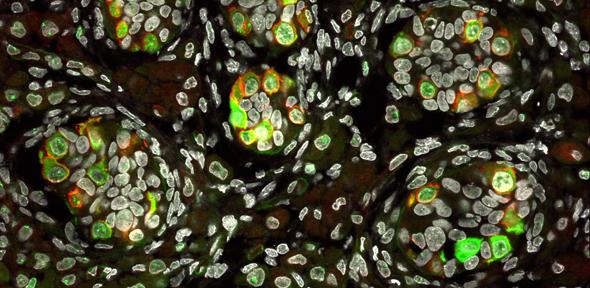
The researchers used computer-based methods to develop antibodies – the star players of the body’s natural defence system – to target the deposits of misfolded proteins which are a hallmark of Alzheimer’s disease. Early tests of the antibodies in test tubes and in nematode worms showed an almost complete elimination of these pathogens.

The antibodies were designed to systematically scan the sequence of amyloid-beta, the main component of the toxic deposits associated with Alzheimer’s disease. By targeting specific regions, or epitopes, of the amyloid-beta sequence, the different antibodies were able to block amyloid-beta’s ability to stick together, or aggregate. Their results are reported in the journal Science Advances.

Alzheimer’s disease is the most common form of dementia, which affects nearly one million people in the UK and about 50 million worldwide. One of the hallmarks of Alzheimer’s disease is the build-up of protein deposits, known as plaques and tangles, in the brains of affected individuals. These deposits, which accumulate when naturally-occurring proteins in the body fold into the wrong shape and aggregate, are formed primarily of two proteins: amyloid-beta and tau.

The process of protein aggregation also creates smaller clusters called oligomers, which are highly toxic to nerve cells and are thought to be responsible for brain damage in Alzheimer’s disease. Researchers around the world have spent decades attempting to unravel the processes that cause Alzheimer’s disease, and to target the misfolding proteins before they are able to aggregate.

Antibodies are dedicated proteins that help defend the body against harmful pathogens by recognising their specific targets, known as antigens. The power of antibodies can be harnessed to make effective treatments, such as vaccines, but to date no antibody has been developed to treat Alzheimer’s or any other neurodegenerative disease, although several antibody-based treatments for Alzheimer’s disease are currently in clinical trials.

“Developing antibody-based therapies is costly and time-consuming, but if we can find better and cheaper ways of producing antibodies, we would increase the chances of finding treatments for patients – making them by design can create opportunities to achieve this goal,” said Professor Michele Vendruscolo from the Centre for Misfolding Diseases in Cambridge, and the paper’s senior author.

To date, there have been two main ways of producing antibodies. The first, which has been in use for about 50 years, is to inject animals with the relevant antigen. The antigen stimulates the immune system to produce antibodies to attack the alien substance, and those antibodies can then be extracted as a therapeutic. The second method, developed in the 1990s, does not require the use of animals and instead relies on the screening of large laboratory-constructed libraries to isolate the relevant antibodies.

“In the past few years, thanks to increasingly powerful computers and large structural databases, it has become possible to design antibodies in a computer, which substantially lowers the time and cost required,” said study co-author Dr Pietro Sormanni, a postdoctoral researcher in the Centre for Misfolding Diseases. “It also allows us to target specific regions within the antigen, as well as to control for other properties critical for clinical applications, such as antibody stability and solubility.”

One of the advantages of the antibodies used in this study is their very small size. In these smaller antibodies, called single-domain antibodies, the ‘trigger’ for an immune response is stripped off, thereby blocking the inflammatory reactions that have so far prevented the widespread adoption of antibody-based therapies for Alzheimer’s disease.

A major advantage of these designed antibodies is that they can be systematically produced to bind to the different regions of the target protein. In this way researchers can extensively and inexpensively explore a variety of mechanisms of action, and select the most effective one for blocking the production of toxins.

“Since the designed antibodies can selectively target oligomers, which are present in low numbers relative to the total amounts of amyloid-beta, we expect them to be effective even when administered in low doses,” said Dr Francesco Aprile, a Senior Research Fellow of the Alzheimer’s Society in the Centre for Misfolding Diseases and the study’s first author.

Not only are these antibodies designed to not stimulate an immune response, but they are also much smaller than standard antibodies, so they could be delivered more effectively to the brain through the blood-brain barrier. Aprile has recently been awarded the 2017 ‘Outstanding early-career contribution to dementia’ award by the Alzheimer’s Society for his work.

“The innovative approach taken by Dr Aprile and his colleagues tackles the issue of developing drugs for Alzheimer’s disease from a new angle, by using advanced computer techniques to design drugs that specifically block a crucial aspect of the disease process,” said James Pickett, Head of Research at the Alzheimer’s Society. “Over the last 50 years, advances in antibody technology have delivered radical new treatments for a wide range of common diseases including rheumatoid arthritis, multiple sclerosis and some forms of cancer. While the research is still in the early stages, we are excited by the potential of this work and hope it can do the same for Alzheimer’s disease.”

“These results indicate that computational methods are becoming ready to be used alongside existing antibody discovery methods, enabling the exploration of new ways of treating a range of human diseases,” said Vendruscolo.

Reference:
Francesco A. Aprile et al. ‘Selective targeting of primary and secondary nucleation pathways in Aβ42 aggregation using a rational antibody scanning method.’ Science Advances (2017). DOI: 10.1126/sciadv.1700488


Creative Commons License
The text in this work is licensed under a Creative Commons Attribution 4.0 International License. For image use please see separate credits above.

Earliest-Known Children’s Adaptation of Japanese Literary Classic Discovered in British Library

Earliest-known children’s adaptation of Japanese literary classic discovered in British Library

source: www.cam.ac.uk

A chance discovery in the British Library has led to the discovery and reproduction of the earliest-known children’s adaptation of one of Japan’s greatest works of literature.

This is a missing piece of the jigsaw. And it was sitting in the British Library all along.

Laura Moretti

Dr Laura Moretti, from the Faculty of Asian and Middle Eastern Studies at Cambridge, came across an unknown children’s picture-book, dating from 1766, under the title of Ise fūryū: Utagaruta no hajimari (The Fashionable Ise: The Origins of Utagaruta) while on a study trip with her students.

The British Library copy, part of the collection belonging to Sir Ernest Satow, a 19th century British scholar and diplomat, is a picture-book adaptation of Ise Monogatari. Translated into English as The Tales of Ise, it is one of the most important works in Japanese literature and was originally composed probably in the late 9th century following the protagonist, Ariwara no Narihira, through his many romances, friendships and travels.

The Tales of Ise has since been adapted and reinterpreted continually down the centuries as part of the canon of Japanese literature.

“If we were to hazard a comparison, The Tales of Ise could be seen as the equivalent of the works of Shakespeare in terms of canonical status in Japan but I had never heard of or seen a children’s adaptation before – no-one knew of this book,” said Moretti. “This is a missing piece of the jigsaw. No one ever knew if it had been rewritten for children – but now we know. And it was sitting in the British Library all along.”

Dr Moretti’s new book, Recasting the Past (Brill, 2016), presents a full-colour reproduction of the 18th century edition, alongside a transcription in modern Japanese, an English translation, and textual analysis. The publication of the 1766 adaptation of the Tales of Ise fills a gap in scholars’ understanding of the work’s history. Although much scholarship has taken place on the reception of Tales of Ise and its target audiences in different epochs, no one has previously explored the age of its readership.

The 1766 introduction by the publisher shows that the book was intended to be read by children and there are various clues to support this view. The main character Narihira first appears as a young boy at school, a portrayal which encourages young people to identify with him. The whole text is also written using mainly the phonetic syllabary which could be understood by readers with only two years of schooling. The story was also abbreviated to include only 13 of the original 125 episodes –  making it easily accessible to a broad readership and was useful for introducing those with basic literacy to Japan’s cultural heritage. The book would have educated children in the narrative of The Tales of Ise as well as the aesthetic quality of the poetry.

Moretti, though, counters the notion that only children would have read Utagaruta no hajimari, and argues that the text could also work as a substitute of the The Tales of Ise for those adults with limited linguistic and cultural literacy.

Now, after several years of negotiating the necessary permissions to use the two complete extant copies (one held at the National Institute of Japanese Literature and the other at the Gotoh Museum, both in Tokyo; alas the British Library copy has only one volume of three) and to finish the transcription, translation and textual analysis, Utagaruta is available again for readers to enjoy – more than 250 years after it was first printed.

While graphic novels and comic books such as manga remain hugely popular in Japan and across the world today, instances of books where images and text are interdependent abound in pre-modern and early-modern Japanese literature. In this specific case, Moretti shows that the primary function of images was to complement the prose by filling in the gaps left by the narrative. Images set the scene for the story and helped to characterize the protagonists by depicting their dress and physical appearance.

Moretti believes that studying this children’s adaptation can give a contribution to the study of children’s literature in general, discovering aspects that might not be apparent in other cultures.

“Utagaruta no hajimari, for example, is trying to draw children into the world of the adult, rather than shield them from it by introducing children to sex and appropriate romantic behaviour,” she said.

“A vast number of early-modern Japanese picture-books that adapt canonical literature awaits to be studied. This research is the first step in the foundation of this field of study. If appropriately developed, it has the potential to shed light onto new sides of children’s literature as well as to advance in the understanding of how early-modern Japanese graphic prose functioned.”


Creative Commons License
The text in this work is licensed under a Creative Commons Attribution 4.0 International License. For image use please see separate credits above.

Human Reproduction Likely To Be More Efficient Than Previously Thought

Human reproduction likely to be more efficient than previously thought

source: www.cam.ac.uk

How difficult is it to conceive? According to a widely-held view, fewer than one in three embryos make it to term, but a new study from a researcher at the University of Cambridge suggests that human embryos are not as susceptible to dying in the first weeks after fertilisation as often claimed.

It’s impossible to give a precise figure for how many embryos survive in the first week but in normal healthy women, it probably lies somewhere between 60-90%

Gavin Jarvis

Dr Gavin Jarvis from Cambridge’s Department of Physiology, Development and Neuroscience re-examined data going back to the 1940’s and concluded that previous claims about natural embryo mortality are too often exaggerated. His report is published in F1000Research.

“Trying to determine whether a human embryo survives during the first days after fertilisation is almost impossible,” says Dr Jarvis. “A woman can only suspect that she is pregnant, at the earliest, two weeks after fertilisation, when she misses a period. Using sensitive laboratory tests, embryos can be detected as they implant into the womb about one week after fertilisation. What happens before then under natural circumstances is anyone’s guess.”

In 1938, two doctors in Boston, Dr Arthur Hertig and Dr John Rock, became the first people to see a human embryo when they examined wombs removed from women during surgery. They estimated that a half of human embryos die in the first two weeks after fertilisation. However, Dr Jarvis’s re-analysis of this data shows that this figure is so imprecise as to be of little value.

“I think it is fair to say that their data show that embryos can and do fail at these early stages, and also that many do just fine, but we could say that even without the data,” he adds. “Hertig’s samples, whilst descriptively informative, are quantitatively unhelpful. It doesn’t take us much further than where we would be without the data.”

Pregnancies are also lost after the first two weeks and currently published estimates of total embryo loss from fertilisation through to birth range from less than 50% to 90%. Embryo mortality of 90% implies that only 10% of embryos survive to birth, implying that human reproduction is highly inefficient.

Since 1988, several studies on women trying to get pregnant have provided a more consistent picture. The earliest point at which pregnancy can be detected is one week after fertilisation when the embryo starts to implant into the womb of the mother. At this point the hormone hCG, which is used in regular pregnancy tests, becomes detectable. Among implanting embryos, about one in five fail very soon and the woman will have a period at about the expected time, never suspecting that she conceived. Once a period is missed and pregnancy confirmed, about 10-15% will be lost before live birth, mostly within the first few months. In total, once implantation starts, about two thirds of embryos survive to birth. The number of embryos that survive and die before implantation remains unknown.

Modern reproductive technologies have enabled fertilisation to be observed directly in the laboratory. Poor survival of in vitro embryos may have contributed to the pessimistic view about natural human embryo survival, says Dr Jarvis.

“Fertilising human eggs and culturing human embryos in the laboratory is not easy. A large proportion of eggs fertilised in vitro do not develop properly even for a week. Of those that do and are transferred into women undergoing IVF treatment, most do not become a new-born baby.”

This failure of in vitro embryos may reflect the natural situation. Alternatively, the artificial environment of reproductive treatments may contribute to the high failure rate of IVF embryos. Dr Jarvis’s re-analysis of the data suggests that the latter is the case.

“It’s impossible to give a precise figure for how many embryos survive in the first week but in normal healthy women, it probably lies somewhere between 60-90%. This wide range reflects the lack of relevant data. Although we can’t be precise, we can avoid exaggeration, and from reviewing the studies that do exist, it is clear that many more survive than is often claimed,” concludes Dr Jarvis.

Reference
Gavin E Jarvis. Early embryo mortality in natural human reproduction: What the data say. f1000research; DATE; DOI: 10.12688/f1000research.8937.2

Gavin E Jarvis. Estimating limits for natural human embryo mortality. f1000research; DATE; DOI: 10.12688/f1000research.9479.2


Creative Commons License
The text in this work is licensed under a Creative Commons Attribution 4.0 International License. For image use please see separate credits above.
The Longing of Belonging: African Photography on Show at MAA

The Longing of Belonging: African photography on show at MAA

A photography exhibition capturing the black South African Zionist community – the most popular religious denomination in the country – opens at the Museum of Archaeology and Anthropology (MAA) today.

What’s important is the sense of intimacy between me and the church.

Sabelo Mlangeni

Kholwa: The Longing of Belonging showcases the work of South African photographer Sabelo Mlangeni who dreamt up the exhibition during conversations with Joel Cabrita, a researcher from Cambridge’s Faculty of Divinity, who is researching the history of Zionism in South Africa. ‘Kholwa’ means ‘belief’ in isiZulu, one of the most widely spoken languages in South Africa.

Approximately 30 per cent of all South Africans are members of a Zionist church. Zionism (unrelated to Jewish Zionism) is the country’s largest popular religious movement but began life as a 20th century Protestant faith healing movement, originating in the small town of Zion (pop. 24,000), Illinois, in the largely white Midwest of the USA.

Cabrita’s work charts the dramatic shift and 20th century expansion of Christianity and seeks to explain how Zionism travelled across the Atlantic Ocean and became one of the most important influences in black communities more than 8,000 miles away. With approximately 15 million members, it is the largest Christian group in the region.

Mlangeni is a member of the Zionist church and his grounding in the religion can be traced in the intimate and person portraits of church members going on display in Cambridge. He and Cabrita are interested in examining what is at stake when a photographer turns his camera on a religious community they are part of.

Mlangeni said: “The biggest question for me is being part of the community, part of the church. How can I point out other people as being ‘amakholwa’ (‘the believers’) when that is what I myself am? This is a body of work that doesn’t ‘look’ at the Zionist church. It is very important for me to emphasise this, I am not interested in exotifying the church.

“I want to look at people gathering beyond church, and the strong spiritual relationships, which also include me. A long time before even studying photography, I made a lot of work about the church and church members. So my camera was in the church for a long time, church people knew me with a camera. When I look at this work, what’s important is the sense of intimacy between me and the church.”

“For me the most important part of meeting with Joel Cabrita is that it brought something new to me, an understanding of where the Zionists came from, what their beginnings were, where the church was really born [in the USA].”

Some of Mlangeni’s images portray the umlindelo amakholwa (the night vigil of believers). This all-night service forms the cornerstone of Zionist worship across South Africa.

The service consists of long nights of the entire community gathered in longing expectation for the spirit to descend, whether ancestral spirits or the Christian God. Song, prayer, sermons and dance see the believers through the night. Umlindelo amakholwa is the occasion when bonds of solidarity and community are cemented between those who spend the night in expectant waiting. As dawn breaks, the believers make their way home, while some head to a full day of work.

“Zionism was founded in the in the American Midwest in the 1890s and spread to South Africa in 1904 via missionaries and the circulation of faith-healing literature,” said Cabrita. “From the small town of Wakkerstroom, near the village of Driefontein where Sabelo grew up, Zionism spread across the region with migrant labourers returning from Johannesburg’s gold mines. Today, Zionism has adapted to African understandings of the world, with few traces of its North American roots. Southern African Zionists remain committed to the power of prayer to heal bodily illness as their American forebears.”

Working mainly in black and white, Mlangeni’s photographs focus on capturing the intimate, everyday moments of communities in contemporary South Africa. His work includes ‘Big City’ (2002 to 2015) which focuses on Johannesburg’s history, and ‘Country Girls’ (shot between 2003 and 2009), which focuses on gay communities in rural South Africa, especially in the area of Driefontein, his own village in the province of Mpumalanga.

As a childhood friend of many of his subjects, Mlangeni has been able to create photographs from a perspective of unique understanding and membership of the community he is portraying. Throughout his work, Mlangeni avoids ‘othering’ or ‘exoticising’ his subjects, and instead attempts to show the multi-faceted, intimate reality of daily life of these individuals. While many of them face discrimination due to their sexual identities, or are living in precarious socio-economic situations, Mlangeni’s work does not cast his subjects  as ‘victims’ but rather portrays their resilience, joyfulness and dignity as ordinary people.

“His photography continually erases and removes the boundaries between observer and subject,” added Cabrita. “Mlangeni is portraying his own belief as much as he is exploring the spiritual commitments of his photographic subjects.

“They chart his own journey towards belong, and longing for belonging within the Zionist community, a journey that has been mediated through a photographer’s lens. While some photographs reveal open, friendly gazes, others confront us with turned backs, inscrutable silhouettes and hidden figures buried deep in pictures, hinting at anonymity, inaccessibility and profound longing.”

Kholwa: The Longing of Belonging – which runs from June 13-September 10 – is free to the public. Visit www.maa.cam.ac.uk for further details and opening times.


Creative Commons License
The text in this work is licensed under a Creative Commons Attribution 4.0 International License. For image use please see separate credits above.
Similarities in Human and Pig Embryos Provide Clues to Early Stages of Development

Similarities in human and pig embryos provide clues to early stages of development

source: www.cam.ac.uk

Scientists have shown how the precursors of egg and sperm cells – the cells that are key to the preservation of a species – arise in the early embryo by studying pig embryos alongside human stem cells.

The remarkable similarities between human and pig development suggest that we may soon be able to reveal the answers to some of our long-held questions

Toshihiro Kobayashi

In research published today in Nature, researchers at the University of Cambridge and the University of Nottingham demonstrate how pig embryos and human embryonic cells show remarkable similarities in the early stages of their development. By combining these two models, they hope to improve our understanding of the origins of diseases such as paediatric germ cell tumours and fetal abnormalities.

Primordial germ cells, the precursors of eggs and sperm, are among the earliest cells to emerge in human embryos after implantation, appearing around day 17, while the surrounding cells go on to form the rest of the human body. However, little is understood about how they originate. Currently, the law prohibits culture of human embryos beyond 14 days, which prevents investigations on this and subsequent events such as gastrulation, when the overall body plan is established.

Now, researchers have used a combination of human and pig models of development to shed light on these events. They have shown for the first time that the interplay between two key genes is critical for the formation of the germline precursors and that this ‘genetic cocktail’ is not the same in all species.

First, by using human pluripotent embryonic stem cells in vitro, scientists led by Professor Azim Surani at the Wellcome Trust/Cancer Research UK Gurdon Institute established a model that simulates genetic and cellular changes occurring up to gastrulation. Human pluripotent embryonic stem cells are ‘master cells’ found in embryos, which have the potential to become almost any type of cell in the body.

As these stem cells can be multiplied and precisely genetically manipulated, the model system provides a powerful tool for detailed molecular analysis of how human cells transform into distinct cell types during early development, and which changes might underlie human diseases.

The work shows that when an embryo progresses towards gastrulation, cells temporarily acquire the potential to form primordial germ cells, but shortly afterwards lose this potential and instead acquire the potential to form precursors of blood and muscle (mesoderm) or precursors of the gut, lung and the pancreas (endoderm). The model also tells us that while the genes SOX17 and BLIMP1 are critical for germ cell fate, SOX17 subsequently has another role in the specification of endodermal tissues.

For an accurate picture of how the embryo develops, however, it is necessary to understand how cells behave in the three-dimensional context of a normal embryo. This cannot be achieved by studies on the most commonly used mouse embryos, which develop as egg ‘cylinders’, unlike the ‘flat-disc’ human embryos. Pig embryos, on the other hand, develop as flat discs (similar to human embryos), can be easily obtained, and are ethically more acceptable than working with non-human primate (monkey) embryos.

Researchers from the University of Nottingham dissected whole flat discs from pig embryos at different developmental stages and found that development of these embryos matches with the observations on the in vitro human model, as well as with non-human primate embryonic stem cells in vitro.  For example, pig germ cells emerge in the course of gastrulation just as predicted from the human model, and with the expression of the same key genes as in human germ cells. Human and pig germ cells also exhibit key characteristics of this lineage, including initiation of reprogramming and re-setting of the epigenome – modifications to our DNA that regulate its operations and have the potential to be passed down to our offspring – which continues as germ cells progress towards development into sperm and eggs.

The combined human-pig models for early development and cell fate decisions likely reflect critical events in early human embryos in the womb.  Altogether, knowledge gained from this approach can be applied to regenerative medicine for the derivation of relevant human cell types that might be used to help understand and treat human diseases, and to understand how mutations that perturb early development can result in human diseases.

Dr Ramiro Alberio, from the School of Biosciences at the University of Nottingham, says: “We’ve shown how precursors to egg and sperm cells arise in pigs and humans, which have similar patterns of embryo development. This suggests that the pig can be an excellent model system for the study of early human development, as well as improving our understanding of the origins of genetic diseases.”

Dr Toshihiro Kobayashi in the Surani lab at the Gurdon Institute, adds: “We are currently prevented from studying human embryo development beyond day 14, which means that certain key stages in our development remain a mystery. The remarkable similarities between human and pig development suggest that we may soon be able to reveal the answers to some of our long-held questions.”

The research was supported by Wellcome.

Reference
Kobayashi, T et al. Principles of early human development and germ cell program from conserved model systems. Nature; 7 June 2017; DOI: 10.1038/nature22812


Creative Commons License
The text in this work is licensed under a Creative Commons Attribution 4.0 International License. For image use please see separate credits above.
Opinion: Remainer or Re-Leaver? The Philosophical Conundrum Posed By Brexit

Opinion: Remainer or re-leaver? The philosophical conundrum posed by Brexit

source: www.cam.ac.uk

A recent YouGov survey suggests there is increasing agreement that ‘Brexit means Brexit’. However, Alfred Moore from the Conspiracy and Democracy Project suspects support is “broad but shallow”, and forcing people to change their minds about Brexit poses a danger to democracy.

It is vital to keep alive the arguments that lost the day because in a democracy you always get to fight another one.

Alfred Moore

​If you only glanced at a recent YouGov survey, you might think that a large majority of the UK is in agreement about Brexit. The electorate may have divided pretty evenly in the referendum, but now the 45% of “hard leavers” are joined by 23% who “voted to remain but still think the government has a duty to bring the UK out of the EU”.

One reading of this poll is that the country is now uniting behind Brexit. As YouGov headlined its report: “Forget 52%. The rise of the ‘re-leavers’ mean the pro-Brexit electorate is 68%.”

But to conclude that the country is uniting would be shallow, and for prime minister Theresa May, at least, dangerous.

Most people now accept Brexit, but that doesn’t mean they believe in it. Re-leavers are addressing a genuine philosophical problem: should you change your beliefs when you find yourself in the minority?

Jean-Jacques Rousseau once wrote:

When a law is proposed in the people’s assembly, what is asked of them is not precisely whether they approve or reject, but whether or not it conforms to the general will that is theirs. Each man [sic], in giving his vote, states his opinion on this matter, and the declaration of the general will is drawn from the counting of votes. When, therefore, the opinion contrary to mine prevails, this proves merely that I was in error, and that what I took to be the general will was not so.

Put to one side the fact that Rousseau thought citizens should reflect in solitude on what was best for the country and that they should not discuss their views before voting.

Rousseau’s point was that the result, when it came, revealed the true will of the people. If you find yourself in the minority, it means you were wrong. Brexit, one might conclude, was the correct choice. The 48% were simply in error.

A different view is associated with the liberal tradition. Being in the minority says nothing about “right” and “wrong”. It announces simply that you lost. Nothing more, nothing less.

This is an important distinction. If being in the minority means you were wrong, then presumably you wouldn’t be crazy to change your mind. After all, if we assume that everybody is equal in their ability to judge these questions, then the majority is more likely to be right.

But if being in the minority simply means that you lost, then perhaps it’s important that you don’t change your mind, that you don’t stop arguing the issue, and that you don’t stop using all the constitutional means at your disposal to press your case. It is vital to keep alive the arguments that lost the day because in a democracy you always get to fight another one.

Keeping alive those arguments is often difficult. There is always pressure on those who lost to admit they were wrong, to pretend they’ve changed their minds, or at least to shut up. The famous phrase “tyranny of the majority” was never just about protecting minority rights; it was about recognising the force of majority opinion.

To suggest that the UK is uniting around Brexit, then, is a danger to democracy itself. That danger comes from pressure on the losers to actually change their minds. Worryingly, this now seems to be May’s position. As she said in a campaign speech near Middlesborough:

You can only deliver Brexit if you believe in Brexit.

I’m not a ‘re-leaver’”, she seemed to be saying. “I’m now a true believer, and you should be too.”

The other danger is to May. If she thinks the country is really uniting around Brexit, then she could do worse than talk to the street musician interviewed by the Financial Times a few weeks ago: “I don’t think the referendum will be overturned. People seem to think of it as “the people’s vote” and to overturn it would in some way be seen to be undemocratic. People who voted Remain are powerless at the moment.“

He’s right. Those who voted to stay in the EU lost and are, at the moment, powerless. However, politics can change pretty quickly. Support for going ahead with Brexit is broad but shallow. If the economy starts getting worse, the true believers may march on undaunted, eyes fixed firmly on the horizon, but the re-leavers may find their doubts coming back to the surface.

The more salient number in the survey might turn out to be the true believers, who say they will stick with Brexit whatever the consequences: and that’s only 45%.

This article was originally published on The Conversation


Creative Commons License
The text in this work is licensed under a Creative Commons Attribution 4.0 International License. For image use please see separate credits above.
Genes Influence Ability to Read a Person’s Mind From Their Eyes

Genes influence ability to read a person’s mind from their eyes

source: www.cam.ac.uk

Our DNA influences our ability to read a person’s thoughts and emotions from looking at their eyes, suggests a new study published in the journal Molecular Psychiatry.

This is the first study to attempt to correlate performance on the Eye Test with variation in the human genome

Varun Warrier

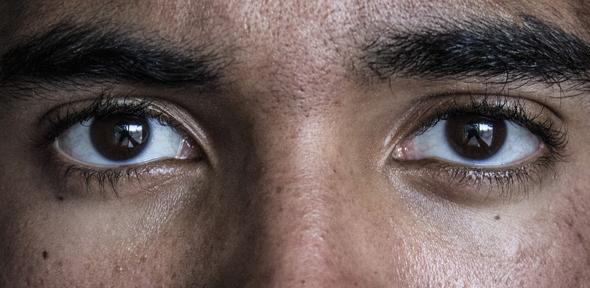
Twenty years ago, a team of scientists at the University of Cambridge developed a test of ‘cognitive empathy’ called the ‘Reading the Mind in the Eyes’ Test (or the Eyes Test, for short). This revealed that people can rapidly interpret what another person is thinking or feeling from looking at their eyes alone. It also showed that some of us are better at this than others, and that women on average score better on this test than men.

Now, the same team, working with the genetics company 23andMe along with scientists from France, Australia and the Netherlands, report results from a new study of performance on this test in 89,000 people across the world. The majority of these were 23andMe customers who consented to participate in research. The results confirmed that women on average do indeed score better on this test.

More importantly, the team confirmed that our genes influence performance on the Eyes Test, and went further to identify genetic variants on chromosome 3 in women that are associated with their ability to “read the mind in the eyes”.

The study was led by Varun Warrier, a Cambridge PhD student, and Professors Simon Baron-Cohen, Director of the Autism Research Centre at the University of Cambridge, and Thomas Bourgeron, of the University Paris Diderot and the Institut Pasteur.

Interestingly, performance on the Eyes Test in males was not associated with genes in this particular region of chromosome 3. The team also found the same pattern of results in an independent cohort of almost 1,500 people who were part of the Brisbane Longitudinal Twin Study, suggesting the genetic association in females is a reliable finding.

The closest genes in this tiny stretch of chromosome 3 include LRRN1 (Leucine Rich Neuronal 1) which is highly active in a part of the human brain called the striatum, and which has been shown using brain scanning to play a role in cognitive empathy. Consistent with this, genetic variants that contribute to higher scores on the Eyes Test also increase the volume of the striatum in humans, a finding that needs to be investigated further.

Previous studies have found that people with autism and anorexia tend to score lower on the Eyes Test. The team found that genetic variants that contribute to higher scores on the Eyes Test also increase the risk for anorexia, but not autism. They speculate that this may be because autism involves both social and non-social traits, and this test only measures a social trait.

Varun Warrier says: “This is the largest ever study of this test of cognitive empathy in the world. This is also the first study to attempt to correlate performance on this test with variation in the human genome. This is an important step forward for the field of social neuroscience and adds one more piece to the puzzle of what may cause variation in cognitive empathy.”

Professor Bourgeron adds: “This new study demonstrates that empathy is partly genetic, but we should not lose sight of other important social factors such as early upbringing and postnatal experience.”

Professor Baron-Cohen says: “We are excited by this new discovery, and are now testing if the results replicate, and exploring precisely what these genetic variants do in the brain, to give rise to individual differences in cognitive empathy. This new study takes us one step closer in understanding such variation in the population.”

Reference
Warrier, V et al. Genome-wide meta-analysis of cognitive empathy: heritability, and correlates with sex, neuropsychiatric conditions and cognition. Molecular Psychiatry; 6 June 2017; DOI: 10.1038/MP.2017.122


Creative Commons License
The text in this work is licensed under a Creative Commons Attribution 4.0 International License. For image use please see separate credits above.

Pilot Programme Encourages Researchers To Share The Code Behind Their Work

Pilot programme encourages researchers to share the code behind their work

source: www.cam.ac.uk

New project, partly designed by a University of Cambridge researcher, aims to improve transparency in science by sharing ‘how the sausage is made’.

Having the code means that others have a better chance of replicating your work.

Stephen Eglen

A new pilot project, designed by a Cambridge researcher and supported by the Nature family of journals, will evaluate the value of sharing the code behind published research.

For years, scientists have discussed whether and how to share data from painstaking research and costly experiments. Some are further along in their efforts toward ‘open science’ than others: fields such as astronomy and oceanography, for example, involve such expensive and large-scale equipment and logistical challenges to data collection that collaboration among institutions has become the norm.

Recently, academic journals, including several Nature journals, are turning their attention to another aspect of the research process: computer programming code. Code is becoming increasingly important in research because scientists are often writing their own computer programs to interpret their data, rather than using commercial software packages. Some journals now include scientific data and code as part of the peer-review process.

Now, in a commentary published in the journal Nature Neuroscience, a group of researchers from the UK, Europe and the United States have argued that the sharing of code should be part of the peer-review process. In a separate editorial, the journal has announced a pilot project to ask future authors to make their code available for review.

Code is an important part of the research process, and often the only definitive account of how data were processed. “Methods are now so complex that they are difficult to describe concisely in the limited ‘methods’ section of a paper,” said Dr Stephen Eglen from Cambridge’s Department of Applied Mathematics and Theoretical Physics, and the paper’s lead author. “And having the code means that others have a better chance of replicating your work, and so should add confidence.”

Making the programs behind the research accessible allows other scientists to test the code and reproduce the computations in an experiment — in other words, to reproduce results and solidify findings. It’s the “how the sausage is made” part of research, said co-author Ben Marwick, from the University of Washington. It also allows the code to be used by other researchers in new studies, making it easier for scientists to build on the work of their colleagues.

“What we’re missing is the convention of sharing code or the tools for turning data into useful discoveries or information,” said Marwick. “Researchers say it’s great to have the data available in a paper — increasingly raw data are available in supplementary files or specialised online repositories — but the code for performing the clever analyses in between the raw data and the published figures and tables are still inaccessible.”

Other Nature Research journals, such as Nature Methods and Nature Biotechnology,provide for code review as part of the article evaluation process. Since 2014, the company has encouraged writers to make their code available upon request.

The Nature Neuroscience pilot focuses on three elements: whether the code supporting an author’s main claims is publicly accessible; whether the code functions without mistakes; and whether it produces the results cited. At the moment this is a pilot project to which authors can opt in. It may be that in future it becomes mandatory and only when the code has been reviewed will a paper then be accepted.

“This extra step in the peer review process is to encourage ‘replication’ of results, and therefore help reduce the ‘replication crisis’,” said Eglen. “It also means that readers can understand more fully what authors have done.”

An open science approach to sharing code is not without its critics, as well as scientists who raise legal and ethical questions about the repercussions. How do researchers get proper credit for the code they share? How should code be cited in the scholarly literature? How will it count toward tenure and promotion applications? How is sharing code compatible with patents and commercialization of software technology?

“We hope that when people do not share code it might be seen as ‘having something to hide,’ although people may regard the code as ‘theirs’ and their IP, rather than something to be shared,” said Eglen. “Nowadays, we believe the final paper is the ultimate representation of a piece of research, but actually the final paper is just an advert for the scholarship, which here is the computer code to solve a particular task. By sharing the code, we actually get the most useful part of the scholarship, rather than the paper, which is just the author’s ‘gloss’ on the work they have done.”

Adapted from a University of Washington press release


Creative Commons License
The text in this work is licensed under a Creative Commons Attribution 4.0 International License. For image use please see separate credits above.

LIGO Detects Gravitational Waves For Third Time

LIGO detects gravitational waves for third time

source: www.cam.ac.uk

Results confirm new population of black holes.

Each new detection enables us to explore new phenomena of these mysterious and fascinating objects.

Ulrich Sperhake

The Laser Interferometer Gravitational-wave Observatory (LIGO) has made a third detection of gravitational waves, ripples in space and time, demonstrating that a new window in astronomy has been firmly opened. As was the case with the first two detections, the waves were generated when two black holes collided to form a larger black hole.

The newfound black hole formed by the merger has a mass about 49 times that of our sun. “With this third confirmed detection we are uncovering the population of black holes in the Universe for the first time,” said Christopher Moore from the University of Cambridge’s Department of Applied Mathematics and Theoretical Physics (DAMTP), who is part of the LIGO Scientific Collaboration.

The new detection occurred during LIGO’s current observing run, which began November 30, 2016, and will continue through the summer. LIGO is an international collaboration with members around the globe. Its observations are carried out by twin detectors—one in Hanford, Washington, and the other in Livingston, Louisiana—operated by Caltech and MIT with funding from the United States National Science Foundation (NSF).

The LIGO group in Cambridge consists of seven researchers spread across DAMTP, the Cavendish Laboratory and the Institute of Astronomy.

“Answering key questions about the formation history of astrophysical black holes and their role in the evolution of the universe critically relies on applying a statistical analysis to a sufficiently large sample of observations,” said Dr Ulrich Sperhake, head of the group in DAMTP. “Each new detection not only strengthens our confidence in the theoretical modelling, but enables us to explore new phenomena of these mysterious and fascinating objects.”

One of the interests of the Cambridge group is testing Einstein’s theory of general relativity. “This particular source of gravitational waves is the furthest detected so far. This allows us to test our understanding of the propagation of gravitational waves across cosmological distances, by means of which we constrained any signs of wave dispersion to unprecedented precision,” said Dr Michalis Agathos, a postdoctoral researcher at DAMTP.

The LIGO-Virgo team is continuing to search the latest LIGO data for signs of space-time ripples from the far reaches of the cosmos. They are also working on technical upgrades for LIGO’s next run, scheduled to begin in late 2018, during which the detectors’ sensitivity will be further improved.

“With the third confirmed detection of gravitational waves from the collision of two black holes, LIGO is establishing itself as a powerful observatory for revealing the dark side of the universe,” said David Reitze of Caltech, executive director of the LIGO Laboratory. “While LIGO is uniquely suited to observing these types of events, we hope to see other types of astrophysical events soon, such as the violent collision of two neutron stars.”

LIGO is funded by the National Science Foundation (NSF), and operated by MIT and Caltech, which conceived and built the project. Financial support for the Advanced LIGO project was led by NSF with Germany (Max Planck Society), the UK (Science and Technology Facilities Council) and Australia (Australian Research Council) making significant commitments and contributions to the project. More than 1,000 scientists from around the world participate in the effort through the LIGO Scientific Collaboration, which includes the GEO Collaboration. LIGO partners with the Virgo Collaboration, a consortium including 280 additional scientists throughout Europe supported by the Centre National de la Recherche Scientifique (CNRS), the Istituto Nazionale di Fisica Nucleare (INFN), and Nikhef, as well as Virgo’s host institution, the European Gravitational Observatory. Additional partners are listed at: http://ligo.org/partners.php.


Creative Commons License
The text in this work is licensed under a Creative Commons Attribution 4.0 International License. For image use please see separate credits above.
Inaugural $100,000 Nine Dots Prize Winner Chosen From More Than 700 Worldwide Entries

Inaugural $100,000 Nine Dots Prize winner chosen from more than 700 worldwide entries

source: www.cam.ac.uk

James Williams, a 35-year-old doctoral candidate researching design ethics at Oxford University, has been announced as the inaugural winner of the $100,000 Nine Dots Prize at an awards ceremony at the British Library yesterday evening.

We had no idea whether we were reading the proposal of a professor, a novelist, a postman, a student or a lawyer.

Simon Goldhill

Up against competition from over 700 other entrants from around the world, Williams’ 3,000-word answer to the set question ‘Are digital technologies making politics impossible?’ was deemed the most original and innovative by the ten-strong Board of leading academics, journalists and thinkers.

His entry Stand Out of Our Light: Freedom and Persuasion in the Attention Economy argues that digital technologies are making all forms of politics worth having impossible as they privilege our impulses over our intentions and are ‘designed to exploit our psychological vulnerabilities in order to direct us toward goals that may or may not align with our own’. He covers:

  • How the ‘distractions’ produced by digital technologies are much more profound than minor ‘annoyances’
  • How so-called ‘persuasive’ design is undermining the human will and ‘militating against the possibility of all forms of self-determination’
  • How beginning to ‘assert and defend our freedom of attention’ is an urgent moral and political task

As well as the US$100,000 prize money, Williams has been awarded a book deal with Cambridge University Press for a book in which he will develop his ideas on this topic. He will be supported by the editorial team at Cambridge University Press and will spend a term at the Centre for Research in the Arts, Social Sciences and Humanities (CRASSH), Cambridge University.

Born in Cape Canaveral, Florida and raised in Texas, Williams is currently a doctoral candidate at the Oxford Internet Institute and Balliol College, Oxford, where he researches the philosophy and ethics of attention and persuasion as they relate to technology design. He is also a member of the Digital Ethics Lab at Oxford and a visiting researcher at the Uehiro Centre for Practical Ethics. Prior to that he worked for over ten years at Google, where he received the Founders’ Award – the company’s highest honour – for his work on advertising products and tools. He is also a co-founder of the Time Well Spent campaign, a project that aims to steer technology design towards having greater respect for users’ attention. He holds a master’s in design engineering from the University of Washington and as an undergraduate studied literature at Seattle Pacific University.

On being awarded the Prize, Williams said: “I’m honoured, grateful, heartened, energised and overjoyed to have won this opportunity. I know that many others thought deeply about this question and put substantial time, attention and care into answering it. I’m looking forward to getting to work on producing a book that is worthy of the competition.

“As Neil Postman pointed out in the 1980s, we’re far more attuned to Orwellian threats to freedom such as coercion and force, than to the subtler, more indirect threats of persuasion or manipulation of the sort Aldous Huxley warned us about when he predicted that it’s not what we fear but what we desire that will control us. Yet today these Huxleyan threats pose the far greater risk, and I’m extremely encouraged that the Nine Dots Prize Board has chosen to give its attention to these pressing matters. Their important question is not only compelling but also timely, and this competition is a fascinating and original way of putting such a crucial subject on the societal radar.”

The Nine Dots Prize was established to promote and encourage innovative thinking to address problems facing the modern world. It is judged anonymously by a Board chaired by Professor Simon Goldhill, Director of CRASSH.

Professor Goldhill said: “This competition was uniquely exciting: all the entries were anonymous, and we had no idea whether we were reading the proposal of a professor, a novelist, a postman, a student or a lawyer. It turned out afterwards we had plenty of all of these among our more than 700 applications. We aimed to discover a new voice, and luckily we have: an as-yet unpublished individual with experience of the tech industry and of academia.

“There were several proposals that the Board felt would make excellent books, but we think we have the best – and we hope that a really lively public debate will follow its publication. The issue it addresses is hugely important, and this is a new and thrilling way of starting such a discussion.”

The Nine Dots Prize Board is composed of ten internationally recognised and distinguished academics, authors, journalists and thinkers. They are:

  • Professor Diane Coyle – Professor of Economics at Manchester University, former Vice Chair of the BBC Trust and Economics Editor of the Independent
  • Professor Paul Gilroy – currently Professor of English at Kings College London, previously Giddens Professor of Social Theory at the London School of Economics
  • Professor Simon Goldhill (Chair) – Director of the Centre for Research in the Arts, Social Sciences and Humanities (CRASSH), Professor in Greek Literature and Culture and Fellow of King’s College, Cambridge
  • E.J. Graff – Managing Editor of the Washington Post’s Monkey Cage blog and Senior Fellow at the Schuster Institute for Investigative Journalism at Brandeis University
  • Professor Alcinda Honwana – visiting Professor of Anthropology and International Development at the Open University and formerly was a program officer at the United Nations Office of the Special Representative for Children and Armed Conflict
  • Peter Kadas – Director of the Kadas Prize Foundation
  • Professor Ira Katznelson – President of the Social Science Research Council and former President of the American Political Science Association
  • Professor Roger Martin – Institute Director of the Martin Prosperity Institute and the Michael Lee-Chin Family Institute for Corporate Citizenship at the Rotman School of Management and the Premier’s Chair in Productivity & Competitiveness
  • Professor Riccardo Rebonato – Professor of Finance at EDHEC Business School, formerly Global Head of Rates and FX Research at PIMCO
  • Professor David Runciman – Professor of Politics and Head of the Department of Politics and International Studies at the University of Cambridge

Creative Commons License
The text in this work is licensed under a Creative Commons Attribution 4.0 International License. For image use please see separate credits above.

Speed of Animal Evolution Enhanced By Cooperative Behaviour

Speed of animal evolution enhanced by cooperative behaviour

source: www.cam.ac.uk

A study by scientists from the University of Cambridge has revealed how cooperative behaviour between insect family members changes how rapidly body size evolves – with the speed of evolution increasing when individual animals help one another.

In some populations, we allowed parents to help their offspring, but in other populations we removed the parents.

Benjamin Jarrett

Cooperative behaviour is a key part of animal family life: parents help offspring by supplying them with food, and siblings can also work together to acquire food. The Cambridge study, published today in Nature Ecology and Evolution, looked at the burying beetle – unusual in the insect world as the parents feed their offspring.

Larvae in small broods are well supplied with food by their parents and grow large. In the parents’ absence, larvae can also help each other to forage for food. However, in the absence of their parents, small broods of larvae are less effective at helping each other and can never grow as big.

“For our study, we played the role of natural selection. In some experimental beetle populations, we chose only the largest beetles to breed at each generation and in some we chose only the smallest beetles,” said Benjamin Jarrett from the Department of Zoology at the University of Cambridge, who led the study.

“Crucially, we also changed the social conditions within beetle families. In some populations, we allowed parents to help their offspring, but in other populations we removed the parents, and larvae had to help each other. We found that the social conditions made a big difference to how quickly beetle body size evolves over generations.”

Beetles only evolved a larger body size when parents were present to help rear their young. In stark contrast, smaller body size only evolved when beetle parents were removed, and there were too few larvae to help each other.

The experiment helps explain how different species of burying beetle might have evolved their different body sizes. In general, larger species of beetle have more diligent parents than smaller species.

Burying beetles use the dead body of a small animal, like a mouse or bird, for reproduction. The parents shave and bury the carcass, to make it into an edible nest for their larvae. The larvae can feed themselves on the carrion, but the parent beetles also regurgitate partly digested food to them. The species used in this study has quite variable levels of parental care: occasionally larvae have to fend for themselves on the carcass because they have been abandoned by their parents.

“Previous work has focused on the puzzle of how cooperative behaviour evolves, because natural selection seems to favour animals that are selfish,” said Professor Rebecca Kilner, who is senior author of this paper. “We have shown that what happens next, in evolutionary terms, is just as interesting. Once cooperation has evolved, it can change the way in which evolution then unfolds.”

The researchers now hope to uses experimental evolution to understand what happens across many generations when changing the extent of parental care.

“We can remove parents from caring for their offspring in one generation, and we do this to their offspring too, and their grandoffspring, and so on,” added Jarrett. “We currently have populations of beetles that have not had parents looking after them as they grow up for 25 generations.

“What this does is change what evolution is working on. Natural selection is usually acting on the combination of parents and offspring, and now, by removing parents, we have changed the traits on which evolution acts.”

The paper Cooperative interactions within the family enhance the capacity for evolutionary change in body size, published in Nature Ecology and Evolution, can be found here: http://dx.doi.org/10.1038/241559-017-0178


Creative Commons License
The text in this work is licensed under a Creative Commons Attribution 4.0 International License. For image use please see separate credits above.

World-Leading Academic Appointed To Lead Play Research Centre

World-leading academic appointed to lead play research centre

LEGO® Professor of Play in Education, Development and Learning announced.

We need the best evidence possible in order to inform the vital decisions that are made about children’s education and development and I look forward to taking that work forward together with colleagues at Cambridge.

Professor Paul Ramchandani

The University of Cambridge has appointed a world-leading researcher as the first LEGO Professor of Play in Education, Development and Learning.

The Centre for Research on Play in Education, Development and Learning (PEDAL) was established in 2015 with a £4 million grant from the LEGO Foundation that also funded the leadership role that will be taken up by Professor Paul Ramchandani.

Having spent the past 15 years pursuing research focussed on child development Ramchandani, who currently leads the Child and Adolescent Mental Health Research Unit at Imperial College, London, will take up his role at PEDAL in January next year.

Professor Geoff Hayward, Head of the Faculty of Education, said: “Professor Ramchandani has an outstanding research record of international stature. He has the vision, leadership, experience and enthusiasm that PEDAL needs, and we are delighted that he is joining us. This is an exciting area of research which we feel will throw new light on the importance of play in early education.”

PEDAL is examining the importance of play in education globally to produce research which supports excellence in education so that children are equipped with 21st century skills like problem solving, team work and self-control.

The work of the centre, based at the University’s Faculty of Education, is currently focused on three strands of research:

  • Establishing a long-term study of the features of home and school that promote children’s playfulness, and the outcomes of early play experience for learning and emotional well-being
  • Developing an understanding of the underlying brain processes involved in play, and how to measure playfulness
  • Devising and evaluating play-based teaching approaches

Part of the Professor’s role heading up the centre will involve translating the research into hard evidence for international and national bodies as they produce policy around children’s right to play.

Professor Ramchandani said: “I am delighted to be taking up this role at Cambridge, and working with those at PEDAL on the challenge of finding the best evidence on where play fits in children’s development and education and how that can be used to give children the best start in life.

“Everyone has an opinion about what role play should have in early education and there is some wonderful research, but there are also big gaps in our knowledge. We need the best evidence possible in order to inform the vital decisions that are made about children’s education and development and I look forward to taking that work forward together with colleagues at Cambridge.”

Professor Anna Vignoles, acting head of PEDAL until Ramchandani takes up the new post, said: “The value of play is relatively under-researched. You have people who are claiming that it enhances learning, that it’s important, that it’s good for children’s wellbeing. All of that might be true, but actually there’s remarkably little evidence for that. The aim of the PEDAL centre is to conduct rigorous research into the importance of play and how playful learning can be used to improve students’ outcomes.”

Bo Stjerne Thomsen, Global Head of Research, the LEGO Foundation said: “There is a great need for establishing  play as a central arena for learning and development in the minds and actions of those influencing children’s lives. PEDAL’s research is hugely important in that regard, and we’re excited that Professor Ramchandani will be taking the helm and join the efforts to underscore the importance of children’s learning through play.”


Further information:

Professor Paul Ramchandani:

Ramchandani is currently Professor of Child and Adolescent Mental Health at Imperial College.  He also works as a Consultant Child and Adolescent Psychiatrist in the NHS with CNWL NHS Foundation Trust. He undertook his medical studies in Southampton before obtaining a degree in Public Health from the London School of Hygiene and Tropical Medicine. He then completed training in Child and Adolescent Psychiatry and obtained a DPhil from Oxford University in 2005.
Ramchandani’s research is focussed on early child development and particularly on the prevention of emotional and behavioural problems in the early years of life.

PEDAL:

The guiding focus of the centre’s work is to develop substantial and compelling research concerned with the role of play and playfulness in young children’s learning and development, and the potential of play-based approaches within educational contexts. The kinds of skills and accomplishments that are widely recognised as being vital components of 21st century educational provision, including critical thinking, problem-solving, interpersonal abilities, emotional resilience and creativity, have all been linked theoretically and empirically to playfulness and playful learning.

PEDAL Research Strands:

  • What is play?

Play is a very difficult concept to pin down scientifically, and many different definitions and measures of play are in use in education and in research. This makes it difficult to rigorously evaluate claims that have been made about the role of play in children’s social development. Two projects within the PEDAL centre examine play scientifically and help us understand the nature of play in early childhood.

The Children’s Relationships with Peers through Play (CHIRPP) project, overseen by Dr Jenny Gibson and Dr Elian Fink investigates how play could support children to develop the social skills needed to learn and flourish at school. This project aims to establish a framework for measuring play taking into account different perspectives of play, including those of children, parents, teachers and observations of actual play interactions between peers at school. We are also measuring other aspects of child development relating to social skills (such as language and emotional understanding). By doing this we can establish whether or not play makes an independent contribution to social skills and school readiness during the first years of formal schooling. CHIRPP follows children over the first three years of primary school from Reception to Year 2. This enables researchers to test their predictions about how play may contribute to social development in the longer term. So far, over 240 children have taken part in this study.  Our preliminary findings from reception-aged children indicate there is indeed an association between play and social development; however we will need to use the follow-up data to work out the nature of any causal associations.

In addition to CHIRPP, Dr Jenny Gibson’s HOPSCoTCh project (Hi-tech Observation of Play and Social Communication Trajectories in Children) comes at understanding play from another angle. This project is designed to help us understand more about children’s behaviour in school playgrounds. Use of GPS technology to track children’s social and physical activity at playtime provides data to help understand how children use their physical space and interact with each other during outdoor play.

  • How does play develop?

PEDAL is developing a longitudinal study of playfulness, which will begin with children at birth (and perhaps even before) and follow them through to early adulthood. We hope this will make a significant contribution to advance our understanding of the development of playful behaviours as well as their impact on later life.

Behind such a long-term research project is an extensive literature review of previous studies, as well as analysis of existing data collected by other longitudinal research projects. For example, the team has carried out a systematic review of studies of play in early childhood, concentrating specifically on the way play has been measured. Also, since parent-child interactions are crucial in early life, PEDAL has developed a scale to measure how playful are parents with their babies, observing both mums and dads interacting with their infants at 4 and 14 months of age. Understanding how to measure playful behaviours and observing them from birth throughout childhood will help us unpack the role of play on children’s wider development.

This research strand will be developed by the new Professor of Play, working alongside Dr Marisol Basilio and colleagues in the Department of Psychology.

  • Is there a role for play in schools?

Dr Sara Baker and Dr Audrey Kittredge are developing and testing playful approaches to teaching in early childhood classrooms, based on current research from the field of cognitive developmental psychology and applied in practice by working alongside a team of teachers.

Acknowledging there is a growing demand for children to master ‘21st century skills’ (to be independent, creative thinkers and problem solvers, as well as good collaborators and communicators), Sara and Audrey’s research is exploring how schools can foster these skills, and whether a more playful environment and approach to teaching leads to better learning outcomes.

Though these ‘21st century skills’ are relevant to any discipline, Sara and Audrey’s research focuses on flexible problem solving in early years science learning, and it is intended that once the research program is complete, a professional development programme for teachers will be developed to share key findings and enhance the repertoire of teaching approaches that primary school teachers require.

  • PEDAL Hub

PEDAL Hub is a free online, searchable database of the most current and authoritative play research as well as other relevant materials and media.  Led by Dr Melissa Scarpate, PEDAL Hub will be launched in the autumn of 2017.


Creative Commons License
The text in this work is licensed under a Creative Commons Attribution 4.0 International License. For image use please see separate credits above.

Why Our Brain Cells May Prevent Us Burning Fat When We’re Dieting

Why our brain cells may prevent us burning fat when we’re dieting

source: www.cam.ac.uk

A study carried out in mice may help explain why dieting can be an inefficient way to lose weight: key brain cells act as a trigger to prevent us burning calories when food is scarce.

Our findings suggest that a group of neurons in the brain coordinate appetite and energy expenditure, and can turn a switch on and off to burn or spare calories depending on what’s available in the environment

Clemence Blouet

“Weight loss strategies are often inefficient because the body works like a thermostat and couples the amount of calories we burn to the amount of calories we eat,” says Dr Clémence Blouet from the Metabolic Research Laboratories at University of Cambridge. “When we eat less, our body compensates and burns fewer calories, which makes losing weight harder. We know that the brain must regulate this caloric thermostat, but how it adjusts calorie burning to the amount of food we’ve eaten has been something of a mystery.”

Now, in research published in the open access journal eLife, a team of researchers has identified a new mechanism through which the body adapts to low caloric intake and limits weight loss in mice. Mice share a number of important biological and physiological similarities with humans and so are a useful model for studying how our bodies work.

The researchers tested the role of a group of neurons in a brain region known as the hypothalamus. These ‘agouti-related neuropeptide’ (AGRP) neurons are known for their major role in the regulation of appetite: when activated, they make us eat, but when fully inhibited they can lead to almost complete anorexia.

The team used a genetic trick to switch the AGRP neurons ‘on’ and ‘off’ in mice so that they could rapidly and reversibly manipulate the neurons’ activity. They studied the mice in special chambers than can measure energy expenditure, and implanted them with probes to remotely measure their temperature, a proxy for energy expenditure, in different contexts of food availability.

The researchers demonstrated that AGRP neurons are key contributors to the caloric thermostat that regulates our weight, regulating how many calories we burn. The findings suggest that when activated, these neurons make us hungry and drive us to eat – but when there is no food available, they act to spare energy, limiting the number of calories that we burn and hence our weight loss.

As soon as food becomes available and we start eating, the action of the AGRP neurons is interrupted and our energy expenditure goes back up again to normal levels.

In addition, the researchers also describe a mechanism through which AGRP neurons regulate their activity by detecting how much energy we have on-board and then controlling how many calories we burn.

“Our findings suggest that a group of neurons in the brain coordinate appetite and energy expenditure, and can turn a switch on and off to burn or spare calories depending on what’s available in the environment,” says Dr Blouet, who led the study. “If food is available, they make us eat, and if food is scarce, they turn our body into saving mode and stop us from burning fat.”

“While this mechanism may have evolved to help us cope with famine, nowadays most people only encounter such a situation when they are deliberately dieting to lose weight. Our work helps explain why for these people, dieting has little effect on its own over a long period. Our bodies compensate for the reduction in calories.”

Dr Luke Burke, the study’s first author, adds: “This study could help in the design of new or improved therapies in future to help reduce overeating and obesity. Until then, best solution for people to lose weight – at least for those who are only moderately overweight – is a combination of exercise and a moderate reduction in caloric intake.”

Reference
Burke, LK et al. mTORC1 in AGRP neurons integrates exteroceptive and interoceptive food-related cues in the modulation of adaptive energy expenditure in mice. eLife; 23 May 2017; DOI: 10.7554/eLife.22848


Creative Commons License
The text in this work is licensed under a Creative Commons Attribution 4.0 International License. For image use please see separate credits above.
New Details of TRAPPIST-1 System’s Outmost Planet Confirm Earlier Predictions

New details of TRAPPIST-1 system’s outmost planet confirm earlier predictions

source: www.cam.ac.uk

An international team of astronomers, including researchers from the University of Cambridge, used data gathered by the Kepler Space Telescope to observe and confirm details of the outermost of seven exoplanets orbiting the star TRAPPIST-1.

TRAPPIST-1h represents a perfect illustration of the power of the scientific method, of its ability to make predictions that can later be verified.

Amaury Triaud

The observations confirm, as had been predicted, that the seventh and outermost planet, TRAPPIST-1h, orbits its star every 18.77 days. The results are reported in the journal Nature Astronomy.

“TRAPPIST-1h was exactly where our team predicted it to be,” said Rodrigo Luger, a PhD student at the University of Washington and the paper’s lead author. The researchers discovered a mathematical pattern in the orbital periods of the inner six planets, which was strongly suggestive of an 18.77 day period for planet h.

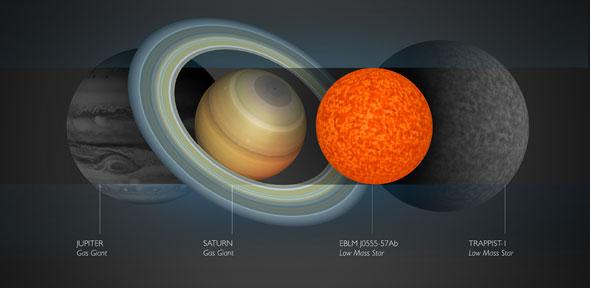
TRAPPIST-1A is a middle-aged, ultra-cool dwarf star, much less luminous than the Sun and only a bit larger than Jupiter. The star, which is nearly 40 light years away in the constellation of Aquarius, is named after the ground-based Transiting Planets and Planetesimals Small Telescope (TRAPPIST), the facility that first found evidence of planets around it in 2015.

The TRAPPIST survey is led by Michaël Gillon of the University of Liège, Belgium, who is also a co-author on this research. In 2016, Gillon’s team announced the detection of three planets orbiting TRAPPIST-1 and this number was upped to seven in a paper published earlier this year. All seven planets are deemed temperate, meaning that under certain geologic and atmospheric conditions, water could exist in a liquid form. Three of the planets are particularly optimal. In addition the TRAPPIST-1 system is currently the most convenient to remotely explore the atmospheres of planets with sizes similar to Earth.

Such exoplanets are detected when they transit, or pass in front of, their host star, blocking a measurable portion of the light. “We only captured one transit of TRAPPIST-1h last autumn. However, the resonant pattern formed by the other six planets, and the time TRAPPIST-1h takes to pass in front of its star, allowed the team to deduce its orbital period with a precision of a few minutes,” said co-author Amaury Triaud, a Kavli Exoplanet fellow Amaury Triaud at Cambridge’s Institute of Astronomy. “This is absolutely remarkable! TRAPPIST-1h represents a perfect illustration of the power of the scientific method, of its ability to make predictions that can later be verified.”

The inner six planets occupy orbits consistent with being in ‘resonance’. All orbital periods are mathematically related and slightly influence each other. Orbital resonances can also be found in our solar system. For instance, Jupiter’s moons Io, Europa and Ganymede are set in a 1:2:4 resonance, meaning that while Ganymede orbits Jupiter once, Europa does so twice, and Io four times. The prediction of TRAPPIST-1h’s orbital period principally relied on extrapolating the known resonant configuration of the inner six planets, to the seventh. This prediction was later confirmed.

The team analysed 79 days of observation data from K2, the second mission of the Kepler Space Telescope, and was able to recover four transits of TRAPPIST-1h across its star. The K2 data was also used to further characterize the orbits of the other six planets, help rule out the presence of additional transiting planets, and learn the rotation period and activity level of the star.

TRAPPIST-1’s seven-planet chain of resonances establishes a record among known planetary systems. The resonances strengthen the long-term stability of the planetary system. It is also likely that these orbital connections were forged early in the life of the TRAPPIST-1 system, when the planets and their orbits were not fully formed.

“Observing TRAPPIST-1 with K2 was an ambitious task,” said Marko Sestovic, a PhD student at the University of Bern and second author of the study. In addition to the complicated signals introduced by the spacecraft’s wobble, the faintness of the star in the optical (the range of wavelengths where K2 observes) placed TRAPPIST-1h “near the limit of what we could detect with K2,” he said. To make matters worse, Sestovic said, one transit of the planet coincided with a transit of TRAPPIST-1b, and one happened during a stellar flare, adding to the difficulty of the observation. “Finding the planet was really encouraging,” Luger said, “since it showed we can still do high-quality science with Kepler despite significant instrumental challenges.”

The research was funded by the NASA Astrobiology Institute via the UW-based Virtual Planetary Laboratory as well as a National Science Foundation Graduate Student Research Fellowship, the Swiss National Science Foundation, the European Research Council and the UK Science and Technology Facilities Council, among other agencies. This work was partially supported by a grant from the Simons Foundation.

Based on a press release by the University of Washington.

Reference:
Rodrigo Luger et al. ‘A seven-planet resonant chain in TRAPPIST-1.’ Nature Astronomy (2017). DOI: 10.1038/s41550-017-0129


Creative Commons License
The text in this work is licensed under a Creative Commons Attribution 4.0 International License. For image use please see separate credits above.

Brains or Beauty? People Perceive Attractive Scientists As More Interesting But Less Able, Studies Show

Brains or beauty? People perceive attractive scientists as more interesting but less able, studies show

source: www.cam.ac.uk

If you think of good science communicators, it’s likely that the names Brian Cox, Alice Roberts or Neil deGrasse Tyson may come to mind. But do you consider them good science communicators because they look competent or because they are attractive?

We know from studies showing that political success can be predicted from facial appearance, that people can be influenced by how someone looks rather than, necessarily, what they say. We wanted to see if this was true for scientists

Will Skylark

A new study published today in Proceedings of National Academy of Sciences (PNAS) from researchers at the University of Cambridge and the University of Essex suggests that when it comes to judging scientists, we are more likely to find an attractive scientist interesting, but more likely to consider their less attractive colleagues to be better scientists.

“Given the importance of science to issues that could have a major impact on society, such as climate change, food sustainability and vaccinations, scientists are increasingly required to engage with the public,” says Dr Will Skylark from the Department of Psychology at the University of Cambridge, who led the study. “We know from studies showing that political success can be predicted from facial appearance, that people can be influenced by how someone looks rather than, necessarily, what they say. We wanted to see if this was true for scientists.”

Dr Skylark and colleagues randomly sampled the faces of scientists from the Physics and Genetics departments at US universities (108 scientists for each field), and then from the Physics and Biological Sciences departments at UK universities (200 scientists for each field) for replication studies.

In the first set of studies, the team asked one group to rate the faces on a variety of traits, such as how intelligent the individual looked, how attractive they were, and their perceived age. Then, two other groups of participants indicated how interested they would be in finding out more about each scientist’s research or how much the person looked like someone who conducts accurate and important research.

The researchers found that people were more interested in learning about the work of scientists who were physically attractive and who appeared competent and moral. Interest was also slightly stronger for older scientists, and slightly lower for females. There was no difference in interest between white and non-white scientists.

However, when it came to judging whether a scientist does high-quality work, people tended to associate this with an individual’s apparent competence and morality – and the more attractive and sociable they were perceived to be, the less people considered them to look like a scientist who conducts good research.

The researchers next investigated whether facial appearance affects people’s choices about which science to engage with by pairing the titles of real science-news stories with faces that had received low or high interest judgments in the first part of the study.

Participants were more likely to choose research that was paired with a photo of an interesting-looking scientist. This bias was present both for male and female scientists, physics and biology news stories, and both video and text formats.

Next, the participants were told that they would read articles from a new magazine section comprising profiles of people discussing their interests and work. The articles were adapted from news websites to make them appear like the scientist was describing his or her own work to a general audience. Participants read two articles, each presented with a photo of its putative author – one with a high ‘good scientist’ rating in the first study and one with a low rating.

Research that was paired with the photo of a ‘good scientist’ was judged to be higher quality, irrespective of the scientist’s gender and discipline – although the effect was small. In addition, quality judgments were higher for physics articles than for biology articles. A similar study found that the attractiveness of the scientist had only a small effect on the perceived quality of their research.

“It seems that people use facial appearance as a source of information when selecting and evaluating science news,” says Dr Skylark. “It’s not yet clear how much this shapes the spread and acceptance of scientific ideas among the public, but the rapid growth in visual media means it may be an increasingly important issue.”

Reference
Gheorghiu, AI, Callan, M and Skylark, WJ. Facial appearance affects science communication. PNAS; DOI: 10.1073/pnas.1620542114


Creative Commons License
The text in this work is licensed under a Creative Commons Attribution 4.0 International License. For image use please see separate credits above.

‘Saddle-Shaped’ Universe Could Undermine General Relativity

‘Saddle-shaped’ universe could undermine general relativity

source: www.cam.ac.uk

Researchers have shown how singularities – which are normally only found at the centre of black holes and hidden from view – could exist in highly curved three-dimensional space.

It’s a bit like having spacetime in a box.

Toby Crisford

The researchers, from the University of Cambridge, have used computer simulations to predict the existence of a so-called naked singularity, which interferes with Einstein’s general theory of relativity. This is the first time that a naked singularity, which causes the laws of physics to break down, has been predicted in three-dimensional space. The findings are reported in the journal Physical Review Letters.

Einstein’s general theory of relativity underpins our current understanding of gravity: everything from the estimation of the age of the stars in the universe, to the GPS signals we rely on to help us navigate, is based on his equations. In part, the theory tells us that matter warps its surrounding spacetime, and what we call gravity is the effect of that warp. In the 100 years since it was published, general relativity has passed every test that has been thrown at it, but one of its limitations is the existence of singularities.

A singularity is a point where gravity is so intense that space, time, and the laws of physics, break down. General relativity predicts that singularities exist at the centre of black holes, and that they are surrounded by an event horizon – the ‘point of no return’, where the gravitational pull becomes so strong that escape is impossible, meaning that they cannot be observed from the outside.

For more than 40 years, mathematicians have proposed that whenever singularities form, they will always be hidden from view in this way – this is known as the ‘cosmic censorship conjecture.’ If true, cosmic censorship means that outside of black holes, these singularities have no measurable effect on anything, and the predictions of general relativity remain valid.

In recent years, researchers have used computer simulations to predict the existence of ‘naked singularities’ – that is, singularities which exist outside an event horizon. Naked singularities would invalidate the cosmic censorship conjecture and, by extension, general relativity’s ability to explain the universe as a standalone theory. However, all of these predictions have been modelled on universes which exist in higher dimensions. For example, in 2016, two Cambridge PhD students predicted the existence of a naked singularity, but their predictions were based on a five-dimensional universe.

The new research, by Toby Crisford and Jorge Santos from Cambridge’s Department of Applied Mathematics and Theoretical Physics, has predicted the existence of a naked singularity in a four-dimensional universe – three spatial dimensions, plus time – for the first time.

Their predictions show that a naked singularity can form in a special kind of curved space known as anti-de Sitter space, in which the universe has a distinctive ‘saddle’ shape. According to general relativity, universes can have various shapes, and anti-de Sitter space is one of these possible shapes.

Anti-de Sitter space has a very different structure to flat space. In particular it has a boundary which light can reach, at which point it is reflected back. “It’s a bit like having a spacetime in a box,” said Crisford. “At the boundary, the walls of the box, we have the freedom to specify what the various fields are doing, and we use this freedom to add energy to the system and eventually force the formation of a singularity.”


While the results are not directly applicable to our universe, as ‘forcing’ a singularity is not a procedure which is possible to simulate in flat space, they do open up new opportunities to study other theories to understand the universe. One such theory could involve quantum gravity, which provides new equations close to a singularity.

“The naked singularity we see is likely to disappear if we were to include charged particles in our simulation – this is something we are currently investigating,” said Santos. “If true, it could imply a connection between the cosmic censorship conjecture and the weak gravity conjecture, which says that any consistent theory of quantum gravity must contain sufficiently charged particles. In anti-de Sitter space, the cosmic censorship conjecture might be saved by the weak gravity conjecture.”

Inset image: Image of (1 + 1)-dimensional anti-de Sitter space embedded in flat (1 + 2)-dimensional space. Credit: Wikimedia Commons.

Reference:
Toby Crisford and Jorge E. Santos. ‘Violating the Weak Cosmic Censorship Conjecture in Four-Dimensional Anti–de Sitter Space.’ Physical Review Letters (2017). DOI: 10.1103/PhysRevLett.118.181101. 


Creative Commons License
The text in this work is licensed under a Creative Commons Attribution 4.0 International License. For image use please see separate credits above.

Scientists Construct a Stable One-Dimensional Metallic Materials

Scientists construct a stable one-dimensional metallic materials

source: www.cam.ac.uk

Researchers have developed the world’s thinnest metallic nanowire, which could be used to miniaturise many of the electronic components we use every day.

We’re just starting to understand the physics and chemistry of these systems.

Paulo Medeiros

The researchers, from the Universities of Cambridge and Warwick, have developed a wire made from a single string of tellurium atoms, making it a true one-dimensional material. These one-dimensional wires are produced inside extremely thin carbon nanotubes (CNTs) – hollow cylinders made of carbon atoms. The finished ‘extreme nanowires’ are less than a billionth of a metre in diameter – 10,000 times thinner than a human hair.

A single string of atoms is as small as materials based on elements in the periodic table can get, making them potentially useful for semiconductors and other electronic applications. However, these strings can be unstable, as their atoms are constantly vibrating and, in the absence of a physical constraint, they can end up morphing into some other structure or disintegrating entirely.

According to the Cambridge researchers, encapsulating the nanowires is not only a useful method of making stable one-dimensional (1D) materials, it may be necessary to prevent them from disintegrating. The researchers have also shown that it is possible to alter the shape and electronic behaviour of the nanowires by varying the diameters of the tubes which encapsulate them. Their results are reported in the journal ACS Nano.

To make electronics faster and more powerful, more transistors need to be squeezed onto semiconductor chips. For the past 50 years, the number of transistors on a single chip has doubled every two years – this is known as Moore’s law. However, we are getting close to the limit of how small a transistor can be before quantum effects associated with individual atoms and electrons start to interfere with its normal operation. Researchers are currently investigating various ways of keeping up with Moore’s law, and in turn keeping up with our desire for faster, cheaper and more powerful electronics. One-dimensional materials could be one of the solutions to the challenge of miniaturisation.

The Cambridge researchers first used computer simulations to predict the types of geometric structures that would form if tellurium atoms were injected into nanotubes, and found that 1D wires could exist in such a scenario.

Later, lab-based tests, using the most advanced techniques for the synthesis and atomic-resolution visualisation of such extreme materials, were performed by the Warwick researchers to confirm the theoretical predictions. Not only were the researchers able to successfully ‘build’ stable 1D wires, but they found that changing the diameter of the nanotubes lead to changes in the properties of tellurium.

Tellurium normally behaves as a semiconductor, but when injected into carbon nanotubes and confined to one dimension, it starts behaving like a metal. Additionally, while the confinement provided by the CNTs can induce drastic changes in the way that tellurium behaves, the nanotubes themselves do not interact in any other way with the tellurium nanowires.

“When working with materials at very small scales such as this, the material of interest typically needs to be deposited onto a surface, but the problem is that these surfaces are normally very reactive,” said Paulo Medeiros of Cambridge’s Cavendish Laboratory, and the paper’s first author. “But carbon nanotubes are chemically quite inert, so they help solve one of the problems when trying to create truly one-dimensional materials.

“However, we’re just starting to understand the physics and chemistry of these systems – there’s still a lot of basic physics to be uncovered.”

Reference:
Paulo V. C. Medeiros et al. ‘Single-Atom Scale Structural Selectivity in Te Nanowires Encapsulated Inside Ultranarrow, Single-Walled Carbon Nanotubes.’ ACS Nano (2016). DOI: 10.1021/acsnano.7b02225


Creative Commons License
The text in this work is licensed under a Creative Commons Attribution 4.0 International License. For image use please see separate credits above.

Centre For the Future of Intelligence Joins International Coalition for Safe and beneficial AI

Centre for the Future of Intelligence joins international coalition for safe and beneficial AI

source: www.cam.ac.uk

The Leverhulme Centre for the Future of Intelligence (CFI), a Cambridge-based research Centre exploring the nature and impact of Artificial Intelligence (AI), is joining the Partnership on AI to Benefit People and Society (Partnership on AI), it was announced this evening.

With AI advancing rapidly, we need a broad coalition to manage its impact for the good of all.

Stephen Cave

The Partnership is a not-for-profit organisation dedicated to collaboration and open dialogue on the opportunities and challenges of AI. Its founding members included Amazon, Apple, Google/DeepMind, Facebook, IBM and Microsoft.

CFI’s Executive Director, Dr Stephen Cave, said: “With AI advancing rapidly, we need a broad coalition to manage its impact for the good of all. The Partnership on AI is a much-needed and timely development, bringing together the leading companies driving the technology, and an increasingly wide range of other groups, including non-profit and academic institutions, such as our Centre based at the University of Cambridge.”

As well as CFI, twenty other organisations have joined The Partnership on AI, including UNICEF and Sony.

The Partnership’s goals are to study and formulate best practices on the development, testing, and fielding of AI technologies, advancing the public’s understanding of AI, to serve as an open platform for discussion and engagement about AI and its influences on people and society and identify and foster aspirational efforts in AI for socially beneficial purposes.

The Partnership on AI was actively designed to bring together a diverse range of voices from for-profit and non-profit, all of whom share the belief in the tenets, and are committed to collaboration and open dialogue on the many opportunities and rising challenges around AI.

Added Cave: “At CFI, we strongly share the Partnership’s mission to ensure that AI develops in a way that is safe, responsible and fair. We are therefore delighted to be joining the Partnership on AI, alongside other organisations including UNICEF, Human Rights Watch, and our partners in Oxford, the Future of Humanity Institute.

“We hope that being a member will provide us with new allies and opportunities in what is likely to be one of the great challenges of the 21st century, and hope to be able to contribute the insight and analysis of our highly interdisciplinary team.”

CFI is a collaboration between the Universities of Cambridge and Oxford, Imperial College London and the University of California at Berkeley and is funded by an unprecedented £10 million grant from the Leverhulme Trust.

Its mission is to create the interdisciplinary community that will be needed to make the AI revolution go as well as possible for humanity. At the Centre’s launch in Cambridge last October, Professor Stephen Hawking said: “The rise of powerful AI will be either the best, or the worst thing, ever to happen to humanity. We do not yet know which. The research done by this centre will be crucial to the future of our civilisation and of our species.”

You can find out more about CFI at www.lcfi.ac.uk and @LeverhulmeCFI. You can find out more about the Partnership on AI at: www.partnershiponai.org/the-latest/ and @PartnershipAI


Creative Commons License
The text in this work is licensed under a Creative Commons Attribution 4.0 International License. For image use please see separate credits above.

Scientists Publish First Comprehensive Map of Proteins Within Cells

Scientists publish first comprehensive map of proteins within cells

source: www.cam.ac.uk

The first analysis of how proteins are arranged in a cell has been published today in Science, revealing that a large portion of human proteins can be found in more than one location in a given cell.

We have created the most detailed map of how proteins are arranged in a cell

Kathryn Lilley

Using the Sweden-based Cell Atlas, researchers examined the spatial distribution of the human proteome (the entire complement of proteins that make up the human body) that correspond to the majority of protein-coding genes. They described in unprecedented detail the distribution of proteins within the various substructures of the human body’s smallest unit, the cell.

Our cells contain ‘organelles’ – specialised substructures that carry out specific functions. These create partitions that form an enclosed environment for chemical reactions tailored to fulfill these functions. Since these functions are tightly linked to specific sets of proteins, knowing the subcellular location of the human proteome is key to understanding the function and underlying mechanisms of the human cell.

The study was led by Emma Lundberg, associate professor at KTH Royal Institute of Technology and responsible for the High Content Microscopy facility at the Science for Life Laboratory (SciLifeLab) in Stockholm, Sweden. The team generated more than 300,000 images to systematically resolve the spatial distribution of human proteins in cultivated cell lines, and map them to cellular compartments and substructures with single cell resolution.

The Cell Atlas is the result of more than 10 years of research within the Human Protein Atlas programme, and was launched in December 2016. The article in Science describes the detailed analysis of hundreds of thousands of images created as part of this international effort, which also involved groups in the China, South Korea, India, Denmark, and Germany.

“Only by studying the molecular components of the body’s smallest functional unit – the cell – can we reach a full understanding of human biology,” says KTH Professor Mathias Uhlen, director of the Human Protein Atlas.

The published article also includes a comparative study performed by Professor Kathryn Lilley, director of the Cambridge Centre for Proteomics, at Cambridge University, UK, which enabled the antibody-based immunofluorescence (IF) microscopy analysis to be validated by an alternative mapping strategy that used mass spectrometry, hyperLOPIT.

A total of 12,003 proteins targeted by 13,993 antibodies were classified into one or several of 30 cellular compartments and substructures, altogether defining the proteome of 13 major organelles. The organelles with the largest proteomes were the cytosol (4,279) and the nucleus (6,930) and its substructures, such as bodies and speckles.

Importantly, about one-half of the proteins are found in more than one compartment revealing a shared pool of proteins in functionally unrelated parts of the cell. This finding sheds new light on the complexity of cells.

”We have created the most detailed map of how proteins are arranged in a cell using two different high throughput approaches: high content imaging and spatial proteomics,” says Professor Lilley. ”Interestingly, we show a large proportion of human proteins can be found in more than one location in a given cell, overturning many pre-conceptions of how the cell operates.

”The Cell Atlas now provides us with new knowledge that will enable us to explore the functions of individual proteins and their role in human biology and disease.”

The Cell Atlas is an open access resource that can be used by researchers around the world to study proteins or organelles of interest. “The Atlas enables systems biology and cell modeling applications, and it is also a highly valuable resource for machine learning applications in image pattern recognition,” says Lundberg.

Image

  • Left: In epidermoid carcinoma cells, that the protein SON (green) is localising into nuclear speckles, a substructure in the nucleus.
  • Right : SEPT9 (green) localizes to actin filaments in epidermoid carcinoma cells.

Reference
​Thul, PJ et al. A subcellular map of the human proteome. Science; 11 May 2017; DOI: 10.1126/science.aal3321

Adapted from a press release from KTH Royal Institute of Technology in Stockholm.

Marmoset Study Provides Clues to Link Between Mental Health Disorders and Heart Disease

Marmoset study provides clues to link between mental health disorders and heart disease

source: www.cam.ac.uk

A team of researchers at Cambridge has identified how areas of the brain govern both our emotions and our heart activity, helping explain why people with depression or anxiety have an increased risk of cardiovascular disease.

We now see clearly that these brain regions control aspects of heart function as well as emotions. This helps our understanding of emotional disorders, which involve a complicated interplay between brain and body

Hannah Clarke

The study, carried out in marmosets, highlights why non-human primates can be an important model in addition to rodents for understanding brain disorders in humans.

Changes in heart rate and blood pressure such as the ‘fight or flight’ response are a normal part of our emotional reactions. However, it is well known that people with depression or anxiety have an increased risk of heart disease along with distressing negative emotional states. The reasons why have remained unclear.

Now, in a study published in the Proceedings of National Academy of Sciences (PNAS), Dr Hannah Clarke and colleagues from the University of Cambridge and Cambridgeshire & Peterborough NHS Foundation Trust have discovered a link between two key areas of the brain and emotional responses. They also show that our brains control our cardiovascular response – changes in our heart patterns and blood pressure – to emotional situations.

To carry out the study, the researchers used marmosets with small metal tubes implanted into specific brain regions in order to administer drugs that reduce activity temporarily in that brain region. This enabled the researchers to show which regions caused particular responses. The marmosets rapidly adapt to these implants and remain housed with their partners throughout the study.

In the first task, the marmosets were presented with three auditory cues: one that was followed by a mildly aversive stimulus (a loud noise), one that was followed by a non-aversive stimulus (darkness), and one where the subsequent stimulus had a 50/50 chance of being either a loud noise or darkness. The task lasted just 30 minutes and they were exposed to this task a maximum of five days a week over a few months.

As the marmoset began to understand the cues, the researchers observed that the monkey’s heart rate and blood pressure increased in anticipation of the loud noise, and the monkey began to look around more (known as ‘vigilant scanning’). However, the team found that turning off one region (known as Area 25 – the subgenual cingulate cortex) of the prefrontal cortex in the marmosets made them less fearful: their heart rate and blood pressure did not change and they became less vigilant.

In a second task, adapted from a common rodent test of emotion, the team studied the ability of marmosets to regulate their emotional responses. In a single session of thirty minutes, an auditory cue was presented on seven occasions, and each time it was accompanied by a door opening and the marmoset being presented with a rubber snake for five seconds. As marmosets are afraid of snakes they developed similar cardiovascular and behavioural responses to the auditory cue associated with the snake as they did to the cue associated with loud noise. The next day, to break the link between the cue and snake, the researchers stopped showing the marmoset the snake when the cue was sounded.

In this task, inactivating Area 25 meant that the marmoset was quicker to adapt: once the link between the auditory cue and the snake was broken, the marmosets quickly became less fearful in response to the cue, with their cardiovascular and behavioural measurements returning to baseline faster than normal.

In both tasks, inactivating another region (Area 32 – the perigenual cingulate cortex) made normal fearful responses spread to non-threatening situations: the marmosets became less able to discriminate between fearful and non-fearful cues, showing heightened blood pressure and vigilant scanning to both. This is a characteristic of anxiety disorders.

Marmoset brain with Areas 25 and 32 highlighted

“We now see clearly that these brain regions control aspects of heart function as well as emotions,” says Dr Clarke. “This helps our understanding of emotional disorders, which involve a complicated interplay between brain and body.”

Previous studies of anxiety and depression in humans have shown altered activity in comparable brain regions to the marmosets. However, as it is not possible to manipulate the brain regions in humans, it was not previously possible to say whether these brain regions were responsible for the alterations in behaviour and cardiovascular activity, or alternatively whether the changes in brain activity were caused by such alterations.

However, although these marmoset findings provide insight into the mechanisms underlying results from human brain imaging studies, they are opposite to those seen in rats.  This is despite the use of similar experimental tasks and the manipulation of regions of the brain that are thought to be equivalent across the species; in rats, inactivation of the brain regions considered analogous to areas 25 and 32 increase and decrease fear respectively.

The researchers believe these differences are likely to be a result of the more complex prefrontal cortex found in primates such as monkeys and humans.

Animals are only used in research where no other alternatives are available, and researchers always use the most appropriate species. In the vast majority of cases, this involves using mice, rats and zebrafish. Sometimes, however, it is necessary to use species that are closer to humans. While rodents can provide a good model for exploring and understanding many aspects of behaviour, the researchers argue that this study highlights how monkeys can help provide a more detailed and specific understanding of how our brains work.

“Our work highlights the importance of research using marmosets in understanding human conditions that affect many millions of people worldwide,” says Dr Clarke. “Studies using animals such as rats are important for providing insights into behaviour and disease, but for some areas of research, monkeys have greater relevance because their brains are much closer in structure to ours.”

The research was partly-funded by the Wellcome Trust.

Reference
Wallis, CU et al. Opposing roles of primate areas 25 and 32 and their putative rodent homologs in the regulation of negative emotion. PNAS; 1 May 2017; DOI: 10.1073/pnas.1620115114


Creative Commons License
The text in this work is licensed under a Creative Commons Attribution 4.0 International License. For image use please see separate credits above.

Study Highlights Growing Significance of Cryptocurrencies

Study highlights growing significance of cryptocurrencies

source: www.cam.ac.uk

More than 3 million people (three times previous estimates) are estimated to be actively using cryptocurrencies like bitcoin, finds the first global cryptocurrency benchmarking study by the Cambridge Centre for Alternative Finance.

While many members of the general public may have heard of “bitcoin”, the first decentralised cryptocurrency launched in 2009, a new report from the Cambridge Centre for Alternative Finance (CCAF) paints a broader picture of “cryptocurrencies”.

The report shows that cryptocurrencies – broadly defined as digital assets using cryptography to secure transactions between peers without the need for a central bank or other authority performing that role – are increasingly being used, stored, transacted and mined around the globe.

The Global Cryptocurrency Benchmarking Study gathered data from more than 100 cryptocurrency companies in 38 countries, capturing an estimated 75 per cent of the cryptocurrency industry.

Prior to this research, little hard data existed on how many people around the world actively use cryptocurrencies. The conventional wisdom has been that the number of people using bitcoin and other cryptocurrencies was around 1 million people; however, based on newly collected data, including the percentage of the estimated 35 million cryptocurrency “wallets” (software applications that store cryptocurrencies) that are in active use, the CCAF research team estimates that there at least 3 million people actively using cryptocurrency today.

While bitcoin remains the dominant cryptocurrency both in terms of market capitalisation and usage, it has conceded market cap share to other cryptocurrencies – declining from 86 per cent to 72 per cent in the past two years.

The study by the CCAF at Cambridge Judge Business School breaks down the cryptocurrency industry into four key sectors – exchanges, wallets, payments, and mining. Highlights of the findings are:

Exchanges

Cryptocurrency exchanges provide on-off ramps to cryptocurrency systems by offering services to users wishing to buy or sell cryptocurrency.  This sector was the first to emerge in the cryptocurrency industry, and has the most operating entities and employs the most people. Currently, about 52 per cent of small exchanges hold a formal government license, compared to only 35 per cent of large exchanges.

Wallets

Wallets have evolved from simple software programs to sophisticated applications that offer a variety of technical features and services. As a result, the lines between wallets and exchanges are increasingly blurred, with 52 per cent of wallets providing an integrated currency exchange feature.

Payments

Cryptocurrency payment companies generally act as gateways between cryptocurrency users and the broader economy, bridging national currencies and cryptocurrencies. They can fit into two broad categories: firms that use cryptocurrency primarily as a “payment rail” for fast and efficient cross-border transactions, and firms that facilitate the use of cryptocurrency for both users and merchants. The study found that the size of the average business-to-business cryptocurrency payment ($1,878) dwarfs peer-to-peer and consumer-to-business cryptocurrency payments.

Mining

In the absence of a central authority, cryptocurrencies are created by a process called “mining” – usually the performance of a large number of computations to solve a cryptographic “puzzle”. The study shows how cryptocurrency mining has evolved from a hobby activity into a professional, capital-intensive industry in which bitcoin miners earned more than $2 billion in mining revenues since 2009. The cryptocurrency mining map indicates that a significant proportion of publicly known mining facilities are concentrated in certain Chinese provinces.

The study found that more than 1,800 people are now working full time in the cryptocurrency industry, as more companies are engaged across various cryptocurrency sectors.

“Cryptocurrencies such as bitcoin have been seen by some as merely a passing fad or insignificant, but that view is increasingly at odds with the data we are observing,” says Dr Garrick Hileman, Research Fellow at the Cambridge Centre for Alternative Finance (CCAF) at Cambridge Judge Business School, who co-authored the study with Michel Rauchs, Research Assistant at CCAF.

“Currently, the combined market value of all cryptocurrencies is nearly $40 billion, which represents a level of value creation on the order of Silicon Valley success stories like Airbnb,” Dr Hileman says in a foreword to the study. “The advent of cryptocurrency has also sparked many new business platforms with sizable valuations of their own, along with new forms of peer-to-peer economic activity.”


Creative Commons License
The text in this work is licensed under a Creative Commons Attribution 4.0 International License. For image use please see separate credits above.
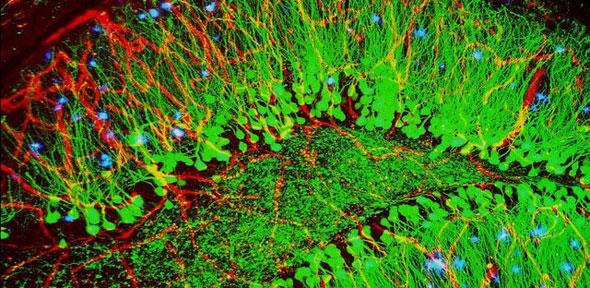
Cambridge Spin-Out Raises £7 Million to Develop Treatments For Lung Disease

Cambridge spin-out raises £7 million to develop treatments for lung disease

source: www.cam.ac.uk

A University of Cambridge spin-out company has raised £7 million in new funding, which will help in the development of treatments for liver and lung disease.

The company, Z Factor Limited, was founded by Professor Jim Huntington of the Cambridge Institute for Medical Research. The new funding has come from existing investor Medicxi, as well as Cambridge Innovation Capital and Cambridge Enterprise, the University’s commercialisation arm.

Z Factor is developing new treatments for Alpha-1-Antitrypsin Deficiency (AATD). AATD, which is a significant cause of liver and lung disease, results from a defect in the gene encoding Alpha-1-antitrypsin, a type of protein. Individuals with two defective copies of the gene, making up around 1 in 2000 of the Western population, typically develop emphysema starting in their 30s. They are also at an increased risk of developing liver diseases such as cirrhosis and cancer. Around 2% of people have one defective copy of this gene, and are at five-fold increased risk of developing Chronic Obstructive Pulmonary Disease (COPD) as they age.

The most common mutation causing AATD is called the Z mutation, which disrupts the normal folding of the protein. Professor Huntington and his team obtained the crystallographic structure of this mutant form of Alpha-1-antitrypsin, which allowed for the first time the rational design of drugs that could correct folding and prevent the development of associated diseases. These small-molecule drugs act like molecular ‘chaperones’ for the defective protein, accelerating folding to the correct state.

Cambridge Enterprise helped in Z Factor’s formation in 2015, licensing key intellectual property to the company. The company has already identified dozens of molecules that can correct the folding defect caused by the Z mutation, and shown that some of these drug candidates can increase Alpha-1-antitrypsin levels in an in vivo model of AATD.

Z Factor is now working to select the best molecules for use as a drug in human trials. The company expects to reach the clinic with its lead candidate in 2019.

“We are delighted to work once again with Cambridge Enterprise to ensure this exciting basic science is rapidly and efficiently translated into new medicines for a surprisingly common and debilitating cause of liver and lung disease,” said David Grainger, Partner at Medicxi and Executive Chairman at Z Factor.

Following closely on the announcement of investments in ApcinteX and SuperX earlier this year, the Z Factor Series A brings the total raised during 2017 by companies founded by Professor Huntington, one of Cambridge’s most successful serial entrepreneurs, to almost £30 million. “Jim is a leading academic innovator and Z Factor is dedicated to developing a therapy that will address a serious unmet medical need,” said Christine Martin from Cambridge Enterprise, and a Director at Z Factor.


Creative Commons License
The text in this work is licensed under a Creative Commons Attribution 4.0 International License. For image use please see separate credits above.

Measuring Ripples in the Cosmic Web

Measuring ripples in the cosmic web

source: www.cam.ac.uk

Astronomers have made the first measurements of small-scale fluctuations in the cosmic web 2 billion years after the Big Bang. These measurements were conducted using a novel technique which relies on the light of quasars crossing the cosmic web along adjacent lines of sight.

One of the biggest challenges was developing the mathematical and statistical tools to quantify the tiny differences we measure in this new kind of data

Alberto Rorai

The most barren regions of the Universe are the far-flung corners of intergalactic space. In these vast expanses between the galaxies there are only a few atoms per cubic metre – a diffuse haze of hydrogen gas left over from the Big Bang. Viewed on the largest scales, this diffuse material nevertheless accounts for the majority of atoms in the Universe.  It fills the cosmic web, with its tangled strands spanning billions of light years.

Now a team of astronomers, including Alberto Rorai and Girish Kulkarni, from the University of Cambridge’s Institute of Astronomy and Kavli Institute, have made the first measurements of small-scale ripples in this primeval hydrogen gas. Although the regions of cosmic web they studied lie nearly 11 billion light years away, they were able to measure variations in its structure on scales a hundred thousand times smaller, comparable to the size of a single galaxy. Their results appear in the journal Science.

Intergalactic gas is so tenuous that it emits no light of its own. Instead astronomers study it indirectly by observing how it selectively absorbs the light coming from faraway sources known as quasars. Quasars constitute a brief hyperluminous phase of the galactic life-cycle, powered by the infall of matter onto a galaxy’s central supermassive black hole.

Quasars act like cosmic lighthouses — bright, distant beacons that allow astronomers to study intergalactic atoms residing between the quasars’ location and Earth. But because these hyperluminous episodes last only a tiny fraction of a galaxy’s lifetime, quasars are correspondingly rare in the sky, and are typically separated by hundreds of millions of light years from each other.

To probe the cosmic web on much smaller length scales, the astronomers exploited a fortuitous cosmic coincidence: they identified exceedingly rare pairs of quasars, right next to each other in the sky, and measured subtle differences in the absorption of intergalactic atoms measured along the two sightlines.

Schematic representation of the technique used to probe the small-scale structure of the cosmic web using light from a rare quasar pair Credit: Springel at al/J. Neidel MPIA 

Rorai, lead author of the study, says “One of the biggest challenges was developing the mathematical and statistical tools to quantify the tiny differences we measure in this new kind of data”. Rorai developed these tools as part of the research for his doctoral degree, and applied his tools to spectra of quasars obtained with the largest telescopes in the world. These included the 10m diameter Keck telescopes at the summit of Mauna Kea in Hawaii, as well as ESO’s 8m diameter Very Large Telescope on Cerro Paranal, and the 6.5m diameter Magellan telescope at Las Campanas Observatory, both located in the Chilean Atacama Desert.

The astronomers compared their measurements to supercomputer models that simulate the formation of cosmic structures from the Big Bang to the present. “The input to our simulations are the laws of Physics and the output is an artificial Universe which can be directly compared to astronomical data. I was delighted to see that these new measurements agree with the well-established paradigm for how cosmic structures form.” says Jose Oñorbe, from the Max Planck Institute for Astronomy in Heidelberg, who led the supercomputer simulation effort. On a single laptop, these complex calculations would have required almost a thousand years to complete, but modern supercomputers enabled the researchers to carry them out in just a few weeks.

Joseph Hennawi, professor of physics at UC Santa Barbara who led the search for these rare quasar pairs, explains: “One reason why these small-scale fluctuations are so interesting is that they encode information about the temperature of gas in the cosmic web just a few billion years after the Big Bang.”

Astronomers believe that the matter in the Universe went through phase transitions billions of years ago, which dramatically changed its temperature. These phase transitions, known as cosmic reionization, occurred when the collective ultraviolet glow of all stars and quasars in the Universe became intense enough to strip electrons off the atoms in intergalactic space. How and when reionization occurred is one of the biggest open questions in the field of cosmology, and these new measurements provide important clues that will help narrate this chapter of cosmic history.

Reference
Rorai, A et al. Measurement of the small-scale structure of the intergalactic medium using close quasar pairs. Science; 28 Apr 2017; DOI: 10.1126/science.aaf9346


Creative Commons License
The text in this work is licensed under a Creative Commons Attribution 4.0 International License. For image use please see separate credits above.
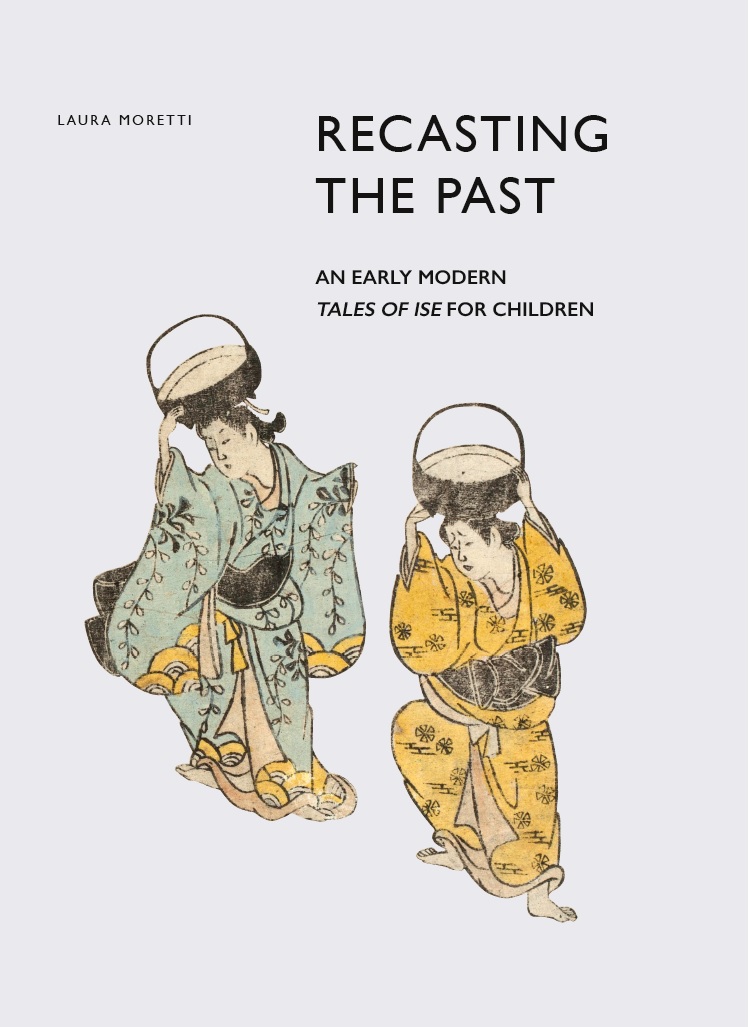
Study Identifies Hundreds of Genes That Influence Timing of Puberty and Alter Risk of Several Cancers

Study identifies hundreds of genes that influence timing of puberty and alter risk of several cancers

source: www.cam.ac.uk

The largest genomic analysis of puberty timing in men and women conducted to date has identified 389 genetic signals associated with puberty timing, four times the number that were previously known.

Our findings highlight the remarkable biological complexity of puberty timing, with likely thousands of genetic factors, in combination with numerous environmental triggers, acting together to control the timing of this key transition from childhood to adult life

John Perry

The study, published today in Nature Genetics and led by researchers from the Medical Research Council (MRC) Epidemiology Unit at the University of Cambridge and other scientists in the international ReproGen consortium, also found new genetic evidence linking earlier timing of puberty to higher risk of several cancers known to be sensitive to sex-hormones in later life, including breast, ovary and endometrial cancers in women, and prostate cancer in men. These influences remained after controlling for body weight, which is important as body weight itself influences both the timing of puberty and the risk of some cancers.

Dr John Perry, Senior Investigator Scientist from the MRC Epidemiology Unit and senior author on the paper, says: “Previous studies suggested that the timing of puberty in childhood was associated with risks of disease decades later, but until now it was unclear if those were circumstantial observations, for example secondary to other factors such as body weight.

“Our current study identifies direct causal links between earlier puberty timing itself and increased cancer risk. This link could possibly be explained by higher levels of sex hormones throughout life, but we need to do more work to understand the exact mechanisms involved. We aim to understand these disease links and thereby contribute to the prevention of diseases in later life.”

The timing of puberty varies widely between individuals but tends to run closely within families. Earlier puberty timing may have advantages for some adolescents, for example for boys who engage actively in sports, but it appears to have largely negative effects on later health, such as higher risks of heart disease and some cancers.

By performing detailed assessments of genetic variants across the whole genome in 329,345 women, comprising data from 40 studies in the ReproGen consortium, UK Biobank, and consented 23andMe customers, this study identified 389 independent genetic signals for age at puberty in women. This observation was then confirmed in a further 39,543 women from the deCODE study, Iceland. Many of these genetic associations were also found to influence age at voice breaking, a comparable measure of puberty timing in men.

These findings shed light on the mechanisms that regulate puberty timing. Dr Perry adds: “These newly identified genetic factors explain one quarter of the estimated heritability of puberty timing. Our findings highlight the remarkable biological complexity of puberty timing, with likely thousands of genetic factors, in combination with numerous environmental triggers, acting together to control the timing of this key transition from childhood to adult life.”

Dr Ken Ong, also from the MRC Epidemiology Unit and joint senior author on the paper, says: “One of the more remarkable findings concerns the role of certain types of genes called imprinted genes, which are only active in your body when inherited specifically from one parent but not the other. We identified rare variants in two genes, which both lower the age of puberty when inherited from your father, but have no effect when inherited from your mother. This is intriguing as it suggests that mothers and fathers might benefit differently from puberty occurring at earlier or later ages in their children.”

Reference
Felix R. Day, Deborah J. Thompson, Hannes Helgason et al. Genomic analyses identify hundreds of variants associated with age at menarche and support a role for puberty timing in cancer risk. Nature Genetics; 24 April 2017; DOI: 10.1038/ng.3841


Creative Commons License
The text in this work is licensed under a Creative Commons Attribution 4.0 International License. For image use please see separate credits above.

#EarthOptimism: Recovering Species Must Be Celebrated or We Risk Reversing Progress

#EarthOptimism: Recovering species must be celebrated or we risk reversing progress

source: www.cam.ac.uk

Cambridge conservationists will unite with colleagues across the globe on Earth Day this Saturday to lionise environmental victories and show there is cause for hope – the decisive component in the fight to save disappearing biodiversity.

You have to show people that their actions can change the world. You will never motivate people by just giving them bad news.

Andrew Balmford

A failure to celebrate conservation successes means we miss vital opportunities to convince the public of “real and practical solutions” they can engage with, says a leading conservationist.

Writing in the journal Oryx, Andrew Balmford, Professor of Conservation Science at the University of Cambridge, argues that any progress risks being reversed if we “let drift the many gains that the conservation movement is making”.

Progress redefines what we consider normal, he says, as in the case of the smoking ban or rights for women. Such “positive shifting baselines” even extend to the green shoots of nature’s recovery through conservation – from birdlife in the UK’s Avalon marshes to monkeys in Brazilian forests.

However, Balmford says conservation improvements can quickly get taken for granted. When combined with the seemingly endless torrent of bad news about nature, he believes the overall effect can render people hopeless.

“If we forget where we’ve come from, we risk allowing things to slip backwards,” he writes, pointing to examples in the UK and US where early species recoveries have already led to official sanctioning of hunting and culling of partially restored populations.

In an effort to shift the balance towards celebrating and reinforcing success, Balmford and colleagues from the Cambridge Conservation Initiative are organising Cambridge University’s contribution to a day of global action. #EarthOptimism will promote a much more positive outlook on the future of the natural world.

Taking place on 22 April, Earth Day, #EarthOptimism summits are being coordinated across more than 20 cities including Washington, London, Dallas and Helsinki. The Cambridge event features an open invitation to hear ‘Stories of Hope’ from noted naturalists such as legendary primatologist and University alumnus Jane Goodall, and Harvard psychologist Steven Pinker.

There will also be a ‘Solutions Fair’, with interactive examples of the choices everyone can make in their lives to take positive actions for the planet: from more sustainable eating to smart purchasing.

“Many of us want to make a difference, but lack credible information about how we can have real impact,” says Balmford. “Empowering people with practical suggestions is key to understanding we are all part of the solution.”

Sir David Attenborough, for whom the new conservation campus building at Cambridge is named, will also be in attendance at Cambridge #EarthOptimism.

“While we cannot ignore the threats to nature, there are a growing number of examples of improvements in the health of species and habitats, along with benefits to human well-being, thanks to conservation action,” said Attenborough.

“But conservation cannot succeed through experts alone. The decisions that we all make in our day-to-day lives are critical for its success.”

Balmford has long argued for the importance of celebrating conservation victories. In 2012, he published a book, Wild Hope, which collected examples of good news from the natural world.

“You have to show people that their actions can change the world,” he says. “You will never motivate people by just giving them bad news.”

In the latest article, Balmford highlights recent reasons to be slightly more cheerful: restored corridors of Brazilian forests leading to a rebound by tiny monkeys called golden lion tamarins; giant pandas no longer categorised as Endangered; and protected areas helping to rebuild fish stocks in the Amazon.

Cambridge #EarthOptimism will feature more good news from nature, including resurgent seabirds and harmonious human-jaguar coexistence.

However, Balmford warns that such progress can fall victim to complacency if people are not aware of and championing these positive changes.

In the UK, he flags the resurgence of some raptor species such as the red kite – down to under forty birds in the 1960s – and the common buzzard. This partial recovery has already led to legalised culling of buzzards, to protect the economic interests of a shooting industry that annually releases millions of non-native game birds into the countryside.

Similarly, in the US limited recovery of wolf populations – still at less than 2% of historic levels – has led to some states delisting wolves as endangered, opening the animal up to hunting.

“If as a result of positive shifting baselines we fail to remind ourselves and others of where we would be without conservation, the progress we have made risks being reversed,” says Balmford.

“Overturning the huge declines that nature is now experiencing will take a long time, and require fundamental shifts in our behaviour. But if we learn from the successes that conservation has already achieved, we can buy ourselves and the world around us much more time for those changes to take place.”


#EarthOptimism: a few reasons to be cheerful
  • Asian rhino have long been hunted for their horns. However, numbers in Kaziranga National Park in India have increased from less than 500 in the sixties to over 2,500 today thanks to strong conservation protection.
  • India completed the world’s largest solar park in September last year. In January this year, China unveiled one 30% bigger.
  • Europe’s large carnivores are making a comeback: Sustainable populations of brown bear, Eurasian lynx, grey wolf, and wolverine persist in one-third of mainland Europe, with many populations increasing.
  • Deforestation in the Brazilian Amazon has reduced by two-thirds since its peak in 2004. Forest conservation has thus prevented 3.2 Gt of CO2 being emitted into the atmosphere.
  • A release earlier this year brought to 35 the number of scimitar-horned Oryx – declared Extinct in the Wild in 2000 – that are now free-ranging in Chad, with the first wild birth this century just reported.
  • Marine Protected Areas now cover over 5% of the world’s oceans – up from around 1% just a decade ago.
  • Restoration of key forest corridors in Brazil has helped the wild population of the endangered golden lion tamarin grow from 200 to more than 3,200 individuals in three decades.

Creative Commons License
The text in this work is licensed under a Creative Commons Attribution 4.0 International License. For image use please see separate credits above.