All posts by Admin

Scientists Discover Two Repurposed Drugs That Arrest Neurodegeneration In Mice

Scientists discover two repurposed drugs that arrest neurodegeneration in mice

source: www.cam.ac.uk

A team of scientists who a few years ago identified a major pathway that leads to brain cell death in mice, have now found two drugs that block the pathway and prevent neurodegeneration. The drugs caused minimal side effects in the mice and one is already licensed for use in humans, so is ready for clinical trials.

We could know in 2-3 years whether this approach can slow down disease progression, which would be a very exciting first step in treating [Alzheimer’s disease and other dementias]

Giovanna Mallucci

Misfolded proteins build up in the brain in several neurodegenerative diseases and are a major factor in dementias such as Alzheimer’s and Parkinson’s as well as prion diseases. Previously, the team found that the accumulation of misfolded proteins in mice with prion disease over-activates a natural defence mechanism, ‘switching off’ the vital production of new proteins in brain cells. They then found switching protein production back on with an experimental drug halted neurodegeneration. However, the drug tested was toxic to the pancreas and not suitable for testing in humans.

In the latest study, published today in Brain, the team tested 1,040 compounds from the National Institute for Neurological Disorders and Stroke, first in worms (C.elegans) which have a functioning nervous system and are a good experimental model for screening drugs to be used on the nervous system and then in mammalian cells. This revealed a number of suitable candidate compounds that could then be tested in mouse models of prion disease and a form of familial tauopathy (frontotemporal dementia – FTD), both of which had been protected by the experimental – but toxic – compounds in the team’s previous studies.

The researchers identified two drugs that restored protein production rates in mice – trazodone hydrochloride, a licensed antidepressant, and dibenzoylmethane, a compound being trialled as an anti-cancer drug. Both drugs prevented the emergence of signs of brain cell damage in most of the prion-diseased mice and restored memory in the FTD mice. In both mouse models, the drugs reduced brain shrinkage which is a feature of neurodegenerative disease.

Professor Giovanna Mallucci, who led the team from the Medical Research Council’s (MRC) Toxicology Unit in Leicester and is now based at the University of Cambridge, was today announced as one of the five associate directors of the UK Dementia Research Institute. She said: “We know that trazodone is safe to use in humans, so a clinical trial is now possible to test whether the protective effects of the drug we see on brain cells in mice with neurodegeneration also applies to people in the early stages of Alzheimer’s disease and other dementias. We could know in 2-3 years whether this approach can slow down disease progression, which would be a very exciting first step in treating these disorders.

“Interestingly, trazodone has been used to treat the symptoms of patients in later stages of dementia, so we know it is safe for this group.  We now need to find out whether giving the drug to patients at an early stage could help arrest or slow down the disease through its effects on this pathway.”

The research was funded by the MRC and Professor Mallucci was also funded by a grant from Alzheimer’s Society and Alzheimer’s Drug Discovery Foundation.

Dr Rob Buckle, Chief Science Officer at the MRC, said: “This study builds on previous work by this team and is a great example of how really innovative discovery science can quite quickly translate into the possibility of real drugs to treat disease.”

Dr Doug Brown, Director of Research and Development at the Alzheimer’s Society, said: “We’re excited by the potential of these findings. They show that a treatment approach originally discovered in mice with prion disease might also work to prevent the death of brain cells in some forms of dementia. This research is at a very early stage and has not yet been tested in people – but as one of the drugs is already available as a treatment for depression, the time taken to get from the lab to the pharmacy could be dramatically reduced.”

Reference
Halliday, M et al. Repurposed drugs targeting eIF2α-P-mediated translational repression prevent neurodegeneration in mice. Brain; 20 April 2017; DOI: 10.1093/brain/awx074

Adapted from a press release by the Medical Research Council


Creative Commons License
The text in this work is licensed under a Creative Commons Attribution 4.0 International License. For image use please see separate credits above.


Plastic-Eating Caterpillar Could Munch Waste, Scientists Say

Plastic-eating caterpillar could munch waste, scientists say

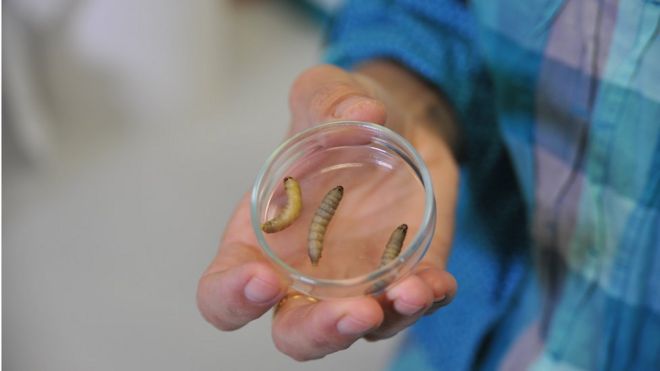
Wax worm caterpillars in petri dish
source: http://www.bbc.co.uk
Image copyrightCÉSAR HERNÁNDEZ/CSIC
Image captionWax worm caterpillars in a petri dish

A caterpillar that munches on plastic bags could hold the key to tackling plastic pollution, scientists say.

Researchers at Cambridge University have discovered that the larvae of the moth, which eats wax in bee hives, can also degrade plastic.

Experiments show the insect can break down the chemical bonds of plastic in a similar way to digesting beeswax.

Each year, about 80 million tonnes of the plastic polyethylene are produced around the world.

The plastic is used to make shopping bags and food packaging, among other things, but it can take hundreds of years to decompose completely.

However, caterpillars of the moth (Galleria mellonella) can make holes in a plastic bag in under an hour.

Dr Paolo Bombelli is a biochemist at the University of Cambridge and one of the researchers on the study.

“The caterpillar will be the starting point,” he told BBC News.

“We need to understand the details under which this process operates.

“We hope to provide the technical solution for minimising the problem of plastic waste.”

Plastic after being biodegraded by 10 worms for 30 minutesImage copyrightCSIC COMMUNICATIONS DEPARTMENT
Image captionPlastic after being biodegraded by 10 worms for 30 minutes

Dr Bombelli and colleague Federica Bertocchini of the Spanish National Research Council have patented the discovery.

They want to speed up the process of discovering the chemical secrets behind the natural degradation of plastic.

They think microbes in the caterpillar – as well as the insect itself – might play a role in breaking down plastic.

If the chemical process can be identified, it could lead to a solution to managing plastic waste in the environment.

“We are planning to implement this finding into a viable way to get rid of plastic waste, working towards a solution to save our oceans, rivers, and all the environment from the unavoidable consequences of plastic accumulation,” said Dr Bertocchini.

“However, we should not feel justified to dump polyethylene deliberately in our environment just because we now know how to bio-degrade it.”

The research is published in the journal, Current Biology.

Elephants’ ‘body Awareness’ Adds to Increasing Evidence of Their Intelligence

Elephants’ ‘body awareness’ adds to increasing evidence of their intelligence


source: www.cam.ac.uk

Asian elephants are able to recognise their bodies as obstacles to success in problem-solving, further strengthening evidence of their intelligence and self-awareness, according to a new study from the University of Cambridge.

The more we can understand about elephants’ behaviour, the more we can understand what their needs are, how they think and the strains they face in their social relationships

Josh Plotnik

Self-awareness in both animals and young children is usually tested using the ‘mirror self-recognition test’ to see if they understand that the reflection in front of them is actually their own. Only a few species have so far shown themselves capable of self-recognition – great apes, dolphins, magpies and elephants. It is thought to be linked to more complex forms of perspective taking and empathy.

Critics, however, have argued that this test is limited in its ability to investigate complex thoughts and understanding, and that it may be less useful in testing animals who rely less on vision than other species.

One potential complement to the mirror test as a measure of self-understanding may be a test of ‘body-awareness’. This test looks at how individuals may recognise their bodies as obstacles to success in a problem-solving task. Such a task could demonstrate an individual’s understanding of its body in relation to its physical environment, which may be easier to define than the distinction between oneself and another demonstrated through success at the mirror test.

To test for body-awareness in Asian elephants, Dr Josh Plotnik, visiting researcher at the University of Cambridge, visiting assistant professor of psychology at Hunter College, City University of New York and founder of conservation charity Think Elephants International, devised a new test of self-awareness together with his colleague Rachel Dale (now a PhD student at the University of Veterinary Medicine in Vienna). The new test was adapted from one in which children were asked to push a shopping trolley, but the trolley was attached to a mat on which they were standing.

In the elephant version of the test, Plotnik and Dale attached a stick to a rubber mat using a rope; the elephants were then required to walk onto the mat, pick up the stick and pass it to an experimenter standing in front of them. The researchers wanted to investigate whether elephants understood the role of their bodies as potential obstacles to success in the task by observing how and when the animals removed themselves from the mat in order to exchange the stick. In one control arm of the test, the stick was unattached to the mat, meaning the elephant could pass the stick while standing on the mat.

The results of the study, which was largely funded by a Newton International Fellowship from the Royal Society awarded to Dr Plotnik, are published today in the journal Scientific Reports.

“Elephants are well regarded as one of the most intelligent animals on the planet, but we still need more empirical, scientific evidence to support this belief,” says Dale. “We know, for example, that they are capable of thoughtful cooperation and empathy, and are able to recognise themselves in a mirror. These abilities are highly unusual in animals and very rare indeed in non-primates. We wanted to see if they also show ‘body-awareness’.”

Plotnik and Dale found that the elephants stepped off the mat to pass the stick to the experimenter significantly more often during the test than during the control arm. Elephants stepped off the mat an average (mean) of around 42 out of 48 times during the test compared to just three times on average during the control.

“This is a deceptively simple test, but its implications are quite profound,” says Dr Plotnik. “The elephants understood that their bodies were getting in the way, so they stepped aside to enable themselves to complete the task. In a similar test, this is something that young children are unable to understand until they are about two years old.

“This implies that elephants may be capable of recognising themselves as separate from objects or their environment. This means that they may have a level of self-understanding, coupled with their passing of the mirror test, which is quite rare in the animal kingdom.”

Species that have demonstrated a capacity for self-recognition in the mirror test all show varying levels of cooperative problem-solving, perspective taking and empathy, suggesting that ‘self-awareness’ may relate to effective cooperative-living in socially intelligent animals. A more developed self-understanding of how an individual relates to those around may underlie more complex forms of empathic perspective taking. It may also underlie how an individual targets help towards others in need. Both aspect are seen in studies of human children.

Both self-awareness as demonstrated by the mirror test and body-awareness as demonstrated by the current study help scientists better understand how an animal’s understanding of self and of its place in the environment may impact social decision-making in the wild.

Plotnik argues that studies such as this are important for helping increase our understanding of and appreciation for the behaviour and intelligence of animals. He also says that understanding elephant behaviour has important implications for the development of human/elephant conflict mitigation strategies in places like Thailand and India, where humans and elephants are competing for land. Only through careful consideration of both human and elephant needs can long-term solutions be sustainable.

“The more we can understand about elephants’ behaviour, the more we can understand what their needs are, how they think and the strains they face in their social relationships,” he says. “This will help us if we are going to try to come up with viable long term solutions to the problems that these animals face in the wild, especially those that bring them into regular conflict with humans.”

Reference
Dale, R, and Plotnik, JM. Elephants know when their bodies are obstacles to success in a novel transfer task. Scientific Reports; 12 April 2017; DOI: 10.1038/srep46309


Creative Commons License
The text in this work is licensed under a Creative Commons Attribution 4.0 International License. For image use please see separate credits above.

Drones Used To Analyse Ash Clouds From Guatemalan Volcano

Drones used to analyse ash clouds from Guatemalan volcano

source: www.cam.ac.uk

A team of volcanologists and engineers from the Universities of Cambridge and Bristol has collected measurements from directly within volcanic clouds, together with visual and thermal images of inaccessible volcano peaks.

During a ten-day research trip, the team carried out many proof-of-concept flights at the summits of both Volcán de Fuego and Volcán de Pacaya in Guatemala.  Using lightweight modern sensors they measured temperature, humidity and thermal data within the volcanic clouds and took images of multiple eruptions in real-time.

This is one of the first times that bespoke fixed-wing unmanned aerial vehicles (UAVs) have been used at a volcano such as Fuego, where the lack of close access to the summit vent has prevented robust gas measurements. Funding from the Cabot Institute has helped the team to develop technologies to enable this capability. The UAVs were successfully flown at distances of up to 8 km away, and at a height of over 3 km above the launch site.

The group plan to return to Guatemala later in the year with a wider range of sensors including a gas analyser, a four-stage filter pack; carbon stubs for ash sampling; thermal and visual cameras, and atmospheric sensors.

Dr Emma Liu, a volcanologist from the Department of Earth Sciences at Cambridge, said: “Drones offer an invaluable solution to the challenges of in-situ sampling and routine monitoring of volcanic emissions, particularly those where the near-vent region is prohibitively hazardous or inaccessible.

“These sensors not only help to understand emissions from volcanoes, they could also be used in the future to help alert local communities of impending eruptions – particularly if the flights can be automated.”

Dr Kieran Wood, Senior Research Associate in the Department of Aerospace Engineering at Bristol, added: “Even during this initial campaign we were able to meet significant science and engineering targets. For example, multiple imaging flights over several days captured the rapidly changing topography of Fuego’s summit. These showed that the volcano was erupting from not just one, but two active summit vents.”

Taking time out from their sample flights, the research group also used their aircraft to map the topology of a barranca and the volcanic deposits within it. These deposits were formed by a recent pyroclastic flow, a fast-moving cloud of superheated ash and gas, which travelled down the barranca from Fuego. The data captured will assist in modelling flow pathways and the potential impact of future volcanic eruptions on nearby settlements.

Dr Matt Watson, Reader in Natural Hazards in the School of Earth Sciences at Bristol, said: “This is exciting initial research for future investigations, and would not be possible without a very close collaboration between volcanology and engineering.”

Adapted from a press release by the University of Bristol.


Creative Commons License
The text in this work is licensed under a Creative Commons Attribution 4.0 International License. For image use please see separate credits above.
Miniature ‘Womb Lining’ Grown in Lab Could Reveal Secrets of Menstrual Cycle and Early Pregnancy

Miniature ‘womb lining’ grown in lab could reveal secrets of menstrual cycle and early pregnancy


source: www.cam.ac.uk

Scientists at the University of Cambridge have succeeded in growing miniature functional models of the lining of the womb (uterus) in culture. These organoids, as they are known, could provide new insights into the early stages of pregnancy and conditions such as endometriosis, a painful condition that affects as many as two million women in the UK.

These organoids provide a major step forward in investigating the changes that occur during the menstrual cycle and events during early pregnancy

Margherita Turco

The mucosal lining inside the uterus is called the endometrium. Over the course of the menstrual cycle, its composition changes, becoming thicker and rich with blood vessels in preparation for pregnancy, but if the woman does not conceive, the uterus sheds this tissue, causing the woman’s period.

A team from the Centre for Trophoblast Research, which this year celebrates its tenth anniversary, was able to grow the organoids in culture from cells derived from endometrial tissue and maintain the organoids in culture for several months, faithfully reproducing the genetic signature of the endometrium – in other words, the pattern of activity of genes in the lining of the uterus. They also demonstrated that the organoids respond to female sex hormones and early pregnancy signals, secreting what are collectively known as ‘uterine milk’ proteins that nourish the embryo during the first months of pregnancy.

The findings of the study, funded by the Medical Research Council, the Wellcome Trust and the Centre for Trophoblast Research, are published today in the journal Nature Cell Biology.

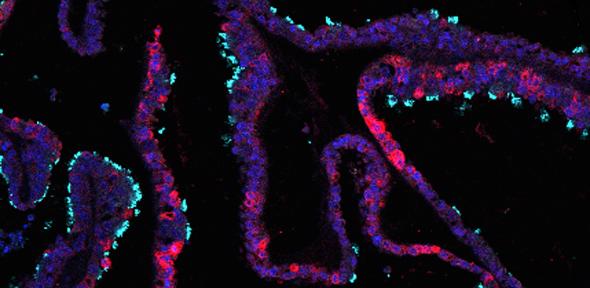
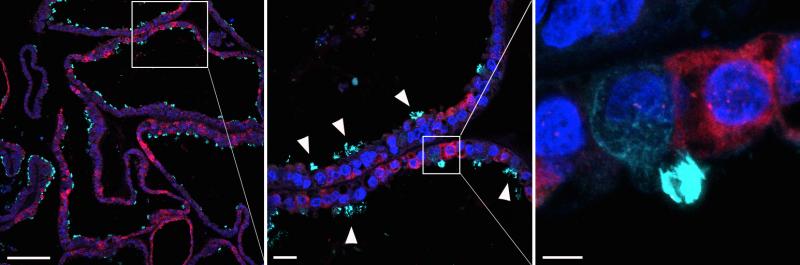
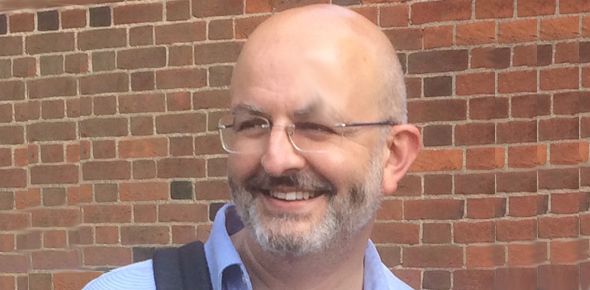
The organoids are capable of generating both secretory (red) and epithelial  (cyan) cells of the uterus. Image: Centre for Trophoblast Research

“These organoids provide a major step forward in investigating the changes that occur during the menstrual cycle and events during early pregnancy when the placenta is established,” says Dr Margherita Turco, the study’s first author. “These events are impossible to capture in a woman, so until now we have had to rely on animal studies.”

“Events in early pregnancy lay the foundations for a successful birth, and our new technique should provide a window into this events,” adds Professor Graham Burton, Director of the Centre for Trophoblast Research, and joint senior author with Ashley Moffett of the study. “There’s increasing evidence that complications of pregnancy, such as restricted growth of the fetus, stillbirth and pre-eclampsia – which appear later in pregnancy – have their origins around the time of implantation, when the placenta begins to develop.”

Research in animal species such as mice and sheep has shown that factors secreted by the endometrial glands are critical for enabling a developing fertilised egg (known as the ‘conceptus’) to implant into the wall of the uterus. There is also strong evidence that the conceptus sends signals to the endometrial glands that then stimulate the development of the placenta. In this way, the conceptus is able to stimulate its own development through a ‘dialogue’ with the mother; if it fails, the result is loss of the pregnancy or severe growth restriction of the fetus.

Professor Burton and colleagues believe that using the organoids will allow them to investigate in greater detail how the conceptus communicates with the glands, identifying the full repertoire of factors released in response and testing their effects on placental tissues. His team will be collaborating with the Bourn Hall Clinic – a fertility clinic near Cambridge – to investigate whether parts of this circuitry are impaired or deficient in women experiencing difficulty in conceiving, and if so to devise potential new treatments.

The technique also enables the researchers to grow organoids from endometrial cancer cells. As proof-of-principle, this will allow them to model and understand diseases of the endometrium, including cancer of the uterus and endometriosis.

Organoid cultures have proven to be powerful tools for investigating the behaviour of other organ systems. Members of the Centre for Trophoblast Research are confident that their new advance will provide a much-needed window on events during the earliest stages of pregnancy, when the conceptus and mother first physically interact.

Reference
Turco, MY et al. Long-term, hormone-responsive organoid cultures of human endometrium in a chemically defined medium. Nature Cell Biology; 10 April 2017; DOI: 10.1038/ncb3516


Creative Commons License
The text in this work is licensed under a Creative Commons Attribution 4.0 International License. For image use please see separate credits above.

Leaf Vein Structure Could Hold Key To Extending Battery Life

Leaf vein structure could hold key to extending battery life

source: www.cam.ac.uk

The natural structure found within leaves could improve the performance of everything from rechargeable batteries to high-performance gas sensors, according to an international team of scientists.

the adaptation could benefit a wide range of porous materials

Prof Bao-Lian Su

The researchers have designed a porous material that utilises a vascular structure, such as that found in the veins of a leaf, and could make energy transfers more efficient. The material could improve the performance of rechargeable batteries, optimizing the charge and discharge process and relieving stresses within the battery electrodes, which, at the moment, limit their life span. The same material could be used for high performance gas sensing or for catalysis to break down organic pollutants in water.

To design this bio-inspired material, an international team comprising scientists from China, the United Kingdom, United States and Belgium is mimicking the rule known as ‘Murray’s Law’ which helps natural organisms survive and grow. According to this Law, the entire network of pores existing on different scales in such biological systems is interconnected in a way to facilitate the transfer of liquids and minimize resistance throughout the network. The plant stems of a tree, or leaf veins, for example, optimize the flow of nutrients for photosynthesis with both high efficiency and minimum energy consumption by regularly branching out to smaller scales. In the same way, the surface area of the tracheal pores of insects remains constant along the diffusion pathway to maximize the delivery of carbon dioxide and oxygen in gaseous forms.

The team, led by Prof Bao-Lian Su, a life member of Clare Hall, University of Cambridge and who is also based at Wuhan University of Technology in China and at the University of Namur in Belgium, adapted Murray’s Law for the fabrication of the first ever synthetic ‘Murray material’ and applied it to three processes: photocatalysis, gas sensing and lithium ion battery electrodes. In each, they found that the multi-scale porous networks of their synthetic material significantly enhanced the performance of these processes.

Prof Su says:

“This study demonstrates that by adapting Murray’s Law from biology and applying it to chemistry, the performance of materials can be improved significantly. The adaptation could benefit a wide range of porous materials and improve functional ceramics and nano-metals used for energy and environmental applications.”

“The introduction of the concept of Murray’s Law to industrial processes could revolutionize the design of reactors with highly enhanced efficiency, minimum energy, time, and raw material consumption for a sustainable future.”

Writing in Nature Communications this week, the team describes how it used zinc oxide (ZnO) nanoparticles as the primary building block of their Murray material. These nanoparticles, containing small pores within them, form the lowest level of the porous network. The team arranged the ZnO particles through a layer-by layer evaporation-driven self-assembly process. This creates a second level of porous networks between the particles. During the evaporation process, the particles also form larger pores due to solvent evaporation, which represents the top level of pores, resulting in a three level Murray material. The team successfully fabricated these porous structures with the precise diameter ratios required to obey Murray’s law, enabling the efficient transfer of materials across the multilevel pore network.

Co-author, Dr Tawfique Hasan, of the Cambridge Graphene Centre, part of the University’s Department of Engineering, adds:

“This very first demonstration of a Murray material fabrication process is incredibly simple and is entirely driven by the nanoparticle self-assembly. Large scale manufacturability of this porous material is possible, making it an exciting, enabling technology, with potential impact across many applications.”

With its synthetic Murray material, with precise diameter ratios between the pore levels, the team demonstrated an efficient breakdown of an organic dye in water by using photocatalysis.  This showed it was easy for the dye to enter the porous network leading to efficient and repeated reaction cycles. The team also used the same Murray material with a structure similar to the breathing networks of insects, for fast and sensitive gas detection with high repeatability.

The team proved that its Murray material can significantly improve the long term stability and fast charge/discharge capability for lithium ion storage, with a capacity improvement of up to 25 times compared to state of the art graphite material currently used in lithium ion battery electrodes. The hierarchical nature of the pores also reduces the stresses in these electrodes during the charge/discharge processes, improving their structural stability and resulting in a longer life time for energy storage devices.

The team envisions that the strategy could be used effectively in materials designs for energy and environmental applications.

The research was partially supported by the Royal Academy of Engineering.

Reference

Xianfeng Zheng et al: ‘Bio-inspired Murray materials for mass transfer and activity’Nature Communications 6th April 2017

DOI:10.1038/ncomms14921


Creative Commons License
The text in this work is licensed under a Creative Commons Attribution 4.0 International License. For image use please see separate credits above.

Human Rights of People With Autism Not Being Met, Leading Expert Tells United Nations

Human rights of people with autism not being met, leading expert tells United Nations

source: www.cam.ac.uk

The basic human rights of autistic people are not being met, Professor Simon Baron-Cohen, a world expert on autism, told the United Nations in New York today, to mark Autism Awareness Week.

People with autism account for a significant minority of the population worldwide, yet we are failing them in so many respects

Simon Baron-Cohen

In his keynote speech, Professor Baron-Cohen, Director of the Autism Research Centre at the University of Cambridge, argued that even with the UN Convention on the Rights of People with Disabilities having been adopted in 2006, people with autism still do not enjoy human rights to the same extent as everyone else.

At least 1% of the world’s population is on the autism spectrum, which equates to some 70 million people with autism on the planet.  Autism is a spectrum of neurological disabilities involving difficulties with social relationships, communication, adjusting to unexpected change, dealing with ambiguity, and entailing sensory hypersensitivity and anxiety. Autism also leads to a different perceptual and learning style, so that the person has a preference for detail, and develops unusually narrow interests, and an unusually strong preference for facts, patterns, repetition and routine.

“People with autism account for a significant minority of the population worldwide, yet we are failing them in so many respects,” he said. “This creates barriers to their participation in society and to their autonomy that must be addressed. We have had a UN Convention to support people with disabilities for over 10 years now and yet we still are not fulfilling their basic human rights.”

In his speech, Professor Baron-Cohen reminded the UN that in Nazi Germany during the Holocaust, people with intellectual disability were killed in their thousands, under the compulsory euthanasia laws. Many of these individuals likely had autism, even before we had a name for it, as the first report of autism by Dr Leo Kanner was published during the Second World War.

However, historical violations of the human rights of people with autism go back further than that: in the US, in the 1920s, many States passed laws to compulsorily sterilize people with intellectual disability, including those whom today we would recognize had autism, in the name of eugenics.

Professor Baron-Cohen highlighted six examples where he believes the human rights of people with autism are not being met.

First, the right to dignity: According to the National Autistic Society in the UK, half of adults with autism report they have been abused by someone they thought was a friend. Half of adults with autism report they stay home because of fear of being abused in some way. Individuals with intellectual disability, including those with autism, are three times more likely to be victims of abuse or neglect, robbery, or assault.

Second, the right to education: one in five children with autism have been excluded from school. Whatever the reason for being excluded, they are being deprived of the right to education.  And of the other 80% of children with autism who have stayed in school, half report having been bullied, which is a risk factor for depression.

Third, the right to equal access to public services: one in three adults with autism experiences severe mental ill health because of lack of support. In Professor Baron-Cohen’s clinic for adults with Asperger Syndrome, a subgroup of autism, two thirds have felt suicidal and one third have felt so bad that they have attempted suicide. Research from the Universities of Cambridge and Coventry in the UK found that among those who have died by suicide, approximately 12% had definite or probable autism. Professor Baron-Cohen called for a minute’s silence to remember those people with autism who have died by suicide.

Finding such a high rate of autism in people who have died by suicide is not surprising when you consider how many of these individuals did not have the benefit of early diagnosis, explained Professor Baron-Cohen. Early diagnosis is possible in childhood – there are screening measures that can detect autism in young toddlers, but most countries do not screen for autism.

He drew attention to the fact that in the UK, in many areas, the waiting time for a diagnosis can be up to a year or longer, and that in high- and middle-income countries, people with autism may receive a formal diagnosis, but in low-income countries, the majority of people with autism may remain undiagnosed, either because of stigma, ignorance, or lack of basic services.

Fourth, the right to work and employment: Professor Baron-Cohen said that only 15% of adults with autism are in full time employment, despite many having good intelligence and talents. The right to work should extend to everyone, whatever support they might need. Unemployment is another well-known risk factor for depression.

He commended some enlightened employers, like the German company Auticon, the Danish company Specialisterne, and the German company SAP, for setting an example of how to help people with autism into employment and how employers can make reasonable adjustments for people with autism.

Fifth, the right to protection from discrimination, and the right to a cultural life, and to rest and leisure: He described how many people with autism have been asked to leave a supermarket or a cinema, because of their different behaviour. He said this is discrimination and again would never be tolerated for other kinds of disabilities.

In addition, half of adults with autism report feeling lonely, a third of them do not leave the house most days, and two thirds of them feel depressed because of loneliness. One in four adults with autism have no friends at all.

Finally, the right to protection of the law, and the right to a fair, impartial trial: one in five young people with autism have been stopped and questioned by the police, and 5% have been arrested. Two-thirds of police officers report they have received no training in how to interview a person with autism. Many legal cases involving someone with autism result in imprisonment for crimes the person with autism may not have committed, or for crimes others committed, but the person with autism became tangled up in, because of their social naivete. Some of these crimes are the result of the person with autism becoming obsessed with a particular topic, a product of their disability, and yet the courts often ignore autism as a mitigating factor.

Professor Baron-Cohen ended his address with a call to action. “We must take action. I want to see an investigation into the violation of human rights in people with autism. I want to see increased surveillance of their needs, in every country. And I want us to be continuously asking people with autism what their lives are like, and what they need, so that they are fully involved in shaping their future. Only this way can we ensure their human rights are met.”


Creative Commons License
The text in this work is licensed under a Creative Commons Attribution 4.0 International License. For image use please see separate credits above.

Ageing Leads To Breakdown In Cell Coordination

Ageing leads to breakdown in cell coordination


source: www.cam.ac.uk

A team of researchers from across Cambridge has shed light on a long-standing debate about why the immune system weakens with age. Their findings, published today in Science, show that immune cells in older tissues lack coordination and exhibit much more variability in gene expression (activity) compared with their younger counterparts.

As we age, we see a progressive decline of function occur throughout the body, but until now it has not been clear why this decline occurs and why it happens at different rates for different parts of the body. To understand this process, scientists must unpick all of the mechanisms of ageing at the molecular level, for every tissue.

The immune system is like a symphony orchestra, with many different types and subtypes of cells working together to fight infections. But as the immune system ages, its response to infection weakens for reasons that are not yet clear. One long-standing debate amongst scientists concerns two central hypotheses: either the functional degradation is caused by a loss of cellular performance, or it is down to a loss of coordination among cells.

To resolve the debate, scientists at the University of Cambridge, the European Bioinformatics Institute (EMBL-EBI) and the Wellcome Trust Sanger Institute studied many different cell types, analysing ‘average’ gene expression profiles. To do so, they employed high-resolution single-cell sequencing technology to create new insights into how cell-to-cell variability is linked with ageing. The researchers sequenced the RNA of naïve and memory CD4+ T cells in young and old mice, in both stimulated and unstimulated states.

Their findings clearly showed that loss of coordination is a key component of the impaired immune performance caused by T cell ageing.

“You could think of DNA sequencing as a fruit smoothie,” explains Dr John Marioni, Group Leader at EMBL-EBI and at the University of Cambridge’s Cancer Research UK Cambridge Institute (CRUK-CI). “Traditional sequencing technology is a bit like taking a sip of the smoothie, then trying to guess what the ingredients are. Single-cell genomics now lets us study the ingredients individually, so we get direct insight into the constituent parts. Extrapolating, this means that single-cell sequencing allows researchers to individually look at thousands of genes at any given time.”

Dr Duncan Odom, Group Leader at the CRUK-CI and associate faculty at the Wellcome Trust Sanger Institute, shares a further analogy to explain how immune cells fight infection. “Imagine the immune system as a ‘cell army’, ready to protect the body from infection. Our research revealed that this army is well coordinated in young animals, with all the cells working together and operating like a Greek phalanx to block the infection.”

Image: Spencer Phillips, The European Bioinformatics Institute 

The researchers say this tight coordination makes the immune system stronger, and allows it to fight infection more effectively. The team’s study shows that as the animal gets older, cell coordination breaks down.

“Although individual cells might still be strong, the lack of coordination between them makes their collective effectiveness lower,” Odom adds.

Previous studies have shown that in young animals, immunological activation results in tightly regulated gene expression. This study further reveals that activation results in a decrease in cell-to-cell variability. Ageing increased the heterogeneity of gene expression in populations of two mice species, as well as in different types of immune cells. This suggests that increased cell-to-cell transcriptional variability may be a hallmark of ageing across most mammalian tissues

“There is a great deal of interest in how biological ageing happens, but not much is known about molecular ageing,” says Dr Celia Pilar Martinez-Jimenez, experimental lead from the CRUK-CI. “This research initiative explored a new facet of cell response to disease, while also tackling questions related to ageing.”

Nils Eling, computational lead of the project and PhD student at EMBL-EBI and CRUK-CI adds: “The advantage of analysing gene expression from single cells is to detect how cell populations synchronise their response. It is interesting to see that ageing strongly distorts this response – a phenomenon which could not be observed before.”

The interdisciplinary study paves the way for a more in-depth exploration of the mechanisms by which different types of cells age. It also illustrates the potential of single-cell sequencing to enable a richer understanding of cell development and activity.

Reference
Martinez-Jimenez, C.P., Eling, N et al Ageing increases cell-to-cell transcriptional variability upon immune stimulation. Science; 30 Mar 2017; DOI: 10.1126/science.aah4115

Adapted from a press release from EMBL-EBI


Creative Commons License
The text in this work is licensed under a Creative Commons Attribution 4.0 International License. For image use please see separate credits above.

Rotating Molecules Create a Brighter Future

Rotating molecules create a brighter future


source: www.cam.ac.uk

Scientists have discovered a group of materials which could pave the way for a new generation of high-efficiency lighting, solving a quandary which has inhibited the performance of display technology for decades. The development of energy saving concepts in display and lighting applications is a major focus of research, since a fifth of the world’s electricity is used for generating light.

If the effect we have discovered can be harnessed across the spectrum, it could change the way we generate light

Dr Dan Credgington

Writing in Science this week, the team, from the University of Cambridge, the University of East Anglia and the University of Eastern Finland, describes how it developed a new type of material that uses rotatable molecules to emit light faster than has ever been achieved before. It could lead to televisions, smart-phone displays and room lights which are more power-efficient, brighter and longer lasting than those currently on the market.

Corresponding author, Dr Dan Credgington, of the University of Cambridge’s Cavendish Laboratory, says:

“It’s amazing that the very first demonstration of this new kind of material already beats the performance of technologies which have taken decades to develop. If the effect we have discovered can be harnessed across the spectrum, it could change the way we generate light.”

Molecular materials are the driving force behind modern organic light-emitting diodes (OLEDs). Invented in the 1980s, these devices emit light when electricity is applied to the organic (carbon based) molecules in them. OLED lighting is now widely used in televisions, computers and mobile phones. However it has to overcome a fundamental issue which has limited efficiency when it comes to converting electrical energy into light.

Passing an electric current through these molecules puts them into an excited state, but only 25% of these are ‘bright’ states that can emit light rapidly. The remaining 75% are ‘dark’ states that usually waste their energy as heat limiting the efficiency of the OLED device. This mode of operation produces more heat than light just like in an old fashioned filament light bulb. The underlying reason is a quantum property called ‘spin’ and the dark states have the wrong type.

One approach to tackle this problem is to use rare elements, such as iridium, which help the dark states to emit light by allowing them to change their spin. The problem is this process takes too long, so the energy tied up in the dark states can build up to damaging levels and make the OLED unstable. This effect is such a problem for blue emitting materials (blue light has the highest energy of all the colours) that, in practice, the approach can’t be used.

Dr Le Yang holding one of the most efficient OLED devices, developed in Cambridge 

Chemists at the University of East Anglia have now developed a new type of material where two different organic molecules are joined together by an atom of copper or gold. The resulting structure looks a bit like a propeller. The compounds, which can be made by a simple one-pot procedure from readily available materials, were found to be surprisingly luminescent. By rotating their “propeller”, dark states formed on these materials become twisted, which allows them to change their spin quickly. The process significantly increases the rate at which electrical energy is converted into light achieving an efficiency of almost 100% and preventing the damaging build-up of dark states.

Dr Dawei Di and Dr Le Yang, from Cambridge, were co-lead authors long with Dr Alexander Romanov, from the UEA. He says:

“Our discovery that simple compounds of copper and gold can be used as bright and efficient materials for OLEDs demonstrates how chemistry can bring tangible benefits to society. All previous attempts to build OLEDs based on these metals have led to only mediocre success. The problem is that those materials required the sophisticated organic molecules to be bound with copper but has not met industrial standards. Our results address an on-going research and development challenge which can bring affordable high-tech OLED products to every home.”

Computational modelling played a major role in uncovering this novel way of harnessing intramolecular twisting motions for energy conversion.

Professor Mikko Linnolahti, of the University of Eastern Finland, where this was done, comments:

“This work forms the case study for how we can explain the principles behind the functioning of these new materials and their application in OLEDS.”

The next step is to design new molecules that take full advantage of this mechanism, with the ultimate goal of removing the need for rare elements entirely. This would solve the longest standing problem in the field – how to make OLEDs without having to trade-off between efficiency and stability.

Co-lead author, Dr Dawei Di, of the Cavendish Laboratory, says:

“Our work shows that excited-state spin and molecular motion can work together to strongly impact the performance of OLEDs. This is an excellent demonstration of how quantum mechanics, an important branch of fundamental science, can have direct consequences for a commercial application which has a massive global market.”

Reference:

Dawei Di et al: “High-performance light-emitting diodes based on carbene-metal-amides” is published in Science 30th March 2017

DOI 10.1126/science.aah4345


Creative Commons License
The text in this work is licensed under a Creative Commons Attribution 4.0 International License. For image use please see separate credits above.
Encouragement From Teachers Has Greatest Influence On Less Advantaged Children

Encouragement from teachers has greatest influence on less advantaged children

source: www.cam.ac.uk

‘Big data’ study finds that children from families with limited education have strongest long-term response to teacher encouragement, and are more likely to progress to university as a result.

The relationships teachers develop with students are real engines for social mobility.

Ben Alcott

Schoolchildren who receive words of encouragement from a teacher are significantly more likely to continue their education beyond the age of 16 than those who do not, a new study suggests.

The influence of teacher encouragement appears to be much greater on students whose own parents never progressed past compulsory education – an important indicator of a less advantaged background.

For students from these backgrounds, encouragement increased entry into post-16 education from just over half to around two-thirds.

The research also found that encouragement from a teacher has the greatest influence on those students most likely to be on the margin for university attendance.

The University of Cambridge study used ‘big data’ techniques to look at the long-term impact of student-teacher rapport, and is the first to analyse the role it plays in university access.

The findings, published in the journal Research in Higher Education, show that further education and social mobility policymaking might benefit from increased focus on the “relational aspects” of interactions between teachers and students.

“Teachers are often relegated to course deliverers and classroom managers in the policy discussions around further education. However, it’s clear that teachers have more forms of influencing inequality than is currently appreciated,” said study author Dr Ben Alcott from Cambridge’s Faculty of Education.

“When people speak of a positive school experience, they frequently cite a personal relationship with a teacher, and the encouragement they were given. Our research helps quantify that impact and show its significance, particularly for addressing social mobility.

“The importance of that teacher-student connection can get lost in the midst of exam statistics or heat of political debate.”

Some 4,300 adolescents in England were tracked from the age of thirteen onwards, completing a detailed questionnaire every year for the next seven years. During their last year of compulsory education, the students were asked whether a teacher had encouraged them to stay on in full-time education.

Dr Alcott used mathematical modelling to “match” and compare students with similar attainment, experience and life histories – helping control for the effects these differences had. This makes it possible for the influence of teacher encouragement alone to be measured.

“This approach brings us plausibly close to reading the long-term effect of encouragement from teachers with the data we currently have available,” Alcott said.

He found that, on average across all backgrounds and abilities, rates of entry into post-16 education were eight percentage points higher in students that reported receiving encouragement (74%) over those that said they did not (66%).

Based on previous examination scores (the UK’s SATs), teacher encouragement made the most difference for students with average academic achievement – those often on the verge of going either way when it comes to further education.

For Year 11 (or 10th grade) students in the middle third of results rankings, encouragement was linked to a 10 percentage-point increase in the likelihood of university entry, yet had no observable impact on students in the upper and lower thirds.

The effect of teacher encouragement on students varied considerably depending on background – with the greatest difference seen for students with lower levels of parental education.

For students with parents who lacked any formal qualification, post-16 education enrolment increased 12 percentage points amongst those who received teacher encouragement (64%) compared with those who didn’t (52%).

This effect appeared to last into higher education, with that initial encouragement increasing the likelihood of university entry by 10 percentage points – one-fifth higher than students from similar backgrounds who did not report being encouraged.

Students whose parents had some qualifications, but none past compulsory education, saw encouragement from teachers boost post-16 education by 13 percentage points (67% compared to 54%) and university entry by seven percentage points.

For those with parents who held university degrees, however, teacher encouragement mattered much less: increasing continued education by just six percentage points and making no difference at all to university attendance.

However, Alcott found that students from more advantaged backgrounds were likelier to report being encouraged by a teacher to stay in education.

For example, 22% of students receiving encouragement had a parent with a university degree, compared to 15% of those who did not. Similarly, students who do not report encouragement are a third more likely to have an unemployed parent (12% versus 9%).

Alcott, who formerly taught in a London academy school himself, says: “These results suggest that teachers themselves and the relationships they develop with students are real engines for social mobility.

“Many teachers take the initiative to encourage students in the hope they will progress in education long after they have left the classroom. It’s important that teachers know the effect their efforts have, and the children likely to benefit most.”


Creative Commons License
The text in this work is licensed under a Creative Commons Attribution 4.0 International License. For image use please see separate credits above.

Meet One Of The Most Successful Biotech Entrepreneurs In The UK

Meet one of the Most Successful Biotech Entrepreneurs in the UK

Jonathan-Milner-InterviewJonathan Milner is a rockstar biotech entrepreneur and founder of Abcam. He is still on the board of his baby Abcam, while investing in many young startups, nurturing the British biotech ecosystem and taking part in philanthropy. Here’s my chat with him on all these topics.

I was amazed by how you could order books on Amazon back in 1998, I thought this could be applied to research antibodies as well,” Milner told me. This idea was how Abcam, one of the household names of British biotech, was born.

Though the startup went through the usual ups and downs of product development, sales and financing, Milner and David Cleevely, another famous entrepreneur from Cambridge, have turned it into a €2B company, listed on the London Stock Exchange and with almost 1000 employees.

Nothing predestined Milner to that path. He studied applied biology at Bath University, followed by a PhD in Molecular Genetics at Leicester, and then a postdoc at Bath on antibody engineering, before moving to Cambridge to work at the GURDON Institute. It was during his postdoc and his time in Cambridge that he honed his interest in the technology that would become the foundation of Abcam.

Janathan Milner Abcam Interview

Lovely Cambridge

Abcam is a fantastic story, what were the major steps leading up to what it is now?

In addition to the inspiration from Amazon, I was frustrated because I couldn’t find any good quality antibodies. The stuff I was buying would sometimes work, sometimes not, so I tackled the problem by starting Abcam. I started from scratch, and a major decision with David was to make it a web-based company. It sounds ridiculous now, but it was a revolution back then: remember, Internet hadn’t been out there for so long.

At the beginning, we focused on building a search engine to help users find antibodies from over 500 companies. It was very challenging but it also helped us better understand what our users were looking for and develop our own catalog of antibodies. The second step was to build a database with reliable and open information about every antibody, like the reviews on Amazon.

This is when the business really started to grow. In 2005, we took the company public on the LSE and raised around £10M at a £50-60M valuation. Another major step for the company was the acquisition of San Francisco-based Epitomics in 2012 for $170M.

So, why did you decide to leave the CEO position?

In September 2014, after 16 years, I felt that I’d taken the company as far as I could and that it was time to search for a replacement. Alan Hirzel (interview here) was the perfect candidate, and he has been doing a fantastic job leading the company. I’m still an advisor to the company as a board member and the largest shareholder, though.

Note: Milner still owns 10.84% of the company.

Janathan Milner Abcam Interview

Most people in Cambridge mentioned you as a great business angel and advisor. What drives you to do that?

After the IPO in 2005, I was able to unlock a small amount of money from Abcam, and this allowed me to follow two of my passions: philanthropy and investments in early-stage life sciences companies.

My philanthropic projects are focused on education, human health, and conservation. I recently donated £5M to the Milner Therapeutics Institute (more below), £5M to Bath University (Milner Center for Evolutionary Studies) and various donations to support education and access charities that give a chance to everyone to pursue their careers regardless of their financial situation.

I also invested in around 30 companies and helped them to grow by supplying not only capital but also mentorship and advice to the founders. I feel that I have a duty to give back what I received from my mentors.

Comment: A notable example is Horizon Discovery, also in Cambridge, which Milner helped start in 2008 and which now counts over 350 employees.

Let’s go back to the Milner Therapeutics Institute you helped to found in January of this year. What are the reasons behind it, and is the Broad Institute your model?

Jonathan Milner Tony Kouzarides

    Tony Kouzarides

I founded the institute with Tony Kouzarides, who was my post-doc supervisor and co-founder of Abcam, because we believe that the pathway of bringing drugs to the market is broken. It’s frustrating because Cambridge has excellent science, especially biology, but pharma cannot access it easily. The core idea of the institute is to bring the biology expertise together with the big pharma expertise to expedite and reduce the cost of drug development.

The institute is run by the University of Cambridge and has been founded by a consortium of partners, including big pharma like Pfizer. I’m paying for the building, which will be part of the Cambridge Biomedical campus; it will soon be the biggest biomedical campus in the whole of Europe.

Comment: The campus is where AstraZeneca is building its headquarters, Abcam will move there too alongside most of the Institutes affiliated to the university.

That’s great, let’s discuss a topic that could affect the institute. What do you think of the Brexit?

I was shocked by the Brexit, it just doesn’t make sense. Even worse, it’s taking apart what several successful entrepreneurs, including myself, have worked hard to build — a fine cluster with great talents in life sciences. That’s what I said recently at a conference in London with politicians and finance guys: if we lose all these talents, we’re in deep trouble. If you look at the startups I invested in recently, only 3 of the founders out of those 10 are originally from the UK with 5 coming from the EU. I hope this message went through and the negotiations will be done right.

Janathan Milner Abcam Interview

Last but not least, what are the 3 things you see coming in the next 5 years?

One, the omics revolution. There is an exponential growth of omics data — that is, microbiomics, genomics, transcriptomics, epigenomics and proteomics — poured into databases all over the world. We’ve barely scratched the surface of that data, which could lead to breakthroughs in drug development. Startups I financed in the space are Repositive, which allows easy access to omics data, and Healx which works on repurposing existing drugs for rare diseases.

Second, the ‘Patients-in-a-test-tube’ revolution. A major conundrum in drug discovery and preclinical studies are animal models: they just are not good enough. Thanks to the iPS cells revolution, it’s now possible to grow and differentiate real patient cells to create disease models that are better than ever. This will drive clinical costs significantly down and reduce the failure rate once moving into humans. I’ve helped start three companies in the space, Axol Bioscience, Definigen and Horizon Discovery, which is now a leader in the field worldwide.

Third, the immuno-oncology paradigm shift. I’ve never seen my oncologist colleagues so excited in their entire 30-year careers. They finally have access to a technology that could potentially cure the disease and not just postpone it. This is really the revolution clinicians have been waiting for. I’m just about to help start a company that uses an autologous fusion of dendritic cells and applies it to the treatment of solid tumors, a space yet to be really explored by immuno-oncology and which is super exciting.


It was amazing talking with Jonathan. Stories like his are incredibly rare in European biotech and deserve to be shared. Plus, he is humble, generous and a pioneer of the next generation of biotech entrepreneurs. I hope he inspires you to follow his footsteps and become the industry’s next superstar!


Images via shutterstock.com / iLongLoveKing, vitstudio, Hakat

Major Genetic Study Identifies 12 New Genetic Variants For Ovarian Cancer

Major genetic study identifies 12 new genetic variants for ovarian cancer

source: www.cam.ac.uk

A genetic trawl through the DNA of almost 100,000 people, including 17,000 patients with the most common type of ovarian cancer, has identified 12 new genetic variants that increase risk of developing the disease and confirmed the association of 18 of the previously published variants.

Published today in the journal Nature Genetics, the findings are the result of work by the OncoArray Consortium, a huge endeavour led by scientists in the UK, the USA and Australia. This particular study involved 418 researchers from almost 300 different departments worldwide.

According to Cancer Research UK, there were 7,378 new cases of ovarian cancer in the UK in 2014. Around nine out of ten of these cases was epithelial ovarian cancer. The peak rate of cases is among women aged 75-79 years old.

“We know that a woman’s genetic make-up accounts for about one third of her risk of developing ovarian cancer. This is the inherited component of disease risk,” explains Professor Paul Pharoah from the University of Cambridge, UK, one of the joint leads. “We’re less certain of environmental factors that increase our risk, but we do know that several factors reduce the risk of ovarian cancer, including taking the oral contraceptive pill, having your tubes tied and having children.”

Inherited faults in genes such as BRCA1 and BRCA2 account for about 40 per cent of the inherited component.  These faults are rare in the population (carried by about one in 300 people) and are associated with high lifetime risks of ovarian cancer – about 50 per cent for BRCA1 and 16 per cent for BRCA2 on average – as well as a high risk of breast cancer. Variants that are common in the population (carried by more than one in 100 people) are believed to account for most of the rest of the inherited component of risk.

Before the OncoArray Consortium, researchers had identified 27 common variants across the genome associated with ovarian cancer risk.  However, some of these are associated only with rare subtypes of ovarian cancer.  The magnitude of the associated risk however is modest: together, the variants account for only about 4 per cent of the inherited component of disease.

The OncoArray Consortium studied the genomes of over 25,000 people with epithelial ovarian cancer and compared them to almost 41,000 healthy controls. They then analysed results from a further 31,000 BRCA1 and BRCA2 mutation carriers, which included almost 4,000 epithelial ovarian cancer patients. This enabled them to identify a further 12 variants associated with risk and confirm the association of 18 of the previously published variants; some of the other variants failed to replicate.

In total, there are now known to be 30 risk variants, accounting for 6.5 per cent of the inherited component of risk.

“Ovarian cancer is clearly a very complex disease – even the 30 risk variants that we now know increase risk of developing the disease account for just a small fraction of the inherited component,” says Dr Catherine Phelan from the Moffitt Cancer Center, Tampa, USA. “We believe that there will likely be many more genetic variants involved, each with extremely small effects.  Most of these are likely to be common, but some will be rare.”

The researchers point out that while the common view is of our genes influencing disease risk, in fact most of the variants discovered to date do not fall in our genes, but rather in ‘non-coding’ regions of the human genome, so named because, unlike our genes, they do not provide the code to make proteins. Instead, these regions are often involved in regulating the activity of our genes.

Because the variants are common, some women will carry multiple risk variants.  However, even in combination these variants do not have a large effect on risk, say the researchers. Women carrying the greatest number of these risk variants will still have a lifetime risk of ovarian cancer of just 2.8 per cent.  To put this into context, family cancer clinics commonly offer surgery to remove the ovaries – and hence prevent the possibility of disease – to women with a lifetime risk of 10 per cent or more.

However, these variants also affect the risk of ovarian cancer in women who carry a fault in the BRCA1 or BRCA2 genes and this might be sufficient to affect the decision of a carrier about when or if to have preventive surgery.

“In some ways, the hard work starts now,” says Dr Simon Gayther from Cedars-Sinai Medical Center, Los Angeles, USA. “We really have little idea of the functional effect these variants have at the molecular or cellular level and so there are few clues as to how they might affect risk. If we can understand how they work, we will be in a better position to treat – and possibly prevent – ovarian cancer.”

The research was carried out by the Ovarian Cancer Association Consortium and the Consortium of Investigators of Modifiers of BRCA1/2, two consortia that are part of the larger OncoArray Consortium. The consortia used a customised Illumina genotyping array, which allowed them to analyse around 533,000 variants and has been used to genotype over 500,000 samples, including the samples in this study of ovarian cancer

Reference
Phelan, CM et al. Identification of twelve novel susceptibility loci for different histotypes of epithelial 1 ovarian cancer. Nature Genetics; 27 Mar 2017; DOI: 10.1038/ng.3826


Creative Commons License
The text in this work is licensed under a Creative Commons Attribution 4.0 International License. For image use please see separate credits above.

New Stem Cell Method Produces Millions of Human Brain and Muscle Cells In Days

New stem cell method produces millions of human brain and muscle cells in days

source: www.cam.ac.uk

Scientists at the University of Cambridge and the Wellcome Trust Sanger Institute have created a new technique that simplifies the production of human brain and muscle cells – allowing millions of functional cells to be generated in just a few days. The results published today in Stem Cell Reports open the door to producing a diversity of new cell types that could not be made before in order to study disease.

This method opens the doors to producing all sorts of hard-to-access cells and tissues so we can better our understanding of diseases and the response of these tissues to newly developed therapeutics

Mark Kotter

Human pluripotent stem cells are ‘master cells’ that have the ability to develop into almost any type of tissue, including brain cells. They hold huge potential for studying human development and the impact of diseases, including cancer, Alzheimer’s, multiple sclerosis, and heart disease.

In a human, it takes nine to twelve months for a single brain cell to develop fully. It can take between three and 20 weeks using current methods to create human brain cells, including grey matter (neurons) and white matter (oligodendrocytes) from an induced pluripotent stem cell – that is, a stem cell generated by reprogramming a skin cell to its ‘master’ stage. However, these methods are complex and time-consuming, often producing a mixed population of cells.

The new platform technology, OPTi-OX, optimises the way of switching on genes in human stem cells. Scientists applied OPTi-OX to the production of millions of nearly identical cells in a matter of days. In addition to the neurons, oligodendrocytes, and muscle cells the scientists created in the study, OPTi-OX holds the possibility of generating any cell type at unprecedented purities, in this short timeframe.

To produce the neurons, oligodendrocytes, and muscle cells, the team altered the DNA in the stem cells. By switching on carefully selected genes, they reprogrammed the stem cells and created a large and nearly pure population of identical cells. The ability to produce as many cells as desired combined with the speed of the development gives an advantage over other methods. The new method opens the door to drug discovery, and potentially therapeutic applications in which large amounts of cells are needed.

Study author Professor Ludovic Vallier from the Wellcome Trust-Medical Research Centre Stem Cell Institute at the University of Cambridge says: “What is really exciting is we only needed to change a few ingredients – transcription factors – to produce the exact cells we wanted in less than a week. We over-expressed factors that make stem cells directly convert into the desired cells, thereby bypassing development and shortening the process to just a few days.”

OPTi-OX has applications in various projects, including the possibility to generate new cell types which may be uncovered by the Human Cell Atlas. The ability to produce human cells so quickly means the new method will facilitate more research.

Joint first author, Daniel Ortmann from the University of Cambridge, adds: “When we receive a wealth of new information on the discovery of new cells from large scale projects, like the Human Cell Atlas, it means we’ll be able to apply this method to produce any cell type in the body, but in a dish.”

Dr Mark Kotter, lead author and clinician, also from Cambridge, says: “Neurons produced in this study are already being used to understand brain development and function. This method opens the doors to producing all sorts of hard-to-access cells and tissues so we can better our understanding of diseases and the response of these tissues to newly developed therapeutics.”

The research was supported by Wellcome, the Medical Research Council, the German Research Foundation, the British Heart Foundation, The National Institute for Health Research UK and the Qatar Foundation.

Reference
Matthias Pawlowski et al. Inducible and deterministic forward programming of human pluripotent stem cells. Stem Cell Reports; 23 Mar 2017; DOI: 10.1016/j.stemcr.2017.02.016

Adapted from a press release by the Wellcome Trust Sanger Institute.


Creative Commons License
The text in this work is licensed under a Creative Commons Attribution 4.0 International License. For image use please see separate credits above.
Moderate Drinking Linked To Lower Risk of Some – But Not All – Heart Conditions

Moderate drinking linked to lower risk of some – but not all – heart conditions

source: www.cam.ac.uk

Moderate drinking is associated with a lower risk of several, but not all, cardiovascular diseases, according to a large study of UK adults led by researchers at the University of Cambridge and University College London published today in The BMJ.

This doesn’t mean that it is advisable for individuals to take up drinking as a means of lowering their cardiovascular risk. There are other, safer and more effective ways, such as being more physically active, maintaining a healthy diet and stopping smoking

Steven Bell

The finding that moderate drinking is not universally associated with a lower risk of all cardiovascular conditions suggests a more nuanced approach to the role of alcohol in prevention of cardiovascular disease is necessary, say the researchers.

Moderate drinking is thought to be associated with a lower risk of developing cardiovascular disease compared with abstinence or heavy drinking.

In the UK, moderate drinking is defined as no more than 14 units of alcohol a week, the equivalent of 7 pints of ordinary strength beer or just over one and a half bottles of ordinary strength wine.

There is, however, a growing scepticism around this observation, with some experts pointing out several shortcomings in the evidence, for example grouping non-drinkers with former drinkers, who may have stopped drinking due to poor health.

Researchers at the University of Cambridge and University College London set out to investigate the association between alcohol consumption and 12 cardiovascular diseases by analysing electronic health records for 1.93 million healthy UK adults as part of the CALIBER (ClinicAl research using LInked Bespoke studies and Electronic health Records) data resource.

All participants were free from cardiovascular disease at the start of the study, and non-drinkers were separated from former and occasional drinkers to provide additional clarity in this debate.

The researchers looked at the effect of different levels of drinking on the risk of ‘first presenting’ to a doctor with a number of cardiovascular diseases; for example, did moderate drinking make it more or less likely that an individual’s first diagnosis of cardiovascular disease was a heart attack.

After several influential factors were accounted for, moderate drinking was associated with a lower risk of several, but not all, cardiovascular conditions, including angina, heart failure and ischaemic stroke (the most common type of stroke, when a blood clot blocks the flow of blood and oxygen to the brain), compared with abstaining from alcohol.

“This doesn’t mean that it is advisable for individuals to take up drinking as a means of lowering their cardiovascular risk,” says Dr Steven Bell from the Department of Public Health and Primary Care at the University of Cambridge. “Alcohol consumption is associated with other diseases, such as liver disease and certain types of cancer. There are other, safer and more effective ways, such as being more physically active, maintaining a healthy diet and stopping smoking.

“Ultimately an individual’s decision to drink, and at what level, should not be considered in isolation of other health behaviours or risk factors and instead be motivated by their own personal circumstances.”

Heavy drinking (exceeding recommended limits) conferred an increased risk of a range of cardiovascular diseases, including heart failure, cardiac arrest (when the heart malfunctions and stops beating suddenly) and ischaemic stroke compared with moderate drinking. However, it carried a lower risk of heart attack (when blood flow to the heart is blocked) and angina.

Again, the authors explain that this does not mean that heavy drinkers will not go on to experience a heart attack in the future, just this was less likely to be their first diagnosis compared with moderate drinkers.

This is an observational study, so no firm conclusions can be drawn about cause and effect. Added to which, the authors point to some study limitations that could have introduced bias.

Nevertheless, they say it is the first time this association has been investigated on such a large scale and their findings have implications for patient counselling, public health communication, and disease prediction tools.

In a linked editorial, researchers at Harvard Medical School and Johns Hopkins School of Public Health in the US say this study “sets the stage for ever larger and more sophisticated studies that will attempt to harness the flood of big data into a stream of useful, reliable, and unbiased findings that can inform public health, clinical care, and the direction of future research”.

Reference
Bell, S et al. Association between clinically recorded alcohol consumption and initial presentation of 12 cardiovascular diseases: population based cohort study using linked health records. BMJ; 23 Mar 2017; DOI: 10.1136/bmj.j909

Adapted from a press release from The BMJ.


Creative Commons License
The text in this work is licensed under a Creative Commons Attribution 4.0 International License. For image use please see separate credits above.

Face of ‘Ordinary Poor’ Man From Medieval Cambridge Graveyard Revealed

Face of ‘ordinary poor’ man from medieval Cambridge graveyard revealed

source: www.cam.ac.uk

New facial reconstruction of a man buried in a medieval hospital graveyard discovered underneath a Cambridge college sheds light on how ordinary poor people lived in medieval England.

Skeletons like this are really our chance to learn about how the ordinary poor lived

John Robb

The audience of an event at this year’s Cambridge Science Festival found themselves staring into the face of a fellow Cambridge resident – one who spent the last 700 years buried beneath the venue in which they sat.

The 13th-century man, called Context 958 by researchers, was among some 400 burials for which complete skeletal remains were uncovered when one of the largest medieval hospital graveyards in Britain was discovered underneath the Old Divinity School of St John’s College, and excavated between 2010 and 2012.

The bodies, which mostly date from a period spanning the 13th to 15th centuries, are burials from the Hospital of St John the Evangelist which stood opposite the graveyard until 1511, and from which the College takes its name. The hospital was an Augustinian charitable establishment in Cambridge dedicated to providing care to members of the public.

“Context 958 was probably an inmate of the Hospital of St John, a charitable institution which provided food and a place to live for a dozen or so indigent townspeople – some of whom were probably ill, some of whom were aged or poor and couldn’t live alone,” said Professor John Robb, from the University’s Division of Archaeology.

In collaboration with Dr Chris Rynn from the University of Dundee’s Centre for Anatomy and Human Identification, Robb and Cambridge colleagues have reconstructed the man’s face and pieced together the rudiments of his life story by analysing his bones and teeth.

The work is one of the first outputs from the Wellcome Trust-funded project ‘After the plague: health and history in medieval Cambridge’ for which Robb is principle investigator. The project is analysing the St John’s burials not just statistically, but also biographically.

“Context 958 was over 40 when he died, and had quite a robust skeleton with a lot of wear and tear from a hard working life. We can’t say what job specifically he did, but he was a working class person, perhaps with a specialised trade of some kind,” said Robb.

“One interesting feature is that he had a diet relatively rich in meat or fish, which may suggest that he was in a trade or job which gave him more access to these foods than a poor person might have normally had. He had fallen on hard times, perhaps through illness, limiting his ability to continue working or through not having a family network to take care of him in his poverty.”

There are hints beyond his interment in the hospital’s graveyard that Context 958’s life was one of adversity. His tooth enamel had stopped growing on two occasions during his youth, suggesting he had suffered bouts of sickness or famine early on. Archaeologists also found evidence of a blunt-force trauma on the back of his skull that had healed over prior to his death.

Click on images below to enlarge:

“He has a few unusual features, notably being buried face down which is a small irregularity for medieval burial. But, we are interested in him and in people like him more for ways in which they are not unusual, as they represent a sector of the medieval population which is quite hard to learn about: ordinary poor people,” said Robb.

“Most historical records are about well-off people and especially their financial and legal transactions – the less money and property you had, the less likely anybody was to ever write down anything about you. So skeletons like this are really our chance to learn about how the ordinary poor lived.”

The focal point of the ‘After the Plague’ project will be the large sample of urban poor people from the graveyard of the Hospital of St John, which researchers will compare with other medieval collections to build up a picture of the lives, health and day-to-day activities of people living in Cambridge, and urban England as a whole, at this time.

“The After the Plague project is also about humanising people in the past, getting beyond the scientific facts to see them as individuals with life stories and experiences,” said Robb.

“This helps us communicate our work to the public, but it also helps us imagine them ourselves as leading complex lives like we do today. That’s why putting all the data together into biographies and giving them faces is so important.”

The Old Divinity School of St John’s College was built in 1877-1879 and was recently refurbished, now housing a 180-seat lecture theatre used for College activities and public events, including last week’s Science Festival lecture given by Robb on the life of Context 958 and the research project.

The School was formerly the burial ground of the Hospital, instituted around 1195 by the townspeople of Cambridge to care for the poor and sick in the community. Originally a small building on a patch of waste ground, the Hospital grew with Church support to be a noted place of hospitality and care for both University scholars and local people.


Creative Commons License
The text in this work is licensed under a Creative Commons Attribution 4.0 International License. For image use please see separate credits above.
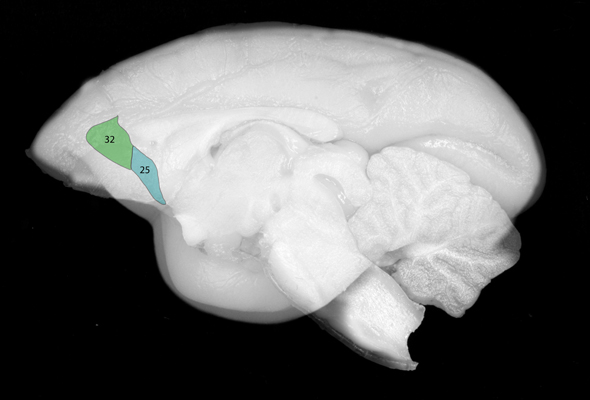
Targeting of Syrian Healthcare As ‘Weapon of War’ Sets Dangerous Precedent, Say Researchers

Targeting of Syrian healthcare as ‘weapon of war’ sets dangerous precedent, say researchers

source: www.cam.ac.uk

As new estimates of death toll for health workers are published, experts say the deliberate and systematic attacks on the healthcare infrastructure in Syria – primarily by government forces – expose shortcomings in international responses to health needs in conflict.

It is vital that the international community design policies and interventions to help displaced healthcare workers find and sustain employment in neighbouring host countries

Adam Coutts

The strategy of using people’s need for healthcare against them by violently denying access sets a dangerous precedent that the global health community must urgently address, say an international team of researchers.

The authors of a new report published today (15 March) in The Lancet – marking six years since the conflict began – have “triangulated” various data sources to provide new estimates for the number of medical personnel killed so far: 814 from March 2011 to February 2017.

However, they also say this is likely to be a “gross underestimate” due to limitations of evidence-gathering and corroboration in the conflict areas.

There were 199 attacks on health facilities in 2016 alone – an increase from 91 in 2012, when the Syrian government effectively criminalised medical aid for the opposition. The government and its allies, including Russia, have been responsible for at least 94% of attacks, say the experts – threatening the foundation of medical neutrality.

Besieged areas are denied medicine, and remaining medics are delivering what care they can in brutal conditions. Despite explicit protections under International Humanitarian Law, attacks on health workers have included imprisonment, abduction, torture and execution.

The authors of the latest report, including researchers from Cambridge’s departments of sociology and politics, say the conflict has exposed serious shortcomings in global governance.

They call for the systematic documentation of attacks on health workers and, critically, the perpetrators via the WHO, allowing for greater accountability. UN policies and practices should also be reviewed and strengthened, including operational capacity to deliver support to health workers across conflict lines.

The research team also calls for global solidarity with health workers in the Syrian conflict, including support to increase awareness among donors and politicians.

“Syria has become one of the most dangerous places on earth to be a healthcare worker,” says Dr Adam Coutts, report co-author from Cambridge’s Department of Sociology.

“Thousands of health workers have left and relocated to neighbouring countries and further afield such as Europe. This poses significant challenges for current healthcare provision in Syria but also for future health system rebuilding in a post conflict situation.”

Between 2011 and 2015, it is estimated that 15000 doctors, or half of the pre-war numbers, left the country. In Eastern Aleppo, approximately 1 doctor remained for every 7000 residents, compared with 1 in 800 in 2010.

The exodus of older, experienced doctors has left critical gaps. Younger, less experienced physicians – many of whom are students with no experience in trauma management or emergency medicine – have become indispensable. However, this increases risk for patients and warns of a serious shortage of skilled doctors in future.

In non-government controlled areas, the few health workers left face massive numbers of trauma victims, shortages of medicines, epidemics of infectious disease and chemical attacks. In areas under siege, surgical supplies and essential medicines are seldom allowed in, patients rarely evacuated, and public health measures such as water chlorination and measles vaccination are sometimes blocked.

The bulk of Syria’s remaining health workers are in government-controlled areas, where they also face mortar attacks from rebel areas and travel restrictions. Some report being forced to breach ethical principles under pressure.

Sophie Roborgh, one of the report’s authors from the Department of Politics and International Studies, conducts research on violence against health workers and medical infrastructure in conflict, and how health workers deal with it – professionally and personally.

“Healthcare workers that remain have been forced to adjust their entire lives around the threats and pressures they face,” she says. “There is such a shortage of staff that some physicians and other medical staff actually live full-time in hospitals.

“One medic showed me pictures on his phone of his colleague’s young children, who spend much time with their father, helping to mop up blood in operation rooms. Another told me how he celebrated his wedding in the hospital.

“We are trying to uncover which measures of support for these health workers are actually effective, in the hope that we can eventually move beyond a one-size-fits-all approach to a more specific, evidence-based model for conflict situations.”

Coutts says that practical policy options to assist displaced Syrian healthcare workers require evidence of where they are and what skills and training capacities they have. This information is not currently available and is badly needed.

“It is vital that the international community design policies and interventions to help displaced healthcare workers find and sustain employment in neighbouring host countries,” says Coutts.

“Due to visa and right-to-work issues, Syrian doctors and allied health professionals are unable to practice in countries such as Lebanon and Jordan. This is currently an untapped and essential workforce that could be used to support the already overstretched humanitarian response and public services in host communities.”


Creative Commons License
The text in this work is licensed under a Creative Commons Attribution 4.0 International License. For image use please see separate credits above.

Scientists Harness Solar Power To Produce Clean Hydrogen From Biomass

Scientists harness solar power to produce clean hydrogen from biomass

source: www.cam.ac.uk

A team of scientists at the University of Cambridge has developed a way of using solar power to generate a fuel that is both sustainable and relatively cheap to produce. It’s using natural light to generate hydrogen from biomass.

Our sunlight powered technology is exciting as it enables the production of clean hydrogen from unprocessed biomass under ambient conditions

Dr Erwin Reisner

One of the challenges facing modern society is what it does with its waste products. As natural resources decline in abundance, using waste for energy is becoming more pressing for both governments and business.

Biomass has been a source of heat and energy since the beginning of recorded history.  The planet’s oil reserves are derived from ancient biomass which has been subjected to high pressures and temperatures over millions of years. Lignocellulose is the main component of plant biomass and up to now its conversion into hydrogen has only been achieved through a gasification process which uses high temperatures to decompose it fully.

Dr Moritz Kuehnel, from the Department of Chemistry at the University of Cambridge, joint lead author on a new research paper published in Nature Energy, says:

“Lignocellulose is nature’s equivalent to armoured concrete. It consists of strong, highly crystalline cellulose fibres, that are interwoven with lignin and hemicellulose which act as a glue. This rigid structure has evolved to give plants and trees mechanical stability and protect them from degradation, and makes chemical utilisation of lignocellulose so challenging.”

The new technology relies on a simple photocatalytic conversion process. Catalytic nanoparticles are added to alkaline water in which the biomass is suspended. This is then placed in front of a light in the lab which mimics solar light. The solution is ideal for absorbing this light and converting the biomass into gaseous hydrogen which can then be collected from the headspace. The hydrogen is free of fuel-cell inhibitors, such as carbon monoxide, which allows it to be used for power.

The nanoparticle is able to absorb energy from solar light and use it to undertake complex chemical reactions. In this case, it rearranges the atoms in the water and biomass to form hydrogen fuel and other organic chemicals, such as formic acid and carbonate.

Joint lead author, Dr David Wakerley, also of the Department of Chemistry, says:

“There’s a lot of chemical energy stored in raw biomass, but it’s unrefined, so you can’t expect it to work in complicated machinery, such as a car engine. Our system is able to convert the long, messy structures that make up biomass into hydrogen gas, which is much more useful. We have specifically designed a combination of catalyst and solution that allows this transformation to occur using sunlight as a source of energy. With this in place we can simply add organic matter to the system and then, provided it’s a sunny day, produce hydrogen fuel.”

A piece of paper placed in front of a solar light source

The team used different types of biomass in their experiments. Pieces of wood, paper and leaves were placed in test tubes and exposed to solar light. The biomass didn’t require any processing beforehand.

The technology was developed in the Christian Doppler Laboratory for Sustainable SynGas Chemistry at the University of Cambridge. The head of the laboratory, Dr. Erwin Reisner, adds:

“Our sunlight-powered technology is exciting as it enables the production of clean hydrogen from unprocessed biomass under ambient conditions. We see it as a new and viable alternative to high temperature gasification and other renewable means of hydrogen production.

Future development can be envisioned at any scale, from small scale devices for off-grid applications to industrial-scale plants, and we are currently exploring a range of potential commercial options.”

With the help of Cambridge Enterprise, the commercialisation arm of the University, a UK patent application has been filed and talks are under way with a potential commercial partner.

Reference

David Wakerley et al: Solar-driven reforming of lignocellulose to H2 with a CdS/CdOx photocatalyst

Nature Energy 13th March 2017 DOI: 10.1038/nenergy.2017.21


Creative Commons License
The text in this work is licensed under a Creative Commons Attribution 4.0 International License. For image use please see separate credits above.
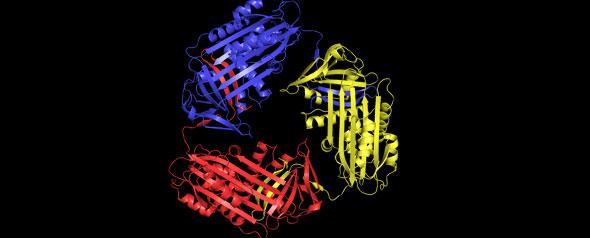
Visualising The Genome: Researchers Create First 3D Structures of Active DNA

Visualising the genome: researchers create first 3D structures of active DNA

source: www.cam.ac.uk

Scientists have determined the first 3D structures of intact mammalian genomes from individual cells, showing how the DNA from all the chromosomes intricately folds to fit together inside the cell nuclei.

Knowing where all the genes and control elements are at a given moment will help us understand the molecular mechanisms that control and maintain their expression

Ernest Laue

Researchers from the University of Cambridge and the MRC Laboratory of Molecular Biology used a combination of imaging and up to 100,000 measurements of where different parts of the DNA are close to each other to examine the genome in a mouse embryonic stem cell. Stem cells are ‘master cells’, which can develop – or ‘differentiate’ – into almost any type of cell within the body.

Most people are familiar with the well-known ‘X’ shape of chromosomes, but in fact chromosomes only take on this shape when the cell divides. Using their new approach, the researchers have now been able to determine the structures of active chromosomes inside the cell, and how they interact with each other to form an intact genome. This is important because knowledge of the way DNA folds inside the cell allows scientists to study how specific genes, and the DNA regions that control them, interact with each other. The genome’s structure controls when and how strongly genes – particular regions of the DNA – are switched ‘on’ or ‘off’. This plays a critical role in the development of organisms and also, when it goes awry, in disease.

The researchers have illustrated the structure in accompanying videos, which show the intact genome from one particular mouse embryonic stem cell. In the film, above, each of the cell’s 20 chromosomes is coloured differently.

In a second video, below, regions of the chromosomes where genes are active are coloured blue, and the regions that interact with the nuclear lamina (a dense fibrillar network inside the nucleus) are coloured yellow. The structure shows that the genome is arranged such that the most active genetic regions are on the interior and separated in space from the less active regions that associate with the nuclear lamina. The consistent segregation of these regions, in the same way in every cell, suggests that these processes could drive chromosome and genome folding and thus regulate important cellular events such as DNA replication and cell division.

Professor Ernest Laue, whose group at Cambridge’s Department of Biochemistry developed the approach, commented: “Knowing where all the genes and control elements are at a given moment will help us understand the molecular mechanisms that control and maintain their expression.

“In the future, we’ll be able to study how this changes as stem cells differentiate and how decisions are made in individual developing stem cells. Until now, we’ve only been able to look at groups, or ‘populations’, of these cells and so have been unable to see individual differences, at least from the outside. Currently, these mechanisms are poorly understood and understanding them may be key to realising the potential of stem cells in medicine.”

The research, by scientists at the Departments of Biochemistry, Chemistry and the Wellcome-MRC Stem Cell Institute at the University of Cambridge, together with colleagues at the MRC Laboratory of Molecular Biology, is published today in the journal Nature.

Dr Tom Collins from Wellcome’s Genetics and Molecular Sciences team said: “Visualising a genome in 3D at such an unprecedented level of detail is an exciting step forward in research and one that has been many years in the making. This detail will reveal some of the underlying principles that govern the organisation of our genomes – for example how chromosomes interact or how structure can influence whether genes are switched on or off. If we can apply this method to cells with abnormal genomes, such as cancer cells, we may be able to better understand what exactly goes wrong to cause disease, and how we could develop solutions to correct this.”

The research was funded by the Wellcome Trust, the European Union and the Medical Research Council.

Reference
Stevens, TJ et al. 3D structures of individual mammalian genomes studied by single-cell Hi-C. Nature; 13 March 2017; DOI: 10.1038/nature21429


Creative Commons License
The text in this work is licensed under a Creative Commons Attribution 4.0 International License. For image use please see separate credits above.

Detect. Lock on. Intercept. The Remarkable Hunting Ability of the Robber Fly

Detect. Lock on. Intercept. The remarkable hunting ability of the robber fly

source: www.cam.ac.uk

A small fly the size of a grain of rice could be the Top Gun of the fly world, with a remarkable ability to detect and intercept its prey mid-air, changing direction mid-flight if necessary before sweeping round for the kill.

The robber fly Holcocephala is a relatively small fly – at 6mm in length, it is similar in size of the average mosquito. Yet it has the ability to spot and catch prey more than half a metre away in less than half a second – by comparison to its size, this would be the equivalent of a human spotting its prey at the other end of a football pitch. Even if the prey changes direction, the predator is able to adapt mid-air and still catch its prey.

An international team led by researchers from the University of Cambridge was able to capture this activity by tricking the fly into launching itself at a fake prey – in fact, just a small bead on a fishing line. This enabled the team to witness the fly’s remarkable aerial attack strategy. Their findings are published today in the journal Current Biology.

To read more, see our article on Medium.

See the world through the eyes of a robber fly in the Plant and Life Sciences Marquee at the Cambridge Science Festival, Saturday 18 March 2017.

Reference
Wardill, TJ et al. A novel interception strategy in a miniature robber fly with extreme visual acuity; Current Biology; 9 March 2017; DOI: 10.1016/j.cub.2017.01.050


Creative Commons License
The text in this work is licensed under a Creative Commons Attribution 4.0 International License. For image use please see separate credits above.

Final Biomedical Trial On Captive Chimpanzees Is First Oral Ebola Vaccine For Saving Wild Apes

Final biomedical trial on captive chimpanzees is first oral Ebola vaccine for saving wild apes

source:www.cam.ac.uk

Oral vaccine offers hope for ape species ravaged by Ebola and other diseases, as it can be widely dispersed to save more wild animals. However, scientists say recent law changes on captive chimpanzee testing may stop the conservation work in its tracks.

This may be the final vaccine trial on captive chimpanzees: a serious setback for efforts to protect our closest relatives from the pathogens that push them ever closer to extinction in the wild

Peter Walsh

The results from the final biomedical research trial on captive chimpanzees for the foreseeable future have been published today in the journal Scientific Reports.

The trial was of a vaccination for Ebola: the first orally administered vaccine for any disease developed specifically for the purpose of conserving wild apes.

In addition to poaching and forest loss, diseases such as Ebola and anthrax have devastated wild ape populations. Ebola alone is estimated to have killed one third of the world’s wild gorillas over the last three decades.

Now, new findings have shown an effective oral vaccine for Ebola in chimpanzees, and that the captive animals involved in the trial exhibited very few signs of stress as a result. Researchers say the work demonstrates a model that could be harnessed for other diseases and ape species in the wild.

However, after decades using chimpanzees to test vaccines destined for humans, changes in the law have seen enforced retirement of captive populations and the closing of chimpanzee research facilities in the US – the last developed country where biomedical testing on chimpanzees was legal.

In what researchers describe as a “horrible irony”, they say these reforms – a victory for long-standing campaigns by animal welfare groups – will ultimately prove detrimental to chimpanzees and gorillas in the wild, as any vaccination for wild animals must be tested in captivity first to ensure its safety.

Consequently, the promising new vaccine model may never progress to the point where it can be used to inoculate endangered wild apes, say the research team from the universities of Cambridge, UK, and Thomas Jefferson and Louisiana, US.

“In 2014 the world was gripped by fears of an Ebola virus pandemic. Yet few people realise that Ebola has already inflicted pandemic scale mortality on our closest relatives,” says lead researcher Dr Peter Walsh from the University of Cambridge.

“African apes are also threatened by naturally occurring pathogens like anthrax, and the increasing overspill of human pathogens such as measles. A glimmer of hope lies in the fact that many of the disease threats are now vaccine preventable.

“We have developed a very promising tool for inoculating ape species against the myriad deadly diseases they face in the wild, but continued progress relies on access to a small number of captive animals.

“This may be the final vaccine trial on captive chimpanzees: a serious setback for efforts to protect our closest relatives from the pathogens that push them ever closer to extinction in the wild.”

Previous attempts to vaccinate wild apes have resorted to administering individual animals with hypodermic darts – a laborious task feasible for only a small number of apes habituated to human approach. By contrast, oral vaccines encased in appealingly edible baits could be distributed across wild ape territories to inoculate large numbers over longer periods.

Such an approach has already proved successful in other species: almost eliminating fox rabies (and the consequent need to cull foxes) across continental Europe.

The latest study was carried out with ten chimpanzees in one of the last remaining chimpanzee research facilities in the US in New Iberia, Louisiana. Six received the oral vaccine, while four were injected as a control group.

All the animals displayed a robust immunity without side effects after 28 days – when the trial was terminated due to new Endangered Species Act regulations banning biomedical research on chimpanzees.

Throughout the trial, scientists closely monitored animal behaviour and physiology for signs of severe stress. Other than very minor weight loss (2% of body mass), they say that signs of trauma were “entirely absent”.

“Some pressure groups argue that all research on captive chimpanzees is tantamount to torture, not just because of procedures but also due to confinement,” says Walsh.

“Enclosures and animal care are now of a very high standard, with chimpanzees housed in large social spaces. The modest traces of stress we detected during our trial were akin to the values observed in college students anticipating exams.”

Captive chimpanzee trials are technically still legal in the US in instances that benefit the species. However, Walsh says that the limited funds available for conservation research makes it unviable for biomedical facilities to retain populations, while zoos and sanctuaries are either “ideologically opposed” or unwilling to risk any public backlash from testing.

Further work to enhance the vaccine, such as ensuring effectiveness after exposure to high tropical forest temperatures, may now never get done due to the closure of captive chimpanzee facilities.

“In an ideal world, there would be no need for captive chimpanzees,” says Walsh. “But this is not an ideal world. It is a world where diseases such as Ebola, along with rampant commercial poaching and habitat loss, are major contributors to rapidly declining wild ape populations.

“Oral vaccines offer a real opportunity to slow this decline. The major ethical debt we owe is not to a few captive animals, but to the survival of an entire species we are destroying in the wild: our closest relatives.”


Creative Commons License
The text in this work is licensed under a Creative Commons Attribution 4.0 International License. For image use please see separate credits above.

Why Medical Device Company Launches FAIL in Europe

After many years in this industry, and having worked with senior leaders across the Medical Device and Life Science sectors, Nigel Job, CEO and Founder or Remtec Search and Selection has recently launched an eBook entitled ‘Why Medical Device Company Launches FAIL in Europe’. This book is a guide aimed at SMEs looking to enter the European market and will help you discover:


•             The 4 main barriers to your success in Europe – how to overcome them and avoid nasty surprises.

•             The one mission critical element that is simply the difference between success and failure.

•             Routes to market that could expedite and cement your European presence and growth potential.

•             Essential Do’s and Don’ts for your European strategy.


To gain access to the ebook Why Medical Devices Company Launches FAIL in Europe simply click on this link https://remtechealthcare.leadpages.co/gu-europe-ebook/

Rapid Changes Point To Origin Of Ultra-Fast Black Hole Winds

Rapid changes point to origin of ultra-fast black hole winds

source: www.cam.ac.uk

Astronomers have made the most detailed observation yet of an ultra-fast wind emanating from a Black Hole at a quarter of the speed of light. Using the European Space Agency (ESA)’s XMM-Newton and NASA’s NuSTAR telescopes, the scientists observed the phenomenon in an active galaxy known as IRAS 13224-3809.

Understanding these winds is crucial to understanding how galaxies, including our own, grow

Dr Michael Parker

Outflowing gas is a common features of the supermassive black holes that reside at the centre of large galaxies. Often millions of times more massive than the Sun, these black holes feed off the surrounding gas that swirls around them. Space telescopes observe this as a bright light from the innermost part of the disc around the black hole.

Occasionally the black holes consume too much gas and release an ultra-fast wind. These winds are an important characteristic to study because they could have a strong influence on regulating the growth of the host galaxy by clearing the surrounding gas away and therefore suppressing the birth of stars.

Using ESA’s XMM-Newton and NASA’s NuStar telescopes, scientists have now made the most detailed observation yet of such an outflow. The winds recorded from the black hole reach 71,000 km/s – a quarter of the speed of light – putting it in the top 5% of fastest known black hole winds.

XMM-Newton focused on the black hole for 17 consecutive days, revealing the extremely variable nature of the winds.

“We often only have one observation of a particular object, then several months or even years later we observe it again and see if there’s been a change,” says Dr Michael Parker of the Institute of Astronomy at the University of Cambridge, UK, lead author on a paper published in Nature this week which describes the discovery.

“Thanks to this long observation campaign, we observed changes in the winds on a timescale of less than an hour for the first time.”

The changes were seen in the increasing temperature of the winds, a signature of their response to greater X-ray emission from the disc right next to the black hole.

Furthermore, the observations also revealed changes to the chemical fingerprints of the outflowing gas: as the X-ray emission increased, it stripped electrons in the wind from their atoms, erasing the wind signatures seen in the data.

“The chemical fingerprints of the wind changed with the strength of the X-rays in less than an hour, hundreds of times faster than ever seen before,” says co-author Professor Andrew Fabian, also from the Institute of Astronomy, and principal investigator on the project.

“It allows us to link the X-ray emission arising from the material falling into the black hole, to the variability of the outflowing wind farther away.”

Dr Parker adds: “Black hole winds are one of the mechanisms for feedback, where the energy coming out from the black hole regulates the growth of the host galaxy. Understanding these winds is crucial to understanding how galaxies, including our own, grow.”

Michael Parker et al: “The response of relativistic outflowing gas to the inner accretion disk of a black hole” Nature 2 March 2017

Adapted from a press release by the European Space Agency


Creative Commons License
The text in this work is licensed under a Creative Commons Attribution 4.0 International License. For image use please see separate credits above.

New Study Identifies Possible Early Warning Signs of Huntington’s Disease

New study identifies possible early warning signs of Huntington’s disease

source: www.cam.ac.uk

Early warning signs of Huntington’s disease have been uncovered in a sheep carrying the human disease-causing genetic variant, providing new insights into this devastating illness, a new study in Scientific Reports has found.

Despite its devastating impacts on patients and their families, there are currently limited treatments options, and no cure for Huntington’s disease

Jenny Morton

Researchers from the University of Cambridge and University of Surrey have identified early biomarkers of disease during examinations of Huntington’s disease sheep still at a pre-symptomatic stage of the disease.

Up until this point, the five-year-old sheep had displayed no signs of the illness, but the comprehensive study identified clear metabolic changes in the animals carrying the genetic variant. These new findings reveal that Huntington’s disease affects important metabolic processes in the body prior to the appearance of physical symptoms.

Huntington’s disease affects more than 6,700 people in the UK. It is an incurable neurodegenerative disease: patients typically die 10-25 years after diagnosis.

The disease is caused by a mutation in the huntingtin gene. Genetic information is coded in DNA that is made up of a repeated string of four molecules known as nucleotides, or bases – A, C, G and T. Changes in the genetic code of the hutingtin gene leads directly to disease. The gene contains a repeated string of CAG bases: in healthy individuals, the CAG repeat is around 20 CAGs long, but if the repeat has 36 or more CAGs, an individual will develop Huntington’s disease. The sheep model of Huntington’s disease, which carries a CAG repeat in the disease-causing range, has been developed to increase knowledge about the condition.

During this study, researchers took blood samples from the normal and Huntington’s disease animals every two hours over a 24-hour period and assessed their metabolic profiles using a targeted metabolomics approach established at the University of Surrey. Unlike previous research in this area, which was affected by to external environmental factors that impacted upon metabolic profiling, sheep in this study were monitored in a well-controlled setting, negating any outside influences.

Blood measurements found startling differences in the biochemistry of the sheep carrying the disease-causing variant, compared to the normal sheep. Significant changes were observed in 89 of the 130 metabolites measured in their blood, with increased levels of the amino acids, arginine and citrulline, and decreases in sphingolipids and fatty acids that are commonly found in brain and nervous tissue.

The alterations in these metabolites, which include key components of the urea cycle and nitric oxide pathways (both vital body processes), suggest that both of these processes are dysregulated in the early stages of Huntington’s disease, and that the illness affects the body long before physical symptoms appear.

The identification of these biomarkers may help to track disease in pre-symptomatic patients, and could help researchers develop strategies to remedy the biochemical abnormalities.

Professor Debra Skene from the University of Surrey said: “Metabolic profiling has revealed novel biomarkers that will be useful to monitor Huntington’s disease progression.

“Our research shows that this disease affects the body in a number of ways before the tell-tale signs of Huntington’s disease become visible.”

Professor Jenny Morton from the University of Cambridge said: “Despite its devastating impacts on patients and their families, there are currently limited treatments options, and no cure for Huntington’s disease.  The development of objective and reliable biomarkers that can be rapidly measured from blood samples becomes immeasurably important once clinical trials for therapies begin.

“The more we learn about this devastating illness the better chance we have of finding a cure.”

The research was funded by the CHDI Foundation and the Biotechnology and Biological Sciences Research Council.

Reference
Skene,  DJ et al. Metabolic profiling of presymptomatic Huntington’s disease sheep reveals novel biomarkers. Scientific Reports; 22 Feb 2017; DOI: 10.1038/srep43030

Adapted from a press release by the University of Surrey.


Creative Commons License
The text in this work is licensed under a Creative Commons Attribution 4.0 International License. For image use please see separate credits above.

Apple’s ‘Secret’ Cambridge Siri Lab Is No Longer Quite So Secret

Apple’s ‘secret’ Cambridge Siri lab is no longer quite so secret

source: http://www.cambridge-news.co.uk

Tech giant’s logo spotted in city

Apple's office on Hills Road
Apple’s office on Hills Road (Photo: Keith Jones)

For the last two years Apple has been tight-lipped about its office in Cambridge, but now it seems the iPhone maker is ready to come out of the closet.

The tech giant has repeatedly refused to confirm it is operating out of 90 Hills Road, next to the entrance of the Botanic Gardens. But now its iconic logo has appeared on signage outside the building,

In November 2015 the News exclusively revealed that Apple was hiring staff in Cambridge to work on its Siri personal assistant software, following its $100m acquisition of Cambridge University spin-out VocalIQ, which was using artificial intelligence to develop a system that would allow humans and computers to communicate using natural language.

Apple's office on Hills Road
Apple’s office on Hills Road (Photo: Keith Jones)

It is thought more than 30 people, including former VocalIQ staff, are now working at the Hills Road office, developing new versions of Siri to compete with the likes of Amazon and Google, both of which are marketing their own AI-powered personal assistants.

Newly Discovered Planets Could Have Water On Their Surfaces

Newly discovered planets could have water on their surfaces


source: www.cam.ac.uk

An international team of astronomers has found a system of seven potentially habitable planets orbiting a star 39 light years away three of which could have water on their surfaces raising the possibility they could host life. Using ground and space telescopes, the team identified the planets as they passed in front of the ultracool dwarf star known as TRAPPIST-1. The star is around eight per cent of the mass of the Sun and is no bigger than Jupiter.

That the planets are so similar to Earth bodes well for the search for life elsewhere

Amaury Triaud

The team has been using the TRAPPIST–South telescope at the European Space Observatory’s (ESO) La Silla Observatory, the Very Large Telescope (VLT) at Paranal, the NASA Spitzer Space Telescope as well as two other telescopes supported by the UK’s STFC, the William Herschel Telescope and the Liverpool Telescope. All the planets, labelled TRAPPIST-1b, c, d, e, f, g and h in order of increasing distance from their parent star, have sizes comparable to Earth.

The astronomers identified the planets thanks to periodic drops in the brightness of the central star. As the planets passed in front of the star, they cast a shadow, events known as transits, from which the team could measure the planet’s orbital periods and calculate their sizes and masses. They found that the inner six planets were comparable in size, mass and temperature to the Earth raising the possibility that they host liquid water on their surface.

With just 8% the mass of the Sun, TRAPPIST-1 is very small in stellar terms, only marginally bigger than the planet Jupiter — and though nearby in the constellation Aquarius, it is invisible visually with anything less than powerful telescopes. Astronomers expected that such dwarf stars might host many Earth-sized planets in tight orbits, making them promising targets in the hunt for extraterrestrial life. TRAPPIST-1 is the first such system to be discovered.

Co-author Dr Amaury Triaud, of the University of Cambridge’s Institute of Astronomy, explains: “Stars like TRAPPIST-1 belong to the most common type of stars that exist within our Galaxy. The planets that we found are likely representative of the most common sort of planets in the Universe.

“That the planets are so similar to Earth bodes well for the search for life elsewhere. Planets orbiting ultra-cool dwarfs, like TRAPPIST-1, likely represent the largest habitable real estate in the Milky Way!”

The seven planets of the TRAPPIST-1 system. Credit: ESO

The seven planets of the TRAPPIST-1 system. Credit: ESO

The team determined that all the planets in the system were similar in size to Earth and Venus in our Solar System, or slightly smaller. The density measurements suggest that at least the innermost six are probably rocky in composition.

The planetary orbits are not much longer than that of Jupiter’s Galilean moon system, and much smaller than the orbit of Mercury in the Solar System. However, TRAPPIST-1’s small size and low temperature means that the energy input to its planets is similar to that received by the inner planets in our Solar System; TRAPPIST-1c, d and f receive similar energy inputs to Venus, Earth and Mars, respectively.

All seven planets discovered in the system could potentially have liquid water on their surfaces, though their orbital distances make some of them more likely candidates than others. Climate models suggest the innermost planets, TRAPPIST-1b, c and d, are probably too hot to support liquid water, except maybe on a small fraction of their surfaces. The orbital distance of the system’s outermost planet, TRAPPIST-1h, is unconfirmed, though it is likely to be too distant and cold to harbour liquid water — assuming no alternative heating processes are occurring. TRAPPIST-1e, f, and g, however, are of more interest for planet-hunting astronomers, as they orbit in the star’s habitable zone and could host oceans of surface water.

These new discoveries make the TRAPPIST-1 system an even more important target in the search for extra-terrestrial life. Team member Didier Queloz, from the University of Cambridge’s Cavendish Laboratory, is excited about the future possibilities: “Thanks to future facilities like ESO’ Extremely Large Telescope, or NASA/ESA’s soon-to-be-launched James Webb Space telescope, we will be capable to measure the structure of the planets’ atmospheres, as well as their chemical composition. We are about to start the remote exploration of terrestrial climates beyond our Solar system.”

The discovery is described in Nature, which also includes a science fiction short story, written by Laurence Suhner. Amaury Triaud comments: “We were thrilled at the idea of having artists be inspired by our discoveries right away. We hope this helps convey the sense of awe and excitement that we all have within the team about the TRAPPIST-1 system.”

The star draws its name from the TRAPPIST-South telescope, which made the initial discovery. TRAPPIST is the forerunner of a more ambitious facility called “SPECULOOS” that includes Cambridge as core partner, conducted by researchers of the “Cambridge Centre for Exoplanet Research” in the broad research context related to “Universal Life”. SPECULOOS is currently under construction at ESO’ Observatory of Cerro Paranal. SPECULOOS will survey 10 times more stars for planets, than TRAPPIST could do. We expect to detect dozens of additional terrestrial planets.

Michaël Gillon et al: “Seven temperate terrestrial planets around the nearby ultracool dwarf star TRAPPIST-1” Nature 23rd Feb. 2017

http://www.nature.com/nature/journal/v542/n7642/full/nature21360.html

Link to a science-fiction short story: http://www.nature.com/nature/journal/v542/n7642/full/542512a.html

Cambridge Exoplanet Research Centre: http://exoplanets.phy.cam.ac.uk

For additional information, images, videos, a graphic novel and short stories, visit www.trappist.one

Adapted from a press release by the European Space Observatory (ESO)


Creative Commons License
The text in this work is licensed under a Creative Commons Attribution 4.0 International License. For image use please see separate credits above.