All posts by Admin

Global Graphics SE : Global Graphics Acquires TTP Meteor Limited

source: http://finance.yahoo.com/

PRESS RELEASE – REGULATED INFORMATION

GLOBAL GRAPHICS ACQUIRES TTP METEOR LIMITED.

Cambridge (UK), 5 December 2016 (18.00 CET): Global Graphics SE (GLOG.BR) the developers of software for digital printing including the Harlequin RIP®, announces today that it has acquired the entire issued share capital of TTP Meteor Limited (“Meteor”), specialists in printhead driver systems, from the TTP Group plc (“TTP”) based near Cambridge, UK.

Meteor enables industrial inkjet, graphic arts and commercial printing applications through the provision of world-leading drive electronics and software.  Through strong relationships with industrial inkjet printhead manufacturers including Fujifilm Dimatix, Konica Minolta, Kyocera, Ricoh, SII Printek, Toshiba TEC and Xaar, Meteor supplies production-ready electronics and software to print equipment manufacturers world-wide.

TTP has been involved in developing leading edge printing technologies since 1987.  From 2006, printhead drive electronics have been supplied under the Meteor brand. With this acquisition, Meteor becomes a wholly-owned subsidiary of Global Graphics SE.  Meteor will operate as an independent, standalone entity and will continue to be led by Clive Ayling who has developed Meteor into a successful business.  It is expected that the company name will change from TTP Meteor Limited to Meteor Inkjet Limited.

Gary Fry, Global Graphics` CEO said, “Meteor has established itself as an influential player in the inkjet market and has a deep understanding of the science and engineering underpinning digital printing.  This acquisition is strategically important for Global Graphics because it means we can offer a broader solution to inkjet press manufacturers by combining our software solutions with Meteor`s industrial printhead driver solutions.

“Healthy growth is predicted for the inkjet segment of digital printing where there continues to be a vast amount of innovation as jetting technology is applied to an increasingly diverse range of applications such as ceramics, textiles or décor.  Global Graphics is already emerging as an important partner to the industry`s leading manufacturers and Meteor adds to our capability, making us a very compelling proposition in the market.  We already share joint customers and our goal is to substantially grow this base.”

Clive Ayling, Meteor`s managing director said, “Meteor has an established record of success in delivering robust and reliable printhead driving solutions for a myriad of applications.  Global Graphics values this success and recognizes the importance of our independence in delivering the diverse range of solutions our customers require.  We are looking forward to working with Global Graphics to accelerate the growth of our business whilst we continue to deliver the world-class products and support that our customers have come to expect.”

Rob Day, TTP`s head of print technology said, “having nurtured Meteor through its initial technology and IP development phase into a mature and profitable business, we are delighted to see it become a subsidiary of Global Graphics. There is immense strategic synergy between the two companies. This will allow the Meteor team to broaden its offering to existing customers, and accelerate the acquisition of new ones. TTP`s Print Technology Division will continue to develop novel printing systems and print technology, and looks forward to working with Meteor`s products in future systems integration projects.”

Consideration for the acquisition is £1.2 million in cash followed by a maximum deferred consideration of £3.6 million.  The deferred consideration is payable in cash and is contingent on revenue during the ten year period from 6 December 2016 until 31 December 2026.

For the year ended 31 March 2016, Meteor generated sales of £2.5 million and a loss before tax of £0.2 million.  For the eight months ended 25 November 2016 Meteor`s management accounts showed sales of £2.5 million and a profit before tax of £0.3 million.  The acquisition is expected to be earnings enhancing in the financial year ending 31 December 2017.

Ends

About Global Graphics
Global Graphics (GLOG.BR) http://www.globalgraphics.com is a leading developer of software platforms on which our partners create solutions for digital printing, digital document and PDF applications. Customers include HP, Corel, Quark, Kodak and AgfaThe roots of the company go back to 1986 and to the iconic university town of Cambridge, and, today the majority of the R&D team is still based near here. There are also offices near Boston, Massachusetts and in Tokyo.

About Meteor
With offices near Cambridge, Meteor (http://www.meteorinkjet.com) is the leading independent supplier of industrial inkjet printhead driving solutions. Working closely with all major industrial inkjet printhead manufacturers, Meteor supplies production-ready electronics and software to printer OEMs and print system integrators world-wide.

About TTP
The Technology Partnership plc (TTP) is a world-leading technology and product development company. TTP works closely with its partners to create new business based on advances in technology and engineering innovation. TTP`s technology lies behind many products and processes in areas as diverse as biotechnology, medical devices, instrumentation, communications, digital printing, consumer & industrial products, cleantech and security systems.  Contact: Rob Day, Print Technology Group Manager, rob.day@ttp.com.

Harlequin, the Harlequin logo, the Harlequin RIP, are trademarks of Global Graphics Software Limited which may be registered in certain jurisdictions.  Global Graphics is a trademark of Global Graphics S.E. which may be registered in certain jurisdictions. All other brand and product names are the registered trademarks or trademarks of their respective owners.

Contacts

Jill Taylor Graeme Huttley
Corporate Communications Director Chief Financial Officer
Tel: +44 (0)1223 926489 Tel: +44 (0)1223 926472
Email: jill.taylor@globalgraphics.com Email: graeme.huttley@globalgraphics.com

Chris Grayling Unveils Plans For Fully Privatised Rail Line

Chris Grayling unveils plans for fully privatised rail line

source: https://www.theguardian.com

Single company to own track and run trains on Oxford–Cambridge route in first such operation since 1990s privatisation

A worker wearing a Network Rail jacket
Network Rail owns Britain’s railway tracks. When they were privately owned by Railtrack, there were several fatal crashes. Photograph: Jonathan Brady/PA

The government has unveiled plans for a fully privatised railway line, with track and trains operated by the same company.

A new line linking Oxford and Cambridge will not be developed by Network Rail, the owner of Britain’s rail infrastructure. Instead, a new entity will be responsible for track and infrastructure, as well as operating train services, under proposals drawn up by the transport secretary, Chris Grayling.

“What we are doing is taking this line out of Network Rail’s control,” Grayling told BBC Radio 4’s Today programme. “Network Rail has got a huge number of projects to deliver at the moment … I want it to happen quicker. This is an essential corridor for this country. On that route we are going to bring in private finance, in a form to be decided.”

In a keynote speech later on Tuesday, Grayling will outline further how the government plans to reunite the operation of tracks and trains, which are currently the respective responsibility of publicly owned Network Rail and private train operating companies (TOCs). He will also outline how future rail franchises will have to create integrated operating teams between TOCs and Network Rail.

The RMT union said Grayling’s rail plans would recreate privatisation chaos that it claims he introduced in the prison system as justice secretary.

On Tuesday morning, Grayling told parliament in a written statement: “I am going to establish East West Rail as a new and separate organisation, to accelerate the permissions needed to reopen the route, and to secure private-sector involvement to design, build and operate the route as an integrated organisation.”

He said he intended to build on two major reports into the rail industry, the 2011 McNulty report and the 2015 Shaw report, that advocated cost-cutting, devolution and bringing in private finance. He added: “But there is much more to do.”

While officials at the Department for Transport have disputed reports that Grayling is seeking more immediate challenges to Network Rail, unions pledged to fight the proposed changes.

The RMT general secretary, Mick Cash, said: “This is a politician who doesn’t believe in the public sector, who spent five years at the justice department and left a prison system in chaos and now wants to do the same on the railways. And we are not going to stand idly by and watch that happen.

“This is a slippery slope to privatisation and the breakup of Network Rail and we are deeply concerned about it.”

Grayling denied he was intent on privatisation. “I don’t intend to sell off the existing rail network. I don’t intend to privatise Network Rail again,” he told Today. He said the Oxford and Cambridge rail link would be developed by a separate company outside Network Rail in the same way that the Crossrail link had been developed in London.

Rail privatisation has consistently polled as deeply unpopular with supporters of all parties, and privately owned Railtrack’s management of the track and infrastructure from 1994 to 2002 remains associated with fatal train crashes including Potters Bar and Hatfield, in Hertfordshire.

Despite this, Grayling hopes the restored Oxford to Cambridge line, axed following the Beeching cuts in the 1960s, will be the first integrated rail operation in Britain since privatisation in the 1990s. Funding towards restoring the rail link between the cities, on a route that will have a branch to Milton Keynes, and eventually extend to Norwich and Ipswich, was announced in the autumn statement last month.

A new organisation, East West Rail, will be created early in 2017 to secure investment and build the line, eventually becoming a private company that will operate train services.

In the meantime, Grayling will demand that Network Rail and TOCs work more closely together in the interests of passengers, with proposals for more “vertical integration” to be built into the upcoming South Eastern and East Midlands franchises (pdf).

Grayling will say: “I believe it will mean they run better on a day-to-day basis … Our railway is much better run by one joined-up team of people. They don’t have to work for the same company. They do have to work in the same team.”

A lack of communication and shared incentives between track and train operators has been identified as one factor in the long-running problems at Southern, the commuter network to the south of London, which has been plagued by delays and cancelled services.

In September, Grayling appointed Chris Gibb to run a board with a £20m fund to ensure rail maintenance worked in tandem with Southern’s train operations.

Cash said the government was “dragging the railways back to the failed and lethal Railtrack model”.

“The idea that what Britain’s railways need is more privatisation is ludicrous,” he said. “The introduction of the profit motive into infrastructure raises again the spectre of Hatfield and Potters Bar and the other grotesque failures that led to the creation of Network Rail.”

The general secretary of the train drivers’ union Aslef, Mick Whelan, said: “The failures and tragedies of the Railtrack era remind us that infrastructure should never be run for profit. I’m concerned that in 2016, [Grayling] is seriously considering a return to one of the darkest times in the history of Britain’s railways.”

The idea of alliances between TOCs and Network Rail had been tried recently without success, Whelan said. “What he is proposing is a desperate, half-baked reform that will only add another layer of unnecessary complexity to the rail industry.”

Cutting Welfare To Protect The Economy Ignores Lessons of History, Researchers Claim

Cutting welfare to protect the economy ignores lessons of history, researchers claim

source: www.cam.ac.uk

Amid ongoing welfare cuts, researchers argue that investment in health and social care have been integral to British economic success since 1600.

There needs to be an end to this idea of setting economic growth in opposition to the goal of welfare provision. The suggestion of history is that they seem to feed each other.

Simon Szreter

Cutting welfare and social care budgets during times of economic hardship is an “historically obsolete” strategy that ignores the very roots of British prosperity, a group of Cambridge academics have warned.

Writing in the leading medical journal, The Lancet, a team of researchers argue that squeezing health and welfare spending in order to reduce taxes, and on the basis that these are luxuries that can only be afforded when times are good, overlooks a critical lesson of British history – namely that they are central to the nation’s economic success.

The authors are all part of a group based at St John’s College, University of Cambridge, which is studying the causes of health inequalities and looking at how research in this area can be used to inform policy interventions.

Drawing on recent research, they argue that the concept of a British welfare state, widely thought to have begun after the Second World War, actually dates back to a “precocious welfare system” forged during the reign of Elizabeth I, which was fundamental to England’s emergence as “the most dynamic economy in the world”.

While the Chancellor of the Exchequer has said that there will be no further welfare savings during the present Parliament beyond those already announced, the paper is directly critical of the continuation of those existing policies, which have reduced welfare spending overall in the name of economic austerity.

Referring to the statement made by the former Prime Minister, David Cameron, that “you can only have a strong NHS if you have a strong economy”, the authors argue: “The narrow view that spending on the National Health Service and social care is largely a burden on the economy is blind to the large national return to prosperity that comes from all citizens benefiting from a true sense of social security.”

They continue: “There are signs that Theresa May subscribes to the same historically obsolete view. Despite her inaugural statement as Prime Minister, her Chancellor’s autumn statement signals continuing austerity with further cuts inflicted on the poor and their children, the vulnerable, and infirm older people.”

By contrast, the paper argues that a universalist approach of progressively-funded health and welfare spending is an integral part of economic growth, and something that modern states cannot afford to do without. That conclusion is echoed in a new educational film, developed from work by Simon Szreter, Professor of History & Public Policy at Cambridge and a co-author of the Lancet piece.

“We are arguing from history that there needs to be an end to this idea of setting economic growth in opposition to the goal of welfare provision,” Professor Szreter said. “A healthy society needs both, and the suggestion of history is that they seem to feed each other.”

Perhaps surprisingly, the paper traces that feedback loop to the Tudor era, and specifically the Elizabethan Poor Laws in 1598 and 1601. These enshrined in law an absolute “right of relief” for every subject of the Crown, funding the policy with a community tax and applying both through the local Parish.

The authors say that this not only represented the world’s first social security system, but also made the elderly less reliant on their children for support, increased labour mobility, enabled urban growth and eased Britain’s transition to an industrial economy. The system also maintained a level of demand by supporting the purchasing power of the poor when food prices rose.

Rather than stifling Britain’s economy, the paper argues that the system was therefore essential to helping the country to become the most urbanized society in the world, and the world’s leading economy, between 1600 and 1800. Although the population more than doubled during this time, key indicators of prosperity – such as life expectancy – actually improved.

“Overall, it facilitated the most sustained period of rising economic prosperity in the nation’s history,” the authors observe.

The authors go on to link the economic growth that the nation experienced under the welfare state after 1945 with similar universalist principles of progressively-funded health and welfare provision, arguing that these stimulated a dynamic period of per capita economic growth, and cut the rich-poor divide to an all-time low during the 1970s.

Conversely, they argue that the economy has stagnated when such principles have been abandoned. The Poor Law Amendment Act of 1834 overhauled the earlier Elizabethan Laws in an effort to prevent abuses of the system that were felt to be draining the pockets of honest taxpayers. Infamously, this involved providing relief through workhouses in which the appalling conditions, seared into social consciousness by authors like Charles Dickens, were so bad that only the truly destitute sought their help.

The study suggests that there is no evidence that this approach, which came close to criminalising the poor, actually brought about much economic benefit. In fact, British growth rates gradually fell behind the country’s rivals’ after 1870 – and only recovered after 1950, in the postwar decades of the revived, universalist welfare state.

The authors also point out that to cut welfare budgets because this will relieve taxation on “hard-working families” implies that those who need welfare are somehow unproductive. Just as the Victorian 1834 measures attempted to address a perceived problem with the “idle poor”, current strategies often dub benefits claimants, directly or indirectly, as “scroungers”.

“The interests of the poor and the wealthy are not mutually opposed in a zero-sum game,” the authors conclude. “Investment in policies that develop human and social capital will underpin economic opportunities and security for the whole population.”

The paper, Health and welfare as a burden on the state? The dangers of forgetting history is published in The Lancet.


Creative Commons License
The text in this work is licensed under a Creative Commons Attribution 4.0 International License. For image use please see separate credits above.


Enhanced CRISPR Lets Scientists Explore All Steps of Health and Disease In Every Cell Type

Enhanced CRISPR lets scientists explore all steps of health and disease in every cell type

source: www.cam.ac.uk

Researchers from the Wellcome Trust Sanger Institute and the University of Cambridge have created sOPTiKO, a more efficient and enhanced inducible CRISPR genome editing platform. Today, in the journal Development, they describe how the freely available single-step system works in every cell in the body and at every stage of development. This new approach will aid researchers in developmental biology, tissue regeneration and cancer.

In the past we have been hampered by the fact we could study a gene’s function only in a specific tissue. Now you can knock out the same gene in parallel in a diversity of cell types with different functions

Alessandro Bertero

Two complementary methods were developed: sOPiTKO is a knock-out system that turns off genes by disrupting the DNA, while sOPTiKD is a knock-down system that silences the action of genes by disrupting the RNA. Using these two methods, scientists can turn off or silence genes in any cell type, at any stage of a cell’s development from stem cell to fully differentiated adult cell. These systems will allow researchers world-wide to rapidly and accurately explore the changing role of genes as the cells develop into tissues such as liver, skin or heart, and discover how this contributes to health and disease.

The body contains approximately 37 trillion cells, yet the human genome only contains around 20,000 genes. So, to produce every tissue and cell type in the body, different combinations of genes must operate at different moments in the development of an organ or tissue. Being able to turn off genes at specific moments in a cell’s development allows their changing roles to be investigated.

Professor Ludovic Vallier, one of the senior authors of the study from the Wellcome Trust–Medical Research Council Cambridge Stem Cell Institute at the University of Cambridge and the Sanger Institute said: “As a cell develops from being stem cell to being a fully differentiated adult cell, the genes within it take on different roles. Before, if we knocked out a gene, we could only see what effect this had at the very first step. By allowing the gene to operate during the cell’s development and then knocking it out with sOPTiKO at a later developmental step, we can investigate exactly what it is doing at that stage.”

The sOPTiKO and sOPTiKD methods allow scientists to silence the activity of more than one gene at a time, so researchers are now able to investigate the role of whole families of related genes by knocking down the activity of all of them at once.

Dr Alessandro Bertero, one of the first authors of the study from the Cambridge Stem Cell Institute, said: “In the past we have been hampered by the fact we could study a gene’s function only in a specific tissue. Now you can knock out the same gene in parallel in a diversity of cell types with different functions.”

In addition, the freely available system allows experiments to be carried out far more rapidly and cheaply. sOPTiKO is highly flexible so that it can be used in every tissue in the body without needing to create a new system each time. sOPiTKD allows vast improvements in efficiency: it can be used to knock down more than one gene at a time. Before, to silence the activity of three genes, researchers had to knock down one gene, grow the cell line, and repeat for the next gene, and again for the next. Now it can do it all in one step, cutting a nine-month process down to just one to two months.

Reference
Bertero A et al. (2016) Optimized inducible shRNA and CRISPR/Cas9 platforms for in vitro studies of human development using hPSCs. Development 143: 4405-4418. doi:10.1242/dev.138081

Adapted from a press release by the Wellcome Trust Sanger Institute.


Creative Commons License
The text in this work is licensed under a Creative Commons Attribution 4.0 International License. For image use please see separate credits above.

Inspiring Images Invite You Into The World of Engineering

Inspiring images invite you into the world of engineering

source: www.cam.ac.uk

It could be a crystal ball from a mythical age showing the swirling mists of time, but James Macleod’s  image, which has won this year’s Department of Engineering Photography Competition, actually shows graphene being processed in alcohol to produce conductive ink.

These photos show how some scientific applications and processes can convey stark beauty

Philip Guildford

Graphene is a sheet form of carbon that is a single atom thick, which can be produced by successively peeling thin layers off graphite using tape until an individual atomic layer is left. In the ink produced here, powdered graphite is mixed with alcohol then forced at high pressure through micrometre-scale capillaries made of diamond.

This was the first time that Macleod, a 32 year old technician at the Department, had entered the competition. His is one of more than 140 images that showcase the breadth of research taking place there.

The competition, sponsored by ZEISS, international leaders in the fields of optics and optoelectronics, has been held annually for the last 12 years. The panel of judges included Roberto Cipolla, Professor of Information Engineering, Dr Allan McRobie, Reader in Engineering, Professor David Cardwell, Head of Department, Dr Kenneth Png, Senior Applications Engineer at Carl Zeiss Microscopy and Philip Guildford, Director of Research.

Second prize went to Toby Call for his photo showing bacteria on a graphene coated carbon foam anodic surface. The bacteria (shown in red) produce conductive nanowires to connect to the surface. Also captured in the top left of the image is a ciliate (tiny protozoan) which either feed on the abundant electricity producing bacteria, or compete for resources.

Simon Stent was awarded third prize for an image showing a 2-km map of a power tunnel network in London. Due for completion in 2018, the network will channel up to six 400 kV electricity cables underground, doubling power capacity to the city. The image was captured and processed by a low-cost robotic device. Each of the 12 columns in the image spans a distance of 170 metres and shows the full 360 degree tunnel circumference unwrapped.

Mr Guildford says: “This year’s entries form yet another collection of incredible images that offer us an insight into the varied world of engineering. These photos show how some scientific applications and processes can convey stark beauty.  From tiny particles and microscopic images, to sections of tunnel on the Crossrail project in London, these photos represent the full spectrum of engineering.”

Some of the images submitted to the competition are tiny, and can only be viewed properly through a microscope, while others are on a much grander scale. Behind them all lies a passion for the subject matter being studied by the photographer.

The winning images can be viewed online via the Department’s Flickr pages, where they can be accessed alongside dozens of other entries.

Environmentally-Friendly Graphene Textiles Could Enable Wearable Electronics

Environmentally-friendly graphene textiles could enable wearable electronics


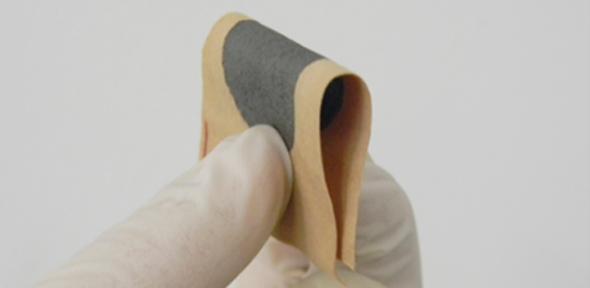
Conductive textile
source: www.cam.ac.uk

A new method for producing conductive cotton fabrics using graphene-based inks opens up new possibilities for flexible and wearable electronics, without the use of expensive and toxic processing steps.

Turning cotton fibres into functional electronic components can open to an entirely new set of applications from healthcare and wellbeing to the Internet of Things

Felice Torrisi

Wearable, textiles-based electronics present new possibilities for flexible circuits, healthcare and environment monitoring, energy conversion, and many others. Now, researchers at the Cambridge Graphene Centre (CGC) at the University of Cambridge, working in collaboration with scientists at Jiangnan University, China, have devised a method for depositing graphene-based inks onto cotton to produce a conductive textile. The work, published in the journal Carbon, demonstrates a wearable motion sensor based on the conductive cotton.

Cotton fabric is among the most widespread for use in clothing and textiles, as it is breathable and comfortable to wear, as well as being durable to washing. These properties also make it an excellent choice for textile electronics. A new process, developed by Dr Felice Torrisi at the CGC, and his collaborators, is a low-cost, sustainable and environmentally-friendly method for making conductive cotton textiles by impregnating them with a graphene-based conductive ink.

Based on Dr Torrisi’s work on the formulation of printable graphene inks for flexible electronics, the team created inks of chemically modified graphene flakes that are more adhesive to cotton fibres than unmodified graphene. Heat treatment after depositing the ink on the fabric improves the conductivity of the modified graphene.  The adhesion of the modified graphene to the cotton fibre is similar to the way cotton holds coloured dyes, and allows the fabric to remain conductive after several washes.

Although numerous researchers around the world have developed wearable sensors, most of the current wearable technologies rely on rigid electronic components mounted on flexible materials such as plastic films or textiles. These offer limited compatibility with the skin in many circumstances, are damaged when washed and are uncomfortable to wear because they are not breathable.

“Other conductive inks are made from precious metals such as silver, which makes them very expensive to produce and not sustainable, whereas graphene is both cheap, environmentally-friendly, and chemically compatible with cotton,” explains Dr Torrisi.

Co-author Professor Chaoxia Wang of Jiangnan University adds: “This method will allow us to put electronic systems directly into clothes. It’s an incredible enabling technology for smart textiles.”

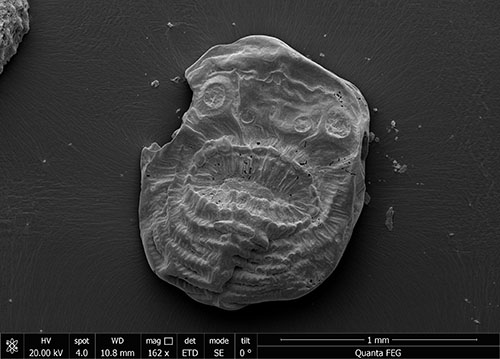
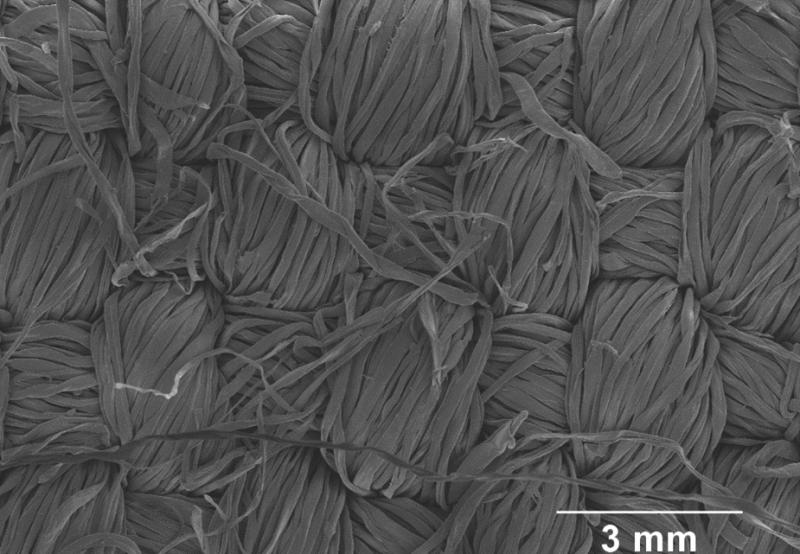
Electron microscopy image of a conductive graphene/cotton fabric. Credit: Jiesheng Ren

The work done by Dr Torrisi and Prof Wang, together with students Tian Carey and Jiesheng Ren, opens a number of commercial opportunities for graphene-based inks, ranging from personal health technology, high-performance sportswear, military garments, wearable technology/computing and fashion.

“Turning cotton fibres into functional electronic components can open to an entirely new set of applications from healthcare and wellbeing to the Internet of Things,” says Dr Torrisi “Thanks to nanotechnology, in the future our clothes could incorporate these textile-based electronics and become interactive.”

Graphene is carbon in the form of single-atom-thick membranes, and is highly conductive. The group’s work is based on the dispersion of tiny graphene sheets, each less than one nanometre thick, in a water-based dispersion. The individual graphene sheets in suspension are chemically modified to adhere well to the cotton fibres during printing and deposition on the fabric, leading to a thin and uniform conducting network of many graphene sheets. This network of nanometre flakes is the secret to the high sensitivity to strain induced by motion. A simple graphene-coated smart cotton textile used as a wearable strain sensor has been shown to reliably detect up to 500 motion cycles, even after more than 10 washing cycles in normal washing machine.

The use of graphene and other related 2D materials (GRMs) inks to create electronic components and devices integrated into fabrics and innovative textiles is at the centre of new technical advances in the smart textiles industry. Dr Torrisi and colleagues at the CGC are also involved in the Graphene Flagship, an EC-funded, pan-European project dedicated to bringing graphene and GRM technologies to commercial applications.

Graphene and GRMs are changing the science and technology landscape with attractive physical properties for electronics, photonics, sensing, catalysis and energy storage. Graphene’s atomic thickness and excellent electrical and mechanical properties give excellent advantages, allowing deposition of extremely thin, flexible and conductive films on surfaces and – with this new method – also on textiles. This combined with the environmental compatibility of graphene and its strong adhesion to cotton make the graphene-cotton strain sensor ideal for wearable applications.

The research was supported by grants from the European Research Council’s Synergy Grant, the International Research Fellowship of the National Natural Science Foundation of China and the Ministry of Science and Technology of China. The technology is being commercialised by Cambridge Enterprise, the University’s commercialisation arm.

Reference
Ren, J. et al. Environmentally-friendly conductive cotton fabric as flexible strain sensor based on hot press reduced graphene oxide. Carbon; 19 Oct 2016; DOI: 10.1016/j.carbon.2016.10.045


Creative Commons License
The text in this work is licensed under a Creative Commons Attribution 4.0 International License. For image use please see separate credits above.

Connected Cambridge Co-Creation (C4) Special Interest Group Launches

Connected Cambridge Co-Creation (C4) Special Interest Group

This group has been inspired by the positive interaction between Connected Cambridge and the ARU Enterprise Society. At our Entrepreneurs on the Move meeting on November 30th we undertook to:

  • form a sub group of Connected Cambridge which supports very early stage enterprise projects like those from ARU Enterprise Society;
  • offer (a modest amount of) advice, mentoring, encouragement, contacts;
  • engage with ARU Enterprise Society events and activities and welcome them into Connected Cambridge Events;
  • sustain and develop  the relationship in the long term

Come and join us!!

for further information contact Mark Layzell on mlayzell@hiteamgroup.com and join our dedicated LI group by clicking here

Opinion: Latest Brexit Legal Challenge Will Not Be ‘Back Door’ To Single Market

Opinion: Latest Brexit legal challenge will not be ‘back door’ to Single Market


source: www.cam.ac.uk

Failure to invoke Article 127 of the EEA Agreement will not keep the UK in a Single Market by the back door after Brexit. The UK is only a contracting party to that agreement for limited purposes, says Cambridge professor of European Law.

It would be contrary to the purpose of the agreement for it to regulate relations between the UK and the EU27

Kenneth Armstrong

The think-tank British Influence is said to be contemplating a judicial review arguing that the UK remains a contracting party to the European Economic Area (EEA) agreement and so will retain membership of the Single Market even after Brexit.

British Influence suggest that only if the UK notifies its intention to withdraw from the EEA agreement in terms of Article 127 of that agreement would the UK ‘leave’ the Single Market.

“The UK’s obligations under the EEA agreement may not lapse when the UK leaves the EU. But the UK only has limited obligations arising under that agreement. For all aspects relating to customs and compliance with the Single Market rules, it is the EU, not the UK, that exercises rights and duties under the agreement,” says Kenneth Armstrong, Professor of European Law and the Director of the Centre for European Legal Studies at the University of Cambridge.

“Although the UK is a contracting party to the EEA agreement alongside the EU, it is only a party for those aspects of the agreement that fall within the legal powers of the UK. EU membership means that the legal powers of the UK are limited, especially in respect of customs and Single Market rules which have been taken over from the Member States and are exercised on their behalf by the EU.”

If the litigants were, nonetheless, successful in persuading a court that the UK was entitled to exercise the rights of a contracting party, Professor Armstrong suggests they may not be enforceable against the EU27 but only against the three European Free Trade Association (EFTA) states:

“The agreement is between the EU and the Member States on one side, and Norway, Iceland and Liechtenstein on the other side. This means that the UK was a contracting party as a Member State and only in relation to the three EFTA states. It would be contrary to the purpose of the agreement for it to regulate relations between the UK and the EU27. It is for the EU treaties alone to regulate that relationship subject to the supervision of the European Court of Justice.”

The EEA Agreement is an “association agreement” that comprehensively deals with a wide range of issues of cooperation between the EU and EFTA, says Armstrong. It is not limited to the Single Market.

“Because they have such a wide scope, association agreements must be signed not just by the EU as a legal entity but also by its Member States for those areas of the agreement where Member States retain their own sovereign powers. But as regards customs duties and the common rulebook of the Single Market, these powers have been transferred to the EU and are exercised collectively at EU level.

“It is not enough to say that the UK is a ‘contracting party’ and then draw the inference that this gives the UK continuing access to the Single Market. It is only a contracting party for certain purposes and within the legal limits of its powers at the time the agreement was reached. At that time, the UK was an EU Member State and the EU had taken over responsibilities for customs and the Single Market rulebook,” concludes Armstrong.

“I would be very surprised if this litigation changed the political course of Brexit.”


The EEA Agreement was signed by the EU, its Member States and three EFTA states (without Switzerland) on 17 March 1993, and ratified by the UK on 15 November 1993.

Article 127 of the EEA Agreement states:

Each Contracting Party may withdraw from this Agreement provided it gives at least twelve months’ notice in writing to the other Contracting Parties.

Immediately after the notification of the intended withdrawal, the other Contracting Parties shall convene a diplomatic conference in order to envisage the necessary modifications to bring to the Agreement. 


Creative Commons License
The text in this work is licensed under a Creative Commons Attribution 4.0 International License. For image use please see separate credits above.

Environmentally-Friendly Graphene Textiles Could Enable Wearable Electronics

Environmentally-friendly graphene textiles could enable wearable electronics

Conductive textile
source: www.cam.ac.uk

A new method for producing conductive cotton fabrics using graphene-based inks opens up new possibilities for flexible and wearable electronics, without the use of expensive and toxic processing steps.

Turning cotton fibres into functional electronic components can open to an entirely new set of applications from healthcare and wellbeing to the Internet of Things

Felice Torrisi

Wearable, textiles-based electronics present new possibilities for flexible circuits, healthcare and environment monitoring, energy conversion, and many others. Now, researchers at the Cambridge Graphene Centre (CGC) at the University of Cambridge, working in collaboration with scientists at Jiangnan University, China, have devised a method for depositing graphene-based inks onto cotton to produce a conductive textile. The work, published in the journal Carbon, demonstrates a wearable motion sensor based on the conductive cotton.

Cotton fabric is among the most widespread for use in clothing and textiles, as it is breathable and comfortable to wear, as well as being durable to washing. These properties also make it an excellent choice for textile electronics. A new process, developed by Dr Felice Torrisi at the CGC, and his collaborators, is a low-cost, sustainable and environmentally-friendly method for making conductive cotton textiles by impregnating them with a graphene-based conductive ink.

Based on Dr Torrisi’s work on the formulation of printable graphene inks for flexible electronics, the team created inks of chemically modified graphene flakes that are more adhesive to cotton fibres than unmodified graphene. Heat treatment after depositing the ink on the fabric improves the conductivity of the modified graphene.  The adhesion of the modified graphene to the cotton fibre is similar to the way cotton holds coloured dyes, and allows the fabric to remain conductive after several washes.

Although numerous researchers around the world have developed wearable sensors, most of the current wearable technologies rely on rigid electronic components mounted on flexible materials such as plastic films or textiles. These offer limited compatibility with the skin in many circumstances, are damaged when washed and are uncomfortable to wear because they are not breathable.

“Other conductive inks are made from precious metals such as silver, which makes them very expensive to produce and not sustainable, whereas graphene is both cheap, environmentally-friendly, and chemically compatible with cotton,” explains Dr Torrisi.

Co-author Professor Chaoxia Wang of Jiangnan University adds: “This method will allow us to put electronic systems directly into clothes. It’s an incredible enabling technology for smart textiles.”

Electron microscopy image of a conductive graphene/cotton fabric. Credit: Jiesheng Ren

The work done by Dr Torrisi and Prof Wang, together with students Tian Carey and Jiesheng Ren, opens a number of commercial opportunities for graphene-based inks, ranging from personal health technology, high-performance sportswear, military garments, wearable technology/computing and fashion.

“Turning cotton fibres into functional electronic components can open to an entirely new set of applications from healthcare and wellbeing to the Internet of Things,” says Dr Torrisi “Thanks to nanotechnology, in the future our clothes could incorporate these textile-based electronics and become interactive.”

Graphene is carbon in the form of single-atom-thick membranes, and is highly conductive. The group’s work is based on the dispersion of tiny graphene sheets, each less than one nanometre thick, in a water-based dispersion. The individual graphene sheets in suspension are chemically modified to adhere well to the cotton fibres during printing and deposition on the fabric, leading to a thin and uniform conducting network of many graphene sheets. This network of nanometre flakes is the secret to the high sensitivity to strain induced by motion. A simple graphene-coated smart cotton textile used as a wearable strain sensor has been shown to reliably detect up to 500 motion cycles, even after more than 10 washing cycles in normal washing machine.

The use of graphene and other related 2D materials (GRMs) inks to create electronic components and devices integrated into fabrics and innovative textiles is at the centre of new technical advances in the smart textiles industry. Dr Torrisi and colleagues at the CGC are also involved in the Graphene Flagship, an EC-funded, pan-European project dedicated to bringing graphene and GRM technologies to commercial applications.

Graphene and GRMs are changing the science and technology landscape with attractive physical properties for electronics, photonics, sensing, catalysis and energy storage. Graphene’s atomic thickness and excellent electrical and mechanical properties give excellent advantages, allowing deposition of extremely thin, flexible and conductive films on surfaces and – with this new method – also on textiles. This combined with the environmental compatibility of graphene and its strong adhesion to cotton make the graphene-cotton strain sensor ideal for wearable applications.

The research was supported by grants from the European Research Council’s Synergy Grant, the International Research Fellowship of the National Natural Science Foundation of China and the Ministry of Science and Technology of China. The technology is being commercialised by Cambridge Enterprise, the University’s commercialisation arm.

Reference
Ren, J. et al. Environmentally-friendly conductive cotton fabric as flexible strain sensor based on hot press reduced graphene oxide. Carbon; 19 Oct 2016; DOI: 10.1016/j.carbon.2016.10.045


Creative Commons License
The text in this work is licensed under a Creative Commons Attribution 4.0 International License. For image use please see separate credits above.

New Imaging Technique MeasuresToxicity of Proteins Associated With Alzheimer’s and Parkinson’s Diseases

New imaging technique measures toxicity of proteins associated with Alzheimer’s and Parkinson’s diseases

source: www.cam..ac.uk

A new super-resolution imaging technique allows researchers to track how surface changes in proteins are related to neurodegenerative diseases such as Alzheimer’s and Parkinson’s diseases.

These proteins start out in a relatively harmless form, but when they clump together, something important changes.

Steven Lee

Researchers have developed a new imaging technique that makes it possible to study why proteins associated with Alzheimer’s and Parkinson’s diseases may go from harmless to toxic. The technique uses a technology called multi-dimensional super-resolution imaging that makes it possible to observe changes in the surfaces of individual protein molecules as they clump together. The tool may allow researchers to pinpoint how proteins misfold and eventually become toxic to nerve cells in the brain, which could aid in the development of treatments for these devastating diseases.

The researchers, from the University of Cambridge, have studied how a phenomenon called hydrophobicity (lack of affinity for water) in the proteins amyloid-beta and alpha synuclein – which are associated with Alzheimer’s and Parkinson’s respectively – changes as they stick together. It had been hypothesised that there was a link between the hydrophobicity and toxicity of these proteins, but this is the first time it has been possible to image hydrophobicity at such high resolution. Details are reported in the journal Nature Communications.

“These proteins start out in a relatively harmless form, but when they clump together, something important changes,” said Dr Steven Lee from Cambridge’s Department of Chemistry, the study’s senior author. “But using conventional imaging techniques, it hasn’t been possible to see what’s going on at the molecular level.”

In neurodegenerative diseases such as Alzheimer’s and Parkinson’s, naturally-occurring proteins fold into the wrong shape and clump together into filament-like structures known as amyloid fibrils and smaller, highly toxic clusters known as oligomers which are thought to damage or kill neurons, however the exact mechanism remains unknown.

For the past two decades, researchers have been attempting to develop treatments which stop the proliferation of these clusters in the brain, but before any such treatment can be developed, there first needs to be a precise understanding of how oligomers form and why.

“There’s something special about oligomers, and we want to know what it is,” said Lee. “We’ve developed new tools that will help us answer these questions.”

When using conventional microscopy techniques, physics makes it impossible to zoom in past a certain point. Essentially, there is an innate blurriness to light, so anything below a certain size will appear as a blurry blob when viewed through an optical microscope, simply because light waves spread when they are focused on such a tiny spot. Amyloid fibrils and oligomers are smaller than this limit so it’s very difficult to directly visualise what is going on.

However, new super-resolution techniques, which are 10 to 20 times better than optical microscopes, have allowed researchers to get around these limitations and view biological and chemical processes at the nanoscale.

Lee and his colleagues have taken super-resolution techniques one step further, and are now able to not only determine the location of a molecule, but also the environmental properties of single molecules simultaneously.

Using their technique, known as sPAINT (spectrally-resolved points accumulation for imaging in nanoscale topography), the researchers used a dye molecule to map the hydrophobicity of amyloid fibrils and oligomers implicated in neurodegenerative diseases. The sPAINT technique is easy to implement, only requiring the addition of a single transmission diffraction gradient onto a super-resolution microscope. According to the researchers, the ability to map hydrophobicity at the nanoscale could be used to understand other biological processes in future.

The research was supported by the Medical Research Council, the Engineering and Physical Sciences Research Council, the Royal Society and the Augustus Newman Foundation.

Reference
Marie N. Bongiovanni et al. ‘Multi-dimensional super-resolution imaging enables surface hydrophobicity mapping.’ Nature Communications (2016). DOI: 10.1038/NCOMMS13544 


Creative Commons License
The text in this work is licensed under a Creative Commons Attribution 4.0 International License. For image use please see separate credits above.

Cambridge-Oxford Link To Create ‘Britain’s Silicon Valley’

Cambridge-Oxford link to create ‘Britain’s Silicon Valley’

source: BBC Local Live Orla Moore

Britain could boast its own Silicon Valley if plans to re-establish the rail link between Cambridge and Oxford are fast-tracked.

The National Infrastructure Commission is urging the government to deliver the western section of the East West Railline by 2024 and bring forward £100m in funding.

It says speeding up the project will enable the creation of a corridor of innovation and learning, linking the two university cities by rail for the first time since 1967.

eastwest rail image

Network Rail

The NIC study into how to maximise the potential of the Cambridge – Milton Keynes – Oxford corridor found that a lack of sufficient and suitable housing presents a risk to the success of the area.

The report called for a “joined-up plan” for homes, jobs and infrastructure.

Rice Farming In India Much Older Than Thought, Used As ‘Summer Crop’ By Indus Civilisation

Rice farming in India much older than thought, used as ‘summer crop’ by Indus civilisation

Thought to have arrived from China in 2000 BC, latest research shows domesticated rice agriculture in India and Pakistan existed centuries earlier, and suggests systems of seasonal crop variation that would have provided a rich and diverse diet for the Bronze Age residents of the Indus valley.

Our findings appear to show there was already a long-held and sustainable culture of rice production in India as a widespread summer addition to the winter cropping during the Indus civilisation

Jennifer Bates

Latest research on archaeological sites of the ancient Indus Civilisation, which stretched across what is now Pakistan and northwest India during the Bronze Age, has revealed that domesticated rice farming in South Asia began far earlier than previously believed, and may have developed in tandem with – rather than as a result of – rice domestication in China.

The research also confirms that Indus populations were the earliest people to use complex multi-cropping strategies across both seasons, growing foods during summer (rice, millets and beans) and winter (wheat, barley and pulses), which required different watering regimes. The findings suggest a network of regional farmers supplied assorted produce to the markets of the civilisation’s ancient cities.

Evidence for very early rice use has been known from the site of Lahuradewa in the central Ganges basin, but it has long been thought that domesticated rice agriculture didn’t reach South Asia until towards the end of the Indus era, when the wetland rice arrived from China around 2000 BC. Researchers found evidence of domesticated rice in South Asia as much as 430 years earlier.

The new research is published today in the journals Antiquity and Journal of Archaeological Science by researchers from the University of Cambridge’s Division of Archaeology, in collaboration with colleagues at Banaras Hindu University and the University of Oxford.

“We found evidence for an entirely separate domestication process in ancient South Asia, likely based around the wild species Oryza nivara. This led to the local development of a mix of ‘wetland’ and ‘dryland’ agriculture of local Oryza sativa indica rice agriculture before the truly ‘wetland’ Chinese rice, Oryza sativa japonica, arrived around 2000 BC,” says study co-author Dr Jennifer Bates

“While wetland rice is more productive, and took over to a large extent when introduced from China, our findings appear to show there was already a long-held and sustainable culture of rice production in India as a widespread summer addition to the winter cropping during the Indus civilisation.”

Co-author Dr Cameron Petrie says that the location of the Indus in a part of the world that received both summer and winter rains may have encouraged the development of seasonal crop rotation before other major civilisations of the time, such as Ancient Egypt and China’s Shang Dynasty.

“Most contemporary civilisations initially utilised either winter crops, such as the Mesopotamian reliance on wheat and barley, or the summer crops of rice and millet in China – producing surplus with the aim of stockpiling,” says Petrie.

“However, the area inhabited by the Indus is at a meteorological crossroads, and we found evidence of year-long farming that predates its appearance in the other ancient river valley civilisations.”

The archaeologists sifted for traces of ancient grains in the remains of several Indus villages within a few kilometers of the site called Rakhigari: the most recently excavated of the Indus cities that may have maintained a population of some 40,000.

As well as the winter staples of wheat and barley and winter pulses like peas and vetches, they found evidence of summer crops: including domesticated rice, but also millet and the tropical beans urad and horsegram, and used radiocarbon dating to provide the first absolute dates for Indus multi-cropping: 2890-2630 BC for millets and winter pulses, 2580-2460 BC for horsegram, and 2430-2140 BC for rice.

Millets are a group of small grain, now most commonly used in birdseed, which Petrie describes as “often being used as something to eat when there isn’t much else”. Urad beans, however, are a relative of the mung bean, often used in popular types of Indian dhal today.

In contrast with evidence from elsewhere in the region, the village sites around Rakhigari reveal that summer crops appear to have been much more popular than the wheats of winter.

The researchers say this may have been down to the environmental variation in this part of the former civilisation: on the seasonally flooded Ghaggar-Hakra plains where different rainfall patterns and vegetation would have lent themselves to crop diversification – potentially creating local food cultures within individual areas.

This variety of crops may have been transported to the cities. Urban hubs may have served as melting pots for produce from regional growers, as well as meats and spices, and evidence for spices have been found elsewhere in the region.

While they don’t yet know what crops were being consumed at Rakhigarhi, Jennifer Bates points out that: “It is certainly possible that a sustainable food economy across the Indus zone was achieved through growing a diverse range of crops, with choice being influenced by local conditions.

“It is also possible that there was trade and exchange in staple crops between populations living in different regions, though this is an idea that remains to be tested.”

“Such a diverse system was probably well suited to mitigating risk from shifts in climate,” adds Cameron Petrie. “It may be that some of today’s farming monocultures could learn from the local crop diversity of the Indus people 4,000 years ago.”

The findings are the latest from the Land, Water and Settlement Project, which has been conducting research on the ancient Indus Civilisation in northwest India since 2008.


Creative Commons License
The text in this work is licensed under a Creative Commons Attribution 4.0 International License. For image use please see separate credits above.

Talk With Your Hands: a Cambridge Shorts Film

Talk with Your Hands: a Cambridge Shorts film


source: www.cam.ac.uk

The capacity for language is what sets us apart from other animals. Talk with Your Hands, the third of four Cambridge Shorts films, explores the richness of sensory perception in interviews with blind and deaf people together with insights from neuroscientists.

Talk with Your Hands: Communicating across the Sensory Spectrum opens with Hayden Dahmm speaking to camera. He is studying engineering and he’s blind. One of the benefits of being blind, he suggests, is that he is not distracted by physical appearance. The words people use, and how they use them, gives him “a genuine impression of the speaker”.

Louise Stern is a writer and artist. She is deaf and explains that her native tongue is American Sign Language. Speaking with her hands, she says: “The body is eloquent and conveys layers of emotion and meaning.” When she describes how eye contact is, for a deaf person, an especially beautiful thing, she hesitates – and then says “it makes me feel like they see me”.

In just ten minutes, Talk with Your Hands conveys the richness of verbal and non-verbal languages and explores how our senses overlap and merge. Through interviews with blind and deaf people, interwoven with insights from neuroscientists, the film demonstrates how we communicate with sounds and gestures – and how each mode of communication has its own characteristics.

Sign language is not a translation of, or substitute for, verbal language. While spoken language is linear (produced through the channels of our mouths one word at a time), sign language is flowing and simultaneous. Similarly, the spoken word is not just the written word spoken out loud. It’s much more than that, explains Hayden, rather as “poetry is the things that cannot be translated”.

The capacity for language is what sets mankind apart from other animals. Years ago, scientists looking at brain damage identified the parts of the brain responsible for speaking and comprehension, for hearing and seeing. Now we know that this understanding of how the brain works is far too simplistic: language, and the different ways we use it, colonises most of the brain.

Talk with Your Hands is one of four films made by Cambridge researchers for the 2016 Cambridge Shorts series, funded by Wellcome Trust ISSF. The scheme supports early career researchers to make professional quality short films with local artists and filmmakers. Researchers Craig Pearson (Wellcome Trust-MRC Cambridge Stem Cell Institute) and Julio Chenchen Song (Department of Linguistics) collaborated with filmmaker Toby Smith.


Creative Commons License
The text in this work is licensed under a Creative Commons Attribution 4.0 International License. For image use please see separate credits above.

A BLUEPRINT For Blood Cells: Cambridge Researchers Play Leading Role In Major Release of Epigenetic Studies

A BLUEPRINT for blood cells: Cambridge researchers play leading role in major release of epigenetic studies

source: www.cam.ac.uk

Cambridge researchers have played a leading role in several studies released today looking at how variation in and potentially heritable changes to our DNA, known as epigenetic modifications, affect blood and immune cells, and how this can lead to disease.

BLUEPRINT shows the power of collaboration among scientists across Europe in making a difference to our knowledge of how epigenetic changes impact on our health

Willem Ouwehand

The studies are part of BLUEPRINT, a large-scale research project bringing together 42 leading European universities, research institutes and industry entrepreneurs, with close to €30 million of funding from the EU. BLUEPRINT scientists have this week released a collection of 26 publications, part of a package of 41 publications being released by the International Human Epigenome Consortium.

One of the great mysteries in biology is how the many different cell types that make up our bodies are derived from a single stem cell and how information encoded in different parts of our genome are made available to be used by different cell types. Scientists have learned a lot from studying the human genome, but have only partially unveiled the processes underlying cell determination. The identity of each cell type is largely defined by an instructive layer of molecular annotations on top of the genome – the epigenome – which acts as a blueprint unique to each cell type and developmental stage.

Unlike the genome, the epigenome changes as cells develop and in response to changes in the environment. Defects in the proteins that read, write and erase the epigenetic information are involved in many diseases. The comprehensive analysis of the epigenomes of healthy and abnormal cells will facilitate new ways to diagnose and treat various diseases, and ultimately lead to improved health outcomes.

“This huge release of research papers will help transform our understanding of blood-related and autoimmune diseases,” says Professor Willem H Ouwehand from the Department of Haematology at the University of Cambridge, one of the Principal Investigators of BLUEPRINT. “BLUEPRINT shows the power of collaboration among scientists across Europe in making a difference to our knowledge of how epigenetic changes impact on our health.”

Among the papers led by Cambridge researchers, Professor Nicole Soranzo and Dr Adam Butterworth have co-led a study analysing the effect of genetic variants in our DNA sequence on our blood cells. Using a genome-wide association analysis, the team identified more than 2,700 variants that affect blood cells, including hundreds of rare genetic variants that have far larger effects on the formation of blood cells than the common ones. Interestingly, they found genetic links between the effects of these variants and autoimmune diseases, schizophrenia and coronary heart disease, thereby providing new insights into the causes of these diseases.

A second study led by Professor Soranzo looked at the contribution of genetic and epigenetic factors to different immune cell characteristics in the largest cohort of this kind created with blood donors from the NHS Blood and Transplant centre in Cambridge.

Dr Mattia Frontini and Dr Chris Wallace, together with scientists at the Babraham Institute, have jointly led a third study mapping the regions of the genome that interact with genes in 17 different blood cell types. By creating an atlas of links between genes and the remote regions that regulate them in each cell type, they have been able to uncover thousands of genes affected by DNA modifications, pointing to their roles in diseases such as rheumatoid arthritis and other types of autoimmune disease.

Dr Frontini has also co-led a study with BLUEPRINT colleagues from the University of Vienna that has developed a reference map of how epigenetic changes to DNA can program haematopoietic stem cells – a particular type of ‘master cell’ – to develop into the different types of blood and immune cells.

Professor Jeremy Pearson, Associate Medical Director at the British Heart Foundation, which helped fund the research, said: “Our genes are critical to our health and there’s still a wealth of information hidden in our genetic code. By taking advantage of a large scale international collaboration, involving the combined expertise of dozens of research groups, these unprecedented studies have uncovered potentially crucial knowledge for the development of new life saving treatments for heart disease and many other deadly conditions.

“Collaborations like this, which rely on funding from the public through charities and governments across the globe, are vital for analysing and understanding the secrets of our genetics. Research of this kind is helping us to beat disease and improve millions of lives.”

Departmental Affiliations

  • Professor Nicole Soranzo – Department of Haematology
  • Dr Adam Butterworth – Medical Research Council (MRC)/British Heart Foundation (BHF) Cardiovascular Epidemiology Unit
  • Dr Mattia Frontini – Department of Haematology, and Senior Research Fellow for the BHF Cambridge Centre for Research Excellence
  • Dr Chris Wallace – Department of Medicine and MRC Biostatistics Unit

References

  • Astle, WJ et al. The allelic landscape of human blood cell trait variation. Cell; 17 Nov 2016; DOI: 10.1016/j.cell.2016.10.042
  • Chen, L et al. Genetic drivers of epigenetic and transcriptional variation in human immune cells. Cell; 17 Nov 2016; DOI: 10.1371/journal.pbio.0000051
  • Javierre et al. Lineage-specific genome architecture links enhancers and non-coding disease variants to target gene promoters. Cell; 17 Nov 2016; DOI: 10.1016/j.cell.2016.09.037
  • Farlik et al. Cell Stem Cell; 17 Nov 2016; DOI: 10.1016/j.stem.2016.10.019

Creative Commons License
The text in this work is licensed under a Creative Commons Attribution 4.0 International License. For image use please see separate credits above.

Inability To Safely Store Fat Increases Risk of Diabetes and Heart Disease

Inability to safely store fat increases risk of diabetes and heart disease

source: www.cam.ac.uk

A large-scale genetic study has provided strong evidence that the development of insulin resistance – a risk factor for type 2 diabetes and heart attacks and one of the key adverse consequences of obesity – results from the failure to safely store excess fat in the body.

We’ve long suspected that problems with fat storage might lead to its accumulation in other organs, where it causes insulin resistance and eventually diabetes, but the evidence for this has mostly come from rare forms of human lipodystrophy

Steve O’Rahilly

Overeating and lack of physical activity worldwide has led to rising levels of obesity and a global epidemic of diseases such as heart disease, stroke and type 2 diabetes. A key process in the development of these diseases is the progressive resistance of the body to the actions of insulin, a hormone that controls the levels of blood sugar. When the body becomes resistant to insulin, levels of blood sugars and lipids rise, increasing the risk of diabetes and heart disease. However, it is not clear in most cases how insulin resistance arises and why some people become resistant, particularly when overweight, while others do not.

An international team led by researchers at the University of Cambridge studied over two million genetic variants in almost 200,000 people to look for links to insulin resistance. In an article published today in Nature Genetics, they report 53 regions of the genome associated with insulin resistance and higher risk of diabetes and heart disease; only 10 of these regions have previously been linked to insulin resistance.

The researchers then carried out a follow-up study with over 12,000 participants in the Fenland and EPIC-Norfolk studies, each of whom underwent a body scan that shows fat deposits in different regions of the body. They found that having a greater number of the 53 genetic variants for insulin resistance was associated with having lower amounts of fat under the skin, particularly in the lower half of the body.

The team also found a link between having a higher number of the 53 genetic risk variants and a severe form of insulin resistance characterized by loss of fat tissue in the arms and legs, known as familial partial lipodystrophy type 1. Patients with lipodystrophy are unable to adequately develop fat tissue when eating too much, and often develop diabetes and heart disease as a result.

In follow-up experiments in mouse cells, the researchers were also able to show that suppression of several of the identified genes (including CCDC92, DNAH10 and L3MBTL3) results in an impaired ability to develop mature fat cells.

“Our study provides compelling evidence that a genetically-determined inability to store fat under the skin in the lower half of the body is linked to a higher risk of conditions such as diabetes and heart disease,” says Dr Luca Lotta from the Medical Research Council (MRC) Epidemiology Unit at the University of Cambridge. “Our results highlight the important biological role of peripheral fat tissue as a deposit of the surplus of energy due to overeating and lack of physical exercise.”

“We’ve long suspected that problems with fat storage might lead to its accumulation in other organs such as the liver, pancreas and muscles, where it causes insulin resistance and eventually diabetes, but the evidence for this has mostly come from rare forms of human lipodystrophy,” adds Professor Sir Stephen O’Rahilly from the MRC Metabolic Diseases Unit and Metabolic Research Laboratories at the University of Cambridge. “Our study suggests that these processes also take place in the general population.”

Overeating and being physically inactive leads to excess energy, which is stored as fat tissue. This new study suggests that among individuals who have similar levels of eating and physical exercise, those who are less able store the surplus energy as fat in the peripheral body, such as the legs, are at a higher risk of developing insulin resistance, diabetes and cardiovascular disease than those who are able to do so.

“People who carry the genetic risk variants that we’ve identified store less fat in peripheral areas,” says Professor Nick Wareham, also from the MRC Epidemiology Unit. “But this does not mean that they are free from risk of disease, because when their energy intake exceeds expenditure, excess fat is more likely to be stored in unhealthy deposits. The key to avoiding the adverse effects is the maintenance of energy balance by limiting energy intake and maximising expenditure through physical activity.”

These new findings may lead to future improvements in the way we prevent and treat insulin resistance and its complications. The researchers are now collaborating with other academic as well as industry partners with the aim of finding drugs that may reduce the risk of diabetes and heart attack by targeting the identified pathways.

The research was mainly funded by the Medical Research Council, with additional support from the Wellcome Trust.

Reference
Lotta, LA et al. Integrative genomic analysis implicates limited peripheral adipose storage capacity in the pathogenesis of human insulin resistance. Nature Genetics; 14 Nov 2016; DOI: 10.1038/ng.3714


Creative Commons License
The text in this work is licensed under a Creative Commons Attribution 4.0 International License. For image use please see separate credits above.

Multi-Drug Resistant Infection Spreading Globally Among Cystic Fibrosis Patients

Multi-drug resistant infection spreading globally among cystic fibrosis patients

source: www.cam.ac.uk

A multi-drug resistant infection that can cause life-threatening illness in people with cystic fibrosis (CF) and can spread from patient to patient has spread globally and is becoming increasingly virulent, according to new research published today in the journal Science.

Our research should provide a degree of hope: now that we know the extent of the problem and are beginning to understand how the infection spreads, we can start to respond

Julian Parkhill

The study, led by the University of Cambridge and the Wellcome Trust Sanger Institute, also suggests that conventional cleaning will not be sufficient to eliminate the pathogen, which can be transmitted through contaminated surfaces or in the air.

Mycobacterium abscessus, a species of multidrug resistant mycobacteria, has recently emerged as a significant global threat to individuals with cystic fibrosis and other lung diseases. It can cause a severe pneumonia leading to accelerated inflammatory damage to the lungs, and may prevent safe lung transplantation. It is also extremely difficult to treat – fewer than one in three cases is treated successfully.

It was previously thought that patients acquired the infection from the environment and that transmission between patients never occurred. The research team had previously studied one specialist CF centre in the UK and identified genetic and epidemiological evidence suggesting person-to-person transmission of M. abscessus but it was unclear whether this was a one off incident.

Now, by sequencing the whole genomes of over 1,000 isolates of mycobacteria from 517 individuals attending CF specialist centres in Europe, the US and Australia, researchers have demonstrated that the majority of CF patients have acquired transmissible forms of M. abscessus that have spread globally. Further analysis suggests that the infection may be transmitted within hospitals via contaminated surfaces and through airborne transmission. This presents a potentially serious challenge to infection control practices in hospitals.

Using a combination of cell-based and mouse models, the researchers showed that the recently-evolved mycobacteria were more virulent, likely to cause more serious disease in patients.

“This mycobacterium can cause very serious infections that are extremely challenging to treat, requiring combination treatment with multiple antibiotics for 18 months or longer,” says Professor Andres Floto from the Department of Medicine, University of Cambridge, and the Cambridge Centre for Lung Infection at Papworth Hospital NHS Foundation Trust. “The bug initially seems to have entered the patient population from the environment, but we think it has recently evolved to become capable of jumping from patient to patient, getting more virulent as it does so.”

Professor Julian Parkhill from the Wellcome Trust Sanger Institute at Hinxton, Cambridgeshire, adds: “Our research should provide a degree of hope: now that we know the extent of the problem and are beginning to understand how the infection spreads, we can start to respond. Our work has already helped inform infection control policies and provides the means to monitor the effectiveness of these.”

The Adult Cystic Fibrosis Centre at Papworth Hospital, Cambridgeshire, has led the development and implementation of new infection control policies to reduce the risk of transmission, now adopted across the UK and elsewhere. This study has also influenced the design of a new CF unit, due to open within the New Papworth Hospital on the Cambridge Biomedical Campus in 2018, which will incorporate a state-of-the-art air handling system.

One question that the researchers will now aim to answer is how the pathogen manages to spread globally. Their current study has shown that not only can it spread between individuals within specialist centres, but it has also been able to spread from continent to continent. The mechanism for this is unclear, but the researchers speculate that healthy individuals may be unwittingly carrying the mycobacteria between countries.

The sequencing data has also revealed potential new drug targets, and the team is now focused on working with other groups at the University of Cambridge and Colorado State University to develop these further.

Dr Janet Allen, Director of Strategic Innovation at the CF Trust, said: “This paper highlights the risks posed through transmission of multi-drug resistant organisms between people with cystic fibrosis. The team in Cambridge are a world authority in this area. This work demonstrates the global threat of this infection, the risks of cross-infection within and between CF centres, and the need for improved surveillance.  This study exemplifies the enormous impact of CF Trust-funded Strategic Research Centres, which were designed to generate world-class research with the very highest impact. Without the support of the CF community, this landmark study would not have been possible.”

Around one in 2,500 children in the UK is born with cystic fibrosis, a hereditary condition that causes the lungs to become clogged up with thick, sticky mucus. The condition tends to decrease life expectancy among patients.

The research was funded by the Wellcome Trust and the UK Cystic Fibrosis Trust.

Reference
Bryant, JM et al. Emergence and spread of a human transmissible multidrug-resistant nontuberculous mycobacterium. Science; 11 Nov 2016; DOI: 10.1126/science.aaf8156


Creative Commons License
The text in this work is licensed under a Creative Commons Attribution 4.0 International License. For image use please see separate credits above.

World’s ‘Smallest Magnifying Glass’ Makes It Possible To See Individual Chemical Bonds Between Atoms

World’s ‘smallest magnifying glass’ makes it possible to see individual chemical bonds between atoms

source: www.cam.ac.uk

Using the strange properties of tiny particles of gold, researchers have concentrated light down smaller than a single atom, letting them look at individual chemical bonds inside molecules, and opening up new ways to study light and matter.

Single gold atoms behave just like tiny metallic ball bearings in our experiments, with conducting electrons roaming around, which is very different from their quantum life.

Jeremy Baumberg

For centuries, scientists believed that light, like all waves, couldn’t be focused down smaller than its wavelength, just under a millionth of a metre. Now, researchers led by the University of Cambridge have created the world’s smallest magnifying glass, which focuses light a billion times more tightly, down to the scale of single atoms.

In collaboration with European colleagues, the team used highly conductive gold nanoparticles to make the world’s tiniest optical cavity, so small that only a single molecule can fit within it. The cavity – called a ‘pico-cavity’ by the researchers – consists of a bump in a gold nanostructure the size of a single atom, and confines light to less than a billionth of a metre. The results, reported in the journal Science, open up new ways to study the interaction of light and matter, including the possibility of making the molecules in the cavity undergo new sorts of chemical reactions, which could enable the development of entirely new types of sensors.

According to the researchers, building nanostructures with single atom control was extremely challenging. “We had to cool our samples to -260°C in order to freeze the scurrying gold atoms,” said Felix Benz, lead author of the study. The researchers shone laser light on the sample to build the pico-cavities, allowing them to watch single atom movement in real time.

“Our models suggested that individual atoms sticking out might act as tiny lightning rods, but focusing light instead of electricity,” said Professor Javier Aizpurua from the Center for Materials Physics in San Sebastian in Spain, who led the theoretical section of this work.

“Even single gold atoms behave just like tiny metallic ball bearings in our experiments, with conducting electrons roaming around, which is very different from their quantum life where electrons are bound to their nucleus,” said Professor Jeremy Baumberg of the NanoPhotonics Centre at Cambridge’s Cavendish Laboratory, who led the research.

The findings have the potential to open a whole new field of light-catalysed chemical reactions, allowing complex molecules to be built from smaller components. Additionally, there is the possibility of new opto-mechanical data storage devices, allowing information to be written and read by light and stored in the form of molecular vibrations.

The research is funded as part of a UK Engineering and Physical Sciences Research Council (EPSRC) investment in the Cambridge NanoPhotonics Centre, as well as the European Research Council (ERC) and the Winton Programme for the Physics of Sustainability, and supported by the Spanish Council for Research (CSIC) and the University of the Basque Country (UPV/EHU).

Reference:
Felix Benz et al. ‘Single-molecule optomechanics in ‘pico-cavities’.’ Science (2016). DOI: 10.1126/science.aah5243

Inset image: The presence of the sharp metal tip on a plasma sphere concentrates the electric field into its vicinity, initiating a spark. Credit: NanoPhotonics Cambridge


Creative Commons License
The text in this work is licensed under a Creative Commons Attribution 4.0 International License. For image use please see separate credits above.

Weight Loss Condition Provides Insight Into Failure of Cancer Immunotherapies

Weight loss condition provides insight into failure of cancer immunotherapies

source: www.cam.ac.uk

A weight loss condition that affects patients with cancer has provided clues as to why cancer immunotherapy – a new approach to treating cancer by boosting a patient’s immune system – may fail in a substantial number of patients.

Cancer immunotherapy might completely transform how we treat cancer in the future – if we can make it work for more patients

Tobias Janowitz

Cancer immunotherapies involve activating a patient’s immune cells to recognise and destroy cancer cells. They have shown great promise in some cancers, but so far have only been effective in a minority of patients with cancer. The reasons behind these limitations are not clear.

Now, researchers at the Cancer Research UK Cambridge Institute at the University of Cambridge have found evidence that the mechanism behind a weight loss condition that affects patients with cancer could also be making immunotherapies ineffective. The condition, known as cancer cachexia, causes loss of appetite, weight loss and wasting in most patients with cancer towards the end of their lives. However, cachexia often starts to affect patients with certain cancers, such as pancreatic cancer, much earlier in the course of their disease.

In research published today in the journal Cell Metabolism, the scientists have shown in mice that even at the early stages of cancer development, before cachexia is apparent, a protein released by the cancer changes the way the body, in particular the liver, processes its own nutrient stores.

“The consequences of this alteration are revealed at times of reduced food intake, where this messaging protein renders the liver incapable of generating sources of energy that the rest of the body can use,” explains Thomas Flint, an MB/PhD student from the University of Cambridge School of Clinical Medicine and co-first author of the study. “This inability to generate energy sources triggers a second messaging process in the body – a hormonal response – that suppresses the immune cell reaction to cancers, and causes failure of anti-cancer immunotherapies.”

“Cancer immunotherapy might completely transform how we treat cancer in the future – if we can make it work for more patients,” says Dr Tobias Janowitz, Medical Oncologist and Academic Lecturer at the Department of Oncology at the University of Cambridge and co-first author. “Our work suggests that a combination therapy that either involves correction of the metabolic abnormalities, or that targets the resulting hormonal response, may protect the patient’s immune system and help make effective immunotherapy a reality for more patients.”

The next step for the team is to see how this discovery might be translated for the benefit of patients with cancer.

“If the phenomenon that we’ve described helps us to divide patients into likely responders and non-responders to immunotherapy, then we can use those findings in early stage clinical trials to get better information on the use of new immunotherapies,” says Professor Duncan Jodrell, director of the Early Phase Trials Team at the Cambridge Cancer Centre and co-author of the study.

“We need to do much more work in order to transform these results into safe, effective therapies for patients, however,” adds Professor Douglas Fearon, Emeritus Sheila Joan Smith Professor of Immunology at the University of Cambridge and the senior author, who is now also working at Cold Spring Harbor Laboratory and Weill Cornell Medical College. “Even so, the results raise the distinct possibility of future cancer therapies that are designed to target how the patient’s own body responds to cancer, with simultaneous benefit for reducing weight loss and boosting immunotherapy.”

The research was largely funded by Cancer Research UK, the Lustgarten Foundation, the Wellcome Trust and the Rosetrees Trust.

Nell Barrie, senior science information manager at Cancer Research UK, said: “Understanding the complicated biological processes at the heart of cancer is crucial for tackling the disease – and this study sheds light on why many cancer patients suffer from both loss of weight and appetite, and how their immune systems are affected by this process. Although this research is in its early stages, it has the potential to help make a difference on both fronts – helping treat weight loss and also improving treatments that boost the power of the immune system to destroy cancer cells.”

Reference
Flint, TR et al. Tumor-Induced IL-6 Reprograms Host Metabolism to Suppress Anti-tumor Immunity. Cell Metabolism; 8 Nov 2016; DOI: 10.1016/j.cmet.2016.10.010


Creative Commons License
The text in this work is licensed under a Creative Commons Attribution 4.0 International License. For image use please see separate credits above.


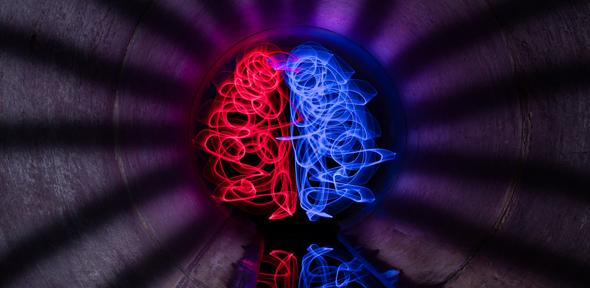
Uber Confirms Cambridge Launch

Uber confirms Cambridge launch

uber, ride hailing, cambridge
source: http://www.businessweekly.co.uk

California ride-hailing business Uber has officially added the fast-growing Cambridge UK science & technology cluster to its map.

A communication from the company confirms: “We are ready to press the GO button and add Cambridge to the Uber map! Thousands of riders in Cambridge have already downloaded the Uber app and are waiting for awesome partner-drivers to pick them up.”

Uber has been inviting potential partners to private information sessions this week to explain how Uber works, how to get started on the platform and what rewards are on offer.

The company is anchoring its Cambridge operation from Vision Park in Histon having received an operation licence from the city council.

The San Francisco company’s mobile app allows consumers with smartphones to submit a trip request, which a software programme automatically sends to the Uber driver nearest to the consumer, alerting the driver to the location of the customer.

Uber drivers use their own personal cars and by the height of summer the service was available in more than 66 countries and 507 cities worldwide.

Leading UK trades union are monitoring Uber’s activities following the landark employment tribunal ruling that Uber drivers are company employees not self employed contractors so must receive the minimum wage.

Uber’s arrival in Cambridge is set to provide a fresh spin to the city’s transport revolution following last year’s arrival of Gett, the global taxi app that works exclusively with licensed Hackney carriages and black cabs across the UK.

Following success in London and increased demand for services in outlying areas, Gett pinpointed Cambridge as a key location in the company’s rapid growth and recruitment drive across Britain. It claimed 1,000 new drivers were joining Gett each month.

Uber’s launch following Gett provides a major challenge to existing cab companies and could trigger a price war – to the benefit of a population growing after the arrival of a record number of global tech giants from the US, Europe and Asia.

Brexit: High Court Ruling On Article 50 Explained

Brexit: High Court ruling on Article 50 explained

source: www.cam.ac.uk

In a landmark constitutional judgment handed down today, the High Court has put a stumbling block in the way of the Prime Minister’s plan to trigger Article 50 by the end of March 2017. Professor Kenneth Armstrong from the Centre for European Legal Studies goes through the ruling.

For MPs and Lords, this is a chance to try and get the Government to reveal more of its Brexit negotiating position

Kenneth Armstrong

“For some, today’s ruling is a victory for parliamentary democracy. For others, unelected judges stand in the way of the UK’s withdrawal from the EU. If the Supreme Court gets the final say, voters may still wonder whether their voice matters at all,” says Kenneth Armstrong, Professor of European Law from Cambridge’s CELS.

For Armstrong, the key aspects of the judgment are:

  • It is impermissible for the Prime Minister to invoke the Royal Prerogative[i] as legal authority for a notification to be sent under Article 50 of the Treaty on European Union, to begin the process of withdrawing the UK from the EU.
  • The effect of withdrawal will be to remove or limit the rights created by EU law and which are given effect in UK law via the European Communities Act 1972.
  • Neither as an interpretation of the European Communities Act, nor of constitutional principle can the Executive by Royal Prerogative alone remove or limit rights protected in domestic law.
  • The Referendum Act 2015 – in formal legal terms – only made provision for an advisory referendum. It did not give statutory authority for the triggering of Article 50.

“The High Court was asked by the claimants to limit the power of Theresa May to begin the Article 50 withdrawal process. Requiring the Prime Minister to obtain legislative authorisation from Parliament was contested by the Government on the basis that the electorate had given the Government a clear instruction to leave the EU in the referendum held on 23 June 2016,” says Armstrong.

“However, while the outcome of the referendum has given the Government a political mandate to withdraw from the EU, the legal power to notify must be exercised within legal limits. The High Court has concluded that where an exercise of the Royal Prerogative would remove legal rights, derived from EU law but made available in domestic law by Parliament through the European Communities Act, only Parliament can legislate for such rights to be removed.”

The case was brought by Gina Miller, an investment manager (the ‘lead claimant’) together with Mr Deir Dos Santos, a hairdresser, both UK citizens resident in the UK. Their claim was supported by a crowd-funded claim – the so-called ‘People’s Challenge’ – in the name of Graeme Pigney and other UK citizens resident in different parts of the UK and in other EU states.

An appeal by the Government to the UK Supreme Court is likely, says Armstrong. Following the recent ruling of the High Court in Belfast dismissing claims that the Prime Minister’s power to trigger Article 50 was limited by the terms of the Northern Ireland Act 1998 and the Belfast ‘Good Friday’ Agreement, the solicitor for Raymond McCord – whose son was murdered by paramilitaries and who is one of the claimants – has also indicated that his case will be appealed to the UK Supreme Court.

“Before today’s ruling there had been some suggestion that if the judgment had gone against the Government it may not have continued with an appeal to the Supreme Court,” says Armstrong. “Today’s judgment and the decision to appeal the Belfast High Court judgment has made it more likely that the Supreme Court will have the final say.”

The claimants argued that the Article 50 process once triggered was irrevocable. In a recent interview with the BBC, Lord Kerr of Kinlochard – credited with authoring the text of what is now Article 50 – said that the process was revocable. As a question of EU law this could require an authoritative interpretation by the EU’s top court, the European Court of Justice.

“The High Court seems to have accepted the idea – widely contested by others – that the Article 50 process is irrevocable. As a question of the interpretation of EU law, this could give rise to a request for an interpretation of Article 50 from the Court of Justice,” says Armstrong.

“But the Supreme Court may try and avoid asking the European Court for a ruling, not just because it will delay matters, but also because some will object to the idea that a European court will have a say.”

The Prime Minister had already conceded that there would be a parliamentary debate without a vote. And Parliament will have to give its approval at the end of the negotiations before any formal agreement between the EU and the UK can be ratified. Following the High Court’s ruling, Parliament will have a vote on authorising the Prime Minister to trigger Article 50.

Adds Armstrong: “The problem for the Government is that it will want the legislative authorisation from Parliament to be quick and wholly procedural. For MPs and Lords, however, this is a chance to try and get the Government to reveal more of its Brexit negotiating position. It would be a constitutional crisis for Parliament to refuse to authorise notification and to ignore the result of the referendum. This limits how far Parliamentarians can push their demands.”


[i] The Royal Prerogative refers to one of the sources of legal authority accepted by the courts through which the Crown and Ministers of the Crown may take decisions. In modern times, these prerogative powers are typically exercised by government ministers but over time, they have been removed or limited by Acts of Parliament which instead provide the legal authority for ministers to act. The power to make and ratify treaties falls within the Royal Prerogative.


Creative Commons License
The text in this work is licensed under a Creative Commons Attribution 4.0 International License. For image use please see separate credits above.
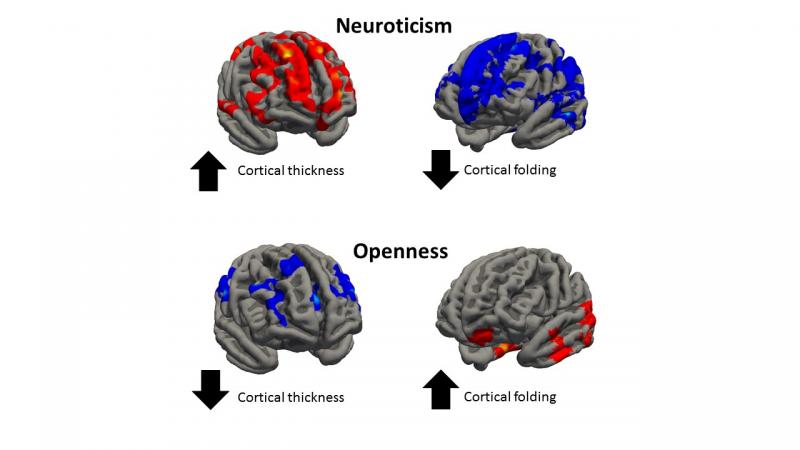
Ectoplasm, Spirit Trumpets and Paintings From Pompeii: 600 Years of Curious Objects

Ectoplasm, spirit trumpets and paintings from Pompeii: 600 years of Curious Objects

source: www.cam.ac.uk

Why does one of the world’s great research libraries have ‘ectoplasm’, a spirit trumpet and beard hair posted to Charles Darwin among its eight million books, manuscripts and digital collections?

We’ve opened cupboards and found wall paintings from Pompeii.

Jill Whitelock

The answers lie in the second major exhibition of Cambridge University Library’s 600th anniversary – Curious Objects – which puts on display a collection of curiosities that has been centuries in the making.

Opening to the public on November 3, and following on from the hugely successful Lines of Thought, the exhibits on display in Curious Objects cover all corners of the globe and every era of human history, from the Stone Age to the Space Age.

Research for the exhibition has turned up new and rediscovered finds – including the oldest objects in the Library, two black-topped redware pots from Predynastic Egypt, and the oldest written artefact, a Sumerian clay tablet from around 2200 BCE.

As one of only six Legal Deposit libraries in the UK and Ireland, Cambridge University Library has been entitled to a copy of every UK publication since 1710. But it also predates the era of most modern museums and collections, meaning that over the centuries, it has been a depository for all manner of objects, all of which have a part to play in telling the story of one of the world’s greatest libraries.

Among the curious objects going on display are:

  • Ectoplasm’ captured during a séance by Helen Duncan (circa 1950) – the last person to be imprisoned under the Witchcraft Act of 1735
  • Stone Age tools from Northern Nigeria
  • A Predynastic Egyptian drinking vessel
  • Fragments of wall paintings from Pompeii (circa 20 BCE-79 CE)
  • A pocket globe (1775) tracing Captain Cook’s first voyage
  • A spirit trumpet for use at séances
  • A Shakespeare tobacco stopper
  • Beard and scalp hair posted to Charles Darwin – as a counterargument to claims Darwin made in Descent of Man
  • A Soyuz space badge, cigarettes and food packaging from the Cold War-era Soviet Union

“Shabby and beautiful, quirky and controversial, all the objects on display in our new exhibition provoke our curiosity and prompt questions about the nature of libraries – past present and future,” said Professor Christopher Young, Acting University Librarian.

“Over 600 years, Cambridge University Library has revealed the story of the world around us and the universe beyond – not only through its printed and manuscript treasures, but through this unique and wonderful ‘cabinet of curiosities’ that opens a window onto the nature of collecting.”

As well as the objects listed above, because of its Legal Deposit status, the University Library also has a significant collection of children’s toys, board games and models – often supplied with children’s books and magazines – which continue to arrive at the Library every week.

Cambridge University Library is home to the archive of the Society for Psychical Research, on deposit since 1989 and including the ‘ectoplasm’ and spirit trumpet among a number of artefacts. The Library also holds the collections of the Royal Commonwealth Society, a treasure-trove of information on the Commonwealth and Britain’s former colonial territories, containing some forty objects in addition to more than 300,000 printed items, about 800 archival collections and over 120,000 photographs.

“Our curiosity has been rewarded with some exciting finds,” said Dr Jill Whitelock, Head of Special Collections and Lead Curator. “We’ve opened cupboards and found wall paintings from Pompeii, opened a box of medals and found an ancient clay tablet carefully wrapped in tissue paper. It’s wonderful to think that after 600 years there’s still so much to explore in the Library. We hope visitors to the exhibition will enjoy discovering our curious objects too – where else can you see ‘ectoplasm’ alongside Egyptian artefacts?”

Curious Objects runs from November 3, 2016-March 21, 2017. Admission is free.


Creative Commons License
The text in this work is licensed under a Creative Commons Attribution 4.0 International License. For image use please see separate credits above.

Brexit: Listen To Experts From Cambridge and Beyond Discuss How, Why and What Next For Brexit Britain

Brexit: Listen to experts from Cambridge and beyond discuss how, why and what next for Brexit Britain

source: www.cam.ac.uk

Listen to some of the talks that were given as part of the University’s ‘Brexit Week’ series, which took place from 18 – 22 October.

The University of Cambridge recently held a week-long series of Brexit talks and discussions, featuring senior experts in law, politics, history, science and economics from Cambridge and beyond.

The aim was to engage both University students and the local community in debates on how Britain moves towards departure from the European Union in the wake of June’s referendum.

You can listen to some of the talks below, or download from iTunesU here.


How Did We Get Here?

Tuesday 18th October

Robert Tombs, Professor of Modern European History at Cambridge’s Faculty of History

Robert Tombs is the author of a recent epic history of England, and a renowned expert on nineteenth-century French political history and the relationship between the French and the British. During the EU Referendum campaign, he was a signatory on a letter produced by ‘Historians for Britain’, which supported a Leave vote, and has written about the future of the UK post-Brexit.

Dr Victoria Bateman, Fellow and College Lecturer in Economics at Gonville & Caius College, Cambridge

Victoria Bateman is an economic historian at Cambridge, and a Fellow at the Legatum Institute think tank. Her current research focuses on the European economy from early-modern times to the present. Victoria has called for a sexual revolution in economics due to a lack of women in the discipline, and wrote articles in favour of a Remain vote in the run-up to the EU Referendum. She tweets at @vnbateman.

Dr Chris Bickerton, University Lecturer in Politics at POLIS and Official Fellow at Queens’ College, Cambridge

Chris Bickerton’s research focuses on the dynamics of state transformation and the challenges facing representative democracy in Europe. He has written a recently published book called The European Union: A Citizen’s Guide. During the run-up to the EU Referendum, Chris wrote in favour of a Leave vote, making the left-wing case for Brexit. He tweets at @cjbickerton.


Key Issues for the UK and EU Post-Brexit

Wednesday 19th October

Coen Teulings, Professor of Labour Economics and Industrial Relations at Cambridge’s Faculty of Economics

As well as holding the Montague Burton Chair at Cambridge, Coen Teulings is a Professor of Economics at the University of Amsterdam. He has written extensively about wages and income inequality, and spent seven years as the Director of the Central Planning Bureau — the Netherlands’ official economic forecasting agency. He has talked publicly about the risks posed by Brexit to free trade.

Athene Donald, Professor of Experimental Physics at Cambridge’s Cavendish Laboratory and Master of Churchill College

Athene Donald has served on the University’s Council and as its gender equality champion. She was appointed a Dame Commander of the British Empire in 2010, and Master of Churchill College in 2013. Athene wrote and talked extensively on the dangers that a Leave vote posed for UK science during the run-up to the EU Referendum. She is a regular blogger, and tweets at @AtheneDonald.

Charles Clarke, former Home Secretary

Charles Clarke is a Visiting Professor at the Policy Institute of Kings College London. He was MP for Norwich South from 1997 to 2010, and served as Home Secretary between 2004 and 2006 in Tony Blair’s Labour Government. During the run-up to the EU Referendum, Charles co-authored a report warning that intelligence relationships would be damaged by a Leave vote.


Process and Politics of the UK Leaving the EU

Thursday 20th October

David Runciman, Professor of Politics and Head of Department at POLIS and Fellow at Trinity Hall, Cambridge

David Runciman’s current research projects include the Leverhulme-funded Conspiracy and Democracy project and Future of Intelligence centre. In 2013, he published the book The Confidence Trap, a history of democratic crises since WWI. David hosts the weekly podcast Talking Politics from his Cambridge office, and has written that the Referendum vote shone a light on the education divide in democracy.

Mark Elliott, Professor of Public Law at the Faculty of Law, and Fellow at St Catharine’s College, Cambridge

Mark Elliott has written a number of books on public law, and is Legal Adviser to the House of Lords Constitution Committee. Mark writes a highly regarded blog called Public Law for Everyone, on which he analyses many of the legal issues surrounding the triggering of Article 50 and Theresa May’s Great Repeal Bill. Mark tweets at @ProfMarkElliott, and the slides from this talk are available at his blog.


Global Britain? The Future of British Trade after Brexit

Thursday 20th October

The Rt. Hon. Greg Hands MP, Minister of State in the Department for International Trade, delivered this year’s Alcuin Lecture at Cambridge’s Department of Politics and International Studies (POLIS). Greg was appointed to his current position by Theresa May in July 2016, where he serves as number two to Secretary of State Liam Fox. He tweets at @GregHands.


The UK and Brexit: How, Why and Where Now?

Friday 21st October

Matthew Elliott, Head of Vote Leave

Matthew Elliott is the former Chief Executive of the Vote Leave campaign. He is now Editor-at-Large of BrexitCentral, recently launched with the aim of “promoting a positive vision of Britain after Brexit”. He was a founder and former Chief Executive of the political think tank The TaxPayers’ Alliance. Matthew tweets at @matthew_elliott.

Catherine Barnard, Professor of European Union Law and Employment Law at the Faculty of Law, and Fellow of Trinity College, Cambridge

Catherine Barnard is a leading expert on EU internal markets and employment law, publishing extensively in these fields. She is a Senior Fellow of the ESRC’s UK in a Changing Europe initiative, and is jointly leading the EU Migrant Worker research project. Catherine regularly commented in the media during and after the EU Referendum. She has recently written that there could be free movement of workers in any Brexit deal. Catherine tweets at @CSBarnard24.

Jonathan Portes, Principal Research Fellow at the National Institute of Economic and Social Research

In addition to his role at the NIESR, Jonathan Portes is also a Senior Fellow of the UK in a Changing Europe initiative. Previously, he served as Chief Economist at the Cabinet Office. Jonathan’s new book, 50 Capitalism Ideas You Really Need to Know, has just been published. During the run-up to the EU Referendum, he wrote on the misrepresentation of migration by sections of the media. Jonathan tweets at @jdportes.

Anand Menon, Professor of European Politics and Foreign Affairs at King’s College London

Anand Menon is the Director of the UK in a Changing Europe initiative, and has written widely on many aspects of EU politics and policy and on UK-EU relations. As part of the initiative, he recently led on a report suggesting that “Brexit has the potential to test the UK’s constitutional settlement, legal framework, political process and bureaucratic capacities to their limits”. Anand tweets at @anandMenon1.


Creative Commons License
The text in this work is licensed under a Creative Commons Attribution 4.0 International License. For image use please see separate credits above.

Elephant Poaching Costs African Economies US $25 Million Per Year In Lost Tourism Revenue

Elephant poaching costs African economies US $25 million per year in lost tourism revenue

source: www.cam.ac.uk

New research shows investing in elephant conservation is smart economic policy for many African countries.

We know that within parks, tourism suffers when elephant poaching ramps up. This work provides a first estimate of the scale of that loss

Andrew Balmford

The current elephant poaching crisis costs African countries around USD $25 million annually in lost tourism revenue, according to a new study published in the journal Nature Communications. Comparing this lost revenue with the cost of halting declines in elephant populations due to poaching, the study determines that investment in elephant conservation is economically favorable across the majority of African elephants’ range.

The research, undertaken by scientists from World Wildlife Fund (WWF), the University of Vermont, and the University of Cambridge, represents the first continent-wide assessment of the economic losses that the current elephant poaching surge is inflicting on nature-based tourism economies in Africa.

“While there have always been strong moral and ethical reasons for conserving elephants, not everyone shares this viewpoint.  Our research now shows that investing in elephant conservation is actually smart economic policy for many African countries,” said Dr. Robin Naidoo, lead wildlife scientist at WWF and lead author on the study.

Poachers kill between 20,000-30,000 African elephants each year for the illegal ivory trade, funded by global organized crime syndicates and fueled largely by demand in China and elsewhere in Asia. In just the past ten years, Africa’s elephants have declined by more than 20 percent.

“We know that within parks, tourism suffers when elephant poaching ramps up. This work provides a first estimate of the scale of that loss, and shows pretty convincingly that stronger conservation efforts usually make sound economic sense even when looking at just this one benefit stream,” said study co-author Professor Andrew Balmford, from the University of Cambridge’s Department of Zoology.

The research shows that tourism revenue lost to the current poaching crisis exceeds the anti-poaching costs necessary to stop the decline of elephants in east, southern, and west Africa. Rates of return on elephant conservation in these regions are positive, signaling strong economic incentive for countries to protect elephant populations.

“The average rate of return on elephant conservation in east, west, and south Africa compares favorably with rates of return on investments in areas like education, food security and electricity,” said Dr. Brendan Fisher, an economist at University of Vermont’s Gund Institute for Ecological Economics. “For example, for every dollar invested in protecting elephants in East Africa, you get about $1.78 back. That’s a great deal.”

However, for countries in central Africa, the study finds that elephant-based tourism cannot currently be expected to contribute substantially to elephant conservation. In these remote, forested areas where tourism levels are lower and elephants are typically more difficult to see, different mechanisms will be necessary to halt elephant declines.

Taken from a WWF press release. 


Creative Commons License
The text in this work is licensed under a Creative Commons Attribution 4.0 International License. For image use please see separate credits above.

Fossilised Dinosaur Brain Tissue Identified For The First Time

Fossilised dinosaur brain tissue identified for the first time

source: www.cam.ac.uk

Researchers have identified the first known example of fossilised brain tissue in a dinosaur from Sussex. The tissues resemble those seen in modern crocodiles and birds.

The chances of preserving brain tissue are incredibly small, so the discovery of this specimen is astonishing.

Alex Liu

An unassuming brown pebble, found more than a decade ago by a fossil hunter in Sussex, has been confirmed as the first example of fossilised brain tissue from a dinosaur.

The fossil, most likely from a species closely related to Iguanodon, displays distinct similarities to the brains of modern-day crocodiles and birds. Meninges – the tough tissues surrounding the actual brain – as well as tiny capillaries and portions of adjacent cortical tissues have been preserved as mineralised ‘ghosts’.

The results are reported in a Special Publication of the Geological Society of London, published in tribute to Professor Martin Brasier of the University of Oxford, who died in 2014. Brasier and Dr David Norman from the University of Cambridge co-ordinated the research into this particular fossil during the years prior to Brasier’s untimely death in a road traffic accident.

The fossilised brain, found by fossil hunter Jamie Hiscocks near Bexhill in Sussex in 2004, is most likely from a species similar to Iguanodon: a large herbivorous dinosaur that lived during the Early Cretaceous Period, about 133 million years ago.

Finding fossilised soft tissue, especially brain tissue, is very rare, which makes understanding the evolutionary history of such tissue difficult. “The chances of preserving brain tissue are incredibly small, so the discovery of this specimen is astonishing,” said co-author Dr Alex Liu of Cambridge’s Department of Earth Sciences, who was one of Brasier’s PhD students in Oxford at the time that studies of the fossil began.

According to the researchers, the reason this particular piece of brain tissue has been so well-preserved is that the dinosaur’s brain was essentially ‘pickled’ in a highly acidic and low-oxygen body of water – similar to a bog or swamp – shortly after its death. This allowed the soft tissues to become mineralised before they decayed away completely, so that they could be preserved.

“What we think happened is that this particular dinosaur died in or near a body of water, and its head ended up partially buried in the sediment at the bottom,” said Norman. “Since the water had little oxygen and was very acidic, the soft tissues of the brain were likely preserved and cast before the rest of its body was buried in the sediment.”

Working with colleagues from the University of Western Australia, the researchers used scanning electron microscope (SEM) techniques in order to identify the tough membranes, or meninges, that surrounded the brain itself, as well as strands of collagen and blood vessels. Structures that could represent tissues from the brain cortex (its outer layer of neural tissue), interwoven with delicate capillaries, also appear to be present. The structure of the fossilised brain, and in particular that of the meninges, shows similarities with the brains of modern-day descendants of dinosaurs, namely birds and crocodiles.

In typical reptiles, the brain has the shape of a sausage, surrounded by a dense region of blood vessels and thin-walled vascular chambers (sinuses) that serve as a blood drainage system. The brain itself only takes up about half of the space within the cranial cavity.

In contrast, the tissue in the fossilised brain appears to have been pressed directly against the skull, raising the possibility that some dinosaurs had large brains which filled much more of the cranial cavity. However, the researchers caution against drawing any conclusions about the intelligence of dinosaurs from this particular fossil, and say that it is most likely that during death and burial the head of this dinosaur became overturned, so that as the brain decayed, gravity caused it to collapse and become pressed against the bony roof of the cavity.

“As we can’t see the lobes of the brain itself, we can’t say for sure how big this dinosaur’s brain was,” said Norman. “Of course, it’s entirely possible that dinosaurs had bigger brains than we give them credit for, but we can’t tell from this specimen alone. What’s truly remarkable is that conditions were just right in order to allow preservation of the brain tissue – hopefully this is the first of many such discoveries.”

“I have always believed I had something special. I noticed there was something odd about the preservation, and soft tissue preservation did go through my mind. Martin realised its potential significance right at the beginning, but it wasn’t until years later that its true significance came to be realised,” said paper co-author Jamie Hiscocks, the man who discovered the specimen. “In his initial email to me, Martin asked if I’d ever heard of dinosaur brain cells being preserved in the fossil record. I knew exactly what he was getting at. I was amazed to hear this coming from a world renowned expert like him.”

The research was funded in part by the Natural Environment Research Council (NERC) and Christ’s College, Cambridge.

Reference:
Martin D. Brasier et al.’ Remarkable preservation of brain tissues in an Early Cretaceous iguanodontian dinosaur.’ Earth System Evolution and Early Life: a Celebration of the Work of Martin Brasier. Geological Society, London, Special Publications, 448. (2016). DOI: 10.1144/SP448.3


Creative Commons License
The text in this work is licensed under a Creative Commons Attribution 4.0 International License. For image use please see separate credits above.

Facebook Updates Could Provide a Window To Understanding – and Treating – Mental Health Disorders

Facebook updates could provide a window to understanding – and treating – mental health disorders

source: www.cam.ac.uk

Our Facebook status updates, ‘likes’ and even photos could help researchers better understand mental health disorders with the right ethical safeguards, argue researchers from the University of Cambridge, who suggest that social networks may even be used in future to provide support and interventions, particularly among young people.

Facebook is hugely popular and could provide us with a wealth of data to improve our knowledge of mental health disorders such as depression and schizophrenia

Becky Inkster

Over a billion people worldwide use Facebook daily – one in seven of the global population – and social media use is increasing at three times the rate of other internet use. Evidence suggests that 92% of adolescents use the site daily and disclose considerably more about themselves online than offline.

Writing in today’s edition of Lancet Psychiatry, researchers from the University of Cambridge discuss how social networking sites might be harnessed to provide data to help further our understanding of the onset and early years of mental illness.

“Facebook is hugely popular and could provide us with a wealth of data to improve our knowledge of mental health disorders such as depression and schizophrenia,” says Dr Becky Inkster, the study’s lead-author, from the Department of Psychiatry. “Its reach is particularly broad, too, stretching across the digital divide to traditionally hard-to-reach groups including homeless youth, immigrants, people with mental health problems, and seniors.”

Dr Inkster and her colleagues argue that Facebook might be used to help improve the detection of mental health factors. Dr Michal Kosinski, co-author from Stanford Graduate Business School, adds that Facebook data tends to be more reliable than offline self-reported information, while still reflecting an individual’s offline behaviours. It also enables researchers to measure content that is difficult to assess offline, such as conversation intensity, and to reach sample sizes previously unobtainable.

Status updates, shares and likes can provide a wealth of information about users, they say. A previous study of 200 US college students over the age of 18 years found that one in four posted status updates showing depressive-like symptoms. By analysing the language, emotions and topics used in status updates, the researchers say that it may be possible to look for symptoms or early signs of mental illness. Even photographs might provide new insights; Facebook is the world’s largest photo sharing website, with some 350 million photos uploaded daily, and automated picture analysis of emotional facial expressions might offer unique representations of offline behaviours.

Studies have shown that social networks can have both positive and negative effects on user’s emotions. Being ‘unfriended’ can elicit negative emotions, but even an individuals’ News Feed, which reports what their friends are up to, can affect their mood: one study found that a reduction of the amount of positive content displayed by friends led to an increase in negative status updates by users, and vice-versa. Other research has shown that some people with mental health disorders report positive experiences of social media, suggesting that Facebook might be harnessed to offer people support. People with schizophrenia and psychosis, for example, have reported that social networking sites helped them socialise and did not worsen their symptoms.

The researchers suggest that the use of therapies based on users’ Facebook pictures and timelines could be trialled as possible ways to use online social networks to support individuals. This might assist with accessing autobiographical memories, which can be impaired in conditions such as depression, and for improving cognition and mood with older patients, similar to offline therapies for early dementia.

“Facebook relationships may help those with reduced self-esteem and provide companionship for individuals who are socially isolated,” says Dr Becky Inkster. “We know that socially isolated adolescents are more likely to suffer from depression and suicidal thoughts, so these online stepping stones could encourage patients to reform offline social connections.”

These online – potentially leading to offline – social connections can provide support for vulnerable individuals such as homeless youth, a population at increased risk of mental health problems. Research has shown that this support is associated with a reduction in their alcohol intake and a decrease in depression-like symptoms. Unlike virtual patient communities, an advantage of using social networking sites, especially Facebook, is that people naturally use them in their daily lives, which addresses concerns about the limited duration of participation in virtual communities.

Early detection of digital warning signs could enhance mental health service contact and improve service provision, the researchers say. Facebook already allows users who are worried about a friend’s risk of suicide to report the post, for example. However, the use of social networking sites in the context of mental health and young people raises potential ethical issues. Vulnerable individuals will need to fully understand what participation in psychiatry research and mental health-care practice involves and that consent is monitored throughout the various stages of their illness.

“People are uneasy at the idea of having their social media monitored and their privacy infringed upon, so this is something that will need to be handled carefully,” says co-author Dr David Stillwell from the Cambridge Judge Business School. “To see this, we only have to look at the recent furore that led to the abrupt suspension of the Samaritans’ Radar Twitter app, which with the best of intentions enabled users to monitor their friends’ Twitter activity for suicidal messages.”

Much of this research is still in its infancy and evidence is often anecdotal or insufficient, argue the team. Several issues need addressing, such as whether using social media might interfere with certain illnesses or symptoms more than others – such as digital surveillance-based paranoid themes – and to ensure confidentiality and data protection rights for vulnerable people. But they are optimistic about its potential uses.

“Although it isn’t clear yet how social networking sites might best be used to improve mental health care, they hold considerable promise for having profound implications that could revolutionise mental healthcare,” says Dr Inkster.

Reference
Becky Inkster, David Stillwell, Michal Kosinski, Peter Jones. A decade into Facebook: where is psychiatry in the digital age? Lancet Psychiatry; 27 Oct 2016; DOI: 10.1016/S2215-0366(16)30041-4


Creative Commons License
The text in this work is licensed under a Creative Commons Attribution 4.0 International License. For image use please see separate credits above.