All posts by Admin

Massive Holes ‘Punched’ Through A Trail Of Stars Likely Caused By Dark Matter

Massive holes ‘punched’ through a trail of stars likely caused by dark matter

source: www.cam.ac.uk

The discovery of two massive holes punched through a stream of stars could help answer questions about the nature of dark matter, the mysterious substance holding galaxies together.

While we do not yet understand what dark matter is formed of, we know that it is everywhere.

Denis Erkal

Researchers have detected two massive holes which have been ‘punched’ through a stream of stars just outside the Milky Way, and found that they were likely caused by clumps of dark matter, the invisible substance which holds galaxies together and makes up a quarter of all matter and energy in the universe.

The scientists, from the University of Cambridge, found the holes by studying the distribution of stars in the Milky Way. While the clumps of dark matter that likely made the holes are gigantic in comparison to our Solar System – with a mass between one million and 100 million times that of the Sun – they are actually the tiniest clumps of dark matter detected to date.

The results, which have been submitted to the Monthly Notices of the Royal Astronomical Society, could help researchers understand the properties of dark matter, by inferring what type of particle this mysterious substance could be made of. According to their calculations and simulations, dark matter is likely made up of particles more massive and more sluggish than previously thought, although such a particle has yet to be discovered.

“While we do not yet understand what dark matter is formed of, we know that it is everywhere,” said Dr Denis Erkal from Cambridge’s Institute of Astronomy, the paper’s lead author. “It permeates the universe and acts as scaffolding around which astrophysical objects made of ordinary matter – such as galaxies – are assembled.”

Current theory on how the universe was formed predicts that many of these dark matter building blocks have been left unused, and there are possibly tens of thousands of small clumps of dark matter swarming in and around the Milky Way. These small clumps, known as dark matter sub-haloes, are completely dark, and don’t contain any stars, gas or dust.

Dark matter cannot be directly measured, and so its existence is usually inferred by the gravitational pull it exerts on other objects, such as by observing the movement of stars in a galaxy. But since sub-haloes don’t contain any ordinary matter, researchers need to develop alternative techniques in order to observe them.

The technique the Cambridge researchers developed was to essentially look for giant holes punched through a stream of stars. These streams are the remnants of small satellites, either dwarf galaxies or globular clusters, which were once in orbit around our own galaxy, but the strong tidal forces of the Milky Way have torn them apart. The remnants of these former satellites are often stretched out into long and narrow tails of stars, known as stellar streams.

“Stellar streams are actually simple and fragile structures,” said co-author Dr Sergey Koposov. “The stars in a stellar stream closely follow one another since their orbits all started from the same place. But they don’t actually feel each other’s presence, and so the apparent coherence of the stream can be fractured if a massive body passes nearby. If a dark matter sub-halo passes through a stellar stream, the result will be a gap in the stream which is proportional to the mass of the body that created it.”

The researchers used data from the stellar streams in the Palomar 5 globular cluster to look for evidence of a sub-halo fly-by. Using a new modelling technique, they were able to observe the stream with greater precision than ever before. What they found was a pair of wrinkled tidal tails, with two gaps of different widths.

By running thousands of computer simulations, the researchers determined that the gaps were consistent with a fly-by of a dark matter sub-halo. If confirmed, these would be the smallest dark matter clumps detected to date.

“If dark matter can exist in clumps smaller than the smallest dwarf galaxy, then it also tells us something about the nature of the particles which dark matter is made of – namely that it must be made of very massive particles,” said co-author Dr Vasily Belokurov. “This would be a breakthrough in our understanding of dark matter.”

The reason that researchers can make this connection is that the mass of the smallest clump of dark matter is closely linked to the mass of the yet unknown particle that dark matter is composed of. More precisely, the smaller the clumps of dark matter, the higher the mass of the particle.

Since we do not yet know what dark matter is made of, the simplest way to characterise the particles is to assign them a particular energy or mass. If the particles are very light, then they can move and disperse into very large clumps. But if the particles are very massive, then they can’t move very fast, causing them to condense – in the first instance – into very small clumps.

“Mass is related to how fast these particles can move, and how fast they can move tells you about their size,” said Belokurov. “So that’s why it’s so interesting to detect very small clumps of dark matter, because it tells you that the dark matter particle itself must be very massive.”

“If our technique works as predicted, in the near future we will be able to use it to discover even smaller clumps of dark matter,” said Erkal. “It’s like putting dark matter goggles on and seeing thousands of dark clumps each more massive than a million suns whizzing around.”

Reference:
Denis Erkal et al. ‘A sharper view of Pal 5s tails: Discovery of stream perturbations with a novel non-parametric technique.’ arXiv:1609.01282


Creative Commons License
The text in this work is licensed under a Creative Commons Attribution 4.0 International License. For image use please see separate credits above.


Oesophageal Cancer Treatments Could Be Tailor-Made For Individual Patients, Study Finds

Oesophageal cancer treatments could be tailor-made for individual patients, study finds

source: www.cam.ac.uk

Tailored, targeted treatment for patients with oesophageal cancer could be developed after scientists discovered that the disease can be classified into three different subtypes

Our study suggests we could make changes to the way we treat oesophageal cancer.

Rebecca Fitzgerald

The findings, published in Nature Genetics on Monday, could help find drugs that target specific weaknesses in each subtype of the disease, potentially making treatment more effective and boosting survival.

Researchers looked at the complete genetic make-up of 129 oesophageal cancers and were able to subdivide the disease into three distinct types based on patterns detected in the DNA of the cancer cells called signatures.

The first subtype they found had faults in their DNA repair pathways. Damage to this pathway is known to increase the risk of breast, ovarian and prostate cancers. Patients with this subtype may benefit from a new family of drugs called PARP inhibitors that kill cancer cells by exploiting this weakness in their ability to repair DNA.

The second subtype had a higher number of DNA mistakes and more immune cells in the tumours, which suggests these patients could benefit from immunotherapy drugs already showing great promise in a number of cancer types such as skin cancer.

The final subtype had a DNA signature that is mainly associated with the cell ageing process and means this group might benefit from drugs targeting proteins on the surface of the cancer cells which make cells divide.

Professor Rebecca Fitzgerald, lead researcher based at the MRC Cancer Unit at the University of Cambridge, said: “Our study suggests we could make changes to the way we treat oesophageal cancer.

“Targeted treatments for the disease have so far not been successful, and this is mostly down to the lack of ways to determine which patients might benefit from different treatments. These new findings give us a greater understanding of the DNA signatures that underpin different subtypes of the disease and means we could better tailor treatment.

“The next step is to test this approach in a clinical trial. The trial would use a DNA test to categorise patients into one of the three groups to determine the best treatments for each group and move away from a one-size-fits-all approach.”

Each year around 8,800 people are diagnosed with oesophageal cancer in the UK, with just 12 per cent surviving for at least ten years. Cancer Research UK, who along with the Medical Research Council funded the study, has prioritised research into oesophageal cancer to help more people survive the disease by bringing people together, building infrastructure and developing the next generation of research leaders.

Professor Peter Johnson, Cancer Research UK’s chief clinician, said: “Being able to distinguish distinct types of oesophageal cancer is a genuinely new discovery from this work.  For the first time we may be able to identify and test targeted treatments designed to exploit the cancer’s specific weaknesses. Although survival rates from oesophageal cancer have been slowly rising in the last few years they are still far too low, and this research points the way to a completely new way of understanding and tackling the disease.”

The study, funded by Cancer Research UK and the Medical Research Council, is part of the Cancer Research UK-funded International Cancer Genome Consortium.

Reference

Secrier, M. et al. Mutational signatures in esophageal adenocarcinoma reveal etiologically distinct subgroups with therapeutic relevance Nature Genetics, 2016.


Creative Commons License
The text in this work is licensed under a Creative Commons Attribution 4.0 International License. For image use please see separate credits above.

Young People Exposed To Vaping Ads Less Likely To Think Occasional Smoking Is Bad For Health

Young people exposed to vaping ads less likely to think occasional smoking is bad for health


news-source: www.cam.ac.uk; image: Vaping360.com

Exposure to advertisements for e-cigarettes may decrease the perceived health risks of occasional tobacco smoking, suggests new research from the University of Cambridge, prompting concern that this may lead more young people to experiment with smoking.

While we can be optimistic that the adverts don’t seem to make tobacco smoking more appealing to young people, they do appear to make occasional smoking seem less harmful.

Milica Vasiljevic

Estimates suggest that among children who try smoking, between one third and one half are likely to become regular smokers within two to three years. However, young people are now more likely to experiment with e-cigarettes than they are with tobacco cigarettes. For example, a 2014 study found that 22% of children aged 11-15 in England had experimented with e-cigarettes, compared to 18% for tobacco cigarettes.

There is concern that the increasing exposure of children to e-cigarette adverts could be contributing to high rates of experimentation; in the US, adolescents’ exposure to e-cigarette adverts on TV more than trebled between 2011 to 2013. E-cigarette brands often market themselves as helping people quit smoking and as healthier and cheaper alternatives to tobacco cigarettes.

In this study from researchers at the Behaviour and Health Research Unit, University of Cambridge, and the University of North Carolina Gillings School of Global Public Health, and published today in the journal Tobacco Control, more than 400 English children aged 11-16 who had never smoked or ‘vaped’ previously were recruited and randomly allocated to one of three groups. One group was shown ten adverts that depicted e-cigarettes as glamorous, a second group was shown ten adverts that portrayed them as healthy, and a third control group was shown no adverts.

The children were then asked a series of questions aimed at determining their attitudes towards smoking and vaping. Children shown the adverts were no more or less likely than the control group to perceive tobacco smoking as appealing and all three groups understood that smoking more than ten cigarettes a day was harmful. However, both groups of children exposed to the e-cigarette adverts, both healthy and glamorous, were less likely to believe that smoking one or two tobacco cigarettes occasionally was harmful.

Dr Milica Vasiljevic from the Department of Public Health and Primary Care at the University of Cambridge says: “While we can be optimistic that the adverts don’t seem to make tobacco smoking more appealing to young people, they do appear to make occasional smoking seem less harmful. This is worrying, as we know that even occasional tobacco smoking is bad for your health, and young people who smoke occasionally believe they are somehow immune to its effects and do not feel the need to quit.”

The group of children that were shown adverts depicting e-cigarettes as glamorous also believed e-cigarette vaping to be more prevalent than did the other two groups.

Professor Theresa Marteau, Director of the Behaviour and Health Research Unit and a Fellow of Christ’s College, University of Cambridge, adds: “E-cigarette marketing across Europe is regulated under the new EU Tobacco Products Directive, which came into effect on the 20th May this year. The Directive limits the exposure of children to TV and newspaper e-cigarette adverts. However, it does not cover advertising in the form of posters, leaflets, and adverts at point of sale, nor does it cover the content of marketing materials depicting e-cigarettes as glamorous or healthy. The findings from our study suggest these omissions could present a threat to the health of children.”

The study was funded by the Department of Health.

Reference
Petrescu, D, Vasiljevic, M, Pepper, JK, Ribisl, KM, Marteau, TM . What is the impact of e-cigarette adverts on children’s perceptions of tobacco smoking? An experimental study. Tobacco Control; 6 Sept 2016; DOI: 10.1136/tobaccocontrol-2016-052940


Creative Commons License
The text in this work is licensed under a Creative Commons Attribution 4.0 International License. For image use please see separate credits above.

Cambridge Ahead launches new Cluster Map growth data tool for the sub-region

New Cambridge Cluster Map data tool offers accurate insight into growth of the sub-region

A new data tool that accurately maps the growth of the Cambridge sub-region over time and reveals the true extent of the success of the ‘Cambridge Phenomenon’ has been created and launched by Cambridge Ahead in partnership with Barclays, working with the Centre for Business Research (CBR) at the University of Cambridge.

Grab of Cambridge Cluster Map websiteThe Cambridge Cluster Map will provide invaluable insight to a wide audience including Cambridge organisations, potential investors, journalists, economists, researchers, Think Tanks, and the general public.

The map is an updated version of the previous Cluster Map covering the Tech sector launched in 2012. This version uses a different methodology, covers all economic sectors and provides estimates for employment and turnover when these are not available from Companies House.

The new dataset identifies and locates companies and certain research facilities that are active within a 20-mile radius of the centre of the city and shows three types of organisations: Cambridge-based companies, Cambridge-active companies, and Non-corporate Knowledge-intensive (KI) organisations.

The data held on the 22,000 companies registered and based within the city includes the sector, principal trading address, turnover and employment record for the five years to April 2015. That held on those 900 companies trading but not based in the city includes their sector and postcode but not their employment or turnover.

Users of this free-to-access tool can view the data superimposed on a map of the city-region and can search down to street and postcode level. Data can also be filtered by sectors, and show trends in turnover and employees on a city or individual company level.

Matthew Bullock, Master of St Edmund’s College and Chairman of the Cambridge Ahead Growth Project, said, “This is an exciting, new data tool for everybody interested in Cambridge’s growth and businesses. Using the most recent, accurate financial data and the unique methodology we have employed, we are able to provide an unparalleled insight into the growth in the city region, including the Knowledge-intensive sector and Scale-up companies.

The new Cluster Map highlights a record of remarkable growth during 2014/15 with Cambridge companies enjoying a 7.7% increase in turnover – which now stands at £33 billion – and a 7.5% increase in employment.

Jane Paterson-Todd, CEO of Cambridge Ahead, said, “I would like to congratulate Matthew Bullock, his Growth team, and Dr Andy Cosh of the CBR, for the hard work they have put in over the past few months to make the Cluster Map a reality. It is a marvellous asset for Cambridge and shows our commitment to providing insight that supports our growth agenda. This map brings it to life the size and importance of the Cambridge Region. I would also like to thank our partner, Barclays, for its support of, and interest in, High Growth businesses.”

Jane Galvin, Managing Director, Eastern Region, Corporate Banking at Barclays, said, “Our partnership with Cambridge Ahead on the Cambridge Cluster Map ensures that Barclays is positioned to support high growth businesses in Cambridge. We recently opened our first Barclays Eagle Lab Incubator in the city that will give entrepreneurs the space and opportunities to become part of the Cambridge Phenomenon.”

The Cluster Map can be accessed via the website www.camclustermap.com. Academic researchers will be able to gain access to the underlying data on request via a dedicated page on the Cambridge Ahead website.

Artificial Pancreas Trial In Young Children With Diabetes Receives €4.6 Millon Grant From European Commission

Artificial pancreas trial in young children with diabetes receives €4.6millon grant from European Commission

source: www.cam.ac.uk

An international trial to test whether an artificial pancreas can help young children manage their type 1 diabetes will begin next year, thanks to a major grant awarded by the European Commission.

We’ve already seen that the artificial pancreas can have a very positive effect on people’s lives and now, thanks to funding from the European Commission, we can see whether young children will also see these same benefits.

Roman Hovorka

Type 1 diabetes is one of the most common chronic diseases in children; around one in 4,000 children under 14 years of age is diagnosed with the disease each year in the UK. The disease causes the pancreas to stop producing sufficient insulin to regulate blood sugar (glucose) levels, and poor glucose control can lead to complications including eye, heart and kidney disease. Episodes of very low glucose levels can cause serious complications and may be life threatening.

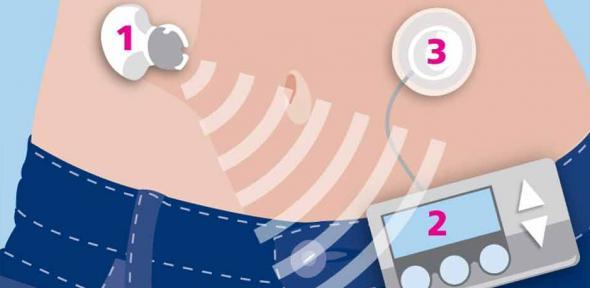
People affected by the condition have to manage their condition through long term treatment. This usually involves regular insulin injections – in some cases, several times a day. However, a team at the University of Cambridge and Cambridge University Hospitals hopes to replace these treatments with an artificial pancreas, a small, portable medical device designed to carry out the function of a healthy pancreas in controlling blood glucose levels, using digital technology to automate insulin delivery. The system is worn externally on the body, and is made up of three functional components: continuous glucose monitoring, a computer algorithm to calculate the insulin dose, and an insulin pump.

The artificial pancreas promises to transform management of type 1 diabetes. Several trials have already shown that it is effective for use both school children and adults in the home environment, and last year saw the first natural birth to a mother fitted with an artificial pancreas. However, there has as yet been no research into its use by young children at home.

Now, KidsAP, a collaboration led the University of Cambridge and involving institutes across Europe and in the US, has received a €4.6millon under the European Commission’s Horizon 2020 programme to carry out a trial of the artificial pancreas among children aged one to seven years with type 1 diabetes. Cambridge has received a €1.6m share of the grant to act as coordinator of the project.

“We’ve already seen that the artificial pancreas can have a very positive effect on people’s lives and now, thanks to funding from the European Commission, we can see whether young children will also see these same benefits,” said Dr Roman Hovorka from the Department of Paediatrics at the University of Cambridge and Addenbrooke’s Hospital, who is leading the project. “At the moment, children have to have frequent insulin injections that are at best inconvenient, but at worst painful. We hope this new technology will eliminate this need.”

An initial pilot of 24 children, the main study will split 94 children into two groups: one will be treated over a year by the artificial pancreas and the other half by state-of-the-art insulin pump therapy, already used by some adults and teenagers. The researchers will measure quality of life and investigate the impact of the two approaches on the children’s daily life, as well as looking at which is the more effective, and cost-effective, approach.

“If the artificial pancreas is shown to be more beneficial than insulin pump therapy, then we expect that it will change how type 1 diabetes is managed both nationally and internationally, with a much improved quality of life for young children,” added Professor David Dunger, collaborator on the project.


Creative Commons License
The text in this work is licensed under a Creative Commons Attribution 4.0 International License. For image use please see separate credits above.

New Exoplanet Think Tank Will Ask The Big Questions About Extra-Terrestrial Worlds

New exoplanet think tank will ask the big questions about extra-terrestrial worlds

source: www.cam.ac.uk

An international exoplanet ‘think tank’ is meeting this week in Cambridge to deliberate on the ten most important questions that humanity could answer in the next decade about planets outside our solar system.

We’re really at the frontier in exoplanet research.

Nikku Madhusudhan

With funding from The Kavli Foundation, the think tank will bring together some of the major researchers in exoplanetary science – arguably the most exciting field in modern astronomy – for a series of annual meetings to address the biggest questions in this field which humanity could conceivably answer in the next decade.

“We’re really at the frontier in exoplanet research,” said Dr Nikku Madhusudhan of Cambridge’s Institute of Astronomy, who is leading the think tank. “The pace of new discoveries is incredible – it really feels like anything can be discovered any moment in our exploration of extra-terrestrial worlds. By bringing together some of the best minds in this field we aim to consolidate our collective wisdom and address the biggest questions in this field that humanity can ask and answer at this time.”

Tremendous advances have been made in the study of exoplanets since the first such planet was discovered around a sun-like star in 1995 by the Cavendish Laboratory’s Professor Didier Queloz. Just last month, a potentially habitable world was discovered in our own neighbourhood, orbiting Proxima Centauri, the nearest star to the sun.

However, there are still plenty questions to be answered, such as whether we’re capable of detecting signatures of life on other planets within the next ten years, what the best strategies are to find habitable planets, how diverse are planets and their atmospheres, and how planets form in the first place.

With at least four space missions and numerous large ground-based facilities scheduled to become operational in the next decade, exoplanetary scientists will be able to detect more and more exoplanets, and will also have the ability to conduct detailed studies of their atmospheres, interiors, and formation conditions. At the same time, major developments are expected in all aspects of exoplanetary theory and data interpretation.

In order to make these major advances in the field, new interdisciplinary approaches are required. Additionally, as new scientific questions and areas emerge at an increasingly fast pace, there is a need for a focused forum where emerging questions in frontier areas of the field can be discussed. “Given the exciting advancements in exoplanetary science now is the right time to assess the state of the field and the scientific challenges and opportunities on the horizon,” said Professor Andy Fabian, director of the Institute of Astronomy at Cambridge.

The think tank will operate in the form of a yearly Exoplanet Symposium series which will be focused on addressing pressing questions in exoplanetary science. One emerging area or theme in exoplanetary science will be chosen each year based on its critical importance to the advancement of the field, relevance to existing or imminent observational facilities, need for an interdisciplinary approach, and/or scope for fundamental breakthroughs.

About 30 experts in the field from around the world will discuss outstanding questions, new pathways, interdisciplinary synergies, and strategic actions that could benefit the exoplanet research community.

The inaugural symposium, “Kavli ExoFrontiers 2016”, is being held this week in Cambridge. The goal of this first symposium is to bring together experts from different areas of exoplanetary science to share their visions about the most pressing questions and future outlook of their respective areas. These visions will help provide both a broad outlook of the field and identify the ten most important questions in the field that could be addressed within the next decade. “We hope the think tank will provide a platform for new breakthroughs in the field through interdisciplinary and international efforts while bringing the most important scientific questions of our time to the fore,” said Madhusudhan. “We are in the golden age of exoplanetary science.”

More information about the Kavli ExoFrontiers 2016 Symposium is available at: www.ast.cam.ac.uk/meetings/2016/kavli.exofrontiers.2016.symposium


Creative Commons License
The text in this work is licensed under a Creative Commons Attribution 4.0 International License. For image use please see separate credits above.

New Model Could Help Improve Prediction Of Outbreaks Of Ebola And Lassa Fever

New model could help improve prediction of outbreaks of Ebola and Lassa fever

source: www.cam.ac.uk

Potential outbreaks of diseases such as Ebola and Lassa fever may be more accurately predicted thanks to a new mathematical model developed by researchers at the University of Cambridge. This could in turn help inform public health messages to prevent outbreaks spreading more widely.

If you know that most cases of an outbreak of Lassa fever come from spillovers, then the message might be ‘kill the rats’, but if it is now mainly spreading between humans, the messages will be around washing your hands or avoiding contact with bodily fluids

James Wood

Many of the major new outbreaks of disease, particularly in Africa, are so-called zoonotic infections, diseases that are transmitted to humans from animals. The Ebola virus, for example, which recently killed over 11,000 people across Africa, was most likely transmitted to humans from fruit bats.

Modelling how outbreaks arise and whether they will take hold or quickly die out has proved challenging, with two factors in particular being difficult to quantify. The first is ‘spillover’, where the pathogen – a virus or parasite, for example – passes from an animal to a person. This can be through direct transmission, for example by being bitten or by eating ‘bush meat’ (wild animals such as fruit bats or monkeys that are caught and consumed), or indirectly, such as through contact with faeces or disease-carrying mosquitoes.

In many cases, a spillover will go no further. When a human is bitten by a rabid dog, they may become infected, but as the disease cannot transmit from human-to-human, the disease hits a dead end.

However, in some cases the infected person goes on to infect other humans. This is the case for diseases such as Ebola, Lassa fever (spread from rodents) and Crimean Congo haemorrhagic fever (spread from ticks). But in many cases, unless there are additional spillover events, the disease eventually fades out. This is referred to as a ‘stuttering chain’, and even though the disease is transmitted from human-to-human, they are still considered to be zoonotic infections.

Diseases such as HIV, however, which almost certainly began as a spillover from chimpanzees, are no longer considered to be zoonotic as the chain of transmission from humans to other humans is continuous and no longer relies on spillover to sustain transmission.

“Modelling spillovers is a real challenge,” says Dr Gianni Lo Iacono from the Department of Veterinary Medicine at the University of Cambridge. “We don’t have particularly good data on wildlife numbers, such as fruit bats in Sierra Leone, and only a crude idea of their geographic distribution and how many are infected. Even in the UK, we don’t really know how many deer we have, which would be really useful to estimate the risk of Lyme disease.”

In addition, measuring the likelihood of contact with the infected animals is also extremely difficult as it involves understanding human and animal behaviour.

Stuttering transmission, too, can be difficult to model, says Dr Lo Iacono. “In the case of Lassa fever, people who catch the disease from animals show the same symptoms as those who get it from humans. So is this case a spillover or part of a human-to-human chain of transmission? And if members of the same family get the disease, have they caught it from a family member or from the same pot of contaminated rice?

“Sometimes you can be lucky and work this out, as we did in a previous study, but this was possible because information of outbreaks that were known to be pure human-to-human chains was, unusually, available. But we need more general methods.”

Dr Lo Iacono and colleagues have developed the most coherent and potentially most accurate mathematical model to date for zoonotic diseases, which incorporates spillover and stuttering transmission.

“The pathogen does not care if it jumped from an animal or from another human; the only difference is that in a stuttering transmission an infected person can trigger other chains of human infections. A general, realistic model should capture this mechanism,” adds Dr Lo Iacono.

Details of the model, including a demonstration applying the framework to Lassa fever, are published today in the open access journal PLOS Neglected Tropical Diseases.

“By modelling potential outbreaks more accurately, we can help inform public health messages,” explains Professor James Wood, Head of the Department of Veterinary Medicine, and senior author. “If you know that most cases of an outbreak of Lassa fever come from spillovers, then the message might be ‘kill the rats’, but if it is now mainly spreading between humans, the messages will be around washing your hands or avoiding contact with bodily fluids.”

The beauty of the model, say the researchers, is that it is simple to implement, so public health officials and non-mathematicians could easily use it. It also allows for the incorporation of data from different disciplines, factoring in socioeconomic, ecological and environmental factors, for example.

“It’s important to understand if and how these other important factors can increase the impact of stuttering chains,” says Professor Wood. “Ebola has always been a very severe disease but previously confined to small, remote regions. Then suddenly, in the last two years it exploded in West Africa. Why? Was it because social patterns changed? Our model could be used to address such questions better.”

The research informing the paper was carried out as part of the Dynamic Drivers of Disease in Africa Consortium, which was funded by Ecosystem Services for Poverty Alleviation (ESPA).

Reference
Lo Iacono, G et al. A unified framework for the infection dynamics of zoonotic spillover and spread. PLOS NTD; 2 Sept 2016; DOI: 10.1371/journal.pntd.0004957


Creative Commons License
The text in this work is licensed under a Creative Commons Attribution 4.0 International License. For image use please see separate credits above.

Why Mole Rats Are More Flexible Than We Previously Thought

Why mole rats are more flexible than we previously thought

source: www.cam.ac.uk

One of the most interesting facts about mole rats – that, as with ants and termites, individuals specialise in particular tasks throughout their lives – turns out to be wrong. Instead, a new study led by the University of Cambridge shows that individuals perform different roles at different ages and that age rather than caste membership accounts for contrasts in their behaviour.

Mole rat social organisation probably has more in common with the societies of other cooperative mammals, such as meerkats and wild dogs.

Markus Zöttl

Mole rats, including the naked mole rat, live in underground colonies. The majority of rodents in the colonies are ‘workers’, with only one female (the ‘queen’) and one male responsible for breeding. All individuals cooperate by digging large underground tunnel systems to forage for food, and if a large food source is found, it is shared with the entire colony. ‘Queens’ and reproductive males remain in this role for their entire life after they have achieved this position. When a ‘queen’ dies, the strongest and largest helper is probably the prime candidate for inheriting the breeding position.

Early studies suggested that non-reproducing mole rats can be divided into non-workers, infrequent workers and frequent workers, and that most individuals stay members of distinct castes for their entire lives. Individual mole rats would focus on a particular task, such as digging, nest building or colony defence, throughout their lives.

Now, however, in a study published in Proceedings of the National Academy of Sciences, researchers from the Department of Zoology at the University of Cambridge have shown that in Damaraland mole rats, the contributions of individuals to cooperative activities change with age and that individual differences in behaviour that appeared to be a consequence of differences in caste are, in fact, age-related changes in behaviour. Whether variation in behaviour between naked mole rats is also a consequence of similar age-related changes is not known – but this seems likely.

Dr Markus Zöttl, first author of the study, explains: “In some ants, aphids and termites, individuals are born into castes that fulfil certain roles, such as soldiers or workers. Initially, everyone thought that this was only found in social invertebrates, like ants and bees, but in the eighties, the discovery of the social behaviour of mole rats challenged this view. Social mole rats were thought to be unique among vertebrates, in that they also had castes. To understand this fully, what we needed was long-term data on many mole rats over extended periods of their lives.”

To study mole rat development in more detail, a team at Cambridge led by Professor Tim Clutton-Brock from the Department of Zoology built a laboratory in the Kalahari Desert, where Damaraland mole rats are native, and established multiple colonies of mole rats in artificial tunnel systems. Over three years, they followed the lives of several hundred individuals to document how the behaviour of individuals changes as they age. All individuals were weighed and observed regularly to document their behavioural changes.

The researchers found that individual mole rats play different roles as they grow and get older.  Rather than being specialists, mole rats are generalists that participate in more or fewer community duties at different stages of their lives. Instead of behaving like ants or termites, where individuals are members of a caste and specialise in doing certain activities, all mole rats are involved in a range of different activities, and their contributions to cooperative activities increases with age.

“As Damaraland mole rats do not have castes, this may mean that castes are only found in social invertebrates and have not evolved in any vertebrates,” adds Dr Zöttl. “Mole rat social organisation probably has more in common with the societies of other cooperative mammals, such as meerkats and wild dogs, than with those of social insects.”

The research was funded by European Research Council.


Creative Commons License
The text in this work is licensed under a Creative Commons Attribution 4.0 International License. For image use please see separate credits above.

Tiny Changes In Parkinson’s Protein Can Have “Dramatic” Impact On Processes That Lead To The Disease

Tiny changes in Parkinson’s protein can have “dramatic” impact on processes that lead to the disease


source: www.cam.ac.uk

Specific mutations in the protein associated with Parkinson’s Disease, in which just one of its 140 building blocks is altered, can make a dramatic difference to processes which may lead to the condition’s onset, researchers have found.

Our hope is that this study will contribute to the global effort towards comprehending why people with these mutations get the disease more frequently, or at a younger age

Patrick Flagmeier

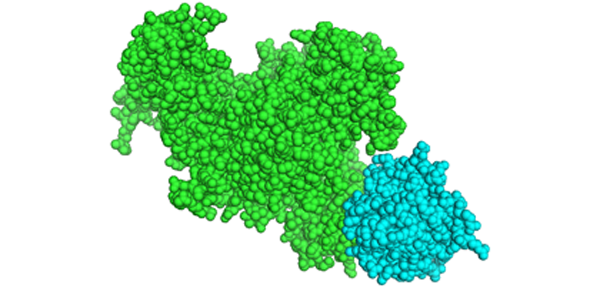
In a new study, a team of academics at the Centre for Misfolding Diseases, in the Department of Chemistry at the University of Cambridge, show that tiny changes in the amino acid sequence of the protein alpha-synuclein can have a dramatic effect on microscopic processes leading to its aggregation that may occur in the brain, eventually resulting in someone being diagnosed with Parkinson’s Disease.

Alpha-synuclein is a protein made up of 140 amino acids, and under normal circumstances plays an important part in helping with the smooth flow of chemical signals in the brain.

Parkinson’s Disease is thought to arise because, for reasons researchers still do not fully understand, the same protein sometimes malfunctions. Instead of adopting the specific structural form needed to do its job, it misfolds and begins to cluster, creating toxic, thread-like structures known as amyloid fibrils. In the case of Parkinson’s Disease, these protein deposits are referred to as Lewy-bodies.

The new study examined mutated forms of alpha-synuclein which have been found in people from families with a history of Parkinson’s Disease. In all cases, these mutations involved just one change to the protein’s amino acid sequence.

Although the differences in the sequence are small, the researchers found that they can have a profound effect on how quickly or slowly fibrils start to form. They also found that the mutations strongly influence a process called “secondary nucleation”, in which new fibrils are formed, in an auto-catalytic manner, at the surface of existing ones and thus enable the disease to spread.

The study stresses that these findings do not explain why humans get the disease. Parkinson’s Disease does not always emerge as a result of the mutations and has multiple, complex causes, which are not fully understood.

Patrick Flagmeier, a PhD student at St John’s College, University of Cambridge, and the study’s lead author, said: “As a finding, it helps us to understand fundamental things about the system by which this disease emerges. In the end, if we can understand all of this better, that can help us to develop therapeutic strategies to confront it. Our hope is that this study will contribute to the global effort towards comprehending why people with these mutations get the disease more frequently, or at a younger age.”

Although people who do not have mutated forms of alpha-synuclein can still develop Parkinson’s Disease, the five mutations studied by the research team were already known as “familial” variants – meaning that they recur in families where the disease has emerged, and seem to increase the likelihood of its onset.

What was not clear, until now, is why they have this effect. “We wanted to know how these specific changes in the protein’s sequence influence its behaviour as it aggregates into fibrils,” Flagmeier said.

To understand this, the researchers conducted lab tests in which they added each of the five mutated forms of alpha-synuclein, as well as a standard version of the protein, to samples simulating the initiation of fibril formation, their growth and their proliferation.

The first round of tests examined the initiation of aggregation, using artificial samples recreating conditions in which misfolded alpha-synuclein attaches itself to small structures that are present inside brain cells called lipid vesicles, and then begins to cluster.

The researchers then tested how the different versions of the protein influence the ability of pre-formed fibrils to extend and grow. Finally, they tested the impact of mutated proteins on secondary nucleation, in which, under specific conditions, the fibrils can multiply and start to spread.

Overall, the tests revealed that while the mutated forms of alpha-synuclein do not notably influence the fibril growth, they do have a dramatic effect on both the initial formation of the fibrils, and their secondary nucleation. Some of the mutated forms of the protein made these processes considerably faster, while others made it almost “undetectably slow”, according to the researchers’ report.

“We have only recently discovered the autocatalytic amplification process of alpha-synuclein fibrils, and the results of the present study will help us to understand in much more detail the mechanism behind this process, and in what ways it differs from the initial formation of aggregates.” said Dr.  Alexander Buell, one of the senior authors on the study.

Why the mutations have this impact remains unclear, but the study opens the door to understanding this in detail by identifying, for the first time, that they have such a dramatic impact on very particular stages of the process.

Dr. Céline Galvagnion, another of the senior authors on the study, said: “This study quantitatively correlates individual changes in the amino acid sequence of alpha-synuclein with its tendency to aggregate. However, the effect of these mutations on other parameters such as the loss of the protein’s function and the efficiency of clearance of alpha-synuclein needs to be taken into account to fully understand the link between the familial mutations of alpha-synuclein and the onset of Parkinson’s Disease.”

“The effects we observed were changes of several orders of magnitude and it was unexpected to observe such dramatic effects from single-point mutations,” Flagmeier said. “It seems that these single-point mutations in the sequence of alpha-synuclein play an important role in influencing particular microscopic steps in the aggregation process that may lead to Parkinson’s Disease.”

The full study, which also involves Professors Chris Dobson and Tuomas Knowles, is published in the journal, Proceedings of the National Academy of Sciences.

Reference:

Flagmeier, P. et. al: Mutations associated with familial Parkinson’s disease alter the initiation and amplification steps of α-synuclein aggregation. PNAS (2016): DOI: 10.1073/pnas.1604645113


Creative Commons License
The text in this work is licensed under a Creative Commons Attribution 4.0 International License. For image use please see separate credits above.

Astronomers Identify a Young Heavyweight Star In The Milky Way

Astronomers identify a young heavyweight star in the Milky Way

source: www.cam.ac.uk

A young star over 30 times more massive than the Sun could help us understand how the most extreme stars in the Universe are born.

These massive stars have shorter overall lifespans, making them harder to catch when they are infants.

John Ilee

Astronomers have identified a young star, located almost 11,000 light years away, which could help us understand how the most massive stars in the Universe are formed. This young star, already more than 30 times the mass of our Sun, is still in the process of gathering material from its parent molecular cloud, and may be even more massive when it finally reaches adulthood.

The researchers, led by a team at the University of Cambridge, have identified a key stage in the birth of a very massive star, and found that these stars form in a similar way to much smaller stars like our Sun – from a rotating disc of gas and dust. The results will be presented this week at the Star Formation 2016 conference at the University of Exeter, and are reported in the Monthly Notices of the Royal Astronomical Society.

In our galaxy, massive young stars – those with a mass at least eight times greater than the Sun – are much more difficult to study than smaller stars. This is because they live fast and die young, making them rare among the 100 billion stars in the Milky Way, and on average, they are much further away.

“An average star like our Sun is formed over a few million years, whereas massive stars are formed orders of magnitude faster — around 100,000 years,” said Dr John Ilee from Cambridge’s Institute of Astronomy, the study’s lead author. “These massive stars also burn through their fuel much more quickly, so they have shorter overall lifespans, making them harder to catch when they are infants.”

The protostar that Ilee and his colleagues identified resides in an infrared dark cloud – a very cold and dense region of space which makes for an ideal stellar nursery. However, this rich star-forming region is difficult to observe using conventional telescopes, since the young stars are surrounded by a thick, opaque cloud of gas and dust. But by using the Submillimeter Array (SMA) in Hawaii and the Karl G Jansky Very Large Array (VLA) in New Mexico, both of which use relatively long wavelengths of light to observe the sky, the researchers were able to ‘see’ through the cloud and into the stellar nursery itself.

By measuring the amount of radiation emitted by cold dust near the star, and by using unique fingerprints of various different molecules in the gas, the researchers were able to determine the presence of a ‘Keplerian’ disc – one which rotates more quickly at its centre than at its edge.

“This type of rotation is also seen in the Solar System – the inner planets rotate around the Sun more quickly than the outer planets,” said Ilee. “It’s exciting to find such a disc around a massive young star, because it suggests that massive stars form in a similar way to lower mass stars, like our Sun.”

The initial phases of this work were part of an undergraduate summer research project at the University of St Andrews, funded by the Royal Astronomical Society (RAS). The undergraduate carrying out the work, Pooneh Nazari, said, “My project involved an initial exploration of the observations, and writing a piece of software to ‘weigh’ the central star. I’m very grateful to the RAS for providing me with funding for the summer project — I’d encourage anyone interested in academic research to try one!”

From these observations, the team measured the mass of the protostar to be over 30 times the mass of the Sun. In addition, the disc surrounding the young star was also calculated to be relatively massive, between two and three times the mass of our Sun. Dr Duncan Forgan, also from St Andrews and lead author of a companion paper, said, “Our theoretical calculations suggest that the disc could in fact be hiding even more mass under layers of gas and dust. The disc may even be so massive that it can break up under its own gravity, forming a series of less massive companion protostars.”

The next step for the researchers will be to observe the region with the Atacama Large Millimetre Array (ALMA), located in Chile. This powerful instrument will allow any potential companions to be seen, and allow researchers to learn more about this intriguing young heavyweight in our galaxy.

This work has been supported by a grant from the European Research Council.

References:
J.D. Ilee et al. ‘G11.92-0361 MM1: A Keplerian disc around a massive young proto O-star.’ Monthly Notices of the Royal Astronomical Society (2016): DOI: 10.1093/mnras/stw1912

D. H. Forgan et al. ‘Self-gravitating disc candidates around massive young stars.’ Monthly Notices of the Royal Astronomical Society (2016): DOI: 10.1093/mnras/stw1917


Creative Commons License
The text in this work is licensed under a Creative Commons Attribution 4.0 International License. For image use please see separate credits above.

Cambridge Rises To Fourth In World University Rankings

Cambridge rises to fourth in world university rankings

source: http://www.varsity.co.uk/news/10559

University is top ranked outside of America, as Oxford also makes a climb to seventh

The rankings focus on quality of researchSIMON LOCK

The University of Cambridge has jumped one place to fourth in the Academic Ranking of World Universities (AWRU), leapfrogging the Massachusetts Institute of Technology.

In its best result since 2009, Cambridge scored 69.6 points out of a maximum one hundred, putting it narrowly behind Berkeley, in California. Cambridge is the most highly ranked university outside of the United States, with University College London also making it into the top 20.

Historic rival the University of Oxford moved up the table to seventh, while Harvard maintained its dominant position at the top of the table, where it has been since the table was established in 2003.

Released today, the AWRU, also known as the Shanghai Ranking, is an annual publication of university rankings compiled by the Shanghai Ranking Consultancy.

Though less well known in the UK than the Times Higher Education (THE) rankings and the QS rankings, it is considered one of the world’s foremost ranking tables, with The Chronicle of Higher Education calling it “the best-known and most influential global ranking of universities”.

While praised for its methodology, it has drawn some criticism for focussing too much on raw research power and therefore marginalising its consideration of the humanities.

The ARWU 2016’s Top 5 Universities in the World

1) Harvard (USA)

ADVERTISEMENT

2) Stanford (USA)

3) University of California, Berkeley (USA)

4) University of Cambridge (UK)

5) Massachusetts Institute of Technology (USA)

Earlier this year, Cambridge also came fourth in the THE world rankings, which prides itself on emphasising quality of teaching. In that table, Oxford came above Cambridge at number two.

The top of the Shanghai Ranking was dominated by American universities, with a total of 15 of the top 20 being based in the USA. Universities in China and Singapore appeared in the top 100 for the first time, with China’s Tsinghua University in 58th place.

Time Of Day Influences Our Susceptibility To Infection, Study finds

Time of day influences our susceptibility to infection, study finds

We are more susceptible to infection at certain times of the day as our body clock affects the ability of viruses to replicate and spread between cells, suggests new research from the University of Cambridge. The findings, published today in the Proceedings of the National Academy of Sciences, may help explain why shift workers, whose body clocks are routinely disrupted, are more prone to health problems, including infections and chronic disease.

The time of day of infection can have a major influence on how susceptible we are to the disease, or at least on the viral replication, meaning that infection at the wrong time of day could cause a much more severe acute infection

Akhilesh Reddy

When a virus enters our body, it hijacks the machinery and resources in our cells to help it replicate and spread throughout the body. However, the resources on offer fluctuate throughout the day, partly in response to our circadian rhythms – in effect, our body clock. Circadian rhythms control many aspects of our physiology and bodily functions – from our sleep patterns to body temperature, and from our immune systems to the release of hormones. These cycles are controlled by a number of genes, includingBmal1 and Clock.

To test whether our circadian rhythms affect susceptibility to, or progression of, infection, researchers at the Wellcome Trust-Medical Research Council Institute of Metabolic Science, University of Cambridge, compared normal ‘wild type’ mice infected with herpes virus at different times of the day, measuring levels of virus infection and spread. The mice lived in a controlled environment where 12 hours were in daylight and 12 hours were dark.

The researchers found that virus replication in those mice infected at the very start of the day – equivalent to sunrise, when these nocturnal animals start their resting phase – was ten times greater than in mice infected ten hours into the day, when they are transitioning to their active phase. When the researchers repeated the experiment in mice lacking Bmal1, they found high levels of virus replication regardless of the time of infection.

“The time of day of infection can have a major influence on how susceptible we are to the disease, or at least on the viral replication, meaning that infection at the wrong time of day could cause a much more severe acute infection,” explains Professor Akhilesh Reddy, the study’s senior author. “This is consistent with recent studies which have shown that the time of day that the influenza vaccine is administered can influence how effectively it works.”

In addition, the researchers found similar time-of-day variation in virus replication in individual cell cultures, without influence from our immune system. Abolishing cellular circadian rhythms increased both herpes and influenza A virus infection, a dissimilar type of virus – known as an RNA virus – that infects and replicates in a very different way to herpes.

Dr Rachel Edgar, the first author, adds: “Each cell in the body has a biological clock that allows them to keep track of time and anticipate daily changes in our environment. Our results suggest that the clock in every cell determines how successfully a virus replicates. When we disrupted the body clock in either cells or mice, we found that the timing of infection no longer mattered – viral replication was always high. This indicates that shift workers, who work some nights and rest some nights and so have a disrupted body clock, will be more susceptible to viral diseases. If so, then they could be prime candidates for receiving the annual flu vaccines.”

As well as its daily cycle of activity, Bmal1 also undergoes seasonal variation, being less active in the winter months and increasing in summer. The researchers speculate that this may help explain why diseases such as influenza are more likely to spread through populations during winter.

Using cell cultures, the researchers also found that herpes viruses manipulate the molecular ‘clockwork’ that controls our circadian rhythms, helping the viruses to progress. This is not the first time that pathogens have been seen to ‘game’ our body clocks: the malaria parasite, for example, is known to synchronise its replication cycle with the host’s circadian rhythm, producing a more successful infection.
“Given that our body clocks appear to play a role in defending us from invading pathogens, their molecular machinery may offer a new, universal drug target to help fight infection,” adds Professor Reddy.

The research was mostly funded by the Wellcome Trust and the European Research Council.

Reference
Edgar, RS et al. Cell autonomous regulation of herpes and influenza virus infection by the circadian clock. PNAS; e-pub 15 Aug 2016; DOI: 10.1073/pnas.1601895113


Creative Commons License
The text in this work is licensed under a Creative Commons Attribution 4.0 International License. For image use please see separate credits above.

Virus Attracts Bumblebees To Infected Plants By Changing Scent

Virus attracts bumblebees to infected plants by changing scent

source: www.cam.ac.uk

Study of bee-manipulating plant virus reveals a “short-circuiting” of natural selection. Researchers suggest that replicating the scent caused by infection could encourage declining bee populations to pollinate crops – helping both bee and human food supplies.

Modelling suggested that if pollinators were biased towards diseased plants in the wild, this could short-circuit natural selection for disease resistance

John Carr

Plant scientists at the University of Cambridge have found that the cucumber mosaic virus (CMV) alters gene expression in the tomato plants it infects, causing changes to air-borne chemicals – the scent – emitted by the plants. Bees can smell these subtle changes, and glasshouse experiments have shown that bumblebees prefer infected plants over healthy ones.

Scientists say that by indirectly manipulating bee behaviour to improve pollination of infected plants by changing their scent, the virus is effectively paying its host back. This may also benefit the virus: helping to spread the pollen of plants susceptible to infection and, in doing so, inhibiting the chance of virus-resistant plant strains emerging.

The authors of the new study, published today in the journal PLOS Pathogens, say that understanding the smells that attract bees, and reproducing these artificially by using similar chemical blends, may enable growers to protect or even enhance yields of bee-pollinated crops.

“Bees provide a vital pollination service in the production of three-quarters of the world’s food crops. With their numbers in rapid decline, scientists have been searching for ways to harness pollinator power to boost agricultural yields,” said study principal investigator Dr John Carr, Head of Cambridge’s Virology and Molecular Plant Pathology group.

“Better understanding the natural chemicals that attract bees could provide ways of enhancing pollination, and attracting bees to good sources of pollen and nectar – which they need for survival,” Carr said.

He conducted the study with Professor Beverley Glover, Director of Cambridge University Botanic Garden, where many of the experiments took place, and collaborators at Rothamsted Research.

CMV is transmitted by aphids – bees don’t carry the virus. It’s one of the most prevalent pathogens affecting tomato plants, resulting in small plants with poor-tasting fruits that can cause serious losses to cultivated crops.

Not only is CMV one of the most damaging viruses for horticultural crops, but it also persists in wild plant populations, and Carr says the new findings may explain why:

“We were surprised that bees liked the smell of the plants infected with the virus – it made no sense. You’d think the pollinators would prefer a healthy plant. However, modelling suggested that if pollinators were biased towards diseased plants in the wild, this could short-circuit natural selection for disease resistance,” he said.

“The virus is rewarding disease-susceptible plants, and at the same time producing new hosts it can infect to prevent itself from going extinct. An example, perhaps, of what’s known as symbiotic mutualism.”

The increased pollination from bees may also compensate for a decreased yield of seeds in the smaller fruits of virus-infected plants, say the scientists.

The findings also reveal a new level of complexity in the evolutionary ‘arms race’ between plants and viruses, in which it is classically believed that plants continually evolve new forms of disease-resistance while viruses evolve new ways to evade it.

“We would expect the plants susceptible to disease to suffer, but in making them more attractive to pollinators the virus gives these plants an advantage. Our results suggest that the picture of a plant-pathogen arms race is more complex than previously thought, and in some cases we should think of viruses in a more positive way,” said Carr.

Plants emit ‘volatiles’, air-borne organic chemical compounds involved in scent, to attract pollinators and repulse plant-eating animals and microbes. Humans have used them for thousands of years as perfumes and spices.

The researchers grew plants in individual containers, and collected air with emissions from CMV-infected plants, as well as ‘mock-infected’ control plants.

Through mass spectrometry, researchers could see the change in emissions induced by the virus. They also found that bumblebees could smell the changes. Released one by one in a small ‘flight arena’ in the Botanic Gardens, and timed with a stopwatch by researchers, the bees consistently headed to the infected plants first, and spent longer at those plants.

“Bees are far more sensitive to the blends of volatiles emitted by plants and can detect very subtle differences in the mix of chemicals. In fact, they can even be trained to detect traces of chemicals emitted by synthetic substances, including explosives and drugs,” said Carr.

Analysis revealed that the virus produces a factor called 2b, which reprograms genetic expression in the tomato plants and causes the change in scent.

Mathematical modelling by plant disease epidemiologist Dr Nik Cunniffe, also in the Department of Plant Sciences at Cambridge, explored how the experimental findings apply outside the glasshouse. The model showed how pollinator bias for infected plants can cause genes for disease-susceptibility to persist in plant populations over extremely large numbers of generations.

The latest study is the culmination of work spanning almost eight years (and multiple bee stings). The findings will form the basis of a new collaboration with the Royal Horticultural Society, in which they aim to increase pollinator services for cultivated crops.

With the global population estimated to reach nine billion people by 2050, producing enough food will be one of this century’s greatest challenges. Carr, Glover and Cunniffe are all members of the Cambridge Global Food Security Initiative at Cambridge, which is involved in addressing the issues surrounding food security at local, national and international scales.

The use of state-of-the-art experimental glasshouses at Cambridge Botanic Garden, and equipment at Cambridge and Rothamsted, was funded by the Leverhulme Trust.


Creative Commons License
The text in this work is licensed under a Creative Commons Attribution 4.0 International License. For image use please see separate credits above.

Gene Signature In Healthy Brains Pinpoints The Origins Of Alzheimer’s Disease

Gene signature in healthy brains pinpoints the origins of Alzheimer’s disease

source: www.cam.ac.uk

A specific gene expression pattern maps out which parts of the brain are most vulnerable to Alzheimer’s disease, decades before symptoms appear, and helps define the molecular origins of the disease.

We wanted to know whether there is something special about the way these proteins behave in vulnerable brain tissue in young individuals, long before the typical age of onset of the disease.

Michele Vendruscolo

Researchers have discovered a gene signature in healthy brains that echoes the pattern in which Alzheimer’s disease spreads through the brain much later in life. Thefindings, published in the journal Science Advances, could help uncover the molecular origins of this devastating disease, and may be used to develop preventative treatments for at-risk individuals to be taken well before symptoms appear.

The results, by researchers from the University of Cambridge, identified a specific signature of a group of genes in the regions of the brain which are most vulnerable to Alzheimer’s disease. They found that these parts of the brain are vulnerable because the body’s defence mechanisms against the proteins partly responsible for Alzheimer’s disease are weaker in these areas.

Healthy individuals with this specific gene signature are highly likely to develop Alzheimer’s disease in later life, and would most benefit from preventative treatments, if and when they are developed for human use.

Alzheimer’s disease, the most common form of dementia, is characterised by the progressive degeneration of the brain. Not only is the disease currently incurable, but its molecular origins are still unknown. Degeneration in Alzheimer’s disease follows a characteristic pattern: starting from the entorhinal region and spreading out to all neocortical areas. What researchers have long wondered is why certain parts of the brain are more vulnerable to Alzheimer’s disease than others.

“To answer this question, what we’ve tried to do is to predict disease progression starting from healthy brains,” said senior author Professor Michele Vendruscolo of the Centre for Misfolding Diseases at Cambridge’s Department of Chemistry. “If we can predict where and when neuronal damage will occur, then we will understand why certain brain tissues are vulnerable, and get a glimpse at the molecular origins of Alzheimer’s disease.”

One of the hallmarks of Alzheimer’s disease is the build-up of protein deposits, known as plaques and tangles, in the brains of affected individuals. These deposits, which accumulate when naturally-occurring proteins in the body fold into the wrong shape and stick together, are formed primarily of two proteins: amyloid-beta and tau.

“We wanted to know whether there is something special about the way these proteins behave in vulnerable brain tissue in young individuals, long before the typical age of onset of the disease,” said Vendruscolo.

Vendruscolo and his colleagues found that part of the answer lay within the mechanism of control of amyloid-beta and tau. Through the analysis of more than 500 samples of healthy brain tissues from the Allen Brain Atlas, they identified a signature of a group of genes in healthy brains. When compared with tissue from Alzheimer’s patients, the researchers found that this same pattern is repeated in the way the disease spreads in the brain.

“Vulnerability to Alzheimer’s disease isn’t dictated by abnormal levels of the aggregation-prone proteins that form the characteristic deposits in disease, but rather by the weaker control of these proteins in the specific brain tissues that first succumb to the disease,” said Vendruscolo.

Our body has a number of effective defence mechanisms which protect it against protein aggregation, but as we age, these defences get weaker, which is why Alzheimer’s generally occurs in later life. As these defence mechanisms, collectively known as protein homeostasis systems, get progressively impaired with age, proteins are able to form more and more aggregates, starting from the tissues where protein homeostasis is not so strong in the first place.

Earlier this year, the same researchers behind the current study identified a possible ‘neurostatin’ that could be taken by healthy individuals in order to slow or stop the progression of Alzheimer’s disease, in a similar way to how statins are taken to prevent heart disease. The current results suggest a way to exploit the gene signature to identify those individuals most at risk and who would most benefit from taking a neurostatin in earlier life.

Although a neurostatin for human use is still quite some time away, a shorter-term benefit of these results may be the development of more effective animal models for the study of Alzheimer’s disease. Since the molecular origins of the disease have been unknown to date, it has been difficult to breed genetically modified mice or other animals that repeat the full pathology of Alzheimer’s disease, which is the most common way for scientists to understand this or any disease in order to develop new treatments.

“It is exciting to consider that the molecular origins identified here for Alzheimer’s may predict vulnerability for other diseases associated with aberrant aggregation – such as ALS, Parkinson’s and frontotemporal dementia,” said Rosie Freer, a PhD student in the Department of Chemistry and the study’s lead author. “I hope that these results will help drug discovery efforts – that by illuminating the origin of disease vulnerability, there will be a clearer target for those working to cure Alzheimer’s.”

“The results of this particular study provide a clear link between the key factors that we have identified as underlying the aggregation phenomenon and the order in which the effects of Alzheimer’s disease are known to spread through the different regions of the brain,” said study co-author Professor Christopher Dobson, who is Master of St John’s College, Cambridge. “Linking the properties of specific protein molecules to the onset and spread of neuronal damage is a crucial step in the quest to find effective drugs to combat this dreadful neurodegenerative condition, and potentially other diseases related to protein misfolding and aggregation.”

Addressing these problems represents the core programme of research of the Centre for Misfolding Diseases, which is directed by Chris Dobson, Tuomas Knowles and Michele Vendruscolo. The primary mission of the Centre is to develop a fundamental understanding of the molecular origins of the variety of disorders associated with the misfolding and aggregation of proteins, which include Parkinson’s disease, ALS and type II diabetes as well as Alzheimer’s disease, and then to use such understanding for the rational design of novel therapeutic strategies.

Reference:
R. Freer et. al. ‘A protein homeostasis signature in healthy brains recapitulates tissue vulnerability to Alzheimer’s disease.’ Science Advances (2016). DOI:10.1126/sciadv.1600947


Creative Commons License
The text in this work is licensed under a Creative Commons Attribution 4.0 International License. For image use please see separate credits above.

Field Service Engineer

HERBERT SERVICE LIMITED                                       

JOB DESCRIPTION

 JOB TITLE                                  Field Service Engineer

(Ipswich, Staffordshire, Swindon, Cornwall, Cardiff/Newport and Croydon areas)

DEPARTMENT                        Retail

RESPONSIBLE TO                 Area Manager

AIM OF JOB                              To carry out repair, maintenance and installation of all equipment serviced by the Company, both now an in the future


DUTIES AND RESPONSIBILITIES

  • To repair, service and install all equipment to a high standard in accordance with the
  •             Company and ISO9001 procedures.
  • To establish and maintain good customer relationships
  • To complete all call closure and necessary paperwork accurately and in a timely manner.
  • To ensure that all Company & Customer Health and Safety legislation and regulations are actively adhered to at all times.
  • To maintain your verification status and comply with all legal requirements.
  • To maintain excellent stock control and adequate levels of stock under your control, within specified cost guidelines, in order achieve the required First Time Fix.
  • To maintain contact with the Service Desk in accordance with the needs of the operation and have an understanding of the need to achieve customer & service level agreements (SLA’s).
  • To maintain & improve technical training and product expertise in order that an effective & efficiency service can be maximised at all times.
  • Any other reasonable request as determined by the Operations staff
  • To keep all Company equipment secure and in good condition.
  • To keep company vehicle regularly serviced and in clean condition.
  • To keep a clean, tidy and presentable personal appearance at all times, especially on customer premises.
  • Lone working on Customer premises.
  • Manual Handling of tools, equipment & calibration/verification weights required.
  • Extensive driving between customer sites.

Sign:

Date:


Person Specification
  Essential Desirable
Knowledge, Skills & Experience Ability to use hand tools such as soldering irons, hand crimpers, screwdrivers, pliers etc.


Competence in dextrous hand assembly processes


Able to stand for long periods of time


Able to lift / move products safely


Ability to read, interpret and follow written instructions/work instructions


Proficient in relevant computer applications


Experience working within a Electro/mechanical

environment.


Competent in the use of multi meter for electrical testing


Security vetting / clearance


Good administration skills


Full UK driving licence

Experience of working within ISO framework


Familiarity with PCs


Working within a Field Service   environment.


Good / excellent verbal & written communication skills.


Numerical aptitude.


Disposition Team Player           Reliable                Proactive

Self-motivated                                   Flexible

Approachable         Friendly                Helpful


Key Competencies
Verbal and written communication skills

Problem solving / analysis

Customer Service orientation

Initiative                              Attention to detail

Judgment                            Resilience

Adaptability                        Organisational skills

     
Signed: (Employee) Date:


Commercial Account Co-ordinator

HERBERT RETAIL LTD JOB DESCRIPTION

 JOB TITLE                              Commercial Account Co-ordinator

DEPARTMENT                     Commercial Administration

POSITION NUMBER

RESPONSIBLE TO              Head of Commercial and Customer Care

RESPONSIBLE FOR                       

Revision                                 June 2016       

AIM

  • Responsible for the administration of sales delivery, for call data reporting and for invoicing, the aim of the Commercial Account co-ordinator is to complete these varied tasks accurately and with an efficient use of company resources. This is in order that the sales which have been made are delivered in line with customer and company expectations; and the money earned on these can be collected in line with agreed terms.

DUTIES AND RESPONSIBILITIES

  •  Manage order fulfilment and invoicing processes. This includes processing orders through the ERP system, liaison with internal departments and the customer, and completion of documentation to facilitate management of sales delivery.
  • Create accurate reports from the ERP system on customer data, in order to calculate amounts to be invoiced monthly.
  • Be point of liaison for customers, pro-actively communicating in order to manage customer expectations and internal requirements.
  • Work with finance to ensure all aged debt issues are resolved in a timely manner.
  • Complete customer quotes – with help from Sales/Account/Technical team where required.
  • Process loan requests and be responsible for chasing overdue loans.
  • Maintain the profile of the Commercial Administration Department within the operating divisions and with Herbert customers in order that a professional and well-disciplined interface is demonstrated at all times, along with good team spirit.

OTHER DUTIES & RESPONSIBILITIES

  •  Ensure that ISO requirements are met to maintain Company accreditation
  • Ensure that all requirements under Health & Safety legislation are actively adhered to
  • Maintain and update departmental work instructions and procedures in accordance with quality and system requirements
  • Any other reasonable request as identified by the Head of Commercial and Customer Care.


Person Specification
  Essential Desirable
 

Education, Experience and Skills


Strong organisational skills and the ability to be comfortable dealing with multiple projects concurrently


Basic knowledge of and familiarity with Excel spreadsheets including simple formulae


Strong attention to detail


Good presentation skills


Good communication skills, both verbal and written


Ability to prioritise work


Ability to cope with demands from multiple departments


Ability to working on own initiative, with minimal supervision


Ability to adapt to fast changing demands of the business


Ability to work on a computer for the majority of the working day


Able to work under a reasonable amount of pressure.


Ability to remain calm and considered when dealing with difficult people.


Experience of managing small projects – no formal project management experience required however


Good knowledge of Excel spreadsheets including writing simpler formulae


Experience of dealing with customers


Disposition


Well-organised

Willing to take ownership of projects

Methodical

Attention to detail

Assertive – in order to deal confidently with both internal and external stakeholders


Team Player

Approachable

Reliable

Self-motivated

Flexible

Articulate


Sign

Date

Purchasing Assistant – 6 Months Maternity Cover

HERBERT RETAIL LIMITED JOB DESCRIPTION

JOB TITLE:                        Purchasing Assistant

DEPARTMENT:              Purchasing

RESPONSIBLE TO:      Head of Procurement

AIM OF JOB:                  To buy and expedite materials and services. To administer day to day running of the vehicle fleet, and mobile communications.

DUTIES AND RESPONSIBILITIES

• To administer the day to day running of the Company Car Fleet, To process documentation associated with acquisition of new vehicles and disposal of old. Monitoring and authorising repairs and vehicle hiring.

• To administer the Company car insurance scheme and provide monthly control report relating to claims. Setting up post accident reviews and taking appropriate actions.

• Processing and reporting on traffic infringements and fines.

• Preparation and summary of reports including vehicle fleet, and purchases for Purchasing Manager and other Operational Managers. To comment on exceptions, analysis of trends and liaison with appropriate Operational Manager.

• To coordinate the day to day issues associated with the Company mobile phones and data devices.

• Preparation and summary of reports including, but not limited to, mobile phone costs, and purchases for Purchasing Manager and other Operational Managers. To comment on exceptions, analysis of trends and liaison with appropriate Operational Manager

• To buy materials and services, as per authorised Purchase Requisitions, Production Meeting actions, and as requested by the Purchasing Manager and Materials Manager. Negotiate pricing down wherever possible.

• To maintain the integrity of the Purchase Order Book, and expedite delivery of items as required for operational requirements.

• Buy parts according to max/min levels for Marrakesh, gain an understanding of MRP processes, and Factored Stock.

• To operate the Reject System, to ensure that material movements are tracked both with suppliers and on-site, corrective actions are taken by suppliers, supplier performance is recorded and reported on to suppliers. Report to the Purchasing Manager and the QA Manager where deemed necessary.

• Maintaining the Approved Supplier File. Carrying out regular due diligence updates on suppliers and subcontractors, including up to date insurance cover. Report issues to Purchasing Manager.

• To produce monthly environmental statistics for the Purchasing Manager, in line with Company Environmental Policy.

• To produce appropriate documentation, and arrange shipping for exports.

• To produce weekly Cashflow Forecast for stock items

• To assist Purchasing Manager in disposal of redundant stock, by coordinating Sales through E-Bay and disposal companies.

• Making Hotel and Travel arrangements as requested by Operational Managers.

• Investigate invoice queries with suppliers and Herbert Managers. Obtain credits from suppliers or correct Purchase orders where necessary. Liaise with Purchase Ledger.

OTHER DUTIES & RESPONSIBILITIES

Ensure that BSI requirements are met in order that the Company accreditation is not threatened

Ensure that all requirements under Health & Safety legislation are actively adhered to.

Any other reasonable request by the Purchasing Manager

KEY MEASURES

Number of pool vehicles not to exceed 4 at each month end.

Value of stock in Reject stock locations to be less than £5000 at each month end.

Every item of mobile comms hardware must be allocated to correct user at all times.

Appropriate Environmental Stats report to be available to Purchasing Manager by 10th of each month for preceding month’s activity.

Purchase Order Book to only show valid current orders

Appropriate cash received for redundant stock sales to exceed £10K per annum.

Signed:

Date:

Liquid Light Switch Could Enable More Powerful Electronics

Liquid light switch could enable more powerful electronics

source: www.cam.ac.uk

Researchers have built a record energy-efficient switch, which uses the interplay of electricity and a liquid form of light, in semiconductor microchips. The device could form the foundation of future signal processing and information technologies, making electronics even more efficient.

We’re reaching the limits of how small we can make transistors, and electronics based on liquid light could be a way of increasing the power and efficiency of the electronics we rely on.

Hamid Ohadi

Researchers have built a miniature electro-optical switch which can change the spin – or angular momentum – of a liquid form of light by applying electric fields to a semiconductor device a millionth of a metre in size. Their results, reported in the journal Nature Materials, demonstrate how to bridge the gap between light and electricity, which could enable the development of ever faster and smaller electronics.

There is a fundamental disparity between the way in which information is processed and transmitted by current technologies. To process information, electrical charges are moved around on semiconductor chips; and to transmit it, light flashes are sent down optical fibres. Current methods of converting between electrical and optical signals are both inefficient and slow, and researchers have been searching for ways to incorporate the two.

In order to make electronics faster and more powerful, more transistors need to be squeezed onto semiconductor chips. For the past 50 years, the number of transistors on a single chip has doubled every two years – this is known as Moore’s law. However, as chips keep getting smaller, scientists now have to deal with the quantum effects associated with individual atoms and electrons, and they are looking for alternatives to the electron as the primary carrier of information in order to keep up with Moore’s law and our thirst for faster, cheaper and more powerful electronics.

The University of Cambridge researchers, led by Professor Jeremy Baumberg from the NanoPhotonics Centre, in collaboration with researchers from Mexico and Greece, have built a switch which utilises a new state of matter called a Polariton Bose-Einstein condensate in order to mix electric and optical signals, while using miniscule amounts of energy.

Polariton Bose-Einstein condensates are generated by trapping light between mirrors spaced only a few millionths of a metre apart, and letting it interact with thin slabs of semiconductor material, creating a half-light, half-matter mixture known as a polariton.

Putting lots of polaritons in the same space can induce condensation – similar to the condensation of water droplets at high humidity – and the formation of a light-matter fluid which spins clockwise (spin-up) or anticlockwise (spin-down). By applying an electric field to this system, the researchers were able to control the spin of the condensate and switch it between up and down states. The polariton fluid emits light with clockwise or anticlockwise spin, which can be sent through optical fibres for communication, converting electrical to optical signals.

“The polariton switch unifies the best properties of electronics and optics into one tiny device that can deliver at very high speeds while using minimal amounts of power,” said the paper’s lead author Dr Alexander Dreismann from Cambridge’s Cavendish Laboratory.

“We have made a field-effect light switch that can bridge the gap between optics and electronics,” said co-author Dr Hamid Ohadi, also from the Cavendish Laboratory. “We’re reaching the limits of how small we can make transistors, and electronics based on liquid light could be a way of increasing the power and efficiency of the electronics we rely on.”

While the prototype device works at cryogenic temperatures, the researchers are developing other materials that can operate at room temperature, so that the device may be commercialised. The other key factor for the commercialisation of the device is mass production and scalability. “Since this prototype is based on well-established fabrication technology, it has the potential to be scaled up in the near future,” said study co-author Professor Pavlos Savvidis from the FORTH institute in Crete, Greece.

The team is currently exploring options for commercialising the technology as well as integrating it with the existing technology base.

The research is funded as part of a UK Engineering and Physical Sciences Research Council (EPSRC) investment in the Cambridge NanoPhotonics Centre, as well as the European Research Council (ERC) and the Leverhulme Trust.

Reference:
A. Dreismann et al. ‘A sub-femtojoule electrical spin-switch based on optically trapped polariton condensates.’ Nature Materials (2016). DOI: 10.1038/nmat4722


Creative Commons License
The text in this work is licensed under a Creative Commons Attribution 4.0 International License. For image use please see separate credits above.

Brains Of Overweight People ‘Ten Years Older’ Than Lean Counterparts At MiddleAge

Brains of overweight people ‘ten years older’ than lean counterparts at middle-age

source: www.cam.ac.uk

From middle-age, the brains of obese individuals display differences in white matter similar to those in lean individuals ten years their senior, according to new research led by the University of Cambridge. White matter is the tissue that connects areas of the brain and allows for information to be communicated between regions.

We’re living in an ageing population, with increasing levels of obesity, so it’s essential that we establish how these two factors might interact, since the consequences for health are potentially serious

Paul Fletcher

Our brains naturally shrink with age, but scientists are increasingly recognising that obesity – already linked to conditions such as diabetes, cancer and heart disease – may also affect the onset and progression of brain ageing; however, direct studies to support this link are lacking.

In a cross-sectional study – in other words, a study that looks at data from individuals at one point in time – researchers looked at the impact of obesity on brain structure across the adult lifespan to investigate whether obesity was associated with brain changes characteristic of ageing. The team studied data from 473 individuals between the ages of 20 and 87, recruited by the Cambridge Centre for Aging and Neuroscience. The results are published in the journal Neurobiology of Aging.

The researchers divided the data into two categories based on weight: lean and overweight. They found striking differences in the volume of white matter in the brains of overweight individuals compared with those of their leaner counterparts. Overweight individuals had a widespread reduction in white matter compared to lean people.

Comparison of grey matter (brown) and white matter (yellow) in sex-matched subjects A (56 years, BMI 19.5) and B (50 years, BMI 43.4). Credit: Lisa Ronan

The team then calculated how white matter volume related to age across the two groups. They discovered that an overweight person at, say, 50 years old had a comparable white matter volume to a lean person aged 60 years, implying a difference in brain age of 10 years.

Strikingly, however, the researchers only observed these differences from middle-age onwards, suggesting that our brains may be particularly vulnerable during this period of ageing.

“As our brains age, they naturally shrink in size, but it isn’t clear why people who are overweight have a greater reduction in the amount of white matter,” says first author Dr Lisa Ronan from the Department of Psychiatry at the University of Cambridge, “We can only speculate on whether obesity might in some way cause these changes or whether obesity is a consequence of brain changes.”

Senior author Professor Paul Fletcher, from the Department of Psychiatry, adds: “We’re living in an ageing population, with increasing levels of obesity, so it’s essential that we establish how these two factors might interact, since the consequences for health are potentially serious.

“The fact that we only saw these differences from middle-age onwards raises the possibility that we may be particularly vulnerable at this age. It will also be important to find out whether these changes could be reversible with weight loss, which may well be the case.”

Despite the clear differences in the volume of white matter between lean and overweight individuals, the researchers found no connection between being overweight or obese and an individual’s cognitive abilities, as measured using a standard test similar to an IQ test.

Co-author Professor Sadaf Farooqi, from the Wellcome Trust–Medical Research Council Institute of Metabolic Science at Cambridge, says: “We don’t yet know the implications of these changes in brain structure. Clearly, this must be a starting point for us to explore in more depth the effects of weight, diet and exercise on the brain and memory.”

The research was supported by the Bernard Wolfe Health Neuroscience Fund, the Wellcome Trust and the Biotechnology and Biological Sciences Research Council.

Reference
Ronan, L et al. Obesity associated with increased brain-age from mid-life.Neurobiology of Aging; e-pub 27 July 2016; DOI: 10.1016/j.neurobiolaging.2016.07.010


Creative Commons License
The text in this work is licensed under a Creative Commons Attribution 4.0 International License. For image use please see separate credits above.

FAMIN or feast? Newly-Discovered Mechanism Influences How Immune Cells ‘Eat’ Invading Bacteria

FAMIN or feast? Newly-discovered mechanism influences how immune cells ‘eat’ invading bacteria

source: www.cam.ac.uk

A new mechanism that affects how our immune cells perform – and hence their ability to prevent disease – has been discovered by an international team of researchers led by Cambridge scientists.

By taking a disease risk gene whose role was completely unknown and studying its function down to the level of a single nucleotide, we’ve discovered an entirely new and important mechanism that affects our immune system’s ability to carry out its role as the body’s defence mechanism

Arthur Kaser

To date, researchers have identified hundreds of genetic variants that increase or decrease the risk of developing diseases from cancer and diabetes to tuberculosis and mental health disorders. However, for the majority of such genes, scientists do not yet know how the variants contribute to disease – indeed, scientists do not even understand how many of the genes function.

One such gene is C13orf31, found on chromosome 13. Scientists have previously shown that variants of the gene in which a single nucleotide – the A, C, G and T of DNA – differs are associated with risk for the infectious disease leprosy, and for the chronic inflammatory diseases Crohn’s disease and a form of childhood arthritis known as systemic juvenile idiopathic arthritis.

In a study published today in the journal Nature Immunology and led by the University of Cambridge, researchers studied how this gene works and have identified a new mechanism that drives energy metabolism in our immune cells. Immune cells help fight infection, but in some cases attack our own bodies, causing inflammatory disease.

Using mice in which the mouse equivalent of the C13orf31 gene had been altered, the team showed that the gene produces a protein that acts as a central regulator of the core metabolic functions in a specialist immune cell known as a macrophage (Greek for ‘big eater’). These cells are so named for their ability to ‘eat’ invading organisms, breaking them down and preventing the infection from spreading. The protein, which the researchers named FAMIN (Fatty Acid Metabolic Immune Nexus), determines how much energy is available to the macrophages.

The researchers used a gene-editing tool known as CRISPR/Cas9, which acts like a biological ‘cut and paste’ tool, to edit a single nucleotide in the risk genes within the mouse’s genome to show that even a tiny change to our genetic makeup could have a profound effect, making the mice more susceptible to sepsis (blood poisoning). This showed that FAMIN influences the cell’s ability to perform its normal function, controlling its capacity to kill bacteria and release molecules known as ‘mediators’ that trigger an inflammatory response, a key part of fighting infection and repairing damage in the body.

Professor Arthur Kaser from the Department of Medicine at the University of Cambridge, who led the research, says: “By taking a disease risk gene whose role was completely unknown and studying its function down to the level of a single nucleotide, we’ve discovered an entirely new and important mechanism that affects our immune system’s ability to carry out its role as the body’s defence mechanism.”

Dr Zaeem Cader, the study’s first author, adds: “Although it’s too early to say how this discovery might influence new treatments, genetics can provide invaluable insights that might help in identifying potential drug targets for so-called precision medicines, tailored to an individual’s genetic make-up.”

The research was largely funded by the European Research Council and the Wellcome Trust, with support from National Institute for Health Research (NIHR) Cambridge Biomedical Research Centre.

Reference
Cader, MZ et al. C13orf31 (FAMIN) is a central regulator of immunometabolic function. Nature Immunology; 1 Aug 2016; DOI: 10.1038/ni.3532


Creative Commons License
The text in this work is licensed under a Creative Commons Attribution 4.0 International License. For image use please see separate credits above.

COLOUR: The Art and Science of Illuminated Manuscripts

COLOUR: The art and science of illuminated manuscripts

source: www.cam.ac.uk

Some of the finest illuminated manuscripts in the world – treasures combining gold and precious pigments – will go on display today in celebration of the Fitzwilliam Museum’s bicentenary.

Leading artists of the Middle Ages and early Renaissance did not think of art and science as opposing disciplines.

Stella Panayotova

The majority of the exhibits are from the Museum’s own rich collections, and those from the founding bequest of Viscount Fitzwilliam in 1816 can never leave the building and can only be seen at the Museum. For the first time, the secrets of master illuminators and the sketches hidden beneath the paintings will be revealed in a major exhibition presenting new art historical and scientific research.

Spanning the 8th to the 17th centuries, the 150 manuscripts and fragments in COLOUR: The Art and Science of Illuminated Manuscripts guide us on a journey through time, stopping at leading artistic centres of medieval and Renaissance Europe. Exhibits highlight the incredible diversity of the Fitzwilliam’s collection: including local treasures, such as the Macclesfield Psalter made in East Anglia c.1330-1340, a leaf with a self-portrait made by the Oxford illuminator William de Brailes c.1230-1250, and a medieval encyclopaedia made in Paris c.1414 for the Duke of Savoy.

Four years of cutting-edge scientific analysis and discoveries made at the Fitzwilliam have traced the creative process from the illuminators’ original ideas through their choice of pigments and painting techniques to the completed masterpieces.

“Leading artists of the Middle Ages and early Renaissance did not think of art and science as opposing disciplines,” said curator, Dr Stella Panayotova, Keeper of Manuscripts and Printed Books. “Instead, drawing on diverse sources of knowledge, they conducted experiments with materials and techniques to create beautiful works that still fascinate us today.”

Merging art and science, COLOUR shares the research of MINIARE (Manuscript Illumination: Non-Invasive Analysis, Research and Expertise), an innovative project based at the Fitzwilliam. Collaborating with scholars from the University of Cambridge and international experts, the Museum’s curators, scientists and conservators have employed pioneering analytical techniques to identify the materials and methods used by illuminators.

“This has been an exciting project,” said research scientist, Dr Paola Ricciardi. “By combining imaging and spectroscopic analysis — methods more commonly associated with remote sensing and analytical chemistry — and by exploring such a diverse range of manuscripts, we can begin to understand how illuminators actually worked.”

“A popular misconception is that all manuscripts were made by monks and contained religious texts, but from the 11th century onwards professional scribes and artists were increasingly involved in a thriving book trade, producing both religious and secular texts. Scientific examination has revealed that illuminators sometimes made use of materials associated with other media, such as egg yolk, which was traditionally used as a binder by panel painters.”

Other discoveries include pigments rarely associated with manuscript illumination – such as the first ever example of smalt detected in a Venetian manuscript. Smalt, obtained by grinding blue glass, was found in a Venetian illumination book made c.1420. Evidently, the artist who painted it had close links with the famed glassmakers of Murano. This example predates by half a century the documented use of smalt in Venetian easel paintings.

Analyses of sketches lying beneath the paint surfaces, and of later additions and changes to paintings help to shed light on manuscripts and their owners. One French prayer book, made c.1430, was adapted over three generations to reflect the personal circumstances and dynastic anxieties of a succession of aristocratic women.

Adam and Eve were originally shown naked in an ABC commissioned c.1505 by the French Queen, Anne of Brittany (1476-1514) for her five-year-old daughter. However, a later owner, offended by the nudity, gave Eve a veil and Adam a skirt. Infrared imaging techniques and mathematical modelling have made it possible to reconstruct the original composition without harming the manuscript.

The Museum’s treasures will be displayed alongside carefully selected loans — celebrated manuscripts from Cambridge libraries as well as other institutions in the UK and overseas. These include an 8th century Gospel Book from Corpus Christi College, the University Library’s famous Life of Edward the Confessor, magnificent Apocalypses from Trinity College and Lambeth Palace, London, and a unique model book from Göttingen University.

Visitors will be encouraged to make their own discoveries in the exhibition galleries and online through a new, free digital resource: ILLUMINATED: Manuscripts in the Making. With hundreds of high resolution digital images and infrared photographs, this interactive, cross-disciplinary resource offers users in-depth information on the manuscripts’ contents, patrons, cultural and historical contexts, as well as scientific data relating to artists’ techniques and materials.

With over 300 illustrations in full colour, the authoritative exhibition catalogue encompasses subjects as diverse as the trade in pigments, painting techniques, the medieval science of optics and modern-day forgeries. Catalogue entries and essays by leading experts offer readers insight into all aspects of colour from the practical application of pigments to its symbolic meaning.

“We are delighted to be presenting this exhibition in our bicentenary year,” said director, Tim Knox. “Ten years ago The Cambridge Illuminations was the Museum’s first ever record-breaking exhibition, attracting over 80,000 visitors. People were enchanted by the remarkable beauty and delicacy of the manuscripts. I am convinced that our bicentenary visitors will again be equally inspired by the superb illuminations collected and treasured at the Fitzwilliam for 200 years, and will value this rare opportunity to find out how they were made and how we are preserving them for the future.”

COLOUR: The Art and Science of Illuminated Manuscripts will run during the second half of the Fitzwilliam’s bicentenary year, from 30 July to 30 December 2016. Admission is free.


Creative Commons License
The text in this work is licensed under a Creative Commons Attribution 4.0 International License. For image use please see separate credits above.

Financial Cycles of Acquisitions and ‘Buybacks’ Threaten Public Access to Breakthrough Drugs

Financial cycles of acquisitions and ‘buybacks’ threaten public access to breakthrough drugs


source: www.cam.ac.uk

An analysis of a new drug’s journey to market, published today in the BMJ, shines a light on financial practices that see some major pharmaceutical companies relying on a cycle of acquisitions, profits from high prices, and shareholder-driven manoeuvres that threatens access to medicines for current and future patients.

The treatments for Hepatitis C may portend a future of expensive therapies for Alzheimer’s to many cancers to HIV/AIDS. Health systems and patients could face growing financial challenges

Lawrence King

New research on the financial practices surrounding a ‘wonder drug’ with a more than 90% cure rate for hepatitis C – a blood-borne infection that damages the liver over many years – shows how this medical breakthrough, developed with the help of public funding, was acquired by a major pharmaceutical company following a late-stage bidding war.

The research shows how that company more than doubled the drug’s price over original pricing estimates, calculating “how much health systems could bear” according to researchers, and channelled billions of dollars in profits into buying its own shares rather than funding further research.

In this way, the company, Gilead Sciences, passed significant rewards on to shareholders while charging public health services in the US up to $86k per patient, and NHS England almost £35k per patient, for a three month course of the drug.

The high prices have contributed to a rationing effect: many public systems across the US and Europe treat only the sickest patients with the new drug, despite its extraordinary cure rate, and the fact that earlier treatment of an infectious disease gives it less opportunity to spread.

Gilead’s strategy of acquisitions and buybacks is an example of an industry-wide pattern, say the researchers. Many big pharmaceutical companies now rely on innovation emerging from public institutes, universities, and venture-capital supported start-ups – acquiring the most promising drug compounds once there is a level of “certainty”, rather than investing in their own internal research and development.

The researchers, from Cambridge University’s Department of Sociology, say this effectively leaves the public “paying twice”: firstly for the initial research, and then for patent-protected high priced medications. A summary of their research has been commissioned by the British Medical Journal (BMJ) and is published today.

“Large pharmaceutical companies rarely take a drug from early stage research all the way to patients. They often operate as regulatory and acquisition specialists, returning most of the subsequent profits to shareholders and keeping some to make further acquisitions,” said lead researcher Victor Roy, a Cambridge Gates Scholar.

The study’s senior author, Prof Lawrence King, said: “Drug research involves trial and error, and can take years to bear fruit – too long for companies that need to show the promise of annual growth to investors, so acquisitions are often the best way to generate this growth.”

There are an estimated 150 million people worldwide chronically infected with hepatitis C. It disproportionately affects vulnerable groups such as drug users and HIV sufferers, and can ultimately lead to liver failure through cirrhosis if left untreated.

Roy and King’s article tells the story of the curative drug Sofosbuvir. The compound was developed by a start-up that emerged from an Emory-based laboratory that received funding from the US National Institutes of Health and the US Veterans Administration.

The start-up, Pharmasset, eventually raised private funding to develop sofosbuvir. When Phase II trials proved more promising than Gilead’s in-house hepatitis C prospects, it acquired Pharmasset for $11bn following a bidding war – the final weeks of which saw Pharmasset’s valuation rocket by nearly 40%.

“The cost of this late stage arms race for revenues has become part of the industry justification for high drug prices,” write Roy and King.

Once Sofosbuvir was market-ready in 2013, Gilead set a price of $84k. A US Senate investigation later revealed that Pharmasset had initially considered a price of $36k.

By the first quarter of 2016, Gilead had accumulated over $35bn in revenue from hepatitis C medicines in a little over two years – nearly 40 times Gilead and Pharmasset’s combined reported costs for developing the medicines.

Last year, Gilead announced that a lion’s share of those profits – some $27bn – will go towards ‘share buybacks’: purchasing its own shares to increase the value of the remaining ones for shareholders. By contrast, between 2013 and 2015 Gilead increased research investment by $0.9bn to $3bn total.

“Share buybacks are a financial manoeuvre that emerged during the early 1980s due to a change in rules for corporations by the Reagan administration. The financial community now expects companies to reward shareholders with buybacks, but directing profit into buybacks can mean cannibalising innovation,” said Roy.

A further example they cite is that of Merck, who spent $8.4bn in 2014 to acquire a drug developer specialising in staph infections. The next year they closed the developer’s early stage research unit, laying off 120 staff. Three weeks after that, Merck announced an extra $10bn in share buybacks.

In the BMJ article, the researchers set out a number of suggestions to counter the consequences of the current financial model. These include giving health systems greater bargaining power to negotiate deals for breakthrough treatments, and limiting share buybacks.

Roy and King also highlight a possible future model that uses a mix of grants and major milestone prizes to “push” and “pull” promising therapies into wider application, and, crucially, uncouples drug prices from supposed development costs, including those added by shareholder expectations. They write that this approach may be attempted for areas of major public health concern.

“The treatments for Hepatitis C may portend a future of expensive therapies for Alzheimer’s to many cancers to HIV/AIDS. Health systems and patients could face growing financial challenges,” said King.

“We need to recognise what current business models around drug development might mean for this future.”

Carbon Dioxide Can Be Stored Underground For Ten Times The Length Needed To Avoid Climatic Impact

Carbon dioxide can be stored underground for ten times the length needed to avoid climatic impact

source: www.cam.ac.uk

Study of natural-occurring 100,000 year-old CO2 reservoirs shows no significant corroding of ‘cap rock’, suggesting the greenhouse gas hasn’t leaked back out – one of the main concerns with greenhouse gas reduction proposal of carbon capture and storage.

With careful evaluation, burying carbon dioxide underground will prove very much safer than emitting CO2 directly to the atmosphere

Mike Bickle

New research shows that natural accumulations of carbon dioxide (CO2) that have been trapped underground for around 100,000 years have not significantly corroded the rocks above, suggesting that storing CO2 in reservoirs deep underground is much safer and more predictable over long periods of time than previously thought.

These findings, published today in the journal Nature Communications, demonstrate the viability of a process called carbon capture and storage (CCS) as a solution to reducing carbon emissions from coal and gas-fired power stations, say researchers.

CCS involves capturing the carbon dioxide produced at power stations, compressing it, and pumping it into reservoirs in the rock more than a kilometre underground.

The CO2 must remain buried for at least 10,000 years to avoid the impacts on climate. One concern is that the dilute acid, formed when the stored CO2 dissolves in water present in the reservoir rocks, might corrode the rocks above and let the CO2 escape upwards.

By studying a natural reservoir in Utah, USA, where CO2 released from deeper formations has been trapped for around 100,000 years, a Cambridge-led research team has now shown that CO2 can be securely stored underground for far longer than the 10,000 years needed to avoid climatic impacts.

Their new study shows that the critical component in geological carbon storage, the relatively impermeable layer of “cap rock” that retains the CO2, can resist corrosion from CO2-saturated water for at least 100,000 years.

“Carbon capture and storage is seen as essential technology if the UK is to meet its climate change targets,” says principle investigator Professor Mike Bickle, Director of the Cambridge Centre for Carbon Capture and Storage at the University of Cambridge.

“A major obstacle to the implementation of CCS is the uncertainty over the long-term fate of the CO2 which impacts regulation, insurance, and who assumes the responsibility for maintaining CO2 storage sites. Our study demonstrates that geological carbon storage can be safe and predictable over many hundreds of thousands of years.”

The key component in the safety of geological storage of CO2 is an impermeable cap rock over the porous reservoir in which the CO2 is stored. Although the CO2 will be injected as a dense fluid, it is still less dense than the brines originally filling the pores in the reservoir sandstones, and will rise until trapped by the relatively impermeable cap rocks.

“Some earlier studies, using computer simulations and laboratory experiments, have suggested that these cap rocks might be progressively corroded by the CO2-charged brines, formed as CO2 dissolves, creating weaker and more permeable layers of rock several metres thick and jeopardising the secure retention of the CO2,” explains lead author Dr Niko Kampman.

“However, these studies were either carried out in the laboratory over short timescales or based on theoretical models. Predicting the behaviour of CO2 stored underground is best achieved by studying natural CO2 accumulations that have been retained for periods comparable to those needed for effective storage.”

To better understand these effects, this study, funded by the UK Natural Environment Research Council and the UK Department of Energy and Climate Change, examined a natural reservoir where large natural pockets of CO2 have been trapped in sedimentary rocks for hundreds of thousands of years. Sponsored by Shell, the team drilled deep down below the surface into one of these natural CO2 reservoirs to recover samples of the rock layers and the fluids confined in the rock pores.

The team studied the corrosion of the minerals comprising the rock by the acidic carbonated water, and how this has affected the ability of the cap rock to act as an effective trap over geological periods of time. Their analysis studied the mineralogy and geochemistry of cap rock and included bombarding samples of the rock with neutrons at a facility in Germany to better understand any changes that may have occurred in the pore structure and permeability of the cap rock.

They found that the CO2 had very little impact on corrosion of the minerals in the cap rock, with corrosion limited to a layer only 7cm thick. This is considerably less than the amount of corrosion predicted in some earlier studies, which suggested that this layer might be many metres thick.

The researchers also used computer simulations, calibrated with data collected from the rock samples, to show that this layer took at least 100,000 years to form, an age consistent with how long the site is known to have contained CO2.

The research demonstrates that the natural resistance of the cap rock minerals to the acidic carbonated waters makes burying CO2 underground a far more predictable and secure process than previously estimated.

“With careful evaluation, burying carbon dioxide underground will prove very much safer than emitting CO2 directly to the atmosphere,” says Bickle.

The Cambridge research into the CO2 reservoirs in Utah was funded by the Natural Environment Research Council (CRIUS consortium of Cambridge, Manchester and Leeds universities and the British Geological Survey) and the Department of Energy and Climate Change.

The project involved an international consortium of researchers led by Cambridge, together with Aarchen University (Germany), Utrecht University (Netherlands), Utah State University (USA), the Julich Centre for Neutron Science, (Garching, Germany), Oak Ridge National Laboratory (USA),  the British Geological Survey, and Shell Global Solutions International (Netherlands).

Reference:

N. Kampman, et al. “Observational evidence confirms modelling of the long-term integrity of CO2-reservoir caprocks” Nature Communications 28 July 2016.


Creative Commons License
The text in this work is licensed under a Creative Commons Attribution 4.0 International License. For image use please see separate credits above.

Changes In Brain Structure During Teenage Years Provide Clues To Onset of Mental Health Problems

Changes in brain structure during teenage years provide clues to onset of mental health problems

source: www.cam.ac.uk

Scientists have mapped the structural changes that occur in teenagers’ brains as they develop, showing how these changes may help explain why the first signs of mental health problems often arise during late adolescence.

In a study published today in the Proceedings of the National Academy of Sciences, researchers from the University of Cambridge and University College London (UCL) used magnetic resonance imaging (MRI) to study the brain structure of almost 300 individuals aged 14-24 years old.

By comparing the brain structure of teenagers of different ages, they found that during this important period of development, the outer regions of the brain, known as the cortex, shrink in size, becoming thinner. However, as this happens, levels of myelin – the sheath that ‘insulates’ nerve fibres, allowing them to communicate efficiently – increase within the cortex.

Previously, myelin was thought mainly to reside in the so-called ‘white matter’, the brain tissue that connects areas of the brain and allows for information to be communicated between brain regions. However, in this new study, the researchers show that it can also be found within the cortex, the ‘grey matter’ of the brain, and that levels increase during teenage years. In particular, the myelin increase occurs in the ‘association cortical areas’, regions of the brain that act as hubs, the major connection points between different regions of the brain network.

Dr Kirstie Whitaker from the Department of Psychiatry at the University of Cambridge, the study’s first author, says: “During our teenage years, our brains continue to develop. When we’re still children, these changes may be more dramatic, but in adolescence we see that the changes refine the detail. The hubs that connect different regions are becoming set in place as the most important connections strengthen. We believe this is where we are seeing myelin increasing in adolescence.”

The researchers compared these MRI measures to the Allen Brain Atlas, which maps regions of the brain by gene expression – the genes that are ‘switched on’ in particular regions. They found that those brain regions that exhibited the greatest MRI changes during the teenage years were those in which genes linked to schizophrenia risk were most strongly expressed.

“Adolescence can be a difficult transitional period and it’s when we typically see the first signs of mental health disorders such as schizophrenia and depression,” explains Professor Ed Bullmore, Head of Psychiatry at Cambridge. “This study gives us a clue why this is the case: it’s during these teenage years that those brain regions that have the strongest link to the schizophrenia risk genes are developing most rapidly.

“As these regions are important hubs that control how regions of our brain communicate with each other, it shouldn’t be too surprising that when something goes wrong there, it will affect how smoothly our brains work. If one imagines these major hubs of the brain network to be like international airports in the airline network, then we can see that disrupting the development of brain hubs could have as big an impact on communication of information across the brain network as disruption of a major airport, like Heathrow, will have on flow of passenger traffic across the airline network.”

The researchers are confident about the robustness of their findings as they divided their participants into a ‘discovery cohort’ of 100 young people and a ‘validation cohort’ of almost 200 young people to ensure the results could be replicated.

The study was funded by a Strategic Award from the Wellcome Trust to the Neuroscience in Psychiatry Network (NSPN) Consortium.

Dr Raliza Stoyanova in the Neuroscience and Mental Health team at Wellcome, which funded the study, comments: “A number of mental health conditions first manifest during adolescence. Although we know that the adolescent brain undergoes dramatic structural changes, the precise nature of those changes and how they may be linked to disease is not understood.

“This study sheds much needed light on brain development in this crucial time period, and will hopefully spark further research in this area, and tell us more about the origins of serious mental health conditions such as schizophrenia.”

Reference
Whitaker, KJ, Vertes, PE et al. Adolescence is associated with genomically patterned consolidation of the hubs of the human brain connectome. PNAS; 25 July 2016; DOI: 10.1073/pnas.1601745113


Creative Commons License
The text in this work is licensed under a Creative Commons Attribution 4.0 International License. For image use please see separate credits above.

Drowning In a Paper Sea: India’s Welfare Efforts Failed By Its Peculiar Bureaucracy

Drowning in a paper sea: India’s welfare efforts failed by its peculiar bureaucracy

source: www.cam.ac.uk

India’s sophisticated laws and progressive policies fail with startling regularity. A new study locates a possible reason as to why in the convoluted bureaucratic system of the Indian state and its obsession with paper

I wanted to see first hand how a law authored by elites in New Delhi, in English, gets put into practice in one of the poorest parts of India.

Nayanika Mathur

One of the world’s largest anti-poverty measures – a scheme designed to guarantee 100 days’ work to poor, rural households in India – has become bogged down in a bureaucratic quagmire, according to recently-published research.

The Mahatma Gandhi National Rural Employment Guarantee Act, 2005 (MNREGA) is the subject of Paper Tiger by Cambridge anthropologist Nayanika Mathur. The Act covers all of India’s rural population (or about 70% of India’s 1.3 billion people) and is supposed to guarantee work for unskilled labourers at the minimum wage.

Launched amid huge fanfare in February 2006, MNREGA’s performance continues to be the object of strenuous debate in India. “MNREGA was put forward as a radical, progressive move, enshrining the right to work,” said Mathur. “This was a sophisticated legislation that potentially has a lot of promise. But I wanted to see first hand how a law authored by elites in New Delhi, in English, gets put into practice in one of the poorest parts of India.”

Mathur chose to study this welfarist statute through an innovative anthropological method: embedding herself within the development bureaucracy of the state in a remote and impoverished Himalayan district.

She spent a total of 18 months following the implementation of MNREGA through different levels of the Indian state. Almost a year was spent living in the town of Gopeshwar in Chamoli district, in the remote central Himalayan state of Uttarakhand. With its high levels of poverty, unemployment and distress out-migration, Mathur chose to base her research in the Himalaya to see how MNREGA was – or wasn’t – being put into practice at a local level.

“The locals thought I was very odd,” said Mathur. “They weren’t suspicious of me, but they couldn’t understand why I was there in the first place. The bureaucrats, in particular, didn’t think anything they do is of worth and feel very neglected and distant from the centre. It took months for the awkwardness to subside and for me to be accepted. But the surprise they felt at having someone take (what they consider) their dull, repetitive bureaucratic work seriously, never quite left them.”

As Mathur followed the MNREGA around the high Himalaya she was surprised to hear it described as an “unimplementable” programme. Despite the desperate need for employment opportunities in rural Himalaya, the welfare scheme was conspicuous by its absence. Paper Tiger, as it meticulously traces the implementation of the MNREGA, presents some surprising findings.

The book argues that MNREGA has largely failed, not because of corruption (as is commonly assumed), but because of its anti-corruption measures. In her role as a participant-observer in small, crumbling government offices in Himalayan India, Mathur found that the legal requirement for transparent functioning had led to an exponential increase in the paperwork demanded of the state bureaucracy. Along with its sheer laboriousness and complexity, this paperwork was intervening in the traditional system of operation of welfare leading to a complete paralysis in welfare.

The extreme reliance on paper, documents, and files in the Indian bureaucracy has a complicated history in India and can be traced back to the operations of the British colonial state in India. Mathur argues that the seemingly-new drive to hold the contemporary Indian state accountable to its citizenry is, in fact, aggravating the documentary foundations of its bureaucracy.

“Ironically, it is the requirements to render the Indian state transparent and accountable that introduced a crisis of implementation with MNREGA,” notes Mathur.

The drive for transparency at a national level also produced problems specific to the region where Mathur conducted her research. In order to stem corruption, a directive was issued asking for all wages to be paid through bank accounts. This created huge problems in the Himalayas where there are very few bank branches, and those that do exist were located miles away from most villages.

Most problematically, women were at risk of losing control over their own wages as they became dependent either on middlemen or male relatives to operate bank accounts for them. Unwittingly, the push for financial transparency had ended up creating an anti-women system.

Despite its evident problems, Mathur believes the Act is a clever, canny piece of legislation. In Paper Tiger, she uses the crisis in the implementation of MNREGA as a case study that helps make broader arguments about the nature of the state – and what it means when welfare schemes are found not to be working as they should.

Added Mathur: “My study of the operations of the state in the Indian Himalaya, allows for an understanding of the failure of the developmental Indian state that is not predicated upon corruption, violence, incapacity, sloth, or simple dysfunction.”

“Rather, my attempt here is to make us understand what the welfare state in practice is. For it is only when we really get our heads round the very nature of the beast can we hope to ever reform it.”


Creative Commons License
The text in this work is licensed under a Creative Commons Attribution 4.0 International License. For image use please see separate credits above.