All posts by Admin

Moonlighting Molecules: Finding New Uses For Old Enzymes

Moonlighting molecules: finding new uses for old enzymes

source: www.cam.ac.uk

A collaboration between the University of Cambridge and MedImmune, the global biologics research and development arm of AstraZeneca, has led researchers to identify a potentially significant new application for a well-known human enzyme, which may have implications for treating respiratory diseases such as asthma.

MMP8 is well-known to biochemists and we all thought we understood its function, but it’s clear that this – and probably many other enzymes – ‘moonlight’ and have several functions within the body

Florian Hollfelder

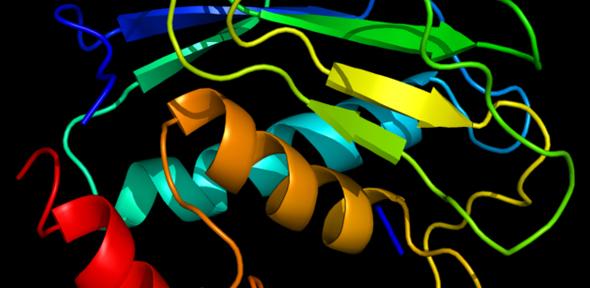
Enzymes are biological catalysts – molecules that speed up chemical reactions within living materials. Many enzymes are already well characterised and their functions fairly well understood. For example, the enzyme known as MMP8 is present in the connective tissue of most mammals, where it breaks the chemical bonds found in collagen.

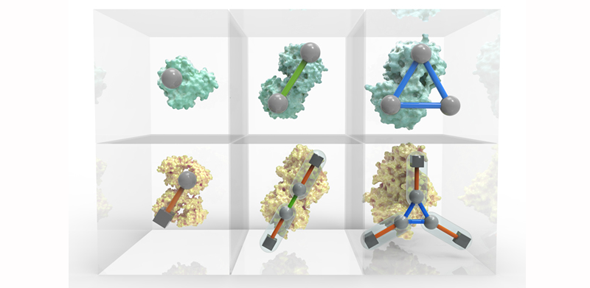
In pre-clinical research published in the journal Chemistry & Biology, Dr Florian Hollfelder from the Department of Biochemistry at Cambridge and Dr Lutz Jermutus,Senior Director, Research and Development at MedImmune, led a study to map a list of human enzymes (proteases) against potential protein drug targets.

Using automation technology at MedImmune, the team then tested each of the enzymes against each target protein in turn, allowing them to identify a significant number of so-far unknown interactions.

Of particular interest was how MMP8 was able to disable a molecule known as IL-13, which is known to play an important role in several inflammatory diseases such as asthma and dermatitis. The researchers believe this may be a previously-unknown way in which the body regulates the action of IL-13, preventing these diseases in the majority of individuals. If so, it could provide an interesting target for new drugs against these common diseases.

“MMP8 is well-known to biochemists and we all thought we understood its function, but it’s clear that this – and probably many other enzymes – ‘moonlight’ and have several functions within the body,” explains Dr Hollfelder. “Because the enzyme already had a ‘name’ and a function, nobody thought to see if it had a promiscuous side.”

Designing new enzymes has proven an extremely difficult technical challenge, hence the drive to find new uses for previously ‘understood’ enzymes. By focusing on human proteases, rather than bacterial proteases – which are actually easier to source – the researchers are confident that their research will be far more applicable to drug discovery.

“Our approach is new: we ‘recycle’ known enzymes and ask whether they can do other things than the ones they are known for,” adds Dr Jermutus. “In fact, we believe we have found other enzymes that could be similarly deployed against other disease-causing proteins, and this approach, if expanded, could provide further leads for new drugs.”

Commenting on the benefits of the collaboration with industry, Dr Hollfelder adds: “Without MedImmune, our work would have stopped after seeing and characterising the interactions. The additional extension to cell and mouse models would have been inconceivable in my basic science group.”

Reference
Urbach, C et al. Combinatorial Screening Identifies Novel Promiscuous Matrix Metalloproteinase Activities that Lead to Inhibition of the Therapeutic Target IL-13. Chemistry & Biology; 19 Nov 2015


Creative Commons License
The text in this work is licensed under a Creative Commons Attribution 4.0 International License. For image use please see separate credits above.

– See more at: http://www.cam.ac.uk/research/news/moonlighting-molecules-finding-new-uses-for-old-enzymes#sthash.riMShKgt.dpuf

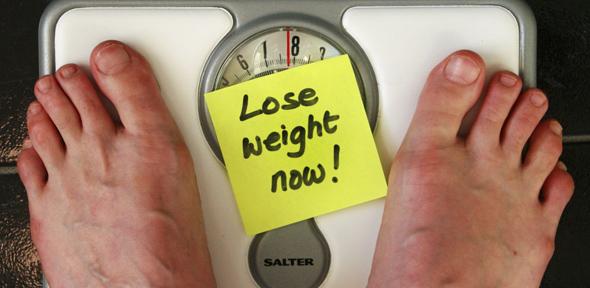
Stored Fat Fights Against The Body’s Attempts To Lose Weight

Stored fat fights against the body’s attempts to lose weight

source: www.cam.ac.uk

The fatter we are, the more our body appears to produce a protein that inhibits our ability to burn fat, suggests new research published in the journal Nature Communications. The findings may have implications for the treatment of obesity and other metabolic diseases.

Our discovery may help explain why overweight individuals find it incredibly hard to lose weight. Their stored fat is actively fighting against their efforts to burn it off at the molecular level

Andrew Whittle

Most of the fat cells in the body act to store excess energy and release it when needed but some types of fat cells, known as brown adipocytes, function primarily for a process known as thermogenesis, which generates heat to keep us warm. However, an international team of researchers from the Wellcome Trust-Medical Research Council Institute of Metabolic Sciences at the University of Cambridge, UK, and Toho University, Japan, have shown that a protein found in the body, known as sLR11, acts to suppress this process.

Researchers investigated why mice that lacked the gene for the production of this protein were far more resistant to weight gain. All mice – and, in fact, humans – increase their metabolic rate slightly when switched from a lower calorie diet to a higher calorie diet, but mice lacking the gene responded with a much greater increase, meaning that they were able to burn calories faster.

Further examinations revealed that in these mice, genes normally associated with brown adipose tissue were more active in white adipose tissue (which normally stores fat for energy release). In line with this observation, the mice themselves were indeed more thermogenic and had increased energy expenditure, particularly following high fat diet feeding.

The researchers were able to show that sLR11 binds to specific receptors on fat cells – in the same way that a key fits into a lock – to inhibit their ability to activate thermogenesis. In effect, sLR11 acts as a signal to increase the efficiency of fat to store energy and prevents excessive energy loss through unrestricted thermogenesis.

When the researchers examined levels of sLR11 in humans, they found that levels of the protein circulating in the blood correlated with total fat mass – in other words, the greater the levels of the protein, the higher the total fat mass. In addition, when obese patients underwent bariatric surgery, their degree of postoperative weight loss was directly proportional to the reduction in their sLR11 levels, suggesting that sLR11 is produced by fat cells.

In their paper the authors suggest that sLR11 helps fat cells resist burning too much fat during ‘spikes’ in other metabolic signals following large meals or short term drops in temperature. This in turn makes adipose tissue more effective at storing energy over long periods of time.

There is growing interest in targeting thermogenesis with drugs in order to treat obesity, diabetes and other associated conditions such as heart disease. This is because it offers a mechanism for disposing of excess fat in a relatively safe manner. A number of molecules have already been identified that can increase thermogenesis and/or the number of fat cells capable of thermogenesis. However to date there have been very few molecules identified that can decrease thermogenesis.

These findings shed light on one of the mechanisms that the body employs to hold onto stored energy, where sLR11 levels increase in line with the amount of stored fat and act to prevent it being ‘wasted’ for thermogenesis.

Dr Andrew Whittle, joint first author, said: “Our discovery may help explain why overweight individuals find it incredibly hard to lose weight. Their stored fat is actively fighting against their efforts to burn it off at the molecular level.”

Professor Toni Vidal-Puig, who led the team, added: “We have found an important mechanism that could be targeted not just to help increase people’s ability to burn fat, but also help people with conditions where saving energy is important such as anorexia nervosa.”

Jeremy Pearson, Associate Medical Director at the British Heart Foundation (BHF), which helped fund the research, said: “This research could stimulate the development of new drugs that either help reduce obesity, by blocking the action of this protein, or control weight loss by mimicking its action. Based on this promising discovery, we look forward to the Cambridge team’s future findings.

“But an effective medicine to treat obesity, which safely manages weight loss is still some way off. In the meantime people can find advice on healthy ways to lose weight and boost their heart healthy on the BHF website.”

The study was part-funded in part by the British Heart Foundation, the Wellcome Trust, the Medical Research Council and the Biotechnology and Biological Sciences Research Council.

Reference
Whittle, AJ, Jiang, M, et al. Soluble LR11/SorLA represses thermogenesis in adipose tissue and correlates with BMI in humans. Nature Communications; 20 November 2015


Creative Commons License
The text in this work is licensed under a Creative Commons Attribution 4.0 International License. For image use please see separate credits above.

– See more at: http://www.cam.ac.uk/research/news/stored-fat-fights-against-the-bodys-attempts-to-lose-weight#sthash.sBPa301J.dpuf

Sensor Technology Firm Snapped Up

SENSOR TECHNOLOGY FIRM SNAPPED UP

20th Nov 2015 Central and East

Sensor technology firm snapped up

source: www.insidermedia.com

A sensor technology business in Cambridge has been snapped up by a subsidiary of US-owned infrastructure company Sensus in a deal worked on by law firm Mills & Reeve.

Sentec, based in Milton Road, is well-known for developing sensor technology and electronics for utilities, meters and appliance manufacturers. The company will maintain its independence, team and operations in Cambridge, and continue “business as normal”.

The sale comes after a ten-year working relationship between the two companies, during which Sensus helped develop some of the key technologies used in Sentec’s water and electric meters.

“This change of ownership will enable Sentec to further invest and develop its IP portfolio and resources to meet the increasing requirements of both companies’ customers as they look to exploit the full potential of connected devices and data,” said Sentec chief executive Chris Shelley (pictured).

“Sensus already has a strong commitment to invest in R&D, this tie-up will further bolster that commitment by bringing the complementary capabilities of both companies closer together – Sentec will function as a centre of excellence, continuing to provide its current range of services to its, and Sensus’, existing and future customers.”

Mills & Reeve corporate partner Anthony McGurk added: “The outlook of these two technology firms are well aligned and we are pleased to have been able to help another Cambridge business realise their potential. The innovative technology coming out of the region is having a real impact globally which this sale clearly demonstrates.”

The financial value of the transaction was undisclosed.

More or Less Ethical

More or less ethical

source: www.cam.ac.uk

The ethics of a person’s negotiating tactics may differ according to the nationality of the other party to the negotiation, according to a new study.

Business is increasingly global, so ethical concerns are becoming more important in terms of cross-national business and negotiations

David De Cremer

Do the ethics of a person’s negotiating tactics differ when they negotiate with someone from a different country? A new study co-authored at University of Cambridge Judge Business School suggests that they do.

While some prior studies have looked at the relative negotiating ethics of different nationalities, the new study, entitled “How ethically would Americans and Chinese negotiate? The effect of intra-cultural versus inter-cultural negotiations”, published in the Journal of Business Ethics looks at a significant new factor: it finds that the nationality of the counterparty to negotiations can make people prefer the use of more or less ethical strategies, particularly in areas such as false promises and inappropriate information gathering.

“Business is increasingly global, so ethical concerns are becoming more important in terms of cross-national business and negotiations,” said co-author David De Cremer, KPMG Professor of Management Studies at Cambridge Judge. “This study shows that the other party’s nationality can affect the ethics of negotiating tactics, and this has important implications.”

The study is co-authored by Yu Yang of ShanghaiTech University, David De Cremer of Cambridge Judge Business School, and Chao Wang of the University of Illinois.

The study looks specifically at negotiations between Americans and Chinese, and doesn’t compile data involving other nationalities – but it suggests that the findings are not restricted to negotiations between US and Chinese nationals.

“Our current analysis suggests that people may change their use of ethically questionable tactics when they negotiate with someone from a different country,” the study says. “In negotiations, people adopt different models of what is ethically acceptable for themselves in intra-cultural versus inter-cultural situations.”

Specifically, the study found that American participants were more likely to use “ethically questionable” tactics in negotiations with Chinese (particularly related to dubious information gathering and false promises) than in negotiations with fellow Americans; for their part, Chinese participants were less likely to use ethically questionable tactics in negotiations with Americans (particularly related to false promises and “attacking the opponent’s network,” such as attempting to get the counterparty fired so a new person will take their place) than in intra-cultural negotiations with other Chinese.

“The US and China are currently the two largest economies in the world,” the study says. “Given the importance and complexity of this bilateral relationship, we must address how negotiations in such circumstances are shaped, particularly with respect to the norms and ethics being used when the representatives of both countries approach each other.”

The study is based on 389 American and 421 Chinese participants, all over age 22, with the vast majority employed and with at least some college education.

Participants were outlined a scenario: “You are the lead negotiator for a company that manufactures heavy equipment,” and are about to negotiate a deal to sell expensive excavators; the market is very competitive and your company has not met recent targets, and “if this sale is not secured your company will incur a loss.”

Each person works for a company located either in the US state of Illinois or in Hunan, China; the only variable is the counterparty (and their presumed nationality), who is located either “nearby” in your own country or “far away” (in the US or China), named either “Justin Adams” or “Jia Liu.”

Participants were asked, on a scale of one to seven, their likelihood of using 16 “ethically questionable” (in various degrees) negotiation strategies. In five broad categories, these strategies comprise false promises, misrepresentation to strengthen negotiating position, inappropriate information gathering about the counterparty’s negotiating position, attacking the opponent’s network, and “traditional” competitive bargaining such as inflated opening demands.

The study then calculated participants’ likelihood of overall use of ethically questionable negotiation tactics, as well as a breakdown by category.

“American participants were significantly more likely to use ethically questionable negotiation tactics in inter-cultural negotiations (Mean 3.00) with Chinese counterparts than in intra-cultural negotiations (Mean 2.75) with American counterparts. By contrast, Chinese participants were marginally less likely to use such tactics in inter-cultural negotiations (Mean 3.92) with American counterparts than in intra-cultural negotiations (Mean 4.06) with Chinese counterparts.”

The study concludes: “As current business relationships are increasingly built on a global level, ethical concerns will become an even more important issue in future cross-national business negotiations. As such, we strongly believe that a more nuanced understanding of ethical practices in different countries needs to be developed.”

Reference:
Yu Yang et. al. ‘How ethically would Americans and Chinese negotiate? The effect of intra-cultural versus inter-cultural negotiations‘. Journal of Business Ethics (2015). DOI: 10.1007/s10551-015-2863-2

Originally published on the Cambridge Judge Business School website. 


Creative Commons License
The text in this work is licensed under a Creative Commons Attribution 4.0 International License. For image use please see separate credits above.

– See more at: http://www.cam.ac.uk/research/news/more-or-less-ethical#sthash.Cyz9UtBg.dpuf

Evolution Website Sets Out To Tackle Great Scientific Unknowns

Evolution website sets out to tackle great scientific unknowns

source: www.cam.ac.uk

Ever wondered if a fly can ride a bicycle, or whether you could survive only on water? A new website on evolution, created by Cambridge scientists and featuring contributions from luminaries including Sir David Attenborough, has some intriguing answers.

Like all the sciences, evolution is constantly, well, evolving. New insights and unexpected discoveries combine with seeing old things in a completely new light. It is active, dynamic, changing and unpredictable. We wanted to create a website that captures the excitement and thrill of that exploration.

Simon Conway-Morris

Are there actually Martians out there? Could life survive in boiling water? And more importantly, what is your dog really thinking?

If these are the sort of questions that keep you awake at night, then help is finally at hand, in the form of a new website created by a team of scientists at Cambridge and featuring contributions from a host of leading academics.

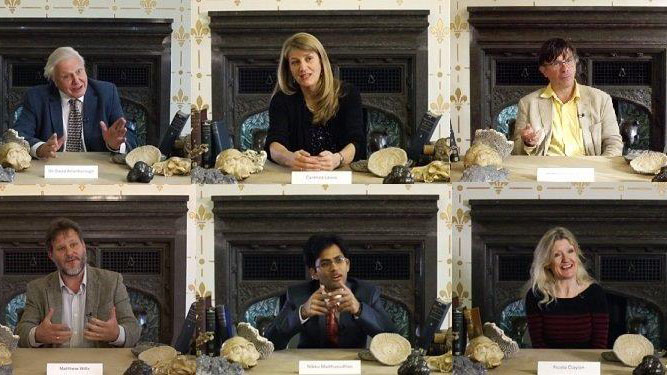
Named Forty Two (after Douglas Adams’ famously cryptic solution to the meaning of life), the site is an online resource dedicated to the subject of evolution, and includes video interviews in which researchers including Sir David Attenborough, Simon Conway Morris, Eugene Koonin, and Carenza Lewis offer their views on topics ranging from the nature of evolution itself, to the future of life as we know it.

Aimed at general readers and, in particular, young people who are just starting to get into science, its aim is to provide an innovative and authoritative source of information about evolution on the web.

Its creators also hope to demonstrate that evolution is a subject that is, in itself, evolving. To prove this, the site uses the study of evolution to attempt to answer a host of knotty problems drawn from the fringes of current scientific understanding – questions such as “Can you have blue blood?”, “Do insects copulate with flowers?” and “Can you see heat?

The site was created by a team led by Simon Conway Morris, Professor of Evolutionary Palaeobiology and a Fellow of St John’s College at the University of Cambridge. “Evolution is true, and if it didn’t happen, we wouldn’t be here,” he said. “Like all the sciences, evolution is constantly, well, evolving. New insights and unexpected discoveries combine with seeing old things in a completely new light. It is active, dynamic, changing and unpredictable. We wanted to create a website that captures the excitement and thrill of that exploration.”

The site features a unique video archive that collects the thoughts of leading scientists around the world. The most familiar, Sir David Attenborough, is, for example, captured reflecting with troubling pessimism about the future of the planet, in response to the question: “Are you optimistic about the human species?” “The truthful answer is that I am not,” he replies. “It seems to me almost inevitable that things are going to get worse before they get better… and the only way that we can stop that is by reducing carbon emissions very, very quickly indeed.”

Around that archive, the website’s designers have constructed a living database of information about evolutionary studies that illustrates the scope and scale of the scientific discussion that Darwin brought to the fore of public debate more than 150 years ago.

Dr Victoria Ling, from the University’s Department of Earth Sciences, said: “When you type ‘evolution’ into Google you get a lot of information, not all of which is very reliable, but even the sources that are reliable can inadvertently give the impression that evolution was ‘solved’ with Darwin. In fact, evolution remains a vibrant area of research and there’s an awful lot left to learn. We wanted to produce a site which showcases that ongoing discussion, one which has plenty of serious content, but also a strong sense of fun.”

The core material is divided into three main subject areas: “Here And Now”, for topics on which the scientific community has reached a rough consensus; “Near Horizons”, for nagging questions that are hotly debated; and “Far Horizons”, for really big issues that sit at the edge of current knowledge.

Users can also play a careers game that takes a light-hearted look at some of the real tasks real scientists can end up doing in the course of their work. This is personalised to the user’s interests based upon their answers to the questions “What am I into?” “How does my mind work?” and “Where is my focus?”. Historians can meanwhile delve into a selection of potted biographies of scientific pioneers, ranging from familiar figures such as Darwin himself, to lesser-sung heroes and heroines, such as the 19th-century fossil collector Mary Anning, and the American cytogeneticist Barbara McClintock.

Perhaps, however, the site’s most revelatory feature is its selection of Q&A topics so bizarre that they periodically sound more like something out of science fiction, as Douglas Adams himself might have hoped.

Who knew, for example, that rattlesnakes really can “see” heat, in a manner of speaking, thanks to evolved pits close to the front of their faces that relay information about thermal contrasts to the same part of the brain that registers information from the eyes? Or that dogs, which have evolved alertness to human gestures but appear to lack self-awareness may simply be part of a greater consciousness that we ourselves have yet to fathom?

As for the Martians, the answer remains similarly unclear, but Conway-Morris suggests that we might be looking at the wrong planet for alien life. One theory has it that Venus could technically be inhabited by aerial microbes – something equivalent to the extremophiles found on Earth – ekeing out their existence amid the sulphuric clouds shrouding the planet.

“Even today maybe Venusian aerial life wafts its way across the 25 million miles or so of space that separate us,” Conway Morris writes. “Unlikely? Most certainly. Impossible? Perhaps not.”

For more, visit: http://www.42evolution.org/

Additional images taken from www.42evolution.org. 


Creative Commons License
The text in this work is licensed under a Creative Commons Attribution 4.0 International License. For image use please see separate credits above.

– See more at: http://www.cam.ac.uk/research/news/evolution-website-sets-out-to-tackle-great-scientific-unknowns#sthash.JAwJzTi9.dpuf

‘Fourth Strand’ of European Ancestry Originated With Hunter-Gatherers Isolated By Ice Age

‘Fourth strand’ of European ancestry originated with hunter-gatherers isolated by Ice Age

source: www.cam.ac.uk

Populations of hunter-gatherers weathered Ice Age in apparent isolation in Caucasus mountain region for millennia, later mixing with other ancestral populations, from which emerged the Yamnaya culture that would bring this Caucasus hunter-gatherer lineage to Western Europe.

This Caucasus pocket is the fourth major strand of ancient European ancestry, one that we were unaware of until now

Andrea Manica

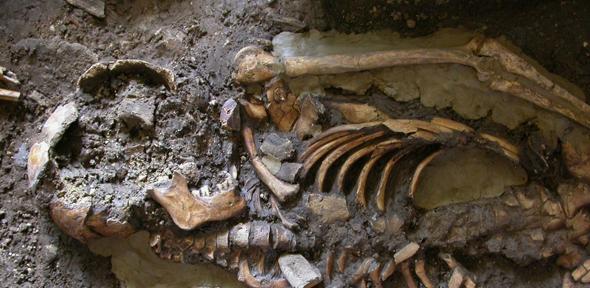
The first sequencing of ancient genomes extracted from human remains that date back to the Late Upper Palaeolithic period over 13,000 years ago has revealed a previously unknown “fourth strand” of ancient European ancestry.

This new lineage stems from populations of hunter-gatherers that split from western hunter-gatherers shortly after the ‘out of Africa’ expansion some 45,000 years ago and went on to settle in the Caucasus region, where southern Russia meets Georgia today.

Here these hunter-gatherers largely remained for millennia, becoming increasingly isolated as the Ice Age culminated in the last ‘Glacial Maximum’ some 25,000 years ago, which they weathered in the relative shelter of the Caucasus mountains until eventual thawing allowed movement and brought them into contact with other populations, likely from further east.

This led to a genetic mixture that resulted in the Yamnaya culture: horse-borne Steppe herders that swept into Western Europe around 5,000 years ago, arguably heralding the start of the Bronze Age and bringing with them metallurgy and animal herding skills, along with the Caucasus hunter-gatherer strand of ancestral DNA – now present in almost all populations from the European continent.

The research was conducted by an international team led by scientists from Cambridge University, Trinity College Dublin and University College Dublin. The findings are published today in the journal Nature Communications.

“The question of where the Yamnaya come from has been something of a mystery up to now,” said one of the lead senior authors Dr Andrea Manica, from Cambridge’s Department of Zoology.

“We can now answer that as we’ve found that their genetic make-up is a mix of Eastern European hunter-gatherers and a population from this pocket of Caucasus hunter-gatherers who weathered much of the last Ice Age in apparent isolation. This Caucasus pocket is the fourth major strand of ancient European ancestry, one that we were unaware of until now,” he said

Professor Daniel Bradley, leader of the Trinity team, said: “This is a major new piece in the human ancestry jigsaw, the influence of which is now present within almost all populations from the European continent and many beyond.”

Previously, ancient Eurasian genomes had revealed three ancestral populations that contributed to contemporary Europeans in varying degrees, says Manica.

Following the ‘out of Africa’ expansion, some hunter-gatherer populations migrated north-west, eventually colonising much of Europe from Spain to Hungary, while other populations settled around the eastern Mediterranean and Levant, where they would develop agriculture around 10,000 years ago. These early farmers then expanded into and colonised Europe.

Lastly, at the start of the Bronze Age around 5,000 years ago, there was a wave of migration from central Eurasia into Western Europe – the Yamnaya.

However, the sequencing of ancient DNA recovered from two separate burials in Western Georgia – one over 13,000 years old, the other almost 10,000 years old – has enabled scientists to reveal that the Yamnaya owed half their ancestry to previously unknown and genetically distinct hunter-gatherer sources: the fourth strand.

By reading the DNA, the researchers were able to show that the lineage of this fourth Caucasus hunter-gatherer strand diverged from the western hunter-gatherers just after the expansion of anatomically modern humans into Europe from Africa.

The Caucasus hunter-gatherer genome showed a continued mixture with the ancestors of the early farmers in the Levant area, which Manica says makes sense given the relative proximity. This ends, however, around 25,000 years ago – just before the time of the last glacial maximum, or peak Ice Age.

At this point, Caucasus hunter-gatherer populations shrink as the genes homogenise, a sign of breeding between those with increasingly similar DNA. This doesn’t change for thousands of years as these populations remain in apparent isolation in the shelter of the mountains – possibly cut off from other major ancestral populations for as long as 15,000 years – until migrations began again as the Glacial Maximum recedes, and the Yamnaya culture ultimately emerges. 

“We knew that the Yamnaya had this big genetic component that we couldn’t place, and we can now see it was this ancient lineage hiding in the Caucasus during the last Ice Age,” said Manica.

While the Caucasus hunter-gatherer ancestry would eventually be carried west by the Yamnaya, the researchers found it also had a significant influence further east. A similar population must have migrated into South Asia at some point, says Eppie Jones, a PhD student from Trinity College who is the first author of the paper.

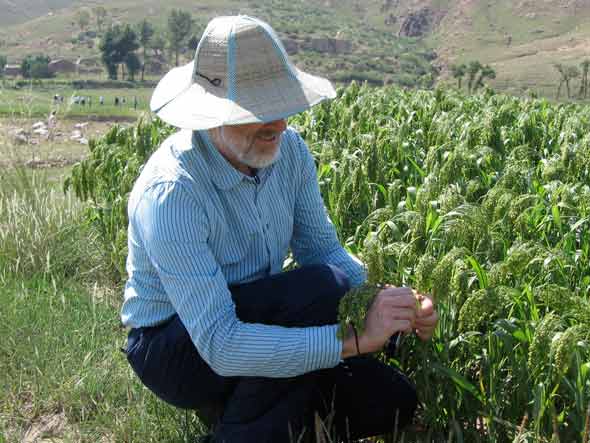
“India is a complete mix of Asian and European genetic components. The Caucasus hunter-gatherer ancestry is the best match we’ve found for the European genetic component found right across modern Indian populations,” Jones said. Researchers say this strand of ancestry may have flowed into the region with the bringers of Indo-Aryan languages.

The widespread nature of the Caucasus hunter-gatherer ancestry following its long isolation makes sense geographically, says Professor Ron Pinhasi, a lead senior author from University College Dublin. “The Caucasus region sits almost at a crossroads of the Eurasian landmass, with arguably the most sensible migration routes both west and east in the vicinity.”

He added: “The sequencing of genomes from this key region will have a major impact on the fields of palaeogeneomics and human evolution in Eurasia, as it bridges a major geographic gap in our knowledge.”

David Lordkipanidze, Director of the Georgian National Museum and co-author of the paper, said: “This is the first sequence from Georgia – I am sure soon we will get more palaeogenetic information from our rich collections of fossils.”

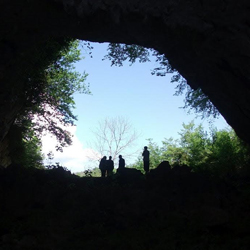
Inset image: the view from the Satsurblia cave in Western Georgia, where a human right temporal bone dating from over 13,000 years ago was discovered. DNA extracted from this bone was used in the new research.

Reference:
E.R. Jones et. al. ‘Upper Palaeolithic genomes reveal deep roots of modern Eurasians.’ Nature Communications (2015). DOI: 10.1038/ncomms9912


Creative Commons License
The text in this work is licensed under a Creative Commons Attribution 4.0 International License. For image use please see separate credits above.

– See more at: http://www.cam.ac.uk/research/news/fourth-strand-of-european-ancestry-originated-with-hunter-gatherers-isolated-by-ice-age#sthash.ingVVJtK.dpuf

Climate Change Sentiment Could Hit Global Investment Portfolios in the Short Term

Climate change sentiment could hit global investment portfolios in the short term

source: www.cam.ac.uk

A new report by the University of Cambridge Institute for Sustainability Leadership (CISL) reveals that global investment portfolios could lose up to 45 per cent as a consequence of short-term shifts in climate change sentiment.

No investor is immune from the risks posed by climate change, even in the short run

Jake Reynolds

The report, “Unhedgeable Risk: How climate change sentiment impacts investment,” concluded that about half of this potential loss could be avoided through portfolio reallocation, while the other half is “unhedgeable”, meaning that investors cannot necessarily protect themselves from losses unless action on climate change is taken at a system level.

“This new research indicates that no investor is immune from the risks posed by climate change, even in the short run,” said Jake Reynolds, Director, Sustainable Economy at the Cambridge Institute for Sustainability Leadership. “However, it is surprisingly difficult to distinguish between risks that can be addressed by an individual investor through smart hedging strategies, and ones that are systemic and require much deeper transformations in the economy to deal with. That’s what this report attempts to do.”

While existing studies have analysed the direct, physical effects of climate change on long-term economic performance, this new report, commissioned by CISL and the Investment Leaders Group, looks at the short-term risks stemming from how investors react to climate-related information, from policy decisions and technology uptake, to market confidence and weather events.

Reynolds continued, “What’s new about this study is its focus on the potential short-term impacts which could surface at any time. Major events, such as the outcome of the upcoming United Nations climate talks in Paris in December, can send signals which drive market sentiment – sometimes slowly, sometimes rapidly – and this study allows us to model the implications.”

The study modelled the impact of three sentiment scenarios on four typical investment portfolios.

The scenarios tested were:

1. Two Degrees, limiting average temperature increase to two degrees Celsius (as recommended by the Intergovernmental Panel on Climate Change [IPCC]) and collectively making relatively good progress towards sustainability, and future socio-economic development goals.

2. Baseline, where past trends continue (i.e. the business-as-usual BAU scenario) and where there is no significant change in the willingness of governments to step up actions on climate change.

3. No Mitigation, oriented towards economic growth without any special consideration of environmental challenges, rather the hope that pursuing self-interest will allow adaptive responses to any climate change impacts as they arise.

The portfolio structures modelled were:

1. High Fixed Income, comprising 84 per cent fixed income, 12 per cent equity, four per cent cash; mimicking the strategies of insurance companies.

2. Conservative, comprising 60 per cent sovereign and corporate bonds, 40 per cent equity; mimicking certain pension funds.

3. Balanced, comprising 50 per cent equity, 47 per cent fixed income, three per cent commodities; mimicking certain pension funds.

4. Aggressive, comprising 60 per cent equity, 35 per cent fixed income, five per cent commodities; mimicking certain pension funds.

Each scenario was linked to a series of economic and market confidence factors used to explore macroeconomic effects within a global economic model. In turn these were cascaded down to portfolio level through an industry sector analysis. The factors included alternative levels of carbon taxation, fossil energy investment, green investment, energy and food prices, energy demand, market confidence, and housing prices.

The study found that shifts in climate change sentiment could cause global economic growth to reduce over a 5-10 year period in both the Two Degree and No Mitigation scenarios as a consequence of economic adjustment. In the longer-term, however, the study found that economic growth picks up most quickly along a Two Degrees (low carbon) pathway, with annual growth rates of 3.5 per cent not only exceeding the baseline (2.9 per cent), but significantly exceeding the No Mitigation scenario (2.0 per cent).

This is consistent with recent comments by the Governor of the Bank of England about the risk of “potentially huge” losses to financial markets due to climate change in the short term, and the “merit” of stress testing elements of the financial system to understand and deal with climate risks.

Urban Angehrn, Chief Investment Officer of Zurich Insurance Group and member of the Investment Leaders Group, echoed this view: “As an insurer we understand that the potential human impact and economic cost of extreme weather and climate events are vast. Multiplied by population growth, coastal migration and urbanisation, the threat seems even larger. We see it as our responsibility to help our customers and communities to build resilience against such events. As investors, the tools to help us translate that threat into investment decisions are – at present – limited. This report provides us with a meaningful basis to discuss investment strategies that tackle climate risk. It will help us go beyond the significant commitments that Zurich has already made.”

Under the Two Degrees scenario, the Aggressive portfolio suffers the largest loss in the short term, but it recovers relatively quickly and generates returns above and beyond the baseline projection levels by the end of the modelling period. In contrast, under a No Mitigation scenario, a

Conservative portfolio with a 40 per cent weighting to equities (typical of a pension fund) could suffer permanent losses of more than 25 per cent within five years after the shock is experienced.

“Far from being a lost cause, investors can ‘climate proof’ their investments to a significant extent by understanding how climate change sentiment could filter through to returns,” said Scott Kelly, research associate at the Centre for Risk Studies, University of Cambridge Judge Business School, and one of the authors of the report. “However, almost half the risk is “unhedgeable” in the sense that it cannot be addressed by individual investors. System-wide action is necessary to deal with this in the long-term interests of savers.”

The report offers a series of insights for investors, regulators and policy makers including:

  • Seeing climate change as a short-term financial risk as well as a long-term economic threat.
  • Recognising the value of “stress testing” investment portfolios for a wide range of sustainability risks (not only climate risks) to understand their financial impacts, and how to manage them.
  • Pinpointing areas of “unhedgeable” risk where system-wide action is required to address risks that cannot be escaped by individual investors.
  • The importance of using capital flows to improve the resilience and carbon profile of the asset base, especially in emerging markets.
  • Identifying significant gaps in knowledge where new research is required, including of an interdisciplinary nature.

Originally published on the CISL website.


Creative Commons License
The text in this work is licensed under a Creative Commons Attribution 4.0 International License. For image use please see separate credits above.

– See more at: http://www.cam.ac.uk/research/news/climate-change-sentiment-could-hit-global-investment-portfolios-in-the-short-term#sthash.seuYdSNr.dpuf

Ketchup and Traffic Jams: the Maths of Soft Matter

Ketchup and traffic jams: the maths of soft matter

source: www.cam.ac.uk

The class of materials known as soft matter – which includes everything from mayonnaise to molten plastic – is the subject of the inaugural lecture by Michael Cates, Cambridge’s Lucasian Professor of Mathematics.

Having now understood what’s going on in these active systems, we hope to design better versions that can be used to create a wide range of new materials

Michael Cates

Good things come to those who wait – according to a marketing slogan for Heinz ketchup from the 1980s. But why is the ketchup so difficult to get out of the bottle? The reason is that ketchup is in two minds: whether to pour like a liquid or stay put like a solid. It is one example of soft matter – a huge class of materials which behave in complex and nonlinear ways.

We interact with soft matter every day: toothpaste, chocolate, shampoo and mayonnaise are all examples, which can behave either as liquids or solids depending on the circumstances. Soft matter can also be found in laptop screens, advanced batteries, and in the processing of functional ceramics and plastic LEDs. Cambridge researchers have developed new mathematical models to describe why these materials behave the way they do, which could help improve them for both domestic and high-tech applications.

Soft matter is the focus of the inaugural lecture by Professor Michael Cates, who was elected as the University of Cambridge’s 19th Lucasian Professor of Mathematics earlier this year. His lecture, which will be held on Wednesday 4 November, will cover how mathematical models can explain how soft materials can suddenly convert from liquid-like to solid-like behaviour, through a process resembling an internal traffic jam.

Cates’ research aims to understand better why these materials behave as they do, allowing improved control for a range of future applications, including the design of entirely new materials with tailored properties.

In his lecture, Cates will discuss the ‘jamming’ behaviour of colloids and dense suspensions. Both are types of soft matter with an internal structure something like tiny ping-pong balls dispersed in a liquid. Recently, researchers have created ‘active’ colloids in which the ping-pong balls are self-propelled, like tiny rockets. When their propulsion is switched on, these particles form tight clusters, despite the fact that there are no attractive forces between them.

“The question in this case is what causes the clustering? More generally, how does the internal structure of various types of soft matter affect the way they behave?” said Cates. After considering other explanations – including the idea that the clusters arise by a process like the flocking of birds – Cates concluded that each cluster is effectively a sort of traffic jam.

As every driver knows, a smooth distribution of moving cars becomes unstable at high density, leading to the formation of traffic jams. These can be triggered by even a single driver lightly tapping the brakes, and the new mathematical model explains the spontaneous ‘clumping’ of active colloids in very similar terms.

“Having now understood what’s going on in these active systems, we hope to design better versions that can be used to create a wide range of new materials,” Cates said.

Cates and his colleagues have also looked at very dense suspensions, such as paints, molten chocolate or wet sand. Previous mathematical models have assumed that the particles in a dense suspension are hard and smooth, like ball bearings.

“The approximation of hard, smooth particles – though it has served us well for 25 years – does not predict the observed behaviour in these cases,” said Cates. “So we needed to figure out what physics was missing. And we’ve found the answer: a better description of friction between the particles.”

When a dense suspension flows in response to stress, the particles have to push past each other. So long as the stress is low, they easily slide past, with little friction between them. But when stress is increased, friction between the particles also increases. This smooth change in friction can trigger another jamming transition: the suspension suddenly gets much thicker when pushed too hard.

“In many dense suspensions, the aim is to maximise the amount of solids they contain without losing the ability to flow,” said Cates. “In paints, for example, this reduces both drying time and solvent vapour emissions. Now that we know how much friction matters, we can think of new ways to improve flow by reducing friction, so that we can pack more particles in. Allowing the particles to glide past each other by reducing friction is like solving the age-old problem of getting the ketchup out of the glass bottle.”

The Lucasian Professorship has an exceptionally long and distinguished history, established in 1663. Previous holders include Isaac Newton (1669-1702), and, more recently, Paul Dirac (1932-1969), James Lighthill (1969-1979), Stephen Hawking (1979-2009) and Michael Green (2009-2013).

Professor Cates’ lecture will take place at 5pm on Wednesday 4 November at the Department of Applied Mathematics and Theoretical Physics.


Creative Commons License
The text in this work is licensed under a Creative Commons Attribution 4.0 International License. For image use please see separate credits above.


Bringing Ukraine to the Screen

Bringing Ukraine to the screen

Source: www.cam.ac.uk

Over the past eight years, the University of Cambridge has become Britain’s pre-eminent showcase for documentary and feature films from and about Ukraine.

Documentary cinema fosters an open dialogue about human rights and social justice in Ukraine and around the world.

Rory Finnin

Today and tomorrow (November 6/7), the Annual Cambridge Festival of Ukrainian Film once again offers UK audiences a unique opportunity to experience some of the best of Ukrainian cinema. Free and open to the public, the event is organised by Cambridge Ukrainian Studies, an academic centre in the Department of Slavonic Studies at Cambridge.

Since 2008 the Festival has premiered prize-winning new releases as well as provocative forgotten masterpieces; invigorated silent classics with live piano accompaniments; made world headlines with a documentary about Stalin’s man-made famine of 1932-33; and hosted contemporary Ukrainian filmmakers, film scholars, preservationists and musicians who have educated and engaged with well over a thousand attendees.

This year Cambridge Ukrainian Studies is partnering with the Docudays UA International Documentary Human Rights Film Festival to bring six powerful new documentaries to local audiences. DocuDays UA was launched in Kyiv in 2003 as a non-profit organisation dedicated to the development of documentary cinema and to the flourishing of democratic civil society in Ukraine.

Many of the films in the Festival programme confront the tumult of revolution and war in today’s Ukraine with an uncommon honesty, sensitivity and maturity. They avail the viewer of the perspectives of the volunteer doctor, the wounded veteran, the soldier preparing to leave home for war. Other films in the programme meditate upon the passing of generations in a Ukraine very far from today’s headlines: the village and countryside.

“We are very proud and very honoured to collaborate with DocuDays UA in this year’s Cambridge Film Festival of Ukrainian Film”, said Dr Rory Finnin, Head of the Department of Slavonic Studies and Director of the Cambridge Ukrainian Studies programme. “We share their passion for documentary cinema and their belief in its ability to foster an open dialogue about human rights and social justice in Ukraine and around the world.”

“For the Cambridge Festival of Ukrainian Film we have chosen both full-length and short documentaries produced during the last two years,” explained Darya Bassel, Docudays Programme Coordinator. “With these screenings we hope to bring Ukraine and its documentary scene closer to international audiences and to create space for a discussion of problems relevant not only for Ukraine but for the whole world.”

Admission to the Eighth Annual Cambridge Festival of Ukrainian Film on 6-7 November 2015 is free and open to the public, but online registration is required. The screenings of Maidan Is Everywhere; The Medic Leaves Last; Living Fire; Post Maidan; This Place We Call Home; and Twilight take place in the Winstanley Theatre of Trinity College, Cambridge. Wine receptions follow both the November 6 and 7 screenings.


Creative Commons License
The text in this work is licensed under a Creative Commons Attribution 4.0 International License. For image use please see separate credits above.

– See more at: http://www.cam.ac.uk/research/news/bringing-ukraine-to-the-screen#sthash.MbunO5D3.dpuf

Graphene Means Business – Two-Dimensional Material Moves From the Lab to the UK Factory Floor

Graphene means business – two-dimensional material moves from the lab to the UK factory floor

www.cam.ac.uk

A major showcase of companies developing new technologies from graphene and other two-dimensional materials took place this week at the Cambridge Graphene Centre.

Cambridge is very well-placed in the network of UK, European and global initiatives targeting the development of new products and devices based on graphene and related materials

Andrea Ferrari

More than 40 companies, mostly from the UK, are in Cambridge this week to demonstrate some of the new products being developed from graphene and other two-dimensional materials.

Graphene is a two-dimensional material made up of sheets of carbon atoms. With its combination of exceptional electrical, mechanical and thermal properties, graphene has the potential to revolutionise industries ranging from healthcare to electronics.

On Thursday, the Cambridge Graphene Technology Day – an exhibition of graphene-based technologies organised by the Cambridge Graphene Centre, together with its partner companies – took place, showcasing new products based on graphene and related two-dimensional materials.

Some of the examples of the products and prototypes on display included flexible displays, printed electronics, and graphene-based heaters, all of which have potential for consumer applications. Other examples included concrete and road surfacing incorporating graphene, which would mean lighter and stronger infrastructure, and roads that have to be resurfaced far less often, greatly lowering the costs to local governments.

“At the Cambridge Graphene Technology Day we saw several real examples of graphene making its way from the lab to the factory floor – creating jobs and growth for Cambridge and the UK,” said Professor Andrea Ferrari, Director of the Cambridge Graphene Centre and of the EPSRC Centre for Doctoral Training in Graphene Technology. “Cambridge is very well-placed in the network of UK, European and global initiatives targeting the development of new products and devices based on graphene and related materials.”

Cambridge has a long history of research and application into carbon-based materials, since the identification of the graphite structure in 1924, moving through to diamond, diamond-like carbon, conducting polymers, and carbon nanotubes, with a proven track-record in taking carbon research from the lab to the factory floor.

Cambridge is also one of the leading centres in graphene technology. Dr Krzysztof Koziol from the Department of Materials Science & Metallurgy sits on the management board of the EPSRC Centre for Doctoral Training in Graphene Technology. He is developing hybrid electrical wires made from copper and graphene in order to improve the amount of electric current they can carry, functional graphene heaters, anti-corrosion coatings, and graphene inks which can be used to draw printed circuit boards directly onto paper and other surfaces.

Koziol has established a spin-out company, Cambridge Nanosystems, which produces high volume amounts of graphene for industrial applications. The company, co-founded by recent Cambridge graduate Catharina Paulkner, has recently established a partnership with a major auto manufacturer to start developing graphene-based applications for cars.

Other researchers affiliated with the Cambridge Graphene Centre include Professor Clare Grey of the Department of Chemistry, who is part of the Cambridge Graphene Centre Management Board. She is incorporating graphene and related materials into next-generation batteries and has recently demonstrated a breakthrough in Lithium air batteries by exploiting graphene. Professor Mete Atature from the Department of Physics, is one of the supervisors of the Centre for Doctoral Training in Graphene Technology. He uses two-dimensional materials for research in quantum optics, including the possibility of a computer network based on quantum mechanics, which would be far more secure and more powerful than classical computers.

“The Cambridge Graphene Centre is a great addition to the Cambridge technology and academic cluster,” said Chuck Milligan, CEO of FlexEnable, which is developing technology for flexible displays and other electronic components. “We are proud to be a partner of the Centre and support its activities. Graphene and other two dimensional materials are very relevant to flexible electronics for displays and sensors, and we are passionate about taking technology from labs to the factory floor. Our unique manufacturing processes for flexible electronics, together with the exponential growth expected in the flexible display and Internet of Things sensor markets, provide enormous opportunity for this exciting class of materials. It is for this reason that today we placed in the Cambridge Graphene Centre Laboratories a semi-automatic, large area EVG Spray coater. This valuable tool, donated to the University, will be a good match between the area of research of solution processable graphene and Flexenable long term technological vision.”

FlexEnable is supporting efforts to scale the graphene technology for use in tomorrow’s factories. The company has donated a large area deposition machine to the University, which is used for depositing large amounts of graphene onto various substrates.

“The University is at the heart of the largest, most vibrant technology cluster in Europe,” said Professor Sir Leszek Borysiewicz, the University’s Vice-Chancellor. “Our many partnerships with industry support the continued economic success of the region and the UK more broadly, and the Cambridge Graphene Centre is an important part of that – working with industry to bring these promising materials to market.”

Professor David Cardwell, Head of the Cambridge Engineering Department, indicated the planned development in Cambridge of a scale-up centre, where research will be nurtured towards higher technology readiness levels in collaboration with UK industry. “The Cambridge Graphene Centre is a direct and obvious link to this scale-up initiative, which will offer even more exciting opportunities for industry university collaborations,” he said.

Among the many local companies with an interest in graphene technologies are FlexEnable, the R&D arm of global telecommunications firm Nokia, printed electronics pioneer Novalia, Cambridge Nanosystems, Cambridge Graphene, and Aixtron, which specialises in the large-scale production of graphene powders, inks and films for a variety of applications.

Underpinning this commercial R&D effort in Cambridge and the East of England is public and private investment in the Cambridge Graphene Centre via the Graphene Flagship, part funded by the European Union. The flagship is a pan-European consortium, with a fast-growing number of industrial partners and associate members.


Creative Commons License
The text in this work is licensed under a Creative Commons Attribution 4.0 International License. For image use please see separate credits above.

– See more at: http://www.cam.ac.uk/research/news/graphene-means-business-two-dimensional-material-moves-from-the-lab-to-the-uk-factory-floor#sthash.wCxwzZVH.dpuf

First Evidence of ‘Ghost Particles’

First evidence of ‘ghost particles’

source: www.cam.ac.uk

Major international collaboration has seen its first neutrinos – so-called ‘ghost particles’ – in the experiment’s newly built detector.

This is an important step towards the much larger Deep Underground Neutrino Experiment (DUNE)

Mark Thomson

An international team of scientists at the MicroBooNE physics experiment in the US, including researchers from the University of Cambridge, detected their first neutrino candidates, which are also known as ‘ghost particles’. It represents a milestone for the project, involving years of hard work and a 40-foot-long particle detector that is filled with 170 tons of liquid argon.

Neutrinos are subatomic, almost weightless particles that only interact via gravity or nuclear decay. Because they don’t interact with light, they can’t be seen. Neutrinos carry no electric charge and travel through the universe almost entirely unaffected by natural forces. They are considered a fundamental building block of matter. The 2015 Nobel Prize in physics was awarded for neutrino oscillations, a phenomenon that is of great important to the field of elementary particle physics.

“It’s nine years since we proposed, designed, built, assembled and commissioned this experiment,” said Bonnie Fleming, MicroBooNE co-spokesperson and a professor of physics at Yale University. “That kind of investment makes seeing first neutrinos incredible.”

Following a 13-week shutdown for maintenance, Fermilab’s accelerator complex near Chicago delivered a proton beam on Thursday, which is used to make the neutrinos, to the laboratory’s experiments. After the beam was turned on, scientists analysed the data recorded by MicroBooNE’s particle detector to find evidence of its first neutrino interactions.

Scientists at the University of Cambridge have been working on advanced image reconstruction techniques that contributed to the ability to identify the rare neutrino interactions in the MicroBooNE data.

The MicroBooNE experiment aims to study how neutrinos interact and change within a distance of 500 meters. The detector will help scientists reconstruct the results of neutrino collisions as finely detailed, three-dimensional images. MicroBooNE findings also will be relevant for the forthcoming Deep Underground Neutrino Experiment (DUNE), which will examine neutrino transitions over longer distances.

“Future neutrino experiments will use this technology,” said Sam Zeller, Fermilab physicist and MicroBooNE co-spokesperson. “We’re learning a lot from this detector. It’s important not just for us, but for the whole physics community.”

“This is an important step towards the much larger Deep Underground Neutrino Experiment (DUNE)”, said Professor Mark Thomson of Cambridge’s Cavendish Laboratory, co-spokesperson of the DUNE collaboration and member of MicroBooNE. “It is the first time that fully automated pattern recognition software has been used to identify neutrino interactions from the complex images in a detector such as MicroBooNE and the proposed DUNE detector.”

Adapted from a Fermilab press release.


Creative Commons License
The text in this work is licensed under a Creative Commons Attribution 4.0 International License. For image use please see separate credits above

– See more at: http://www.cam.ac.uk/research/news/first-evidence-of-ghost-particles#sthash.lr5o0H6c.dpuf

Cambridge Chemists Make Breakthrough With “Ultimate” Battery Which Can Power a Car From London to Edinburgh

Cambridge chemists make breakthrough with “ultimate” battery which can power a car from London to Edinburgh

source: http://www.independent.co.uk/

Scientists have made a breakthrough at Cambridge University by solving issues related to a battery that, in theory, could enable a car to drive from London to Edinburgh on a single charge.

A research paper published in the journal Science details how the team at Cambridge University overcome obstacles in the development of lithium-air batteries. The batteries, touted as the “ultimate battery” theoretically have the ability to store ten times more energy than lithium-ion batteries.

But until now, unwanted chemical reactions and problems with efficiency associated with lithium-air batteries have plagued efforts by scientists to develop them.

The researchers at Cambridge are claiming to have solved a number of the issues and if the team’s laboratory experiment can be turned into a commercial product it will enable a car, on a single charge, to drive from London to Edinburgh.

electric-car-3379965.jpg
A driver demonstrates a miniature electric car, in 1985

Professor Clare Grey, one of the paper’s senior authors, said: “What we’ve achieved is a significant advance for this technology and suggests whole new areas for research – we haven’t solved all the problems inherent to this chemistry, but our results do show routes forward towards a practical device.”

But the report’s authors do warn that a practical lithium-air battery still remains at least a decade away – there are several practical challenges that need the batteries become a viable alternative to gasoline.

Prof Grey added: “While there are still plenty of fundamental studies that remain to be done, to iron out some of the mechanistic details, the current results are extremely exciting – we are still very much at the development stage, but we’ve shown that there are solutions to some of the tough problems associated with this technology.”

Breaking the Mould: Untangling the Jelly-Like Properties of Diseased Proteins

Breaking the mould: Untangling the jelly-like properties of diseased proteins

source: www.cam.ac.uk

Scientists at the University of Cambridge have identified a new property of essential proteins which, when it malfunctions, can cause the build up, or ‘aggregation’, of misshaped proteins and lead to serious diseases.

Our approach shows the importance of considering the mechanisms of diseases as not just biological, but also physical processes

Peter St George-Hyslop

A common characteristic of neurodegenerative diseases – such as Alzheimer’s, Parkinson’s and Huntington’s disease – is the build-up of ‘misfolded’ proteins, which cause irreversible damage to the brain. For example, Alzheimer’s disease sees the build-up of beta-amyloid ‘plaques’ and tau ‘tangles’.

In the case of some forms of motor neurone disease (also known as amyotrophic lateral sclerosis, or ALS) and frontotemporal dementia, it is the build up of ‘assemblies’ of misshapen FUS protein and several other RNA-binding proteins that is associated with disease. However, the assembly of these RNA binding proteins has several differences to conventional protein aggregates seen in Alzheimer’s disease and Parkinson’s disease and as a result, the significance of the build-up of these proteins and how it occurs has until now been unclear.

FUS is an RNA-binding protein, which has a number of important functions in regulating RNA transcription (the first step in DNA expression) and splicing in the nucleus of cells. FUS also has functions in the cytoplasm of cells involved in regulating the translation of RNA into proteins. There are several other similar RNA binding proteins: a common feature of all of them is that in addition to having domains to bind RNA they also have domains where the protein appears to be unfolded or unstructured.

In a study published today in the journal Neuron, scientists at the University of Cambridge examined FUS’s physical properties to demonstrate how the protein’s unfolded domain enables it to undergo reversible ‘phase transitions’. In other words, it can change back and forth from a fully soluble ‘monomer’ form into distinct localised accumulations that resemble liquid droplets and then further condense into jelly-like structures that are known as hydrogels. During these changes, the protein ‘assemblies’ capture and release RNA and other proteins. In essence this process allows cellular machinery for RNA transcription and translation to be condensed in high concentrations within restricted three-dimensional space without requiring a limiting membrane, thereby helping to easily regulate these vital cellular processes.

Using the nematode worm C. elegans as a model of ALS and frontotemporal dementia, the team was then able to also show that this process can become irreversible. Mutated FUS proteins cause the condensation process to go too far, forming thick gels that are unable to return to their soluble state. As a result, these irreversible gel-like assemblies trap other important proteins, preventing them carrying out their usual functions. One consequence is that it affects the synthesis of new proteins in nerve cell axons (the trunk of a nerve cell).

Importantly, the researchers also showed that by disrupting the formation of these irreversible assemblies (for example, by targeting with particular small molecules), it is possible to rescue the impaired motility and prolong the worm’s lifespan.

Like jelly on a plate

The behaviour of FUS can be likened to that of a jelly, explains Professor Peter St George Hyslop from the Cambridge Institute for Medical Research.

When first made, jelly is runny, like a liquid. As it cools the fridge, it begins to set, initially becoming slightly thicker than water, but still runny as the gelatin molecules forms into longer, fibre-like chains known as fibrils. If you dropped a droplet of this nearly-set jelly into water, it would (at least briefly) remain distinct from the surrounding water – a ‘liquid droplet’ within a liquid.

As the jelly cools further in the fridge, the gelatin fibres condense more, and it eventually becomes a firmly set jelly that can be flipped out of the mould onto a plate. This set jelly is a ‘hydrogel’, a loose meshwork of protein (gelatin) fibrils that is dense enough to hold the water inside the spaces between its fibres. The set jelly holds the water in a constrained 3D space – and depending on the recipe, there may be some other ‘cargo’ suspended within the jelly, such as bits of fruit (in the case of FUS this ‘cargo’ might be ribosomes, other proteins, enzymes or RNA, for example).

When the jelly is stored in a cool room, the fruit is retained in the jelly. This means the fruit (or ribosomes, etc) can be moved around the house and eventually put on the dinner table (or in the case of FUS, be transported to parts of a cell with unique protein synthesis requirements).

If the jelly is re-warmed, it melts and releases its fruit, which then float off‎. But if the liquid molten jelly is put back in the fridge and re-cooled, it re-makes a firm hydrogel again, and the fruit is once again trapped. In theory, this cycle of gel-melt-gel-melt can be repeated endlessly.

However, if the jelly is left out, the water will slowly evaporate, and the jelly condenses down, changing from a soft, easily-melted jelly to a thick, rubbery jelly.  (In fact, jelly is often sold as a dense cube like this.) In this condensed jelly, the meshwork of protein fibrils are much closer together and it becomes increasingly difficult to get the condensed jelly to melt (you would have to pour boiling water on it to get it to melt). Because the condensed jelly is not easily meltable when it gets to this state, any cargo (fruit, ribosomes, etc.) within the jelly essentially becomes irreversibly trapped.

In the case of FUS and other RNA binding proteins, the ‘healthy’ proteins only very rarely spontaneously over-condense. However, disease-causing mutations make these proteins much more prone to spontaneously ‎condense down into thick fibrous gels, trapping their cargo (in this case the ribosomes, etc), which then become unavailable for use.

So essentially, this new research shows that the ability of some proteins to self-assemble into liquid droplets and (slightly more viscous) jellies/hydrogel is a useful property that allows cells to transiently concentrate cellular machinery into a constrained 3D space in order to perform key tasks, and then disassemble and disperse the machinery when not needed. It is probably faster and less energy-costly than doing the same thing inside intracellular membrane-bound vesicles – but that same property can go too far, leading to disease.

Professor St George Hyslop says: “We’ve shown that a particular group of proteins can regulate vital cellular processes by their distinct ability to transition between different states. But this essential property also makes them vulnerable to forming more fixed structures if mutated, disrupting their normal function and causing disease.

“The same principles are likely to be at play in other more common forms of these diseases due to mutation in other related binding proteins. Understanding what is in these assemblies should provide further targets for disease treatments.

“Our approach shows the importance of considering the mechanisms of diseases as not just biological, but also physical processes. By bringing together people from the biological and physical sciences, we’ve been able to better understand how misshapen proteins build up and cause disease.”

The research was funded by in the UK by the Wellcome Trust, Medical Research Council and National Institutes of Health Research, in Canada by Canadian Institutes of Health Research, and in the US by National Institutes of Health.

Reference
Murakami, T et al. ALS/FTD mutation-induced phase transition of FUS liquid droplets and reversible hydrogels into irreversible hydrogels impairs RNP granule function. Neuron; 29 Oct 2015


Creative Commons License
The text in this work is licensed under a Creative Commons Attribution 4.0 International License. For image use please see separate credits above.

New Design Points a Path To The ‘Ultimate’ Battery

New design points a path to the ‘ultimate’ battery

source: www.cam.ac.uk

Researchers have successfully demonstrated how several of the problems impeding the practical development of the so-called ‘ultimate’ battery could be overcome.

What we’ve achieved is a significant advance for this technology and suggests whole new areas for research

Clare Grey

Scientists have developed a working laboratory demonstrator of a lithium-oxygen battery which has very high energy density, is more than 90% efficient, and, to date, can be recharged more than 2000 times, showing how several of the problems holding back the development of these devices could be solved.

Lithium-oxygen, or lithium-air, batteries have been touted as the ‘ultimate’ battery due to their theoretical energy density, which is ten times that of a lithium-ion battery. Such a high energy density would be comparable to that of gasoline – and would enable an electric car with a battery that is a fifth the cost and a fifth the weight of those currently on the market to drive from London to Edinburgh on a single charge.

However, as is the case with other next-generation batteries, there are several practical challenges that need to be addressed before lithium-air batteries become a viable alternative to gasoline.

Now, researchers from the University of Cambridge have demonstrated how some of these obstacles may be overcome, and developed a lab-based demonstrator of a lithium-oxygen battery which has higher capacity, increased energy efficiency and improved stability over previous attempts.

Their demonstrator relies on a highly porous, ‘fluffy’ carbon electrode made from graphene (comprising one-atom-thick sheets of carbon atoms), and additives that alter the chemical reactions at work in the battery, making it more stable and more efficient. While theresults, reported in the journal Science, are promising, the researchers caution that a practical lithium-air battery still remains at least a decade away.

“What we’ve achieved is a significant advance for this technology and suggests whole new areas for research – we haven’t solved all the problems inherent to this chemistry, but our results do show routes forward towards a practical device,” said Professor Clare Grey of Cambridge’s Department of Chemistry, the paper’s senior author.

Many of the technologies we use every day have been getting smaller, faster and cheaper each year – with the notable exception of batteries. Apart from the possibility of a smartphone which lasts for days without needing to be charged, the challenges associated with making a better battery are holding back the widespread adoption of two major clean technologies: electric cars and grid-scale storage for solar power.

“In their simplest form, batteries are made of three components: a positive electrode, a negative electrode and an electrolyte,’’ said Dr Tao Liu, also from the Department of Chemistry, and the paper’s first author.

In the lithium-ion (Li-ion) batteries we use in our laptops and smartphones, the negative electrode is made of graphite (a form of carbon), the positive electrode is made of a metal oxide, such as lithium cobalt oxide, and the electrolyte is a lithium salt dissolved in an organic solvent. The action of the battery depends on the movement of lithium ions between the electrodes. Li-ion batteries are light, but their capacity deteriorates with age, and their relatively low energy densities mean that they need to be recharged frequently.

Over the past decade, researchers have been developing various alternatives to Li-ion batteries, and lithium-air batteries are considered the ultimate in next-generation energy storage, because of their extremely high energy density. However, previous attempts at working demonstrators have had low efficiency, poor rate performance, unwanted chemical reactions, and can only be cycled in pure oxygen.

What Liu, Grey and their colleagues have developed uses a very different chemistry than earlier attempts at a non-aqueous lithium-air battery, relying on lithium hydroxide (LiOH) instead of lithium peroxide (Li2O2). With the addition of water and the use of lithium iodide as a ‘mediator’, their battery showed far less of the chemical reactions which can cause cells to die, making it far more stable after multiple charge and discharge cycles.

By precisely engineering the structure of the electrode, changing it to a highly porous form of graphene, adding lithium iodide, and changing the chemical makeup of the electrolyte, the researchers were able to reduce the ‘voltage gap’ between charge and discharge to 0.2 volts. A small voltage gap equals a more efficient battery – previous versions of a lithium-air battery have only managed to get the gap down to 0.5 – 1.0 volts, whereas 0.2 volts is closer to that of a Li-ion battery, and equates to an energy efficiency of 93%.

The highly porous graphene electrode also greatly increases the capacity of the demonstrator, although only at certain rates of charge and discharge. Other issues that still have to be addressed include finding a way to protect the metal electrode so that it doesn’t form spindly lithium metal fibres known as dendrites, which can cause batteries to explode if they grow too much and short-circuit the battery.

Additionally, the demonstrator can only be cycled in pure oxygen, while the air around us also contains carbon dioxide, nitrogen and moisture, all of which are generally harmful to the metal electrode.

“There’s still a lot of work to do,” said Liu. “But what we’ve seen here suggests that there are ways to solve these problems – maybe we’ve just got to look at things a little differently.”

“While there are still plenty of fundamental studies that remain to be done, to iron out some of the mechanistic details, the current results are extremely exciting – we are still very much at the development stage, but we’ve shown that there are solutions to some of the tough problems associated with this technology,” said Grey.

The authors acknowledge support from the US Department of Energy, the Engineering and Physical Sciences Research Council (EPSRC), Johnson Matthey and the European Union via Marie Curie Actions and the Graphene Flagship. The technology has been patented and is being commercialised through Cambridge Enterprise, the University’s commercialisation arm.

Reference:
Liu, T et. al. ‘Cycling Li-O2 Batteries via LiOH Formation and Decomposition.’ Science (2015). DOI: 10.1126/science.aac7730


Creative Commons License
The text in this work is licensed under a Creative Commons Attribution 4.0 International License. For image use please see separate credits above.

– See more at: http://www.cam.ac.uk/research/news/new-design-points-a-path-to-the-ultimate-battery#sthash.g1djETiB.dpuf

Entanglement at Heart of ‘Two-For-One’ Fission in Next-Generation Solar Cells

Entanglement at heart of ‘two-for-one’ fission in next-generation solar cells

source: www.cam.ac.uk

The mechanism behind a process known as singlet fission, which could drive the development of highly efficient solar cells, has been directly observed by researchers for the first time.

Harnessing the process of singlet fission into new solar cell technologies could allow tremendous increases in energy conversion efficiencies in solar cells

Alex Chin

An international team of scientists have observed how a mysterious quantum phenomenon in organic molecules takes place in real time, which could aid in the development of highly efficient solar cells.

The researchers, led by the University of Cambridge, used ultrafast laser pulses to observe how a single particle of light, or photon, can be converted into two energetically excited particles, known as spin-triplet excitons, through a process called singlet fission. If singlet fission can be controlled, it could enable solar cells to double the amount of electrical current that can be extracted.

In conventional semiconductors such as silicon, when one photon is absorbed it leads to the formation of one free electron that can be harvested as electrical current. However certain materials undergo singlet fission instead, where the absorption of a photon leads to the formation of two spin-triplet excitons.

Working with researchers from the Netherlands, Germany and Sweden, the Cambridge team confirmed that this ‘two-for-one’ transformation involves an elusive intermediate state in which the two triplet excitons are ‘entangled’, a feature of quantum theory that causes the properties of each exciton to be intrinsically linked to that of its partner.

By shining ultrafast laser pulses – just a few quadrillionths of a second – on a sample of pentacene, an organic material which undergoes singlet fission, the researchers were able to directly observe this entangled state for the first time, and showed how molecular vibrations make it both detectable and drive its creation through quantum dynamics. Theresults are reported today (26 October) in the journal Nature Chemistry.

“Harnessing the process of singlet fission into new solar cell technologies could allow tremendous increases in energy conversion efficiencies in solar cells,” said Dr Alex Chin from the University’s Cavendish Laboratory, one of the study’s co-authors. “But before we can do that, we need to understand how exciton fission happens at the microscopic level. This is the basic requirement for controlling this fascinating process.”

The key challenge for observing real-time singlet fission is that the entangled spin-triplet excitons are essentially ‘dark’ to almost all optical probes, meaning they cannot be directly created or destroyed by light. In materials like pentacene, the first stage – which can be seen – is the absorption of light that creates a single, high-energy exciton, known as a spin singlet exciton. The subsequent fission of the singlet exciton into two less energetic triplet excitons gives the process its name, but the ability to see what is going on vanishes as the process take place.

To get around this, the team employed a powerful technique known as two-dimensional spectroscopy, which involves hitting the material with a co-ordinated sequence of ultrashort laser pulses and then measuring the light emitted by the excited sample. By varying the time between the pulses in the sequence, it is possible to follow in real time how energy absorbed by previous pulses is transferred and transformed into different states.

Using this approach, the team found that when the pentacene molecules were vibrated by the laser pulses, certain changes in the molecular shapes cause the triplet pair to become briefly light-absorbing, and therefore detectable by later pulses. By carefully filtering out all but these frequencies, a weak but unmistakable signal from the triplet pair state became apparent.

The authors then developed a model which showed that when the molecules are vibrating, they possess new quantum states that simultaneously have the properties of both the light-absorbing singlet exciton and the dark triplet pairs. These quantum ‘super positions’, which are the basis of Schrödinger’s famous thought experiment in which a cat is – according to quantum theory – in a state of being both alive and dead at the same time, not only make the triplet pairs visible, they also allow fission to occur directly from the moment light is absorbed.

“This work shows that optimised fission in real materials requires us to consider more than just the static arrangements and energies of molecules; their motion and quantum dynamics are just as important,” said Dr Akshay Rao, from the University’s Cavendish Laboratory. “It is a crucial step towards opening up new routes to highly efficiency solar cells.”

The research was supported by the European LaserLab Consortium, Royal Society, and the Netherlands Organization for Scientific Research. The work at Cambridge forms part of a broader initiative to harness high tech knowledge in the physical sciences to tackle global challenges such as climate change and renewable energy. This initiative is backed by the UK Engineering and Physical Sciences Research Council (EPSRC) and the Winton Programme for the Physics of Sustainability.

Reference:
Bakulin, Artem et. al. ‘Real-time observation of multiexcitonic states in ultrafast singlet fission using coherent 2D electronic spectroscopy.’ Nature Chemistry (2015). DOI: 10.1038/nchem.2371


Creative Commons License
The text in this work is licensed under a Creative Commons Attribution 4.0 International License. For image use please see separate credits above.


Social Yeast Cells Prefer to Work With Close Relatives to Make Our Beer, Bread & Wine

Social yeast cells prefer to work with close relatives to make our beer, bread & wine

source: www.cam.ac.uk

Baker’s yeast cells living together in communities help feed each other, but leave incomers from the same species to die from starvation, according to new research from the University of Cambridge.

The cell-cell cooperation we uncovered plays a significant role in allowing yeast to help us to produce our food, beer and wine

Kate Campbell

The findings, published today in the open access journal eLife, could lead to new biotechnological production systems based on metabolic cooperation. They could also be used to inhibit cell growth by blocking the exchange of metabolites between cells. This could be a new strategy to combat fungal pathogens or tumour cells.

“The cell-cell cooperation we uncovered plays a significant role in allowing yeast to help us to produce our food, beer and wine,” says first author Kate Campbell.

“It may also be crucial for all eukaryotic life, including animals, plants and fungi.”

Yeast metabolism has been exploited for thousands of years by mankind for brewing and baking. Yeast metabolizes sugar and secretes a wide array of small molecules during their life cycle, from alcohols and carbon dioxide to antioxidants and amino acids. Although much research has shown yeast to be a robust metabolic work-horse, only more recently has it become clear that these single-cellular organisms assemble in communities, in which individual cells may play a specialised function.

For the new study funded by the Wellcome Trust and European Research Council, researchers at the University of Cambridge and the Francis Crick Institute found cells to be highly efficient at exchanging some of their essential building blocks (amino acids and nucleobases, such as the A, T, G and C constituents of DNA) in what they call metabolic cooperation. However, they do not do so with every kind of yeast cell: they share nutrients with cells descendant from the same ancestor, but not with other cells from the same species when they originate from another community.

Using a synthetic biology approach, the team led by Dr Markus Ralser at the Department of Biochemistry started with a metabolically competent yeast mother cell, genetically manipulated so that its daughters progressively loose essential metabolic genes. They used it to grow a heterogeneous population of yeast with multiple generations, in which individual cells are deficient for various nutrients.

Campbell then tested whether cells lacking a metabolic gene can survive by sharing nutrients with their family members. When living within their community setting, these cells could continue to grow and survive. This meant that cells were being kept alive by neighbouring cells, which still had their metabolic activity intact, providing them with a much needed nutrient supply. Eventually, the colony established a composition where the majority of cells did help each other out. When cells of the same species but derived from another community were introduced, social interactions did not establish and the foreign cells died from starvation.

When the successful community was compared to other yeast strains, which had no metabolic deficiencies, the researchers found no pronounced differences in how both communities grew and produced biomass. This is implies that sharing was so efficient that any disadvantage was cancelled out.

The implications of these results may therefore be substantial for industries in which yeast are used to produce biomolecules of interest. This includes biofuels, vaccines and food supplements. The research might also help to develop therapeutic strategies against pathogenic fungi, such as the yeast Candida albicans, which form cooperative communities to overcome our immune system.

Reference

Kate Campbell, Jakob Vowinckel, Michael Muelleder, Silke Malmsheimer, Nicola Lawrence, Enrica Calvani, Leonor Miller-Fleming, Mohammad T. Alam, Stefan Christen, Markus A. Keller, and Markus Ralser

Self-establishing communities enable cooperative metabolite exchange in a eukaryote eLife 2015, http://dx.doi.org/10.7554/eLife.09943


Creative Commons License
The text in this work is licensed under a Creative Commons Attribution 4.0 International License. For image use please see separate credits above.


Plague in Humans ‘Twice as Old’ But Didn’t Begin as Flea-Borne,Ancient DNA Reveal

Plague in humans ‘twice as old’ but didn’t begin as flea-borne, ancient DNA reveals

source: www.cam.ac.uk

New research dates plague back to the early Bronze Age, showing it had been endemic in humans across Eurasia for millennia prior to first recorded global outbreak, and that ancestral plague mutated into its bubonic, flea-borne form between the 2nd and 1st millennium BC.

These results show that the ancient DNA has the potential not only to map our history and prehistory, but also discover how disease may have shaped it

Eske Willerslev

New research using ancient DNA has revealed that plague has been endemic in human populations for more than twice as long as previously thought, and that the ancestral plague would have been predominantly spread by human-to-human contact – until genetic mutations allowedYersinia pestis (Y. pestis), the bacteria that causes plague, to survive in the gut of fleas.

These mutations, which may have occurred near the turn of the 1st millennium BC, gave rise to the bubonic form of plague that spreads at terrifying speed through flea – and consequently rat – carriers. The bubonic plague caused the pandemics that decimated global populations, including the Black Death, which wiped out half the population of Europe in the 14th century.

Before its flea-borne evolution, however, researchers say that plague was in fact endemic in the human populations of Eurasia at least 3,000 years before the first plague pandemic in historical records (the Plague of Justinian in 541 AD).

They say the new evidence that Y. pestis bacterial infection in humans actually emerged around the beginning of the Bronze Age suggests that plague may have been responsible for major population declines believed to have occurred in the late 4th and early 3rd millennium BC.

The work was conducted by an international team including researchers from the universities of Copenhagen, Denmark, and Cambridge, UK, and the findings are published today in the journal Cell.

“We found that the Y. pestis lineage originated and was widespread much earlier than previously thought, and we narrowed the time window as to when and how it developed,” said senior author Professor Eske Willerslev, who recently joined Cambridge University’s Department of Zoology from the University of Copenhagen.

“The underlying mechanisms that facilitated the evolution of Y. pestis are present even today. Learning from the past may help us understand how future pathogens may arise and evolve,” he said.

Researchers analysed ancient genomes extracted from the teeth of 101 adults dating from the Bronze Age and found across the Eurasian landmass.

They found Y. pestis bacteria in the DNA of seven of the adults, the oldest of whom died 5,783 years ago – the earliest evidence of plague. Previously, direct molecular evidence forY. pestis had not been obtained from skeletal material older than 1,500 years.

However, six of the seven plague samples were missing two key genetic components found in most modern strains of plague: a “virulence gene” called ymt, and a mutation in an “activator gene” called pla.

The ymt gene protects the bacteria from being destroyed by the toxins in flea guts, so that it multiplies, choking the flea’s digestive tract. This causes the starving flea to frantically bite anything it can, and, in doing so, spread the plague.

The mutation in the pla gene allows Y. pestis bacteria to spread across different tissues, turning the localised lung infection of pneumonic plague into one of the blood and lymph nodes.

Researchers concluded these early strains of plague could not have been carried by fleas without ymt. Nor could they cause bubonic plague – which affects the lymphatic immune system, and inflicts the infamous swollen buboes of the Black Death – without the plamutation.

Consequently, the plague that stalked populations for much of the Bronze Age must have been pneumonic, which directly affects the respiratory system and causes desperate, hacking coughing fits just before death. Breathing around infected people leads to inhalation of the bacteria, the crux of its human-to-human transmission.

Study co-author Dr Marta Mirazón-Lahr, from Cambridge’s Leverhulme Centre for Human Evolutionary Studies (LCHES), points out that a study earlier this year from Willerslev’s Copenhagen group showed the Bronze Age to be a highly active migratory period, which could have led to the spread of pneumonic plague.

“The Bronze Age was a period of major metal weapon production, and it is thought increased warfare, which is compatible with emerging evidence of large population movements at the time. If pneumonic plague was carried as part of these migrations, it would have had devastating effects on small groups they encountered,” she said.

“Well-documented cases have shown the pneumonic plague’s chain of infection can go from a single hunter or herder to ravaging an entire community in two to three days.”

The most recent of the seven ancient genomes to reveal Y. pestis in the new study has both of the key genetic mutations, indicating an approximate timeline for the evolution that spawned flea-borne bubonic plague.

“Among our samples, the mutated plague strain is first observed in Armenia in 951 BC, yet is absent in the next most recent sample from 1686 BC – suggesting bubonic strains evolve and become fixed in the late 2nd and very early 1st millennium BC,” said Mirazón-Lahr.

“However, the 1686 BC sample is from the Altai mountains near Mongolia. Given the distance between Armenia and Altai, it’s also possible that the Armenian strain of bubonic plague has a longer history in the Middle East, and that historical movements during the 1st millennium BC exported it elsewhere.”

The Books of Samuel in the Bible describe an outbreak of plague among the Philistines in 1320 BC, complete with swellings in the groin, which the World Health Organization has argued fits the description of bubonic plague. Mirazón-Lahr suggests this may support the idea of a Middle Eastern origin for the plague’s highly lethal genetic evolution.

Co-author Professor Robert Foley, also from Cambridge’s LCHES, suggests that the lethality of bubonic plague may have required the right population demography before it could thrive.

“Every pathogen has a balance to maintain. If it kills a host before it can spread, it too reaches a ‘dead end’. Highly lethal diseases require certain demographic intensity to sustain them.

“The endemic nature of pneumonic plague was perhaps more adapted for an earlier Bronze Age population. Then, as Eurasian societies grew in complexity and trading routes continued to open up, maybe the conditions started to favour the more lethal form of plague,” Foley said.

“The Bronze Age is the edge of history, and ancient DNA is making what happened at this critical time more visible,” he said.

Willerslev added: “These results show that the ancient DNA has the potential not only to map our history and prehistory, but also discover how disease may have shaped it.”

Inset image: Map showing where the remains of the Bronze Age plague victims were found.

Creative Commons License
The text in this work is licensed under a Creative Commons Attribution 4.0 International License. For image use please see separate credits above.

– See more at: http://www.cam.ac.uk/research/news/plague-in-humans-twice-as-old-but-didnt-begin-as-flea-borne-ancient-dna-reveals#sthash.o5nw3wNu.dpuf

New Microscopic Imaging Technology Reveals Origins of Leukaemia

New microscopic imaging technology reveals origins of leukaemia

source: www.cam.ac.uk

Scientists at the Cambridge Institute for Medical Research at the University of Cambridge and the Medical Research Council Laboratory of Molecular Biology have taken advantage of revolutionary developments in microscopic imaging to reveal the origins of leukaemia.

Many forms of blood cancer can be traced back to defects in the basic housekeeping processes in our cells’ maturation

Alan Warren

The researchers studied tiny protein-producing factories, called ribosomes, isolated from cells. They capitalised on improvements made at the LMB to a high-powered imaging technique known as single particle cryo-electron microscopy.

The microscopes, capable of achieving detail near to the atomic level, enabled the team to link the molecular origins of a rare inherited leukaemia predisposition disorder, ‘Shwachman-Diamond Syndrome’ and a more common form of acute leukaemia to a common pathway involved in the construction of ribosomes.

Cryo-EM map showing the large ribosomal subunit (cyan), eIF6 (yellow) and the SBDS protein (magenta) that is deficient in the inherited leukaemia predisposition disorder Shwachman-Diamond syndrome. Credit: Alan Warren, University of Cambridge

The research, funded by the blood cancer charity Bloodwise and the Medical Research Council (MRC), is published online in the journal Nature Structural and Molecular Biology.

Ribosomes are the molecular machinery in cells that produce proteins by ‘translating’ the instructions contained in DNA via an intermediary messenger molecule. Errors in this process are known to play a part in the development of some bone marrow disorders and leukaemias. Until now scientists have been unable to study ribosomes at a high enough resolution to understand exactly what goes wrong.

Ribosomes are constructed in a series of discrete steps, like an assembly line. One of the final assembly steps involves the release of a key building block that allows the ribosome to become fully functional. The research team showed that a corrupted mechanism underlying this fundamental late step prevents proper assembly of the ribosome.

This provides an explanation for how cellular processes go awry in both Shwachman-Diamond syndrome and one in 10 cases of T-cell acute lymphoblastic leukaemia. This form of leukaemia, which affects around 60 children and young teenagers a year in the UK, is harder to treat than the more common B-cell form.

The findings from the Cambridge scientists, who worked in collaboration with scientists at the University of Rennes in France, open up the possibility that a single drug designed to target this molecular fault could be developed to treat both diseases.

Professor Alan Warren, from the Cambridge Institute of Medical Research at the University of Cambridge, said: “We are starting to find that many forms of blood cancer can be traced back to defects in the basic housekeeping processes in our cells’ maturation. Pioneering improvements to electron microscopes pave the way for the creation of a detailed map of the how these diseases develop, in a way that was never possible before.”

Single particle cryo-electron microscopy preserves the ribosomes at sub-zero temperatures to allow the collection and amalgamation of multiple images of maturing ribosomes in different orientations to ultimately provide more detail.

The technique has been refined in the MRC Laboratory of Molecular Biology by the development of new ‘direct electron detectors’ to better sense the electrons, yielding images of unprecedented quality. Methods to correct for beam-induced sample movements and new classification methods that can separate out several different structures within a single sample have also been developed.

Dr Matt Kaiser, Head of Research at Bloodwise, said: “New insights into the biology of blood cancers and disorders that originate in the bone marrow have only been made possible by the latest advances in technology. While survival rates for childhood leukaemia have improved dramatically over the years, this particular form of leukaemia is harder to treat and still relies on toxic chemotherapy. These findings will offer hope that new, more targeted, treatments can be developed.”

The research received additional funding from a Federation of European Biochemical Societies (FEBS) Long term Fellowship, the SDS patient charity Ted’s Gang and the Cambridge NIHR Biomedical Research Centre.

Adapted from a press release by Bloodwise

Reference
Weis, F et al. Mechanism of eIF6 release from the nascent 60S ribosomal subunit. Nature Structural and Molecular Biology; 19 Oct 2015


Creative Commons License
The text in this work is licensed under a Creative Commons Attribution 4.0 International License. For image use please see separate credits above.

– See more at: http://www.cam.ac.uk/research/news/new-microscopic-imaging-technology-reveals-origins-of-leukaemia#sthash.70gtBdVm.dpuf

New Graphene Based Inks For High-Speed Manufacturing of Printed Electronics

New graphene based inks for high-speed manufacturing of printed electronics

source: www.cam.ac.uk

A low-cost, high-speed method for printing electronics using graphene and other conductive materials could open up a wide range of commercial applications.

Being able to produce conductive inks that could effortlessly be used for printing at a commercial scale at a very high speed will open up all kinds of different applications for graphene and other similar materials

Tawfique Hasan

A low-cost, high-speed method for printing graphene inks using a conventional roll-to-roll printing process, like that used to print newspapers and crisp packets, could open up a wide range of practical applications, including inexpensive printed electronics, intelligent packaging and disposable sensors.

Developed by researchers at the University of Cambridge in collaboration with Cambridge-based technology company Novalia, the method allows graphene and other electrically conducting materials to be added to conventional water-based inks and printed using typical commercial equipment, the first time that graphene has been used for printing on a large-scale commercial printing press at high speed.

Graphene is a two-dimensional sheet of carbon atoms, just one atom thick. Its flexibility, optical transparency and electrical conductivity make it suitable for a wide range of applications, including printed electronics. Although numerous laboratory prototypes have been demonstrated around the world, widespread commercial use of graphene is yet to be realised.

“We are pleased to be the first to bring graphene inks close to real-world manufacturing. There are lots of companies that have produced graphene inks, but none of them has done it on a scale close to this,” said Dr Tawfique Hasan of the Cambridge Graphene Centre (CGC), who developed the method. “Being able to produce conductive inks that could effortlessly be used for printing at a commercial scale at a very high speed will open up all kinds of different applications for graphene and other similar materials.”

“This method will allow us to put electronic systems into entirely unexpected shapes,” said Chris Jones of Novalia. “It’s an incredibly flexible enabling technology.”

Hasan’s method, developed at the University’s Nanoscience Centre, works by suspending tiny particles of graphene in a ‘carrier’ solvent mixture, which is added to conductive water-based ink formulations. The ratio of the ingredients can be adjusted to control the liquid’s properties, allowing the carrier solvent to be easily mixed into a conventional conductive water-based ink to significantly reduce the resistance. The same method works for materials other than graphene, including metallic, semiconducting and insulating nanoparticles.

Currently, printed conductive patterns use a combination of poorly conducting carbon with other materials, most commonly silver, which is expensive. Silver-based inks cost £1000 or more per kilogram, whereas this new graphene ink formulation would be 25 times cheaper. Additionally, silver is not recyclable, while graphene and other carbon materials can easily be recycled. The new method uses cheap, non-toxic and environmentally friendly solvents that can be dried quickly at room temperature, reducing energy costs for ink curing. Once dry, the ‘electric ink’ is also waterproof and adheres to its substrate extremely well.

The graphene-based inks have been printed at a rate of more than 100 metres per minute, which is in line with commercial production rates for graphics printing, and far faster than earlier prototypes. Two years ago, Hasan and his colleagues produced a prototype of a transparent and flexible piano using graphene-based inks, which took between six and eight hours to make. Through the use of this new ink, more versatile devices on paper or plastic can be made at a rate of 300 per minute, at a very low cost. Novalia has also produced a printed DJ deck and an interactive poster, which functions as a drum kit using the same method.

Hasan and PhD students Guohua Hu, Richard Howe and Zongyin Yang of the Hybrid Nanomaterials Engineering group at CGC, in collaboration with Novalia, tested the method on a typical commercial printing press, which required no modifications in order to print with the graphene ink. In addition to the new applications the method will open up for graphene, it could also initiate entirely new business opportunities for commercial graphics printers, who could diversify into the electronics sector.

“The UK, and the Cambridge area in particular, has always been strong in the printing sector, but mostly for graphics printing and packaging,” said Hasan, a Royal Academy of Engineering Research Fellow and a University Lecturer in the Engineering Department. “We hope to use this strong local expertise to expand our functional ink platform. In addition to cheaper printable electronics, this technology opens up potential application areas such as smart packaging and disposable sensors, which to date have largely been inaccessible due to cost.”

In the short to medium term, the researchers hope to use their method to make printed, disposable biosensors, energy harvesters and RFID tags.

The research was supported by grants from the Engineering and Physical Sciences Research Council’s Impact Acceleration Account and a Royal Academy of Engineering Research Fellowship. The technology is being commercialised by Cambridge Enterprise, the University’s commercialisation arm.


Creative Commons License
The text in this work is licensed under a Creative Commons Attribution 4.0 International License. For image use please see separate credits above.

– See more at: http://www.cam.ac.uk/research/news/new-graphene-based-inks-for-high-speed-manufacturing-of-printed-electronics#sthash.U9l33wPE.dpuf

Using Experts ‘Inexpertly’ Leads to Policy Failure, Warn Researchers

Using experts ‘inexpertly’ leads to policy failure, warn researchers

source: www.cam.ac.uk

Evidence shows that experts are frequently fallible, say leading risk researchers, and policy makers should not act on expert advice without using rigorous methods that balance subjective distortions inherent in expert estimates.

The cost of ignoring these techniques – of using experts inexpertly – is less accurate information and so more frequent, and more serious, policy failures

William Sutherland and Mark Burgman

The accuracy and reliability of expert advice is often compromised by “cognitive frailties”, and needs to be interrogated with the same tenacity as research data to avoid weak and ill-informed policy, warn two leading risk analysis and conservation researchers in thejournal Nature today.

While many governments aspire to evidence-based policy, the researchers say the evidence on experts themselves actually shows that they are highly susceptible to “subjective influences” – from individual values and mood, to whether they stand to gain or lose from a decision – and, while highly credible, experts often vastly overestimate their objectivity and the reliability of peers.

The researchers caution that conventional approaches of informing policy by seeking advice from either well-regarded individuals or assembling expert panels needs to be balanced with methods that alleviate the effects of psychological and motivational bias.

They offer a straightforward framework for improving expert advice, and say that experts should provide and assess evidence on which decisions are made – but not advise decision makers directly, which can skew impartiality.

“We are not advocating replacing evidence with expert judgements, rather we suggest integrating and improving them,” write professors William Sutherland and Mark Burgman from the universities of Cambridge and Melbourne respectively.

“Policy makers use expert evidence as though it were data. So they should treat expert estimates with the same critical rigour that must be applied to data,” they write.

“Experts must be tested, their biases minimised, their accuracy improved, and their estimates validated with independent evidence. Put simply, experts should be held accountable for their opinions.”

Sutherland and Burgman point out that highly regarded experts are routinely shown to be no better than novices at making judgements.

However, several processes have been shown to improve performances across the spectrum, they say, such as ‘horizon scanning’ – identifying all possible changes and threats – and ‘solution scanning’ – listing all possible options, using both experts and evidence, to reduce the risk of overlooking valuable alternatives.

To get better answers from experts, they need better, more structured questions, say the authors. “A seemingly straightforward question, ‘How many diseased animals are there in the area?’ for example, could be interpreted very differently by different people. Does it include those that are infectious and those that have recovered? What about those yet to be identified?” said Sutherland, from Cambridge’s Department of Zoology.

“Structured question formats that extract upper and lower boundaries, degrees of confidence and force consideration of alternative theories are important for shoring against slides into group-think, or individuals getting ascribed greater credibility based on appearance or background,” he said.

When seeking expert advice, all parties must be clear about what they expect of each other, says Burgman, Director of the Centre of Excellence for Biosecurity Risk Analysis. “Are policy makers expecting estimates of facts, predictions of the outcome of events, or advice on the best course of action?”

“Properly managed, experts can help with estimates and predictions, but providing advice assumes the expert shares the same values and objectives as the decision makers. Experts need to stick to helping provide and assess evidence on which such decisions are made,” he said.

Sutherland and Burgman have created a framework of eight key ways to improve the advice of experts. These include using groups – not individuals – with diverse, carefully selected members well within their expertise areas.

They also caution against being bullied or “starstruck” by the over-assertive or heavyweight. “People who are less self-assured will seek information from a more diverse range of sources, and age, number of qualifications and years of experience do not explain an expert’s ability to predict future events – a finding that applies in studies from geopolitics to ecology,” said Sutherland.

Added Burgman: “Some experts are much better than others at estimation and prediction. However, the only way to tell a good expert from a poor one is to test them. Qualifications and experience don’t help to tell them apart.”

“The cost of ignoring these techniques – of using experts inexpertly – is less accurate information and so more frequent, and more serious, policy failures,” write the researchers.


Creative Commons License
The text in this work is licensed under a Creative Commons Attribution 4.0 International License. For image use please see separate credits above.

– See more at: http://www.cam.ac.uk/research/news/using-experts-inexpertly-leads-to-policy-failure-warn-researchers#sthash.jTZ2MaAt.dpuf

New Insights into the Dynamics of Past Climate hange

New insights into the dynamics of past climate change

source: www.cam.ac.uk

A new study finds that changing climate in the polar regions can affect conditions in the rest of the world far quicker than previously thought.

Other studies have shown that the overturning circulation in the Atlantic has faced a slowdown during the last few decades. The scientific community is only beginning to understand what it would mean for global climate should this trend continue, as predicted by some climate models

Julia Gottschalk

A new study of the relationship between ocean currents and climate change has found that they are tightly linked, and that changes in the polar regions can affect the ocean and climate on the opposite side of the world within one to two hundred years, far quicker than previously thought.

The study, by an international team of scientists led by the University of Cambridge, examined how changes in ocean currents in the Atlantic Ocean were related to climate conditions in the northern hemisphere during the last ice age, by examining data from ice cores and fossilised plankton shells. It found that variations in ocean currents and abrupt climate events in the North Atlantic region were tightly linked in the past, and that changes in the polar regions affected the ocean circulation and climate on the opposite side of the world.

The researchers determined that as large amounts of fresh water were emptied into the North Atlantic as icebergs broke off the North American and Eurasian ice sheets, the deep and shallow currents in the North Atlantic rapidly slowed down, which led to the formation of sea ice around Greenland and the subsequent cooling of the Northern Hemisphere. It also strongly affected conditions in the South Atlantic within a matter of one to two hundred years. The results, published in the journal Nature Geoscience, show how climate events in the Northern Hemisphere were tightly coupled with changes in the strength of deep ocean currents in the Atlantic Ocean, and how that may have affected conditions across the globe.

During the last ice age, which took place from 70,000 to 19,000 years ago, the climate in the Northern Hemisphere toggled back and forth between warm and cold states roughly every 1000 to 6000 years. These events, known as Dansgaard-Oeschger events, were first identified in data from Greenland ice cores in the early 1990s, and had far-reaching impacts on the global climate.

The ocean, which covers 70% of the planet, is a huge reservoir of carbon dioxide and heat. It stores about 60 times more carbon than the atmosphere, and can release or take up carbon on both short and long timescales. As changes happen in the polar regions, they are carried around the world by ocean currents, both at the surface and in the deep ocean. These currents are driven by winds, ocean temperature and salinity differences, and are efficient at distributing heat and carbon around the globe. Ocean currents therefore have a strong influence on whether regions of the world are warm (such as Europe) or whether they are not (such as Antarctica) as they modulate the effects of solar radiation. They also influence whether CO2 is stored in the ocean or the atmosphere, which is very important for global climate variability.

“Other studies have shown that the overturning circulation in the Atlantic has faced a slowdown during the last few decades,” said Dr Julia Gottschalk of Cambridge Department of Earth Sciences, the paper’s lead author. “The scientific community is only beginning to understand what it would mean for global climate should this trend continue, as predicted by some climate models.”

Analysing new data from marine sediment cores taken from the deep South Atlantic, between the southern tip of South America and the southern tip of Africa, the researchers discovered that during the last ice age, deep ocean currents in the South Atlantic varied essentially in unison with Greenland ice-core temperatures. “This implies that a very rapid transmission process must have operated, that linked rapid climate change around Greenland with the otherwise sluggish deep Atlantic Ocean circulation,” said Gottschalk, who is a Gates Cambridge Scholar. Best estimates of the delay between these two records suggest that the transmission happened within about 100 to 200 years.

Digging through metres of ocean mud from depths of 3,800 metres, the team studied the dissolution of fossil plankton shells that was closely linked to the chemical signature of different water masses. Water masses originating in the North Atlantic are less corrosive than water masses from the South Atlantic.

“Periods of very intense North Atlantic circulation and higher Northern Hemisphere temperatures increased the preservation of microfossils in the sediment cores, whereas those with slower circulation, when the study site was primarily influenced from the south, were linked with decreased carbonate ion concentrations at our core site which led to partial dissolution,” said co-author Dr Luke Skinner, also from Cambridge’s Department of Earth Sciences.

To better understand the physical mechanisms of rapid ocean adjustment, the data was compared with a climate model simulation which covers the same period. “The data of the model simulation was so close to the deep ocean sediment data, that we knew immediately, we were on the right track,” said co-author Dr Laurie Menviel from the University of New South Wales, Australia, who conducted the model simulation.

The timescales of these large-scale adjustments found in the palaeoceanographic data agree extremely well with those predicted by the model. “Waves between layers of different density in the deep ocean are responsible for quickly transmitting signals from North to South. This is a paradigm shift in our understanding of how the ocean works,” said Axel Timmermann, Professor of Oceanography at the University of Hawaii.

Although conditions at the end of the last ice age were very different to those of today, the findings could shed light on how changing conditions in the polar regions may affect ocean currents. However, much more research is needed in this area. The study’s findings could help test and improve climate models that are run for both past and future conditions.

The sediment cores were recovered by Dr Claire Waelbroeck and colleagues aboard the French research vessel Marion Dufresne.

The research was supported by the Gates Cambridge Trust, the Natural Environmental Research Council of the UK, the Royal Society, the European Research Council, the Australian Research Council and the National Science Foundation of the United States of America.

Reference:
Gottschalk, J et. al.
Abrupt changes in the southern extent of North Atlantic Deep Water during Dansgaard-Oeschger events. Nature Geoscience (2015). DOI: 10.1038/ngeo2558


Creative Commons License
The text in this work is licensed under a Creative Commons Attribution 4.0 International License. For image use please see separate credits above.

How Hallucinations Emerge From Trying to Make Sense of an Ambiguous World

How hallucinations emerge from trying to make sense of an ambiguous world

source: www.cam.ac.uk

Why are some people prone to hallucinations? According to new research from the University of Cambridge and Cardiff University, hallucinations may come from our attempts to make sense of the ambiguous and complex world around us.

Take a look at the black and white image. It probably looks like a meaningless pattern of black and white blotches. But now take a look at the image at the bottom of this article and then return to the black and white picture: it’s likely that you can now make sense of the black and white image. It is this ability that scientists at Cardiff University and the University of Cambridge believe could help explain why some people are prone to hallucinations.

A bewildering and often very frightening experience in some mental illnesses is psychosis – a loss of contact with external reality. This often results in a difficulty in making sense of the world, which can appear threatening, intrusive and confusing. Psychosis is sometimes accompanied by drastic changes in perception, to the extent that people may see, feel, smell and taste things that are not actually there – so-called hallucinations. These hallucinations may be accompanied by beliefs that others find irrational and impossible to comprehend.

In research published today in the journal Proceedings of National Academy of Sciences (PNAS), a team of researchers based at Cardiff University and the University of Cambridge explore the idea that hallucinations arise due to an enhancement of our normal tendency to interpret the world around us by making use of prior knowledge and predictions.

In order to make sense of and interact with our physical and social environment, we need appropriate information about the world around us, for example the size or location of a nearby object. However, we have no direct access to this information and are forced to interpret potentially ambiguous and incomplete information from our senses. This challenge is overcome in the brain – for example in our visual system – by combining ambiguous sensory information with our prior knowledge of the environment to generate a robust and unambiguous representation of the world around us. For example, when we enter our living room, we may have little difficulty discerning a fast-moving black shape as the cat, even though the visual input was little more than a blur that rapidly disappeared behind the sofa: the actual sensory input was minimal and our prior knowledge did all the creative work.

“Vision is a constructive process – in other words, our brain makes up the world that we ‘see’,” explains first author Dr Christoph Teufel from the School of Psychology at Cardiff University. “It fills in the blanks, ignoring the things that don’t quite fit, and presents to us an image of the world that has been edited and made to fit with what we expect.”

“Having a predictive brain is very useful – it makes us efficient and adept at creating a coherent picture of an ambiguous and complex world,” adds senior author Professor Paul Fletcher from the Department of Psychiatry at the University of Cambridge. “But it also means that we are not very far away from perceiving things that aren’t actually there, which is the definition of a hallucination.

“In fact, in recent years we’ve come to realise that such altered perceptual experiences are by no means restricted to people with mental illness. They are relatively common, in a milder form, across the entire population. Many of us will have heard or seen things that aren’t there.”

In order to address the question of whether such predictive processes contribute to the emergence of psychosis, the researchers worked with 18 individuals who had been referred to a mental health service run by the NHS Cambridgeshire and Peterborough Foundation Trust, and led by Dr Jesus Perez, one of the co-authors on the study, and who suffered from very early signs of psychosis. They examined how these individuals, as well as a group of 16 healthy volunteers, were able to use predictions in order to make sense of ambiguous, incomplete black and white images, similar to the one shown above.

The volunteers were asked to look at a series of these black and white images, some of which contained a person, and then to say for a given image whether or not it contained a person. Because of the ambiguous nature of the images, the task was very difficult at first. Participants were then shown a series of full colour original images, including those from which the black and white images had been derived: this information could be used to improve the brain’s ability to make sense of the ambiguous image. The researchers reasoned that, since hallucinations may come from a greater tendency to superimpose one’s predictions on the world, people who were prone to hallucinations would be better at using this information because, in this task, such a strategy would be an advantage.

The researchers found a larger performance improvement in people with very early signs of psychosis in comparison to the healthy control group. This suggested that people from the clinical group were indeed relying more strongly on the information that they had been given to make sense of the ambiguous pictures.

When the researchers presented the same task to a larger group of 40 healthy people, they found a continuum in task performance that correlated with the participants’ scores on tests of psychosis-proneness. In other words, the shift in information processing that favours prior knowledge over sensory input during perception can be detected even before the onset of early psychotic symptoms.

“These findings are important because they tell us that the emergence of key symptoms of mental illness can be understood in terms of an altered balance in normal brain functions,” says Naresh Subramaniam from the Department of Psychiatry at the University of Cambridge. “Importantly, they also suggest that these symptoms and experiences do not reflect a ‘broken’ brain but rather one that is striving – in a very natural way – to make sense of incoming data that are ambiguous.”

The study was carried out in collaboration with Dr Veronika Dobler and Professor Ian Goodyer from the Department of Child and Adolescent Psychiatry at the University of Cambridge. The research was funded by the Wellcome Trust and the Bernard Wolfe Health Neuroscience Fund. It was carried out within the Cambridge and Peterborough NHS Foundation Trust. Additional support for the Behavioural and Clinical Neuroscience Institute at the University of Cambridge came from the Wellcome Trust and the Medical Research Council.

Reference
Teufel, C et al. Shift towards prior knowledge confers a perceptual advantage in early psychosis and psychosis-prone healthy individuals. PNAS; 12 Oct 2015


Creative Commons License
The text in this work is licensed under a Creative Commons Attribution 4.0 International License. For image use please see separate credits above.


Ancient Genome From Africa Sequenced for the First Time

Ancient genome from Africa sequenced for the first time

source: www.cam.ac.uk

DNA from 4,500-year-old Ethiopian skull reveals a huge migratory wave of West Eurasians into the Horn of Africa around 3,000 years ago had a genetic impact on modern populations right across the African continent.

The sequencing of ancient genomes is still so new, and it’s changing the way we reconstruct human origins

Andrea Manica

The first ancient human genome from Africa to be sequenced has revealed that a wave of migration back into Africa from Western Eurasia around 3,000 years ago was up to twice as significant as previously thought, and affected the genetic make-up of populations across the entire African continent.

The genome was taken from the skull of a man buried face-down 4,500 years ago in a cave called Mota in the highlands of Ethiopia – a cave cool and dry enough to preserve his DNA for thousands of years. Previously, ancient genome analysis has been limited to samples from northern and arctic regions.

The latest study is the first time an ancient human genome has been recovered and sequenced from Africa, the source of all human genetic diversity. The findings are published today in the journal Science.

The ancient genome predates a mysterious migratory event which occurred roughly 3,000 years ago, known as the ‘Eurasian backflow’, when people from regions of Western Eurasia such as the Near East and Anatolia suddenly flooded back into the Horn of Africa.

The genome enabled researchers to run a millennia-spanning genetic comparison and determine that these Western Eurasians were closely related to the Early Neolithic farmers who had brought agriculture to Europe 4,000 years earlier.

By comparing the ancient genome to DNA from modern Africans, the team have been able to show that not only do East African populations today have as much as 25% Eurasian ancestry from this event, but that African populations in all corners of the continent – from the far West to the South – have at least 5% of their genome traceable to the Eurasian migration.

Researchers describe the findings as evidence that the ‘backflow’ event was of far greater size and influence than previously thought. The massive wave of migration was perhaps equivalent to over a quarter of the then population of the Horn of Africa, which hit the area and then dispersed genetically across the whole continent.

“Roughly speaking, the wave of West Eurasian migration back into the Horn of Africa could have been as much as 30% of the population that already lived there – and that, to me, is mind-blowing. The question is: what got them moving all of a sudden?” said Dr Andrea Manica, senior author of the study from the University of Cambridge’s Department of Zoology.

Previous work on ancient genetics in Africa had involved trying to work back through the genomes of current populations, attempting to eliminate modern influences. “With an ancient genome, we have a direct window into the distant past. One genome from one individual can provide a picture of an entire population,” said Manica.

The cause of the West Eurasian migration back into Africa is currently a mystery, with no obvious climatic reasons. Archaeological evidence does, however, show the migration coincided with the arrival of Near Eastern crops into East Africa such as wheat and barley, suggesting the migrants helped develop new forms of agriculture in the region.

The researchers say it’s clear that the Eurasian migrants were direct descendants of, or a very close population to, the Neolithic farmers that had had brought agriculture from the Near East into West Eurasia around 7,000 years ago, and then migrated into the Horn of Africa some 4,000 years later. “It’s quite remarkable that genetically-speaking this is the same population that left the Near East several millennia previously,” said Eppie Jones, a geneticist at Trinity College Dublin who led the laboratory work to sequence the genome.

While the genetic make-up of the Near East has changed completely over the last few thousand years, the closest modern equivalents to these Neolithic migrants are Sardinians, probably because Sardinia is an isolated island, says Jones. “The famers found their way to Sardinia and created a bit of a time capsule. Sardinian ancestry is closest to the ancient Near East.”


View looking out from the Mota cave in the Ethiopian highlands

“Genomes from this migration seeped right across the continent, way beyond East Africa, from the Yoruba on the western coast to the Mbuti in the heart of the Congo – who show as much as 7% and 6% of their genomes respectively to be West Eurasian,” said Marcos Gallego Llorente, first author of the study, also from Cambridge’s Zoology Department.

“Africa is a total melting pot. We know that the last 3,000 years saw a complete scrambling of population genetics in Africa. So being able to get a snapshot from before these migration events occurred is a big step,” Gallego Llorente said.

The ancient Mota genome allows researchers to jump to before another major African migration: the Bantu expansion, when speakers of an early Bantu language flowed out of West Africa and into central and southern areas around 3,000 years ago. Manica says the Bantu expansion may well have helped carry the Eurasian genomes to the continent’s furthest corners.

The researchers also identified genetic adaptations for living at altitude, and a lack of genes for lactose tolerance – all genetic traits shared by the current populations of the Ethiopian highlands. In fact, the researchers found that modern inhabitants of the area highlands are direct descendants of the Mota man.

Finding high-quality ancient DNA involves a lot of luck, says Dr Ron Pinhasi, co-senior author from University College Dublin. “It’s hard to get your hands on remains that have been suitably preserved. The denser the bone, the more likely you are to find DNA that’s been protected from degradation, so teeth are often used, but we found an even better bone – the petrous.” The petrous bone is a thick part of the temporal bone at the base of the skull, just behind the ear.

“The sequencing of ancient genomes is still so new, and it’s changing the way we reconstruct human origins,” added Manica. “These new techniques will keep evolving, enabling us to gain an ever-clearer understanding of who our earliest ancestors were.”

The study was conducted by an international team of researchers, with permission from the Ethiopia’s Ministry of Culture and Authority for Research and Conservation of Cultural Heritage.


Creative Commons License
The text in this work is licensed under a Creative Commons Attribution 4.0 International License. For image use please see separate credits above.

Calling For Help: Damaged Nerve Cells Communicate With Stem Cells

Calling for help: damaged nerve cells communicate with stem cells

Source: www.cam.ac.uk

Nerve cells damaged in diseases such as multiple sclerosis (MS), ‘talk’ to stem cells in the same way that they communicate with other nerve cells, calling out for ‘first aid’, according to new research from the University of Cambridge.

This is the first time that we’ve been able to show that damaged nerve fibres communicate with stem cells using synaptic connections – the same connections they use to ‘talk to’ other nerve cells

Thora Karadottir

The study, published today in the journal Nature Communications, may have significant implications for the development of future medicines for disorders that affect myelin sheath, the insulation that protects and insulates our nerve cells.

For our brain and central nervous system to work, electrical signals must travel quickly along nerve fibres. This is achieved by insulating the nerve fibres with a fatty substance called myelin. In diseases such as MS, the myelin sheath around nerve fibres is lost or damaged, causing physical and mental disability.

Stem cells – the body’s master cells, which can develop into almost any type of cell – can act as ‘first aid kits’, repairing damage to the body. In our nervous system, these stem cells are capable of producing new myelin, which, in the case of MS, for example, can help recover lost function. However, myelin repair often fails, leading to sustained disability. To understand why repair fails in disease, and to design novel ways of promoting myelin repair, researchers at the Wellcome Trust-Medical Research Council Stem Cell Institute at the University of Cambridge studied how this repair process works.

When nerve fibres lose myelin, they stay active but conduct signals at much lower speed than healthy fibres. Using electrical recording techniques, a team of researchers led by Dr Thora Karadottir discovered that the damaged nerve fibres then form connections with stem cells. These connections are the same as those that connect synapses between different nerve fibres. These new synaptic connections enable the damaged fibres to communicate directly with the stem cells by releasing the glutamate, a chemical that the stem cells can sense via receptors. This communication is critical for directing the stem cells to produce new myelin – when the researchers inhibited either the nerve fibres’ activity, their ability to communicate, or the stem cells’ ability to sense the communication, the repair process fails.

“This is the first time that we’ve been able to show that damaged nerve fibres communicate with stem cells using synaptic connections – the same connections they use to ‘talk to’ other nerve cells,” says Dr Karadottir. “Armed with this new knowledge, we can start looking into ways to enhance this communication to promote myelin repair in disease.”

Dr Helene Gautier from the Department of Physiology, Development and Neuroscience, adds: “So far, the majority of the available treatments are only slowing down damage. Our research opens the possibility to enhance repair and potentially treat the most devastating forms of MS and demyelinated diseases.”

Reference
Gautier, HOB et al. Neuronal activity regulates remyelination via glutamate signalling to oligodendrocyte progenitors. Nature Communications; 6 Oct 2015


Creative Commons License
The text in this work is licensed under a Creative Commons Attribution 4.0 International License. For image use please see separate credits above.

– See more at: http://www.cam.ac.uk/research/news/calling-for-help-damaged-nerve-cells-communicate-with-stem-cells#sthash.fxfycRyX.dpuf

Bacteria in the World’s Oceans Produce Millions of Tonnes of Hydrocarbons Each Year

Bacteria in the world’s oceans produce millions of tonnes of hydrocarbons each year

Source: www.cam.ac.uk

Scientists have calculated that millions of tonnes of hydrocarbons are produced annually by photosynthetic bacteria in the world’s oceans.

This cycle is like an insurance policy – the hydrocarbon-producing and hydrocarbon-degrading bacteria exist in equilibrium with each other

David Lea-Smith

An international team of researchers, led by the University of Cambridge, has estimated the amount of hydrocarbons – the primary ingredient in crude oil – that are produced by a massive population of photosynthetic marine microbes, called cyanobacteria. These organisms in turn support another population of bacteria that ‘feed’ on these compounds.

In the study, conducted in collaboration with researchers from the University of Warwick and MIT, and published today (5 October) in the journal Proceedings of the National Academy of Sciences of the USA, the scientists measured the amount of hydrocarbons in a range of laboratory-grown cyanobacteria and used the data to estimate the amount produced in the oceans.

Although each individual cell contains minuscule quantities of hydrocarbons, the researchers estimated that the amount produced by two of the most abundant cyanobacteria in the world – Prochlorococcus and Synechococcus – is more than two million tonnes in the ocean at any one time. This indicates that these two groups alone produce between 300 and 800 million tonnes of hydrocarbons per year, yet the concentration at any time in unpolluted areas of the oceans is tiny, thanks to other bacteria that break down the hydrocarbons as they are produced.

“Hydrocarbons are ubiquitous in the oceans, even in areas with minimal crude oil pollution, but what hadn’t been recognised until now is the likely quantity produced continually by living oceanic organisms,” said Professor Christopher Howe from Cambridge’s Department of Biochemistry, the paper’s senior author. “Based on our laboratory studies, we believe that at least two groups of cyanobacteria are responsible for the production of massive amounts of hydrocarbons, and this supports other bacteria that break down the hydrocarbons as they are produced.”

The scientists argue that the cyanobacteria are key players in an important biogeochemical cycle, which they refer to as the short-term hydrocarbon cycle. The study suggests that the amount of hydrocarbons produced by cyanobacteria dwarfs the amount of crude oil released into the seas by natural seepage or accidental oil spills.

However, the hydrocarbons produced by cyanobacteria are continually broken down by other bacteria, keeping the overall concentrations low. When an event such as an oil spill occurs, hydrocarbon-degrading bacteria are known to spring into action, with their numbers rapidly expanding, fuelled by the sudden local increase in their primary source of energy.

The researchers caution that their results do not in any way diminish the enormous harm caused by oil spills. Although some microorganisms are known to break down hydrocarbons in oil spills, they cannot repair the damage done to marine life, seabirds and coastal ecosystems.

“Oil spills cause widespread damage, but some parts of the marine environment recover faster than others,” said Dr David Lea-Smith, a postdoctoral researcher in the Department of Biochemistry, and the paper’s lead author. “This cycle is like an insurance policy – the hydrocarbon-producing and hydrocarbon-degrading bacteria exist in equilibrium with each other, and the latter multiply if and when an oil spill happens. However, these bacteria cannot reverse the damage to ecosystems which oil spills cause.”

The researchers stress the need to test if their findings are supported by direct measurements on cyanobacteria growing in the oceans. They are also interested in the possibility of harnessing the hydrocarbon production potential of cyanobacteria industrially as a possible source of fuel in the future, although such work is at a very early stage.

Reference:
Lea-Smith, D. et. al. “Contribution of cyanobacterial alkane production to the ocean hydrocarbon cycle.” PNAS (2015). DOI: 10.1073/pnas.1507274112


Creative Commons License
The text in this work is licensed under a Creative Commons Attribution 4.0 International License. For image use please see separate credits above.

– See more at: http://www.cam.ac.uk/research/news/bacteria-in-the-worlds-oceans-produce-millions-of-tonnes-of-hydrocarbons-each-year#sthash.mYeq3A1W.dpuf