All posts by Admin

Prime Minister of Ireland in Cambridge to announce first Childers Professor of Irish History

Taoiseach Micheál Martin, with Vice-Chancellor Professor Deborah Prentice, and Professor Alvin Jackson

source: www.cam.ac.uk

The Vice-Chancellor, Professor Deborah Prentice, welcomed the Taoiseach (Prime Minister), Micheál Martin, to Cambridge to celebrate the appointment of the University’s first Childers Professor of Irish History.

This is a time when we need to protect and strengthen bonds between our countries. It is a time when we need to assert the importance of diverse, rigorous and independent historical scholarship. It is a time when we should do more to honour figures who can challenge us to see the richness and complexity of our past. Taoiseach Micheál Martin

The Taoiseach announced that Professor Alvin Jackson would be the first person to hold the new post. The news was shared during a special event at Trinity College’s Wren Library, with many guests present.

The new Professorship was created thanks to a major gift of £3.6 million made by the Irish Government on the basis of establishing the Childers Professorship. It is named after Robert Erskine Childers and his son, Erskine Hamilton Childers. Both attended Trinity College, Cambridge, and played important roles in modern Irish history.

The Taoiseach’s visit showed Ireland’s strong commitment to supporting Irish history at Cambridge and building closer academic ties between Ireland and the UK. Speaking about this new academic post, the Taoiseach said: “I am delighted to be in Cambridge today to mark the establishment of the Childers Chair of Irish History in Trinity College. This is a time when we need to protect and strengthen bonds between our countries. It is a time when we need to assert the importance of diverse, rigorous and independent historical scholarship. It is a time when we should do more to honour figures who can challenge us to see the richness and complexity of our past. 

“This Professorship is a small but important demonstration of the commitment of the Irish government to addressing these challenges. It will deepen and enrich scholarship and build a greater understanding of the complex and interlinked political, economic and social histories of Ireland and Britain, and how these histories entwined to shape our two countries and the evolving relationship between us.”

Professor Prentice said: “We are delighted to welcome the Taoiseach to Cambridge. This visit provides an opportunity to demonstrate our strong commitment to academic collaboration between the United Kingdom and Ireland. We are proud to highlight the University’s extensive work on Irish history, which has long attracted distinguished scholars. We are equally delighted to welcome Professor Alvin Jackson as the inaugural Childers Professor of Irish History.”

Professor Alvin Jackson joins Cambridge from Edinburgh University, where he has served as the Richard Lodge Professor of History since 2005. He is a Fellow of the British Academy, a Fellow of the Royal Society of Edinburgh, an Honorary Member of the Royal Irish Academy and a Member of the Academia Europaea. He is internationally recognised for his scholarship on modern Irish history.

Professor Alvin Jackson said: “Cambridge has had a long tradition of researching and teaching Irish history, and of addressing the complexities of the British-Irish relationship. I’m honoured both by the opportunity to contribute to this tradition – and by the invitation to join the current, distinguished community of historians at Cambridge. The generosity of the Irish government in funding the Childers professorship guarantees that Irish history will be lastingly rooted in the University and indeed more widely; and it’s a huge privilege to be inaugurating the work of the new chair.” 

Professor Lucy Delap, Chair of the Faculty of History, and Professor in Modern British and Gender History at the University of Cambridge, welcomed Professor Jackson to the Faculty. Professor Delap said: “This significant gift to the History Faculty will place Irish history at the forefront of our work. The Childers Professor will offer historical perspectives on pressing issues today in British/Irish relations and Ireland’s wider global relationships. It’s an honour, and testament to the importance of this post, that the Taoiseach is here in person to celebrate the establishment of the Professorship.”

Professor Jackson is expected to begin in the post in October 2026.

The Taoiseach’s announcement of the first Childers Professor of Irish History can be viewed in full here.


The text in this work is licensed under a Creative Commons Attribution-NonCommercial-ShareAlike 4.0 International License. Images, including our videos, are Copyright ©University of Cambridge and licensors/contributors as identified. All rights reserved. We make our image and video content available in a number of ways – on our main website under its Terms and conditions, and on a range of channels including social media that permit your use and sharing of our content under their respective Terms.

Most AI bots lack basic safety disclosures, study finds 

Published: 20 February 2026
Story: Fred Lewsey

source: www.cam.ac.uk

An investigation into 30 top AI agents finds just four have published formal safety and evaluation documents relating to the actual bots 

Many of us now use AI chatbots to plan meals and write emails, AI-enhanced web browsers to book travel and buy tickets, and workplace AI to generate invoices and performance reports. 

However, a new study of the “AI agent ecosystem” suggests that as these AI bots rapidly become part of everyday life, basic safety disclosure is “dangerously lagging”.

A research team led by the University of Cambridge has found that AI developers share plenty of data on what these agents can do, while withholding evidence of the safety practices needed to assess any risks posed by AI. 

The AI Agent Index, a project that includes researchers from MIT, Stanford and the Hebrew University of Jerusalem, investigated the abilities, transparency and safety of thirty “state of the art” AI agents, based on public information and correspondence with developers.    

The latest update of the Index is led by Leon Staufer, a researcher studying for an MPhil at Cambridge’s Leverhulme Centre for the Future of Intelligence. It looked at available data for a range of leading chat, browser and workflow AI bots built mainly in the US and China. 

The team found a “significant transparency gap”. Developers of just four AI bots in the Index publish agent-specific “system cards”: formal safety and evaluation documents that cover everything from autonomy levels and behaviour to real-world risk analyses.* 

Additionally, 25 out of 30 AI agents in the Index do not disclose internal safety results, while 23 out of 30 agents provide no data from third-party testing, despite these being the empirical evidence needed to rigorously assess risk.

Known security incidents or concerns have only been published for five AI agents, while “prompt injection vulnerabilities” – when malicious instructions manipulate the agent into ignoring safeguards – are documented for two of those agents.

Of the five Chinese AI agents analysed for the Index, only one had published any safety frameworks or compliance standards of any kind.  

“Many developers tick the AI safety box by focusing on the large language model underneath, while providing little or no disclosure about the safety of the agents built on top,” said Cambridge University’s Leon Staufer, lead author of the Index update. 

“Behaviours that are critical to AI safety emerge from the planning, tools, memory, and policies of the agent itself, not just the underlying model, and very few developers share these evaluations.”

For 198 out of 1,350 fields, no public information was found. Missing information is concentrated in ‘Ecosystem Interaction’ and ‘Safety’ categories. Only 4 agents provide agent-specific system cards.

In fact, the researchers identify 13 AI agents that exhibit “frontier levels” of autonomy, yet only four of these disclose any safety evaluations of the bot itself.

“Developers publish broad, top-level safety and ethics frameworks that sound reassuring, but are publishing limited empirical evidence needed to actually understand the risks,” Staufer said.

“Developers are much more forthcoming about the capabilities of their AI agent. This transparency asymmetry suggests a weaker form of safety washing.” 

The latest annual update provides verified information across 1,350 fields for the thirty prominent AI bots, as available up to the last day of 2025.

Criteria for featuring in the Index included public availability and ease of use, and developers with a market valuation of over US$1 billion. Some 80% of the Index bots were released or had major updates in the last two years.

The Index update shows that – outside of Chinese AI bots – almost all agents depend on a few foundation models (GPT, Claude, Gemini), a significant concentration of platform power behind the AI revolution, as well as potential systemic choke points. 

“This shared dependency creates potential single points of failure,” said Staufer. “A pricing change, service outage, or safety regression in one model could cascade across hundreds of AI agents. It also creates opportunities for safety evaluations and monitoring.”

Many of the least transparent agents are AI-enhanced web browsers designed to carry out tasks on the open web on a user’s behalf: clicking, scrolling, and filling in forms for tasks ranging from buying limited-release tickets to monitoring eBay bids. 

Browser agents have the highest rate of missing safety information: 64% of safety-related fields unreported. They also operate at the highest levels of autonomy.**

This is closely followed by enterprise agents, business management AI aimed at reliably automating work tasks, with 63% of safety-related fields missing. Chat agents are missing 43% of safety-related fields in the Index.***  

“Website operators can no longer distinguish between a human visitor, a legitimate agent, and a bot scraping content”

Leon Staufer

Staufer points out that there are no established standards for how AI agents should behave on the web. Most agents do not disclose their AI nature to end users or third parties by default.**** Only three agents support watermarking of generated media to identify it as from AI.

At least six AI agents in the Index explicitly use types of code and IP addresses designed to mimic human browsing behaviour and bypass anti-bot protections.

“Website operators can no longer distinguish between a human visitor, a legitimate agent, and a bot scraping content,” said Staufer. “This has significant implications for everything from online shopping and form-filling to booking services and content scraping.”

The update includes a case study on Perplexity Comet: one of the most autonomous browser-based AI agents in the Index, as well as one of the most high-risk and least transparent. 

Comet is marketed on its ability to “work just like a human assistant”. Amazon has already threatened legal action over Comet not identifying itself as an AI agent when interacting with its services.

“Without proper safety disclosures, vulnerabilities may only come to light when they are exploited,” said Staufer.

“For example, browser agents can act directly in the real world by making purchases, filling in forms, or accessing accounts. This means that the consequences of a security flaw can be immediate and far-reaching.”

Staufer points out that last year, security researchers discovered that malicious content on a webpage could hijack a browser agent into executing commands, while other attacks were able to extract users’ private data from connected services.  

Added Staufer: “The latest AI Agent Index reveals the widening gap between the pace of deployment and the pace of safety evaluation. Most developers share little information about safety, evaluations, and societal impacts.”

“AI agents are getting more autonomous and more capable of acting in the real world, but the transparency and governance frameworks needed to manage that shift are dangerously lagging.”


* In the Index, only ChatGPT Agent, OpenAI Codex, Claude Code, and Gemini 2.5 Computer Use provide agent-specific system cards, though some Chinese agents have research papers focused on computer-use capabilities. 

** Many browser agents operate at levels 4-5 of the “five levels of escalating agent autonomy”. (Level 4 = user as an approver; level 5 = user as an observer).  

*** Safety-related fields used by researchers include: guardrails; “sandboxing” (running an AI system inside a controlled environment); risk evaluation; safety evaluations; third-party testing; benchmarks; “bug bounty” (crowdsourced security audit); record of known incidents. 

**** 21 of the 30 agents in the Index have no documented default disclosure behaviour.  

Full list of collaborating institutions on the AI Agent Index as follows:

University of Cambridge (UK), University of Washington (US), Harvard Law School (US), Stanford University (US), Concordia AI (China), University of Pennsylvania (US), Massachusetts Institute of Technology (US), Hebrew University of Jerusalem (Israel).  


Published 20 February 2026

Photographs:
Top: Abstract Artificial Intelligence concept by Vitalii Gulenok / Getty

The text in this work is licensed under a Creative Commons Attribution 4.0 International License

Exhibition explores Tudor legacies in contemporary art

Left: © Mat Collishaw, Mask of Youth, 2018; Right: © The Singh Twins: www.singhtwins.co.uk,Trade Wars: Elizabeth I (Slaves of Fashion series), 2018.

source: www.cam.ac.uk

‘Tudor Contemporary’, the first multidisciplinary exhibition to focus on the legacies of Tudor history and art in contemporary artistic practice is on display at The Heong Gallery at Downing College, Cambridge, from 20th February – 19th April 2026.

Artists of every age have been drawn to the Tudor periodChristina Faraday

The exhibition, curated by Cambridge art historian Dr Christina J Faraday features works by eleven contemporary artists working across painting, digital media, video and photography, animatronics, ceramics, jewellery and silversmithing, set alongside rarely seen objects from historical collections in Cambridge.

“The Tudor period brought the advent of many ‘modern’ ideas in the realms of politics, religion, and society,” Dr Faraday says. “It also witnessed the first two English Queens Regnant, and the rise of England’s imperial and colonial ambitions abroad.

“Above all, it produced some of the most exciting and iconic images and objects in British art of any period. Many artists today are interrogating similar themes, making the era fertile ground for exploring issues of power, identity and artifice.”

The free-to-enter exhibition explores themes such as the representation of power; bodily presentation and bodily regulation; artistic responses to gender, race and ‘otherness’ within British and imperial histories; magic, technology and hidden forces, and the question of artistic artifice and art’s (in)ability to give access to ‘real’ historical subjects.

Dr Faraday says: “Artists of every age have been drawn to the Tudor period – each one finding something relevant to their own time. For the Victorians it was the first glimmerings of England’s Protestant Empire and the first strong English queen. For artists now, gender and empire are still to the fore, but complicated by more recent reassessments of themes such as identity, power and politics.” 

“In this exhibition, artists revel in the look of the Tudor period – the sumptuous materials, the jewels and costumes, but also the inventive and charismatic everyday objects. At the same time, they engage with the period’s reputation for cruelty and violence – Machiavellian politics and executions at home, and the origins of colonial and imperial atrocities abroad.

“Several of the artists are fascinated by what Tudor portraits can tell us about representations of power, and how that interacts with ideas about gender for a monarch like Elizabeth I, who was the most powerful person in the country, yet viewed as physically ‘inferior’ to the men of her court due to her sex.”

The centrepiece of the exhibition is Mat Collishaw’s Mask of Youth, an animatronic re-imagining of Elizabeth I’s ‘real’ features, seen here for only the third time in the UK since it was commissioned for an exhibition at the Queen’s House, Greenwich in 2018.

Stephen Farthing RA’s Elizabeth I: In a Field of Stars, a work made specially for this exhibition, is shown alongside works by The Singh Twins, Linder Sterling, Chan-Hyo Bae, Peter Brathwaite, Eleanor Breeze, Natasja Kensmil, Serena Korda, and Jane Partner, all of which deploy Tudor art and imagery in ways that speak urgently to contemporary audiences.

The exhibition will present the contemporary artworks alongside loans of historical works, creating conversations across time and media. Cambridge’s Museum of Archaeology and Anthropology is lending some charismatic Bellarmine jugs – bottles with grimacing bearded faces at the necks which were later recycled as witch bottles to ward off evil. The artist Serena Korda makes her own contemporary versions of these objects that explore themes of violence and ritual.

The Old Schools is lending their portrait of Elizabeth I, painted at a fraught moment in her reign when the question of whether she should marry had its last, acute airing. It speaks to contemporary works in the show which use Elizabeth’s own image to explore ideas about gender, power, race and empire.

Dr Christina Faraday is a historian of art and ideas specialising in the Tudor period. She is an Affiliated Lecturer in the History of Art Department at Cambridge. Her first book, Tudor Liveliness: Vivid Art in Post-Reformation England, was published in 2023. Her latest, The Story of Tudor Art, was published in 2025.

She says: “I have been struck by the similarities between artists’ practices today and the experiences of Tudor artists. Artists now are often multidisciplinary, working across lots of different media and incorporating performance as well as physical objects into their works. This was also true for someone like Hans Holbein the Younger – famous now for his portraits of Henry VIII and his courtiers, but who spent most of his time designing ephemeral scenery and banners for one-off court entertainments.

“Many of the artists here reject the idea of the ‘lone genius’ artist who creates an entirely original composition; many of the artists work in collaboration with others, or incorporate elements of collage and bricolage using pre-existing materials to create new compositions – much closer to Tudor ideas about creativity, which favoured the imaginative reuse of pre-existing forms, quotations and ideas.”


The Heong Gallery, Downing College, Cambridge, CB2 1DQ

Open (free): Wednesday to Sunday, 12PM to 5PM

A programme of exhibition-related events runs alongside the Cambridge Festival.


The text in this work is licensed under a Creative Commons Attribution-NonCommercial-ShareAlike 4.0 International License. Images, including our videos, are Copyright ©University of Cambridge and licensors/contributors as identified. All rights reserved. We make our image and video content available in a number of ways – on our main website under its Terms and conditions, and on a range of channels including social media that permit your use and sharing of our content under their respective Terms.

What does ‘flexibility’ actually look like?

Organic molecules being mechanically squeezed by a nano ‘needle’ in an atomic force microscope

source: www.cam.ac.uk

Flexible electronics are often sold on a simple promise: bendable screens, lightweight solar cells or wearable devices that can bend and flex without breaking. But what does that ‘flexibility’ actually look like at the molecular scale, and how does it affect performance?

Researchers led by the University of Cambridge say they have taken a first step towards answering this question. Using ultra-sensitive atomic force microscopy – which analyses materials by ‘feeling’ them – the researchers were able to measure how stiff flexible semiconductor molecules are when packed together, down to the scale of just a few molecules.

Their findings, reported in the journal Nature Communications, provide the first experimental evidence that the mechanical stiffness of individual molecules contributes to the overall stiffness of a material. In future, the work could help researchers understand whether flexibility places a fundamental limit on the speed and efficiency of future flexible electronic devices.

Unlike silicon, which is rigid and crystalline, organic semiconductors are made from carbon-based molecules that assemble into soft, bendable solids. This flexibility is essential for rollable displays and lightweight devices – but it may come at a cost.

“Silicon electronics are fast partly because silicon is very stiff and orderly, so it’s easy for electrical charges to move around,” said Dr Deepak Venkateshvaran from Cambridge’s Cavendish Laboratory, who led the research. “For decades, we’ve built flexible electronics without really understanding what flexibility means at the molecular scale, and whether it might have an impact on how well these materials can conduct electricity.”

To explore that question, Venkateshvaran and his colleagues used atomic force microscopy (AFM), which uses a tiny ‘needle’ – around ten nanometres wide – to gently press on a surface and measure how much it resists deformation.

“It’s a bit like feeling the ground with a stick,” said Venkateshvaran. “If the ground is firm, it pushes back. If it’s soft, it gives way. We’re doing that, but on the scale of a few nanometres – about the size of a handful of molecules.”

By carefully controlling the force applied to the organic semiconductors by the AFM ‘needle’, the researchers were able to map stiffness across thin films of organic semiconductors with unprecedented resolution.

The team focused on an organic semiconductor called DNTT, which is widely used in flexible transistors. They compared DNTT with several closely related molecules, each modified with different chemical ‘side chains’ attached to the same rigid molecular core.

These side chains act like molecular padding. Longer, more flexible chains increase the spacing between the rigid cores when the molecules pack together, changing both the structure and the mechanical response of the material.

The AFM measurements showed that materials with longer and more flexible side chains were softer when pressed perpendicular to the surface. Unsubstituted DNTT was the stiffest, while versions with long side chains were significantly softer.

“People have always assumed that adding flexible side chains would soften a material, but no one had ever measured that effect directly at the molecular level,” said Venkateshvaran. “The effect is subtle, and you only see it if you’re extremely careful.”

The researchers then compared their experimental data with computer simulations. The calculations independently predicted the same reduction in stiffness when flexible side chains were introduced.

Venkateshvaran says the result can be thought of like a brick wall. “Traditionally, we’ve focused on the ‘mortar’: the weak forces that hold molecules together,” he said. “But our work shows that the ‘bricks’ themselves also matter. We’ve been able to separate the contribution from individual molecules from the collective forces between them. That’s never been done experimentally before.”

This distinction opens the door to molecular-level design of mechanical properties. If scientists can tune the stiffness of individual molecules, they may be able to engineer materials with specific mechanical or electronic behaviours.

“Our result doesn’t prove that stiffness controls electronic performance in organic semiconductors,” said Venkateshvaran. “But it gives us the tools to ask that question properly for the first time.”

The experiments reveal what flexibility looks like at the nanoscale and demonstrate that it can be measured reliably. In the longer term, the work could inform the design of faster, more efficient flexible electronics by identifying how much softness is too much.

“There may be a glass ceiling on how well flexible molecular materials can conduct electricity,” said Venkateshvaran. “If we understand the relationship between stiffness and charge transport, we might find ways to push past it.”

The research was supported in part by the Royal Society, the Wiener-Anspach Foundation and the European Union. Deepak Venkateshvaran is a Fellow of Selwyn College, Cambridge.

Reference:
Ki-Hwan Hwang et al. ‘Measuring the molecular origins of stiffness in organic semiconductors.’ Nature Communications (2026). DOI:10.1038/s41467-026-68328-0


The text in this work is licensed under a Creative Commons Attribution-NonCommercial-ShareAlike 4.0 International License. Images, including our videos, are Copyright ©University of Cambridge and licensors/contributors as identified. All rights reserved. We make our image and video content available in a number of ways – on our main website under its Terms and conditions, and on a range of channels including social media that permit your use and sharing of our content under their respective Terms.

etris gameplay treatment helps reduce traumatic flashbacks for frontline healthcare workers

Person playing Tetris

source: www.cam.ac.uk

A simple, digital intervention that includes mentally playing Tetris can dramatically reduce intrusive memories of trauma in a month, even to the point of being symptom-free after six months, new research has found.

Healthcare workers across the world are recurrently exposed to traumatic events in the course of their work, impacting the mental and physical wellbeing of those who care for us when we are unwellCharlotte Summers

Using ‘mental rotation,’ the treatment was also very effective at reducing the symptoms of post-traumatic stress disorder (PTSD) more generally.

The study, funded by Wellcome, offers potential to implement a highly scalable, low intensity, easily accessible, digital treatment that could transform how we prevent and treat PTSD for people worldwide who have been exposed to trauma.

The findings, published in The Lancet Psychiatry, are the result of a randomised controlled trial of 99 healthcare workers exposed to trauma at work during the Covid-19 pandemic.

Study co-author Charlotte Summers, Director of the Victor Phillip Dahdaleh Heart & Lung Research Institute and Professor of Intensive Care Medicine at the University of Cambridge, said: “Every day, healthcare workers across the world are recurrently exposed to traumatic events in the course of their work, impacting the mental and physical wellbeing of those who care for us when we are unwell.

“At a time when global healthcare systems remain under intense pressure, the discovery of a scalable digital intervention that promotes the wellbeing of health professionals experiencing work-related traumatic events is an exciting step forward.”

Mental rotation and the mind’s eye

The study focused on treating intrusive, vivid and unwanted memories of trauma, a hallmark symptom of PTSD. The treatment – called the ‘Imagery Competing Task Intervention’ (ICTI) – has been developed at Uppsala University in collaboration with P1vital, and trialled with collaborators including the University of Cambridge and the University of Oxford.

One component of this is the video game Tetris, which involves players rotating differently shaped, geometric blocks as they descend to neatly fit them together into a grid.

In the first step, participants briefly recall the traumatic memory, without needing to describe it or go into detail. Next, they are taught how to use mental rotation, a cognitive skill using the mind’s eye. ICTI then requires participants to use this skill to play Tetris, but in a slower way, not typical of normal gameplay.

The ICTI method overall is thought to occupy the brain’s visuospatial areas, therefore competing with the visual flashback, weakening its vividness and emotional impact, and critically, the frequency that it intrudes.

To actively compare against ICTI, one control group of the trial listened to music by Mozart, reputed for therapeutic benefits to alleviate stress, and informational podcasts about him. In a second control group, participants received only standard care.

The results showed that participants receiving the ICTI had 10 times fewer intrusive memories than either control group four weeks after starting the intervention. Encouragingly, ICTI was also highly effective in the long-term. After six months, 70% of participants receiving the treatment reported no intrusive memories at all – a dramatic reduction compared to the control groups.

Participants using ICTI saw vastly improved results in terms of PTSD symptoms, demonstrating a ‘domino effect’ of the intervention to reduce these more generally. This demonstrates highly promising potential.

Study lead Emily Holmes, Professor of Psychology at Uppsala University – who obtained her PhD at Cambridge in 2005 and was previously a Programme Leader at the MRC Cognition and Brain Sciences Unit – said: “Even a single, fleeting intrusive memory of past trauma can exert a powerful impact in daily life by hijacking attention and leaving people at the mercy of unwanted and intrusive emotions. By weakening the intrusive aspect of these sensory memories via this brief visual intervention, people experience fewer trauma images flashing back.  

“[Our] intervention focuses on our mental imagery, not words, and is designed to be as gentle, brief and practical as possible to fit into people’s busy lives. We hope to expand our research so it can be put into practise by determining its effectiveness for a broader range of people and scenarios.”

The global prevalence of trauma

According to the World Health Organization, psychological trauma – exposure to severe injury, death, or sexual violence – affects seven out of 10 of people at least once in their lifetime. Severe trauma can lead to PTSD, experienced by millions of people globally, and often presents as sudden, unwanted intrusive memories accompanied by very distressing emotions.

Healthcare workers are regularly exposed to traumatic events, with limited treatment options often owing to a lack of availability. In the UK, PTSD prevalence among NHS staff increased from 13% before Covid-19 to 25% at the height of the pandemic. Health systems are under increased strain from untreated traumatic stress reactions among health professionals, with poor mental health resulting in people unable to work or leaving the healthcare profession.

Tayla McCloud, Research Lead for Digital Mental Health at Wellcome, said: “These results are impressive for such a simple to use intervention. If we can get similarly strong results in bigger trials, this could have an enormous impact. It’s rare to see something so accessible, scalable and adaptable across contexts. It doesn’t require patients to put their trauma into words and even transcends language barriers.”

Now, the research team are seeking options to test the effectiveness of the treatment with larger, more diverse groups of people, as well as a non-guided version. In doing so, researchers hope to demonstrate how a promising, scalable, globally available, digital intervention could help contribute towards trauma treatment around the world.

Professor Summers is Director of Studies in Clinical Medicine at Selwyn College, Cambridge.

Reference

Beckenstrom, AC et al. A digital imagery-competing task intervention for stopping intrusive memories in trauma-exposed health-care staff during the COVID-19 pandemic in the UK: a Bayesian adaptive randomised clinical trial. Lancet Psychiatry; 19 Feb 2025; DOI: 10.1016/S2215-0366(25)00397-9 

Adapted from a press release by Wellcome


The text in this work is licensed under a Creative Commons Attribution-NonCommercial-ShareAlike 4.0 International License. Images, including our videos, are Copyright ©University of Cambridge and licensors/contributors as identified. All rights reserved. We make our image and video content available in a number of ways – on our main website under its Terms and conditions, and on a range of channels including social media that permit your use and sharing of our content under their respective Terms.

Vice-Chancellor visits the North East

The Vice-Chancellor listening to students

source: www.cam.ac.uk

The Vice-Chancellor, Professor Deborah Prentice, has been to the North East of England to visit schools in Tyneside as part of a mission to connect with areas of the UK where there are perceived or actual barriers to progression into universities like Cambridge and Oxford. During her trip she learned about the experiences of students from Year 10 through to Year 13 in terms of their engagement with the University and the Colleges.

I have learnt a lot from visiting schools hereProfessor Deborah Prentice

Following the visit Professor Prentice said:

“It was great to meet such inspiring students and dedicated staff, and to see such potential for Cambridge as well as the enormous pride that people understandably have in their region. I have learnt a lot from visiting schools here, and hope that we will see some of this region’s talented students in Cambridge soon.”

The visit was organised by Cambridge’s Student Admissions and Access Department and Corpus Christi College. Director of Recruitment, Admissions and Participation, Mike Nicholson, and Elaine Effard, Access and Outreach Co-ordinator at Corpus Christi College (and who is based in South Tyneside), also participated in the discussions.

Among the schools visited were Benfield School in Newcastle-upon-Tyne, Newcastle Sixth-Form College, Emmanuel College in Gateshead and Whitley Bay High School in North Tyneside. Phoebe Dickinson, Early Entry Coordinator at Whitley Bay said:

“It’s been an absolute privilege to host the Vice-Chancellor. We are passionate about every student succeeding, whether that is an apprenticeship or obtaining a place at Cambridge. We are thrilled that Cambridge is so passionate in helping us to help every student succeed.”

In the latest academic cycle for which full statistics are available (2024 – 25) there were 304 applications to Cambridge from the North East. Only Northern Ireland as a nation/region of the UK had a lower number. 68 of these students met the terms of their offer equating to 2.4% of the total UK undergraduate body.

1 of 5

During the visit, students attended workshop style discussions on the application process and were given practice sessions in good interviewing techniques by teachers from local schools and colleges. One student, Cindy, said:

“This has been a great opportunity to provide an insight into our school experience and represent students from the North East.”

Another, Robert, added:

“It was really interesting to meet the group and to chat with staff about the process in general.”

As part of the trip, the delegation from Cambridge also met with alumni from the North East many of whom have returned to the region. Around 60 former students attended this event. Participants included family members of Ian Mason, a former Cambridge student who passed away unexpectedly. Ian’s family and colleagues established a Foundation in his memory which currently provides financial support to two students annually on Cambridge’s Foundation Year in Arts, Humanities and Social Sciences. Preference for the funding is given to students from the North East of England.

The visit follows others to the North West and South West of England, where the Vice-Chancellor also heard the perspectives of students, teachers and alumni about Cambridge, and their views on higher education more generally.


The text in this work is licensed under a Creative Commons Attribution-NonCommercial-ShareAlike 4.0 International License. Images, including our videos, are Copyright ©University of Cambridge and licensors/contributors as identified. All rights reserved. We make our image and video content available in a number of ways – on our main website under its Terms and conditions, and on a range of channels including social media that permit your use and sharing of our content under their respective Terms.

Scientists capture genome’s structure in unprecedented detail

DNA profile on screen in the lab

source: www.cam.ac.uk

Researchers have achieved the most detailed view yet of how DNA folds and functions inside living cells, revealing the physical structures that control when and how genes are switched on.

Using a new technique called MCC ultra, the team, including researchers from the University of Cambridge, mapped the human genome down to a single base pair, unlocking how genes are controlled, or, how the body decides which genes to turn on or off at the right time, in the right cells.

This gives scientists a new way to understand how genetic differences lead to disease and opens up fresh routes for drug discovery. The results are reported in the journal Cell.

“For the first time, we can see how the genome’s control switches are physically arranged inside cells,” said lead author Professor James Davies from the University of Oxford. “This changes our understanding of how genes work and how things go wrong in disease. We can now see how changes in the intricate structure of DNA leads to conditions like heart disease, autoimmune disorders and cancer.”

For more than two decades, scientists have known the full sequence of the human genome – the three billion ‘letters’ of DNA that make up our genetic code. But exactly how that code folds and functions inside the cell has remained largely hidden.

Each cell’s DNA, about two metres long, is tightly packed into a microscopic space one-hundredth of a millimetre across. Within this space, the DNA constantly bends and loops, bringing distant sections into contact. These 3D structures are crucial because they determine which genes are active or silent, much like how a circuit board determines which switches are connected and which are not.

Until now, researchers could only view these interactions at relatively low resolution. The new method captures them down to a single base pair – the smallest unit of DNA – offering a truly molecular view of gene control.

This level of detail matters because over 90% of genetic changes linked to common diseases lie not within genes themselves, but in the ‘switch’ regions that regulate them. The ability to see how these switches are organised gives scientists a new framework for identifying where gene regulation goes wrong and how it might be corrected.

The Oxford researchers worked with Professor Rosana Collepardo-Guevara, from Cambridge’s Department of Genetics and Yusuf Hamied Department of Chemistry, whose computer simulations confirmed that the folding patterns observed arise naturally from the physical properties of DNA and its packaging proteins.

“The MCC ultra technique gives us the most detailed view yet of DNA organisation inside living cells – an order of magnitude higher than the current state of the art,” said Collepardo-Guevara. “Our simulation work also showed that it’s possible to predict the complex 3D structure of the genome in a computer model, which could help us understand in fine detail what goes wrong in disease, and how to fix it.”

Together, the scientists propose a new model of gene regulation in which cells use electromagnetic forces to bring DNA control sequences to the surface, where they cluster into “islands” of gene activity. These structures, which were previously invisible, appear to be a fundamental mechanism for how cells read their genetic instructions.

The research represents a major advance in molecular genetics, providing a foundation for future studies into how changes in genome structure cause disease.

The work was funded by the Medical Research Council and the Lister Institute, with support for translation into new therapies from Wellcome and the NIHR Oxford Biomedical Research Centre. Rosana Collepardo-Guevara is a Fellow of Clare College, Cambridge. The Cambridge simulations were performed by Dr Jan Huertas and Dr Julia Maristany, postdoctoral researchers in Collepardo-Guevara’s group.   

Reference:
Hangpeng Li et al. ‘Mapping chromatin structure at base-pair resolution unveils a unified model of cis-regulatory element interactions.’ Cell (2025). DOI: 10.1016/j.cell.2025.10.013

Adapted from a University of Oxford media release.


The text in this work is licensed under a Creative Commons Attribution-NonCommercial-ShareAlike 4.0 International License. Images, including our videos, are Copyright ©University of Cambridge and licensors/contributors as identified. All rights reserved. We make our image and video content available in a number of ways – on our main website under its Terms and conditions, and on a range of channels including social media that permit your use and sharing of our content under their respective Terms.

AI tool spots blood cell abnormalities missed by doctors

Grid of different types of blood cells

source: www.cam.ac.uk

An AI tool that can analyse abnormalities in the shape and form of blood cells, and with greater accuracy and reliability than human experts, could change the way conditions such as leukaemia are diagnosed.

Researchers have created a system called CytoDiffusion that uses generative AI – the same type of technology behind image generators such as DALL-E – to study the shape and structure of blood cells.

Unlike many AI models, which are trained to simply recognise patterns, CytoDiffusion – developed by researchers at the University of Cambridge, University College London and Queen Mary University of London – could accurately identify a wide range of normal blood cell appearances and spot unusual or rare cells that may indicate disease. The results are reported in the journal Nature Machine Intelligence.

Spotting subtle differences in blood cell size, shape and appearance is a cornerstone of diagnosing many blood disorders. But the task requires years of training, and even then, different doctors can disagree on difficult cases.

“We’ve all got many different types of blood cells that have different properties and different roles within our body,” said Simon Deltadahl from Cambridge’s Department of Applied Mathematics and Theoretical Physics, the study’s first author. “White blood cells specialise in fighting infection, for example. Knowing what an unusual or diseased blood cell looks like under a microscope is an important part of diagnosing many diseases.”

However, a typical blood ‘smear’ contains thousands of cells – far more than any human could analyse. “Humans can’t look at all the cells in a smear – it’s just not possible,” said Deltadahl. “Our model can automate that process, triage the routine cases, and highlight anything unusual for human review.”

“The clinical challenge I faced as a junior haematology doctor was that after a day of work, I would have a lot of blood films to analyse,” said co-senior author Dr Suthesh Sivapalaratnam from Queen Mary University of London. “As I was analysing them in the late hours, I became convinced AI would do a better job than me.”

To develop CytoDiffusion, the researchers trained the system on over half a million images of blood smears collected at Addenbrooke’s Hospital in Cambridge. The dataset – the largest of its kind – included both common blood cell types and rarer examples, as well as elements that can confuse automated systems.

By modelling the full distribution of cell appearances rather than just learning to separate categories, the AI became more robust to differences between hospitals, microscopes and staining methods, and better able to recognise rare or abnormal cells.

In tests, CytoDiffusion could detect abnormal cells linked to leukaemia with far greater sensitivity than existing systems. It also matched or surpassed current state-of-the-art models, even when given far fewer training examples, and quantified its own uncertainty.

“When we tested its accuracy, the system was slightly better than humans,” said Deltadahl. “But where it really stood out was in knowing when it was uncertain. Our model would never say it was certain and then be wrong, but that is something that humans sometimes do.”

“We evaluated our method against many of the challenges seen in real-world AI, such as never-before-seen images, images captured by different machines and the degree of uncertainty in the labels,” said co-senior author Professor Michael Roberts, also from Cambridge’s Department of Applied Mathematics and Theoretical Physics. “This framework gives a multi-faceted view of model performance, which we believe will be beneficial to researchers.”

The team also showed that CytoDiffusion could generate synthetic blood cell images indistinguishable from real ones. In a ‘Turing test’ with ten experienced haematologists, the human experts were no better than chance at telling real from AI-generated images.

“That really surprised me,” said Deltadahl. “These are people who stare at blood cells all day, and even they couldn’t tell.”

As part of the project, the researchers are releasing what they say is the world’s largest publicly available dataset of peripheral blood smear images: more than half a million in total.

“By making this resource open, we hope to empower researchers worldwide to build and test new AI models, democratise access to high-quality medical data, and ultimately contribute to better patient care,” said Deltadahl.

While the results are promising, the researchers say that CytoDiffusion is not a replacement for trained clinicians. Instead, it is designed to support them by rapidly flagging abnormal cases for review and handling more routine ones automatically.

“The true value of healthcare AI lies not in approximating human expertise at lower cost, but in enabling greater diagnostic, prognostic, and prescriptive power than either experts or simple statistical models can achieve,” said co-senior author Professor Parashkev Nachev from UCL. “Our work suggests that generative AI will be central to this mission, transforming not only the fidelity of clinical support systems but their insight into the limits of their own knowledge. This ‘metacognitive’ awareness – knowing what one does not know – is critical to clinical decision-making, and here we show machines may be better at it than we are.”

The researchers say further work is needed to make the system faster and to test it across diverse patient populations to ensure fairness and accuracy.

The research was supported in part by the Trinity Challenge, Wellcome, the British Heart Foundation, Cambridge University Hospitals NHS Foundation Trust, Barts Health NHS Trust, the NIHR Cambridge Biomedical Research Centre, NIHR UCLH Biomedical Research Centre, and NHS Blood and Transplant. The research was conducted by the Imaging working group of the BloodCounts! consortium, which aims to use AI to improve blood diagnostics globally. Simon Deltadahl is a Member of Lucy Cavendish College, Cambridge.

Reference:
Simon Deltadahl et al. ‘Deep generative classification of blood cell morphology.’ Nature Machine Intelligence (2025). DOI: 10.1038/s42256-025-01122-7


The text in this work is licensed under a Creative Commons Attribution-NonCommercial-ShareAlike 4.0 International License. Images, including our videos, are Copyright ©University of Cambridge and licensors/contributors as identified. All rights reserved. We make our image and video content available in a number of ways – on our main website under its Terms and conditions, and on a range of channels including social media that permit your use and sharing of our content under their respective Terms.

AI tool can analyse complex cancer images rapidly – offering potential to personalise treatment

Circuit board with running data by a glowing lines

source: www.cam.ac.uk

Complex digital images of tissue samples that can take an experienced pathologist up to 20 minutes to annotate could be analysed in just one minute using a new AI tool developed by researchers at the University of Cambridge.

This could one day help doctors tailor treatments more effectively, moving to a more nuanced understanding of each patient’s cancerZeyu Gao

SMMILe, a machine learning algorithm, is able not only to correctly detect the presence of cancer cells on slides taken from biopsies and surgical sections, but it can predict where the tumour lesions are located and even the proportion of regions with different levels of aggressiveness.

The tool could be used in the future to guide a patient’s treatment, as well as helping scientists better understand how cancer develops and identify new biological signatures to improve detection.

Artificial intelligence (AI) tools offer incredible promise towards helping pathologists examine tissue samples from patients with suspected or confirmed cancer, producing ‘spatial maps’ that allow them to understand where the cancer cells are and how they are spreading. But training these tools has until now required a large number of high-quality, detailed reference slides annotated by trained pathologists.

In research published today in Nature Cancer, scientists at the University of Cambridge have developed an AI tool that can be trained using slides that have been given simple, patient-level diagnostic labels, such as cancer type or grade. Importantly, these slides did not need to include detailed region-by-region annotations from pathologists, which are time-consuming to produce.

Despite learning from such scant information, the algorithm – SMMILe (Superpatch-based Measurable Multiple Instance Learning) – was able to provide detailed information about each slide, including mapping the locations of tumour lesions, and estimating the proportions and spatial distribution of lesions with different subtypes and grades.

Dr Zeyu Gao from the Early Cancer Institute at the University of Cambridge, who developed the algorithm, said: “Cancer isn’t always uniform. A single tumour can contain different subtypes, some that are more aggressive than others. Our model doesn’t just say ‘yes, there’s cancer’, it maps out these subtypes and their proportions within the tissue. This could one day help doctors tailor treatments more effectively, moving to a more nuanced understanding of each patient’s cancer.”

The team tested the algorithm on eight datasets comprising 3,850 whole-slide images covering six cancer types: lung, kidney, ovarian, breast, stomach, and prostate cancer. When benchmarked against nine other state-of-the-art whole-slide image classification analysis AI tools, SMMILe’s performance matched – and in several cases exceeded – these tools at slide-level classification, while significantly outperforming them when it came to estimating the proportions and spatial distribution of lesions.

Dr Mireia Crispin-Ortuzar, Co-Lead of the Cancer Research UK Cambridge Centre Integrated Cancer Medicine Virtual Institute and the study’s joint senior author, said: “What we’ve developed is akin to a ‘sonar’ for images that essentially allows us to see in the dark. Often, we have information about a tumour, but we don’t know how it’s distributed in the tissue. There are technologies that allow you to get this information, but they are very costly.

“With our new AI method, we can accurately map the tumour samples – and the beauty is that it is trained on cheap, widely-available datasets that only contain bulk, non-spatial information.”

Although SMMILe is currently focused on classifying tissue slides, the researchers plan to use the tool to predict biomarkers – biological signatures – that reveal how a tumour behaves at a molecular level. This will help further understanding of how cancers develop and spread as well as potentially opening the door to personalised treatment decisions for each patient, guided by both what the tumour looks like and what its biology reveals.

Dr Gao added: “By allowing pathologists to make faster, more accurate diagnoses, we can make sure patients receive the best treatment even sooner, improving our chances of successfully treating their cancer. AI could have a huge impact on the lives of our patients.”

The research was funded mainly by Cancer Research UK and GE HealthCare.

Research Information Manager at Cancer Research UK, Dr Dani Skirrow, said: “We’re living in a golden age of cancer research, with new tools and technologies offering better, faster ways to diagnose cancer and personalise treatments.

“This study suggests SMMILe could help doctors quickly get detailed information about a person’s cancer so that they can give each individual the best treatment option for them. Further studies are needed to check how well SMMILe works in the clinic, but these promising early-stage findings show how artificial intelligence tools have the potential to help people receive personalised care sooner.”

The University of Cambridge and Addenbrooke’s Charitable Trust (ACT) are fundraising for a new hospital that will transform how we diagnose and treat cancer. Cambridge Cancer Research Hospital, set to be built on the Cambridge Biomedical Campus, will bring together clinical excellence from Addenbrooke’s Hospital and world-leading researchers at the University of Cambridge. The research that takes place there promises to change the lives of cancer patients across the UK and beyond. Find out more here.

Reference

Gao, Z et al. SMMILE enables accurate spatial quantification in digital pathology using multiple instance learning. Nature Cancer; 19 Nov 2025; DOI: 10.1038/s43018-025-01060-8


The text in this work is licensed under a Creative Commons Attribution-NonCommercial-ShareAlike 4.0 International License. Images, including our videos, are Copyright ©University of Cambridge and licensors/contributors as identified. All rights reserved. We make our image and video content available in a number of ways – on our main website under its Terms and conditions, and on a range of channels including social media that permit your use and sharing of our content under their respective Terms.

Deep brain stimulation successful for one in two patients with treatment-resistant severe depression and anxiety

Woman looking at the floor reflected in a window

source: www.cam.ac.uk

Deep brain stimulation – implants in the brain that act as a kind of ‘pacemaker’ – has led to clinical improvements in half of the participants with treatment-resistant severe depression in an ‘open label’ trial.

Our study hasn’t just highlighted this promise, it’s given us a potential and much-needed objective marker to say which patients will respond bestValerie Voon

Significantly, the study, led by researchers in the UK and China, identified a telltale signature of brain activity that predicted how well individual patients responded to the treatment. This could be used in future to target the treatment at those patients most likely to benefit.

Major depressive disorder is one of the most common disabling mental health problems worldwide. While antidepressants and cognitive therapies help many patients, there are high rates of treatment resistance. Treatments will fail for between three and five in 10 patients with depression.

Over the past few decades, a technique known as deep brain stimulation (DBS) has begun to be used to treat a range of conditions, most successfully for patients with Parkinson’s disease. The technique involves the insertion of thin electrodes deep into the brain that transmit mild electrical stimulation to correct errant brain activity.

Open label trial of deep brain stimulation

In a study published today in Nature Communications, researchers trialled DBS in 26 patients recruited from Ruijin Hospital, Shanghai Jiaotong University School of Medicine in China, all of whom had treatment-resistant depression. The trial was open label, which means that both researchers and the patients were aware that DBS was being administered.

The team applied stimulation to two areas of the brain. The first was the bed nucleus of the stria terminalis (BNST), an extension of the amygdala that is involved in regulating stress, anxiety, fear and social behaviours, particularly in response to long-term stresses and fears. The second area was the nucleus accumbens, which is involved in how the brain processes rewards, and is a key area for motivation, pleasure, and reinforcement.

What the researchers found

Half of the patients (13 out of 26) saw significant improvements, as measured on different scores for depression- and anxiety-related symptoms along with clinically relevant quality of life and disability scores. Nine of these patients (35% of the study cohort) achieved remission, meaning a near-complete elimination of their symptoms.

The researchers recorded brain electrical activity from the DBS electrodes in the BNST and scalp EEG (electroencephalogram) and found brain activity at a specific frequency range (4–8 Hz), known as theta activity, to be clinically important.

Theta activity in the BNST correlated with how severe a patient’s depression was and how anxious they felt on a daily basis – those patients with higher levels of theta activity experienced worse symptoms.

People with lower levels of theta activity in this brain region before surgery tended to improve more and report greater improvements in quality of life at three, six and 12 months, though only in relation to depression and anxiety, not to loss of pleasure (known as anhedonia).

Similarly, those patients with greater ‘coherence’ between the BNST and the prefrontal cortex in theta frequences – in other words, those patients where these two regions were most closely synchronised – were also likely to have better outcomes. The prefrontal cortex is involved in emotional regulation, and greater coherence implies better communication between these two regions.

Technique shows ‘real promise’

Professor Valerie Voon from the Department of Psychiatry at the University of Cambridge and Fudan University, China, said: “Deep brain stimulation shows real promise at tackling treatment-resistant depression, which can have a huge impact on people’s lives. But our study hasn’t just highlighted this promise, it’s given us a potential and much-needed objective marker to say which patients will respond best.”

Dr Linbin Wang from the Department of Psychiatry at the University of Cambridge added: “We found that brain activity at a particular frequency – theta brainwaves – could tell us which patients would have the best response to DBS treatment in the BNST brain region. This could help us personalise treatment for individual patients in future.”

During the trial, DBS reduced BNST theta activity, and this reduction matched improvements in symptoms of depression and anxiety. This opens up the possibility of using a ‘closed-loop system’ that uses real-time feedback to adjust the electrical stimulation, say the researchers.

Professor Valerie Voon added: “Because theta activity tracks anxiety states in real time, it means that if activity is high, we can say ‘OK, this person is an anxious state, we need to turn up stimulation’. Likewise, if theta activity is low, we can turn down the stimulation.”

Professor Bomin Sun, the neurosurgeon who led the study at Shanghai Jiao Tong University School of Medicine, said “This is the largest study to show that deep brain stimulation of the BNST and nucleus accumbens can treat depression. Depression is a major public health problem in China and globally. This study not only tells us how the brain is impaired in depression, it also highlights potential of DBS for depression.”

The team also found psychological measures that indicated how well a patient would respond to treatment. Participants were shown a series of images, some pleasant (such as puppies), some neutral (such as furniture), and some negative (such as accidents). Patients with the strongest reaction to the negative images were least likely to see benefits from DBS.

The research was funded by the National Natural Science Foundation of China, the Science and Technology Commission of Shanghai Municipality. Professor Voon and her team were also funded by the UK Medical Research Council.

Alongside this study, the researchers carried out a double-blinded, randomised controlled trial of DBS for treatment-resistant depression. Such trials are considered the ‘gold standard’, as neither researchers nor patients are aware which treatment is being administered, removing the possibility of a placebo effect. The results of this trial will be published shortly.

Reference

Wang, L & Zhang, Y et al. Prefrontal–Bed Nucleus of the Stria Terminalis Physiological and Neuropsychological Biomarkers Predict Therapeutic Outcomes in Depression. Nat Comms; 18 Nov 2025; DOI: 10.1038/s41467-025-65179-z


The text in this work is licensed under a Creative Commons Attribution-NonCommercial-ShareAlike 4.0 International License. Images, including our videos, are Copyright ©University of Cambridge and licensors/contributors as identified. All rights reserved. We make our image and video content available in a number of ways – on our main website under its Terms and conditions, and on a range of channels including social media that permit your use and sharing of our content under their respective Terms.

Cambridge Dictionary reveals Word of the Year 2025 

Why people form parasocial relationships – Cambridge Dictionary Word of the Year 2025

source: www.cam.ac.uk

Cambridge Dictionary has named ‘parasocial’ as the Word of the Year for 2025.

The word is defined by the Cambridge Dictionary as ‘involving or relating to a connection that someone feels between themselves and a famous person they do not know, a character in a book, film, TV series, etc, or an artificial intelligence’.

Cambridge University Press & Assessment, the publisher of the Cambridge Dictionary, says that the year was marked by interest in the one-sided parasocial relationships that people form with celebrities, influencers and AI chatbots.

‘Parasocial’ is one of several AI-related words that were added or updated in the Cambridge Dictionary this year, including ‘slop’, meaning ‘content on the internet that is of very low quality, especially when it is created by AI’.

Simone Schnall, Professor of Experimental Social Psychology at the University of Cambridge, said: “Parasocial is the perfect Word of the Year.

“The rise of parasocial relationships has redefined fandom, celebrity and, with AI, how ordinary people interact online.

“We’ve entered an age where many people form unhealthy and intense parasocial relationships with influencers. This leads to a sense that people ‘know’ those they form parasocial bonds with, can trust them and even to extreme forms of loyalty. Yet it’s completely one sided.”

The term dates back to 1956, when University of Chicago sociologists Donald Horton and Richard Wohl observed television viewers engaged in ‘para-social’ relationships with on-screen personalities, resembling those they formed with ‘real’ family and friends. They noted how the rapidly expanding medium of television brought the faces of actors directly into viewers’ homes, making them fixtures in people’s lives.

Colin McIntosh of the Cambridge Dictionary said: “Parasocial captures the 2025 zeitgeist. It’s a great example of how language changes.

“What was once a specialist academic term has become mainstream. Millions of people are engaged in parasocial relationships; many more are simply intrigued by their rise.

“The data reflects that, with the Cambridge Dictionary website seeing spikes in lookups for ‘parasocial’.”

Adapted from the Cambridge University Press & Assessment website.


The text in this work is licensed under a Creative Commons Attribution-NonCommercial-ShareAlike 4.0 International License. Images, including our videos, are Copyright ©University of Cambridge and licensors/contributors as identified. All rights reserved. We make our image and video content available in a number of ways – on our main website under its Terms and conditions, and on a range of channels including social media that permit your use and sharing of our content under their respective Terms.

Ancient ‘animal GPS’ identified in magnetic fossils

Microscopic and magnetic characterisation of a giant spearhead magnetofossil

source: www.cam.ac.uk

The earliest evidence of an internal ‘GPS’ system in an animal has been identified by researchers, which could help explain how some modern birds and fish evolved the ability to use the Earth’s magnetic field to navigate long distances.

The tiny magnetic fossils – dating from 97 million years ago – were buried in ancient seafloor sediments, left behind by a mysterious, unidentified organism.

Shaped like spearheads, spindles, bullets and needles, and no larger than a bacterial cell, scientists believe these ‘magnetofossils’ are biological in origin, but they don’t know what creature made them, or why.

Now, researchers have now solved part of the mystery and found that these fossils may have served as an animal GPS, enabling organisms to read Earth’s magnetic field like a map.

The researchers, from the University of Cambridge and the Helmholtz-Zentrum Berlin, captured the first 3D images of the fossils’ magnetic structure, and revealed features optimised to detect both the direction and strength of Earth’s magnetic field, which would have aided navigation.

“Whatever creature made these magnetofossils, we now know it was most likely capable of accurate navigation,” said Professor Rich Harrison from Cambridge’s Department of Earth Sciences, who co-led the research.

The discovery provides the first direct evidence that animals have been navigating using the Earth’s magnetic field for at least 97 million years. It may also offer insights into how animals evolved this ability, known as ‘magnetoreception’. The results are reported in the journal Communications Earth & Environment.

Life has evolved a range of extraordinary senses, and magnetoreception is one of the least understood. Birds, fish, and insects use the Earth’s magnetic field to navigate vast distances, but how they do this is still unclear. One theory is that tiny magnetite crystals within the body align with the Earth’s magnetic field, acting like microscopic compass needles.

Certain bacteria found in lakes and other bodies of water possess a primitive form of magnetoreception. Chains of tiny magnetic particles inside the bacteria allow them to line up with the magnetic field, helping them swim to their preferred depth in the water column.

“At just 50–100 nanometres wide, these particles are the perfect compass needles,” said Harrison. “If you want to create the most efficient magnetic sense, smaller is better.”

But the magnetofossils the team studied for the current study are 10 to 20 times larger than the magnetic particles used by bacteria, and were retrieved from a site in the North Atlantic Ocean. Previously, some researchers had argued that ‘giant’ magnetofossils may have served as protective spines.

However, model simulations have suggested that they might also possess advanced magnetic properties, something Harrison wanted to explore further. “It looks like this creature was carefully controlling the shape and structure of these fossils, and we wanted to know why,” he said.

The researchers applied a new technique to visualise the fossil’s internal structure, revealing how magnetic moments (tiny magnetic fields generated by spinning electrons) are arranged inside the magnetofossil.

Until now, scientists had been unable to capture 3D magnetic images of larger particles, such as giant magnetofossils, because X-rays couldn’t penetrate them.

The research was made possible using a technique developed by co-author Claire Donnelly at the Max Planck Institute in Germany and carried out at the Diamond X-ray facility in Oxford.

“That we were able to map the internal magnetic structure with magnetic tomography was already a great result, but the fact that the results provide insight into the navigation of creatures millions of years ago is really exciting,” said Donnelly.

Their images revealed an intricate magnetic configuration, with magnetic moments swirling around a central line running through the fossil’s interior, forming a tornado-like vortex pattern.

This vortex magnetism provides ideal properties for navigation, said Harrison, generating a ‘wobble’ in response to tiny changes in the strength of the magnetic field that translate into detailed map information. “This magnetic particle not only detects latitude by sensing the tilt of Earth’s magnetic field but also measures its strength, which can change with longitude,” he said.

The geometry of this vortex structure is highly stable, meaning it can resist small environmental disturbances that may otherwise disrupt navigation. “If nature developed a GPS, a particle that can be relied upon to navigate thousands of kilometres across the ocean, then it would be something like this,” he said.

In solving the enduring mystery over the fossils’ function, the work also helps narrow the search for the animal that made them. “The next question is what made these fossils,” said Harrison. “This tells us we need to look for a migratory animal that was common enough in the oceans to leave abundant fossil remains.”

Harrison suggests that eels could be a potential candidate, since they evolved around 100 million years ago and remain one of the least understood and elusive animals. European and American eels travel thousands of kilometres from freshwater rivers to spawn in the Sargasso Sea. Though they can sense Earth’s magnetic field, how they do so is unclear. Magnetite particles have been detected in eels but not yet imaged directly in their cells and tissues, partly because of their tiny size and the fact they could be hidden anywhere in the body.

Harrison worked closely with Sergio Valencia from Helmholtz-Zentrum Berlin in designing the research. “This was a truly international collaboration involving experts from different fields, all working together to shed light on the possible functionality of these magnetofossils,” said Valencia.

Despite their as-yet-unknown host, “giant magnetofossils mark a key step in tracing how animals evolved basic bacterial magnetoreception into highly-specialised, GPS-like navigation systems,” Harrison said.

The research was supported in part by the European Union, the European Research Council and the Royal Society. Rich Harrison is a Fellow of St Catharine’s College, Cambridge.

Reference:
Richard J Harrison et al. ‘Magnetic vector tomography reveals giant magnetofossils are optimised for magnetointensity reception.’ Communications Earth & Environment (2025). DOI: 10.1038/s43247-025-02721-3


The text in this work is licensed under a Creative Commons Attribution-NonCommercial-ShareAlike 4.0 International License. Images, including our videos, are Copyright ©University of Cambridge and licensors/contributors as identified. All rights reserved. We make our image and video content available in a number of ways – on our main website under its Terms and conditions, and on a range of channels including social media that permit your use and sharing of our content under their respective Terms.

New treatment for severe spinal cord injury in small dogs achieves exceptional success rate

Dachshund receiving treatment

source: www.cam.ac.uk

A minimally-invasive treatment for severe intervertebral disc disease in small dog breeds is now available at the University of Cambridge’s Queen’s Veterinary School Hospital – the only place in the UK currently providing the procedure.

Our aim is to give owners more choice, particularly where surgery may be difficult, and ultimately to help more dogs get back on their feet.Paul Freeman

Dogs with severe intervertebral disc disease can now be treated with a new enzyme injection at the Queen’s Veterinary School Hospital (QVSH), part of the University of Cambridge Department of Veterinary Medicine, offering a safe, less invasive, and significantly more affordable alternative to spinal surgery for suitable cases.

Severe intervertebral disc disease (IVDD) is a serious and debilitating disease that affects many of the most popular breeds of dog in the UK. It occurs when a disc ruptures causing damage to the spinal cord. It can cause sudden paralysis and the inability to stand or walk, severe pain, and the loss of bladder or bowel control.

IVDD affects around 25% of dachshunds and is also common in other short-legged dog breeds like French bulldogs in the UK.

The new treatment, called percutaneous intra-discal chondroitinase injection, involves delivering an enzyme directly into damaged intervertebral discs. This dissolves the central part of the spinal disc, potentially relieving pressure on the spinal cord without the need for expensive open surgery.

Since early 2025, 24 dogs have been successfully treated in Cambridge – all regaining their mobility within days of the injection. The QVSH is currently the only place in the UK where this treatment is available.

The treatment was co-developed by Professor Paul Freeman at the University of Cambridge Veterinary School, in collaboration with colleagues at Texas A&M University in the United States. Earlier this year they published the results of a clinical trial involving 54 dogs who had lost the ability to walk due to IVDD. The trial found that dogs receiving the injections recovered the ability to walk at a similar rate to those who underwent other forms of treatment. The results were published in the Journal of the American Veterinary Medical Association.

The procedure is now recognised by the Royal College of Veterinary Surgeons as routine veterinary practice, allowing it to be offered outside the original trial conditions.

The QVSH is also continuing to accept eligible dogs into the ongoing clinical trial.

Professor Paul Freeman, European Specialist in Veterinary Neurology at the QVSH and lead investigator on the trial, said: “This is not a miracle cure, but it is an exciting new option for some dogs with severe spinal cord injury caused by a herniated disc. The injections are much less invasive than surgery and can offer similar outcomes for the right patients. Our aim is to give owners more choice, particularly where surgery may be difficult, and ultimately to help more dogs get back on their feet.”

A success story

The clinical potential of this non-invasive approach is already being seen. Milo, a dachshund whose owner was searching for an alternative to invasive surgery, received chondroitinase injections at the QVSH and showed rapid improvement.

Milo’s owner, Lani, said: “A massive thank you to Paul and his team. The fruits of your research have given Milo a new chapter full of hope. Every day there is something new and he’s steadier. He started walking without falling one week post-injections. Now, just a few days later, it is really hard to keep him still!”

Milo’s owner was signposted to the treatment by Charlotte Baldwin, Founder of the UK charity Dedicated to Dachshunds, who said: “We’re thrilled to see the improvement in dogs like Milo following this new enzyme treatment. Being able to refer owners to a less invasive and more affordable option at Cambridge is hugely encouraging. This gives owners real choice in how they manage IVDD and offers many dogs the chance to regain their mobility.”

The treatment and study in the UK have been made possible thanks to funding and long-standing support from dachshund welfare charities including Dachshund Health UK and Dachshund Rescue UK.

Lynn Hall, Chair of Dachshund Rescue UK, said: “We’re so proud to have played a part in supporting the ongoing IVDD research at Cambridge. IVDD impacts so many dogs and the families who care deeply for them, and progress like this wouldn’t be possible without collaboration. It’s wonderful to see a non-surgical, affordable solution emerging – especially when so many dogs are sadly euthanised because their owners can’t afford surgery.”


The text in this work is licensed under a Creative Commons Attribution-NonCommercial-ShareAlike 4.0 International License. Images, including our videos, are Copyright ©University of Cambridge and licensors/contributors as identified. All rights reserved. We make our image and video content available in a number of ways – on our main website under its Terms and conditions, and on a range of channels including social media that permit your use and sharing of our content under their respective Terms.

Cambridge spinout secures funding to accelerate breakthrough in solar energy

Solar panels

source: www.cam.ac.uk

Cambridge Photon Technology (CPT), a deep-tech spinout from the University of Cambridge, has raised £1.6 million to commercialise a technology that enables existing silicon solar panels to generate more power by converting wasted sunlight into usable light.

The global demand for solar energy is increasing and the most widely used solar technology – silicon-based photovoltaics – is nearing its theoretical efficiency ceiling. New solutions that can increase power output without having to redesign and replace existing solar panels are urgently needed. 

By converting each high-energy photon, normally lost as heat, into two infrared photons that can be absorbed by silicon, CPT’s innovation can boost energy output by up to 15% while remaining fully compatible with existing solar infrastructure. It represents the first demonstration of this photon-multiplication effect at scale.

The spinout has attracted international investment, with backing from Cambridge Enterprise Ventures, Spectrum Impact, Tybourne Capital, Providence Investment Company and SourceSquared. CPT has also been awarded a Clean Energy and Climate Technologies grant from the UKRI Innovate UK Investor Partnerships.

Chief Executive Officer, Dr Claudio Marinelli, said: “This investment demonstrates strong private-sector confidence in CPT’s technology and vision. Attracting backing from leading investors across the UK, India and Asia underlines the global relevance of our approach and its potential to transform solar efficiency at scale. The Innovate UK programme provides a powerful layer of support, helping us bridge early-stage development and commercial readiness. Together, this funding positions CPT to accelerate product readiness and bring a breakthrough British innovation to the global clean-energy market.”

CPT will use this funding to expand its R&D operation in Cambridge, accelerate material testing with global industry partners, and prepare for a larger investment round ahead of pilot deployment. The company aims to bring its first product to market by 2028.

Chris Gibbs, Investment Director at Cambridge Enterprise Ventures, said: “Cambridge Photon Technology exemplifies the kind of transformative innovation needed to accelerate the global transition to sustainable energy and address climate challenges. We are proud to have supported the company from the beginning and now in this next exciting phase of its journey.”

Adapted from a Cambridge Enterprise news story


The text in this work is licensed under a Creative Commons Attribution-NonCommercial-ShareAlike 4.0 International License. Images, including our videos, are Copyright ©University of Cambridge and licensors/contributors as identified. All rights reserved. We make our image and video content available in a number of ways – on our main website under its Terms and conditions, and on a range of channels including social media that permit your use and sharing of our content under their respective Terms.

Cambridge researchers awarded prestigious Synergy Grants from European Research Council

coloured pegs on black background

source: www.cam.ac.uk

Seven researchers at the University of Cambridge have been awarded Synergy Grants from the European Research Council to lead five new collaborative projects that will tackle some of science’s toughest puzzles.

Teams of researchers will join forces to address the most complex scientific problems together – this time, they are more international than ever.Maria Leptin

ERC Synergy Grants bring together research expertise, skills and resources across institutions to tackle ambitious research problems that no single group could address alone.

These highly competitive grants foster collaboration between outstanding researchers, enabling them to push forward the boundaries of scientific discovery.

The funding is part of the EU’s Horizon Europe research and innovation programme. In total the ERC has awarded €684 million to sixty-six research teams, bringing together 239 scientists. The projects cover diverse topics across many disciplines.

The Cambridge recipients of 2025 ERC Synergy Grants are:

Professor Jeremy Baumberg, Department of Physics for ‘DNA for Reconfigurable Nano-Opto-Mechanical Systems’ (DNA4RENOMS), in collaboration with the Universities of Heidelberg and Munich. Using the ability to knit strands of DNA into rigid structures, and combining these with polymer ‘muscles’ that can be triggered by light, the team aims to construct nanomachinery with a wide range of applications including sensors and low energy computing.

Professor Ewa Paluch, Department of Physiology, Development and Neuroscience, and Professor Daniel St Johnston, Gurdon Institute and Department of Genetics for ‘Robustness and plasticity of epithelial architectures’ (EpiRaP), in collaboration with the Max Planck Institute for Molecular Biomedicine, Münster. Every human cell has a distinctive shape tightly linked to its function, and cells often become misshapen in disease. This project investigates how cells build, maintain, and remodel their shapes, focusing on epithelia – the protective layers lining our organs, aiming to reveal how biology and physics come together to shape cells and tissues.

Professor Enrico Crema, Department of Archaeology for ‘Investigating alternative trajectories for human demographic growth in temperate northern Holocene societies’ (FORAGER), in collaboration with the Universities of York, Montana, USA and Lund, Sweden. The team aims to find out why and how some prehistoric hunter-gatherer societies experienced population growth comparable to that of early farming societies, and the consequences of these population booms. They will compare archaeological evidence from Japan, the Pacific Northwest Coast and the Atlantic Northeast Coast in North America, and the Baltic region in Europe.

Professor Richard Durbin and Dr Felipe Karam Teixeira, Department of Genetics for ‘GENomes Evolve in a Landscape of TEs’ (GENELT), in collaboration with the Gregor Mendel Institute, Vienna. This team will study transposable elements (TEs) – pieces of DNA that can copy themselves around the genome – to advance understanding of how the genomes of multicellular eukaryotes and their transposable elements co-evolve.

Professor Sadaf Farooqi, Institute of Metabolic Science for ‘The biology of innate behaviour’ (INSTINCT), in collaboration with the University of South Florida and University College London. The team’s study of this fundamental research question has significant potential to impact conditions that harm human health, such as obesity and anxiety.

Only about one in ten proposals were selected for funding by the ERC, with the successful projects receiving on average €10.3 million each. The projects will be carried out at universities and research centres in 26 countries across Europe and beyond – with 24 grantees based in the United Kingdom.

Professor Sir John Aston, Cambridge’s Pro-Vice-Chancellor for Research, said: “Many congratulations to our Cambridge colleagues on these prestigious ERC funding awards, which will enable them to collaborate with outstanding researchers at other institutions to address complex scientific problems. We’re fortunate at Cambridge to have so many world-leading researchers across a range of disciplines, and I look forward to seeing the outcomes of their work.”

Ekaterina Zaharieva, European Commissioner for Startups, Research and Innovation, said: “Europe’s frontier research has never been so international. This global collaboration strengthens European science, gives our researchers access to world-class expertise and infrastructure, and brings leading scientists from around the world closer to Europe.”

President of the European Research Council, Professor Maria Leptin, said: “Collaboration is at the heart of the ERC Synergy Grants. In our latest round, teams of researchers will join forces to address the most complex scientific problems together – this time, they are more international than ever. The competition was fierce, with many outstanding proposals left unfunded. With more funds, the ERC could fully capitalise on this wealth of first-class science. Such scientific endeavours are what Europe needs to be at the real forefront.”


The text in this work is licensed under a Creative Commons Attribution-NonCommercial-ShareAlike 4.0 International License. Images, including our videos, are Copyright ©University of Cambridge and licensors/contributors as identified. All rights reserved. We make our image and video content available in a number of ways – on our main website under its Terms and conditions, and on a range of channels including social media that permit your use and sharing of our content under their respective Terms.

Neighbourhood deprivation linked to brain vessel damage and higher dementia risk

London housing estate - close of up windows

source: www.cam.ac.uk

Cambridge researchers have discovered why living in a disadvantaged neighbourhood may be linked to an increase in an individual’s risk of dementia.

Where you live clearly plays an important role in your brain health and risk of dementia, putting people living in deprived neighbourhoods at a serious disadvantageJohn O’Brien

In research published today, they show how it is associated with damage to brain vessels – which can affect cognition – and with poorer management of lifestyle factors known to increase the chances of developing dementia.

Dementia disproportionately affects people who live in socioeconomically disadvantaged neighbourhoods. Individuals living in such areas show greater cognitive decline throughout their lives and higher dementia risk, regardless of their own socioeconomic status. Recent studies have also found that neighbourhood deprivation is linked to differences in brain structure and greater signs of damage to brain tissue.

To explore this link further, researchers examined data from 585 healthy adults aged 40–59 living in the UK and Ireland who had been recruited to the PREVENT-Dementia programme. Details of the study are published in Alzheimer’s & Dementia: The Journal of the Alzheimer’s Association.

Among the data collected and examined were: neighbourhood deprivation according to postcodes; cognitive performance assessed through a series of tests; modifiable lifestyle risk factors; and MRI brain scans to look for signs of damage to the brain’s small blood vessels, which are crucial for delivering oxygen and nutrients to brain tissue.

The team found a strong link between living in a deprived neighbourhood and poorer management of lifestyle factors known to increase the chances of developing dementia. In particular, people living in areas of high unemployment, low income and/or poor education and training opportunities were more likely to experience poor sleep, obesity and high blood pressure, and do less physical activity.

However, people living in deprived neighbourhoods tended to consume less alcohol than those in less disadvantaged neighbourhoods. Alcohol consumption is another known risk factor for dementia.

The researchers also found a significant link between cognition and neighbourhood deprivation – particularly poorer housing and environment and higher levels of crime. This had the greatest impact on an individual’s ability to process information quickly, their spatial awareness and attention.

One possible explanation for this comes from the team’s finding that living in a deprived neighbourhood was associated with damage to the brain’s small blood vessels, which in turn affects thinking skills. Modifiable lifestyle habits are known to contribute to this damage, suggesting that the effect of deprivation on brain function – and hence performance in cognitive tests – may be down to lifestyle and vascular health.

First author Dr Audrey Low, from the Department of Psychiatry at the University of Cambridge and Mayo Clinic, Minnesota, said: “Where someone lives can affect their brain health as early as midlife. It doesn’t do this directly, but by making it more difficult for them to engage in positive lifestyle behaviours.

“This means that people living in these areas may face more challenges in getting quality sleep and exercise, and in managing blood pressure and obesity. This can then have a knock-on effect on the health of blood vessels in the brain, leading to poorer cognition.

“These lifestyle factors are no doubt influenced by both individual circumstances and the external environment in which they live. But importantly, the links we found were independent of educational attainment. So, even a person who has gone on to further or higher education and has a reasonably paid job may be better or worse at managing their lifestyle depending on where they live, perhaps due to better access to affordable healthy food options and safer recreational spaces.”

The researchers say their findings highlight the fact that dementia risk is influenced by environmental factors rather than just individual behaviours, and so reducing dementia risk will mean addressing the wider social determinants of brain health.

Senior author Professor John O’Brien, also from the Department of Psychiatry at Cambridge, said: “Where you live clearly plays an important role in your brain health and risk of dementia, putting people living in deprived neighbourhoods at a serious disadvantage. This risk is preventable, but our works shows it’s not enough to assume it’s down to the individual. If we’re serious about reducing health inequalities, it will require support from local and national policymakers.”

The study highlights how different areas face their own challenges and hence will need different approaches, say the researchers. In wealthier areas, strategies could focus on reducing alcohol consumption, for example. Lower-income neighbourhoods, on the other hand, may benefit from targeted campaigns promoting healthy lifestyles for dementia prevention. This will require policymakers and community leaders to tackle systemic barriers that are impeding individuals’ abilities to adopt healthy lifestyle changes. This could include improving access to affordable healthcare and healthy food options, reducing crime, and providing safe recreational areas for exercise.

While these findings hold true for the UK and Ireland, the researchers say that more research is needed into whether they apply in other cultures. There is some previous evidence that the opposite is true in certain Asian cultures, for example.

The research was supported by the Alzheimer’s Society, Alzheimer’s Association, Race Against Dementia, Wellcome Trust, Alzheimer’s Research UK and the National Institute for Health and Care Research Cambridge Biomedical Research Centre.

Reference

Low, A et al. Neighbourhood deprivation and midlife cognition: evidence of a modifiable vascular pathway involving health behaviours and SVD. Alz & Dem; 5 Nov 2025; DOI: 10.1002/alz.70756


The text in this work is licensed under a Creative Commons Attribution-NonCommercial-ShareAlike 4.0 International License. Images, including our videos, are Copyright ©University of Cambridge and licensors/contributors as identified. All rights reserved. We make our image and video content available in a number of ways – on our main website under its Terms and conditions, and on a range of channels including social media that permit your use and sharing of our content under their respective Terms.

Cambridge researcher awarded Schmidt Sciences fellowship to ensure AI benefits society

Miles Cranmer

source: www.cam.ac.uk

Cambridge researcher Dr Miles Cranmer is one of 28 researchers worldwide to receive an AI2050 fellowship from Schmidt Sciences, awarded to researchers studying how to fulfil AI’s potential to benefit humankind.

The fellows will pursue efforts to solve challenging problems in AI by building AI scientists, designing safer and more trustworthy AI models, and improving the ability of AI to pursue biological and medical research.

The AI2050 programme funds researchers to pursue projects to help AI create immense benefits for humanity by 2050. Twenty-one early-career fellows and seven senior fellows will receive $18 million in funding over the next three years. This marks the fourth cohort of the programme, which now has 99 fellows across eight countries and 42 institutions.

Cranmer is Assistant Professor of Data Intensive Science at Cambridge, jointly appointed between the Department of Applied Mathematics and Theoretical Physics, and the Institute of Astronomy.

His research attempts to solve a puzzle: AI models trained on physics data sometimes make better predictions than our best theories, but scientists can’t see how the AI arrives at its answers. Cranmer and his group develop techniques to distil this knowledge into interpretable theories.

As part of his early career AI2050 fellowship, Cranmer will push these methods to large-scale, general models – ones similar in spirit to large language models such as OpenAI’s ChatGPT or Google’s Gemini – but trained on scientific data rather than text. His goal is to discover new mathematical concepts and physical laws that explain how these AI models achieve their superior predictions.

“AI models trained on physics are finding patterns our theories miss,” said Cranmer. “We can see that these models work, but it’s not always clear what they’re learning. What’s more, the larger AI models get, the better they seem to do this! This funding from Schmidt Sciences will help us figure out what they’ve learned that science is missing.”

“AI is underhyped, especially when it comes to its potential to benefit humanity,” said Eric Schmidt, co-founder of Schmidt Sciences with his wife Wendy. “The AI2050 fellowship was established to turn that potential into reality – by supporting the people and ideas shaping a healthier, more resilient, and more secure world.”

“In four years, the AI2050 fellows have created a deep sense of community that we are grateful to be able to grow each year,” said Mark Greaves, executive director of AI2050.“We trust that the network they’ve created will remain a source of inspiration and support throughout their careers as they advance AI for the benefit of all.”


The text in this work is licensed under a Creative Commons Attribution-NonCommercial-ShareAlike 4.0 International License. Images, including our videos, are Copyright ©University of Cambridge and licensors/contributors as identified. All rights reserved. We make our image and video content available in a number of ways – on our main website under its Terms and conditions, and on a range of channels including social media that permit your use and sharing of our content under their respective Terms.

Cambridge-led coalition to seed £500m fossil-free cash investment fund

A plant grows from a pot of coins

source: www.cam.ac.uk

A Cambridge-led coalition of UK Higher Education Institutions (HEIs) has selected asset manager Amundi Investment Solutions to create a cash fund that excludes companies contributing to fossil fuel expansion globally.

This is the first cash fund we know of that will avoid providing liquidity to financial institutions who continue to finance companies that are building new infrastructureAnthony Odgers

The nearly £500 million fund will make it possible for the 79 UK colleges, universities and other institutions involved in the coalition – formed by the Banking Engagement Forum based in the Dept of Land Economy at the University of Cambridge – to make short-term cash-like investments without contributing to fossil fuel expansion within capital debt markets.

“This is the first cash fund we know of that will avoid providing liquidity to financial institutions who continue to finance companies that are building new infrastructure, such as coal- and gas-fired power plants, which will lock in fossil fuel combustion for decades,” University of Cambridge Chief Financial Officer Anthony Odgers said.

The new ‘quasi-money market fund’ is part of a broader movement towards climate-conscious investing, appealing to a diverse range of investors including universities, local authorities, pension funds, insurers, and others with substantial cash to invest and committed to doing so responsibly.

The fund will filter out fossil fuel companies, utilities, banks, insurers, and other companies that contribute to fossil fuel expansion. Companies that are excluded from the list can be readmitted if they stop engaging in or facilitating fossil fuel expansion.

The HEI coalition has indicated they collectively expect to invest in the first instance close to £500 million in the product. The fund is expected to launch towards the end of 2025, with more seed investors also expected to join prior to launch.

Coalition members include the University of Oxford, London School of Economics, University of Edinburgh, University College London and 75 other leading UK institutions.

“This initiative offers a practical and credible path for aligning our financial decisions with our climate commitments and institutional values. This provides a solution to institutions that is wider than the higher education sector and which will hopefully act as a catalyst to concrete change,” Oxford Group Treasurer Sean Anderson said.

Amundi is a leading European asset manager, which manages more than €2.2 trillion of assets.

“At Amundi we are committed to the view that delivering strong stewardship as well as expert responsible investment solutions will facilitate the transition to an inclusive, low carbon economy while delivering stable, long term sustainable value for clients. This product, developed for the UK’s leading universities and higher education institutions, reflects a growing recognition among UK investors of the importance of these efforts in supporting long-term social, environmental and economic benefits,” said Jean-Jacques Barbéris Head of Institutional & Corporate Clients Division and ESG at Amundi.


The text in this work is licensed under a Creative Commons Attribution-NonCommercial-ShareAlike 4.0 International License. Images, including our videos, are Copyright ©University of Cambridge and licensors/contributors as identified. All rights reserved. We make our image and video content available in a number of ways – on our main website under its Terms and conditions, and on a range of channels including social media that permit your use and sharing of our content under their respective Terms.

Locking carbon in trees and soils could ‘stabilise climate for centuries’ if combined with underground storage

Looking up at the tree canopy from the forest floor

source: www.cam.ac.uk

Research on a ‘portfolio approach’ to carbon removal enables firms to mix expensive tech-based solutions that inject carbon deep underground with lower-cost and currently more available nature-based options, such as forests and biochar. 

Removing more carbon now can effectively cover carbon storage risk for centuriesConor Hickey

A team of researchers, led by Cambridge University, has now formulated a method to assess whether carbon removal portfolios can help limit global warming over centuries.

The approach also distinguishes between buying credits to offset risk versus claiming net-negative emissions.

The study paves the way for nature-based carbon removal projects – such as planting new forests or restoring existing ones – to become effective climate change solutions when balanced with a portfolio of other removal techniques, according to researchers.

They say the findings, published in the journal Joule, show how nature-based and technology-based carbon storage solutions can work together through the transition to net zero, challenging the notion that only permanent tech-based “geological storage” can effectively tackle climate change.

The study’s authors point out that some carbon removal portfolios, such as California’s forest carbon offsets programme, may be severely underfunded for risks beyond the next few decades.

They call for a “buffer” of around two tonnes of stored carbon for every tonne offset in portfolios containing nature-based solutions, noting that this is “sufficient in most cases” to manage long-term risks.

However, researchers say the most high-risk portfolios that rely heavily on nature-based offsetting might need extreme buffers of nine tonnes of carbon removed for every tonne emitted. The authors caution against the use of such portfolios given the costs and uncertainties involved.

“Tech giants like Microsoft and Meta are collectively spending billions on carbon removal portfolios to offset their growing carbon footprints,” said lead author Dr Conor Hickey, Assistant Professor in Energy and Climate at Cambridge University’s Department of Land Economy.

“While companies and countries agree that increased investment in carbon removal is essential to reach net zero targets, they also want to understand whether carbon removal schemes can help stabilise global temperatures over the long term.”

“Our risk management approach offers one of the first reliable measures for portfolio managers targeting long-term temperature stabilisation,” said Hickey. “It shows that nature-based carbon storage such as tree planting has a bigger role to play than critics assume when used as part of a diversified carbon removal portfolio.”

“Durable net zero means geological net zero,” said Professor Myles Allen, a co-author on the paper and Professor of Geosystem Science at the University of Oxford. “To stabilise climate in line with Paris Agreement goals, anyone still relying on offsets must plan to shift entirely to carbon dioxide removal with geological storage by the middle of the century.”

Current market incentives favour cheaper and more available ‘biological’ projects to pull carbon dioxide (CO₂) from the atmosphere and store it, such as forestry, which locks carbon in trees, or biochar, where plant materials are heated to create a charcoal-like substance that traps carbon when incorporated into soil.

However, these methods carry a higher risk of carbon re-release, such as when land use changes or wildfires increase. They are often considered only a temporary solution – the carbon is not locked away for long enough to stem rising global temperatures.

Alternative tech-based solutions like Direct Air Capture (DAC) are proving hard to grow at scale when costs remain high and the process energy-intensive. Yet the permanence of the carbon storage means this emerging technology is less vulnerable to reversal, such as through leakage. DAC can be combined with deep underground storage to lock the CO₂ away.

For the latest study, the research team have developed a new “risk management framework” to accurately calculate the additional CO₂ removal needed to keep temperatures stable over centuries for various storage portfolios.

Their analysis shows that in some cases, such as a high-risk portfolio dominated by forestry projects, the extra amount of CO₂ removal needed to make up for this risk doesn’t change much – whether the timescale is 300 or even 1,000 years.

“Removing more carbon now can effectively cover carbon storage risk for centuries, and this can be done with a mix of nature and tech, as long as the right buffers are built in,” said Hickey. 

“Portfolios can combine expensive permanent solutions like DAC with lower-cost nature-based options like planting trees – matching society’s willingness to pay while still contributing to temperature stabilisation goals.”

“Our approach enables strategic carbon storage choices based on current availability, while targeting long-term temperature stabilisation. It provides buyer flexibility while valuing lower-risk storage options, something today’s market lacks,” said Hickey.

By 2050, the UK aims to achieve net zero, with geological storage expected to play a major role in storing any ongoing CO₂ emissions. Incoming UK and EU guidance states that projects must be subject to a minimum 200-year permanence requirement. 


The text in this work is licensed under a Creative Commons Attribution-NonCommercial-ShareAlike 4.0 International License. Images, including our videos, are Copyright ©University of Cambridge and licensors/contributors as identified. All rights reserved. We make our image and video content available in a number of ways – on our main website under its Terms and conditions, and on a range of channels including social media that permit your use and sharing of our content under their respective Terms.

New lab-grown human embryo model produces blood cells

Scientists make human blood in the lab — here’s how

source: www.cam.ac.uk

Researchers have found a new way to produce human blood cells in the lab that mimics the process in natural embryos. Their discovery holds potential to simulate blood disorders like leukaemia, and to produce long-lasting blood stem cells for transplants.

It was an exciting moment when the blood red colour appeared in the dish – it was visible even to the naked eye.Jitesh Neupane

University of Cambridge scientists have used human stem cells to create three-dimensional embryo-like structures that replicate certain aspects of very early human development – including the production of blood stem cells.

Human blood stem cells, also known as hematopoietic stem cells, are immature cells that can develop into any type of blood cell, including red blood cells that carry oxygen and various types of white blood cells crucial to the immune system.

The embryo-like structures, which the scientists have named ‘hematoids’, are self-organising and start producing blood after around two weeks of development in the lab – mimicking the development process in human embryos.

The structures differ from real human embryos in many ways, and cannot develop into them because they lack several embryonic tissues, as well as the supporting yolk sac and placenta needed for further development.

Hematoids hold exciting potential for a better understanding of blood formation during early human development, simulating blood disorders like leukaemia, and for producing long-lasting blood stem cells for transplants.

The human stem cells used to derive hematoids can be created from any cell in the body. This means the approach also holds great potential for personalised medicine in the future, by allowing the production of blood that is fully compatible with a patient’s own body.

Although other methods exist for generating human blood stem cells in the laboratory, these require a cocktail of extra proteins to support the stem cells’ growth and development. The new method mimics the natural developmental process, based on a self-organising human embryo-like model, where the cells’ intrinsic support environment drives the formation of blood cells and beating heart cells within the same system.

The findings are published today in the journal Cell Reports.

Dr Jitesh Neupane, a researcher at the University of Cambridge’s Gurdon Institute and first author of the study, said: “It was an exciting moment when the blood red colour appeared in the dish – it was visible even to the naked eye.”

He added, “Our new model mimics human foetal blood development in the lab. This sheds light on how blood cells naturally form during human embryogenesis, offering potential medical advances to screen drugs, study early blood and immune development, and model blood disorders like leukaemia.”

Professor Azim Surani at the University of Cambridge’s Gurdon Institute, senior author of the paper, said: “This model offers a powerful new way to study blood development in the early human embryo. Although it is still in the early stages, the ability to produce human blood cells in the lab marks a significant step towards future regenerative therapies – which use a patient’s own cells to repair and regenerate damaged tissues.”

Dr Geraldine Jowett at the University of Cambridge’s Gurdon Institute, a co-first author of the study, said: “Hematoids capture the second wave of blood development that can give rise to specialised immune cells or adaptive lymphoid cells, like T cells opening up exciting avenues for their use in modelling healthy and cancerous blood development.”

Self-organising structures

The new human embryo-like model simulates the cell changes that occur during the very early stages of human development, when our organs and blood system first begin to form.

The team observed the emergence of the three-dimensional hematoids under a microscope in the lab. By the second day, these had self-organised into three germ layers – called the ectoderm, mesoderm, and endoderm – the foundations of the human body plan that are crucial for shaping every organ and tissue, including blood.

By day eight, beating heart cells had formed. These cells eventually give rise to the heart in a developing human embryo.

By day thirteen, the team saw red patches of blood appearing in the hematoids. They also developed a method which demonstrated that blood stem cells in hematoids can differentiate into various blood cell types, including specialised immune cells, such as T-cells.

Shining a light on early human development

Stem cell-derived embryo models are crucial for advancing our knowledge of early human development.

The blood cells in hematoids develop to a stage that roughly corresponds to week four to five of human embryonic development. This very early stage of life cannot be directly observed in a real human embryo because it has implanted in the mother’s womb by this time.

There are clear regulations governing stem cell-based models of human embryos, and all research modelling human embryo development must be approved by ethics committees before proceeding. This study received the necessary approvals, and the resulting paper has been peer reviewed.

The scientists have patented this work through Cambridge Enterprise, the innovation arm of the University of Cambridge, which helps researchers translate their work into a globally leading economic and social impact.

The research was funded primarily by Wellcome.

Reference: Neupane, J. et al: ‘A post-implantation model of human embryo development includes a definitive hematopoietic niche.’ Cell Reports, October 2025. DOI: 10.1016/j.celrep.2025.116373


The text in this work is licensed under a Creative Commons Attribution-NonCommercial-ShareAlike 4.0 International License. Images, including our videos, are Copyright ©University of Cambridge and licensors/contributors as identified. All rights reserved. We make our image and video content available in a number of ways – on our main website under its Terms and conditions, and on a range of channels including social media that permit your use and sharing of our content under their respective Terms.

University of Cambridge submits planning application for Eddington’s future phases

source: www.cam.ac.uk

Plans will deliver thousands of new homes, green spaces, and community facilities for Cambridge.

Eddington is already a place where people live, learn, and connect, and with the future phases it will continue to grow into one of the most sustainable and vibrant neighbourhoods in Cambridge.Matt Johnson, Head of Development for North West Cambridge

The University of Cambridge has submitted its planning application for a revised masterplan for the future phases of the Eddington development, with delivery targeted to begin in 2026.

The outline planning application – a purposeful extension of Eddington’s first phase which began work in 2013 – marks a major step forward in realising the vision for North West Cambridge, and delivering more much-needed homes for the city. The proposals build on years of planning and three rounds of public consultation over the past 12 months. Feedback from local communities, residents, and stakeholders has been integral in shaping the vision for the future phases of Eddington.

The masterplan sets out how around 3,800 additional homes will be delivered, alongside new green spaces, community facilities, and active travel routes. Combined with the 1,850 homes already built or under construction in the first phase, Eddington will provide around 5,650 homes in total. Up to 50% of these will be affordable homes for University key workers with the rest on the open market – all of which help address the city’s critical shortage of housing.

Other key features of the submitted masterplan include:

  • Around 50 hectares of open space, including parks, play areas, and community gardens.
  • A diverse mix of homes, ranging from townhouses and maisonettes to apartments, designed with varied roofscapes and heights that complement the existing neighbourhood.
  • Enhanced community facilities, including new sports pitches, growing plots, and spaces for recreation such as running routes and BMX tracks.
  • Continued prioritisation of active and sustainable travel, building on Eddington’s current record of 79% of trips made by walking, cycling, or public transport.
  • Commercial and social spaces designed to foster a thriving, inclusive neighbourhood.

The revised masterplan also reflects the University’s commitment to creating an ambitious, enduring, and sustainable community that supports both the academic mission of the University and the wider needs of Cambridge. The first phase of the development has already delivered community hub Storey’s Field Centre, the University of Cambridge Primary School and a central square with shops, restaurants and more.

Matt Johnson, Head of Development for North West Cambridge at the University of Cambridge, said: “This is an important milestone for Eddington. Submitting the masterplan reflects years of engagement with the community, and we’re proud of the balanced and ambitious proposals we have put forward. Eddington is already a place where people live, learn, and connect, and with the future phases it will continue to grow into one of the most sustainable and vibrant neighbourhoods in Cambridge.”

Eddington represents one of the most significant development projects in the region, offering solutions to Cambridge’s acute housing challenges while creating a neighbourhood with global ambitions. By providing high-quality and affordable homes for University staff and postgraduate students, the masterplan will help the University continue to attract and retain world-leading researchers, academics, and innovators. This is vital to sustain Cambridge’s position as a global centre of excellence.

Indeed, a survey conducted by the University found that 89% of all respondents said it was either difficult or impossible to find a suitable home when they moved to Cambridge.

Beyond supporting the University’s mission, the plans will also strengthen the wider Cambridge ecosystem by enabling innovation, investment, and job creation to flourish, while ensuring the city remains a magnet for talent from around the world.

The updated masterplan builds on the original 2013 consent, refreshing and refining the vision to reflect the University’s current needs, community feedback, and the city’s increased demand for housing.

The outline planning application will now be considered by the Joint Development Management Committee which comprises members appointed by the City Council and South Cambridgeshire District Council. We look forward to working towards a positive outcome with local planning authorities and hope to move into delivering the future phases by the end of 2026.

A programme of public information sessions explaining the details of the planning application will be confirmed shortly.


The text in this work is licensed under a Creative Commons Attribution-NonCommercial-ShareAlike 4.0 International License. Images, including our videos, are Copyright ©University of Cambridge and licensors/contributors as identified. All rights reserved. We make our image and video content available in a number of ways – on our main website under its Terms and conditions, and on a range of channels including social media that permit your use and sharing of our content under their respective Terms.
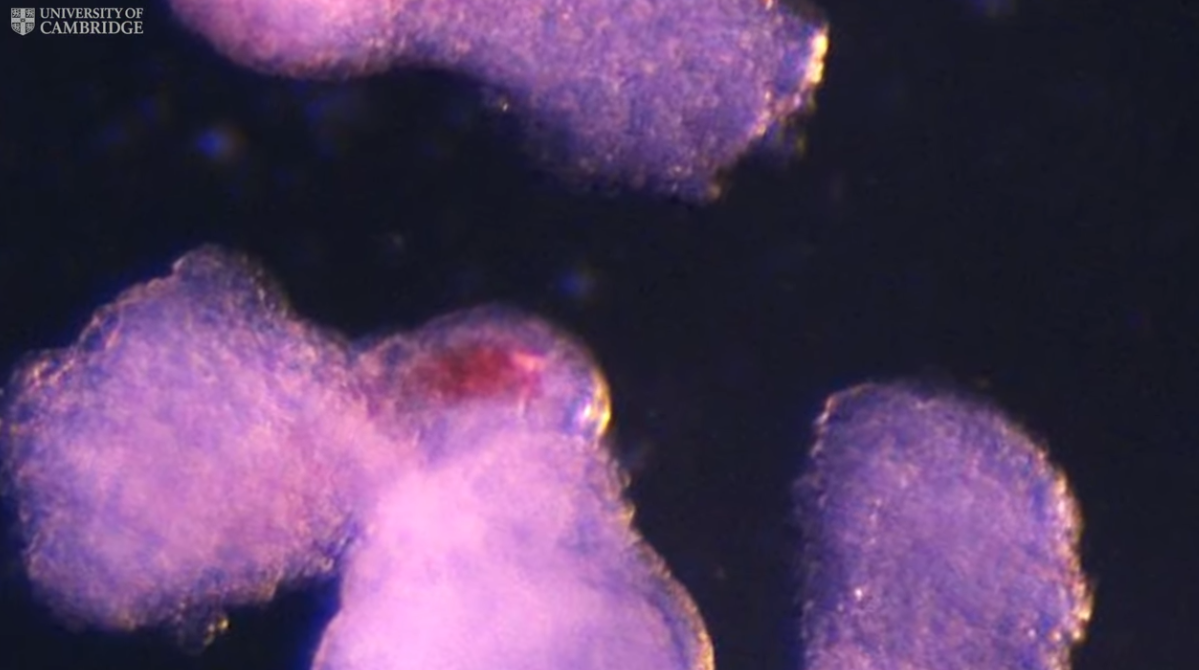
Britain’s new towns must build in space for faith, a new report argues

Greenheys housing development under construction in Moss Side, Manchester in 2011

source: www.cam.ac.uk

The UK Government’s pledge to build 1.5 million homes can lead to local resilience, social cohesion and wellbeing but only if the planning process embraces faith and belief communities as full partners

Treating faith and belief as partners in planning can accelerate social cohesion from day oneIona Hine

Researchers from the Cambridge Interfaith Research Forum and Goldsmiths University of London have issued an urgent call to rethink how faith and belief are understood and mobilised in planning new towns and settlements.

Their report, ‘Housing with values: faith and belief perspectives on housing and community planning’, presents the findings from a Faith & Belief Policy Collective study, produced in light of the UK Government’s ambitious pledge to build 1.5 million new homes.

The researchers’ analysis is based on interviews with practitioners and professionals including architects, housing developers, journalists, lawyers, activists, ordained ministers, policy makers and researchers, social historians, and scholars of religion. The report offers guiding principles for inclusive planning and proposes fuller civil–public collaboration to establish and disseminate good practice.

It follows the publication of the New Towns Taskforce (NTT)’s own recommendations to government in September 2025 which advised that plans for social infrastructure should include “faith-based spaces to enrich communities and open up opportunities for personal development” and that faith organisations should be involved in “community engagement strategy”.

The new report’s authors welcome this but warn that current planning systems in Britain have not yet embraced faith and belief communities as full partners in building thriving communities.

Co-author Dr Iona Hine from Cambridge’s Faculty of Divinity, said: “Developers, agencies, and other planning professionals recognise the effort required to form healthy communities and ensure everyone lives well. Our hope is they’re open to thinking about that challenge in dialogue with people of all flavours of faith and belief.”

The report warns that flourishing communities are undermined by a wide range of factors including: short-term developer models that prioritise profit over social infrastructure; tokenistic consultation; segregated housing patterns that entrench inequality and risk alienation; secular bias and low faith literacy among planners and developers; and intergenerational imbalance in new towns.

The report’s key recommendation is for a ‘New Towns Faith Taskforce’ to be established to advance the conversation about how best to harness the vision, resources, and overall contribution of faith and belief communities to the delivery of New Towns.

Its authors call for the early provision of schools, health centres, cultural, sporting and faith-based facilities; long-term, co-design consultation that builds trust and ownership; and integration with natural landscapes and local heritage, deepening attachment to place, among a range of other practical recommendations.

The report argues that faith and belief communities offer trusted networks, convening power, insider knowledge, volunteer capacity, inter-generational reach, as well as financial and spiritual capital, and cultural contributions.

Dr Hine and her colleagues point to modern international examples such as Singapore’s proactive planning for religious diversity, but also to model communities in Britain such as Bournville and Ebenezer Howard’s Garden City movement (Letchworth, Welwyn Garden City, Wythenshawe, etc), that paved the way, in their design and ethos, for the 32 postwar New Towns which are currently home to 2.8 million people across the UK.

Lead author Christopher Baker, Professor of Religion, Belief and Public Life at Goldsmiths, University of London said: “As we embark on this next chapter of New Town building in England, it is vital to understand the contribution that faith and belief bring to the sustaining of new communities, through their vision, experience, resources and local leadership.”

Dr Hine said: “This is pivotal moment for housing supply and community formation in Britain. Treating faith and belief as partners in planning can accelerate social cohesion from day one, reduce loneliness and social isolation, and provide governance and voluntary capacity that complements statutory services. Ignoring these dimensions risks creating settlements that are physically complete but socially fragile.”

Dr Iona Hine manages the Cambridge Interfaith Programme and cross-sector Knowledge Hub. She is a member of the Faith & Belief Policy Collective and convenor of Cambridge Interfaith Research Forum.

‘Housing with values’ is available from the Cambridge Interfaith Programme website from Tuesday 14th October 2025 and the Religion Media Centre is hosting an online briefing for journalists at midday.


The text in this work is licensed under a Creative Commons Attribution-NonCommercial-ShareAlike 4.0 International License. Images, including our videos, are Copyright ©University of Cambridge and licensors/contributors as identified. All rights reserved. We make our image and video content available in a number of ways – on our main website under its Terms and conditions, and on a range of channels including social media that permit your use and sharing of our content under their respective Terms.

‘Disease in a dish’ study of progressive MS finds critical role for unusual type of brain cell

Woman with multiple sclerosis in a wheelchair putting on her coat with service dog watching her

source: www.cam.ac.uk

Scientists have identified an unusual type of brain cell that may play a vital role in progressive multiple sclerosis (MS), likely contributing to the persistent inflammation characteristic of the disease.

Progressive MS is a truly devastating condition, and effective treatments remain elusiveStefano Pluchino

The discovery, reported today in Neuron, is a significant step towards understanding the complex mechanisms that drive the disease and provides a promising new avenue for research into more effective therapies for this debilitating condition.

MS is a chronic disease in which the immune system mistakenly attacks the brain and spinal cord, disrupting communication between the brain and the body. While many individuals initially experience relapses and remissions, a significant proportion transition to progressive MS, a phase marked by a steady decline in neurological function with limited treatment options.

To model what is happening in the disease, researchers at the University of Cambridge, UK, and National Institute on Aging, US, took skin cells from patients with progressive MS and reprogrammed them into induced neural stem cells (iNSCs), an immature type of cell capable of dividing and differentiating into various types of brain cells.

Using this ‘disease in a dish’ approach, the team observed that a subset of the cultured brain cells was somehow reverting to an earlier developmental stage, transforming into an unusual cell type known as radial glia-like (RG-like) cells. Notably, these cells were highly specific and appeared approximately six times more frequently in iNSC lines derived from individuals with progressive MS compared to controls. As a result, they were designated as disease-associated RG-like cells (DARGs).

These DARGs exhibit characteristic features of radial glia—specialized cells that serve as scaffolding during brain development and possess the capacity to differentiate into various neural cell types. Essentially, they function both as structural support and as fundamental building blocks, making them critical for proper brain development. Unexpectedly, DARGs not only revert to an ‘infant’ state but also display hallmark features of premature aging, or senescence.

These newly identified DARGs possess a distinctive epigenetic profile—patterns of chemical modifications that regulate gene activity—although the factors influencing this epigenetic landscape remain unclear. These modifications contribute to an exaggerated response to interferons, the immune system’s ‘alarm signals,’ which may help explain the high levels of inflammation observed in MS.

Professor Stefano Pluchino from the Department of Clinical Neurosciences at the University of Cambridge, joint senior author, said: “Progressive MS is a truly devastating condition, and effective treatments remain elusive. Our research has revealed a previously unappreciated cellular mechanism that appears central to the chronic inflammation and neurodegeneration driving the progressive phase of the disease.

“Essentially, what we’ve discovered are glial cells that don’t just malfunction – they actively spread damage. They release inflammatory signals that push nearby brain cells to age prematurely, fuelling a toxic environment that accelerates neurodegeneration.”

The team validated their findings by cross-referencing with human data from individuals with progressive MS. By analysing gene expression patterns at the single-cell level—including new data exploring the spatial context of RNA within post-mortem MS brain tissue—they confirmed that DARGs are specifically localised within chronically active lesions, the regions of the brain that sustain the most significant damage. Importantly, DARGs were found near inflammatory immune cells, supporting their role in orchestrating the damaging inflammatory environment characteristic of progressive MS.

By isolating and studying these disease-driving cells in vitro, the researchers aim to explore their complex interactions with other brain cell types, such as neurons and immune cells. This approach will help to explain the cellular crosstalk that contributes to disease progression in progressive MS, providing deeper insights into underlying pathogenic mechanisms.

Dr Alexandra Nicaise, co-lead author of the study from the Department of Clinical Neurosciences at Cambridge, added: “We’re now working to explore the molecular machinery behind DARGs, and test potential treatments. Our goal is to develop therapies that either correct DARG dysfunction or eliminate them entirely.

“If we’re successful, this could lead to the first truly disease-modifying therapies for progressive MS, offering hope to thousands living with this debilitating condition.”

To date, DARGs have only ever been seen in a handful of diseases, such as glioblastoma and cerebral cavernomas, clusters of abnormal blood vessels. However, this may be because scientists have until now lacked the tools to find them. Professor Pluchino and colleagues believe their approach is likely to reveal that DARGs play an important role in other forms of neurodegeneration.

This work received funding from the Medical Research Council, the Wellcome Trust, the National MS Society, FISM – Fondazione Italiana Sclerosi Multipla, the European Committee for Treatment and Research in Multiple Sclerosis (ECTRIMS), the National Institute on Aging, the UK Dementia Research Institute, the Austrian Science Fund FWF, the UK MS Society Centre of Excellence, the Bascule Charitable Trust, and the Ferblanc Foundation, with support from the National Institute for Health and Care Research Cambridge Biomedical Research Centre.

Reference

Park, B, Nicaise AM & Tsitsipatis D et al. Integrated Multi-Omics Reveals Disease-Associated Radial Glia-like Cells with Epigenetically Dysregulated Interferon Response in Progressive Multiple Sclerosis. Neuron; 10 Oct 2025; DOI: 10.1016/j.neuron.2025.09.022


The text in this work is licensed under a Creative Commons Attribution-NonCommercial-ShareAlike 4.0 International License. Images, including our videos, are Copyright ©University of Cambridge and licensors/contributors as identified. All rights reserved. We make our image and video content available in a number of ways – on our main website under its Terms and conditions, and on a range of channels including social media that permit your use and sharing of our content under their respective Terms.