‘Lightning McGreen’ and the ‘The Sustainable Hulk’ will lead a new fleet of nine electric buses plying routes travelled by students and staff across the University of Cambridge on the Universal bus route, scheduled to be put into service later this year by bus operator Whippet.
Alongside the two famed children’s animation and comic book-inspired characters, the names ‘Greenhopper’, ‘Net-Zero Hero’, ‘Pollution Solution’, ‘The Peregreen Falcon’, ‘Eco Eddie’ and ‘The Green Clean Machine’, were also chosen for the fleet from a selection offered by students from the University of Cambridge Primary School in a bus naming competition.
The competition invited students from the school in the University-built neighbourhood of Eddington to unleash their imagination. Participants were encouraged to consider factors such as the sustainability benefits and innovative features of the new buses in their naming choices. This initiative aimed to engage young minds in a fun and educational way, while also contributing to the enhancement of public transport within the local community.
Over the past few weeks, the competition captured the attention and enthusiasm of a large number of Eddington school children, attracting well over 100 entries. Their creativity and thoughtfulness were truly remarkable, making the selection process a challenging yet enjoyable task for the judging panel.
The final selection was made by a panel of representatives from the University of Cambridge and Whippet’s parent company, Ascendal Group. The panel carefully evaluated each entry and assessed the names based on originality, relevance, and the potential to resonate with the local community.
“We were overwhelmed by the incredible response from the young participants,” said Nicoletta Gennaro, Ascendal’s Group Head of Marketing. “The names suggested by these talented children were not only impressive but also reflected their deep understanding of our community’s values and aspirations. We are thrilled to involve them in shaping the identity of our new electric buses.”
Winners of the competition received special recognition at a dedicated award ceremony at the University of Cambridge Primary School, where they received prizes from representatives from Whippet and the University.
“We believe that involving the youth in important community projects like this fosters a sense of belonging and ownership,” added Mike Davies, Transport Manager at the University of Cambridge. “Through their contribution, we hope to inspire future generations to actively participate in shaping the development of our city and how we move.”
Both Whippet and the University of Cambridge would like to extend their sincere gratitude to all the participating students and staff at the University of Cambridge Primary School for their invaluable contributions to the competition. The event marks a significant milestone in promoting creativity, community engagement, and the importance of sustainable public transport.
The University of Cambridge has launched a project to develop the first governance framework for research involving stem cell-based human embryo models in the UK.
We hope that the resulting self-governance framework will enable scientists to proceed with their research with confidence, while maintaining public trust in this vital area of researchKathy Niakan
The Governance of Stem Cell-Based Embryo Models (G-SCBEM) project is led by Cambridge Reproduction and brings together scientists, legal scholars and bioethics experts, as well as representatives from major funders and regulators of this research.
Stem cell-based embryo models (SCBEMs) are three-dimensional structures that mimic aspects of embryo development. They can be created from embryonic stem cells, which can be persuaded to form structures that share a number of features with the embryonic blastocyst stage – the stage at which, in conception, the embryo begins the process of implanting into the uterus.
SCBEMs may offer insight into these critical stages of early development – stages that are normally inaccessible to researchers. They also offer potential for understanding some of the problems that can affect early pregnancies and lead to miscarriage or birth defects. Given that one in four pregnancies is estimated to end in miscarriage, this research has the potential to transform treatments for recurrent miscarriage and to improve the success rates of IVF and other fertility treatments.
Research using human embryos in the UK is tightly regulated by the Human Fertilisation and Embryology Act, which prohibits scientists from culturing human embryos in the lab beyond 14 days. However, despite the resemblance to human blastocysts (the cluster of cells that forms about five days after an egg is fertilised), SCBEMS are not themselves embryos. They can be derived from embryonic stem cells but can only form in specific conditions within the laboratory. Because of this, they do not fall under the remit of the HFE Act.
Currently there is no dedicated regulatory framework addressing research using SCBEMs, although existing UK law does prohibit them from ever being transferred into a woman’s womb. Nonetheless, the absence of clear, transparent guidance in this area hinders research and risks damaging public confidence.
Cambridge Reproduction, working in partnership with the Progress Educational Trust (PET), aims to break this deadlock by producing a clear and comprehensive recommended governance framework for research using SCBEMs. As this is an emerging area of research, the team is consulting widely to determine the opportunities, areas of consensus and concerns posed by SCBEMs.
The consultation will also lay the groundwork for engaging the public and other stakeholders in a parallel two-way dialogue around the use of SCBEMs for research and in translation.
“This is a fast-developing area and the project will open important dialogues with researchers, funders, regulators and the general public,” said Professor Kathy Niakan, Chair of Cambridge Reproduction. “We hope that the resulting self-governance framework will enable scientists to proceed with their research with confidence, while maintaining public trust in this vital area of research.”
“Given the similarities that SCBEMs have with human embryos, they offer enormous potential to unlock secrets of early pregnancy,” said Professor Roger Sturmey from Hull York Medical School, Chair of the G-SCBEM Guidelines Working Group. “However, because of these similarities, it is important that scientists working in this field maintain high standards and public confidence and so we hope that a self-governance framework will provide this.”
Sandy Starr, Deputy Director of PET and a member of the G-SCBEM Oversight Group, said, “SCBEMs open up avenues of research that are vitally important for people affected by infertility or genetic conditions. Use of SCBEMs can advance our understanding of human development, disease and reproduction, improving established reproductive technologies while opening up new possibilities. For this research to thrive, it needs to be conducted responsibly and governed in a clear and transparent way, which is where the G-SCBEM project comes in.”
The G-SCBEM guidance will be launched in the late autumn, and will be regularly reviewed to ensure that it keeps pace with new scientific developments.
The G-SCBEM project is funded by grants from the BBSRC Impact Acceleration Account and the University of Cambridge Impact and Knowledge Exchange fund.
The Hardouyn Hours, a jewelled fifteenth-century prayer book in Trinity College Library belonged to Thomas Cromwell, chief minister to King Henry VIII, new research has found.
The most exciting Cromwell discovery in a generation – if not more.Tracy Borman
Hever Castle curator, Alison Palmer, recognised the bejewelled, silver gilt binding of Trinity’s Book of Hours from the famous portrait of Thomas Cromwell painted by Hans Holbein the Younger in 1532-3, which hangs in the Frick Collection in New York. Palmer then worked with colleagues Kate McCaffrey and Dr Owen Emmerson to uncover the mystery of the book’s ownership.
The researchers followed a provenance trail that links the book from its donor, Dame Anne Sadleir, directly back to Thomas Cromwell. A team of experts have reviewed the new evidence and are confident that this is the very same book in the Holbein painting and that it belonged to Thomas Cromwell.
The Hardouyn Hours is thought to be the only object from any Tudor portrait to survive to this day.
The team established that the book, printed in Paris by Germain Hardouyn in 1527 or 1528, would have been among the books left by Cromwell to his secretary and protege Ralph Sadleir.
The book came to Trinity from Dame Anne Sadleir who married the grandson of Cromwell’s secretary. Anne was the daughter of the eminent lawyer Sir Edward Coke, a member of Trinity. She donated this Book of Hours, along with Trinity’s best-known manuscript – The Trinity Apocalypse – to the College in 1660.
Trinity’s Librarian Dr Nicolas Bell has collaborated with researchers at Cambridge and beyond to find out more about the Hardouyn Hours.
Based on a note in the front of the book, the gems on the covers and clasps were thought to be jaspers or jacinths, but analysis by Joanna Symonowicz, a doctoral researcher working with Dr Giuliana Di Martino in the University’s Department of Materials Science & Metallurgy, has used Raman spectroscopy to identify them as grossular garnets.
Michèle Bimbenet-Privat, formerly curator of metalwork at the Louvre in Paris, has confirmed that the silver gilt edging was made by Pierre Mangot, goldsmith to King Francis I of France. Mangot, who had moved to Paris the previous year from Blois, also made items for members of the Boleyn family. Mangot’s hallmark is the letter ‘M’ and a lower case ‘a’ tells us that the binding was made between December 1529 and 1530, in Paris, only a year or two after the book was printed.
The Holbein portrait celebrates Cromwell’s appointment as Master of the Jewel House which may explain why the Hardouyn Hours features so prominently.
Dr Nicolas Bell said: “This book of devotional prayers is remarkable for its unusually grand binding, covered with velvet, jewels and highly decorated silver gilt borders, all of which date from the time it was printed and illuminated. It has been enormously exciting to position this luxurious creation in the very centre of the court of Henry VIII, where we know that both Catherine of Aragon and Anne Boleyn owned copies of the very same edition.”
Kate McCaffrey, from Hever Castle, said: “We now believe that Anne Boleyn, Catherine of Aragon, and Thomas Cromwell all owned a copy of the same prayer book… We are confident that this discovery will shed new light on the often-troubled relationship between these giants of the Tudor court.”
Dr Tracy Borman said it was: “The most exciting Cromwell discovery in a generation – if not more.”
Hever Castle recently exhibited Catherine of Aragon’s 1527 prayer book (on loan from the Morgan Library in New York) alongside Anne Boleyn’s 1527 Book of Hours.
The Hardouyn Hours will be on loan to Hever Castle for their exhibition Catherine & Anne: Queens, Rivals, Mothers which runs until 10 November 2023. This is the first time that the book has ever been lent by Trinity College since it was received on 10th August 1660.
A study of the DNA of more than 55,000 people worldwide has shed light on how we maintain healthy blood sugar levels after we have eaten, with implications for our understanding of how the process goes wrong in type 2 diabetes.
What’s exciting about this is that it shows how we can go from large scale genetic studies to understanding fundamental mechanisms of how our bodies workAlice Williamson
The findings, published today in Nature Genetics, could help inform future treatments of type 2 diabetes, which affects around 4 million people in the UK and over 460 million people worldwide.
Several factors contribute to an increased risk of type 2 diabetes, such as older age, being overweight or having obesity, physical inactivity, and genetic predisposition. If untreated, type 2 diabetes can lead to complications, including eye and foot problems, nerve damage, and increased risk of heart attack and stroke.
A key player in the development of the condition is insulin, a hormone that regulates blood sugar – glucose – levels. People who have type 2 diabetes are unable to correctly regulate their glucose levels, either because they don’t secrete enough insulin when glucose levels increase, for example after eating a meal, or because their cells are less sensitive to insulin, a phenomenon known as ‘insulin resistance’.
Most studies to date of insulin resistance have focused on the fasting state – that is, several hours after a meal – when insulin is largely acting on the liver. But we spend most of our time in the fed state, when insulin acts on our muscle and fat tissues.
It’s thought that the molecular mechanisms underlying insulin resistance after a so-called ‘glucose challenge’ – a sugary drink, or a meal, for example – play a key role in the development of type 2 diabetes. Yet these mechanisms are poorly-understood.
Professor Sir Stephen O’Rahilly, Co-Director of the Wellcome-MRC Institute of Metabolic Science at the University of Cambridge, said: “We know there are some people with specific rare genetic disorders in whom insulin works completely normally in the fasting state, where it’s acting mostly on the liver, but very poorly after a meal, when it’s acting mostly on muscle and fat. What has not been clear is whether this sort of problem occurs more commonly in the wider population, and whether it’s relevant to the risk of getting type 2 diabetes.”
To examine these mechanisms, an international team of scientists used genetic data from 28 studies, encompassing more than 55,000 participants (none of whom had type 2 diabetes), to look for key genetic variants that influenced insulin levels measured two hours after a sugary drink.
The team identified new 10 loci – regions of the genome – associated with insulin resistance after the sugary drink. Eight of these regions were also shared with a higher risk of type 2 diabetes, highlighting their importance.
One of these newly-identified loci was located within the gene that codes for GLUT4, the critical protein responsible for taking up glucose from the blood into cells after eating. This locus was associated with a reduced amount of GLUT4 in muscle tissue.
To look for additional genes that may play a role in glucose regulation, the researchers turned to cell lines taken from mice to study specific genes in and around these loci. This led to the discovery of 14 genes that played a significant role in GLUT 4 trafficking and glucose uptake – with nine of these never previously linked to insulin regulation.
Further experiments showed that these genes influenced how much GLUT4 was found on the surface of the cells, likely by altering the ability of the protein to move from inside the cell to its surface. The less GLUT4 that makes its way to the surface of the cell, the poorer the cell’s ability to remove glucose from the blood.
Dr Alice Williamson, who carried out the work while a PhD student at the Wellcome-MRC Institute of Metabolic Science, said: “What’s exciting about this is that it shows how we can go from large scale genetic studies to understanding fundamental mechanisms of how our bodies work – and in particular how, when these mechanisms go wrong, they can lead to common diseases such as type 2 diabetes.”
Given that problems regulating blood glucose after a meal can be an early sign of increased type 2 diabetes risk, the researchers are hopeful that the discovery of the mechanisms involved could lead to new treatments in future.
Professor Claudia Langenberg, Director of the Precision Healthcare University Research Institute (PHURI) at Queen Mary University of London and Professor of Computational Medicine at the Berlin Institute of Health, Germany, said: “Our findings open up a potential new avenue for the development of treatments to stop the development of type 2 diabetes. It also shows how genetic studies of dynamic challenge tests can provide important insights that would otherwise remain hidden.”
The research was supported by Wellcome, the Medical Research Council and the National Institute for Health and Care Research.
School leaders in England feel compelled to continue using a system of escalating punitive measures to manage student behaviour, even though they recognise it fails some pupils, new research suggests.
This is not a call to scrap the existing system, but to consider ways to enhance itLaura Oxley
The findings are from a qualitative study which investigated why more school leaders are not exploring alternative approaches to behaviour management. It argues that resource limitations and other concerns have left teachers feeling trapped within the prevailing system of mounting punishments. Under this, more than a thousand students are excluded, and almost 150,000 suspended, every year.
Educators interviewed for the study often acknowledged the potential benefits of alternative methods, but believed they had little choice but to follow the established orthodoxy. The most common reasons included cost, resource constraints, parental perception, and lack of time.
Most schools in England follow a ‘behaviourist’ approach to student discipline, reinforcing positive behaviour and implementing escalating sanctions for repeated misconduct. Initially, students may receive a verbal warning for poor behaviour, followed by mid-level punishments like detention. Those who persist eventually face suspension and ultimately may be excluded from mainstream education.
The study was conducted by Dr Laura Oxley, now at the Faculty of Education, University of Cambridge, drawing on research she undertook while at the University of York. The newly-published element documents very in-depth interviews with a small group of 14 school leaders in England using a method called Interpretative Phenomenological Analysis. This was just part of the full study, which also surveyed 84 behaviour referral units in England and involved interviews with teachers in other education systems with different approaches to discipline.
Given the scale of the research, the findings should be interpreted cautiously. They do, however, highlight a possible cycle shaping behaviour management policy in England. Specifically, political and resource constraints limit schools’ capacity to experiment with alternative approaches, resulting in scarce evidence for their efficacy. This reinforces the view that the existing model is the only option.
Prior to her academic career Oxley worked with children who were at risk of exclusion from school, their families, and senior school leaders to support schools to provide appropriate educational provision for children who exhibited persistent misconduct. She held roles as an Exclusions and Reintegration Officer in East Yorkshire, and as an Education Inclusion Officer in Cambridgeshire.
“This is not a call to scrap the existing system, but to consider ways to enhance it,” she said. “For significant numbers of children, the current approach isn’t working.”
“Fundamentally, if a child persists with the same behaviour despite multiple punishments, it’s unlikely that they don’t comprehend the consequences. In those situations, instead of escalating the punishment, we should be asking why we aren’t trying something else? Unfortunately, even if school leaders have the motivation to try a different approach, they often feel that they have little choice. This means the same, standardised approach often prevails, even though it doesn’t suit every child.”
Widely-cited alternative behaviour management techniques include ‘restorative practice’ (RP) and ‘collaborative and proactive solutions’ (CPS). RP focuses on rebuilding positive relationships between students, or students and teachers, after breakdowns occur. CPS involves identifying the triggers behind persistent misbehaviour and addressing them collaboratively.
While neither method suits every situation, trials have yielded encouraging results. A 2019 study, for example, found that RP improved behaviour and reduced bullying. Although these approaches are already used by some schools in England, neither is currently used widely.
In Oxley’s study, school leaders identified cost, time and resource constraints as barriers to these alternatives, as they tend to be labour-intensive and require a thorough culture change. Most feared that they would place an intolerable extra burden on already overstretched staff. Issuing sanctions was seen as more efficient. Even providing space for private discussions with challenging students was sometimes considered unfeasible. One teacher explained: “We don’t have the staffing or capabilities for that”.
Some school leaders were concerned that teachers might perceive restorative approaches as a challenge to their authority in the classroom. There is evidence that training can change teachers’ perspectives on handling challenging students, fostering a deeper understanding of the psychological context. Again, however, limited time and resources pose barriers to this, the study suggests.
Participants also expressed unease about parental reactions to alternative approaches. One school leader told Oxley: “A lot of pupils would tell you that it’s harder to do a restorative meeting than it is to miss your break time. It’s more difficult to get the message across to parents.” Some cited cases where heads had been “held to ransom” by parents demanding the exclusion of so-called “problem” pupils.
Oxley suggests these pressures have fostered a culture of risk aversion in schools, impeding potential reforms. “We need to give teachers and parents opportunities to understand the alternatives available,” she said. “The fact that researchers know methods like RP could work in situations where the current approach is not promoting behaviour change is irrelevant if teachers don’t share that confidence.”
The study highlights insufficient promotion of alternative methods in current Government guidance, which prioritises the sanctions-based approach. It emphasises, however, that providing adequate funding and time to enhance teachers’ and parents’ understanding of collaborative and restorative behaviour management techniques is essential to cultivating a “desire for change”.
“At the moment, alternative approaches are often dismissed as unrealistic,” Oxley said. “This stems from a lack of large-scale evidence due to limited opportunities to explore them in schools. Education researchers must address that by studying real experiences in schools, moving beyond limited trials. This will empower more school leaders to see restorative practice and other methods as valuable and viable, generating momentum for change.”
Among the most fundamental questions in astronomy is: How did the first stars and galaxies form? The James Webb Space Telescope (JWST), a partnership between NASA, the European Space Agency and the Canadian Space Agency, is already providing new insights into this question.
I’m excited that the telescope works so well, allowing us to do such detailed measurements of galaxies that are so distantSandro Tacchella
One of the largest programmes in Webb’s first year of science is the JWST Advanced Deep Extragalactic Survey, or JADES, which will devote about 32 days of telescope time to uncover and characterise faint, distant galaxies. While data is still coming in, JADES has already discovered hundreds of galaxies that existed when the universe was less than 600 million years old. The international team, including researchers from the University of Cambridge, also has identified galaxies sparkling with a multitude of young, hot stars.
The extragalactic research group at the Cavendish Laboratory co-led by Professor Roberto Maiolino and Dr Sandro Tacchella is playing a leadership role in JADES, which is a partnership between the science team of NIRCam — JWST’s primary imager — and NIRSpec — JWST’s primary spectrograph.
In the autumn of 2022, JADES took deep imaging and spectroscopy in and around the iconic Hubble Ultra Deep Field. The JADES imaging is deep, extends further into the infrared, and covers a wider area than any previous imaging with the Hubble Space Telescope. Results based on this data, which have not yet been peer-reviewed, are being reported at the 242nd meeting of the American Astronomical Society in Albuquerque, New Mexico.
“With JADES, we want to answer a lot of questions, like: How did the earliest galaxies assemble themselves? How fast did they form stars? Why do some galaxies stop forming stars?” said Marcia Rieke of the University of Arizona, co-lead of the JADES programme.
For hundreds of millions of years after the big bang, the universe was filled with a gaseous fog. By one billion years after the big bang, the fog had cleared and the universe became transparent, a process known as reionisation. Scientists have debated whether active, supermassive black holes or galaxies full of hot, young stars were the primary cause of reionisation.
As part of the JADES programme, researchers studied these galaxies to look for signatures of star formation – and found them in abundance. “Almost every single galaxy that we are finding shows these unusually strong emission line signatures indicating intense recent star formation. These early galaxies were very good at creating hot, massive stars,” said Ryan Endsley from the University of Texas at Austin.
These bright, massive stars pumped out ultraviolet light, which transformed surrounding gas from opaque to transparent by ionising the atoms, removing electrons from their nuclei. Since these early galaxies had such a large population of hot, massive stars, they may have been the main driver of the reionisation process. The later reuniting of the electrons and nuclei produces distinctively strong emission lines.
The team also found evidence that these young galaxies underwent periods of rapid star formation interspersed with quiet periods where fewer stars formed. These fits and starts may have occurred as galaxies captured clumps of the gaseous raw materials needed to form stars. Alternatively, since massive stars quickly explode, they may have injected energy into the surrounding environment periodically, preventing gas from condensing to form new stars.
Another JADES result released today concerns the structural evolution of galaxies. The team used imaging and spectroscopy data to tackle a key unknown in extragalactic astrophysics, which is how the structural diversity of galaxies we observe today came to be.
The team discovered a galaxy in the infant universe – just 700 million years after the big bang – but with the structure of a far more mature galaxy. The galaxy is 100 times less massive than the Milky Way, but it is highly compact. Most of the young stars of this galaxy are in the outskirts, indicating that this galaxy is growing from the inside out.
“I was surprised to find such a compact galaxy this early in the universe,” said Tacchella, from Cambridge’s Cavendish Laboratory and Kavli Institute for Cosmology. “I’m excited that the telescope works so well, allowing us to do such detailed measurements of galaxies that are so distant.”
Another element of the JADES programme involves the search for the earliest galaxies that existed when the universe was less than 400 million years old. By studying these galaxies, astronomers can explore how star formation in the early years after the big bang was different from what is seen in current times.
The light from faraway galaxies is stretched to longer wavelengths and redder colours by the expansion of the universe – a phenomenon called redshift. By measuring a galaxy’s redshift, astronomers can learn how far away it is and, therefore, when it existed in the early universe. Before Webb, there were only a few dozen galaxies observed above a redshift of 8, when the universe was younger than 650 million years old, but JADES has now uncovered nearly a thousand of these extremely distant galaxies.
The gold standard for determining redshift involves looking at a galaxy’s spectrum, which measures its brightness at closely spaced wavelengths. But a good approximation can be determined by taking photos of a galaxy using filters that each cover a narrow band of colours to get a handful of brightness measurements. In this way, researchers can determine estimates for the distances of many thousands of galaxies at once.
Kevin Hainline of the University of Arizona in Tucson and his colleagues used Webb’s NIRCam (Near-Infrared Camera) instrument to obtain these measurements, called photometric redshifts, and identified more than 700 candidate galaxies that existed when the universe was between 370 million and 650 million years old. The sheer number of these galaxies was far beyond predictions from observations made before Webb’s launch. The observatory’s resolution and sensitivity are allowing astronomers to get a better view of these distant galaxies than ever before.
“Previously, the earliest galaxies we could see just looked like little smudges. And yet those smudges represent millions or even billions of stars at the beginning of the universe,” said Hainline. “Now, we can see that some of them are actually extended objects with visible structure. We can see groupings of stars being born only a few hundred million years after the beginning of time.”
“We’re finding star formation in the early universe is much more complicated than we thought,” said Rieke.
Researchers have trained a robotic ‘chef’ to watch and learn from cooking videos, and recreate the dish itself.
We wanted to see whether we could train a robot chef to learn in the same incremental way that humans can – by identifying the ingredients and how they go together in the dishGreg Sochacki
The researchers, from the University of Cambridge, programmed their robotic chef with a ‘cookbook’ of eight simple salad recipes. After watching a video of a human demonstrating one of the recipes, the robot was able to identify which recipe was being prepared and make it.
In addition, the videos helped the robot incrementally add to its cookbook. At the end of the experiment, the robot came up with a ninth recipe on its own. Their results, reported in the journal IEEE Access, demonstrate how video content can be a valuable and rich source of data for automated food production, and could enable easier and cheaper deployment of robot chefs.
Robotic chefs have been featured in science fiction for decades, but in reality, cooking is a challenging problem for a robot. Several commercial companies have built prototype robot chefs, although none of these are currently commercially available, and they lag well behind their human counterparts in terms of skill.
Human cooks can learn new recipes through observation, whether that’s watching another person cook or watching a video on YouTube, but programming a robot to make a range of dishes is costly and time-consuming.
“We wanted to see whether we could train a robot chef to learn in the same incremental way that humans can – by identifying the ingredients and how they go together in the dish,” said Grzegorz Sochacki from Cambridge’s Department of Engineering, the paper’s first author.
Sochacki, a PhD candidate in Professor Fumiya Iida’s Bio-Inspired Robotics Laboratory, and his colleagues devised eight simple salad recipes and filmed themselves making them. They then used a publicly available neural network to train their robot chef. The neural network had already been programmed to identify a range of different objects, including the fruits and vegetables used in the eight salad recipes (broccoli, carrot, apple, banana and orange).
Using computer vision techniques, the robot analysed each frame of video and was able to identify the different objects and features, such as a knife and the ingredients, as well as the human demonstrator’s arms, hands and face. Both the recipes and the videos were converted to vectors and the robot performed mathematical operations on the vectors to determine the similarity between a demonstration and a vector.
By correctly identifying the ingredients and the actions of the human chef, the robot could determine which of the recipes was being prepared. The robot could infer that if the human demonstrator was holding a knife in one hand and a carrot in the other, the carrot would then get chopped up.
Of the 16 videos it watched, the robot recognised the correct recipe 93% of the time, even though it only detected 83% of the human chef’s actions. The robot was also able to detect that slight variations in a recipe, such as making a double portion or normal human error, were variations and not a new recipe. The robot also correctly recognised the demonstration of a new, ninth salad, added it to its cookbook and made it.
“It’s amazing how much nuance the robot was able to detect,” said Sochacki. “These recipes aren’t complex – they’re essentially chopped fruits and vegetables, but it was really effective at recognising, for example, that two chopped apples and two chopped carrots is the same recipe as three chopped apples and three chopped carrots.”
The videos used to train the robot chef are not like the food videos made by some social media influencers, which are full of fast cuts and visual effects, and quickly move back and forth between the person preparing the food and the dish they’re preparing. For example, the robot would struggle to identify a carrot if the human demonstrator had their hand wrapped around it – for the robot to identify the carrot, the human demonstrator had to hold up the carrot so that the robot could see the whole vegetable.
“Our robot isn’t interested in the sorts of food videos that go viral on social media – they’re simply too hard to follow,” said Sochacki. “But as these robot chefs get better and faster at identifying ingredients in food videos, they might be able to use sites like YouTube to learn a whole range of recipes.”
The research was supported in part by Beko plc and the Engineering and Physical Sciences Research Council (EPSRC), part of UK Research and Innovation (UKRI).
Arif Ahmed, Professor of Philosophy at the University of Cambridge, has been appointed as the Office for Students’ first Director for Freedom of Speech and Academic Freedom.
Prof Ahmed, who has been Professor of Philosophy since 2022 and a Fellow of Gonville and Caius College since 2015, will take up his role later in the summer.
Dr Anthony Freeling, Acting Vice-Chancellor, University of Cambridge, said: “I congratulate Professor Ahmed on his appointment. Free speech, and fostering an environment of debate and discussion, are central to the role of all universities. We look forward to working with him.”
Susan Lapworth, chief executive of the OfS, said: “Freedom of speech and academic freedom are essential underpinning principles of higher education in England. Arif’s appointment will ensure they continue to be robustly defended across the sector. Arif will bring an important academic perspective to the OfS’s work in this area and I am looking forward to working with him as we implement the new legislation.”
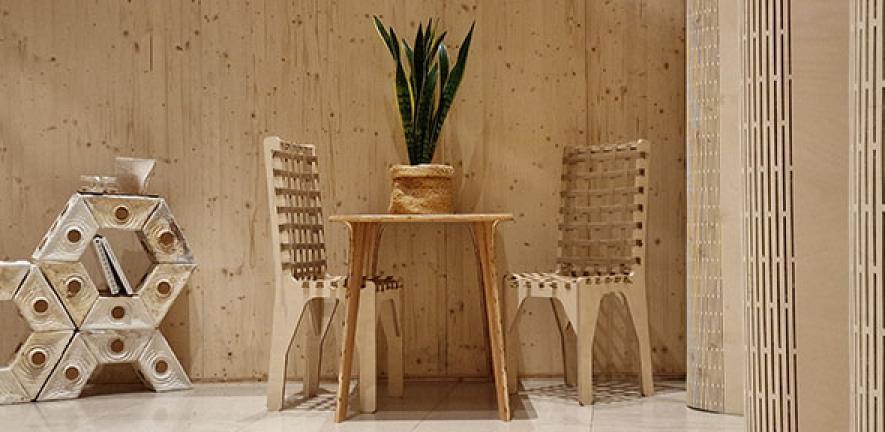
Cambridge architects are inviting visitors to the London Design Biennale to experience a prototype home constructed with flexible wooden partition walls which can be shifted to meet the changing needs of residents. The invention aims to reduce waste and carbon while also improving living conditions for those who cannot afford expensive refurbishments.
This is what our cities of the future need – caring for people and the environment at the same timeAna Gatóo
House-owners the world over consider ‘knocking through’ walls to achieve more open-plan living or changing layouts to accommodate new arrivals or circumstances. The results may be impressive, but they come at a sizeable financial and environmental cost. But what if it wasn’t necessary to demolish internal brick and/or plaster walls and build new ones?
Researchers at Cambridge’s Centre for Natural Material Innovation and partners PLP Architecture have just unveiled ‘Ephemeral’, an innovative alternative using engineered wood, at the London Design Biennale at London’s Somerset House (1 – 25 June 2023).
The project, led by Cambridge researcher Ana Gatóo, invites visitors to step into a home constructed around principles of affordability, sustainability, flexibility and adaptation. The flexible wooden partition walls – developed by Gatóo as part of her Cambridge PhD research – are made using kerfing, which allows wood to bend without breaking, the same technique employed in the construction of guitars and other stringed instruments.
The resulting wooden walls are simple, resilient, foldable and movable, meaning they can respond to the changing needs of residents, for instance, as children are born or leave the nest; as age or mobility bring changing requirements; or as homeworking patterns change.
Gatóo says: “Self-assembly and modular furniture have improved so many people’s lives. We’ve developed something similar but for walls so people can take total control of their interior spaces.”
“If you have lots of money, you can hire a designer and alter the interiors of your house, but if you don’t, you’re stuck with very rigid systems that could be decades out-of-date. You might be stuck with more rooms than you need, or too few. We want to empower people to make their spaces their own.”
The team’s ‘rooms of requirement’ provide elegant, affordable solutions which can be built into the fabric of the building from its first design, or seamlessly retrofitted – avoiding the mountains of carbon associated with demolition and reconstruction.
Gatóo says: “We’re using engineered timber, which is affordable and sustainable. It’s a natural material which stores carbon, and when you don’t need it anymore, you can make something else with it. So you are creating minimal waste.”
Gatóo and her colleagues are based in the University’s Centre for Natural Material Innovation, a world leader in research into innovative and sustainable uses of timber in construction.
The team emphasises that their system could be used anywhere in the world, in workplaces as well as in homes, and the researchers have already had encouraging conversations with industry, including with affordable housing developers in India.
Gatóo says: “I’ve worked in development and post-disaster housing with NGOs in many countries around the world, always using sustainable materials. When I started my PhD, I wanted to merge making housing more affordable and social with technical innovation and sustainability. This is what our cities of the future need – caring for people and the environment at the same time.”
Implemented at scale, this innovation could change the construction industry for the better, empowering people to adapt their spaces to their needs while slashing housing costs and overcoming some of the hurdles which the construction industry must tackle to be part of a sustainable future.
Working with Cambridge Enterprise, the research team is seeking industry and policy partners to further advance product feasibility for industry-wide adoption.
The project is supported by PLP Architecture, The Laudes Foundation, the Future Observatory and the AHRC Design Accelerator.
Study following thousands of Chicagoans from across the city over a 25-year period found that 50% of the study participants had seen a shooting before middle age.
A substantial portion of Chicago’s population could be living with trauma as a result of witnessing shootings and homicidesCharles Lanfear
A study tracking the lives of Chicagoans from childhood and adolescence in the 1990s to the start of middle age has found that 56% of Black and Hispanic residents from across the city witnessed at least one shooting by the time they turned 40.
White residents were exposed to gun violence at less than half the rate of Black and Hispanic residents, although it was still high: 25% of White Chicagoans had witnessed a shooting before turning forty.
Across racial categories, 50% of all the study’s participants had been exposed to gun violence by age 40. The average age to witness a shooting was just 14 years old.
Of those in the study, more than 7% of Black and Hispanic people had themselves been shot before turning forty, compared to 3% of White people. The average age for being shot was 17 years old.
Researchers also compared the locations of gun violence incidents* in the year leading up to recent study interviews in 2021. Rates of shootings within a 250-metre radius of the homes of Black participants were over 12 times higher than those of White participants. Rates of shootings near the homes of Hispanic people were almost four times higher than for White people.
The research team continued to gather data for participants who had moved out of the city, although the vast majority of gun violence took place within Chicago.
The sustained stress of living with the potential for gun violence likely takes a “cumulative physiological toll” on Chicago’s citizens – and people in cities across the US, argue researchers.
Findings from the latest study, led by a University of Cambridge criminologist in collaboration with researchers from Harvard and Oxford universities, are published in JAMA Network Open, a journal of the American Medical Association
“Existing evidence suggests that the long-term stress of exposure to firearm violence can contribute to everything from lower test scores for schoolkids to diminished life expectancy through heart disease,” said study lead author Dr Charles Lanfear, from the University of Cambridge’s Institute of Criminology.
“We expected levels of exposure to gun violence to be high, but not this high. Our findings are frankly startling and disturbing,” said Lanfear. “A substantial portion of Chicago’s population could be living with trauma as a result of witnessing shootings and homicides, often at a very young age.”
“It is clear that Black people in particular are often living in a very different social context, with far higher risks of seeing and becoming victims of gun violence in the streets near their homes lasting into middle age.”
The Project on Human Development in Chicago Neighborhoods (PHDCN), a Harvard University study, has followed thousands of children since they were first surveyed in the 1990s, gathering life experiences as they grow up in the city or move away. Participants are from households selected at random from a set list of eighty Chicago districts – carefully chosen to reflect Chicago’s spectrum of race and levels of social advantage, or lack thereof.
The latest research focused on data gathered from 2,418 of participants born in the early 1980s through to the mid-1990s, equally split between men and women.**
The oldest study participants, born in 1981, hit adolescence in the early-to-mid 1990s when lethal violence reached a peak in the US. “The nineties saw a demographic bump collide with high poverty levels and rises in gang crime resulting in part from the crack epidemic,” said Lanfear.
“However, since 2016 we have seen another surge in gun violence. Rates of fatal shootings in Chicago are now higher than they ever were in the nineties.”
Men are far more likely to be involved in violent crime, and this is reflected in the risks of actually being shot by age 40, which are five times higher for men than women. However, there was a much smaller difference between the sexes for exposure to gun violence: 43% of women and 58% of men had seen someone shot.
“The chronic stress effects on women from being so highly exposed to firearm violence may well be substantial in Chicago, and indeed in many US cities,” said Lanfear.
“The study participants are taken from right across Chicago, and only a tiny fraction will be involved in any kind of crime. Given the levels of women and children witnessing gun violence in the city, the vast majority of this exposure will be as bystanders in public spaces, in streets or outside schools.”
“The public health consequences of life in violent and traumatised neighbourhoods will be playing out not just in Chicago, but in many cities right across the United States,” Lanfear said.
Notes
*Taken from the Gun Violence Archive, and not-for-profit organisation that collates data on gun violence drawn from sources including police departments, media and government agencies. ** Racial make-up of the study participants as follows: 890 Black respondents, 1146 Hispanic respondents, and 382 White respondents. The research looked at data from PHDCN study groups born in 1984, 1987 and 1996. The research team say they can safely estimate exposure to gun violence up to age 40 for the majority of the study participants. Even the younger group, now 27, are on track to compare with older cohorts, as most shootings are witnessed during youth.
His Majesty The King visited the University of Cambridge today, in his first public engagement following the Coronation.
His Majesty was in Cambridge to break ground on the New Whittle Laboratory, where he also met with staff and researchers, leaders from the aviation industry and senior government representatives.
The New Whittle Laboratory, a £58 million facility, will be the leading global centre for net zero aviation and energy. Its mission is to halve the time to develop key technologies to support a sustainable aviation industry.
Alongside the ground-breaking, senior figures from government and industry gathered for an international roundtable as part of an initiative led by Cambridge and MIT. This will present insights based on global aviation systems modelling capabilities developed through the Aviation Impact Accelerator, a project led by the Whittle Laboratory and the Cambridge Institute for Sustainability Leadership.
Today, it typically takes six to eight years to develop a new technology to a point where it can be considered for commercial deployment in the aerospace and energy sectors, recent trials in the Whittle Laboratory have shown this timeframe can be accelerated by breaking down barriers that exist between academia and industry.
The New Whittle Laboratory will incorporate the Bennett Innovation Laboratory – made possible through a philanthropic gift from the Peter Bennett Foundation – to bring together a critical mass of talent, giving them the right skills, tools, culture and working environment to solve complex multidisciplinary challenges. It will also be home to the UK’s National Centre for Propulsion and Power, built around a fast feedback model pioneered in Formula One, to cut the time to develop technologies from years to months.
Participating organisations in the roundtable included the UK Government, UK Aerospace Technology Institute, the US Federal Aviation Administration, NASA, EU Clean Aviation Joint Undertaking, Airbus, Boeing, Rolls-Royce, and the Sustainable Markets Initiative.
As The Prince of Wales, His Majesty previously visited the Whittle Laboratory in January 2020, and March 2022, to encourage the acceleration of sustainable aviation, as well as hosting an industry roundtable in February 2020 in London with the Sustainable Markets Initiative and World Economic Forum to explore solutions for decarbonising air travel.
Professor Rob Miller, Director of the Whittle Laboratory, said:
“We need to completely transform the innovation landscape in the aviation and energy sectors if we are to reach net zero by 2050. The new Whittle Lab has been designed as a disruptive innovation laboratory targeting the critical early stages in the lifecycles of technologies, where there are windows of opportunity to translate scientific strengths into global technological and industrial leadership.
“The Lab is designed to work at the intersection of cutting-edge science and emerging engineering applications, providing fast feedback between the two, and dramatically cutting the time to deliver zero-emission technologies.”
Grant Shapps, the UK Government’s Energy Security Secretary, said:
“The UK is leading a revolution in aviation, looking to new technologies to cut emissions.
“Having established the Jet Zero Council three years ago by bringing together government, industry and academia, I strongly welcome the Whittle Laboratory being at the forefront of that endeavour today.
“This will further help the best minds from the fields of energy and aviation push ever-further and faster with the latest innovations in order to solve the problem of environmentally friendly and affordable flying.”
Mark Harper, the UK Government’s Transport Secretary, said:
“Having already invested £165 million into the production of sustainable aviation fuels, this Government is determined to harness the economic benefits of flying while supporting industry and academia to create cleaner skies for the future.”
“The breaking ground of Whittle Laboratory is great news for the UK’s world-leading aviation sector, representing another step towards the UK hitting our Jet Zero goals.”
Peter Bennett, University of Cambridge alumnus, philanthropist and founder of the Peter Bennett Foundation, said:
“To tackle the most complex challenges, we need to take a whole systems approach, where innovative technologies can be explored within the context of the realities that may impact their roll out. Rigorous testing using models such as the Aviation Impact Accelerator expedites the process of innovation and implementation.
“We need new ways to work together at speed, which is why the Bennett Innovation Lab will bring together global experts from government, industry and academia, enabling radical collaboration. I believe by using Cambridge’s convening power, this can make a real difference, fast.”
Grazia Vittadini, Chief Technology Officer at Rolls-Royce, said:
“The Whittle Laboratory and Rolls-Royce have worked together for 50 years. Over this time the partnership has delivered hundreds of technologies into Rolls-Royce products. Deep technology partnerships like this are critical if the UK is to maintain its role as a science superpower and to create high value jobs in the UK. The New Whittle Laboratory offers an exciting opportunity to raise this ambition by bringing together cutting-edge science and engineering application in one building with the aim of meeting the challenge of net zero flight by 2050.”
Jim Hileman, Vice President and Chief Engineer, Sustainability and Future Mobility at Boeing said:
“Boeing’s partnership with the University of Cambridge is central to the effort of making aviation carbon neutral. As well as helping us to find technology solutions, it is bringing together different companies and academic disciplines from across the sector to drive change at the system level. We are excited by the way in which the New Whittle Laboratory has been designed to break down silos, bringing together a wide range of disciplines to take on the most challenging net zero aviation problems.”
Eisaku Ito, Chief Technology Officer at Mitsubishi Heavy Industries, said:
“At Mitsubishi Heavy Industries we have a goal to achieve carbon neutrality by 2040, through our Mission Net Zero initiative. But we know that we can only reach this through accelerating the pace of innovation, and scaling up the development of net zero technologies. We have benefited from a strategic research partnership with the Whittle Laboratory since the 1980s, so we are excited to see work begin on this new facility that will become an important global centre for collaboration and disruptive innovation.
“We look forward to continuing our relationship with the Whittle Laboratory over the coming decades, and we want our engineers to think of the new Lab as their European home – a unique environment where they can participate in a culture that brings together the best global ideas, expertise, software, tools and testing facilities that can help solve the challenge of climate change.”
The Pinus nigra – along with student, Garden staff and vounteer cyclists – featured in BBC Studio’s ‘Lighting up the Nation’ Coronation Concert celebrations.
It is a great honour to have our Black Pine included as part of the choreographed display.Beverley Glover, CUBG Director
As part of the weekend of Coronation celebrations, 10 locations around the UK including Cambridge University Botanic Garden – as well as landmarks in Blackpool, Sheffield, Cardiff, Edinburgh, Newcastle and Gateshead, Cornwall and Belfast – were lit up in a stunning live sequence called Lighting Up The Nation.
Billed by the BBC as ‘a truly spectacular part of the Coronation Concert… a very special moment for people all across the country to come together in celebration’, the event showcased the country’s diverse cultural heritage in music, theatre and dance, with the amazing light display as a stunning centrepiece using projections, drones, laser displays and illuminations to bring iconic locations to life.
The majestic Pinus nigra tree, which forms part of the Garden’s iconic tree collection, is located along the Garden’s Main Walk and helps form the backbone of the Heritage Landscape. On the evening of Sunday 7 May the tree and surrounding landscape was seen as never before – dressed in a stunning display of 12,500 lights, powered by 25 eco-bikes, ridden by Cambridge University students, Garden staff and volunteers to create a kinetic power display to highlight the King’s commitment to green energy and conservation.
Beverley Glover, CUBG Director, said: “It is a great honour to have been selected as one of 10 iconic locations to form the centrepiece of Lighting up the Nation, broadcast live from Windsor Castle, and to have our Black Pine included as part of the choreographed display.
“CUBG’s tree collection dates back to the founding of the Garden on this site and is the vision of our founder and Charles Darwin’s mentor – John Stevens Henslow. The Pinus nigra, Black Pine, is one of the first Garden plantings and it is interesting because it was selected by Henslow to demonstrate how plants even within the same species can be different. Some species of Black Pine from warm climates hold their branches erect, while Black Pines from cold areas, have sloping branches to allow snow to slide off them to limit the snow load on their branches and ensure the leaves are free to photosynthesise.”
The Coronation of His Majesty King Charles III was marked by a special service at Great St Mary’s, the University Church, on Sunday, 7 May
University Officers and Heads of Colleges processed from the Senate House to the Church during the second of two ‘Scarlet days’, when doctors in the different faculties wear their festal, predominantly scarlet, gowns in public.
Other members of the University also attended the service – which included bell ringing by the Cambridge University Guild of Change Ringers – and those holding orders and decorations conferred by the Crown were invited to wear their insignia.
HM Lord-Lieutenant was represented, and a civic procession was also held.
The celebrations finished with a reception at Michaelhouse in Trinity Street.
Read more about University and College events around the Coronation:
Ice sheets can retreat up to 600 metres a day during periods of climate warming, 20 times faster than the highest rate of retreat previously measured.
An international team of researchers used high-resolution imagery of the seafloor to reveal just how quickly a former ice sheet that extended from Norway retreated at the end of the last Ice Age, about 20,000 years ago.
The team, including researchers from the University of Cambridge, mapped more than 7,600 small-scale landforms called corrugation ridges across the seafloor. The ridges are less than 2.5 metres high and are spaced between about 25 and 300 metres apart.
These landforms are understood to have formed when the ice sheet’s retreating margin moved up and down with the tides, pushing seafloor sediments into a ridge every low tide. Given that two ridges would have been produced each day, the researchers were able to calculate how quickly the ice sheet retreated.
Their results, reported in the journal Nature, show the former ice sheet underwent pulses of rapid retreat at a speed of 50 to 600 metres per day. This is much faster than any ice sheet retreat rate that has been observed from satellites or inferred from similar landforms in Antarctica.
“Our research provides a warning from the past about the speeds that ice sheets are physically capable of retreating at,” said Dr Christine Batchelor from Newcastle University, who led the research. “Our results show that pulses of rapid retreat can be far quicker than anything we’ve seen so far.”
Information about how ice sheets behaved during past periods of climate warming is important to inform computer simulations that predict future ice sheet and sea-level change.
“This study shows the value of acquiring high-resolution imagery about the glaciated landscapes that are preserved on the seafloor,” said co-author Dr Dag Ottesen from the Geological Survey of Norway, who is involved in the MAREANO seafloor mapping programme that collected the data.
The new research suggests that periods of such rapid ice-sheet retreat may only last for short periods of time: from days to months.
“This shows how rates of ice-sheet retreat averaged over several years or longer can conceal shorter episodes of more rapid retreat,” said co-author Professor Julian Dowdeswell from Cambridge’s Scott Polar Research Institute. “It is important that computer simulations are able to reproduce this ‘pulsed’ ice-sheet behaviour.”
The seafloor landforms also shed light into the mechanism by which such rapid retreat can occur. The researchers found that the former ice sheet had retreated fastest across the flattest parts of its bed.
“An ice margin can unground from the seafloor and retreat near-instantly when it becomes buoyant,” said co-author Dr Frazer Christie, also from the Scott Polar Research Institute. “This style of retreat only occurs across relatively flat beds, where less melting is required to thin the overlying ice to the point where it starts to float.”
The researchers conclude that pulses of similarly rapid retreat could soon be observed in parts of Antarctica. This includes at West Antarctica’s vast Thwaites Glacier, which is the subject of considerable international research due to its potential susceptibility to unstable retreat. The authors of this new study suggest that Thwaites Glacier could undergo a pulse of rapid retreat because it has recently retreated close to a flat area of its bed.
“Our findings suggest that present-day rates of melting are sufficient to cause short pulses of rapid retreat across flat-bedded areas of the Antarctic Ice Sheet, including at Thwaites”, said Batchelor. “Satellites may well detect this style of ice-sheet retreat in the near future, especially if we continue our current trend of climate warming.”
Other co-authors are Dr Aleksandr Montelli and Evelyn Dowdeswell at the Scott Polar Research Institute, Dr Jeffrey Evans at Loughborough University, and Dr Lilja Bjarnadóttir at the Geological Survey of Norway. The study was supported by Peterhouse, Cambridge, the Faculty of Humanities and Social Sciences at Newcastle University, the Prince Albert II of Monaco Foundation, and the Geological Survey of Norway.
By observing the night sky, medieval monks unwittingly recorded some of history’s largest volcanic eruptions, according to a new analysis of 12th and 13th century European and Middle Eastern chronicles.
An international team, including researchers from the University of Cambridge, drew on readings of medieval texts, along with ice core and tree ring data, to accurately date some of the biggest volcanic eruptions the world has ever seen. Their results, reported in the journal Nature, uncover new information about one of the most volcanically active periods in Earth’s history, which some think helped to trigger the Little Ice Age, a long interval of cooling that saw the advance of European glaciers.
It took the researchers, led by the University of Geneva (UNIGE), almost five years to examine hundreds of annals and chronicles from across Europe and the Middle East, in search of references to total lunar eclipses and their colouration.
Total lunar eclipses occur when the moon passes into the Earth’s shadow. Typically, the moon remains visible as a reddish orb because it is still bathed in sunlight bent round the Earth by its atmosphere. But after a very large volcanic eruption, there can be so much dust in the stratosphere – the middle part of the atmosphere starting roughly where commercial aircraft fly – that the eclipsed moon almost disappears.
Medieval chroniclers recorded and described all kinds of historical events, including the deeds of kings and popes, important battles, and natural disasters and famines. Just as noteworthy were the celestial phenomena that, to the chroniclers, might foretell such calamities. Mindful of the Book of Revelation, a vision of the end times that speaks of a blood-red moon, the monks were especially careful to take note of the moon’s colouration.
Of the 64 total lunar eclipses that occurred in Europe between 1100 and 1300, the chroniclers had faithfully documented 51. In five of these cases, they also reported that the moon was exceptionally dark.
Asked what made him connect the monks’ records of the brightness and colour of the eclipsed moon with volcanic gloom, the lead author of the work, UNIGE’s Sébastien Guillet said: “I was listening to Pink Floyd’s Dark Side of the Moon album when I realised that the darkest lunar eclipses all occurred within a year or so of major volcanic eruptions. Since we know the exact days of the eclipses, it opened the possibility of using the sightings to narrow down when the eruptions must have happened.”
The researchers found that scribes in Japan took equal note of lunar eclipses. One of the best known, Fujiwara no Teika, wrote of an unprecedented dark eclipse observed on 2 December 1229: ‘the old folk had never seen it like this time, with the location of the disk of the Moon not visible, just as if it had disappeared during the eclipse… It was truly something to fear.’
The stratospheric dust from large volcanic eruptions was not only responsible for the vanishing moon. It also cooled summer temperatures by limiting the sunlight reaching the Earth’s surface. This in turn could bring ruin to agricultural crops.
“We know from previous work that strong tropical eruptions can induce global cooling on the order of roughly 1°C over a few years,” said Markus Stoffel from the University of Geneva, a specialist in converting measurements of tree rings into climate data, who co-designed the study. “They can also lead to rainfall anomalies with droughts in one place and floods in another.”
Despite these effects, people at the time could not have imagined that the poor harvests or the unusual lunar eclipses had anything to do with volcanoes – the eruptions themselves were all but one undocumented.
“We only knew about these eruptions because they left traces in the ice of Antarctica and Greenland,” said co-author Professor Clive Oppenheimer from Cambridge’s Department of Geography. “By putting together the information from ice cores and the descriptions from medieval texts we can now make better estimates of when and where some of the biggest eruptions of this period occurred.”
To make the most of this integration, Guillet worked with climate modellers to compute the most likely timing of the eruptions. “Knowing the season when the volcanoes erupted is essential, as it influences the spread of the volcanic dust and the cooling and other climate anomalies associated with these eruptions,” he said.
As well as helping to narrow down the timing and intensity of these events, what makes the findings significant is that the interval from 1100 to 1300 is known from ice core evidence to be one of the most volcanically active periods in history. Of the 15 eruptions considered in the new study, one in the mid-13th century rivals the famous 1815 eruption of Tambora that brought on ‘the year without a summer’ of 1816. The collective effect of the medieval eruptions on Earth’s climate may have led to the Little Ice Age, when winter ice fairs were held on the frozen rivers of Europe.
“Improving our knowledge of these otherwise mysterious eruptions, is crucial to understanding whether and how past volcanism affected not only climate but also society during the Middle Ages,” said Guillet.
The research was supported in part by the Swiss National Science Foundation.
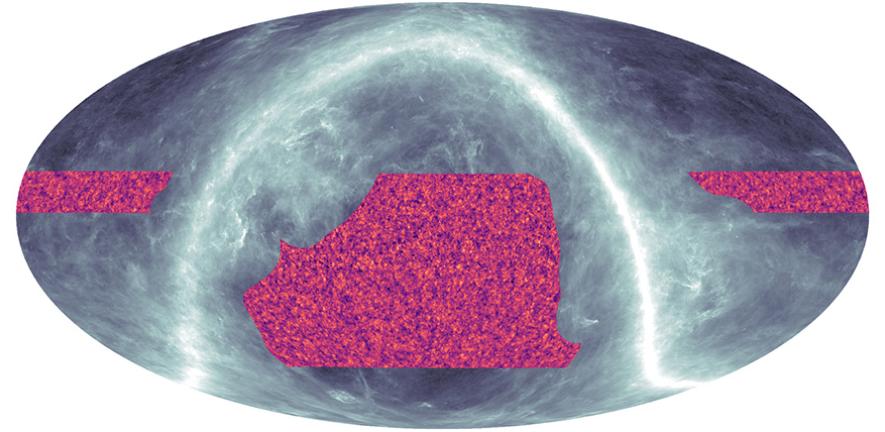
A new image reveals the most detailed map of dark matter distributed across a quarter of the entire sky, reaching deep into the cosmos.
We have mapped the invisible dark matter across the sky to the largest distances, and clearly see features of this invisible world that are hundreds of millions of light-years acrossBlake Sherwin
The findings, from the Atacama Cosmology Telescope collaboration involving researchers from the University of Cambridge, provide further support to Einstein’s theory of general relativity, which has been the foundation of the standard model of cosmology for more than a century. The results offer new methods to demystify dark matter, the unseen mass thought to account for 85% of the matter in the universe.
For millennia, humans have been fascinated by the mysteries of the cosmos. From ancient civilisations such as the Babylonians, Greeks, and Egyptians to modern-day astronomers, the allure of the starry sky has inspired countless quests to unravel the secrets of the universe.
And although models that explain the cosmos have existed for centuries, the field of cosmology, where scientists use quantitative methods to understand the evolution and structure of the universe, is relatively new—having only formed in the early 20th century with the development of Albert Einstein’s theory of general relativity.
Now, a set of papers submitted to The Astrophysical Journal by researchers from the Atacama Cosmology Telescope (ACT) collaboration has produced a new image that reveals the most detailed map of matter distributed across a quarter of the entire sky, reaching deep into the cosmos. It confirms Einstein’s theory about how massive structures grow and bend light, with a test that spans the entire age of the universe.
“We have mapped the invisible dark matter across the sky to the largest distances, and clearly see features of this invisible world that are hundreds of millions of light-years across,” said co-author Professor Blake Sherwin from Cambridge’s Department of Applied Mathematics and Theoretical Physics, where he leads a group of ACT researchers. “It looks just as our theories predict.”
Although dark matter makes up a large chunk of the universe and shaped its evolution, it has remained hard to detect because it doesn’t interact with light or other forms of electromagnetic radiation. As far as we know, dark matter only interacts with gravity.
To track it down, the more than 160 collaborators who have built and gathered data from the National Science Foundation’s Atacama Cosmology Telescope in the high Chilean Andes observe light emanating following the dawn of the universe’s formation, the Big Bang—when the universe was only 380,000 years old. Cosmologists often refer to this diffuse light that fills our entire universe as the “baby picture of the universe,” but formally, it is known as the cosmic microwave background radiation (CMB).
The team tracks how the gravitational pull of large, heavy structures including dark matter warps the CMB on its 14-billion year journey to us, like how a magnifying glass bends light as it passes through its lens.
“We’ve made a new mass map using distortions of light left over from the Big Bang,” said Mathew Madhavacheril from the University of Pennsylvania, lead author of one of the papers. “Remarkably, it provides measurements that show that both the ‘lumpiness’ of the universe, and the rate at which it is growing after 14 billion years of evolution, are just what you’d expect from our standard model of cosmology based on Einstein’s theory of gravity.”
“Our results also provide new insights into an ongoing debate some have called ‘The Crisis in Cosmology’,” said Sherwin. This crisis stems from recent measurements that use a different background light, one emitted from stars in galaxies rather than the CMB. These have produced results that suggest the dark matter was not lumpy enough under the standard model of cosmology and led to concerns that the model may be broken. However, the team’s latest results from ACT were able to precisely assess that the vast lumps seen in this image are the exact right size.
“When I first saw them, our measurements were in such good agreement with the underlying theory that it took me a moment to process the results,” said Cambridge PhD candidate Frank Qu, lead author of one of the new papers. “But we still don’t know what the dark matter is, so it will be interesting to see how this possible discrepancy between different measurements will be resolved.”
“The CMB lensing data rivals more conventional surveys of the visible light from galaxies in their ability to trace the sum of what is out there,” said Suzanne Staggs from Princeton University, Director of ACT. “Together, the CMB lensing and the best optical surveys are clarifying the evolution of all the mass in the universe.”
“When we proposed this experiment in 2003, this measurement wasn’t even on our agenda; we had no idea the full extent of information that could be extracted from our telescope,” said Mark Devlin, from the University of Pennsylvania, Deputy Director of ACT. “We owe this to the cleverness of the theorists, the many people who built new instruments to make our telescope more sensitive, and the new analysis techniques our team came up with.”
With ACT having been decommissioned in late 2022, further papers highlighting some of the other final results are slated for submission in the coming year. Observations will continue at the site with the Simons Observatory, including a new telescope due to begin in 2024 that can map the sky almost ten times faster.
The pre-print articles highlighted in this release are available on act.princeton.edu and will appear on the open-access arXiv.org. They have been submitted to The Astrophysical Journal.
This work was supported by the U.S. National Science Foundation, Princeton University, the University of Pennsylvania, and a Canada Foundation for Innovation award. Team members at the University of Cambridge were supported by the European Research Council.
Landmark study finds no difference in psychological wellbeing or quality of family relationships between children born by assisted reproduction (egg or sperm donation or surrogacy) and those born naturally at age 20. However, findings suggest that telling children about their biological origins early – before they start school – can be advantageous for family relationships and healthy adjustment.
Having children in different or new ways doesn’t actually interfere with how families function. Really wanting children seems to trump everything – that’s what really matters.Professor Susan Golombok
The study, by University of Cambridge researchers, is the first to examine the long-term effects of different types of third-party assisted reproduction on parenting and child adjustment, as well as the first to investigate prospectively the effect of the age at which children were told that they were conceived by egg donation, sperm donation or surrogacy.
The results, published today in Developmental Psychology, suggest that the absence of a biological connection between children and parents in assisted reproduction families does not interfere with the development of positive relationships between them or psychological adjustment in adulthood. These findings are consistent with previous assessments at age one, two, three, seven, ten and 14.
The findings overturn previous widely held assumptions that children born by third-party assisted reproduction are at a disadvantage when it comes to wellbeing and family relationships because they lack a biological connection to their parents.
“Despite people’s concerns, families with children born through third-party assisted reproduction – whether that be an egg donor, sperm donor or a surrogate – are doing well right up to adulthood,” said Susan Golombok, Professor Emerita of Family Research and former Director of the Centre for Family Research, University of Cambridge, who led the study.
However, they found that mothers who began to tell their children about their biological origins in their preschool years had more positive relationships with them as assessed by interview at age 20, and the mothers showed lower levels of anxiety and depression. Most of the parents who had disclosed did so by age four and found that the child took the news well. This suggests that being open with children about their origins when they are young is advantageous.
In addition, in the final stage of this 20-year study, mothers who had disclosed their child’s origins by seven years old obtained slightly more positive scores on questionnaire measures of quality of family relationships, parental acceptance (mother’s feelings towards young adult), and family communication. For example, only 7% of mothers who had disclosed by age 7 reported problems in family relationships, compared with 22% of those who disclosed after age 7.
The young adults who had been told about their origins before seven obtained slightly more positive scores on questionnaire measures of parental acceptance (young adult’s perception of mother’s feelings towards them), communication (the extent to which they feel listened to, know what’s happening in their family and receive honest answers to questions), and psychological wellbeing. They were also less likely to report problems on the family relationships questionnaire; whereas 50% of young adults told after age 7 reported such problems, this was true of only 12.5% of those told before age 7.
“There does seem to be a positive effect of being open with children when they’re young – before they go to school – about their conception. It’s something that’s been shown by studies of adoptive families too,” said Golmobok.
Researchers from the University of Cambridge followed 65 UK families with children born by assisted reproduction – 22 by surrogacy, 17 by egg donation and 26 by sperm donation – from infancy through to early adulthood (20 years old). They compared these families with 52 UK unassisted conception families over the same period.
“The assisted reproduction families were functioning well, but where we did see differences, these were slightly more positive for families who had disclosed,” said Golombok.
Another young adult born through sperm donation said, “My dad’s my dad, my mum’s my mum, I’ve never really thought about how anything’s different so, it’s hard to put, I don’t really care.”
Some young adults actively embraced the method of their conception as it made them feel special, “I think it was amazing, I think the whole thing is absolutely incredible. Erm…I don’t have anything negative to say about it at all.”
Researchers found that egg donation mothers reported less positive family relationships than sperm donation mothers. They suggest that this could be due to some mothers’ insecurities about the absence of a genetic connection to their child. This was not reflected in the young adults’ perceptions of the quality of family relationships.
The team also found that young adults conceived by sperm donation reported poorer family communication than those conceived by egg donation. This could be explained by the greater secrecy around sperm donation than egg donation, sometimes driven by greater reluctance of fathers than mothers to disclose to their child that they are not their genetic parent, and a greater reluctance to talk about it once they have disclosed.
In fact, researchers found that only 42% of sperm donor parents disclosed by age 20, compared to 88% of egg donation parents and 100% of surrogate parents.
“Today there are so many more families created by assisted reproduction that it just seems quite ordinary,” said Golombok. “But twenty years ago, when we started this study, attitudes were very different. It was thought that having a genetic link was very important and without one, relationships wouldn’t work well.
“What this research means is that having children in different or new ways doesn’t actually interfere with how families function. Really wanting children seems to trump everything – that’s what really matters.”
This research was funded by a Wellcome Trust Collaborative Award.
Golombok, S., Jones, C., Hall, P., Foley, S., Imrie, S., & Jadva, V. A longitudinal study of families formed through third-party assisted reproduction: Mother-child relationships and child adjustment from infancy to adulthood. Developmental Psychology DOI: 10.1037/dev0001526
The Centre for Family Research is collaborating with the Fitzwilliam Museum on a new exhibition, Real Families: Stories of Change (October – 7 January 2024), curated by Professor Golombok. The exhibition will explore the intricacies of families and family relationships through the eyes of artists including Paula Rego, Chantal Joffe, JJ Levine, Lucian Freud and Tracey Emin.
A Cambridge team has been announced as one of the winners of a prize to drive ‘innovation in privacy-enhancing technologies that reinforce democratic values’ for its work on tackling international money laundering.
Most of the world’s data is inaccessible for machine learning – however, these new methods are making such data available in a safe manner. This will be a game changer for many high impact domainsNic Lane
The announcement came at the second UK-US Summit for Democracy on 30 March 2023. The prize challenges innovators on both sides of the Atlantic to build solutions that enable collaborative development of artificial intelligence (AI) models, while keeping sensitive information private.
Driven by a shared priority to employ data to help solve critical global challenges in a manner that supports US and UK commitments to democratic values and the fundamental right to privacy, the challenges focused on developing PETs solutions for two scenarios: forecasting pandemic infection and detecting financial crime.
A team led by Professor Nic Lane from the Department of Computer Science and Technology at the University of Cambridge was named joint winner in the financial crime category. Their challenge was to develop a privacy-preserving solution to help tackle the challenge of international money laundering.
Xinchi Qiu, a PhD student in Professor Lane’s lab, said: “We developed an end-to-end privacy-preserving federated learning solution to detect potentially anomalous payments, leveraging a combination of inputs from a number of financial institution and different banks. Our project aims to develop a method that can utilise all the inputs from different institutions while protecting the original data.”
Professor Lane said: “Right now, machine learning with federated and other privacy preserving methods are niche. But in the near future they will be the norm. Most of the world’s data is inaccessible for machine learning – however these new methods are making such data available in safe manner. This will be a game changer for many high impact domains that are currently starved of sufficient data, such as health, finance and legal. Our solution shows how this can be done effectively for money laundering, but our methods can migrate to these other domains.”
Experts from academic institutions, global technology companies, and privacy start-ups competed for cash prizes from a combined UK-US prize pool of $1.6 million (£1.3 million). The winning solutions combined different PETs to allow the AI models to learn to make better predictions without exposing any sensitive data. This focus on combining privacy approaches encouraged the development of innovative solutions that address practical data privacy concerns in real world scenarios.
In the final phase of the challenges, the privacy guarantees of the solutions were put to the test by ‘red teams’, who attempted to reveal the original data used for training the models. The resilience of the solutions to these attacks determined the final winners.
Michelle Donelan, Secretary of State for the UK Department for Science, Innovation and Technology, said: “Never before has our privacy been so important and we must protect our democratic values by safeguarding the right to privacy. That is why the UK and its allies are collaborating to create innovative technologies that enable public institutions to combat financial crime and promote public health without compromising the confidentiality of the sensitive data they manage.”
UK participants also received support from the UK Information Commissioner’s Office to help them consider how their solutions could demonstrate compliance with key UK data protection regulation principles.
John Edwards, UK Information Commissioner, said: “Privacy enhancing technologies can help analyse data responsibly, lawfully and securely and it will be important for regulators and industry to continue to work together to support responsible innovation in these technologies.”
Arati Prabhakar, Assistant to the President for Science and Technology and Director of the White House Office of Science and Technology Policy, added: “Data has the power to drive solutions to some of our biggest shared challenges, but much of that data is sensitive and needs to be protected.”
The funding will enable these researchers to explore their most innovative and ambitious ideas.
It is fantastic to see the highly innovative work of our researchers being recognised in international competition in this way.Anne Ferguson-Smith
The European Research Council (ERC) has announced the award of 218 Advanced Grants to outstanding research leaders across Europe, as part of the Horizon Europe programme.
The grants, totalling €544 million, support cutting-edge research in a wide range of fields from medicine and physics to social sciences and humanities.
The ERC is the premier European funding organisation for excellent frontier research. The ERC Advanced Grant funding is amongst the most prestigious and competitive EU funding schemes, providing researchers with the opportunity to pursue ambitious, curiosity-driven projects that could lead to major scientific breakthroughs. Grants are awarded to established, leading researchers with a proven track record of significant research achievements over the past decade.
The University of Cambridge’s grant awardees are:
Anna Korhonen, Professor of Natural Language Processing in the Faculty of Modern and Medieval Languages and Linguistics, for her project Towards Globally Equitable Language Technologies.
Richard Nickl, Professor of Mathematical Statistics in the Department of Pure Mathematics and Mathematical Statistics, for his project Statistical aspects of non-linear inverse problems.
Peter Sewell, Professor of Computer Science at the Computer Laboratory, for his project Secure Foundations: Verified Systems Software Above Full-Scale Integrated Semantics.
Sujit Sivasundaram, Professor of World History at the Faculty of History, for his project Colombo: Layered Histories in the Global South City.
‘Many many congratulations to Anna, Richard, Peter and Sujit on their success. It is fantastic to see the highly innovative work of our researchers being recognised in international competition in this way. We are once again reminded of the commitment of the ERC to cutting edge research across all disciplines and we continue to urge government to swiftly secure association to Horizon Europe,’ said Professor Anne Ferguson-Smith, Pro-Vice Chancellor for Research at the University of Cambridge.
“This funding puts our 218 research leaders, together with their teams of postdoctoral fellows, PhD students and research staff, in pole position to push back the boundaries of our knowledge, break new ground and build foundations for future growth and prosperity in Europe,” said Mariya Gabriel, European Commissioner for Innovation, Research, Culture, Education and Youth.
“These new ERC Advanced Grantees are a testament to the outstanding quality of research carried out across Europe. I am especially pleased to see such a high number of female researchers in this competition and that they are increasingly successful in securing funding. We look forward to seeing the results of the new projects in the years to come, with many likely to lead to breakthroughs and new advances,” said Maria Leptin, ERC President.
The laureates of this grant competition will carry out their projects at universities and research centres in 20 countries in Europe, with the highest number of projects in Germany (37), the UK (35), France (32) and Spain (16). The winners come from all over the world, with 27 nationalities represented, notably Germans (36 researchers), French (32), Italians (21), British (19).
This call for proposals attracted nearly 1,650 applications, which were reviewed by panels of renowned researchers. The overall success rate was 13.2%. Female researchers account for 23% of all applications, their highest participation rate in Advanced Grant calls up to now.
In addition to strengthening Europe’s knowledge base, the grants are expected to create more than 2,000 jobs for postdoctoral fellows, PhD students, and other staff at the host institutions. Past recipients have included Nobel laureates and other leading scientists who have gone on to make major contributions to their respective fields..
Parents who frequently exercise harsh discipline with young children are putting them at significantly greater risk of developing lasting mental health problems, new evidence shows.
Avoiding a hostile emotional climate at home won’t necessarily prevent poor mental health outcomes from occurring, but it will probably helpIoannis Katsantonis
In a study of over 7,500 Irish children, researchers at the University of Cambridge and University College Dublin found that children exposed to ‘hostile’ parenting at age three were 1.5 times likelier than their peers to have mental health symptoms which qualified as ‘high risk’ by age nine.
Hostile parenting involves frequent harsh treatment and discipline and can be physical or psychological. It may, for example, involve shouting at children regularly, routine physical punishment, isolating children when they misbehave, damaging their self-esteem, or punishing children depending on the parent’s mood.
The researchers charted children’s mental health symptoms at ages three, five and nine. They studied both internalising mental health symptoms (such as anxiety and social withdrawal) and externalising symptoms (such as impulsive and aggressive behaviour, and hyperactivity).
About 10% of the children were found to be in a high-risk band for poor mental health. Children who experienced hostile parenting were much more likely to fall into this group.
Importantly, the study makes clear that parenting style does not completely determine mental health outcomes. Children’s mental health is shaped by multiple risk factors, including gender, physical health, and socio-economic status.
The researchers do argue, however, that mental health professionals, teachers and other practitioners should be alert to the potential influence of parenting on a child who shows signs of having poor mental health. They add that extra support for the parents of children who are already considered to be at risk could help to prevent these problems from developing.
The study was undertaken by Ioannis Katsantonis, a doctoral researcher at the Faculty of Education, University of Cambridge, and Jennifer Symonds, Associate Professor in the School of Education, University College Dublin. It is reported in the journal, Epidemiology and Psychiatric Sciences.
“The fact that one in 10 children were in the high-risk category for mental health problems is a concern and we ought to be aware of the part parenting may play in that,” Katsantonis said. “We are not for a moment suggesting that parents should not set firm boundaries for their children’s behaviour, but it is difficult to justify frequent harsh discipline, given the implications for mental health.”
Symonds said: “Our findings underline the importance of doing everything possible to ensure that parents are supported to give their children a warm and positive upbringing, especially if wider circumstances put those children at risk of poor mental health outcomes. Avoiding a hostile emotional climate at home won’t necessarily prevent poor mental health outcomes from occurring, but it will probably help.”
While parenting is widely acknowledged as a factor influencing children’s mental health, most studies have not investigated how it affects their mental health over time, or how it relates to both internalising and externalising symptoms together.
The researchers used data from 7,507 participants in the ‘Growing up in Ireland’ longitudinal study of children and young people. Mental health data was captured using a standard assessment tool called the Strengths and Difficulties Questionnaire. Each child was given a composite score out of 10 for their externalising and internalising symptoms at ages three, five and nine.
A second standard assessment was used to measure the parenting style children experienced at age three. Parents were profiled based on how far they inclined towards each of three styles: warm parenting (supportive and attentive to their child’s needs); consistent (setting clear expectations and rules); and hostile.
The researchers found that, based on the trajectories along which their mental health symptoms developed between ages three and nine, the children fell into three broad categories. Most (83.5%) were low risk, with low internalising and externalising symptom scores at age three which then fell or remained stable. A few (6.43%) were mild risk, with high initial scores that decreased over time, but remained higher than the first group. The remaining 10.07% were high risk, with high initial scores that increased by age nine.
Hostile parenting raised a child’s chances of being in the high-risk category by 1.5 times, and the mild-risk category by 1.6 times, by age nine. Consistent parenting was found to have a limited protective role, but only against children falling into the ‘mild-risk’ category. To the researchers’ surprise, however, warm parenting did not increase the likelihood of children being in the low-risk group, possibly due to the influence of other factors on mental health outcomes.
Previous research has highlighted the importance of these other factors, many of which the new study also confirmed. Girls, for example, were more likely to be in the high-risk category than boys; children with single parents were 1.4 times more likely to be high-risk, and those from wealthier backgrounds were less likely to exhibit worrying mental health symptoms by middle childhood.
Katsantonis said that the findings underscored the importance of early intervention and support for children who are at risk of mental health difficulties, and that this should involve tailored support, guidance and training for new parents.
“Appropriate support could be something as simple as giving new parents clear, up-to-date information about how best to manage young children’s behaviour in different situations,” he said. “There is clearly a danger that parenting style can exacerbate mental health risks. This is something we can easily take steps to address.”
Increasing the proportion of non-alcoholic drinks on sale in online supermarkets could reduce the amount of alcohol people purchase, suggests a study published today led by researchers at the University of Cambridge.
We all know that drinking too much alcohol is bad for us, but we’re often unaware of how much we are influenced by the environment around usTheresa Marteau
The team used a simulated supermarket that presented shoppers with varying proportions of alcoholic and non-alcoholic drinks and asked them to select drinks to purchase for their next online shop. They found that shoppers who were exposed to more non-alcoholic drinks selected and purchased fewer units of alcohol. The findings are published in PLOS Medicine.
Excessive alcohol consumption is a major risk factor for a number of diseases, including cancer, heart disease and stroke. Encouraging people to change their behaviour could therefore have significant health benefits at both an individual and population level.
There is increasing evidence that people can be ‘nudged’ towards reducing their alcohol consumption by making small adjustments to their environment. For example, scientists at Cambridge’s Behaviour and Health Research Unit have previously shown that serving wine in smaller glasses – even while keeping the amount of wine in the glasses the same – led to people consuming less alcohol.
A recent analysis found that reducing the proportion of unhealthy snacks available can reduce how much of these food products people consume, though the evidence included was limited in both quality and quantity. The Cambridge team wanted to see if a similar approach might work to nudge people towards consuming fewer alcoholic drinks.
The researchers recruited 737 adults living in England and Wales, all of whom regularly purchased alcohol online, to take part in the study. Of these, just over 600 completed the study and were included in the final analysis – 60% were female and the average (mean) age was 38.
Participants selected drinks from 64 options in a simulated online supermarket designed to look and function like a real online supermarket. Options included a range of beers, ciders, alcohol-free beer and cider alternatives, and soft drinks.
Participants were randomly assigned to one of three groups, each of which was presented with a different proportion of alcoholic and non-alcoholic drinks. 25% of the drinks seen by Group 1 were non-alcoholic. For Group 2, this increased to 50%, and for Group 3 the proportion of non-alcoholic drinks seen rose to 75%.
Those exposed to the highest proportion of non-alcoholic drinks (Group 3) selected fewer alcohol units, 17.5 units, compared to 29.4 units in those exposed to the lowest proportion of non-alcoholic drinks (Group 1) – equivalent to a reduction of about 41%.
Participants were then asked to actually purchase the same drinks in an online supermarket, Tesco, the largest national supermarket in the UK. Around two-thirds of participants completed this second stage, with 422 participants going on to purchase drinks. The researchers point out that ‘cart abandonment’ – where people do not purchase items they put in their shopping cart – is common in online shopping contexts.
The researchers found that amongst participants exposed to the highest proportion of non-alcoholic drinks, 52% of the drinks purchased were alcoholic, compared to 70% of drinks that were purchased by those exposed to the lowest proportion of non-alcoholic drinks.
Lead author Dr Natasha Clarke said: “We created our simulated supermarket to be as close as possible to an actual online supermarket and found that increasing the proportion of non-alcoholic drinks that shoppers were exposed to made a meaningful difference to their alcohol selection. Though we’d need to confirm these findings using only a real online supermarket, they are very promising.”
While the current market for alcohol-free beer, wine and spirits represents only a small share of the global alcohol industry, it is rapidly growing. For example, low and no-alcohol beer currently accounts for 3% of the total beer market, but this is forecast to increase by nearly 13% per year over the next 3 years and is the fastest growing drinks segment in the UK.
Senior author Dr Gareth Hollands said: “Supermarkets typically stock a wider range of alcoholic drinks than non-alcoholic alternatives aimed at adults, but this is slowly changing. Our results suggest that if non-alcoholic options were to become the majority instead, we might expect to see substantial reductions in alcohol purchasing.”
Importantly, the overall number of drinks that participants selected and purchased remained similar between groups, suggesting that effects were a result of shifting people’s choices. This implies overall drink sales and potentially revenues may be relatively unchanged, dependent on the pricing of non-alcoholic drinks.
Professor Dame Theresa Marteau, Director of the Behaviour and Health Research Unit and a Bye-Fellow at Christ’s College, said: “We all know that drinking too much alcohol is bad for us, but we’re often unaware of how much we are influenced by the environment around us. Making changes to this environment – from exposing people to a greater proportion of healthier options through to changing the sizes of the utensils we eat and drink from – can help us cut down on potentially unhealthy habits. Even relatively small changes can make a difference both to individuals and at a population level.”
Although some of the non-alcoholic drink options in the current study contained no sugar and were generally lower in calories than the alcoholic options – an average of 64 calories per non-alcoholic drink versus 233 calories per alcoholic drink – many soft drinks and alcohol-free alternatives still contain large amounts of sugar and calories. The researchers argue that, given the health risks associated with sugary drink consumption, continued regulation and policies to reduce sugar content and consumption from both alcoholic and non-alcoholic drinks is needed to mitigate these risks.
The research was funded by Wellcome and carried out at the Behaviour and Health Research Unit, University of Cambridge. Dr Clarke is now a Lecturer in Psychology at Bath Spa University. Dr Hollands is a Principal Research Fellow at UCL.
Researchers have mapped the complete trajectory of placental development, helping shed new light on why pregnancy disorders happen.
This can help us improve laboratory models to continue investigating pregnancy disorders, which cause illness and death worldwide.Anna Arutyunyan
Researchers from the University of Cambridge, the Wellcome Sanger Institute, the Friedrich Miescher Institute for Biomedical Research (FMI), Switzerland, EMBL’s European Bioinformatics Institute (EMBL-EBI), and collaborators, have created an in-depth picture of how the placenta develops and communicates with the uterus.
The study, published today in the journal Nature, is part of the Human Cell Atlas initiative to map every cell type in the human body. It informs and enables the development of experimental models of the human placenta.
“For the first time, we have been able to draw the full picture of how the placenta develops and describe in detail the cells involved in each of the crucial steps. This new level of insight can help us improve laboratory models to continue investigating pregnancy disorders, which cause illness and death worldwide,” said Anna Arutyunyan, co-first author at the University of Cambridge and Wellcome Sanger Institute.
The placenta is a temporary organ built by the foetus that facilitates vital functions such as foetal nutrition, oxygen and gas exchange, and protects against infections.The formation and embedding of the placenta into the uterus, known as placentation, is crucial for a successful pregnancy.
Understanding normal and disordered placentation at a molecular level can help answer questions about poorly understood disorders including miscarriage, stillbirth, and pre-eclampsia. In the UK, mild pre-eclampsia affects up to six per cent of pregnancies. Severe cases are rarer, developing in about one to two per cent of pregnancies.
Many of the processes in pregnancy are not fully understood, despite pregnancy disorders causing illness and death worldwide. This is partly due to the process of placentation being difficult to study in humans, and while animal studies are useful, they have limitations due to physiological differences.
During its development, the placenta forms tree-like structures that attach to the uterus, and the outer layer of cells, called trophoblast, migrate through the uterine wall, transforming the maternal blood vessels to establish a supply line for oxygen and nutrients.
In the new study, scientists built on previous work investigating the early stages of pregnancy, to capture the process of placental development in unprecedented detail. Cutting-edge genomic techniques allowed them to see all of the cell types involved and how trophoblast cells communicate with the maternal uterine environment around them.
The team uncovered the full trajectory of trophoblast development, suggesting what could go wrong in disease and describing the involvement of multiple populations of cells, such as maternal immune and vascular cells.
“This research is unique as it was possible to use rare historical samples that encompassed all the stages of placentation occurring deep inside the uterus. We are glad to have created this open-access cell atlas to ensure that the scientific community can use our research to inform future studies,” said Professor Ashley Moffett, co-senior author at the University of Cambridge’s Department of Pathology.
They also compared these results to placental trophoblast organoids, sometimes called ‘mini-placentas’, that are grown in the lab. They found that most of the cells identified in the tissue samples can be seen in these organoid models. Some later populations of trophoblast are not seen and are likely to form in the uterus only after receiving signals from maternal cells.
The team focussed on the role of one understudied population of maternal immune cells known as macrophages. They also discovered that other maternal uterine cells release communication signals that regulate placental growth.
The insights from this research can start to piece together the unknowns about this stage of pregnancy. The new understanding will help in the development of effective lab models to study placental development and facilitate new ways to diagnose, prevent, and treat pregnancy disorders.
This research was funded by Wellcome, The Royal Society, and the European Research Council.
The Brain Prize 2023 is awarded for critical insights into the molecular mechanisms of brain development and plasticity.
Receiving the Brain Prize is an honour beyond my wildest dreams…It’s an incredible recognition of the work that we have been doing over the last forty years.Christine Holt
The Lundbeck Foundation has announced today the recipients of The Brain Prize 2023, the world’s largest award for outstanding contributions to neuroscience.
Professor Christine Holt shares the award with two other neuroscientists, Professor Erin Schuman at the Max Planck Institute for Brain Research, and Professor Michael Greenberg at Harvard Medical School.
A profound aspect of our nervous system is that during development and adulthood our brains are subject to extensive change, known as neural plasticity. Collectively, the scientists have made significant advances in unveiling the cellular and molecular mechanisms that enable the brain to develop, and to restructure itself in response to external stimuli as it adapts, learns, and even recovers from injury.
“Receiving the Brain Prize is an honour beyond my wildest dreams, and I’m absolutely delighted. It’s an incredible recognition of the work that we have been doing over the last forty years,” said Christine Holt, Professor of Developmental Neuroscience in the Department of Physiology, Development and Neuroscience at the University of Cambridge.
The Brain Prize, which is considered the world’s most significant prize for brain research, includes approximately €1.3 million to be shared by the three recipients. The prize is awarded annually by the Danish Lundbeck Foundation to researchers who have made highly original and influential discoveries in brain research.
“Our work has revealed the surprisingly fast and precise mechanism by which brains ‘wire-up’ during development, and actively maintain their wiring throughout life,” said Holt.
She added: “This provides key insights into the causes of neurodevelopmental and neurodegenerative diseases. Fundamental knowledge of this sort is essential for developing clinical therapies in nerve repair.”
The brain is an extraordinarily complex organ made up of billions of individual cells – called neurons – that are wired together in very precise ways. This organisation underlies our ability to sense and interact with the outside world.
If the brain wiring connections fail to form, or form incorrectly, then serious neurological deficits may result – such as blindness. Similarly, if the connections fail to be maintained, as occurs in many neurodegenerative diseases – such as dementia – then important neurological function may be lost.
Holt’s work on the developing brain revealed that each neuron sends out a long ‘wire’ – called an axon – that navigates a remarkable journey to its own specific target in the brain. When an axon first grows out from a neuron it is tipped with a specialised growth cone, which finds its way using guidance cues – much like reading signposts along a road.
Holt found that an important aspect of this navigation system is the autonomy of growth cones in reading and responding to guidance cues. The growth cone contains all the machinery necessary to make the new proteins the axons need to steer along the right pathway. She also found that proteins are continuously made in our axons every day – an important process enabling the developing and adult brain to be shaped by experience.
Other laboratories around the world are now looking at how mutations in these proteins affect the growth and survival of axons. The hope is that new therapies can be developed for treating neurodevelopmental and neurodegenerative diseases.
“It is such a great honour to share the prize with Erin Schuman and Mike Greenberg. Their beautiful work has been an inspiration to me over the years. It’s been an exciting journey of discovery that may eventually lead to advances in therapies for neurodegenerative disease and neural repair. Thank you most sincerely to the Lundbeck Foundation,’’ said Holt.
‘‘In order to establish appropriate neural connections during development or to adapt to new challenges in adulthood through learning and memory, brain circuits must be remodeled, and the new patterns of connectivity maintained; processes that require the synthesis of new proteins for those connections,” said Professor Richard Morris, Chair of The Brain Prize Selection Committee.
He added: “The Brain Prize winners of 2023, Michael Greenberg, Christine Holt, and Erin Schuman have revealed the fundamental principles of how this enigmatic feature of brain function is mediated at the molecular level. Together, they have made ground-breaking discoveries by showing how the synthesis of new proteins is triggered in different neuronal compartments, thereby guiding brain development and plasticity in ways that impact our behavior for a lifetime.’’
The Brain Prize is the world’s largest neuroscience research prize, awarded each year by the Lundbeck Foundation. The Brain Prize recognises highly original and influential advances in any area of brain research, from basic neuroscience to applied clinical research. Recipients of The Brain Prize may be of any nationality and work in any country in the world. Since it was first awarded in 2011 The Brain Prize has been awarded to 44 scientists from 9 different countries.
Brain Prize recipients are presented with their award by His Royal Highness, The Crown Prince of Denmark, at a ceremony in the Danish capital, Copenhagen.
A new Cambridge report highlights key trends across UK industry, explores the country’s productivity and global industrial performance, and asks whether enough is being invested in R&D.
By curating these insights, the report provides an honest assessment of UK performance compared with key competitors.Dr Carlos López-Gómez, Cambridge Industrial Innovation Policy
The UK Innovation Report 2023, compiled by Cambridge Industrial Innovation Policy – based at the University’s Institute for Manufacturing – brings together innovation and value-added indicators in a single resource.
Among other analyses, the report looks at whether the UK is producing enough scientists and engineers, and how innovation translates into internationally competitive industries and well-paid jobs.
It also provides deep dives into the food and drinks, and aerospace sectors, offering insights into the structure and performance of these UK industries.
Last year’s edition reported a new Innovation Strategy, a new Office for Science and Technology Strategy and a new National Science and Technology Council. This year, the major institutional change has been the ministerial restructure in February 2023. A new Department for Science, Innovation and Technology (DSIT) was created with the mandate to ensure the UK is “the most innovative economy in the world” and a “science and technology superpower”.
Co-author Dr Carlos López-Gómez, from Cambridge Industrial Innovation Policy, said: “What the report does differently is to bring together multiple different sources of data on innovation – which are often only accessible to specialised audiences and challenging to navigate – in one centralised place.
“By curating these insights, the report provides an honest assessment of UK performance compared with key competitors. It’s designed to provide policymakers with the evidence needed to best promote innovation in industry.
“The report tries to bring attention to the interplay between these innovation inputs and the outcomes from an industrial perspective. This is because the value of our investment in science and technology can only be fully captured if it sustains a competitive and sustainable industry – one that provides well-paid jobs and helps address regional imbalances.”
Scientists in Cambridge and Berlin have used a form of gene therapy to increase levels of the so-called ‘cold shock protein’ in the brains of mice, protecting them against the potentially devastating impact of prion disease.
Essentially, the cold shock protein enables the brain to protect itself – in this case, against the damage nerve cells in the brain during prion diseaseGiovanna Mallucci
The discovery is a step towards harnessing the protective effects of cooling the brain to treat patients with acute brain injury and even to prevent dementias, such as Alzheimer’s.
When the body cools down significantly, it increases its levels of RBM3, a molecule known as the cold shock protein – a phenomenon first observed in hibernating animals. It is thought that during hibernation, the protein helps protect the brain from damage and allows it to continue to form new connections.
In 2015, Professor Giovanna Mallucci and colleagues showed in mice that RBM3 can protect the brain against damage associated with build-up of misfolded proteins, which can lead to various forms of dementia, such as Alzheimer’s and Parkinson’s disease, and from prion diseases such as Creutzfeldt-Jakob Disease (CJD).
Induced hypothermia is used to treat patients in intensive care units – including newborn babies and traumatic brain injury patients – with the patients placed into a coma and their brains cooled to protect against damage. But this comes with associated risks, such as blood clotting and pneumonia. Could the cold shock protein be harnessed to treat patients without having to cool the body, offering a safer treatment for acute brain injury or a way of protecting the brain against dementia?
In research published in EMBO Molecular Medicine, scientists at the UK Dementia Research Institute, University of Cambridge, and the Institute of Chemistry and Biochemistry, Freie Universität Berlin, studied whether a form of gene therapy known as antisense oligonucleotides (ASOs) could increase levels of the cold shock protein in the brains of mice – and hence protect them.
The team examined the gene that codes for production of the cold shock protein and found that it contains a key element which under normal conditions prevents its expression. Removing, or ‘dialling down’ this element using an ASO, results in a long-lasting boost to production of RBM3.
To test whether this approach could protect the brain, the researchers used mice infected with prions. Some of these mice were injected with a single dose of the ASO three weeks later, while the others were given a control treatment.
Twelve weeks after being administered the prions, those mice that had received the control treatment succumbed to prion disease and showed extensive loss of neurons in the hippocampus, an area of the brain important for memory.
The story was very different for the mice that had received the ASO. At the same time as the other mice were succumbing to prion disease, the ASO-treated mice had levels of RBM3 twice as high as in the other mice. Seven of the eight ASO-treated mice showed extensive preservation of neurons in the hippocampus.
Professor Giovanna Mallucci, who led the work while at the UK Dementia Research Institute at the University of Cambridge, said: “Essentially, the cold shock protein enables the brain to protect itself – in this case, against the damage to nerve cells in the brain during prion disease. Remarkably, we showed that just a single injection with the ASO was sufficient to provide long-lasting protection for these mice, preventing the inevitable progression of neurodegeneration.”
Professor Florian Heyd from Freie Universität Berlin added: “This approach offers the prospect of being able to protect against diseases such as Alzheimer’s and Parkinson’s disease, for which we have no reliable preventative treatments.
“We are still a long way off this stage as our work was in mice, but if we can safely use ASOs to boost production of the cold shock protein in humans, it might be possible to prevent dementia. We are already seeing ASOs being used to successfully treat spinal muscular atrophy and they have recently been licenced to treat motor neurone disease.”
If the findings can be replicated in humans, this approach could have major implications for the treatment of patients beyond neurodegeneration. These include acute brain injury from newborn babies with hypoxia through protecting the brain in heart surgery, stroke and head injury in adults who would otherwise be treated by therapeutic hypothermia.
Professor Mallucci is now based at the Alto Labs, Cambridge Institute of Science.
The research was supported by core funding from the Freie Universität Berlin and by the UK Dementia Research Institute, which in turn is funded by the Medical Research Council, Alzheimer’s Society and Alzheimer’s Research UK.