All posts by Admin

Finding new ways to diagnose childhood brain tumours

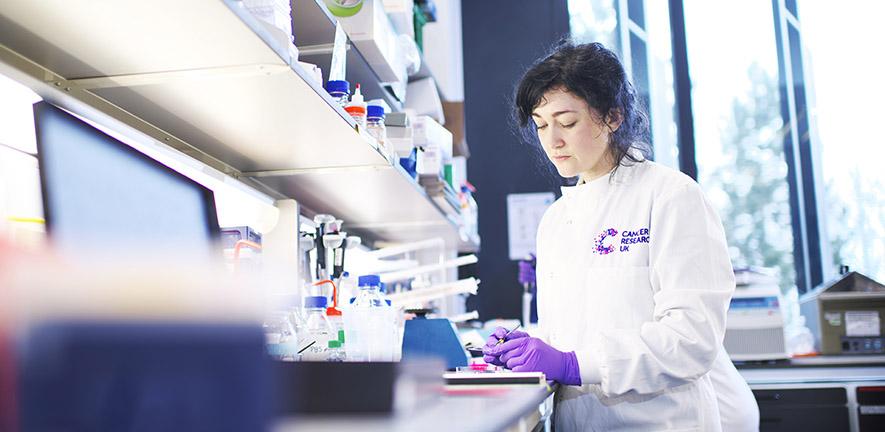
Dr Jessica Taylor working in the lab

source: www.cam.ac.uk

Cambridge researchers are using new techniques to distinguish different types of medulloblastoma, a type of brain tumour in children.

With one in four children with this tumour type suffering long-term memory loss and speech issues after surgery, it is important that we work towards improving diagnostic methods which avoid surgeryJessica Taylor

Funded by The Brain Tumour Charity, this research aims to develop new ways to diagnose medulloblastoma using minimally invasive methods, protecting the quality of life of children with this diagnosis.

Medulloblastoma is the most common cancerous childhood brain tumours, accounting for 15-20% of all childhood brain tumour diagnoses. Around 52 children are diagnosed with a medulloblastoma each year in the UK. These tumours are fast growing and develop at the back of the brain in the cerebellum.

Dr Jessica Taylor, a postdoctoral researcher at the University of Cambridge working in Professor Richard Gilbertson’s lab at the Cancer Research UK Cambridge Institute, will focus on one of the four subtypes of medulloblastoma – wingless (WNT) medulloblastoma. WNT-medulloblastoma is typically difficult to operate on, but is highly curable with chemotherapy and radiation.

The research will use antibodies that have been designed to bind to the WNT-medulloblastoma cells. Once bound to the cells, they will be visible on a PET scan and can be used to diagnose this subtype of medulloblastoma. This method avoids the use of invasive surgery and so will protect children from the potential long-term, damaging effects of surgery such as memory problems and speech issues.

Dr Taylor, the recipient of a Future Leaders Award from The Brain Tumour Charity, said: “With one in four children with this tumour type suffering long-term memory loss and speech issues after surgery, it is important that we work towards improving diagnostic methods which avoid surgery.

“I hope my research will change the way medulloblastoma is clinically diagnosed and that it will improve the treatment and quality of life for children diagnosed with this disease.”

The antibodies will be designed to bind to drugs that could treat WNT-medulloblastoma. This innovative approach would deliver treatments directly to the tumour, potentially replacing the need for more traditional chemotherapy. This could have several benefits including giving patients an additional treatment option and offering a more targeted therapy, potentially reducing the side effects from treatment.

Dr David Jenkinson, Chief Scientific Officer at The Brain Tumour Charity, said: “This innovative project exploits the features of WNT-medulloblastoma to create specific antibodies that will help diagnose and even treat this type of tumour, avoiding unnecessary surgery for the children diagnosed. Focusing research on non-invasive diagnostics and treatments helps to prevent long-term damage that can result from surgery.”

Adapted from a press release from The Brain Tumour Charity


Sophie Harper’s story

John Huggins’ granddaughter Sophie Harper was diagnosed with medulloblastoma in 2006. 

John said: “Until the age of nineteen months Sophie seemed to be a normally developing little girl, she walked at eleven months and her speech was well ahead of her age. From nineteen months she started to vomit regularly and when her mother took her to the doctors on day four, he diagnosed a virus. After ten days my daughter returned to the doctor, but again he said it was a virus. Sophie was taken to the doctor a number of times over the next two and a half months and there was no change with the doctor’s diagnosis. Sophie then started to lose her ability to walk, no longer was she the happy child she was, complaining of head pain, started falling over regularly and wanting to be carried around. It was only then the doctor agreed for Sophie to have a scan.”

Sophie’s scan took place at Norwich University Hospital and revealed a mass on her cerebellum.  She was transferred to Addenbrooke’s Hospital, Cambridge, for further tests and a medulloblastoma tumour was confirmed. 

John said:  “None of us had any knowledge of brain tumours and it became a huge learning curve.  At that point Mum and Dad had to decide whether to take the option of curative or palliative care. Sophie always had a big personality and was such a fighter with any illness, so Mum and Dad decided they had to give her the tools to fight with and take the curative option”.

The following week, Sophie underwent an operation to try and remove the tumour and the family waited anxiously in the garden of Addenbrooke’s Hospital for news. The operation was expected to last around three to four hours but Sophie was in surgery for seven and a half. 

John said: “Sophie didn’t regain consciousness for thirty two days, due to the insult to her brain. She spent three months in intensive care and was now needing an oxygen supplement and having to be fed through a gastrostomy tube. Both of these would stay for the next six years of her life.

“It also became clear that there were other side effects from the operation: her speech was significantly impacted and she was unable to hold our gaze and her movements were uncoordinated and clumsy. During the time of her treatment she received more than a hundred transfusions of blood products due to low blood cell counts, but none of us can remember a single day, when she didn’t make us laugh or brighten our day. She had an amazing ability to do that. 

“It is true to say, surgery had a dramatic effect on Sophie, she was no longer the child we knew before the operation.”

Just before Sophie’s eighth birthday, her family were devastated when a scan revealed another growth on her brain.  She was given three months to live, but survived almost a year and sadly died shortly before her ninth birthday in 2013.

After her death, Sophie’s family set up The Sophie Elin Harper Fund with The Brain Tumour Charity to raise funds and awareness of brain tumours. Their fundraising to date totals a remarkable £38,000. 

John said: “The side effects Sophie had following surgery, with the insult to her brain, were huge and totally life changing.

“Sophie lived a very cruel life, in and out of hospital. Even the shunt fitted in her brain had to be replaced on three occasions. She never regained the ability to walk, and was always fed through a gastrostomy tube, together with an oxygen supplement, but she never complained.

“The possibility of avoiding side effects and unnecessary surgery would be a real turning point in the treatment of medulloblastoma.”


The text in this work is licensed under a Creative Commons Attribution 4.0 International License. Images, including our videos, are Copyright ©University of Cambridge and licensors/contributors as identified.  All rights reserved. We make our image and video content available in a number of ways – as here, on our main website under its Terms and conditions, and on a range of channels including social media that permit your use and sharing of our content under their respective Terms.

Cambridge dominates a weekend of varsity sport

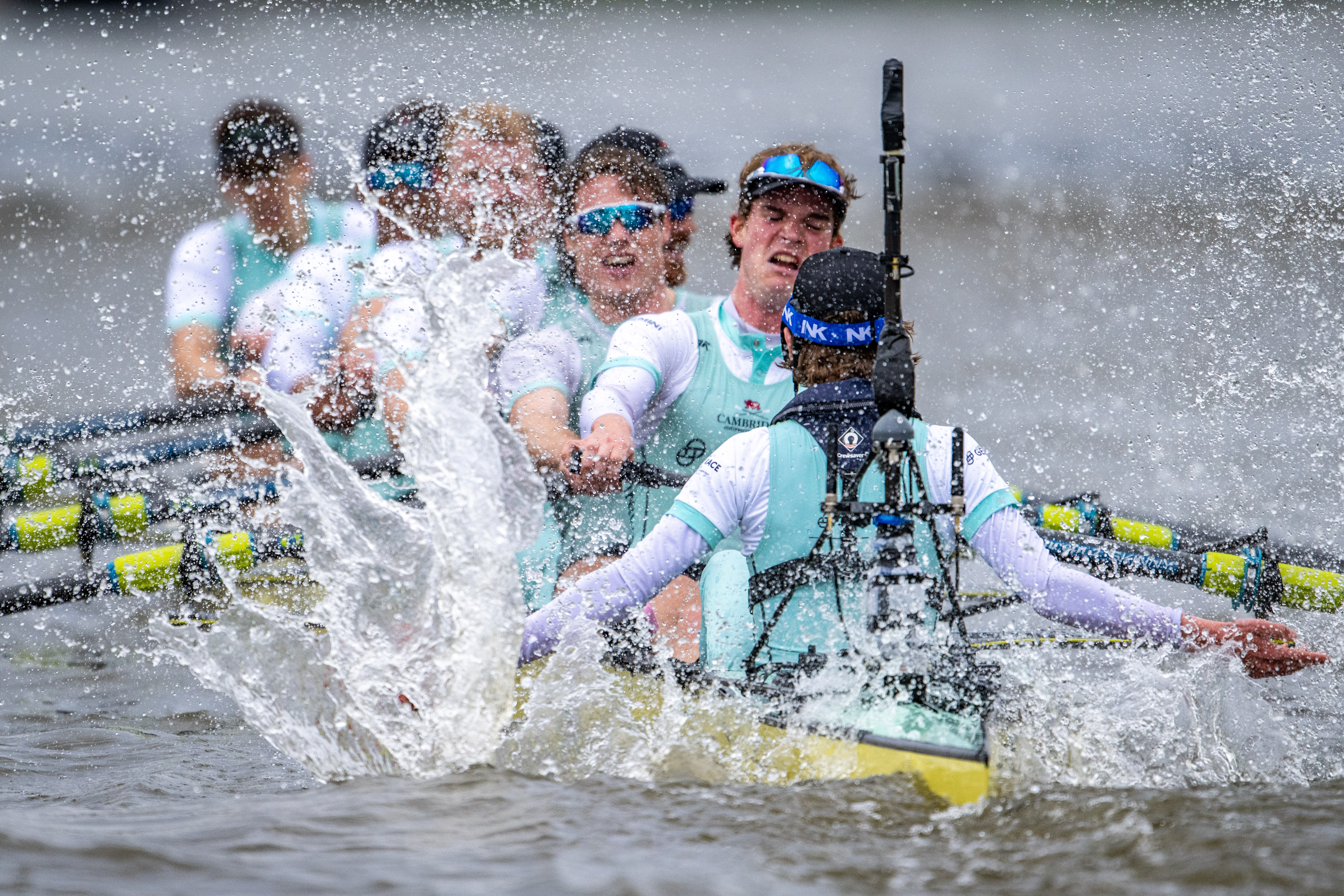
Cambridge University Men and Women's Boat Race Crews celebrate their wins

source: www.cam.ac.uk

Light Blue victories at both the Varsity Rugby Match and The Boat Race

It was an exceptional weekend of sport between Cambridge and Oxford University which saw Cambridge win five out of six sporting fixtures. The Light Blues won the 141st men’s Varsity Rugby Match on Saturday, followed by The Boat Race on Sunday where Cambridge won the 77th Women’s Race, the 168th Men’s Race and both Reserve races.

Cambridge University RUFC men’s team dug deep at Twickenham on Saturday 25th March to deny Oxford a hat-trick of victories. The Cambridge Light Blues, led by Jamie Benson, took the match 15-10 to extend the winning head-to-head record in the fixture to 65-62.

The following day, The Boat Race was dominated by Cambridge University who comprehensively won all four races along The Championship Course on the River Thames, London.

The Cambridge Women’s crew took victory by four-and-a-quarter lengths, making it a sixth straight win for the women’s team.

The men’s crew held off a late charge from Oxford to win by just over a length for their fourth victory in the past five races.

Cambridge lead the rivalry 47-30 in the women’s event, while Cambridge men have won 86 times to Oxford’s 81.

Cambridge University RUFC women’s were defeated in the Varsity Rugby Match for the first time since 2016 with a 31-12 loss against their Oxford counterparts at Twickenham. They had racked up wins in 2017, 2018 and 2019 before last year’s meeting between the rivals ended in a first ever draw, meaning Cambridge successfully defended the title.
 

The Boat Race: Cambridge Men (Credit: Benedict Tufnell / Row360)1 of 4


The text in this work is licensed under a Creative Commons Attribution-NonCommercial-ShareAlike 4.0 International License. Images, including our videos, are Copyright ©University of Cambridge and licensors/contributors as identified.  All rights reserved. We make our image and video content available in a number of ways – as here, on our main website under its Terms and conditions, and on a range of channels including social media that permit your use and sharing of our content under their respective Terms.
Giant underwater waves affect the ocean’s ability to store carbon

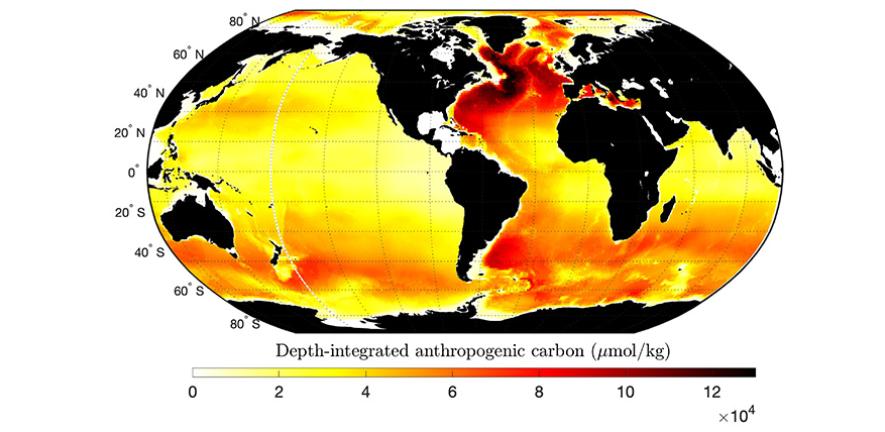
Map of depth-integrated anthropogenic carbon
Credit: Laura Cimoli/GLODAP

Underwater waves deep below the ocean’s surface – some as tall as 500 metres – play an important role in how the ocean stores heat and carbon, according to new research.

Turbulence plays a key role in how much carbon and heat gets absorbed by the ocean, and where it gets storedLaura Cimoli

An international team of researchers, led by the University of Cambridge, the University of Oxford, and the University of California San Diego, quantified the effect of these waves and other forms of underwater turbulence in the Atlantic Ocean and found that their importance is not being accurately reflected in the climate models that inform government policy.

Most of the heat and carbon emitted by human activity is absorbed by the ocean, but how much it can absorb is dependent on turbulence in the ocean’s interior, as heat and carbon are either pushed deep into the ocean or pulled toward the surface.

While these underwater waves are already well-known, their importance in heat and carbon transport is not fully understood.

The results, reported in the journal AGU Advances, show that turbulence in the interior of oceans is more important for the transport of carbon and heat on a global scale than had been previously imagined.

Ocean circulation carries warm waters from the tropics to the North Atlantic, where they cool, sink, and return southwards in the deep ocean, like a giant conveyer belt. The Atlantic branch of this circulation pattern, called the Atlantic Meridional Overturning Circulation (AMOC), plays a key role in regulating global heat and carbon budgets. Ocean circulation redistributes heat to the polar regions, where it melts ice, and carbon to the deep ocean, where it can be stored for thousands of years.

“If you were to take a picture of the ocean interior, you would see a lot of complex dynamics at work,” said first author Dr Laura Cimoli from Cambridge’s Department of Applied Mathematics and Theoretical Physics. “Beneath the surface of the water, there are jets, currents, and waves – in the deep ocean, these waves can be up to 500 metres high, but they break just like a wave on a beach.”

“The Atlantic Ocean is special in how it affects the global climate,” said co-author Dr Ali Mashayek from Cambridge’s Department of Earth Sciences. “It has a strong pole-to-pole circulation from its upper reaches to the deep ocean. The water also moves faster at the surface than it does in the deep ocean.”

Over the past several decades, researchers have been investigating whether the AMOC may be a factor in why the Arctic has lost so much ice cover, while some Antarctic ice sheets are growing. One possible explanation for this phenomenon is that heat absorbed by the ocean in the North Atlantic takes several hundred years to reach the Antarctic.

Now, using a combination of remote sensing, ship-based measurements and data from autonomous floats, the Cambridge-led researchers have found that heat from the North Atlantic can reach the Antarctic much faster than previously thought. In addition, turbulence within the ocean – in particular large underwater waves – plays an important role in the climate.

Like a giant cake, the ocean is made up of different layers, with colder, denser water at the bottom, and warmer, lighter water at the top. Most heat and carbon transport within the ocean happens within a particular layer, but heat and carbon can also move between density layers, bringing deep waters back to the surface.

The researchers found that the movement of heat and carbon between layers is facilitated by small-scale turbulence, a phenomenon not fully represented in climate models.

Estimates of mixing from different observational platforms showed evidence of small-scale turbulence in the upper branch of circulation, in agreement with theoretical predictions of oceanic internal waves. The different estimates showed that turbulence mostly affects the class of density layers associated with the core of the deep waters moving southward from the North Atlantic to the Southern Ocean. This means that the heat and carbon carried by these water masses have a high chance of being moved across different density levels.

“Climate models do account for turbulence, but mostly in how it affects ocean circulation,” said Cimoli. “But we’ve found that turbulence is vital in its own right, and plays a key role in how much carbon and heat gets absorbed by the ocean, and where it gets stored.”

“Many climate models have an overly simplistic representation of the role of micro-scale turbulence, but we’ve shown it’s significant and should be treated with more care,” said Mashayek. “For example, turbulence and its role in ocean circulation exerts a control over how much anthropogenic heat reaches the Antarctic Ice Sheet, and the timescale on which that happens.”

The research suggests an urgent need for the instalment of turbulence sensors on global observational arrays and a more accurate representation of small-scale turbulence in climate models, to enable scientists to make more accurate projections of the future effects of climate change.

The research was supported in part by the Natural Environment Research Council (NERC), part of UK Research and Innovation (UKRI).

Reference:
Laura Cimoli et al. ‘Significance of Diapycnal Mixing Within the Atlantic Meridional Overturning Circulation.’ AGU Advances (2023). DOI: 10.1029/2022AV000800

source: cam.ac.uk


The text in this work is licensed under a Creative Commons Attribution 4.0 International License. Images, including our videos, are Copyright ©University of Cambridge and licensors/contributors as identified.  All rights reserved. We make our image and video content available in a number of ways – as here, on our main website under its Terms and conditions, and on a range of channels including social media that permit your use and sharing of our content under their respective Terms.

Cambridge start-up wins funding to develop new diagnostics

Pipetting sample into a tray
Credit: Andrew Brookes, Getty Images:

Cambridge start-up SMi and its research partners have received two Innovate UK awards to progress their work on testing for infectious diseases and detecting biomarkers for cancer.

The first Innovate UK award, received in 2021, allowed SMi to partner with the Cambridge Institute of Therapeutic Immunology and Infectious Disease, the Medicines Discovery Catapult and the National Physical Laboratory to develop its technology for testing for respiratory diseases. The second award, made in early 2023, is helping SMi and its partners apply the same technology to detecting cancer.

Co-founded in 2018 by former University of Cambridge researcher Dr Andrew Thompson, SMi is developing a new technology that analyses samples using super-resolution imaging. The technology can detect, quantify and characterise single molecules that are of interest, including DNA, RNA and protein molecules associated with specific diseases. It can visualise what other technologies cannot see and very rapidly batch analyse hundreds of samples with extremely high accuracy.

The first round of £1.9m funding enabled SMi to develop its platform, used for the simultaneous screening of common respiratory diseases. The COVID-19 pandemic demonstrated the need for rapid and cost-effective diagnostic testing on a massive scale. Test accuracy and the ability to identify new variants were critical.

The second Innovate UK award has funded the application of SMi’s platform to cancer diagnosis by enabling work with another team of specialists at the Medicines Discovery Catapult. Here the same single molecule visualisation approach is being used to detect and quantify cancer biomarkers in patient blood samples. This will help clinicians to make more accurate assessments, and combined with the flexibility, accuracy, speed and high throughput of SMi’s technology, could reduce diagnostic backlogs and provide patients with their results much sooner.

SMi’s aim has always been to create a user-friendly, automated benchtop instrument that can be used in both research and healthcare settings. Initial instrument designs were guided by consultation with NHS trusts and the NIHR Medical Devices Testing and Evaluation Centre (MD-TEC), while prototypes have been tested in labs at the University of Cambridge, the Medicines Discovery Catapult and the National Physical Laboratory. Commercial production will be outsourced to a medical device manufacturer in the East of England.

SMi’s CEO Dr Andrew Thompson said: “SMi is creating a highly accurate and user-friendly platform that is based upon single molecule imaging, meaning that we can detect individual molecules that are invisible to other technologies. With an approach that allows them to reliably monitor single molecules, SMi provides scientists and clinicians with a quality of data that is unprecedented. Such capabilities are likely to have far-reaching benefits for diagnosis and the discovery of new medicines. Our Innovate UK funding is allowing us to work with very highly qualified research and clinical partners, providing a means to accelerate our product development and realise these opportunities sooner.”

The Cambridge Institute for Therapeutic Immunology and Infectious Diseases has been leading the University of Cambridge’s collaboration with SMi. Ravindra Gupta, Professor of Clinical Microbiology, and named as one of Time Magazine’s 100 most influential people of the year in 2020 for his work on HIV, said: “SMi’s platform is incredibly exciting and could revolutionise testing for a range of diseases. We have been fortunate to partner with SMi on SARS-CoV-2 detection, and application could extend to identification of specific genetic variants of pathogens as well as cancers.”

Dr Tammy Dougan, Life Science and Healthcare Partnership Lead in the University’s Strategic Partnerships Office, said: “This is a great example of a Cambridge start-up winning Innovate UK funding and using it to build effective collaborations between research partners to take a new technology out of the lab and into clinical practice.”

Since 2018, SMi has grown into a team of sixteen, including scientists, mechanical engineers, software engineers and medical device specialists based in two locations: the outskirts of Cambridge and the West Coast of the USA.

source: cam.ac.uk


The text in this work is licensed under a Creative Commons Attribution 4.0 International License. Images, including our videos, are Copyright ©University of Cambridge and licensors/contributors as identified.  All rights reserved. We make our image and video content available in a number of ways – as here, on our main website under its Terms and conditions, and on a range of channels including social media that permit your use and sharing of our content under their respective Terms.
Underactive immune response may explain obesity link to COVID-19 severity

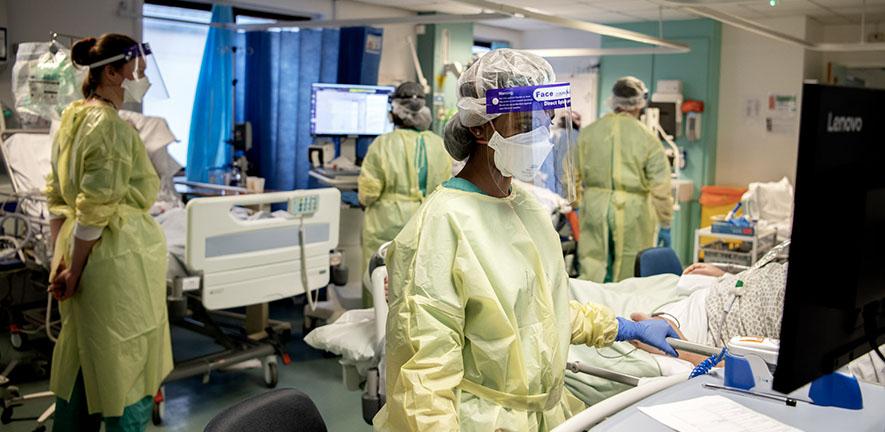
Intensive care unit at Addenbrooke's Hospital
Intensive care unit at Addenbrooke’s Hospital
Credit: Cambridge University Hospitals NHS Foundation Trust

Individuals who are obese may be more susceptible to severe COVID-19 because of a poorer inflammatory immune response, say Cambridge scientists.

During the pandemic, the majority of younger patients I saw on the COVID wards were obese… I would have said that it was most likely due to excessive inflammation. What we found was the absolute oppositeMenna Clatworthy

Scientists at the Cambridge Institute of Therapeutic Immunology and Infectious Disease (CITIID) and Wellcome Sanger Institute showed that following SARS-CoV-2 infection, cells in the lining of the lungs, nasal cells, and immune cells in the blood show a blunted inflammatory response in obese patients, producing suboptimal levels of molecules needed to fight the infection.

Since the start of the pandemic, there have been almost 760 million confirmed cases of SARS-CoV-2 infection, with almost 6.9 million deaths. While some people have very mild – or even no – symptoms, others have much more severe symptoms, including acute respiratory distress syndrome requiring ventilator support.

One of the major risk factors for severe COVID-19 is obesity, which is defined as a body mass index (BMI) of over 30. More than 40% of US adults and 28% of adults in England are classed as obese.

While this link has been shown in numerous epidemiological studies, until now, it has not been clear why obesity should increase an individual’s risk of severe COVID-19. One possible explanation was thought to be that obesity is linked to inflammation: studies have shown that people who are obese already have higher levels of key molecules associated with inflammation in their blood. Could an overactive inflammatory response explain the connection?

Professor Menna Clatworthy is a clinician scientist at the University of Cambridge, studying tissue immune cells at CITIID alongside caring for patients at Addenbrooke’s Hospital, part of Cambridge University Hospitals NHS Foundation Trust. She said: “During the pandemic, the majority of younger patients I saw on the COVID wards were obese. Given what we know about obesity, if you’d asked me why this was the case, I would have said that it was most likely due to excessive inflammation. What we found was the absolute opposite.”

Clatworthy and her team analysed blood and lung samples taken from 13 obese patients with severe COVID-19 requiring mechanical ventilation and intensive care treatment, and 20 controls (non-obese COVID-19 patients and ventilated non-COVID-19 patients). These included patients admitted to the Intensive Care Unit at Addenbrooke’s Hospital.

Her team used a technique known as transcriptomics, which looks at RNA molecules produced by our DNA, to study activity of cells in these key tissues. Their results are published in the American Journal of Respiratory and Critical Care Medicine.

Contrary to expectations, the researchers found that the obese patients had underactive immune and inflammatory responses in their lungs.  In particular, when compared to non-obese patients, cells in the lining of their lungs and some of their immune cells had lower levels of activity among genes responsible for the production of two molecules known as interferons (INF) – interferon-alpha and interferon-gamma – which help control the response of the immune system, and of tumour necrosis factor (TNF), which causes inflammation.

When they looked at immune cells in the blood of 42 adults from an independent cohort, they found a similar, but less marked, reduction in the activity of interferon-producing genes as well as lower levels of IFN-alpha in the blood.

Professor Clatworthy said: “This was really surprising and unexpected. Across every cell type we looked at, we found that that the genes responsible for the classical antiviral response were less active. They were completely muted.”

The team was able to replicate its findings in nasal immune cells taken from obese children with COVID-19, where they again found lower levels of activity among the genes that produce IFN-alpha and IFN-gamma. This is important because the nose is one of the entry points for the virus – a robust immune response there could prevent the infection spreading further into the body, while a poorer response would be less effective.

One possible explanation for the finding involves leptin, a hormone produced in fat cells that controls appetite. Leptin also plays a role in the immune response: in individuals who are normal weight, levels of the hormone increase in response to infection and it directly stimulates immune cells. But obese people already have chronically higher levels of leptin, and Clatworthy says it is possible that they no longer produce sufficient additional leptin in response to infection, or are insensitive to it, leading to inadequate stimulation of their immune cells.

The findings could have important implications both for the treatment of COVID-19 and in the design of clinical trials to test new treatments.

Because an overactive immune and inflammatory response can be associated with severe COVID-19 in some patients, doctors have turned to anti-inflammatory drugs to dampen this response. But anti-inflammatory drugs may not be appropriate for obese patients.

Co-author Dr Andrew Conway Morris from the Department of Medicine at the University of Cambridge and Honorary Consultant on the intensive care unit at Addenbrooke’s Hospital said: “What we’ve shown is that not all patients are the same, so we might need to tailor treatments. Obese subjects might need less anti-inflammatory treatments and potentially more help for their immune system.”

Clinical trials for potential new treatments would need to involve stratifying patients rather than including both severe and normal weight patients, whose immune responses differ.

The research was largely supported by Wellcome, the Medical Research Council and the National Institute of Health and Care Research, including via the NIHR Cambridge Biomedical Research Centre.

Reference
Guo, SA, Bowyer, GS, Ferdinand, JR, Maes, M & Tuong, ZK et al. Obesity associated with attenuated tissue immune cell responses in COVID-19. Am J Resp Critical Care Med; 1 Mar 2023; DOI: 10.1164/rccm.202204-0751OC 

source: cam.ac.uk


The text in this work is licensed under a Creative Commons Attribution 4.0 International License. Images, including our videos, are Copyright ©University of Cambridge and licensors/contributors as identified.  All rights reserved. We make our image and video content available in a number of ways – as here, on our main website under its Terms and conditions, and on a range of channels including social media that permit your use and sharing of our content under their respective Terms.
Cambridge University’s economic impact

The University contributes nearly £30 billion to the UK economy and supports more than 86,000 jobs across the UK.

Published 20 March 2023

Download the report

report by London Economics has measured the University of Cambridge’s impact on the UK economy in 2020-21.

London Economics, one of Europe’s leading specialist economics and policy consultancies, was commissioned to assess the University’s economic impact through a range of activities.

The total impact, estimated at £29.8 billion, includes:

  • £23.1 billion – from the University’s research and knowledge exchange activities (including commercial companies spun out from, or closely associated with, the University and other commercial activity carried out at the University)
  • £4.69 billion – from the impact generated by the spending of the University and its colleges
  • £716 million – from the University’s educational exports
  • £693 million – from the University’s teaching and learning activities
  • £587 million – from the impact of tourism associated with the University

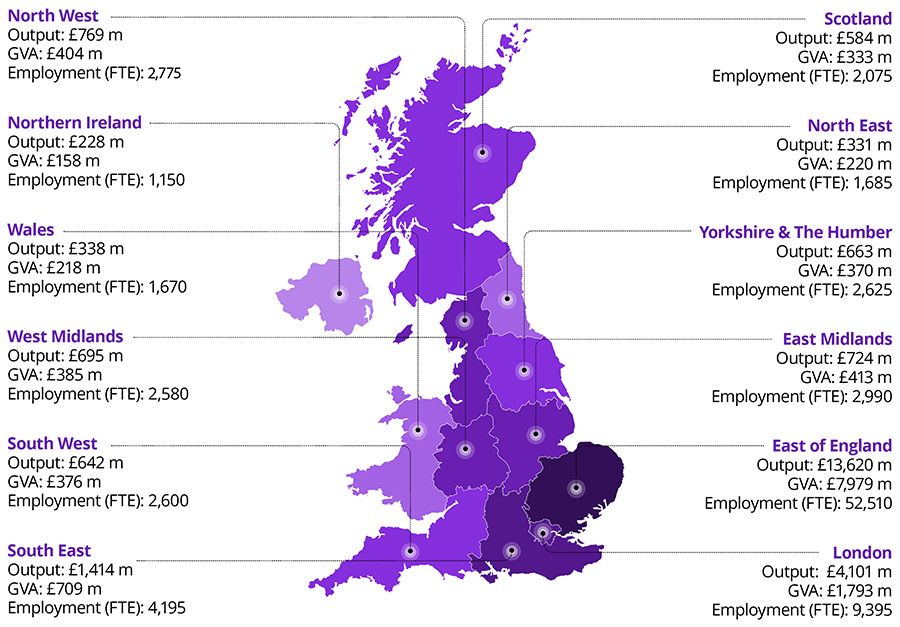
The report estimated that the University supports more than 86,000 jobs across the UK, including 52,000 in the East of England, and contributes over £13 billion in gross value added (GVA).

For every £1 the University spends, it creates £11.70 of economic impact.

For every £1 million of publicly funded research income the University receives, it generates £12.65 million in economic impact across the UK.

London Economics also carried out a comparison of the costs and benefits associated with almost 600 government regulatory impact assessments and found that very few government interventions bring higher economic benefits than investment in the University of Cambridge.

Total economic impact of the University of Cambridge’s activities in 2020-21 by region (where possible)

Note: Economic impact from knowledge exchange, educational exports, operating and capital expenditure, and tourism activities disaggregated by region, and presented in terms of GVA and FTE employment. These strands make up approximately £24,108 million (81%) of the University of Cambridge’s total impact of £29,801 million. Monetary estimates are presented in 2020-21 prices, discounted to reflect net present values (where applicable), rounded to the nearest £1 million, and may not add up precisely to the totals indicated. Employment estimates are rounded to the nearest 5, and again may not add up precisely to the totals indicated.
Source: London Economics’ analysis.

“This report demonstrates how international excellence coupled with a deliberate strategy of investing in innovation creates jobs and significant growth for the UK economy.

An early commitment to Horizon Europe, the EU research funding body which provides billions of pounds in research support for academics across Europe, is essential to underpinning future success.

Horizon Europe provides not only the stability of funding required to make long-term research plans but also access to vital international networks and collaborations.”

Dr Anthony Freeling, Acting Vice-Chancellor

Dr Anthony Freeling reflects on the University’s impact and contributions to economic growth:

The mission of the University of Cambridge is to contribute to society through the pursuit of education, learning and research at the highest international levels of excellence.

In pursuing this mission, the University rightly focuses on academic excellence. We educate some of the brightest minds from the United Kingdom and from around the world. Cambridge has been the birthplace of many of the world’s greatest intellectual achievements, and has nurtured many of the world’s leading scientists and scholars – from Isaac Newton to Charles Darwin to Jocelyn Bell Burnell; and from Bertrand Russell to John Maynard Keynes to Mary Beard. Our 121 Nobel Prize Winners attest to this record.

There is an aspect of the University’s contribution to society that remains to be fully told – the story of Cambridge’s economic contribution to the UK.

Alongside their social and cultural impact, Cambridge graduates and academics make a significant contribution to the British economy through research breakthroughs and entrepreneurial activities, as well as through the enhanced value and the skills they bring to their employment.

This report by London Economics is a comprehensive attempt to estimate the economic value that the University of Cambridge brings to the UK.

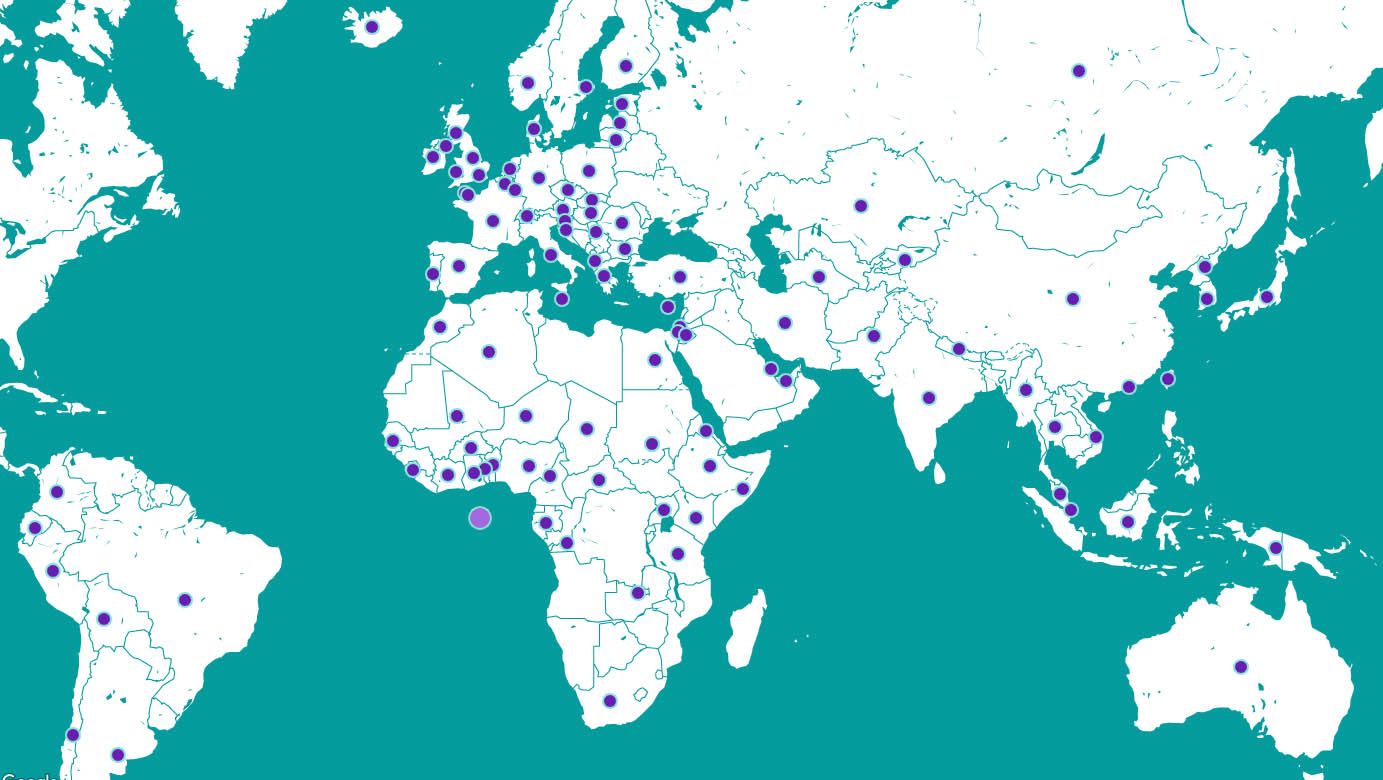
The University of Cambridge’s activities have changed people’s lives for the better because we have been successful at getting research to market, and in doing so helped create significant economic growth both around Cambridge and across the UK. Some of the depth and breadth of this influence is illustrated on the University’s UK impact map and global impact map [see below], which contain examples of economic, health, social, environmental and other research impact mapped to regions of the UK and around the world.

£29.8bn

contributed to the UK economy, of which £23bn comes from research-related activities

86,000

full-time jobs supported across the UK, including 52,000 in the East of England

benefit-to-cost ratio of Cambridge’s economic impact compared with operational costs

Economic growth

Cambridge is the most successful cluster and local ecosystem in the UK. Just over £23 billion (78%) of our economic impact is generated by the companies spun out from – or closely associated with – the University, as well as research and commercial activities carried out at the University.

This includes the impact of 178 spinouts and 213 start-up companies that have connections to the University. It is the biggest impact of any university in the UK. Success is the result of long-term, strategic decisions that have established the University at the heart of one of the world’s most successful innovation and technology clusters.

Growing the Cambridge ecosystem into one of the world’s leading innovation clusters did not happen by accident. It is the result of a culture of excellence, underpinned by a depth and breadth of teaching, research and innovation that connects the discovery of new knowledge with the expertise to turn these ideas into companies and organisations that change people’s lives.

The University has helped harness a winning combination of venture capital, government-supported capital investment and infrastructure funding (e.g. the 2016 Cambridge City Deal) through a very deliberate strategy of investing in innovation and commercialisation over past decades that includes:

  • Trinity College establishing the UK’s first science park in 1970;
  • An enlightened IP policy that encourages further investment;
  • A culture that encourages innovation and entrepreneurship;
  • The establishment of both a knowledge transfer and early investment arm, Cambridge Enterprise, and a follow-on investment arm, Cambridge Innovation Capital, which makes capital available at all stages of the investment journey from pre-seed to early scaling.

To build on this success, Innovate Cambridge – founded by Cambridge Enterprise, Cambridge Innovation Capital and the University – is joining with more than 100 partners, including AstraZeneca, Microsoft and Arm, to develop an ambitious and broad-ranging vision of innovation for the Greater Cambridge area. The goal is to accelerate progress, and for the Greater Cambridge ecosystem to accomplish in the next 10 years the same success as in the past 25 years.

Achieving this ambition requires action in three areas of policy: better infrastructure in the city and region including laboratory space, affordable housing and transport; better access to talented, skilled individuals from across the world; and better investment and access to capital. The University and our partners across the UK will continue to work with the government to develop solutions in these areas and grow the economic impact of the University alongside academic excellence.

Dr Anthony Freeling
Acting Vice-Chancellor

Explore Cambridge’s impact using our interactive maps

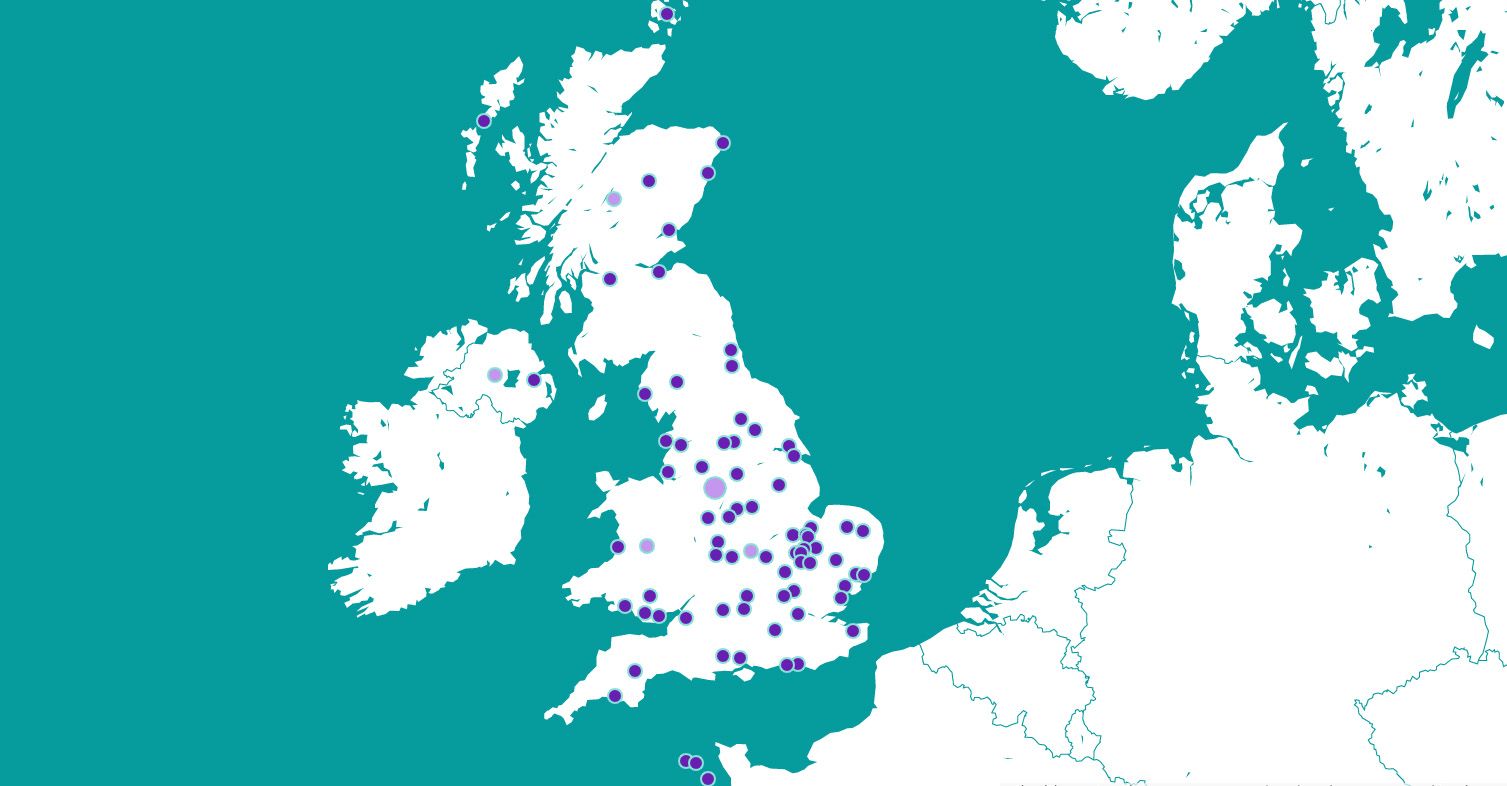
UK map

Discover some of the ways that our research benefits the UK – locally, regionally and nationally

Global map

… and has a positive impact in all seven continents, covering more than 100 countries.

Published 20 March 2023

Infographics and imagery: Alison Fair
Animation: Jonathan Settle
Design: Louise Walsh

The text in this work is licensed under a Creative Commons Attribution 4.0 International License

Scientists have new tool to estimate how much water might be hidden beneath a planet’s surface

Water worlds
Water worlds
Credit: NASA

In the search for life elsewhere in the Universe, scientists have traditionally looked for planets with liquid water at their surface. But, rather than flowing as oceans and rivers, much of a planet’s water can be locked in rocks deep within its interior.

We wanted to investigate whether these planets, after such a tumultuous upbringing, could rehabilitate themselves and go on to host surface waterClaire Guimond

Scientists from the University of Cambridge now have a way to estimate how much water a rocky planet can store in its subterranean reservoirs. It is thought that this water, which is locked into the structure of minerals deep down, might help a planet recover from its initial fiery birth.

The researchers developed a model that can predict the proportion of water-rich minerals inside a planet. These minerals act like a sponge, soaking up water which can later return to the surface and replenish oceans. Their results could help us understand how planets can become habitable following intense heat and radiation during their early years.

Planets orbiting M-type red dwarf stars — the most common star in the galaxy — are thought to be one of the best places to look for alien life. But these stars have particularly tempestuous adolescent years — releasing intense bursts of radiation that blast nearby planets and bake off their surface water.

Our Sun’s adolescent phase was relatively short, but red dwarf stars spend much longer in this angsty transitional period. As a result, the planets under their wing suffer a runaway greenhouse effect where their climate is thrown into chaos. 

“We wanted to investigate whether these planets, after such a tumultuous upbringing, could rehabilitate themselves and go on to host surface water,” said lead author of the study, Claire Guimond, a PhD student in Cambridge’s Department of Earth Sciences.

The new research, published in the Monthly Notices of the Royal Astronomical Society, shows that interior water could be a viable way to replenish liquid surface water once a planet’s host star has matured and dimmed. This water would likely have been brought up by volcanoes and gradually released as steam into the atmosphere, together with other life-giving elements.

Their new model allows them to calculate a planet’s interior water capacity based on its size and the chemistry of its host star. “The model gives us an upper limit on how much water a planet could carry at depth, based on these minerals and their ability to take water into their structure,” said Guimond.

The researchers found that the size of a planet plays a key role in deciding how much water it can hold. That’s because a planet’s size determines the proportion of water-carrying minerals it is made of.

Most of a planet’s interior water is contained within a rocky layer known as the upper mantle — which lies directly below the crust. Here, pressure and temperature conditions are just right for the formation of green-blue minerals called wadsleyite and ringwoodite that can soak up water. This rocky layer is also within reach of volcanoes, which could bring water back to the surface through eruptions.

The new research showed that larger planets — around two to three times bigger than Earth — typically have drier rocky mantles because the water-rich upper mantle makes up a smaller proportion of their total mass.

The results could provide scientists with guidelines to aid their search for exoplanets that might host life, “This could help refine our triaging of which planets to study first,” said Oliver Shorttle, who is jointly affiliated with Cambridge’s Department of Earth Sciences and Institute of Astronomy. “When we’re looking for the planets that can best hold water you probably do not want one significantly more massive or wildly smaller than Earth.”

The findings could also add to our understanding of how planets, including those closer to home like Venus, can transition from barren hellscapes to a blue marble. Temperatures on the surface of Venus, which is of a similar size and bulk composition to Earth, hover around 450oC and its atmosphere is heavy with carbon dioxide and nitrogen. It remains an open question whether Venus hosted liquid water at its surface 4 billion years ago.  “If that’s the case, then Venus must have found a way to cool itself and regain surface water after being born around a fiery sun,” said Shorttle, “It’s possible that it tapped into its interior water in order to do this.”

Reference:
Guimond, C. M., Shorttle, O., & Rudge, J. F. ‘Mantle mineralogy limits to rocky planet water inventories‘. Monthly Notices of the Royal Astronomical Society (2023). DOI: 10.1093/mnras/stad148

source: cam.ac.uk


The text in this work is licensed under a Creative Commons Attribution 4.0 International License. Images, including our videos, are Copyright ©University of Cambridge and licensors/contributors as identified.  All rights reserved. We make our image and video content available in a number of ways – as here, on our main website under its Terms and conditions, and on a range of channels including social media that permit your use and sharing of our content under their respective Terms.

Action on student cost of living

Students in the canteen at the University of Cambridge's West Hub which offers subsidised lunch

source: www.cam.ac.uk

We understand how the rising cost of living is affecting many of our students. Across the collegiate University we have a range of support available, in particular the Cambridge Bursary Scheme for undergraduates under which approximately £10m of funding can be accessed every year.

The Cambridge Bursary Scheme is available to students with residual household incomes up to £62,215. But we understand that there are further pressures impacting students and their families, so we have increased responsive funding for students who are experiencing financial hardship. Across the colleges and the University, a further £4.5m has been allocated for support in the current academic year, to benefit all students (undergraduate and postgraduate).

The University and colleges are introducing other measures, including subsidising the cost of food, such as at the University’s West Hub, and fixed price meals at a number of colleges. College rent increases have also been kept at below inflation rates, with student input into these decisions.

We also continue to monitor increases in the cost of living, and are actively considering ways to improve future support for students who are most likely to be impacted.

We will continue to work closely with the Russell Group and others to raise the issue of student support at government level.

We encourage any student who is struggling with the cost of living to speak to their college and access support.


The text in this work is licensed under a Creative Commons Attribution 4.0 International License. Images, including our videos, are Copyright ©University of Cambridge and licensors/contributors as identified.  All rights reserved. We make our image and video content available in a number of ways – as here, on our main website under its Terms and conditions, and on a range of channels including social media that permit your use and sharing of our content under their respective Terms.
University delivers Loyal Address to King Charles III

source: www.cam.ac.uk

A delegation, led by the Acting Vice-Chancellor, Dr Anthony Freeling, was at Buckingham Palace on Thursday, 9 March to deliver a Loyal Address to HM the King.

The University of Cambridge was one of 27 Privileged Bodies – institutions and corporations that enjoy the historic right to present these to the Sovereign – presenting an Address. The Acting Vice-Chancellor introduced and delivered the text of the University’s Address to His Majesty, highlighting the role of the late Prince Philip, Duke of Edinburgh, as the University’s Chancellor for thirty-five years, and mentioning members of the Royal Family who are alumni, including the King.

In accordance with University regulations, the Acting Vice-Chancellor was accompanied by the Registrary and the Proctors. He was joined by other members of the University specially nominated for this occasion: the Master of Jesus College, the President of the Postdocs of Cambridge Society and the Presidents (Postgraduate and Undergraduate) of the University of Cambridge Students’ Union. The Esquire Bedells and the University Marshal also attended.

Responding to the Privileged Bodies, HM The King remarked: “Whether in the fields of education, science, or the arts, or whether as representatives of the faith communities or of civic organisations, you advance our knowledge and our understanding of how we relate to each other and the world about us. You underpin the very foundations upon which our country is built and help to construct a framework of excellence and achievement within which our civil society functions and our national narrative can be formed.”

The last time the University was invited to deliver a Loyal Address was in 2012, on the occasion of the Diamond Jubilee of Her Majesty Queen Elizabeth II.


The text in this work is licensed under a Creative Commons Attribution 4.0 International License. Images, including our videos, are Copyright ©University of Cambridge and licensors/contributors as identified.  All rights reserved. We make our image and video content available in a number of ways – as here, on our main website under its Terms and conditions, and on a range of channels including social media that permit your use and sharing of our content under their respective Terms.


First wiring map of insect brain complete

Map of the fruit fly brain

source: www.cam.ac.uk

Researchers have built the first ever map showing every single neuron and how they’re wired together in the brain of the fruit fly larva.

Now we can start gaining a mechanistic understanding of how the brain works.Marta Zlatic

This will help scientists to understand the basic principles by which signals travel through the brain at the neural level and lead to behaviour and learning.  

An organism’s nervous system, including the brain, is made up of neurons that are connected to each other via synapses. Information in the form of chemicals passes from one neuron to another through these contact points.

The map of the 3016 neurons that make up the larva of the fruit fly Drosophila melanogaster’s brain, and the detailed circuitry of neural pathways within it, is known as a ‘connectome’.

This is the largest complete brain connectome ever to have been mapped. It is a huge advance on previous work to map very simple brain structures including the roundworm C. elegans, which only has several hundred neurons.

Imaging entire brains has until recently been extremely challenging. Now, technological advances allow scientists to image the entire brain of the fruit fly larvae relatively quickly using electron microscopy, and reconstruct the brain circuits from the resulting data.

The fruit fly larva has similar brain structures to the adult fruit fly and larger insects, and has a rich behavioural repertoire, including learning and action-selection.

“The way the brain circuit is structured influences the computations the brain can do. But, up until this point, we haven’t seen the structure of any brain except in very simple organisms,” said Professor Marta Zlatic at the University of Cambridge’s Department of Zoology and the Medical Research Council Laboratory of Molecular Biology (MRC LMB).

Zlatic led the research together with Professor Albert Cardona at the University of Cambridge’s Department of Physiology, Development and Neuroscience and the MRC LMB, and Dr Michael Winding at the University of Cambridge’s Department of Zoology. The study, which also involved collaborators from both the UK and the US, is published today in the journal Science.

She added: “Until now, the actual circuit patterns involved in most brain computations have been unknown. Now we can start gaining a mechanistic understanding of how the brain works.”

Current technology is not yet advanced enough to map the connectome of more complex animals such as large mammals. But because all brains involve networks of interconnected neurons, the researchers say that their new map will be a lasting reference for future studies of brain function in other animals.

“All brains of all species have to perform many complex behaviours: for example they all need to process sensory information, learn, choose food, and navigate their environment. In the same way that genes are conserved across the animal kingdom, I think that the basic circuit patterns that drive these fundamental behaviours will also be conserved,” said Zlatic.

To build a picture of the fruit fly larva connectome, the team used thousands of slices of the larva’s brain imaged with a high-resolution electron microscope, to reconstruct a map of the fly’s brain – and painstakingly annotated the connections between neurons. As well as mapping the 3016 neurons, they mapped an incredible 548,000 synapses.

The researchers also developed computational tools to identify likely pathways of information flow and different types of circuit patterns in the insect’s brain. They found that some of the structural features are similar to state-of-the-art deep learning architecture.

“The most challenging aspect of this work was understanding and interpreting what we saw. We were faced with a complex neural circuit with lots of structure. In collaboration with Professor Priebe and Professor Vogestein’s groups at Johns Hopkins University, we developed computational tools to predict the relevant behaviours from the structures. By comparing this biological system, we can potentially also inspire better artificial networks,” said Zlatic.

“This is an exciting and significant body of work by colleagues at the MRC Laboratory of Molecular Biology and others,” said Jo Latimer, Head of Neurosciences and Mental Health at the Medical Research Council.

She added: “Not only have they mapped every single neuron in the insect’s brain, but they’ve also worked out how each neuron is connected. This is a big step forward in addressing key questions about how the brain works, particularly how signals move through the neurons and synapses leading to behaviour, and this detailed understanding may lead to therapeutic interventions in the future.”

The next step is to delve deeper to understand, for example, the brain circuitry required for specific behavioural functions, such as learning and decision making, and to look at activity in the whole connectome while the insect is doing things.

Adapted from a press release by the Medical Research Council

Reference

Winding, M. et al: ‘The connectome of an insect brain.’ Science, 10 March 2023. DOI: 10.1126/science.add9330 


The text in this work is licensed under a Creative Commons Attribution 4.0 International License. Images, including our videos, are Copyright ©University of Cambridge and licensors/contributors as identified.  All rights reserved. We make our image and video content available in a number of ways – as here, on our main website under its Terms and conditions, and on a range of channels including social media that permit your use and sharing of our content under their respective Terms.
Humanity’s quest to discover the origins of life in the universe

Emily Mitchell, Didier Queloz, Kate Adamal, Carl Zimmer. Landscape with Milky way galaxy. Sunrise and Earth view from space with Milky way galaxy. (Elements of this image furnished by NASA).

source: www.cam.ac.uk

Scientists from the University of Cambridge, ETH Zurich, Harvard University, and the University of Chicago have founded the Origins Federation, which will advance our understanding of the emergence and early evolution of life, and its place in the cosmos.

For thousands of years, humanity and science have contemplated the origins of life in the Universe. While today’s scientists are well-equipped with innovative technologies, humanity has a long way to go before we fully understand the fundamental aspects of what life is and how it forms.

“We are living in an extraordinary moment in history,” said Professor Didier Queloz, who directs the Leverhulme Centre for Life in the Universe at Cambridge and ETH Zurich’s Centre for Origin and Prevalence of Life. While still a doctoral student, Queloz was the first to discover an exoplanet – a planet orbiting a star other than our Sun. The discovery led to him being awarded the 2019 Nobel Prize in Physics.

In the three decades since Queloz’s discovery, scientists have discovered more than 5,000 exoplanets. Trillions more are predicted to exist within our Milky Way galaxy alone. Each exoplanet discovery raises more questions about how and why life emerged on Earth and whether it exists elsewhere in the universe.

Technological advancements, such as the James Webb Space Telescope and interplanetary missions to Mars, give scientists access to huge volumes of new observations and data. Sifting through all this information to understand the emergence of life in the universe will take a big, multidisciplinary network.

In collaboration with chemist and fellow Nobel Laureate Jack Szostak and astronomer Dimitar Sasselov, Queloz announced the formation of such a network at the American Association for the Advancement of Science (AAAS) meeting in Washington, DC. The Origins Federation brings together researchers studying the origins of life at Cambridge, ETH Zurich, Harvard University, and The University of Chicago.

Together, Federation scientists will explore the chemical and physical processes of living organisms and environmental conditions hospitable to supporting life on other planets. “The Origins Federation builds upon a long-standing collegial relationship strengthened through a shared collaboration in a recently completed project with the Simons Foundation,” said Queloz.

These collaborations support the work of researchers like Dr Emily Mitchell from Cambridge’s Department of Zoology. Mitchell is co-director of Cambridge’s Leverhulme Centre for Life in the Universe and an ecological time traveller. She uses field-based laser-scanning and statistical mathematical ecology on 580-million-year-old fossils of deep-sea organisms to determine the driving factors that influence the macro-evolutionary patterns of life on Earth.

Speaking at AAAS, Mitchell took participants back to four billion years ago when Earth’s early atmosphere – devoid of oxygen and steeped in methane – showed its first signs of microbial life. She spoke about how life survives in extreme environments and then evolves offering potential astrobiological insights into the origins of life elsewhere in the universe.

“As we begin to investigate other planets through the Mars missions, biosignatures could reveal whether or not the origin of life itself and its evolution on Earth is just a happy accident or part of the fundamental nature of the universe, with all its biological and ecological complexities,” said Mitchell.

The founding centres of the Origins Federation are The Origins of Life Initiative (Harvard University), Centre for Origin and Prevalence of Life (ETH Zurich), the Center for the Origins of Life (University of Chicago), and the Leverhulme Centre for Life in the Universe (University of Cambridge).

The Origins Federation will pursue scientific research topics of interest to its founding centres with a long-term perspective and common milestones. It will strive to establish a stable funding platform to create opportunities for creative and innovative ideas, and to enable young scientists to make a career in this new field. The Origins Federation is open to new members, both centres and individuals, and is committed to developing the mechanisms and structure to achieve that aim.

“The pioneering work of Professor Queloz has allowed astronomers and physicists to make advances that were unthinkable only a few years ago, both in the discovery of planets which could host life and the development of techniques to study them,” said Professor Andy Parker, head of Cambridge’s Cavendish Laboratory. “But now we need to bring the full range of our scientific understanding to bear in order to understand what life really is and whether it exists on these newly discovered planets. The Cavendish Laboratory is proud to host the Leverhulme Centre for Life in the Universe and to partner with the Origins Federation to lead this quest.”


The text in this work is licensed under a Creative Commons Attribution 4.0 International License. Images, including our videos, are Copyright ©University of Cambridge and licensors/contributors as identified.  All rights reserved. We make our image and video content available in a number of ways – as here, on our main website under its Terms and conditions, and on a range of channels including social media that permit your use and sharing of our content under their respective Terms.
Hunter-gatherer childhoods may offer clues to improving education and wellbeing

BaYaka camp in Congo. Image courtesy of Nikhil Chaudhary

source: www.cam.ac.uk

Hunter-gatherers can help us understand the conditions that children may be psychologically adapted to because we lived as hunter-gatherers for 95% of our evolutionary history. Paying greater attention to hunter-gatherer childhoods may help economically developed countries improve education and wellbeing.

Parents now have much less childcare support from their familial and social networks than would likely have been the case during most of our evolutionary historyNikhil Chaudhary

The benefits of skin-to-skin contact for both parents and infants are already recognised, but other behaviours common in hunter-gatherer societies may also benefit families in economically developed countries, a Cambridge researcher suggests.

Parents and children may, for instance, benefit from a larger network of people being involved in care-giving, as seen in hunter-gatherer societies. Increasing staff-to-child ratios in nurseries to bring them closer to highly attentive hunter-gatherer ratios could support learning and wellbeing. And more peer-to-peer, active and mixed-age learning, as seen in hunter-gatherer communities, may help school children in developed countries.

Published today in the Journal of Child Psychology and Psychiatry, the study by Dr Nikhil Chaudhary, an evolutionary anthropologist at Cambridge, and Dr Annie Swanepoel, a child psychiatrist, calls for new research into child mental health in hunter-gatherer societies. They explore the possibility that some common aspects of hunter-gatherer childhoods could help families in economically developed countries. Eventually, hunter-gatherer behaviours could inform ‘experimental intervention trials’ in homes, schools and nurseries.

The authors acknowledge that children living in hunter-gatherer societies live in very different environments and circumstances than those in developed countries. They also stress that hunter-gatherer children invariably face many difficulties that are not experienced in developed countries and, therefore, caution that these childhoods should not be idealised.

Drawing on his own observations of the BaYaka people in Congo and the extensive research of anthropologists studying other hunter-gatherer societies, Dr Chaudhary highlights major differences in the ways in which hunter-gatherer children are cared for compared to their peers in developed countries. He stresses that “contemporary hunter-gatherers must not be thought of as ‘living fossils’, and while their ways of life may offer some clues about our prehistory, they are still very much modern populations each with a unique cultural and demographic history”. 

Physical contact and attentiveness

Despite increasing uptake of baby carriers and baby massage in developed countries, levels of physical contact with infants remain far higher in hunter-gatherer societies. In Botswana, for instance, 10-20 week old !Kung infants are in physical contact with someone for around 90% of daylight hours, and almost 100% of crying bouts are responded to, almost always with comforting or nursing – scolding is extremely rare.

The study points out that this exceptionally attentive childcare is made possible because of the major role played by non-parental caregivers, or ‘alloparents’, which is far rarer in developed countries.

Non-parental caregivers

In many hunter-gatherer societies, alloparents provide almost half of a child’s care. A previous study found that in the DRC, Efe infants have 14 alloparents a day by the time they are 18 weeks old, and are passed between caregivers eight times an hour.

Dr Chaudhary said: “Parents now have much less childcare support from their familial and social networks than would likely have been the case during most of our evolutionary history. Such differences seem likely to create the kind of evolutionary mismatches that could be harmful to both caregivers and children.”

“The availability of other caregivers can reduce the negative impacts of stress within the nuclear family, and the risk of maternal depression, which has knock-on effects for child wellbeing and cognitive development.”

The study emphasises that alloparenting is a core human adaptation, contradicting ‘intensive mothering’ narratives which emphasise that mothers should use their maternal instincts to manage childcare alone. Dr Chaudhary and Dr Swanepoel write that ‘such narratives can lead to maternal exhaustion and have dangerous consequences’.

Care-giving ratios

The study points out that communal living in hunter-gatherer societies results in a very high ratio of available caregivers to infants/toddlers, which can even exceed 10:1.

This contrasts starkly with the nuclear family unit, and even more so with nursery settings, in developed countries. According to the UK’s Department of Education regulations, nurseries require ratios of 1 carer to 3 children aged under 2 years, or 1 carer to 4 children aged 2-3.

Dr Chaudhary said: “Almost all day, hunter-gatherer infants and toddlers have a capable caregiver within a couple of metres of them. From the infant’s perspective, that proximity and responsiveness, is very different from what is experienced in many nursery settings in the UK.”

“If that ratio is stretched even thinner, we need to consider the possibility that this could have impacts on children’s wellbeing.”

Children providing care and mixed-age active learning

In hunter-gatherer societies, children play a significantly bigger role in providing care to infants and toddlers than is the case in developed countries. In some communities they begin providing some childcare from the age of four and are capable of sensitive caregiving; and it is common to see older, but still pre-adolescent children looking after infants.

By contrast, the NSPCC in the UK recommends that when leaving pre-adolescent children at home, babysitters should be in their late teens at least.

Dr Chaudhary said: “In developed countries, children are busy with schooling and may have less opportunity to develop caregiving competence. However, we should at least explore the possibility that older siblings could play a greater role in supporting their parents, which might also enhance their own social development.”

The study also points out that instructive teaching is rare in hunter-gatherer societies and that infants primarily learn via observation and imitation. From around the age of two, hunter-gatherer children spend large portions of the day in mixed-age (2-16) ‘playgroups’ without adult supervision. There, they learn from one another, acquiring skills and knowledge collaboratively via highly active play practice and exploration.

Learning and play are two sides of the same coin, which contrasts with the lesson-time / play-time dichotomy of schooling in the UK and other developed countries.

Dr Chaudhary and Dr Swanepoel note that “Classroom schooling is often at odds with the modes of learning typical of human evolutionary history.” The study acknowledges that children living in hunter-gatherer societies live in very different environments and circumstances than those in developed countries:

“Foraging skills are very different to those required to make a living in market-economies, and classroom teaching is certainly necessary to learn the latter. But children may possess certain psychological learning adaptations that can be practically harnessed in some aspects of their schooling. When peer and active learning can be incorporated, they have been shown to improve motivation and performance, and reduce stress.” The authors also highlight that physical activity interventions have been shown to aid performance among students diagnosed with ADHD. 

Further research

The study calls for more research into children’s mental health in hunter-gatherer societies to test whether the hypothesised evolutionary mismatches actually exist. If they do, such insights could then be used to direct experimental intervention trials in developed countries.

Working with a team from the Royal College of Psychiatrists, Dr Chaudhary and Dr Swanepoel hope that greater collaboration between evolutionary anthropologists and child psychiatrists/psychologists can help to advance our understanding of the conditions that children need to thrive.

Reference

N Chaudhary and A Swanepoel, ‘What Can We Learn from Hunter-Gatherers about Children’s Mental Health? An Evolutionary Perspective’, Journal of Child Psychology and Psychiatry (2023). DOI: 10.1111/jcpp.13773


The text in this work is licensed under a Creative Commons Attribution 4.0 International License. Images, including our videos, are Copyright ©University of Cambridge and licensors/contributors as identified.  All rights reserved. We make our image and video content available in a number of ways – as here, on our main website under its Terms and conditions, and on a range of channels including social media that permit your use and sharing of our content under their respective Terms.

Crews announced for the Boat Race 2023

The Boat Race 2023 crews from Cambridge and Oxford University

source; www.cam.ac.uk

The Cambridge and Oxford crews for this year’s Boat Race have been announced.

The 36 crew members who have won a coveted place in their ‘Blue Boat’ were announced at an event, hosted by sports broadcaster Andrew Cotter and held at Apothecaries’ Hall, Blackfriars. The Blue Boat is the name given to the top crew from each university whose members win the coveted Light Blue colour of Cambridge, or Dark Blue of Oxford.

Cambridge Women:

Bow: Carina Graf (Emmanuel – Phd Neuro Sci)
2: Rosa Millard (Trinity Hall – BA Linguistics)
3: Alex Riddell-Webster (Murray Edways – BA Comp Sci
4: Jenna Armstrong (Jesus – PhD Physiology)
5: Freya Keto (St Edmund’s – MPhil African Studies)
6: Isabelle Bastian (Jesus – MPhil Health, Medicine, and Society)
7: Claire Brillon (Fitzwilliam – MPhil Musicology)
Stroke: Caoimhe Dempsey (Newnham – PhD Psychology)
Cox: James Trotman (Sidney Sussex – BA Economics)

Caoimhe Dempsey, says: “We are focused on going as fast as possible on Boat Race day. Our goal is to leave no stone unturned in the lead up to the race, use every opportunity to put out our best performance. On the day, the result will take care of itself. These girls have been an absolute pleasure to lead, they have a never ending energy and commitment to strive for more. I’m really proud of the journey we’ve been on and it’ll be an honour to line up on race day together.“

Cambridge Men:

Bow: Matt Edge (St Catharine’s – PhD Chem Eng)
2: Brett Taylor (Queens’ – BA Medicine)
3: Noam Mouelle (Hughes Hall – PhD Astrophysics)
4: Seb Benzecry (Jesus – PhD Film Studies)
5: Tom Lynch (Hughes Hall – PhD Engineering)
6: Nick Mayhew (Peterhouse – MPhil Mgt)
7: Oliver Parish (Peterhouse – MEngineering)
Stroke: Luca Ferraro (King’s – BA Classics)
Cox: Jasper Parish (Clare – BA Comp Sci)

Seb Benzecry said: “This year’s crew is a really exciting boat to be a part of. We’re not the most experienced Blue Boat, and we’re on the small side, but everyone has come in with an incredibly positive mindset and an absolute determination to keep improving session after session. I think that’s allowed us to become much more than the sum of our parts.”

The crew for Cambridge are all members of, and selected by, Cambridge University Boat Club (CUBC). Patrick Ryan is the Chief Coach for the women’s crew and Rob Baker is Chief Coach for the men’s.

The Boat Race will take place on Sunday 26 March, on what is known as ‘The Championship Course’ and stretches four miles between Putney and Mortlake on the River Thames. The 77th Women’s Boat Race begins at 4pm. The 168th Men’s Boat Race begins at 5pm.


The text in this work is licensed under a Creative Commons Attribution 4.0 International License. Images, including our videos, are Copyright ©University of Cambridge and licensors/contributors as identified.  All rights reserved. We make our image and video content available in a number of ways – as here, on our main website under its Terms and conditions, and on a range of channels including social media that permit your use and sharing of our content under their respective Terms.

Cambridge spin-out receives £2.2 million to help improve cancer treatments

Scanning electron microscopy of highly crystalline metal-organic framework nanoparticles

source: www.cam.ac.uk

Vector Bioscience has received a £2.2 million investment to help it take forward its drug delivery platform designed to make RNA cancer therapies more effective.

The spinout from the University’s Department of Chemical Engineering and Biotechnology has been awarded this funding by the European Innovation Council’s (EIC) ‘Transition Challenge’ investment programme which supports the development and commercialisation of innovative technologies.

This capital will allow Vector to develop its novel RNA delivery platform, increasing the safety, specificity and effectiveness of RNA therapies. The technology builds on more than 15 years of research in innovative materials and drug delivery by Professor David Fairen-Jimenez and his team.

Fairen-Jimenez, who is also Chief Executive Officer at Vector Bioscience, says: “RNA-therapies are, potentially, the most powerful cancer drugs. However, their targeted delivery remains a challenge. Our preliminary studies in vitro and in vivo have showcased the outstanding possibilities of our platform, leading to excellent efficacies with outstanding biocompatibility. Now, the EIC ‘Transition Challenge’ funds will help us take these discoveries to the clinic.”

Vector’s platform improves the targeted delivery of macromolecules – particularly RNA delivery. The technology is based on metal-organic frameworks (MOFs), nanoparticles that carry RNA molecules to their targets. MOFs have a number of advantages as a delivery mechanism: they offer controlled release of the RNA macromolecules, improving safety and selectivity. They also protect the RNA from degradation and increase their solubility and bioavailability.

Vector’s technology has shown promising results treating complicated cancers, including hard-to-treat tumours in the brain, lung and pancreas.

Established in 2021, Vector Bioscience has already been awarded £500k from Innovate UK. Now, with the additional investment from the EIC, it is in a position to design and develop its RNA delivery platform, with applications across different diseases. 

Lluna Gallego-Segrelles, Chief Operating Officer at Vector Bioscience, adds: “Within just 18 months, we have attracted over £3 million in funding to commercialise our technology. This demonstrates there’s an immense interest around our drug delivery platform, which will bring the latest innovations in materials science to the pharmaceutical industry and the clinic. Now, our objective is to push our pioneer treatments into pre-clinical phases.”


The text in this work is licensed under a Creative Commons Attribution 4.0 International License. Images, including our videos, are Copyright ©University of Cambridge and licensors/contributors as identified.  All rights reserved. We make our image and video content available in a number of ways – as here, on our main website under its Terms and conditions, and on a range of channels including social media that permit your use and sharing of our content under their respective Terms.

Cambridge events mark International Women’s Day 2023

source: www.cam.ac.uk

A range of events are taking place across the University and Colleges to mark International Women’s Day 2023, on Wednesday 8 March.

Museum events, science talks and networking opportunities are among the activities highlighting the social, economic, cultural, and political achievements of women. This year’s International Women’s Day events include:


Snow Widows: A talk by Katherine MacInness – Scott Polar Museum

Saturday 4 March, 1.30pm to 2.15pm

Join us at the Polar Museum with author Katherine MacInnes to celebrate International Women’s Day. Discover the untold stories of the race for the South Pole from the perspective of the women whose lives would be forever changed by it. Katherine MacInness is the author of Snow Widows, a book that gives a voice to five remarkable women; separated by class, education and religion but forever joined by their stories in the heroic age of exploration.

More information here


Navigating Multiple Identities: Reflections on Being a Woman – Hughes Hall

Tuesday 7 March, 5.30pm to 7pm, Pavilion Room

This Postdoc-led International Women’s Day event will bring together inspiring speakers from a variety of backgrounds – one thing they have in common is being women of Hughes Hall!
After our speakers’ introductions, we will have a Q&A and panel conversation about navigating life and careers as women, celebrate women’s strengths, and touch on gender equality issues in the world.

More information here 


Service for International Women’s Day – King’s College Chapel

Wednesday 8 March, 5.30pm

A special Evensong in the King’s Chapel will be sung by King’s Voices.

More information here


International Women’s Day 2023 – Building an Equitable Future for All – Judge Business School

Panel discussion and networking event, Wednesday 8 March, 6pm to 8pm

On International Women’s Day, join the Wo+men’s Leadership Centre at Cambridge Judge Business School, as we look at how we can all take meaningful action to help build a diverse, equitable and inclusive workplace culture.
Our panel of speakers will discuss how fostering a culture of allyship can act as a powerful force for good – helping employees at every level identify ways they can take action to create a positive impact.

More information here


Celebrating the scientific achievements of Cavendish Women in Physics – Instagram Live event

Wednesday 8 March, 12.30pm

The Cavendish women in physics have made unparalleled contributions to the laboratory’s extraordinary history of discovery and innovation and they continue to do so. On International Women’s Day, we will celebrate these extraordinary women by going live on Instagram and talking to a few of our current physics researchers. Our panellists will be Dr Hannah Stern from the Atomic, Mesoscopic and Optical Physics (AMOP) Group; Tara Murphy from NanoDTC, and Marika Marika Niihori from the Nanophotonic group. The conversation will revolve around their own journeys, inspiration, challenges and their research at the Cavendish. We will also take the opportunity to answer some questions from the audience.

Join @cambridgephysics on Instagram at 12.30pm on Wednesday 8 March. The live session will last for 30 minutes. 

International Women’s Day with Professor Rebecca Kilner – Museum of Zoology

Thursday 9 March, 6pm to 7pm

Professor Rebecca Kilner, Director of the Museum of Zoology, will take part in a live online talk and Q&A. Hear about her fascinating research into animal behaviour, and how recent work on the parental behaviour of burying beetles is changing our understanding of evolution. Ask your questions and find out more about the Museum, its collections, and how they are being harnessed for research and engagement.

More information here


Hear, There and Everywhere – a World of Women Composers – West Road Concert Hall

Sunday 12th March, 7pm

Cambridge Concert Orchestra will perform pieces composed solely by women to raise funds for the Cambridge Women’s Resources Centre. The event, in recognition of International Women’s Day, focuses on women’s contribution to the light-orchestral repertoire.

More information here 

Discovering Russia’s nineteenth-century women writers 

Saturday 18 March, 2pm to 3pm

This talk – with Dr Anna A. Berman, Assistant Professor in Slavonic Studies – offers a chance to rediscover some of the great women writers who have been erased from literary history. It will explore the lives and careers of Evdokiya Rostopchina, Karolina Pavlova, Evgeniya Tur and the ‘Russian Brontës’ – Nadezhda, Sofiya and Praskoviya Khvoshchinskaya.

More information here

Cavendish Festival 2023  People Doing Physics Live: Professor Athene Donald

Saturday 18 March, 3.30pm, Pippard Lecture Theatre, JJ Thomson Avenue, Cambridge 

Join us for a live recording of the Cavendish Laboratory’s official podcast, with special guest Professor Dame Athene Donald, who will share her journey into physics and beyond. Professor Emeritus of Experimental Physics at the Cavendish, and Master of Churchill College, Athene has had an illustrious research career in soft matter physics for which she has received numerous accolades, including the Royal Society Bakerian Medal, the L’Oréal-UNESCO for Women in Science Award, the Institute of Physics’ Faraday Medal, and 10 honorary doctorates. She is also a strong advocate for women in science and has chaired numerous diversity and gender equality initiatives that seek to improve the representation and career progression of women in STEM.

The event is free but advance booking is recommended. More information here.

International Women’s Day celebrations – St Catharine’s College

Throughout March

St Catharine’s College has organised a host of activities marking the vital role of women in history. Events include storytelling workshops, research seminars, panel discussions and a month-long display in the Shakeshaft Library, featuring items from our archive since women were first admitted as undergraduates in 1979.

More information here 

Illustration by Allysa Czerwinsky


The text in this work is licensed under a Creative Commons Attribution 4.0 International License. Images, including our videos, are Copyright ©University of Cambridge and licensors/contributors as identified.  All rights reserved. We make our image and video content available in a number of ways – as here, on our main website under its Terms and conditions, and on a range of channels including social media that permit your use and sharing of our content under their respective Terms.
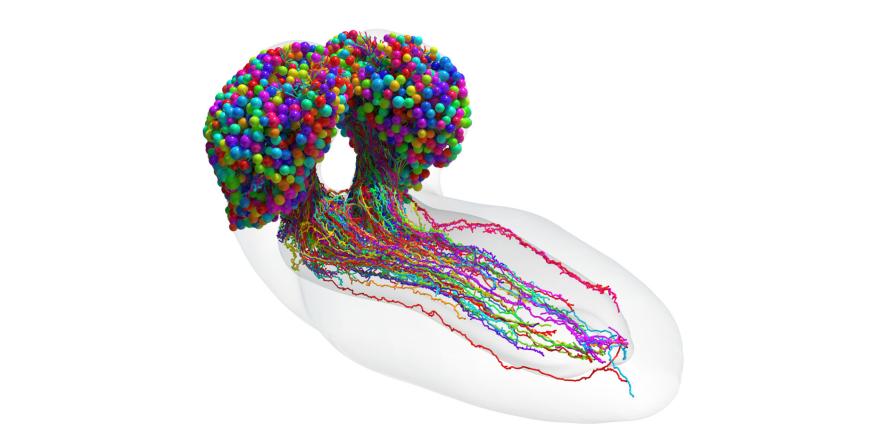
Social media posts around solar geoengineering ‘spill over’ into conspiracy theories

Person using a smartphone

source: www.cam.ac.uk

Researchers from the University of Cambridge have analysed more than 800,000 tweets and found that negative emotions expressed about geoengineering – the idea that the climate can be altered using technology – can easily fall into conspiracy.

The researchers analysed tweets 2009 and 2021 tagged with #geoengineering. They used a combination of natural language processing, deep learning and network analysis to explore how public emotions, perceptions and attitudes have changed over a 13-year period.

The researchers found that there is a large amount of ‘spillover’ between geoengineering and conspiracy theories, especially around ‘chemtrails’, a conspiracy theory dating back to the 1990s. The researchers suggest that negative emotions related to geoengineering have a contagion effect, transcending regional boundaries and engaging with wider conspiracies. Their results are reported in the journal iScience.

As the climate crisis worsens, the search for solutions has accelerated. Some potential, albeit untested and controversial, solutions involve geoengineering, where various technologies could be used to alter weather or climate. Solar radiation management (SRM) is one hypothetical geoengineering solution where temperature rise might be addressed by reflecting some sunlight back into space. Possible forms this technology could take include cirrus cloud thinning or spraying aerosols into the stratosphere. But there are few, if any, opportunities for researchers to test these potential solutions.

“The amount of funding that’s been made available for geoengineering research, and especially outdoor experiments, is tiny,” said first author Dr Ramit DebnathCambridge Zero Fellow at the University of Cambridge. “When you ask funders why this is, the reason often given is that the research is too controversial.”

“There are significant and well-founded concerns around geoengineering, but fundamentally we’re interested in furthering knowledge in this area,” said senior author Dr Shaun Fitzgerald, Director of the Centre for Climate Repair in Cambridge’s Department of Engineering. “In order to do that, we need to have more informed discussions. We don’t want to dismiss any concerns expressed on social media, but we do want to put them into context.”

“The views expressed on social media don’t necessarily translate directly into wider public views, but there is still a lot we can learn by studying conversations that are happening,” said Debnath. “We wanted to know whether people who were tweeting about geoengineering were in fact, a vocal minority, and if so, what else are these people talking about?”

The researchers analysed a large dataset of more than 800,000 English-language tweets sent in the 13-year period between 2009 and 2021. The researchers used natural language processing techniques to analyse the emotions expressed in the tweets and assigned each tweet a ‘toxicity score’. The researchers then conducted a network analysis to determine how tweets about geoengineering interact with other hashtag networks and conspiracy theories.

“The chemtrail conspiracy theory is particularly popular among conspiracy theorists based in the United States, and our analysis found that tweets about chemtrails are the common link between geoengineering and conspiracies,” said Debnath. “Most of these tweets are sent by American users, but they spill over across regional and national boundaries.”

The ‘chemtrail’ conspiracy theory dates back to the 1990s. Believers in this patently false conspiracy allege that condensational trails (contrails) from aircraft are intentionally seeded with various chemical or biological compounds for nefarious purposes including population control or military testing. Those who believe the chemtrails conspiracy theory also allege that aircraft could be used for intentional weather and climate modification.

The researchers say that the common link between the chemtrails conspiracy and conspiracy theories around geoengineering is the idea that bad actors are ‘weaponising’ the weather with chemicals.

Their analysis also showed that positive emotions rose on global and country scales following events related to SRM governance, and negative emotions increased following the announcement of SRM projects or experiments.

The researchers say their work could help inform future discussions around SRM and other forms of geoengineering by putting social media discussions in context. “It’s a small echo chamber, but it’s quite a noisy one,” said Debnath.

While the controversy around geoengineering will continue on social media, the team says what they really need is quality data and research. “There are risks associated with geoengineering, but how do these compare with the risks of letting climate change continue unabated?” said Fitzgerald. “I worry that knowledge hasn’t progressed in this area. What happens if some rogue entity decides to go for a huge deployment of SRM, and people end up suffering because of it? This is why it’s so important to have informed discussions backed up by quality research.”

The researchers say their study provides a data-driven glimpse into the structure of online climate misinformation that has a strong contagion effect, leading to strengthening of conspiracy theories in the public domain. Understanding such links with respect to climate action is critical for the design of counteraction strategies.

The research was supported in part by the Bill and Melinda Gates Foundation, the Cambridge Centre for Climate Repair, Cambridge Zero and Quadrature Climate Foundation, and the Google Cloud Climate Innovation Challenge Award. This study is part of an ongoing project co-led by Dr Ramit Debnath with Cambridge Zero on improving public understanding of climate change.

Ramit Debnath will be speaking about climate change misinformation at the Cambridge Festival on 30th March.

Reference:
Ramit Debnath et al. ‘Conspiracy spillovers and geoengineering.’ iScience (2023). DOI: 10.1016/j.isci.2023.106166


The text in this work is licensed under a Creative Commons Attribution 4.0 International License. Images, including our videos, are Copyright ©University of Cambridge and licensors/contributors as identified.  All rights reserved. We make our image and video content available in a number of ways – as here, on our main website under its Terms and conditions, and on a range of channels including social media that permit your use and sharing of our content under their respective Terms.
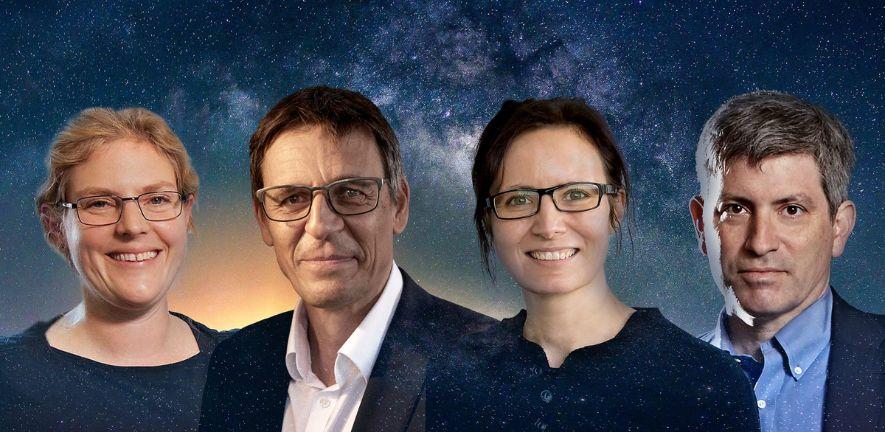
Refreeze the Arctic Foundation funds marine cloud brightening research

Team members from Centre for Climate Repair at Cambridge, RAF and TUDCI  Photos show: Front row from left to right: Dr Isabelle Steinke (TUDCI), Dr Shaun Fitzgerald (CCRC), Sir David King (CCRC), Professo

source: www.cam.ac.uk

The Centre for Climate Repair at Cambridge and Refreeze the Arctic Foundation (RAF) signed a multi-year agreement to fund research methods for brightening clouds to combat climate change.

Marine Cloud Brightening could potentially provide a means of safeguarding our climate whilst we get our greenhouse gas levels downDr Shaun Fitzgerald

The Cambridge Centre will work in close cooperation with RAF and Delft University of Technology Climate Institute (TUDCI) in the Netherlands on research to create methods for marine cloud brightening, a process that generates white cloud cover to increase the reflection of sunlight over the Arctic during the summer months and slow the melting of Arctic sea ice.

“We all know that cutting emissions is a non-negotiable requirement if we are to have a long-term climate that can sustain life as we know it. The problem is that we are moving too slowly and we are at serious risk of losing the Arctic summer sea ice, glaciers and other ecosystems which support cooler temperatures on Earth. Marine Cloud Brightening could potentially provide a means of safeguarding our climate whilst we get our greenhouse gas levels down,” said Dr Shaun Fitzgerald, Director of Research at the Centre for Climate Repair at Cambridge.

Cambridge engineers are hoping to mimic the way nature makes clouds. Storms at sea with crashing waves generate droplets of water which dry out to form salt crystals. Air currents carry the tiniest of these crystals high up to where the air is cool and moist, providing the nuclei around which white clouds can form.

“Maybe we can help nature to make whiter clouds by creating our own spray of sea water. If we can fine-tune the droplet size then we can make the clouds brighter and longer lasting,” said Professor Hugh Hunt (Engineering Dynamics and Vibration at Cambridge). 

Simultaneously TUDCI will offer its cloud physics, modelling and remote sensing expertise to derive the optimum combination of droplet size and number concentration needed for achieving the desired brightening effect.

RAF is confident that the cooperation between CCRC and TUDCI, where each research centre contributes following its fields of expertise, will accelerate the delivery of a Proof of Concept for Marine Cloud Brightening.

“We are extremely happy we can make this donation. Today is the start of a multi-year highly synergistic collaboration between two top universities. We realise our challenge is enormous and hope to expand this initiative into a global network,” RAF said.

The Refreeze the Arctic Foundation is able to do its work thanks to a donation in memory of Hanns Walter Salzer Levi: linguist, historian, global citizen and philanthropist. The Foundation aims to develop emergency measures to combat global warming. It specifically supports research to make clouds whiter to reflect sunlight.

Marine Cloud Brightening is just one piece of research dedicated to tackling climate change at the University of Cambridge, which created its Cambridge Zero climate initiative in 2019 to focus the power of one of the world’s top five global research universities on finding solutions to humanity’s most pressing problem.


The text in this work is licensed under a Creative Commons Attribution 4.0 International License. Images, including our videos, are Copyright ©University of Cambridge and licensors/contributors as identified.  All rights reserved. We make our image and video content available in a number of ways – as here, on our main website under its Terms and conditions, and on a range of channels including social media that permit your use and sharing of our content under their respective Terms.

Voluntary UK initiatives to phase out toxic lead shot for pheasant hunting have had little impact

Pheasant

www.cam.ac.uk

Three years into a five-year pledge to completely phase out lead shot in UK game hunting, a Cambridge study finds that 94% of pheasants on sale for human consumption were killed using lead.

If UK game hunters are going to phase out lead shot voluntarily, they’re not doing very well so farRhys Green

The pledge, made in 2020 by nine major UK game shooting and rural organisations, aims to protect the natural environment and ensure a safer supply of game meat for consumers. Lead is toxic even in very small concentrations, and discarded shot from hunting poisons and kills tens of thousands of the UK’s wild birds each year.

A Cambridge-led team of 17 volunteers bought whole pheasants from butchers, game dealers and supermarkets across the UK in 2022-23. They dissected the birds at home and recovered embedded shotgun pellets from 235 of the 356 pheasant carcasses.

The main metal present in each shotgun pellet was revealed through laboratory analysis – conducted at the Environmental Research Institute, University of the Highlands and Islands, UK. Lead was the main element in 94% of the recovered shot pellets; the remaining 6% were predominantly composed of steel or a metal called bismuth.

The results are published today in the Conservation Evidence Journal.

At the request of the Defra Secretary of State, the UK Health & Safety Executive assessed the risks to the environment and human health posed by lead in shots and bullets. Their report proposes that the use of lead ammunition be banned, and this is currently under review. While remaining committed to phasing out lead shot voluntarily, many shooting organisations do not support the proposed regulatory restrictions.

“If UK game hunters are going to phase out lead shot voluntarily, they’re not doing very well so far,” said Professor Rhys Green in the University of Cambridge’s Department of Zoology, first author of the study.

He added: “The small decrease in the proportion of birds shot with lead in the latest UK shooting season is nowhere near on track to achieve a complete transition to non-toxic ammunition in the next two years.”

This is the third consecutive year the team has conducted the analysis. Their latest study shows a small improvement on the 2021/22 and 2021/20 shooting seasons, when over 99% of the pheasants studied were shot using lead ammunition.

In separate initiatives, some suppliers of game meat for human consumption – including Waitrose & Partners – have voluntarily announced their intention to stop selling game killed using lead shot. An assurance scheme has also been launched to encourage suppliers and retailers to facilitate the transition.

The team did not find any pheasant on sale in Waitrose in 2022/23 despite repeated visits to 15 different stores. Waitrose staff reported that the company had not been sufficiently assured by any supplier in 2022/23 that all pheasants had been killed using non-lead ammunition.

“Waitrose is the only retailer we know of fully complying with the pledge not to supply pheasant killed using lead, but it’s only managing this by not selling any pheasant at all,” said Green.

Steel shotgun pellets are a practical alternative to lead, and the vast majority of shotguns can use them or other safe lead-free alternatives. Shooting magazines and UK shooting organisations have communicated positive messages for three years about the effectiveness and practicality of non-lead shotgun ammunition.

Shooting and rural organisations – including the British Association for Shooting and Conservation and the Game and Wildlife Conservation Trust – have consistently provided information and detailed guidance to encourage the transition from lead to non-lead ammunition since 2020.

“Denmark banned lead shotgun ammunition in 1996, and a successful transition was made to steel and bismuth. It’s safer for the environment and gives game shooting a better image,” said Green.

previous study led by Green found that pheasants killed by lead shot contain many fragments of lead too small to detect by eye or touch, and too distant from the shot to be removed without throwing away a large proportion of otherwise useable meat. This means that eating pheasant killed using lead shot is likely to expose consumers to raised levels of lead in their diet, even if the meat is carefully prepared to remove whole shotgun pellets and the most damaged tissue.

Lead has been banned from use in paint and petrol for decades. It is toxic to humans when absorbed by the body and there is no known safe level of exposure. Lead accumulates in the body over time and can cause long-term harm, including increased risk of cardiovascular disease and kidney disease in adults. Lead is known to lower IQ in young children, and affect the neurological development of unborn babies.

Funding from the RSPB and Waitrose supported this work.

Reference

Green, R.E. et al: ‘Voluntary transition by hunters and game-meat suppliers from lead to non-lead ammunition: changes in practice after three years.’ Conservation Evidence Journal, February 2023. DOI 10.52201/CEJ19/SAFD8835


The text in this work is licensed under a Creative Commons Attribution 4.0 International License. Images, including our videos, are Copyright ©University of Cambridge and licensors/contributors as identified.  All rights reserved. We make our image and video content available in a number of ways – as here, on our main website under its Terms and conditions, and on a range of channels including social media that permit your use and sharing of our content under their respective Terms.
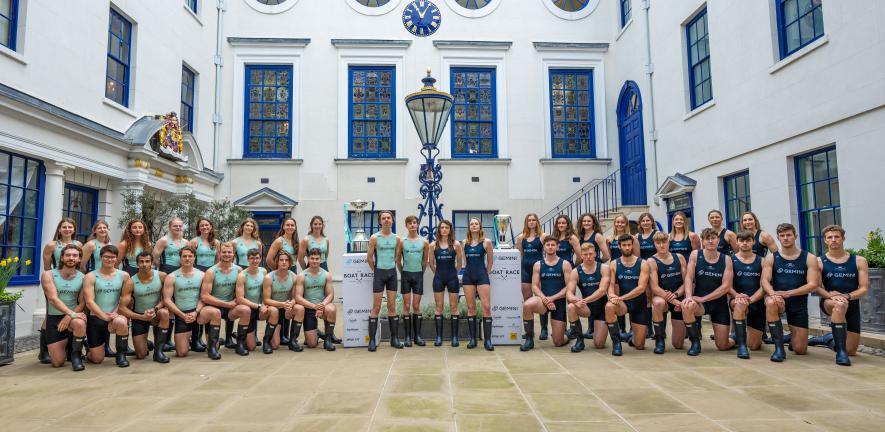
‘Antisocial’ damselfish are scaring off cleaner fish customers – and this could contribute to coral reef breakdown

Secrets of the reef revealed

www.cam.ac.uk

Damselfish have been discovered to disrupt ‘cleaning services’ vital to the health of reefs. And climate change may mean this is only likely to get worse.

“We need to step back and see how all fish are connected so that we can protect ecosystems like coral reefs.”Dr Katie Dunkley

The meal of choice for the Caribbean cleaner fish, the sharknose goby, is a platter of parasites, dead tissue, scales and mucus picked off the bodies of other fishes. By removing these morsels, gobies are offering their ‘cleaning services’ to other marine life – a famous example of a mutually beneficial relationship between species.

But new research from the University of Cambridge and Cardiff University shows that when gobies inadvertently set up shop within the territories of aggressive damselfish, damselfish scare off the gobies’ ‘choosy client customers’.

The study, published today in Behavioral Ecology, is an example of a largely unexplored phenomenon: a mutually beneficial relationship in nature being disrupted by a third party. 

Sharknose gobies work solo or band together and set up a ‘cleaning station’: a fixed location in a particular nook of coral reef, where other marine life burdened by parasites go to take advantage of the gobies’ dietary needs.

“Gobies wait at cleaning stations for customers to visit, similar to shops. And with customers, come the parasites,” said Dr Katie Dunkley, a behavioural ecologist at the University of Cambridge’s Department of Zoology. “In return for providing a cleaning service the gobies receive a payment of food.”

Customers are varied and include parrotfish, surgeonfish and butterflyfish. These choosy client fish shop around, visiting different cleaning stations open for business. If interested, they will adopt a stationary pose that makes a clean more likely – typically a head or tail-stand position with all fins flared.

During a clean – which could last from a few seconds to several minutes – gobies make physical contact with the customer, removing parasites and other dead body tissue. This is known as ‘tactile stimulation’ and, as well as getting rid of parasites, it may act as a massage reducing the customer’s stress, says Dunkley. Previous research has established the importance of cleaners – their removal led to fewer numbers and less variety of fish species on reefs.

“Cleaning stations act as a marketplace, and if customers stop showing up, over time a cleaning station is going to go out of business,” said Dunkley.

Five researchers spent over 34 hours observing cleaning stations on a shallow fringing reef in Tobago over a period of six weeks. Equipped with snorkels and waterproof paper they recorded underwater interactions for 10-minute periods from 8am-5:15pm each day.

They found that client fish were less likely to go to cleaning stations that were more often patrolled by damselfish, who scared ‘intruders’ away. 

“I thought that damselfish might play a role as they visit cleaning stations too – although don’t often get cleaned – but to see just how influential they were was startling.

“Damselfish act like farmers as they weed out algae they don’t want, to encourage their preferred algae to grow. Damselfish are protective over their algal territories, and these antisocial fish spend a lot of time patrolling their territories, scaring away intruders through biting, attacking, chasing or threatening displays.”

Damselfish’s territories cover up to 70% of some reefs. On a healthy coral reef, a balance is maintained between algae and coral. But as reefs deteriorate and overfishing intensifies, algae thrive. As reefs deteriorate damselfish may become more common and/or aggressive – leading to fewer species receiving the goby cleaning treatment needed to keep them healthy, says Dunkley. This could ultimately contribute to the breakdown of delicate ecosystems supported by reefs.

“In future we’d like to tease out the motives of damselfish. Are they driven by wanting to protect their algae farms or monopolise cleaning stations?” said Dunkley, a Charles Darwin and Galapagos Islands Fund Junior Research Fellow at Christ’s College, Cambridge.

“Just as humans are connected through family, friends and colleagues, all fish are connected to each other. It’s important that we don’t just look at relationships in isolated bubbles. We need to step back and see how all fish are connected so that we can protect ecosystems like coral reefs.”

The study was funded by a Natural Environment Research Council GW4+ studentship and Christ’s College University of Cambridge Galapagos Islands Fund (both awarded to first author, Katie Dunkley). Last author, James Herbert-Read, was supported by the Whitten Lectureship in Marine Biology, and a Swedish Research Council Grant (2018–04076).

Dunkley et al, The presence of territorial damselfish predicts choosy client species richness at cleaning stations, Behavioral Ecology, DOI: doi.org/10.1093/beheco/arac122


The text in this work is licensed under a Creative Commons Attribution 4.0 International License. Images, including our videos, are Copyright ©University of Cambridge and licensors/contributors as identified.  All rights reserved. We make our image and video content available in a number of ways – as here, on our main website under its Terms and conditions, and on a range of channels including social media that permit your use and sharing of our content under their respective Terms.
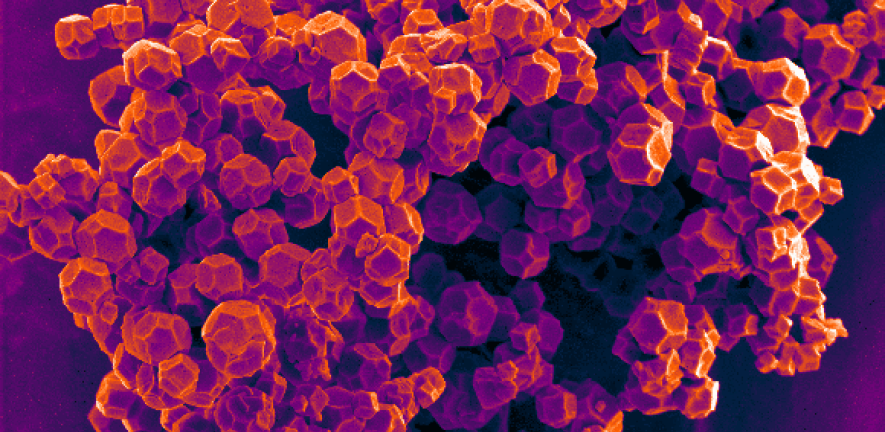
Roadmap sets out new global strategy for development of more effective coronavirus vaccines

COVID-19 variants

www.cam.ac.uk

Plan will accelerate a new approach to coronavirus vaccines research and development, to protect against COVID-19 variants and future pandemic threats from new coronaviruses

It’s vital that we continue to develop vaccine candidates to help keep us safe from the next virus threatsJonathan Heeney

A global strategy is launched today to coordinate the complex research activities necessary for a new approach to coronavirus vaccine development. The aim is to develop more effective, longer lasting vaccines against continually emerging SARS-CoV-2 variants, and against new coronaviruses that may emerge in the future.

The Coronavirus Vaccines Research and Development Roadmap (CVR) is led by the US Center for Infectious Disease Research and Policy (CIDRAP) at the University of Minnesota. It is the product of an international collaboration of 50 scientific experts from around the world, who forged a unified strategy to make these critically needed vaccines a reality.

“The response of the scientific and medical communities to the development and delivery of COVID-19 vaccines has been incredible, but as new variants emerge and immunity begins to wane we need newer technologies. It’s vital that we continue to develop vaccine candidates to help keep us safe from the next virus threats,” said Professor Jonathan Heeney, Head of the Lab of Viral Zoonotics at the University of Cambridge and advisor on the international CVR Taskforce.

Heeney, who is also a Fellow at Darwin College, Cambridge, is leading an ongoing clinical trial to evaluate an innovative coronavirus vaccine he developed at the University of Cambridge and spin-out company DIOSynVax. Administered needle-free using a blast of air, the vaccine primes the immune system to give a broader protective response to coronaviruses and is a step towards developing a future-proofed coronavirus vaccine.

Last year DIOSynVax was awarded $42 million from the Coalition for Epidemic Preparedness Innovations (CEPI) and the UK Government to support this work.

“The COVID-19 pandemic marks the third time in just twenty years that a coronavirus has emerged to cause a public health crisis,” said Michael T. Osterholm, PhD, MPH, CIDRAP director, University of Minnesota Regents Professor and McKnight Presidential Endowed Chair in Public Health.

He added: “The COVID-19 pandemic taught us the hard lesson that we must be better prepared. Rather than waiting for a fourth coronavirus to emerge — or for the arrival of an especially dangerous SARS-CoV-2 variant — we must act now to develop better, longer lasting and more broadly protective vaccines. If we wait for the next event to happen before we act, we will be too late.”

The emergence of SARS-CoV-2 in 2019 was preceded by an epidemic in 2003 caused by a different coronavirus called SARS-CoV. Then, in 2012, the Middle East respiratory syndrome coronavirus, or MERS-CoV, emerged. Coronaviruses can carry a high risk of death: for MERS-CoV, about one third of infections result in death, and approximately one in ten for SARS-CoV, although neither spreads easily from person to person.

In contrast, SARS-CoV-2, the virus that caused the COVID-19 pandemic, has a much lower fatality rate, but because it is so highly infectious between people, it had caused worldwide more than 650 million confirmed cases and 6.6 million deaths by the end of 2022. Even more concerning is the threat of a new coronavirus in the future that could be both highly transmissible and highly lethal. In addition, the emergence of new SARS-CoV-2 variants may further jeopardise the significant protection provided by current vaccines against severe disease and death.

The CVR confronts these extraordinary threats with a detailed, comprehensive and coordinated plan to accelerate the development of long-lasting, broadly protective coronavirus vaccines capable of preventing severe disease and death, and potentially protect against infection and transmission. The CVR further emphasises the goal that future broadly protective vaccines must be suitable for all regions worldwide, including remote areas and low- and middle-income countries.

The report highlights different paths to success. One approach could involve a stepwise process, starting with vaccines to protect against variants of SARS-CoV-2. Another approach could focus on vaccines capable of protecting against multiple types of coronaviruses, including those likely to spill over from animals to humans in the future.

The CVR summarises key barriers and gaps and outlines specific goals and milestones for advancing broadly protective coronavirus vaccines. The work is organised into five topic areas:

  • Virology. Developing broadly protective coronavirus vaccines requires learning more about the global distribution of coronaviruses circulating in animal reservoirs that have the potential to spill over to humans.
  • Immunology. Scientists need to learn more about human immunology, including research that will expand the breadth and durability of immune protection from vaccines and natural infection. Improved understanding of mucosal immunity may unlock new strategies to block infection.
  • Vaccinology. Identifying key preferred product characteristics will inform priorities and strategies for vaccine R&D and accelerate discovery. Leveraging new technologies and identifying the best methods to assess vaccine efficacy will further catalyse critical advancements.
  • Animal and human infection models for vaccine research. The limited availability of a range suitable animal models is a key barrier to developing broadly protective coronavirus vaccines. Additionally, work is needed to explore the potential role for the safe and effective use of controlled human infection models in coronavirus vaccine research.
  • Policy and financing. The successful development and global distribution of broadly protective coronavirus vaccines will require reinvigorating and sustaining a high level of political commitment and long-term investment in vaccine R&D and manufacturing.

“The vaccines that we currently have for COVID-19 are the most important tool that we have in our battle against the pandemic,” said Charlie Weller, PhD, Head of Prevention, Infectious Diseases, at the Wellcome Trust. “But we can do better – by developing vaccines that give us broader protection – protection against new variants, protection from coronaviruses that have not yet emerged but might cause the next pandemic. We can discover new ways to deliver vaccines, such as skin patches or intranasal vaccines – and maybe even vaccines that could block transmission. This roadmap creates the structured plan that will give us the tools we need to better protect ourselves, our families and our communities around the world.”

The report was developed with funding from The Rockefeller Foundation and the Bill & Melinda Gates Foundation.

A scientific webinar on the CVR is planned for Thursday, April 20, 2023, 10:00-11:00 EDT. Register for the webinar here.

Reference

Moore, K.A. “A Research and Development (R&D) Roadmap for Broadly Protective Coronavirus Vaccines: A Pandemic Preparedness Strategy.” February 2023, Vaccine. DOI: 10.1016/j.vaccine.2023.02.032


The text in this work is licensed under a Creative Commons Attribution 4.0 International License. Images, including our videos, are Copyright ©University of Cambridge and licensors/contributors as identified.  All rights reserved. We make our image and video content available in a number of ways – as here, on our main website under its Terms and conditions, and on a range of channels including social media that permit your use and sharing of our content under their respective Terms.

Cambridge engineer to co-lead earthquake reconnaissance mission to Turkey

Turkey earthquake – a glimpse of the ECHO assessment

source: www.cam.ac.uk

Professor Emily So will lead a UK response to uncover the causes of the extensive damage and loss of life

This mission will enable us to observe the damage and the effects of the earthquake first-hand to identify the main lessons that can be learnt…These will be key to help prioritise actions for change.”Professor Emily So

Professor Emily So, Director of the Cambridge University Centre for Risk in the Built Environment (CURBE) will be co-leading a UK team of engineers, seismologists and geologists on a reconnaissance mission to Turkey, to undertake post-earthquake assessments and uncover the causes of this natural disaster.

Organised by The Earthquake Engineering Field Investigation Team (EEFIT), Professor So will co-lead the mission alongside Yasemin Didem Aktas from UCL and will work closely to support Turkish colleagues and officials. The EEFIT is a joint venture between industry and universities, conducting field investigations following major earthquakes.

The earthquake struck south-eastern Turkey and neighbouring Syria on Monday 6 Feb, registering a 7.8 magnitude quake. It is Turkey’s worst earthquake since 1939, impacting 13.4 million people living in the 10 provinces hit by it. At the time of writing, the death toll had climbed to more than 36,000, with the United Nations warning that the final number may double.

The reconnaissance mission will carry out detailed technical evaluations of the performance of structures, foundations, civil engineering works and industrial plants within the affected regions. They will also assess the effectiveness of earthquake protection methods, study disaster management procedures and investigate the socio-economic effects of the earthquake.

Professor Emily So says: “Last week’s earthquake has caused untold damage and suffering for up to 15% of Turkey’s population. This mission will enable us to observe the damage and the effects of the earthquake first-hand to identify the main lessons that can be learnt. The EEFIT mission is our opportunity to observe the real performances of buildings and question why they have collapsed and why they have not withstood the earthquake. These lessons are key to help direct future research, and prioritise actions for change.”

Professor So is a chartered civil engineer and Director of the Cambridge University Centre for Risk in the Built Environment (CURBE). Her main area of interest is in assessing and managing urban risk and resilience. She has actively engaged with earthquake‐affected communities in different parts of the world, focusing on applying her work towards making real‐ world improvements in seismic safety. 

Saving lives from earthquakes is a priority and motivates her research. Her area of specialty is casualty estimation in earthquake loss modelling and her research has led to improved understanding of the relationship between deaths and injuries following earthquakes.

Recognised as an expert in the field, Professor So sits on the Scientific Advisory Group for Emergencies (SAGE) providing valuable and timely scientific and technical advice to support the UK Government’s Cabinet Office Briefing Room (COBR).

Professor So is a Fellow and Admissions Tutor for Recruitment at Magdalene College, Director of Studies in Architecture at Magdalene and St Edmund’s College and a Director of Cambridge Architectural Research Ltd.


The text in this work is licensed under a Creative Commons Attribution 4.0 International License. Images, including our videos, are Copyright ©University of Cambridge and licensors/contributors as identified.  All rights reserved. We make our image and video content available in a number of ways – as here, on our main website under its Terms and conditions, and on a range of channels including social media that permit your use and sharing of our content under their respective Terms.

Cambridge PhD students launch Turkey earthquake bursary fund

From left, Zeynep Olgun, Elif Yumru, and Mehmet Dogar, who are all History PhD students from Turkey

source: www.cam.ac.uk

Cambridge students have launched a bursary fund to help university students in Turkey affected by the devastating earthquake and its aftermath.

Experiencing such a tragedy from a distance, away from your home country where people are suffering, is very hard.Zeynep Olgun, Newnham PhD student

Elif Yumru, Mehmet Dogar and Zeynep Olgun, who are all History PhD students from Turkey, have created the bursary to collect donations, and show solidarity with those whose lives have been shattered by the disaster. More than 40,000 people have died in Turkey and Syria and hundreds of thousands have been left homeless.

Elif, who is studying at Newnham College, used to live in Adana, which is in the region affected by the earthquake. She said: “It’s devastating to see the place that you grew up in reduced to rubble. I have relatives who died there, so it’s been incredibly personal. Working on this project has been very helpful, it’s really helped keep us focused over the past week.” 

Fellow Newnham student Zeynep said being so far away had been incredibly difficult for the students, but working on the project had been “good for our souls”.

“Experiencing such a tragedy from a distance, away from your home country where people are suffering, is very hard,” she said. “There is a communal grief that we cannot experience while we’re not in Turkey, and we cannot physically help people straight away. We have responsibilities here too, but it’s been extremely hard to put together these two different realities.” 

In southern Turkey, the earthquake caused considerable damage to 18 universities located in some of the most affected cities: Hatay, Kahramanmaraş, Gaziantep, Diyarbakır, Malatya, Osmaniye, Adana, Adıyaman, Urfa and Kilis. The Cambridge students say the impact of the disaster will be felt by students in Turkey for years, both psychologically and practically, because of dramatic financial difficulties caused by losing family members, homes and belongings. 

Mehmet, who is a student at Selwyn College, is from Malatya. He said: “There are lots of donations going to Turkey at the moment, and that’s great because the situation is very urgent. But at the same time we know that, unfortunately, in perhaps a few months’ time, the international media attention will not be there. So we wanted to create a long-term initiative, because there are students who are going to need help for years.”

To directly identify students affected by the earthquake in Turkey, the students are collaborating with the Turkish Education Foundation UK (TEV UK), an independent charity established in the UK to help students from Turkey to access equal opportunities in education.

Professor Yael Navaro, from the University’s Department of Social Anthropology, who is from Istanbul, is supporting the new bursary fund. 

“People are dealing with horrible, apocalyptic situations of having to look for loved ones in the rubble,” she said. “We’re very much in touch with people out there, and we know what kind of help is needed. That’s why I’m so happy to support this project, working with the Turkish Educational Foundation which has the ability to reach university students who are actually in need.”

Donations to the fund will be transferred directly to TEV UK to be distributed in Turkey. 

For more information, and to donate, visit: Educational Fund Cambridge TEV-UK by Elif Yumru, Mehmet Dogar, Zeynep Olgun is fundraising for Turkish Education Foundation UK (justgiving.com)


The text in this work is licensed under a Creative Commons Attribution 4.0 International License. Images, including our videos, are Copyright ©University of Cambridge and licensors/contributors as identified.  All rights reserved. We make our image and video content available in a number of ways – as here, on our main website under its Terms and conditions, and on a range of channels including social media that permit your use and sharing of our content under their respective Terms.
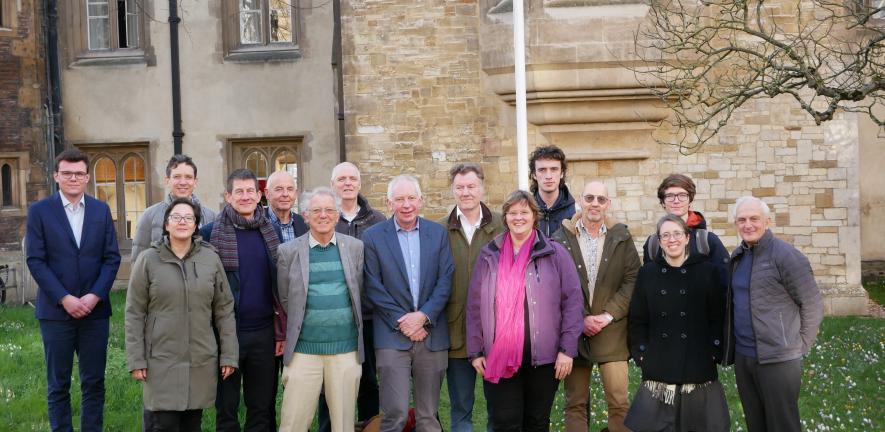
Hospitality and real estate sectors have highest rates of common mental health problems

Person using an espresso machine

source: www.cam.ac.uk

Mental health problems such as depression are most common in the hospitality and real estate sectors, but – at least prior to the COVID-19 pandemic – were on the increase across the board, according to new research.

We would still strongly encourage industry leaders to take an urgent look and try to identify and address the underlying issuesShanquan Chen

Researchers from the University of Cambridge and University College London found significant gender disparities of common mental health problems against females in over half of the twenty industries studied, with the smallest gap being in the transport and storage industry and the highest gap being in the arts, entertainment and recreation industry.

In the UK, around one in seven people in the workplace experiences mental health problems, and women are nearly twice as likely to have mental health problems as men. More than half of all sickness absence days can be attributed to mental health conditions. It is estimated that economic losses caused by mental health problems account for about 4.1% of UK GDP, and that better mental health support in the workplace can save UK businesses up to £8 billion per year.

The researchers analysed data from almost 20,000 people aged between 16 and 65 across 20 industries. This data was collected as part of the Health Survey for England, a representative repeated cross-sectional survey of people in England, looking at changes in the health and lifestyles of people all over the country. The results are published in Frontiers in Public Health.

The team found an overall increase in the proportion of people reporting mental health problems, up from 16.0% in 2012-14 to 18.8% in 2016-2018. None of the industries studied experienced significant decreases in prevalence, but three industries – wholesale and retail trade, repair of motor vehicles and motorcycles; construction; and other service activities – saw significant increases.

Common mental health problems were most prevalent among those who were not working, with around one in three (33.7%) people reporting problems. In the hospitality sector (accommodation and food services) and real estate, just under one in four people (23.8% and 23.6, respectively) reported mental health problems.

The lowest prevalence was seen among professional, scientific and technical activities (15.0%), agriculture, forestry and fishing (9.6%) and mining and quarrying (6.2%).

Dr Shanquan Chen from the Department of Psychiatry, University of Cambridge, said: “Jobs that involve working face to face with the public, particularly where the employee has a degree of responsibility, and those that involve working irregular and long hours can all be emotionally demanding or even expose employees to violence and verbal aggression. This in turn could contribute to higher rates of mental health problems.”

“Nevertheless, we would still strongly encourage industry leaders – particularly in those sectors that fare worst, such as the hospitality and real estate sectors – to take an urgent look and try to identify and address the underlying issues.”

In the majority of industries (11 out of 20), mental health problems were more common among females than they were among males. This was highest in the arts, entertainment and recreation sector, where more than one in four women (26.0%) reported problems compared to around one in 20 (5.6%) of men. Not working also appeared to have a much bigger impact on females (45.0%) compared to males (21.7%).

From 2012-2014 to 2016-2018, gender disparities had widened in all but two sectors – human health and social work activities, and transport storage.

Previous studies have identified some risk factors that have gender-specific impacts on mental health. For example, working full-time decreases the risk of mental problems among males, but not among females; fixed-term contract only increases the risk of mental problems among females; males are more affected by changes in tasks at work, while lack of training, low motivation and weak social support are drivers of mental problems among females. However, the researchers say that the existing evidence cannot explain why there were disparities in some industries but not others.

The study was supported by the Medical Research Council and the NIHR Cambridge Biomedical Research Centre.

Reference
Chen, S & Wang, Y. Industry-specific prevalence and gender disparity of common mental health problems in the UK: A national repetitive cross-sectional study. Frontiers in Public Health; 9 Feb 2023; DOI: 10.3389/fpubh.2023.1054964


The text in this work is licensed under a Creative Commons Attribution 4.0 International License. Images, including our videos, are Copyright ©University of Cambridge and licensors/contributors as identified.  All rights reserved. We make our image and video content available in a number of ways – as here, on our main website under its Terms and conditions, and on a range of channels including social media that permit your use and sharing of our content under their respective Terms.
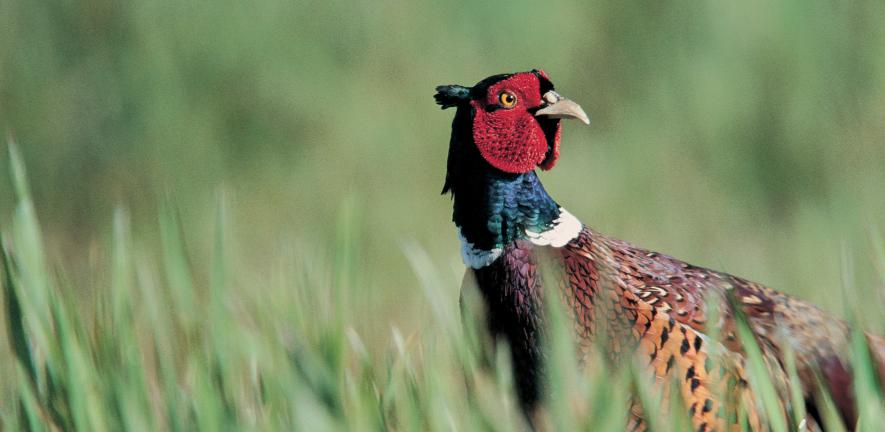
Public wareness of ‘nuclear winter’ too low given current risks, argues expert

U.S. Navy nuclear test, Bikini Atoll.

source: www.cam.ac.uk

Survey study of awareness in UK and US populations also shows that brief exposure to latest data on ‘nuclear winter’ deepens doubts over nuclear retaliation.

Ideas of nuclear winter are predominantly a lingering cultural memory, as if it is the stuff of history, rather than a horribly contemporary riskPaul Ingram

There is a lack of awareness among UK and US populations of “nuclear winter”, the potential for catastrophic long-term environmental consequences from any exchange of nuclear warheads.

This is according to the researcher behind new polling conducted last month and released today by the University of Cambridge’s Centre for the Study of Existential Risk (CSER).

Paul Ingram, CSER senior research associate, says that – despite risks of a nuclear exchange being at their highest for 40 years due to Russia’s invasion of Ukraine – what little awareness there is of nuclear winter among the public is mainly residual from the Cold War era.

The scientific theory of nuclear winter sees detonations from nuclear exchanges throw vast amounts of debris into the stratosphere, which ultimately blocks out much of the sun for up to a decade, causing global drops in temperature, mass crop failure and widespread famine.

Combined with radiation fall-out, these knock-on effects would see millions more perish in the wake of a nuclear war – even if they are far outside of any blast zone. Ideas of nuclear winter permeated UK and US culture during the Cold War through TV shows and films such as Threads and The Day After, as well as in novels such as Z for Zachariah.   

The latest survey, conducted online in January 2023, asked 3,000 participants – half in the UK, half in the US – to self-report on a sliding scale whether they felt they knew a lot about “nuclear winter”, and if they had heard about it from:

  • Contemporary media or culture, of which 3.2% in the UK and 7.5% in the US said they had.
  • Recent academic studies, of which 1.6% in the UK and 5.2% in the US claimed they had.
  • Beliefs held during the 1980s, of which 5.4% in the UK and 9% in the US said they had heard of or still recalled.*

“In 2023 we find ourselves facing a risk of nuclear conflict greater than we’ve seen since the early eighties. Yet there is little in the way of public knowledge or debate of the unimaginably dire long-term consequences of nuclear war for the planet and global populations,” said Ingram.

“Ideas of nuclear winter are predominantly a lingering cultural memory, as if it is the stuff of history, rather than a horribly contemporary risk.”  

“Of course it is distressing to consider large-scale catastrophes, but decisions need to account for all potential consequences, to minimise the risk,” said Ingram. 

“Any stability within nuclear deterrence is undermined if it is based on decisions that are ignorant of the worst consequences of using nuclear weapons.”

The survey also presented all participants with fictional media reports from the near future (dated July 2023) relaying news of nuclear attacks by Russia on Ukraine, and vice versa, to gauge support in the UK and US for western retaliation.

In the event of a Russian nuclear attack on Ukraine, fewer than one in five people surveyed in both countries supported in-kind retaliation, with men more likely than women to back nuclear reprisal: 20.7% (US) and 24.4% (UK) of men compared to 14.1% (US) and 16.1% (UK) of women.

The survey used infographics summarising nuclear winter effects laid out in a recent study led by Rutgers University (published by Nature in August 2022).The Rutgers research used climate modelling and observations from forest fires and volcanoes, and found that even a limited nuclear war could see mass starvation of hundreds of millions in countries uninvolved in any conflict.

Half the survey sample in each country (750 in the UK and US) were shown the infographics before they read the fictional news of nuclear strikes, while the other half – a control group – were not.

Support for nuclear retaliation was lower by 16% in the US and 13% in the UK among participants shown the “nuclear winter” infographics than among the control group.**

This effect was more significant for those supporting the parties of the US President and UK Government. Support for nuclear retaliation was lower by 33% among UK Conservative Party voters and 36% among US Democrat voters when participants were briefly exposed to recent nuclear winter research.*** 

Added Ingram: “There is an urgent need for public education within all nuclear-armed states that is informed by the latest research. We need to collectively reduce the temptation that leaders of nuclear-armed states might have to threaten or even use such weapons in support of military operations.”

Ingram points out that if we assume Russia’s nuclear arsenal has a comparable destructive force to that of the US – just under 780 megatons – then the least devastating scenario from the survey, in which nuclear winter claims 225 million lives, could involve just 0.1% of this joint arsenal.

The findings are published in a report on the Centre for the Study of Existential Risk website.

*The responses to each of these three questions were not mutually exclusive, with some participants claiming to know about nuclear winter from two or three different sources.

** Support for nuclear retaliation in the UK was 18.1% in the group that were presented with the infographic, against 20.8% in the control group. 
Support for nuclear retaliation in the US was 17.6% in the group that were presented with the infographic, against 21% in the control group. 

***22.3% of informed UK Conservative Party voters supported nuclear retaliation, against 33.3% of those uninformed. Among US Democrats these figures were 15.8% and 24.6% respectively.

The fieldwork was conducted online by polling company Prolific on the 25 January 2023, with a total of 3000 participants (1500 in the UK and US respectively).


The text in this work is licensed under a Creative Commons Attribution 4.0 International License. Images, including our videos, are Copyright ©University of Cambridge and licensors/contributors as identified.  All rights reserved. We make our image and video content available in a number of ways – as here, on our main website under its Terms and conditions, and on a range of channels including social media that permit your use and sharing of our content under their respective Terms.
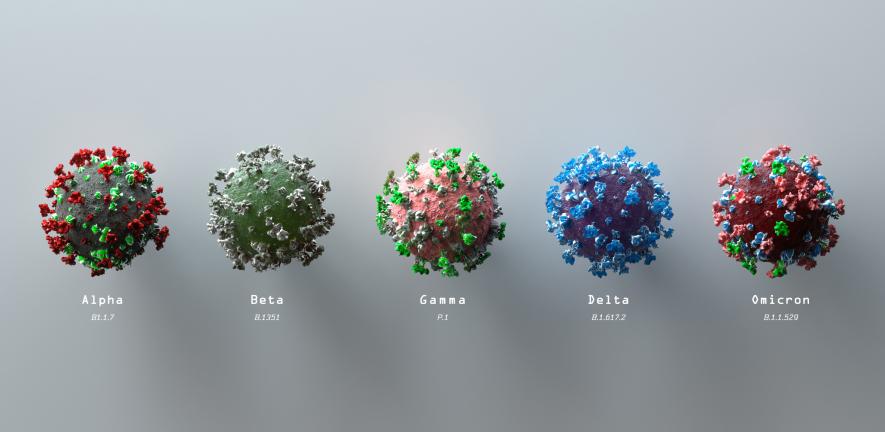
Researchers devise a new path toward ‘quantum light’

Abstract image
source: www.cam.ac.uk

Researchers have theorised a new mechanism to generate high-energy ‘quantum light’, which could be used to investigate new properties of matter at the atomic scale.

The researchers, from the University of Cambridge, along with colleagues from the US, Israel and Austria, developed a theory describing a new state of light, which has controllable quantum properties over a broad range of frequencies, up as high as X-ray frequencies. Their results are reported in the journal Nature Physics.

The world we observe around us can be described according to the laws of classical physics, but once we observe things at an atomic scale, the strange world of quantum physics takes over. Imagine a basketball: observing it with the naked eye, the basketball behaves according to the laws of classical physics. But the atoms that make up the basketball behave according to quantum physics instead.

“Light is no exception: from sunlight to radio waves, it can mostly be described using classical physics,” said lead author Dr Andrea Pizzi, who carried out the research while based at Cambridge’s Cavendish Laboratory. “But at the micro and nanoscale so-called quantum fluctuations start playing a role and classical physics cannot account for them.”

Pizzi, who is currently based at Harvard University, worked with Ido Kaminer’s group at the Technion-Israel Institute of Technology and colleagues at MIT and the University of Vienna to develop a theory that predicts a new way of controlling the quantum nature of light.

“Quantum fluctuations make quantum light harder to study, but also more interesting: if correctly engineered, quantum fluctuations can be a resource,” said Pizzi. “Controlling the state of quantum light could enable new techniques in microscopy and quantum computation.”

One of the main techniques for generating light uses strong lasers. When a strong enough laser is pointed at a collection of emitters, it can rip some electrons away from the emitters and energise them. Eventually, some of these electrons recombine with the emitters they were extracted from, and the excess energy they absorbed is released as light. This process turns the low-frequency input light into high-frequency output radiation.

“The assumption has been that all these emitters are independent from one another, resulting in output light in which quantum fluctuations are pretty featureless,” said Pizzi. “We wanted to study a system where the emitters are not independent, but correlated: the state of one particle tells you something about the state of another. In this case, the output light starts behaving very differently, and its quantum fluctuations become highly structured, and potentially more useful.”

To solve this type of problem, known as a many body problem, the researchers used a combination of theoretical analysis and computer simulations, where the output light from a group of correlated emitters could be described using quantum physics.

The theory, whose development was led by Pizzi and Alexey Gorlach from the Technion, demonstrates that controllable quantum light can be generated by correlated emitters with a strong laser. The method generates high-energy output light, and could be used to engineer the quantum-optical structure of X-rays.

“We worked for months to get the equations cleaner and cleaner until we got to the point where we could describe the connection between the output light and the input correlations with just one compact equation. As a physicist, I find this beautiful,” said Pizzi. “Looking forward, we would like to collaborate with experimentalists to provide a validation of our predictions. On the theory side of things, our work suggests many-body systems as a resource for generating quantum light, a concept that we want to investigate more broadly, beyond the setup considered in this work.”

The research was supported in part by the Royal Society. Andrea Pizzi is a Junior Research Fellow at Trinity College, Cambridge.

Reference:
Andrea Pizzi et al. ‘Light emission from strongly driven many-body systems.’ Nature Physics (2023). DOI: 10.1038/s41567-022-01910-7


The text in this work is licensed under a Creative Commons Attribution 4.0 International License. Images, including our videos, are Copyright ©University of Cambridge and licensors/contributors as identified.  All rights reserved. We make our image and video content available in a number of ways – as here, on our main website under its Terms and conditions, and on a range of channels including social media that permit your use and sharing of our content under their respective Terms.