
All posts by Admin

Molecular 3D-Maps Unlock New Ways of Studying Human Reproduction

Laser-assisted analysis of a marmoset embryo after implantation
source: www.cam.ac.uk


Scientists have identified the biochemical signals that control the emergence of the body pattern in the primate embryo. This will guide work to understand birth defects and pregnancy loss in humans.


This work will provide a definitive laboratory reference for future studies of early embryo development, and the embryonic origins of disease

Thorsten Boroviak

The study also provides a crucial reference for foetal tissue generation in the lab – such tissue is in short supply but is needed for drug screening and studies into stem cell-based treatments to regenerate body tissues in diseases like Parkinson’s, for example.

Embryos develop from a clump of cells into highly organised structures. However, until now the signals orchestrating this transformation have remained hidden from observation inside the womb.

Measuring gene activity in three dimensions, researchers have generated molecular maps of the second week of gestation as it has never been seen before. Their work is published today in the journal Nature.

“This work will provide a definitive laboratory reference for future studies of early embryo development, and the embryonic origins of disease,” said Dr Thorsten Boroviak in the University of Cambridge’s Department of Physiology, Development and Neuroscience and senior author of the study.

The second week of gestation is one of the most mysterious, yet critical, stages of embryo development. Failure of development during this time is one of the major causes of early pregnancy loss and birth defects.

In previous work, Boroviak showed that the first week of development in marmoset monkeys is remarkably similar to that in humans. But with existing methods he could not explore week two of development, after the embryo implants into the womb.

A new laser-assisted technique enabled the team to track down the earliest signals driving the establishment of the body axis – when the symmetrical structure of the embryo starts to change. One end becomes committed to developing into the head, and the other end becomes the ‘tail’.

The team discovered that asymmetric signals come from the embryo itself and from transient structures that support the embryo during its development – the amnion, yolk sac, and precursors of the placenta.

“Our virtual reconstructions show the developing embryo and its’ supporting tissues in the days after implantation in incredible detail,” said Boroviak.

The blueprint unlocks new ways of studying human reproduction and development. In the future, the team plans to use their new technique to investigate origins of pregnancy complications and birth defects using engineered embryo models. Understanding more about human development will help scientists to understand how it can go wrong and take steps towards being able to fix problems.

The pre-implantation period, before the developing embryo implants into the mother’s womb, has been studied extensively in human embryos in the lab. On the seventh day the embryo implants into the womb to survive and develop. Very little was previously known about the development of the human embryo once it implants, because it becomes inaccessible for study.

Boroviak’s team used implanted embryos of the marmoset, a small New World monkey, in their study because they are very similar to human embryos at this early stage of development.

This research was funded by Wellcome. It was reviewed and approved by the Institutional Animal Care and Use Committee of the Central Institute for Experimental Animals (CIEA). All animal studies were performed according to the German Animal Protection Law and approved by German Primate Center.

Reference

Bergmann, S. Penfold C.A. and Slatery E. et al: ‘Spatial profiling of early primate gastrulation in utero.’ Nature, June 2022. DOI: 10.1038/s41586-022-04953-1  


Creative Commons License
The text in this work is licensed under a Creative Commons Attribution 4.0 International License. Images, including our videos, are Copyright ©University of Cambridge and licensors/contributors as identified.  All rights reserved. We make our image and video content available in a number of ways – as here, on our main website under its Terms and conditions, and on a range of channels including social media that permit your use and sharing of our content under their respective Terms.

New Approach Topples Major Barrier to Commercialisation of Organic Flow Batteries

Solar panel close up
source: www.cam.ac.uk


Researchers from the University of Cambridge and Harvard University have developed a method to dramatically extend the lifetime of organic aqueous flow batteries, improving the commercial viability of a technology that has the potential to safely and cheaply store energy from renewable sources such as wind and solar.


The most surprising and beautiful thing to me is that this organic molecule can transform in such a complex way

Evan Wenbo Zhao

The process works a bit like a pacemaker, periodically providing a shock to the system that revives decomposed molecules inside the batteries. Their results, reported in the journal Nature Chemistry, demonstrated a net lifetime 17-times longer than previous research.

“Organic aqueous redox flow batteries promise to significantly lower the costs of electricity storage from intermittent energy sources, but the instability of the organic molecules has hindered their commercialisation,” said co-author Michael Aziz from Harvard. “Now, we have a truly practical solution to extend the lifetime of these molecules, which is an enormous step to making these batteries competitive.”

Over the past decade researchers have been developing organic aqueous flow batteries using molecules known as anthraquinones – composed of naturally abundant elements such as carbon, hydrogen, and oxygen – to store and release energy.

Over the course of their research, the team discovered that these anthraquinones decompose slowly over time, regardless of how many times the battery has been used.

In previous work, the researchers found that they could extend the lifetime of one of these molecules, named DHAQ but dubbed the ‘zombie quinone’ in the lab, by exposing the molecule to air. The team found that if the molecule is exposed to air at just the right part of its charge-discharge cycle, it grabs oxygen from the air and turns back into the original anthraquinone molecule — as if returning from the dead.

But regularly exposing a battery’s electrolyte to air isn’t exactly practical, as it drives the two sides of the battery out of balance — both sides of the battery can no longer be fully charged at the same time.

To find a more practical approach, the researchers developed a better understanding of how the molecules decompose and invented an electrical method of reversing the process.

Researchers from Professor Clare Grey’s group in Cambridge’s Yusuf Hamied Department of Chemistry, carried out in situ nuclear magnetic resonance (NMR) – essentially ‘MRI for batteries’ – measurements and discovered the recomposition of active materials by an electric method, the so-called deep discharge.

The team found that if they performed a deep discharge, in which the positive and negative terminals of the battery get drained so that the voltage difference between the two becomes zero, and then flipped the polarity of battery, forcing the positive side negative and the negative side positive, it created a voltage pulse that could reset the decomposing molecules back to their original form.

“Usually, in running batteries, you want to avoid draining the battery completely because it tends to degrade its components,” said co-first author Yan Jing from Harvard. “But we’ve found that this extreme discharge where we actually reverse the polarity can recompose these molecules — which was a surprise.”

“Getting to a single-digit percentage of loss per year is really enabling for widespread commercialisation because it’s not a major financial burden to top off your tanks by a few percent each year,” said Aziz.

The research team also demonstrated that this approach works for a range of organic molecules. Next, they aim to explore how much further they can extend the lifetime of DHAQ and other inexpensive anthraquinones that have been used in these systems.

“The most surprising and beautiful thing to me is that this organic molecule can transform in such a complex way, with multiple chemical and electrochemical reactions occurring simultaneously or sequentially,” said co-first author Dr Evan Wenbo Zhao, who carried out the work while he was based at Cambridge, and is now based at Radboud University Nijmegen in the Netherlands. “Yet, we are able to unpick many of these reactions and let them happen in a controlled fashion that favours the operation of a redox flow battery.”

The research was supported in part by the US National Science Foundation, the Centre of Advanced Materials for Integrated Energy Systems (CAM-IES); the Engineering and Physical Sciences Research Council (EPSRC) and the Science and Technology Facilities Council (STFC), both of which are part of UK Research and Innovation (UKRI).

Reference:
Yan Jing et al. ‘Electrochemical Regeneration of Anthraquinones for Lifetime Extension in Flow Batteries.’ Nature Chemistry (2022). DOI: 10.1038/s41557-022-00967-4

Adapted from a Harvard University press release.


Creative Commons License
The text in this work is licensed under a Creative Commons Attribution 4.0 International License. Images, including our videos, are Copyright ©University of Cambridge and licensors/contributors as identified.  All rights reserved. We make our image and video content available in a number of ways – as here, on our main website under its Terms and conditions, and on a range of channels including social media that permit your use and sharing of our content under their respective Terms.

Pre-School Play With Friends Lowers Risk of Mental Health Problems Later

source: www.cam.ac.uk


Children who learn to play well with others at pre-school age tend to enjoy better mental health as they get older, new research shows. The findings provide the first clear evidence that ‘peer play ability’, the capacity to play successfully with other children, has a protective effect on mental health.


Games with peers that encourage children to collaborate, for example, or activities that promote sharing, will have positive knock-on benefits

Vicky Yiran Zhao

Researchers at the University of Cambridge analysed data from almost 1,700 children, collected when they were aged three and seven. Those with better peer play ability at age three consistently showed fewer signs of poor mental health four years later. They tended to have lower hyperactivity, parents and teachers reported fewer conduct and emotional problems, and they were less likely to get into fights or disagreements with other children.

Importantly, this connection generally held true even when the researchers focused on sub-groups of children who were particularly at risk of mental health problems. It also applied when they considered other risk factors for mental health – such as poverty levels, or cases in which the mother had experienced serious psychological distress during or immediately after pregnancy.

The findings suggest that giving young children who might be vulnerable to mental health issues access to well-supported opportunities to play with peers – for example, at playgroups run by early years specialists – could be a way to significantly benefit their long-term mental health.

Dr Jenny Gibson, from the Play in Education, Development and Learning (PEDAL) Centre at the Faculty of Education, University of Cambridge, said: “We think this connection exists because through playing with others, children acquire the skills to build strong friendships as they get older and start school. Even if they are at risk of poor mental health, those friendship networks will often get them through.”

Vicky Yiran Zhao, a PhD Student in PEDAL and first author of the study added: “What matters is the quality, rather than the quantity, of peer play. Games with peers that encourage children to collaborate, for example, or activities that promote sharing, will have positive knock-on benefits.”

The researchers used data from 1,676 children in the Growing up in Australia study, which is tracking the development of children born in Australia between March 2003 and February 2004. It includes a record, provided by parents and carers, of how well the children played in different situations at age three. This covered different types of peer play, including simple games; imaginative pretend play; goal-directed activities (such as building a tower from blocks); and collaborative games like hide-and-seek.

These four peer play indicators were used to create a measure of ‘peer play ability’ – the underlying ability of a child to engage with peers in a playful way. The researchers calculated the strength of the relationship between that measure and reported symptoms of possible mental health problems – hyperactivity, and conduct, emotional and peer problems – at age seven.

The study then analysed two sub-groups of children within the overall cohort. These were children with high ‘reactivity’ (children who were very easily upset and difficult to soothe in infancy), and those with low ‘persistence’ (children who struggled to persevere when encountering a challenging task). Both these traits are linked to poor mental health outcomes.

Across the entire dataset, children with a higher peer play ability score at age three consistently showed fewer signs of mental health difficulties at age seven. For every unit increase in peer play ability at age three, children’s measured score for hyperactivity problems at age seven fell by 8.4%, conduct problems by 8%, emotional problems by 9.8% and peer problems by 14%. This applied regardless of potential confounding factors such as poverty levels and maternal distress, and whether or not they had plentiful opportunities to play with siblings and parents.

The effect was evident even among the at-risk groups. In particular, among the 270 children in the ‘low persistence’ category, those who were better at playing with peers at age three consistently had lower hyperactivity, and fewer emotional and peer problems, at age seven. This may be because peer play often forces children to problem-solve and confront unexpected challenges, and therefore directly addresses low persistence.

The benefits of peer play were weaker for the high reactivity sub-group, possibly because such children are often anxious and withdrawn, and less inclined to play with others. Even among this group, however, better peer play at age three was linked to lower hyperactivity at age seven.

The consistent link between peer play and mental health probably exists because playing with others supports the development of emotional self-control and socio-cognitive skills, such as the ability to understand and respond to other people’s feelings. These are fundamental to building stable, reciprocal friendships. There is already good evidence that the better a person’s social connections, the better their mental health tends to be. For children, more social connections also create a virtuous cycle, as they usually lead to more opportunities for peer play.

The researchers suggest that assessing children’s access to peer play at an early age could be used to screen for those potentially at risk of future mental health problems. They also argue that giving the families of at-risk children access to environments which promote high-quality peer play, such as playgroups or small-group care with professional child minders, could be an easily deliverable and low-cost way to reduce the chances of mental health problems later.

“The standard offer at the moment is to put the parents on a parenting course,” Gibson said. “We could be focusing much more on giving children better opportunities to meet and play with their peers. There are already fantastic initiatives up and down the country, run by professionals who provide exactly that service to a very high standard. Our findings show how crucial their work is, especially given that the other risk factors jeopardising children’s mental health could often be down to circumstances beyond their parents’ control.”

The study is published in Child Psychiatry & Human Development.


Creative Commons License
The text in this work is licensed under a Creative Commons Attribution 4.0 International License. Images, including our videos, are Copyright ©University of Cambridge and licensors/contributors as identified.  All rights reserved. We make our image and video content available in a number of ways – as here, on our main website under its Terms and conditions, and on a range of channels including social media that permit your use and sharing of our content under their respective Terms.

Tumour ‘Signatures’ Could Provide Key To More Accurate Treatment For Deadliest Cancers

DNA illustration
source: www.cam.ac.uk


Scientists have found a way to identify and interpret ‘signatures’ that reveal the complex genetic causes of some of the deadliest cancers – which often have a survival rate of less than 10%. The results, published today in Nature, could allow them to develop more accurate treatments and significantly improve survival rates.


The more complex the genetic changes that underlie a cancer, the more difficult they are to interpret and the more challenging it is to treat the tumour

Florian Markowetz

Currently, scientists use individual genetic changes to develop mutational signatures, which can be used to understand the origin of a cancer, and to predict how a cancer progresses. However, so far, there has not been a framework to interpret the larger, more complex patterns of genetic changes seen in chromosome instability in the same way.

Our genetic code is stored on 23 pairs of chromosomes, the ‘chapters’ that make up to the genome. But when our genome gets copied, these chromosomes can become unstable and segments of DNA can get duplicated, deleted or re-arranged.

Chromosomal instability is a common feature of cancer, occurring in around 80% of tumours, but this jumble of fragments can be difficult to read, making it hard to understand exactly what types or ‘patterns’ of instability are present in any given tumour. Instead, tumours are divided into broad categories of having either high or low amounts of chromosomal instability.

Cancers with high levels of chromosomal instability are extremely deadly, often having survival rates of less than 10%. As such, understanding and treating chromosomal instability is central to improving the outcomes for millions of cancer patients worldwide.

Now, for the first time, scientists at the University of Cambridge and the National Cancer Research Center, Madrid, have published a robust framework to allow them to analyse chromosomal instability in human cancers.

Dr Florian Markowetz and colleagues investigated patterns of chromosomal instability across 7,880 tumours, representing 33 types of cancer, such as liver and lung cancer, from The Cancer Genome Atlas. By analysing the differences in the number of repetitions of sequences of DNA within the tumours, they were able to characterise 17 different types of chromosomal instability. These chromosomal instability signatures were able to predict how tumours might respond to drugs, as well as helping in the identification of future drug targets.

This research has led to the formation of Tailor Bio, a spin-out company from the Cancer Research UK Cambridge Institute, which aims to build a new pan-cancer precision medicine platform. This platform will allow the team to develop better drugs for a wide range of cancers and to group patients according to their cancer type more accurately, ensuring they get the best, most targeted treatment for their tumour.

Dr Markowetz, Senior Group Leader at the Cancer Research UK Cambridge Institute, said: “The more complex the genetic changes that underlie a cancer, the more difficult they are to interpret and the more challenging it is to treat the tumour. This is tragically clear from the very low survival rates for cancers that arise as a result of chromosomal instability.

“Our discovery offers hope that we can turn things around, providing much more sophisticated and accurate treatments. With Tailor Bio, we are now working hard to bring our technology to patients and develop it to a level where it can transform patients’ lives.”

Reference
Drews, RM et al. A pan-cancer compendium of chromosomal instability. Nature; 15 Jun 2022; DOI: 10.1038/s41586-022-04789-9


Creative Commons License
The text in this work is licensed under a Creative Commons Attribution 4.0 International License. Images, including our videos, are Copyright ©University of Cambridge and licensors/contributors as identified.  All rights reserved. We make our image and video content available in a number of ways – as here, on our main website under its Terms and conditions, and on a range of channels including social media that permit your use and sharing of our content under their respective Terms.

No Signs (Yet) Of Life On Venus

Venus, from Mariner 10
source: www.cam.ac.uk


The unusual behaviour of sulphur in Venus’ atmosphere cannot be explained by an ‘aerial’ form of extra-terrestrial life, according to a new study.


Even if ‘our’ Venus is dead, it’s possible that Venus-like planets in other systems could host life

Paul Rimmer

Researchers from the University of Cambridge used a combination of biochemistry and atmospheric chemistry to test the ‘life in the clouds’ hypothesis, which astronomers have speculated about for decades, and found that life cannot explain the composition of the Venusian atmosphere.

Any life form in sufficient abundance is expected to leave chemical fingerprints on a planet’s atmosphere as it consumes food and expels waste. However, the Cambridge researchers found no evidence of these fingerprints on Venus.

Even if Venus is devoid of life, the researchers say their results, reported in the journal Nature Communications, could be useful for studying the atmospheres of similar planets throughout the galaxy, and the eventual detection of life outside our Solar System.

“We’ve spent the past two years trying to explain the weird sulphur chemistry we see in the clouds of Venus,” said co-author Dr Paul Rimmer from Cambridge’s Department of Earth Sciences. “Life is pretty good at weird chemistry, so we’ve been studying whether there’s a way to make life a potential explanation for what we see.”

The researchers used a combination of atmospheric and biochemical models to study the chemical reactions that are expected to occur, given the known sources of chemical energy in Venus’s atmosphere.

“We looked at the sulphur-based ‘food’ available in the Venusian atmosphere – it’s not anything you or I would want to eat, but it is the main available energy source,” said Sean Jordan from Cambridge’s Institute of Astronomy, the paper’s first author. “If that food is being consumed by life, we should see evidence of that through specific chemicals being lost and gained in the atmosphere.”

The models looked at a particular feature of the Venusian atmosphere – the abundance of sulphur dioxide (SO2). On Earth, most SO2 in the atmosphere comes from volcanic emissions. On Venus, there are high levels of SO2 lower in the clouds, but it somehow gets ‘sucked out’ of the atmosphere at higher altitudes.

“If life is present, it must be affecting the atmospheric chemistry,” said co-author Dr Oliver Shorttle from Cambridge’s Department of Earth Sciences and Institute of Astronomy. “Could life be the reason that SO2 levels on Venus get reduced so much?”

The models, developed by Jordan, include a list of metabolic reactions that the life forms would carry out in order to get their ‘food’, and the waste by-products. The researchers ran the model to see if the reduction in SO2 levels could be explained by these metabolic reactions.

They found that the metabolic reactions can result in a drop in SO2 levels, but only by producing other molecules in very large amounts that aren’t seen. The results set a hard limit on how much life could exist on Venus without blowing apart our understanding of how chemical reactions work in planetary atmospheres.

“If life was responsible for the SO2 levels we see on Venus, it would also break everything we know about Venus’s atmospheric chemistry,” said Jordan. “We wanted life to be a potential explanation, but when we ran the models, it isn’t a viable solution. But if life isn’t responsible for what we see on Venus, it’s still a problem to be solved – there’s lots of strange chemistry to follow up on.”

Although there’s no evidence of sulphur-eating life hiding in the clouds of Venus, the researchers say their method of analysing atmospheric signatures will be valuable when JWST, the successor to the Hubble Telescope, begins returning images of other planetary systems later this year. Some of the sulphur molecules in the current study are easy to see with JWST, so learning more about the chemical behaviour of our next-door neighbour could help scientists figure out similar planets across the galaxy.

“To understand why some planets are alive, we need to understand why other planets are dead,” said Shorttle. “If life somehow managed to sneak into the Venusian clouds, it would totally change how we search for chemical signs of life on other planets.”

“Even if ‘our’ Venus is dead, it’s possible that Venus-like planets in other systems could host life,” said Rimmer, who is also affiliated with Cambridge’s Cavendish Laboratory. “We can take what we’ve learned here and apply it to exoplanetary systems – this is just the beginning.”

The research was funded by the Simons Foundation and the Science and Technology Facilities Council (STFC), part of UK Research and Innovation (UKRI).


Reference:
Sean Jordan, Oliver Shorttle and Paul B Rimmer. ‘Proposed energy-metabolisms cannot explain the atmospheric chemistry of Venus.’ Nature Communications (2022). DOI: 10.1038/s41467-022-30804-8


Creative Commons License
The text in this work is licensed under a Creative Commons Attribution 4.0 International License. Images, including our videos, are Copyright ©University of Cambridge and licensors/contributors as identified.  All rights reserved. We make our image and video content available in a number of ways – as here, on our main website under its Terms and conditions, and on a range of channels including social media that permit your use and sharing of our content under their respective Terms.

Vice-Chancellor Warns of ‘Brain Drain’ Sparked By EU Row, During Annual Kate Pretty Lecture

Professor Stephen J Toope, Vice-Chancellor


Professor Stephen J Toope, Vice-Chancellor of the University of Cambridge, has expressed fears that a continued stand-off between the UK and EU will lead to a “brain drain”.


It has taken a few years, but our concerns – about the loss of connectivity, the loss of researcher mobility, the loss of research funding – are now coming to pass.

Professor Stephen J Toope, Vice-Chancellor

In a lecture at Homerton College, Cambridge, he warned that senior academics would be tempted to take jobs abroad unless the impasse over allowing British researchers access to EU funds is broken.

Professor Toope said the failure of the UK Government and the EU to reach agreement over Horizon Europe, the prestigious EU funding mechanism, was already having an impact at Cambridge.

“It has taken a few years, but our concerns – about the loss of connectivity, the loss of researcher mobility, the loss of research funding – are now coming to pass,” he said in the annual Kate Pretty Lecture.

“Earlier this year we were celebrating Cambridge colleagues winning more European Research Council grants than peers at any other UK institution.

“Yet two weeks ago a Cambridge astrophysicist had to step down from the leadership of a pan-European project because the UK’s association with the Horizon Europe network has not been ratified.

“And we learned only last week that European funding has now dried up, too, for Cambridge’s Comparative Cognition Laboratory, raising the likelihood of its closure in July.

“Great Britain – and Cambridge in particular – have long been a magnet for some of the world’s finest minds. But for the first time there is the very real and hugely worrying prospect of a brain drain, as colleagues with large European collaborations and significant European grants talk about leaving the UK. The UK – we are frequently told – is a ‘Science Superpower’. I worry that, if we’re not careful, we may sleepwalk in the opposite direction.”

Professor Toope said the UK and the EU needed to move fast to prevent inflicting serious damage on world-leading academic research.

“Hopes for the UK’s association to the Horizon Europe framework programme are fading fast. But I remain hopeful that the UK Government and our European partners will recognise how much our scientific communities need each other.

“And I remain hopeful that we can still agree on some mechanism to ensure that UK researchers can continue to contribute leadership and expertise to European collaborations.”

Professor Toope said that Cambridge remained a “proudly global institution” with strong international representation among its students, staff and alumni. Cambridge academics carried out research with major impact on people’s lives on every continent and in dozens of different countries.

Read the Vice-Chancellor’s speech – University matters? The University of Cambridge in an increasingly complex world.


Creative Commons License
The text in this work is licensed under a Creative Commons Attribution 4.0 International License. Images, including our videos, are Copyright ©University of Cambridge and licensors/contributors as identified.  All rights reserved. We make our image and video content available in a number of ways – as here, on our main website under its Terms and conditions, and on a range of channels including social media that permit your use and sharing of our content under their respective Terms.
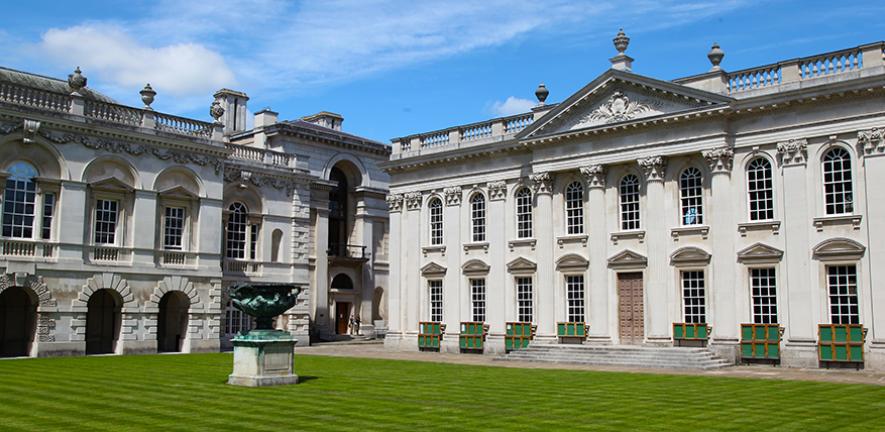
Cambridge Second In Influential World University Rankings

Senate House and the Old Schools

source: www.cam.ac.uk

The University of Cambridge has moved up to second place in the QS World University Rankings, the highest rated institution in the UK.


The announcement follows hot on the heels of Cambridge’s recent success in the UK Research Excellence Framework, where it was rated as the highest scoring institution covering all the major disciplines.

The QS World University Rankings 2023 include over 1,400 institutions from around the world. Its rankings compare institutions on a host of different criteria, including: academic reputation, employer reputation, faculty/student ratio, citations per faculty, and international student ratio & international faculty ratio.

Cambridge achieved an overall score of 98.8 out of 100, and the maximum score for academic reputation, employer reputation, faculty/student ratio, international faculty ratio and employer outcomes.

Professor Stephen J Toope, Vice-Chancellor of the University of Cambridge, said: “I am extremely proud of the imagination, vision and hard work of Cambridge’s researchers, staff and students, which are reflected in today’s results. Together with this year’s very positive REF results, the QS World Rankings have helped cement the University of Cambridge’s reputation as a truly world-leading institution.”

In the previous rankings, the University of Cambridge was joint third, but this time round it has moved up a place, overtaking Oxford to be second only to MIT in Cambridge, Massachusetts, USA.


Creative Commons License
The text in this work is licensed under a Creative Commons Attribution 4.0 International License. Images, including our videos, are Copyright ©University of Cambridge and licensors/contributors as identified.  All rights reserved. We make our image and video content available in a number of ways – as here, on our main website under its Terms and conditions, and on a range of channels including social media that permit your use and sharing of our content under their respective Terms.
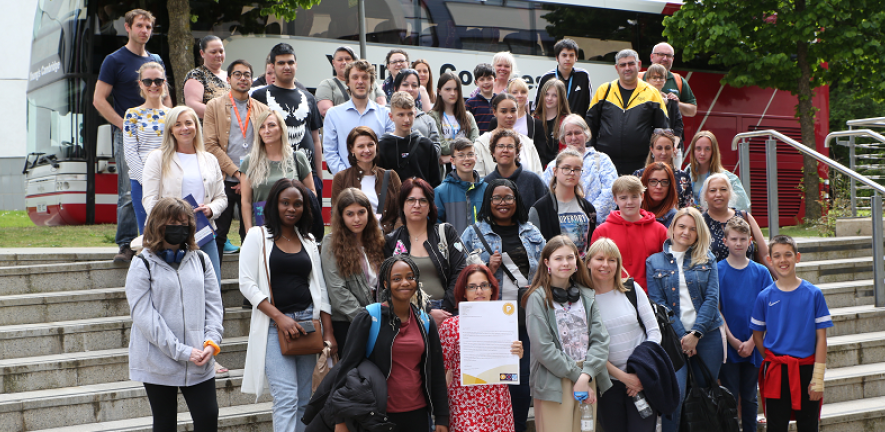
New Group To Encourage University Applications

source: www.cam.ac.uk


The University of Cambridge has been instrumental in establishing a new group to promote opportunities Higher Education can offer to parents in the Fenland area of Cambridgeshire.


Through the project, we highlight what is available to support parents locally and nationally

Jon Datta

The group’s first major event was held in May when 25 parents and carers and 25 young people took part in a visit to the University of East Anglia. They toured the campus, met with current students, and took part in training sessions on student finance and university accommodation.

The trip was the first outing for members of Parent Power Fenland, a new group which aims to tackle educational inequality in the area.

Mrs Nunn, a member of Parent Power Fenland, said: “We found out a lot about university fees, help and other resources…it makes the choice of going [to university] so much easier. Being from the Traveller community, it was nice to see everyone make us welcome and…not feel excluded from stuff or that my child would miss out….thank you Parent Power.”

Parent Power provides training, advice and guidance sessions on accessing university, so parents and carers can secure opportunities for their children. It is targeted at parents who may not feel comfortable navigating the university admissions system, including those who have not been to university themselves.

Parents also take part in community organising training so they can make change in their wider communities and ensure that everyone has a fair chance at success in education and beyond.

Fenland parents have identified a lack of public transport as a key barrier to their children accessing developmental opportunities. During the trip, parents came together to sign a letter to Fenland power holders asking to meet and discuss this issue. Parents Jenny and Karen said: “We didn’t realise and appreciate the effect of a lack of public transport and the correlation it has with the percentage of 18-year-olds who go to university.”

In the UK today, graduates from the most competitive universities are more likely to access professional careers and have higher rates of life satisfaction. On average they will also earn £10,000 more annually than their peers. But access to these life-changing opportunities is not equal.

Parents and carers from Cromwell Community College, Neale-Wade Academy, Sir Harry Smith Community College, and Thomas Clarkson Academy have been invited to take part in the network. These schools are in areas where the percentage of young people who go to university is lower than the national average.

Across the UK, 37% of 18-year-olds went to university in 2020. But, according to POLAR4 data, which is a way of measuring the percentage of young people in local areas who progress to university, that figure drops to 27% in Whittlesey, in Wisbech it is 25%, in March it is 33.%, and in Chatteris it is just 23.2%.

The Education Endowment Foundation estimates that parental engagement can help children and young people make an average of 4 months’ additional progress in education, with higher impact for students with lower prior attainment and younger students.

Parent Power Fenland, which is co-founded by the University of Cambridge, is part of a UK-wide network of Parent Power groups coordinated by education charity The Brilliant Club. The Brilliant Club mobilises the PhD community to support students who are less advantaged to access the most competitive universities and succeed when they get there.

Other Parent Power groups have obtained bespoke open days and transport to the universities of Oxford, Cambridge and Leicester, received training on student finance, and obtained bursary places at private summer schools for their children. The programme offers opportunities for parents too. Parent leads from other groups have launched a podcast which covers key topics such as resilience and creative thinking, and some have progressed to higher education themselves.

Each group is unique because it is driven by the parents and carers themselves who decide which activities will benefit their local communities. Parent Power Fenland will meet every six weeks over one year, led by a local PhD researcher trained in community organising by Citizens UK. At the end of the first year there will be a celebration event for parents and their families to celebrate their achievements.

Jon Datta, Deputy Head of Widening Participation at the University of Cambridge, said:

“We know that parents care about their children and that they have a colossal influence on their future outcomes. However, parents from less advantaged backgrounds often struggle to navigate their child’s complex and daunting educational journey to higher education, particularly if they didn’t go to university themselves or know anyone who did.

“Parent Power Fenland aims to give parents, based in one of the least socially mobile regions in the UK, a say on their children’s futures and involvement in decision-making at critical points in their education. Parent Power works on the basis that each parent is unique, just as every child is an individual, and that we need to work with them as such. Through the project, we highlight what is available to support parents locally and nationally so they can become more knowledgeable and empowered to support their child’s journey to higher education.”

Jimmy Pickering, Head of Communities at The Brilliant Club, said:

“Our mission is about supporting students who are less advantaged to access and succeed in university. At The Brilliant Club, we know how crucial parents and carers are in their children’s education. Parent Power Fenland is about working with parents and carers so they can support their children to get the opportunities they deserve.”

Sara Basuc, Inclusion Projects Lead for Fenland and East Cambridgeshire Opportunity Area, commented:

“Fenland has been identified as an area of significant disadvantage, meaning children and young people’s chances of doing well in life are particularly low.  There are numerous issues facing the area in part caused by its geography, high levels of deprivation, lack of good transport links, digital connectivity that all result in a marked gap in attainment across Fenland.

“By empowering parents and carers, they can influence change that will support not only their child’s future but other children in their community.  Parental engagement has a significant and positive impact on children and young people’s learning seeking ways to collaborate and work with parents and carers through Parent Power is a positive way to create change and narrow the gap, improving their life chances.”


Creative Commons License
The text in this work is licensed under a Creative Commons Attribution 4.0 International License. Images, including our videos, are Copyright ©University of Cambridge and licensors/contributors as identified.  All rights reserved. We make our image and video content available in a number of ways – as here, on our main website under its Terms and conditions, and on a range of channels including social media that permit your use and sharing of our content under their respective Terms.

Social Isolation May Impact Brain Volume In Regions Linked To Higher Risk of Dementia

Elderly woman in the middle stages of Alzheimer

source: www.cam.ac.uk

Social isolation is linked to lower brain volume in areas related to cognition and a higher risk of dementia, according to research published today in Neurology. The study found that social isolation was linked to a 26% increased risk of dementia, separately from risk factors like depression and loneliness.


This is very concerning and suggests to us that social isolation may be an early indicator of an increased risk of dementia

Barbara Sahakian

“Social isolation is a serious yet underrecognized public health problem that is often associated with old age,” said study author Professor Jianfeng Feng of Fudan University in Shanghai, China. “In the context of the COVID-19 pandemic, social isolation, or the state of being cut off from social networks, has intensified. It’s more important than ever to identify people who are socially isolated and provide resources to help them make connections in their community.”

The study looked at over 460,000 people across the United Kingdom with an average age of 57 at the beginning of the study who were followed for nearly 12 years before the pandemic. Of those, almost 42,000 (9%) reported being socially isolated, and 29,000 (6%) felt lonely. During the study, almost 5,000 developed dementia.

Researchers collected survey data from participants, along with a variety of physical and biological measurements, including MRI data. Participants also took thinking and memory tests to assess their cognitive function. For social isolation, people were asked three questions about social contact: whether they lived with others; whether they had visits with friends or family at least once a month; and whether they participated in social activities such as clubs, meetings or volunteer work at least once a week. People were considered socially isolated if they answered no to at least two questions.

Of the 42,000 people with social isolation, 649 (1.55%) developed dementia, compared to 4,349 (1.03%) of those people who were not socially isolated.

After adjusting for factors including age, sex, socioeconomic status, alcohol intake and smoking, and other conditions like depression and loneliness, researchers found that socially isolated individuals had lower volume in the brain’s gray matter in various regions involved with learning and thinking. Researchers found that people who were socially isolated were 26% more likely to develop dementia than those with no social isolation. Researchers also looked at loneliness, but after adjusting, saw no strong correlation with developing dementia.

Professor Barbara Sahakian from the Department of Psychiatry at the University of Cambridge, a study co-author, added: “People who reported high levels of social isolation were more likely to show significant differences in brain volume, in regions that we know as also associated with cognition problems and risk of dementia. This is very concerning and suggests to us that social isolation may be an early indicator of an increased risk of dementia.”

People who reported higher levels of social isolation were more likely to have lower gray matter volume in areas of the brain associated with learning and thinking. Overall, the results showed that lower gray matter volumes were associated with higher social isolation.

A limitation of the study was that participants reported fewer health conditions and were less likely to live alone than the general population, so the results may not apply to the general population.

The study was a collaboration between Fudan University, the University of Cambridge and the University of Warwick. It was supported by the Chinese Ministry of Science and Technology, National Natural Sciences Foundation of China, the municipal government of Shanghai, ZJ Lab, Shanghai Center for Brain Science and Brain-Inspired Technology, and the Wellcome Trust.

Reference
Shen, C et al. Associations of Social Isolation and Loneliness With Later Dementia. Neurology; 8 June 2022; DOI: 10.1212/WNL.0000000000200583


Creative Commons License
The text in this work is licensed under a Creative Commons Attribution 4.0 International License. Images, including our videos, are Copyright ©University of Cambridge and licensors/contributors as identified.  All rights reserved. We make our image and video content available in a number of ways – as here, on our main website under its Terms and conditions, and on a range of channels including social media that permit your use and sharing of our content under their respective Terms.
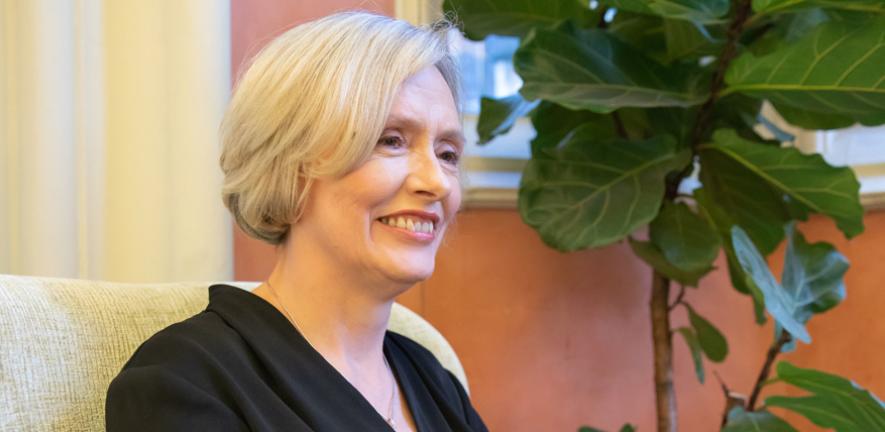
Gates Cambridge Announces New Provost

Professor Eilís Ferran
source: www.cam.ac.uk


Professor Eilís Ferran will be the new Provost of the Gates Cambridge Trust, the University of Cambridge’s leading international postgraduate scholarship programme.


I am thrilled to be appointed as the next Provost. I look forward to working with the scholars, alumni, staff and trustees to drive forward the founders’ vision for improving lives through this exceptional programme.

Professor Eilís Ferran

The Gates Cambridge Trust – which oversees the University of Cambridge’s leading international postgraduate scholarship programme – has announced that its new Provost, its first female leader, will be Professor Eilís Ferran.

Professor Ferran has a wealth of experience both as a distinguished academic and as a former Pro-Vice-Chancellor for Institutional and International Relations. She succeeds Professor Barry Everitt as Provost on 1 October 2022.

Currently Professor of Company and Securities Law at the University of Cambridge and the Tom Ivory Professorial Fellow of St Catharine’s College, Professor Ferran was the University’s Pro –Vice-Chancellor from 2015 to 2021 and, as academic strategic lead for staff and for significant international partnerships, she led the modernisation of career paths, oversaw the University’s response as an employer to COVID-19 and was instrumental in the establishment of the Strategic Partnerships Office. She was also the University’s lead for equality and diversity matters.

Professor Ferran, who is a Fellow of the British Academy and an Honorary Bencher of Middle Temple, served as Chair of the Law Faculty from 2012 to 2015. In her current research, she is focusing on the intersection between governance and risk management in financial market infrastructures, on the civil liabilities of credit rating agencies, and on the post-Brexit evolution of financial regulation in the UK.

The Gates Cambridge Trust oversees the Gates Cambridge Scholarships, which were established in 2000 by a donation of US$210m (about £170m) from the Bill and Melinda Gates Foundation to the University of Cambridge – which remains the largest ever single donation to a UK university. The scholarships fund outstanding international postgraduate students who are selected on the basis of their intellectual ability, capacity for leadership, and a commitment to improving the lives of others.

There are almost 300 Scholars at Cambridge pursuing the full range of academic subjects who form a diverse community integrated within the University, and a global network of more than 1,600 alumni spread across the world improving the lives of others in myriad ways. Since the first class in 2001, Gates Cambridge has awarded 2,081 scholarships to scholars from 111 countries who represent more than 700 universities globally, and more than 80 academic departments and all 31 Colleges at Cambridge.

Bill Gates said: “For more than 20 years, the Gates Cambridge Scholarship has educated future leaders who are dedicated to improving the lives of others around the world. I’m confident that Professor Ferran will build on that legacy in the years ahead as she serves as Provost.”

The University’s Vice-Chancellor and Chair of the Gates Cambridge Trustees, Professor Stephen J Toope, said: “The Gates Cambridge Scholarship programme supports extraordinary students driven by academic excellence and a strong sense of leadership in tackling some of the world’s greatest challenges. I’m incredibly proud of what the Trust has achieved in its first 22 years, and very grateful for Professor Barry Everitt’s inspiring leadership over the past 9 years in post. I’m delighted with the appointment of Professor Eilís Ferran, who I have worked with for many years. She is an exceptional and inclusive leader who will continue to develop this unique programme in new and exciting ways.”

President of the Gates Cambridge Scholars’ Council Ariel de Fauconberg said: “As a distinguished academic in her field with a demonstrated commitment to the University’s international engagement, we are excited for Professor Ferran to bring her wealth of experience to the leadership of this extraordinary scholarship programme in the years ahead.”

Dr Halliki Voolma and Dr Sanjana Mehta, Co-Chairs of the Gates Cambridge Alumni Association Board, said “We are delighted with the appointment of Professor Ferran as the first female Provost and are confident that her experience in building international strategic partnerships and passion for furthering equality and diversity will help us pave new avenues for fostering our global alumni community.”

Professor Ferran said: “I am thrilled to be appointed as the next Provost. I look forward to working with the scholars, alumni, staff and trustees to drive forward the founders’ vision for improving lives through this exceptional programme.”


Creative Commons License
The text in this work is licensed under a Creative Commons Attribution 4.0 International License. Images, including our videos, are Copyright ©University of Cambridge and licensors/contributors as identified.  All rights reserved. We make our image and video content available in a number of ways – as here, on our main website under its Terms and conditions, and on a range of channels including social media that permit your use and sharing of our content under their respective Terms.

Cambridge Pop-Up Experience Explores The Faustian Pacts We Make With Digital Tech

Faust Shop promotion image showing a man in his living room in a car park
source: www.cam.ac.uk


FAUST SHOP, a pop-up installation and performance in Cambridge asks visitors to think about their daily interactions with digital technology. And before they leave, it will ask them if they want to reclaim their digital soul.


Digital technology offers us the world but what does it take away from us and what does it want in return?

Annja Neumann

Do you understand how your cookies and data are being used? Do the benefits of using digital technology outweigh the negatives and the risks? How much of your digital self are you willing to sacrifice?

These are just some of the questions at the heart of a unique project about to take place in Cambridge. On 16th and 17th June, FAUST SHOP, a pop-up installation and performance in the Grafton Centre’s Sook Space will ask visitors to think about their daily interactions with digital technology. And before they leave, it will ask them if they want to reclaim their digital soul.

Stepping into the FAUST SHOP, visitors will be immersed in stories that blur the boundary between virtual spaces and reality. They will encounter characters in the flesh as well as on-screen through motion capture and digital art.

The venue, Sook Space, already employs AI-driven analytics using smart footfall cameras. FAUST SHOP will add a thermal imaging camera attachment to allow real-time capture of visitor’s “souls” as textures which can be collected and bought back as a special type of non-fungible token (NFT). All visitors will receive a special offer to either give their digital soul to Faust’s new lands or ‘take away’ the digital double they created during their visit. Information collected will then be emailed to them. The installation will also showcase digital objects donated by members of the public to share their personal relationships with digital technology.

The thought-provoking project, led by Cambridge Digital Humanities researcher Dr Annja Neumann, involves post-graduate students, researchers and artists from the University of Cambridge and the School of Creative Industries at Anglia Ruskin University.

The FAUST SHOP is a performance-based research project that uses site-specific theatre to explore agency and get people thinking about the goods and evils of technology.

Neumann says: “We all rely on digital technology now but how often do we stop to consider the impact that it is having on us? We’ll be offering visitors the opportunity to pause, experience their relationship with technology and before they leave, to choose whether to re-claim their digital soul.”

“This is the information that we trail behind us as we make our way through the online world. AI-driven technology produces a digital twin by drawing on our connections, cursor and eye movements, steps, interests, search terms, beliefs, and clicks on the ‘I agree’ button.

“How do we feel about this ghostly self? What would we do to rescue it? How happy are we to let it linger on forever in a place like this? Digital technology offers us the world but what does it take away from us and what does it want in return? These are the really big questions we’re asking people to think about.”

A performance for the digital age

The FAUST SHOP installation accompanies ‘New Lands’, a ticketed (£5) twice-daily (40 tickets per performance) 1-hour ‘augmented theatrical experience’ in the same space. ‘New Lands’ adapts Johann Wolfgang Goethe’s world-famous Faust to the digital age.

Dr Neumann said: “I’m amazed how relevant Goethe’s Faust feels today when the tragic play speaks about how technology moves us.”

The team are using structured light and LiDAR scanners to create 3D digital twins of the actors, and optical motion capture to map their movement onto their virtual twins. One of the performers will be wearing a wireless, inertial motion capture suit under their costume and custom developed software will bring the virtual characters and environment to life.

Audiences will follow Faust as he makes a pact with the Devil, offering his soul for unlimited data and worldly pleasures. Working with the devil, Faust embarks on the work of a god: the creation of a new land. The pact gives Faust access to new technologies that lead to the creation of digital doubles and him winning a new space to live in. Faust’s new lands eventually expand into the space of the Faust Shop where the audience receives a special offer: to buy back their digital soul.

Alexander Mentzel, an MPhil candidate at Cambridge University and Co-director/Co-writer of FAUST SHOP: New Lands, said:

“In our adaptation of the story, Faust’s magical new world unfolds across virtual and physical space, generated by the inputs of the audience themselves. So they will see a world of digital agents and hybrid actors rising up from a sea of data.”

“We’re interested in creating an environment that is at times seductive and at times alienating, allowing the audience during the performance to question whether they’re just passively watching or whether they’re actually complicit in the action. And by the end, they’ll have to decide if they want to sign themselves over to this new world or reclaim their digital soul.”

Dr Annja Neumann is Isaac Newton Trust Research Fellow in Digital Humanities at Cambridge Digital Humanities, an interdisciplinary research centre at the University of Cambridge and an Affiliated Lecturer in German Studies at Cambridge.

The FAUST SHOP: New Lands is part of Dr Neumann’s performance-based research project Re-staging public spaces. The series of public events presented by the FAUST SHOP are funded by Cambridge Digital Humanities, the School of Creative Industries at Anglia Ruskin University and supported by virtual architects Space Popular and commercial partner Sook Space.


Further information

Website

Location: Sook Space, The Grafton Centre, Cambridge CB1 1PS
Age Restrictions: 6 years+

FAUST SHOP installation:
Entrance is free and visits can be made between 5-6pm (registration required) on 16th and 11am-1pm (walk-in) and 5:30-6pm (walk-in) on 17th June.

‘New Lands’ performances:
Tickets: £5; 40 tickets available for each performance
Timings: 16 June (3–4pm & 7–8pm); 17 June (2–3pm & 7–8pm)


Creative Commons License
The text in this work is licensed under a Creative Commons Attribution 4.0 International License. Images, including our videos, are Copyright ©University of Cambridge and licensors/contributors as identified.  All rights reserved. We make our image and video content available in a number of ways – as here, on our main website under its Terms and conditions, and on a range of channels including social media that permit your use and sharing of our content under their respective Terms.

“Write Fewer Papers, Take More Risks”: Researchers Call For ‘Rebellion’

source: www.cam.ac.uk


A group of education specialists are urging researchers to challenge the “structures and regulations” which define academic scholarship, arguing that different approaches are needed in an age of climate change, COVID-19 and rising populism.


“Nobody is claiming that academic writing is pointless, but why is it the norm? If we want research to address the biggest challenges facing society, we need academics to have the confidence – in a sense the permission – to depart radically from it. We need to be braver and take more risks with what we do.”

Pamela Burnard

The appeal is the starting point for a new book which questions prevailing orthodoxies in academia. Its editors, who are four academics based in Britain and Australia, invite university staff to “rise up and rebel” against these conventions. They attack the assumption that the main output of research should be papers for scholarly journals, describing this as the “boring stuff” of their profession, which often undermines its quality and public value.

Instead, the book calls for more university researchers to “depart radically” from traditional modes of academic production and combine forces with organisations beyond the ‘academy’, “to do the radical kind of work that the world needs right now, in a time of climate change, the COVID-19 pandemic, and rising nationalism and populism.”

It examines, in particular, how this could be achieved through the arts. In a wide-ranging survey, different contributors cite examples of how academics have used creative writing, poetry, podcasts, music – and less obvious media including circus arts and magic – both to communicate their work, and as research tools.

The book, Doing Rebellious Research in and beyond the Academy, has been co-written by social scientists, critical theorists and performing artists. It argues that although universities often claim to be interdisciplinary, many academics still work in silos – rarely collaborating with colleagues, let alone beyond their institutions.

It adds that this is often a consequence of convention and not intention, and that rather than being inherently remote and ‘stuffy’, as cliché might have it, many academics are under constant pressure to publish in specialist journals. The volume itself is an anthology of “creative essays” exemplifying alternative ways to present research: as creative writing, poetry and art.

Pamela Burnard, one of the co-editors and a Professor of Arts, Creativities and Educations at the Faculty of Education, University of Cambridge, said: “Universities are meant to exist for everyone’s benefit. It’s bizarre that their main research output is complex, esoteric writing that only a few other academics read or understand.”

“Nobody is claiming that academic writing is pointless, but why is it the norm? If we want research to address the biggest challenges facing society, we need academics to have the confidence – in a sense the permission – to depart radically from it. We need to be braver and take more risks with what we do.”

In the book’s prologue, the editors quote a similar point made by the anthropologist, Mary Pratt, in 1988: “How could such interesting people, doing such interesting things, produce such dull books?”

They argue the arts provide alternative modes of expression that give non-academics better opportunities to connect meaningfully with academic ideas. They also suggest that when used as part of the research process, the arts give academics a means to ‘live’ and ‘experience’ their research as something creative and engaging. This often enables them to see the work differently and innovate further. The book provides numerous examples of how this has been done by researchers around the world, using forms such as dance, the visual arts, poetry, hip-hop and podcasting.

One example is the ‘Departing Radically in Academic Writing’ programme in Australia, which trains postgraduate students not just to turn their research into creative writing, but to use it as a research method. Its methods include ‘thesis drabbling’, in which students summarise their thesis as 100 words of stream-of-consciousness prose. Students say this has helped them to make their work “more human”, focus on its real purpose, and reconnect emotionally with why they wanted to do research in the first place.

Elsewhere, the book presents the recent case of a University of Cambridge student who used podcasting to collect data from students and staff for a study about how COVID-19 affected university life. It explains how the project stemmed partly from a dance workshop and ended with her releasing an electronica and spoken word album featuring performed fragments of the interviews on Spotify, to convey the fears and anxieties experienced on campuses during lockdown.

In a separate chapter a psychologist discusses how she used slam poetry and spoken word art to get marginalised young people to open up about their experiences of social injustice. She concludes that poetry can be used to challenge established “notions of what research and knowledge look like.”

This book also touches on even more offbeat artforms. One chapter, for example, reports on the Stockholm University of the Arts ‘Department of Circus’. This trains circus performers but has also used the unexpected realm of circus arts, and their capacity to test the extremes of human ability and self-control, to undertake studies into issues such as teamwork and collaboration in high-risk environments.

In similar vein, a chapter co-authored by a medic, an award-winning biomechanics researcher, and an illusionist and escapologist, write about  how the Academy of Magic & Science has created ‘magic shows’ which introduce audiences to transdisciplinary practices and ideas connecting diverse fields such as engineering, chemistry, electronics, physiology, psychology and performance cultures. The co-authors argue that the careful structuring of magic acts, to provoke curiosity and surprise, could be applied more widely in scientific writing. They suggest that presenting research as an illusionist might do could engage wider audiences far more than the “cold lists of data and conclusions” in many scientific papers.

Burnard said she fully expects the book, which features plenty of other, different examples of rebellious scholarly writing, to be “written off” by some scholars. “Our ideas and intentions are challenging – but that’s something that academics are meant to be,” she added. “The emergence of unimagined possibilities should be celebrated.”

Doing Rebellious Research in and beyond the Academy is published by Brill-i-Sense. It will be widely available following a launch event in Cambridge on Monday 6 June.


Creative Commons License
The text in this work is licensed under a Creative Commons Attribution 4.0 International License. Images, including our videos, are Copyright ©University of Cambridge and licensors/contributors as identified.  All rights reserved. We make our image and video content available in a number of ways – as here, on our main website under its Terms and conditions, and on a range of channels including social media that permit your use and sharing of our content under their respective Terms.
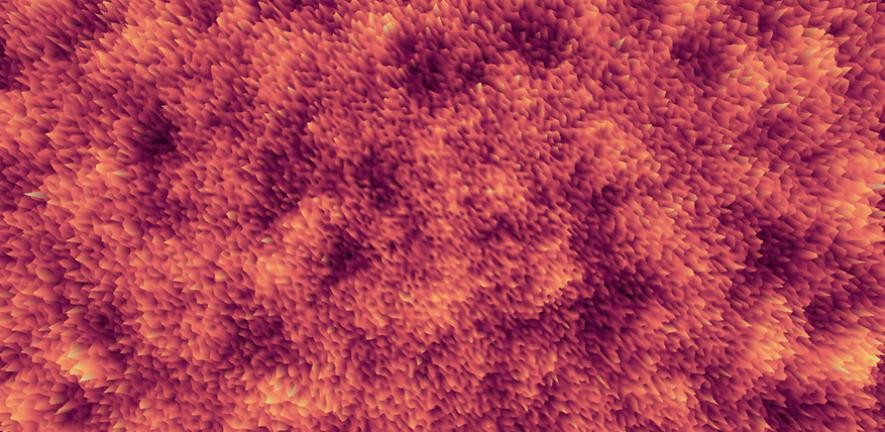
‘Fruitcake’ Structure Observed In Organic Polymers


Researchers have analysed the properties of an organic polymer with potential applications in flexible electronics and uncovered variations in hardness at the nanoscale, the first time such a fine structure has been observed in this type of material.


The field of organic electronics has benefited from the discovery of new semiconducting polymers with molecular backbones that are resilient to twists and bends, meaning they can transport charge even if they are flexed into different shapes.

It had been assumed that these materials resemble a plate of spaghetti at the molecular scale, without any long-range order. However, an international team of researchers found that for at least one such material, there are tiny pockets of order within. These ordered pockets, just a few ten-billionths of a metre across, are stiffer than the rest of the material, giving it a ‘fruitcake’ structure with harder and softer regions.

The work was led by the University of Cambridge and Park Systems UK Limited, with KTH Stockholm in Sweden, the Universities of Namur and Mons in Belgium, and Wake Forest University in the USA. Their results, reported in the journal Nature Communications, could be used in the development of next-generation microelectronic and bioelectronic devices.

Studying and understanding the mechanical properties of these materials at the nanoscale – a field known as nanomechanics – could help scientists fine-tune those properties and make the materials suitable for a wider range of applications.

“We know that the fabric of nature on the nanoscale isn’t uniform, but finding uniformity and order where we didn’t expect to see it was a surprise,” said Dr Deepak Venkateshvaran from Cambridge’s Cavendish Laboratory, who led the research.

The researchers used an imaging technique called higher eigen mode imaging to take nanoscale pictures of the regions of order within a semiconducting polymer called indacenodithiophene-co-benzothiadiazole (C16-IDTBT). These pictures showed clearly how individual polymer chains line up next to each other in some regions of the polymer film. These regions of order are between 10 and 20 nanometres across.

“The sensitivity of these detection methods allowed us to map out the self-organisation of polymers down to the individual molecular strands,” said co-author Dr Leszek Spalek, also from the Cavendish Laboratory. “Higher eigen mode imaging is a valuable method for characterising nanomechanical properties of materials, given the relatively easy sample preparation that is required.”

Further measurements of the stiffness of the material on the nanoscale showed that the areas where the polymers self-organised into ordered regions were harder, while the disordered regions of the material were softer. The experiments were performed in ambient conditions as opposed to an ultra-high vacuum, which had been a requirement in earlier studies.

“Organic polymers are normally studied for their applications in large area, centimetre scale, flexible electronics,” said Venkateshvaran. “Nanomechanics can augment these studies by developing an understanding of their mechanical properties at ultra-small scales with unprecedented resolutions.

“Together, the fundamental knowledge gained from both types of studies could inspire a new generation of soft microelectronic and bioelectronic devices. These futuristic devices will combine the benefits of centimetre scale flexibility, micrometre scale homogeneity, and nanometre scale electrically controlled mechanical motion of polymer chains with superior biocompatibility.”

The research was funded in part by the Royal Society.


Reference:
Illia Dobryden et al. ‘Dynamic self-stabilization in the electronic and nanomechanical properties of an organic polymer semiconductor.’ Nature Communications (2022). DOI: 10.1038/s41467-022-30801-x


Creative Commons License
The text in this work is licensed under a Creative Commons Attribution 4.0 International License. Images, including our videos, are Copyright ©University of Cambridge and licensors/contributors as identified.  All rights reserved. We make our image and video content available in a number of ways – as here, on our main website under its Terms and conditions, and on a range of channels including social media that permit your use and sharing of our content under their respective Terms.
Alzheimer’s Disease Causes Cells To Overheat And ‘Fry Like Eggs’

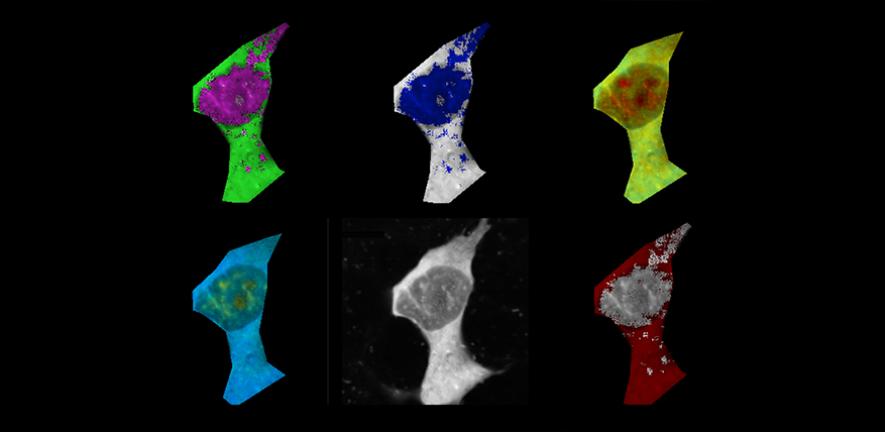
Mammalian cell stained with fluorescence polymeric thermometers and falsely-coloured based on temperature gradients.
source: ww.cam.ac.uk


Researchers have shown that aggregation of amyloid-beta, one of two key proteins implicated in Alzheimer’s disease, causes cells to overheat and ‘fry like eggs.’


No one has shown this link between temperature and aggregation in live cells before

Chyi Wei Chung

The researchers, from the University of Cambridge, used sensors small and sensitive enough to detect temperature changes inside individual cells, and found that as amyloid-beta misfolds and clumps together, it causes cells to overheat.

In an experiment using human cell lines, the researchers found the heat released by amyloid-beta aggregation could potentially cause other, healthy amyloid-beta to aggregate, causing more and more aggregates to form.

In the same series of experiments, the researchers also showed that amyloid-beta aggregation can be stopped, and the cell temperature lowered, with the addition of a drug compound. The experiments also suggest that the compound has potential as a therapeutic for Alzheimer’s disease, although extensive tests and clinical trials would first be required.

The researchers say their assay could be used as a diagnostic tool for Alzheimer’s disease, or to screen potential drug candidates. The results are reported in the Journal of the American Chemical Society.

Alzheimer’s disease affects an estimated 44 million people worldwide, and there are currently no effective diagnostics or treatments. In Alzheimer’s disease, amyloid-beta and another protein called tau build up into tangles and plaques – known collectively as aggregates – causing brain cells to die and the brain to shrink. This results in memory loss, personality changes and difficulty carrying out daily functions.

It is a difficult disease to study, since it develops over decades, and a definitive diagnosis can only be given after examining samples of brain tissue after death. It is still not known what kind of biochemical changes inside a cell lead to amyloid-beta aggregation.

In Professor Gabriele Kaminski Schierle’s research group at Cambridge’s Department of Chemical Engineering and Biotechnology, they have been investigating the possible link between temperature and amyloid-beta aggregation in human cells.

The field of studying temperature changes inside a cell is known as intracellular thermogenesis. It is a new and challenging field: scientists have developed sensors with which temperature changes can be measured, however, no one has ever tried to use these sensors to study conditions such as Alzheimer’s disease.

“Thermogenesis has been associated with cellular stress, which may promote further aggregation,” said Chyi Wei Chung, the study’s first author. “We believe that when there’s an imbalance in cells, like when the amyloid-beta concentration is slightly too high and it starts to accumulate, cellular temperatures increase.”

“Overheating a cell is like frying an egg – as it heats up, the proteins start to clump together and become non-functional,” said Kaminski Schierle, who led the research.

The researchers used tiny temperature sensors called fluorescent polymeric thermometers (FTPs) to study the link between aggregation and temperature. They added amyloid-beta to human cell lines to kickstart the aggregation process and used a chemical called FCCP as a control, since it is known to induce an increase in temperature.

They found that as amyloid-beta started to form thread-like aggregates called fibrils, the average temperature of the cells started to rise. The increase in cellular temperature was significant compared to cells that did not have any amyloid-beta added.

“As the fibrils start elongating, they release energy in the form of heat,” said Kaminski Schierle. “Amyloid-beta aggregation requires quite a lot of energy to get going, but once the aggregation process starts, it speeds up and releases more heat, allowing more aggregates to form.”

“Once the aggregates have formed, they can exit the cell and be taken up by neighbouring cells, infecting healthy amyloid-beta in those cells,” said Chung. “No one has shown this link between temperature and aggregation in live cells before.”

Using a drug that inhibits amyloid-beta aggregation, the researchers were able to pinpoint the fibrils as the cause of thermogenesis. It had previously been unknown whether protein aggregation or potential damage to mitochondria – the ‘batteries’ that power cells – was responsible for this phenomenon.

The researchers also found that the rise in cellular temperatures could be mitigated by treating them with an aggregation inhibitor, highlighting its potential as a therapeutic for Alzheimer’s disease.

The laboratory experiments were complemented by computational modelling describing what might happen to amyloid-beta in an intracellular environment and why it might lead to an increase in intracellular temperatures. The researchers hope their work will motivate new studies incorporating different parameters of physiological relevance.

The research was supported in part by Alzheimer’s Research UK, the Cambridge Trust, Wellcome, and the Medical Research Council, part of UK Research and Innovation (UKRI).

Reference:
Chyi Wei Chung et al. ‘Intracellular Aβ42 aggregation leads to cellular thermogenesis.’ Journal of the American Chemical Society (2022). DOI: 10.1021/jacs.2c03599


Creative Commons License
The text in this work is licensed under a Creative Commons Attribution 4.0 International License. Images, including our videos, are Copyright ©University of Cambridge and licensors/contributors as identified.  All rights reserved. We make our image and video content available in a number of ways – as here, on our main website under its Terms and conditions, and on a range of channels including social media that permit your use and sharing of our content under their respective Terms.
Autistic Individuals Have Poorer Health and Healthcare

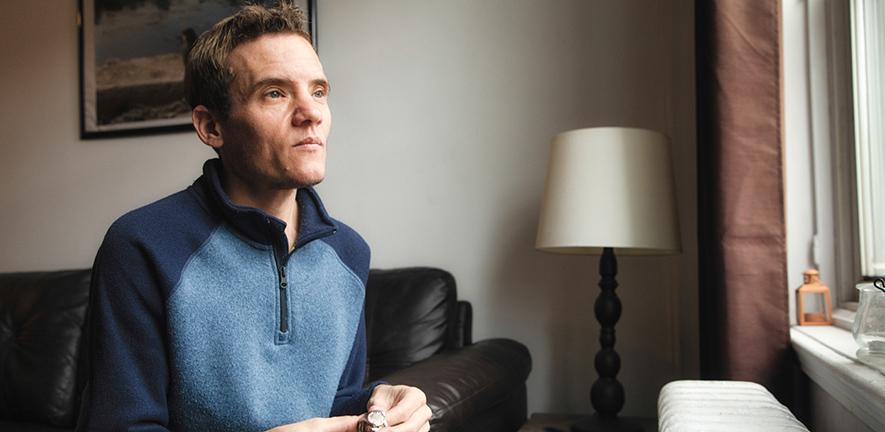
Autistic trans man at home looking out of a window


Autistic individuals are more likely to have chronic mental and physical health conditions, suggests new research from the University of Cambridge. Autistic individuals also report lower quality healthcare than others.


This study should sound the alarm to healthcare professionals that their autistic patients are experiencing high rates of chronic conditions alongside difficulties with accessing healthcare

Elizabeth Weir

These findings, published in Molecular Autism, have important implications for the healthcare and support of autistic individuals.

Many studies indicate that autistic people are dying far younger than others, but there is a paucity of research on the health and healthcare of autistic people across the adult lifespan. While some studies have previously suggested that autistic people may have significant barriers to accessing healthcare, only a few, small studies have compared the healthcare experiences of autistic people to others.

In the largest study to date on this topic, the team at the Autism Research Centre (ARC) in Cambridge used an anonymous, self-report survey to compare the experiences of 1,285 autistic individuals to 1,364 non-autistic individuals, aged 16-96 years, from 79 different countries. 54% of participants were from the UK. The survey assessed rates of mental and physical health conditions, and the quality of healthcare experiences.

The team found that autistic people self-reported lower quality healthcare than others across 50 out of 51 items on the survey. Autistic people were far less likely to say that they could describe how their symptoms feel in their body, describe how bad their pain feels, explain what their symptoms are, and understand what their healthcare professional means when they discuss their health. Autistic people were also less likely to know what is expected of them when they go to see their healthcare professional, and to feel they are provided with appropriate support after receiving a diagnosis, of any kind.

Autistic people were over seven times more likely to report that their senses frequently overwhelm them so that they have trouble focusing on conversations with healthcare professionals. In addition, they were over three times more likely to say they frequently leave their healthcare professional’s office feeling as though they did not receive any help at all. Autistic people were also four times more likely to report experiencing shutdowns or meltdowns due to a common healthcare scenario (e.g., setting up an appointment to see a healthcare professional).

The team then created an overall ‘health inequality score’ and employed novel data analytic methods, including machine learning. Differences in healthcare experiences were stark: the models could predict whether or not a participant was autistic with 72% accuracy based only on their ‘health inequality score’. The study also found worryingly high rates of chronic physical and mental health conditions, including arthritis, breathing concerns, neurological conditions, anorexia, anxiety, ADHD, bipolar disorder, depression, insomnia, OCD, panic disorders, personality disorders, PTSD, SAD, and self-harm.

Dr Elizabeth Weir, a postdoctoral scientist at the ARC in Cambridge, and the lead researcher of the study, said: “This study should sound the alarm to healthcare professionals that their autistic patients are experiencing high rates of chronic conditions alongside difficulties with accessing healthcare. Current healthcare systems are failing to meet very fundamental needs of autistic people.”

Dr Carrie Allison, Director of Strategy at the ARC and another member of the team, added: “Healthcare systems must adapt to provide appropriate reasonable adjustments to autistic and all neurodiverse patients to ensure that they have equal access to high quality healthcare.”

Professor Sir Simon Baron-Cohen, Director of the ARC and a member of the team, said: “This study is an important step forward in understanding the issues that autistic adults are facing in relation to their health and health care, but much more research is needed. We need more research on long term outcomes of autistic people and how their health and healthcare can be improved. Clinical service providers need to ask autistic people what they need and then meet these needs.”

The research was funded by the Autism Centre of Excellence, the Rosetrees Trust, the Cambridge and Peterborough NHS Foundation Trust, the Corbin Charitable Trust, the Queen Anne’s Gate Foundation, the MRC, the Wellcome Trust and the Innovative Medicines Initiative.

Reference
Weir, E., Allison, C., & Baron-Cohen, S. Autistic adults have poorer quality healthcare and worse health based on self-report data. Molecular Autism (2022).


Creative Commons License
The text in this work is licensed under a Creative Commons Attribution 4.0 International License. Images, including our videos, are Copyright ©University of Cambridge and licensors/contributors as identified.  All rights reserved. We make our image and video content available in a number of ways – as here, on our main website under its Terms and conditions, and on a range of channels including social media that permit your use and sharing of our content under their respective Terms.
Cambridge One of Six NHS Brain Cancer Centres To Be Awarded Excellence Status By The Tessa Jowell Brain Cancer Mission

Tessa Jowell and daughter Jess
source: www.cam.ac.uk


The Tessa Jowell Brain Cancer Mission (TJBCM) has awarded six new centres excellence status including the East of England service (Cambridge University Hospitals, Norfolk and Norwich University Hospital and Ipswich Hospital).


The designation acknowledges the hard work and dedication of our research and clinical teams to deliver the best possible care for patients

Stephen Price

This award recognises centres for excellence in treatment, research and care.

The initiative is part of the TJBCM’s mission to ensure every patient has access to excellent care, no matter where they live. Including these six new centres, there are now 17 Tessa Jowell Centres of Excellence across the UK.

With 12,000 people diagnosed with a brain tumour every year in the UK, there has never been a more important time to recognise the efforts of NHS staff committed to developing and improving brain tumour treatment and care.

Stephen Price, Consultant Neurosurgeon at Addenbrooke’s and Clinician Scientist at the University of Cambridge, said: “We are delighted to be designated as a Tessa Jowell Centre of Excellence as it means that brain tumour patients can be confident they are receiving the highest level of NHS care and have access to the most up to date treatments.

“The designation acknowledges the hard work and dedication of our research and clinical teams to deliver the best possible care for patients.”

To be considered for this award, centres implemented specific feedback from the Mission and made a range of service improvements over a period of 18 months.

The East of England service was recognised for its commitment to equality of access for patients across the region, with the Cambridge University Hospitals, Norfolk and Norwich University Hospital and Ipswich Hospital teams working closely together to ensure excellence in treatment and care for all patients no matter where in the region they lived.

The committee commended the Addenbrooke’s hospital team for their impressive efforts to further improve their rehabilitation services and the innovative Minderoo Precision Brain Tumour Programme.

Nicola Day, clinical specialist physiotherapist in oncological rehabilitation and exercise at CUH, contributed to the submission and said: “Becoming a centre of excellence recognises the contribution of all members of the multidisciplinary team in providing the best possible care for our patients diagnosed with a brain tumour across the East of England.

“I’m delighted that our rehabilitation services have been particularly commended, which is credit to our in-patient teams alongside the success of our Addenbrooke’s Charitable Trust (ACT) funded outpatient rehabilitation programme, developed for patients undergoing cancer treatment at the hospital.”

Cambridge is also leading the way in genetic testing, with patients with the most aggressive and fatal form of brain tumour, called glioblastoma, being offered a more detailed diagnosis and tailored treatment plan through rapid whole genome sequencing.

The Minderoo Precision Brain Tumour Programme is the first of its kind in the UK and is a partnership between Cambridge University Hospitals, the Minderoo Foundation, the Tessa Jowell Brain Cancer Mission, NHS East Genomics Laboratory Hub, Cancer Research UK Cambridge Centre at the University of Cambridge and Illumina.

“The new Centre of Excellence status recognises the research strengths at Cambridge where the newly funded CRUK Brain Cancer Virtual Institute at the CRUK Cambridge Centre and the integrated Minderoo Precision Brain Tumour Programme are bringing together clinicians and researchers to tackle this cancer of unmet need,” added Stephen Price, who also co-leads our CRUK Brain Cancer Virtual Institute.

“Our staff will now have access to the Tessa Jowell Academy for training and sharing best practice across other Centres of Excellence enabling us to continue to improve clinical care and community support services for people living with a brain tumour across the whole of East Anglia.

“As a Centre of Excellence we will also have new funding opportunities for research to better understand and treat brain tumours.”

All six centres will continue to share their expertise with staff in other centres through the Tessa Jowell Academy, the Mission’s national learning and networking platform. This will ensure that multidisciplinary teams continue to connect with peer centres across the country and learn from each other’s excellence to support service improvement nationally.

Jess Mills, Tessa Jowell’s daughter and TJBCM’s Special Adviser said: “We are one step closer to achieving this incredible ambition of excellence for all. The reason we are moving forward at this fast pace is due to the combined efforts and commitment of the doctors, nurses and support staff in each of the hospitals.”

It is hoped that for the 88,000 British people currently living with a brain tumour, the excellence status provides reassurance about the availability of excellent care and commitment to improvement in the NHS across the UK.

Offering precision cancer treatment is a key aim of the planned new Cambridge Cancer Research Hospital, bringing together clinical expertise from Addenbrooke’s with cutting-edge research from the Cancer Research UK Cambridge Centre and University of Cambridge.

The new specialist cancer hospital will combine modern NHS clinical space with three new research institutes dedicated to fulfilling the ambitions set out in the government’s Life Science Strategy and the NHS Long Term Plan.

This unique facility will change the story of cancer for patients – in this region, nationally and globally – by detecting cancer earlier, diagnosing it more accurately, and treating it more precisely.

Press release from CRUK Cambridge Cancer Centre


Creative Commons License
The text in this work is licensed under a Creative Commons Attribution 4.0 International License. Images, including our videos, are Copyright ©University of Cambridge and licensors/contributors as identified.  All rights reserved. We make our image and video content available in a number of ways – as here, on our main website under its Terms and conditions, and on a range of channels including social media that permit your use and sharing of our content under their respective Terms.
University of Cambridge Appoints New Acting Vice-Chancellor

Anthony Freeling
source: www.cam.ac.uk


The University of Cambridge has appointed Dr Anthony Freeling as its Acting Vice-Chancellor with effect from 1 October 2022.  His term of office is expected to be six months.


It is a great honour to be asked to lead the University, picking up the baton from Stephen and passing it on in due course to the next Vice-Chancellor

Anthony Freeling

Dr Freeling, the outgoing President of Hughes Hall, Cambridge, will take up his post on the departure of Professor Stephen J Toope. Recruitment for the post of Vice-Chancellor is under way and an appointment is expected to be announced in the early Autumn.

The appointment of Dr Freeling was confirmed by the University Council at its meeting on Monday 23 May.

Dr Freeling has been President of Hughes Hall since 2014, having initially become involved with the College as a Fellow and Trustee in 2008. As a member of the University Council and Chair of the Colleges Committee, he has extensive experience of the operation of the Collegiate University.

He said: “It is a great honour to be asked to lead the University, picking up the baton from Stephen and passing it on in due course to the next Vice-Chancellor. I look forward to working with the senior teams of the University and of the Colleges. We must jointly maintain momentum on the initiatives that are underway to ensure that Cambridge maintains research and education excellence at the highest global standard, putting our students and staff at the forefront of all we do.”

Professor Toope said: “I have worked closely with Anthony over several years, and particularly in navigating our way through the challenges of the pandemic. He is an exceptionally able colleague and strong leader. He has been instrumental in helping the University and Colleges work more closely, and with greater sense of shared purpose, than ever before. I am entirely confident that this great University will continue to thrive under his leadership, and I wish him every success.”

Mark Lewisohn, Deputy Chair of the University Council, said: “The selection panel was impressed with the exceptionally strong field of applicants for the role of Acting Vice-Chancellor. With the appointment of Anthony, we are entrusting the leadership of the University to a highly experienced figure who has a deep understanding of the challenges and opportunities ahead. We are delighted that he has agreed to lead the transition to our next Vice-Chancellor.”

Dr Freeling studied at St John’s College, Cambridge, between 1975 and 1984, completing an MA in Mathematics, an MPhil in Control Engineering and Operation Research, and a PhD in Decision Analysis and Behavioural Economics.

Prior to resuming his long relationship with Cambridge, he spent 18 years with McKinsey & Company, where he was a senior partner, leading its marketing and sales practice across Europe. He has also worked as an independent consultant advising a broad range of companies in areas as diverse as law and global marketing. He was a director of Ashridge Strategic Management Centre, and research director of the Coca-Cola Retailing Research Councils for Europe and Asia. He was formerly on the Council of the Open University and on the Board of UnLtd, the Foundation for Social Entrepreneurs.


Creative Commons License
The text in this work is licensed under a Creative Commons Attribution 4.0 International License. Images, including our videos, are Copyright ©University of Cambridge and licensors/contributors as identified.  All rights reserved. We make our image and video content available in a number of ways – as here, on our main website under its Terms and conditions, and on a range of channels including social media that permit your use and sharing of our content under their respective Terms.

Reducing TV Viewing To Less Than One Hour a Day Could Help Prevent More Than One In Ten Cases of Coronary Heart Disease

Couple watching TV
‘source: www,cam.ac.uk


Watching too much TV is associated with increased risk of coronary heart disease regardless of an individual’s genetic makeup, say a team of scientists at the University of Cambridge and the University of Hong Kong.


Limiting the amount of time sat watching TV could be a useful, and relatively light touch, lifestyle change that could help individuals with a high genetic predisposition to coronary heart disease in particular to manage their risk

Youngwon Kim

In a study published today in BMC Medicine, researchers at the Medical Research Council (MRC) Epidemiology Unit show that – assuming a causal link – 11% of cases of coronary heart disease could be prevented if people watched less than an hour of TV each day.

According to the British Heart Foundation, coronary heart disease is one of the UK’s leading causes of death, responsible for around 64,000 deaths each year. In the UK, one in eight men and one in 15 women die from the disease. People with coronary heart disease are twice as likely to have a stroke.

One of the major risk factors for coronary heart disease is sedentary behaviour – in other words, sitting for long periods of time rather than being physically active. To examine the link between time spent in screen-based sedentary behaviours such as TV viewing and leisure-time computer use, an individual’s DNA, and their risk of coronary heart disease, researchers examined data from the UK Biobank, a biomedical database and research resource containing anonymised genetic, lifestyle and health information from half a million UK participants.

The team created polygenic risk scores for each individual – that is, their genetic risk of developing coronary heart disease based on 300 genetic variants known to influence their chances of developing the condition. As expected, individuals with higher polygenic risk scores were at greatest risk of developing the condition.

People who watched more than four hours of TV per day were at greatest risk of the disease, regardless of their polygenic risk score. Compared to these individuals, people who watched two to three hours of TV a day had a relative 6% lower rate of developing the condition, while those who watched less than an hour of TV had a relative 16% lower rate. These associations were independent of genetic susceptibility and other known risk factors.

Leisure time spent using a computer did not appear to influence disease risk.

“Our study provides unique insights into the potential role that limiting TV viewing might have in preventing coronary heart disease,” said Dr Youngwon Kim, assistant professor at the University of Hong Kong, and visiting researcher at the MRC Epidemiology Unit, the study’s corresponding author. “Individuals who watch TV for less than one hour a day were less likely to develop the condition, independent of their genetic risk.

“Limiting the amount of time sat watching TV could be a useful, and relatively light touch, lifestyle change that could help individuals with a high genetic predisposition to coronary heart disease in particular to manage their risk.”

Dr Katrien Wijndaele from the MRC Epidemiology Unit, last author of the study, said: “Coronary heart disease is one of the most prominent causes of premature death, so finding ways to help people manage their risk through lifestyle modification is important.

“The World Health Organization recommends reducing the amount of sedentary behaviour and replacing it with physical activity of any intensity as a way of keeping healthier. While it isn’t possible to say for certain that sitting watching TV increases your risk of coronary heart disease, because of various potential confounding factors and measurement error, our work supports the WHO’s guidelines. It suggests a straightforward, measurable way of achieving this goal for the general population as well as individuals at high genetic risk of coronary heart disease.”

There are several potential reasons that might explain the link between TV viewing and coronary heart disease risk, say the team – and in particular, why no link was found with computer use. TV viewing tends to occur in the evening following dinner, usually our most calorific meal, leading to higher levels of glucose and lipids, such as cholesterol, in the blood. People also often snack more when watching TV compared to when surfing the web, for example. Lastly, TV viewing tends to be prolonged, whereas individuals using their computer may be more likely to break up their activity.

The research was funded by the Li Ka Shing Faculty of Medicine at the University of Hong Kong.

Reference
Kim, Y, et al. Genetic susceptibility, screen-based sedentary activities and incidence of coronary heart disease. BMC Medicine; 24 May 2022; DOI: 10.1186/s12916-022-02380-7


Creative Commons License
The text in this work is licensed under a Creative Commons Attribution 4.0 International License. Images, including our videos, are Copyright ©University of Cambridge and licensors/contributors as identified.  All rights reserved. We make our image and video content available in a number of ways – as here, on our main website under its Terms and conditions, and on a range of channels including social media that permit your use and sharing of our content under their respective Terms.

Secret To Treating ‘Achilles’ Heel’ Of Alternatives To Silicon Solar Panels Revealed

source: www.cam.ac.uk


A team of researchers from the UK and Japan has found that the tiny defects which limit the efficiency of perovskites – cheaper alternative materials for solar cells – are also responsible for structural changes in the material that lead to degradation.


Perovskites offer a viable option for low- and middle-income countries looking to transition to solar energy

Stuart MacPherson

The researchers used a combination of techniques to mimic the process of aging under sunlight and observe changes in the materials at the nanoscale, helping them gain new insights into the materials, which also show potential for optoelectronic applications such as energy-efficient LEDs and X-ray detectors, but are limited in their longevity.

Their results, reported in the journal Nature, could significantly accelerate the development of long-lasting, commercially available perovskite photovoltaics.

Perovksites are abundant and much cheaper to process than crystalline silicon. They can be prepared in liquid ink that is simply printed to produce a thin film of the material.

While the overall energy output of perovskite solar cells can often meet or – in the case of multi-layered ‘tandem’ devices – exceed that achievable with traditional silicon photovoltaics, the limited longevity of the devices is a key barrier to their commercial viability.

A typical silicon solar panel, like those you might see on the roof of a house, typically lasts about 20-25 years without significant performance losses.

Because perovskite devices are much cheaper to produce, they may not need to have as long a lifetime as their silicon counterparts to enter some markets. But to fulfil their ultimate potential in realising widespread decarbonisation, cells will need to operate for at least a decade or more. Researchers and manufacturers have yet to develop a perovskite device with similar stability to silicon cells.

Now, researchers at the University of Cambridge and the Okinawa Institute of Science and Technology (OIST) in Japan, have discovered the secret to treating the ‘Achilles heel’ of perovskites.

Using high spatial-resolution techniques, in collaboration with the Diamond Light Source synchrotron facility and its electron Physical Sciences Imaging Centre (ePSIC) in Oxfordshire, and the Department of Materials Science and Metallurgy in Cambridge, the team was able to observe the nanoscale properties of these thin films and how they change over time under solar illumination.

Previous work by the team using similar techniques has shone light on the defects that cause deficiencies in the performance of perovskite photovoltaics – so-called carrier traps.

“Illuminating the perovskite films over time, simulating the aging of solar cell devices, we find that the most interesting dynamics are occurring at these nanoscopic trap clusters,” said co-author Dr Stuart Macpherson from Cambridge’s Cavendish Laboratory.

“We now know that the changes we see are related to photodegradation of the films. As a result, efficiency-limiting carrier traps can now be directly linked to the equally crucial issue of solar cell longevity.”

“It’s pretty exciting,” said co-author Dr Tiarnan Doherty, from Cambridge’s Department of Chemical Engineering and Biotechnology, and Murray Edwards College, “because it suggests that if you can address the formation of these surface traps, then you will simultaneously improve performance and the stability of the devices over time.”

By tuning the chemical composition, and how the perovskite film forms, in preparing the devices, the researchers have shown that it’s possible to control how many of these detrimental phases form and, by extension, how long the device will last.

“The most stable devices seem to be serendipitously lowering the density of detrimental phases through subtle compositional and structural modifications,” said Doherty. “We’re hoping that this paper reveals a more rational, targeted approach for doing this and achieving the highest performing devices operating with maximal stability.”

The group is optimistic that their latest findings will bring us closer still to the first commercially available perovskite photovoltaic devices.

“Perovskite solar cells are on the cusp of commercialisation, with the first production lines already producing modules,” said Dr Sam Stranks from Cambridge’s Department of Chemical Engineering and Biotechnology, who led the research.

“We now understand that any residual unwanted phases – even tiny nanoscale pockets remaining from the processing of the cells – will be bad news for the longevity of perovskite solar cells. The manufacturing processes need to incorporate careful tuning of the structure and composition across a large area to eliminate any trace of these unwanted phases – even more careful control than is widely thought for these materials. This is a great example of fundamental science directly guiding scaled manufacturing.”

“It has been very satisfying to see the approaches that we’ve developed at OIST and Cambridge over the past several years provide direct visuals of these tiny residual unwanted phases, and how they change over time,” said co-author Dr Keshav Dani of OIST’s Femtosecond Spectroscopy Unit. “The hope remains that these techniques will continue to reveal the performance limiting aspects of photovoltaic devices, as we work towards studying operational devices.”

“Another strength of perovskite devices is that they can be made in countries where there’s no existing infrastructure for processing monocrystalline silicon,” said Macpherson. “Silicon solar cells are cheap in the long term but require a substantial initial capital outlay to begin processing. But for perovskites, because they can be solution-processed and printed so easily, using far less material, you remove that initial cost. They offer a viable option for low- and middle-income countries looking to transition to solar energy.”

Reference:
Samuel Stranks et al. ‘Local Nanoscale Phase Impurities are Degradation Sites in Halide Perovskites.’ Nature (2022). DOI: 10.1038/s41586-022-04872-1


Creative Commons License
The text in this work is licensed under a Creative Commons Attribution 4.0 International License. Images, including our videos, are Copyright ©University of Cambridge and licensors/contributors as identified.  All rights reserved. We make our image and video content available in a number of ways – as here, on our main website under its Terms and conditions, and on a range of channels including social media that permit your use and sharing of our content under their respective Terms.
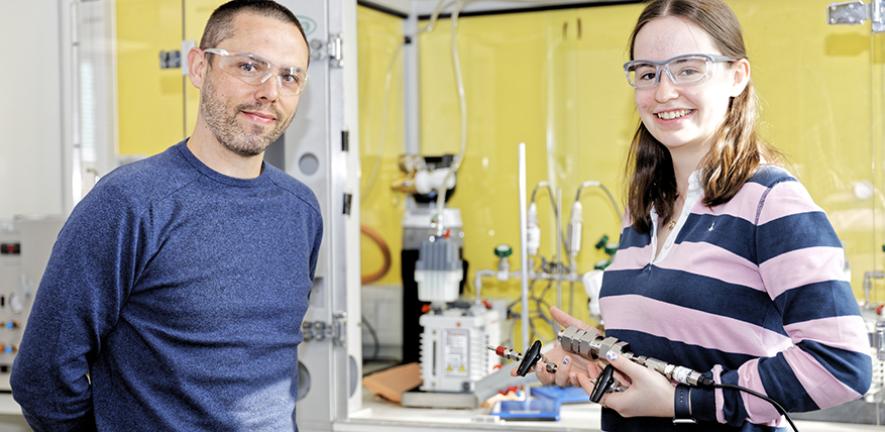
Low-Cost Battery-Like Device Absorbs CO2 Emissions While It Charges

Two smiling scientists in a lab
source: www.cam.ac.uk


Researchers have developed a low-cost device that can selectively capture carbon dioxide gas while it charges. Then, when it discharges, the CO2 can be released in a controlled way and collected to be reused or disposed of responsibly.


We found that that by slowly alternating the current between the plates we can capture double the amount of CO2 than before

Alexander Forse

The supercapacitor device, which is similar to a rechargeable battery, is the size of a two-pence coin, and is made in part from sustainable materials including coconut shells and seawater.

Designed by researchers from the University of Cambridge, the supercapacitor could help power carbon capture and storage technologies at much lower cost. Around 35 billion tonnes of CO2 are released into the atmosphere per year and solutions are urgently needed to eliminate these emissions and address the climate crisis. The most advanced carbon capture technologies currently require large amounts of energy and are expensive.

The supercapacitor consists of two electrodes of positive and negative charge. In work led by Trevor Binford while completing his Master’s degree at Cambridge, the team tried alternating from a negative to a positive voltage to extend the charging time from previous experiments. This improved the supercapacitor’s ability to capture carbon.

“We found that that by slowly alternating the current between the plates we can capture double the amount of CO2 than before,” said Dr Alexander Forse from Cambridge’s Yusuf Hamied Department of Chemistry, who led the research.

“The charging-discharging process of our supercapacitor potentially uses less energy than the amine heating process used in industry now,” said Forse. “Our next questions will involve investigating the precise mechanisms of CO2 capture and improving them. Then it will be a question of scaling up.”

The results are reported in the journal Nanoscale.

A supercapacitor is similar to a rechargeable battery but the main difference is in how the two devices store charge. A battery uses chemical reactions to store and release charge, whereas a supercapacitor does not rely on chemical reactions. Instead, it relies on the movement of electrons between electrodes, so it takes longer to degrade and has a longer lifespan.

“The trade-off is that supercapacitors can’t store as much charge as batteries, but for something like carbon capture we would prioritise durability,” said co-author Grace Mapstone. “The best part is that the materials used to make supercapacitors are cheap and abundant. The electrodes are made of carbon, which comes from waste coconut shells.

“We want to use materials that are inert, that don’t harm environments, and that we need to dispose of less frequently. For example, the CO2 dissolves into a water-based electrolyte which is basically seawater.”

However, this supercapacitor does not absorb CO2 spontaneously: it must be charging to draw in CO2. When the electrodes become charged, the negative plate draws in the CO2 gas, while ignoring other emissions, such as oxygen, nitrogen and water, which don’t contribute to climate change. Using this method, the supercapacitor both captures carbon and stores energy.

Co-author Dr Israel Temprano contributed to the project by developing a gas analysis technique for the device. The technique uses a pressure sensor that responds to changes in gas adsorption in the electrochemical device. The results from Temprano’s contribution help narrow down the precise mechanism at play inside the supercapacitor when CO2 is absorbed and released. Understanding these mechanisms, the possible losses, and the routes of degradation are all essential before the supercapacitor can be scaled up.

“This field of research is very new so the precise mechanism working inside the supercapacitor still isn’t known,” said Temprano.

The research was funded by a Future Leaders Fellowship to Dr Forse, a UK Research and Innovation scheme developing the next wave of world-class research and innovation.

Reference:
Trevor B. Binford, Grace Mapstone, Israel Temprano, and Alexander C. Forse. ‘Enhancing the capacity of supercapacitive swing adsorption CO2 capture by tuning charging protocols.’ Nanoscale (2022). DOI: 10.1039/D2NR00748G


Creative Commons License
The text in this work is licensed under a Creative Commons Attribution 4.0 International License. Images, including our videos, are Copyright ©University of Cambridge and licensors/contributors as identified.  All rights reserved. We make our image and video content available in a number of ways – as here, on our main website under its Terms and conditions, and on a range of channels including social media that permit your use and sharing of our content under their respective Terms.

Scientists ‘See’ Puzzling Features Deep In Earth’s Interior

Etna Volcano Eruption January 12 2011
source: www.cam.ac.uk


New research led by the University of Cambridge is the first to obtain a detailed ‘image’ of an unusual pocket of rock at the boundary layer with Earth’s core, some three thousand kilometres beneath the surface.


Of all Earth’s deep interior features, these are the most fascinating and complex

Zhi Li

The enigmatic area of rock, which is located almost directly beneath the Hawaiian Islands, is one of several ultra-low velocity zones – so-called because earthquake waves slow to a crawl as they pass through them.

The research, published in Nature Communications, is the first to reveal the complex internal variability of one of these pockets in detail, shedding light on the landscape of Earth’s deep interior and the processes operating within it.

“Of all Earth’s deep interior features, these are the most fascinating and complex. We’ve now got the first solid evidence to show their internal structure – it’s a real milestone in deep earth seismology,” said lead author Zhi Li, PhD student at Cambridge’s Department of Earth Sciences.

Earth’s interior is layered like an onion: at the centre sits the iron-nickel core, surrounded by a thick layer known as the mantle, and on top of that a thin outer shell — the crust we live on. Although the mantle is solid rock, it is hot enough to flow extremely slowly. These internal convection currents feed heat to the surface, driving the movement of tectonic plates and fuelling volcanic eruptions.

Scientists use seismic waves from earthquakes to ‘see’ beneath Earth’s surface — the echoes and shadows of these waves reveal radar-like images of deep interior topography. But, until recently, ‘images’ of the structures at the core-mantle boundary, an area of key interest for studying our planet’s internal heat flow, have been grainy and difficult to interpret.

The researchers used the latest numerical modelling methods to reveal kilometre-scale structures at the core-mantle boundary. According to co-author Dr Kuangdai Leng, who developed the methods while at the University of Oxford, “We are really pushing the limits of modern high-performance computing for elastodynamic simulations, taking advantage of wave symmetries unnoticed or unused before.” Leng, who is currently based at the Science and Technology Facilities Council, says that this means they can improve the resolution of the images by an order of magnitude compared to previous work.

The researchers observed a 40% reduction in the speed of seismic waves travelling at the base of the ultra-low velocity zone beneath Hawaii. This supports existing proposals that the zone contains much more iron than the surrounding rocks – meaning it is denser and more sluggish. “It’s possible that this iron-rich material is a remnant of ancient rocks from Earth’s early history or even that iron might be leaking from the core by an unknown means,” said project lead Dr Sanne Cottaar from Cambridge Earth Sciences.

The research could also help scientists understand what sits beneath and gives rise to volcanic chains like the Hawaiian Islands. Scientists have started to notice a correlation between the location of the descriptively-named hotspot volcanoes, which include Hawaii and Iceland, and the ultra-low velocity zones at the base of the mantle. The origin of hotspot volcanoes has been debated, but the most popular theory suggests that plume-like structures bring hot mantle material all the way from the core-mantle boundary to the surface.

With images of the ultra-low velocity zone beneath Hawaii now in hand, the team can also gather rare physical evidence from what is likely the root of the plume feeding Hawaii. Their observation of dense, iron-rich rock beneath Hawaii would support surface observations. “Basalts erupting from Hawaii have anomalous isotope signatures which could either point to either an early-Earth origin or core leaking, it means some of this dense material piled up at the base must be dragged to the surface,” said Cottaar.

More of the core-mantle boundary now needs to be imaged to understand if all surface hotspots have a pocket of dense material at the base. Where and how the core-mantle boundary can be targeted does depend on where earthquakes occur, and where seismometers are installed to record the waves.

The team’s observations add to a growing body of evidence that Earth’s deep interior is just as variable as its surface. “These low velocity zones are one of the most intricate features we see at extreme depths – if we expand our search, we are likely to see ever-increasing levels of complexity, both structural and chemical, at the core-mantle boundary,” said Li.

They now plan to apply their techniques to enhance the resolution of imaging of other pockets at the core-mantle boundary, as well as mapping new zones. Eventually they hope to map the geological landscape across the core-mantle boundary and understand its relationship with the dynamics and evolutionary history of our planet.

Reference:
Zhi Li, Kuangdai Leng, Jennifer Jenkins, Sanne Cottaar. ‘Kilometer-scale structure on the core–mantle boundary near Hawaii.’ Nature Communications (2022), DOI: 10.1038/s41467-022-30502-5


Creative Commons License
The text in this work is licensed under a Creative Commons Attribution 4.0 International License. Images, including our videos, are Copyright ©University of Cambridge and licensors/contributors as identified.  All rights reserved. We make our image and video content available in a number of ways – as here, on our main website under its Terms and conditions, and on a range of channels including social media that permit your use and sharing of our content under their respective Terms.

Satellite Images Reveal Dramatic Loss of Global Wetlands Over Past Two Decades

Extensive coastal development along the East Asia coastline has led to rapid declines of tidal flat ecosystems, which are the principal coastal ecosystems protecting coastal populations in China
source: wwwcam.ac.uk


An analysis of over a million satellite images has revealed that 4,000 square kilometres of tidal wetlands have been lost globally over twenty years.


This data can help identify coastal areas most impacted – and therefore in need of protection

Thomas Worthington

Global change and human actions are driving rapid changes to tidal wetlands – tidal marshes, mangroves and tidal flats – worldwide. However, ecosystem restoration and natural processes are playing a part in reducing total losses.

But efforts to estimate their current and future status at the global scale remain highly unclear due to uncertainty about how tidal wetlands respond to drivers of change.

In a new study, researchers have developed a machine-learning analysis of vast archives of historical satellite images to detect the extent, timing and type of change across the world’s tidal wetlands between 1999 and 2019.

They found that globally, 13,700 square kilometres of tidal wetlands were lost, offset by gains of 9,700 square kilometres, leading to a net loss of 4,000 square kilometres over the two-decade period.

The study is published today in the journal Science.

“We found 27 per cent of losses and gains were associated with direct human activities, such as conversion to agriculture and restoration of lost wetlands,” said Dr Nicholas Murray, Senior Lecturer and head of James Cook University’s Global Ecology Lab, who led the study.

All other changes were attributed to indirect drivers such as human impacts to river catchments, extensive development in the coastal zone, coastal subsidence, natural coastal processes and climate change.

About three-quarters of the net global tidal wetland decrease happened in Asia, with almost 70 per cent of that total concentrated in Indonesia, China and Myanmar.

“Asia is the global centre of tidal wetland loss from direct human activities. These activities had a lesser role in the losses of tidal wetlands in Europe, Africa, the Americas and Oceania, where coastal wetland dynamics were driven by indirect factors such as wetland migration, coastal modifications and catchment change,” said Murray.

The scientists found that almost three-quarters of tidal wetland loss globally has been offset by the establishment of new tidal wetlands in areas where they formerly did not occur – with notable expansion in the Ganges and Amazon deltas.

Most new areas of tidal wetlands were the result of indirect drivers, highlighting the prominent role that broad-scale coastal processes have in maintaining tidal wetland extent and facilitating natural regeneration.

“This result indicates that we need to allow for the movement and migration of coastal wetlands to account for rapid global change,” said Murray.

He added: “Global-scale monitoring is now essential if we are going to manage changes in coastal environments effectively.”

Over one billion people now live in low-elevation coastal areas globally.

Tidal wetlands are of immense importance to humanity, providing benefits such as carbon storage and sequestration, coastal protection, and fisheries enhancement.

“Protecting our coastal wetlands is critical to supporting coastal communities and the wider health of the planet. These areas are the last refuge for many plants and animals,” said Dr Thomas Worthington, Senior Research Associate in the University of Cambridge’s Department of Zoology and co-author of the study.

He added: “This data can help identify coastal areas most impacted – and therefore in need of protection, or areas where we can prioritise restoration.”

Reference:

Murray, N.J. et al: ‘High-resolution mapping of losses and gains of Earth’s tidal wetlands.’ Science, May 2022. DOI: 10.1126/science.abm9583

More information: www.globalintertidalchange.org

Adapted from a press release by James Cook University


Creative Commons License
The text in this work is licensed under a Creative Commons Attribution 4.0 International License. Images, including our videos, are Copyright ©University of Cambridge and licensors/contributors as identified.  All rights reserved. We make our image and video content available in a number of ways – as here, on our main website under its Terms and conditions, and on a range of channels including social media that permit your use and sharing of our content under their respective Terms.

Katherine Parr Did Not Persuade Henry VIII To Found Trinity College Cambridge

Henry VIII statue on the Great Gate of Trinity College Cambridge
source: www.cam.ac.uk


King Henry VIII had already made up his mind to found Trinity College Cambridge and Christ Church Oxford before Cambridge lobbied his queen, a re-examination of 16th-century sources suggests. Professor Richard Rex’s study undermines a popular ‘Cambridge version’ of events, sheds new light on the Chantries Act and emphasises the king’s ability to take big decisions.


Henry’s plan to establish lasting memorials to himself in both universities had probably been in his mind since mid-1545 at the latest

Richard Rex

The story that Trinity College Cambridge was only founded because Henry VIII’s last wife, Katherine Parr, pleaded with him to do so, has become part of the folklore of Cambridge University. It resurfaced again in Cambridge News this month, along with the claim that it was only the queen’s intervention that stopped Henry from closing down some or all of the Cambridge colleges.

But research by Richard Rex, Professor of Reformation History at Cambridge, now shows that this much loved and repeated tale is misleading. Rex’s study, published in The Journal of Ecclesiastical History, reveals that numerous powerful people at Court helped to defend the university from the potential threat posed by the king in his final few years, and that Henry had already decided to establish Trinity before the university lobbied Katherine Parr.

The university’s fears centred on the Chantries Act of 1545, which empowered the king to take over, at will, any of the ‘colleges, free chapels, chantries, hospitals’ or other religious foundations with which his kingdom abounded. In principle this power could certainly have swept up the colleges of Oxford and Cambridge to swell the royal coffers.

But as Professor Rex explains: “While the Chantries Act did indeed give Henry the power to suppress any college or church foundation he chose, it’s clear that the university’s friends at Court did all they could, from the start, to ensure that this new power would not be used against Cambridge or Oxford.”

“Even before the universities knew what was going on, they were given different treatment from the rest of England and Wales as the new law was put into effect.”

Cambridge did write to Katherine Parr, among others, to lobby against the potential threat to their interests. But her reply only confirms what other sources studied by Rex also make clear: that Henry had already taken the decision to found Christ Church in Oxford and Trinity in Cambridge.

Parr’s letter, dated 26 February 1546 and preserved in Corpus Christi College’s library in Cambridge, assures the university that the king:
‘being such a patron to good learning doth tender [i.e. favour] you so much that he will rather advance learning and erect new occasion thereof than to confound those your ancient and godly institutions’.

Even though the processes for establishing the twin foundations were delayed so that the colleges only came into being a month or two before Henry’s death at the end of January 1547, key parts of the plan were already in place as early as summer 1545.

Rex said: “Katherine Parr was undoubtedly a patron of learning and in particular of the ‘new learning’ of the Protestant Reformation. But the idea that she had a crucial role in the foundation of Trinity is romantic fiction with only the slenderest basis in the historical record.”

Rex’s study undermines other long-held assumptions based on chronological errors, including that Cambridge’s lobbying secured the favourable appointment of university insiders Matthew Parker, John Redman and William May as commissioners to survey its Colleges for the king.

In fact, their appointment preceded any known Cambridge lobbying by about a month and, Rex argues, this came about thanks to ‘the unsolicited intervention of the university’s friends at court’. Rex found supporting evidence for this among Matthew Parker’s papers in Corpus Christi’s library, which still bears Parker’s name because he left the College his magnificent private collection of books and manuscripts.

Rex, himself a student at Trinity in the 1980s, made these discoveries while working with Colin Armstrong (another Trinity alum) on a chapter for a forthcoming book about the college’s history.

The popular narrative which emphasises Parr’s influence and that of Cambridge lobbyists originated in a book published in 1884 by J.B. Mullinger entitled The University of Cambridge from the royal injunctions of 1545 to the accession of Charles the First. Mullinger was a historian and librarian at St John’s College Cambridge. But Rex concludes that he both misread and misdated the patchy original sources which describe these events.

He said: “When I started this work, I simply wanted to nail down the traditional story by checking the sources and footnotes. It had been retold so often by so many good historians that I had no reason to doubt it was true. But I found that the whole thing was a mess, the chronology didn’t make any sense. So I set about trying to put the record straight.”

“The fact that Cambridge and Oxford were, from the start, set apart from the rest of the country in the implementation of the Chantries Act is just one among several indications that Henry VIII already had something special in mind for them.

“Henry’s plan to establish lasting memorials to himself in both universities had probably been in his mind since mid-1545 at the latest. The ‘Cambridge version’ of events appears to have been an academic flight of fancy. Our lobbying efforts weren’t quite as influential as we once liked to imagine.”

“Strangely, a fashion has grown up of attributing too much of what Henry VIII did to the influence of those closest to him – Wolsey, Cromwell, Anne Boleyn, or Katherine Parr. Like anyone, Henry was liable to be influenced by those around him. But the big decisions – and the founding of Christ Church and Trinity were big decisions – were his.”

Reference
R Rex, ‘The University of Cambridge and the Chantries Act of 1545’, The Journal of Ecclesiastical History (2022); doi.org/10.1017/S0022046921001494


Creative Commons License
The text in this work is licensed under a Creative Commons Attribution 4.0 International License. Images, including our videos, are Copyright ©University of Cambridge and licensors/contributors as identified.  All rights reserved. We make our image and video content available in a number of ways – as here, on our main website under its Terms and conditions, and on a range of channels including social media that permit your use and sharing of our content under their respective Terms.

First-Ever Cambridge Foundation Year Offers Made To Prospective Students

source: www.cam.ac.uk


More than 50 students from backgrounds of educational disadvantage have been offered a place on the University of Cambridge’s first-ever pre-degree foundation year.


The Cambridge Foundation Year is an innovative programme that aims to reach an entirely new field of Cambridge candidates, and to transform lives.

Professor Stephen Toope, Vice-Chancellor

The landmark new programme will provide a new route to undergraduate education at Cambridge for around 50 talented individuals every year who have experienced educational and social disadvantage, and demonstrate the potential to succeed in a degree in the arts, humanities, or social sciences.

The one-year, full-time residential course will welcome its first intake of students to Cambridge for the start of the new academic year, in October 2022. Following a rigorous admissions process, offers have been made to 52 students.

Free and fully funded, the Cambridge Foundation Year is aimed at engaging an entirely new stream of applicants who have been prevented from reaching their full potential by their circumstances. This includes students with experience of the care system, estrangement from parents, low levels of household income, and schools with little history of sending students to highly selective universities. Their selection has taken into account their educational background and contextualised their achievements, recognising that circumstances and opportunity should not be a barrier to future academic success.

The programme’s engaging and challenging curriculum will prepare students for further study at Cambridge, or another top university.

Typical offers for the Cambridge Foundation Year – which is open to those ordinarily resident in the UK who meet specific eligibility criteria – require 120 UCAS Tariff Points, which is equivalent to BBB at A-Level. The usual Cambridge offer is at least A*AA.

In total, there were 267 applications to the pilot Foundation Year programme, around 5 applications for every place, which is comparable to the number of applications the University normally receives for undergraduate study (6 applications for every place). Cambridge Foundation Year applicants, including mature students, came from diverse backgrounds and from across the UK. They have received guidance during the process through a University online applicant support programme to help them make the strongest possible application.

A Foundation Year Offer Holder Day will be held in June, giving students an opportunity to find out more about life at Cambridge and visit colleges, and a Residential Pre-Term Induction Week will take place in September.

Dr Alex Pryce, Foundation Year Course Director, said: “This is a big day for those who are receiving their Cambridge Foundation Year offer, and a big day for the University. This is the first time in its history that Cambridge has run a pre-degree foundation year programme, aimed at talented applicants who might not otherwise consider applying to study here, and the number of applications we received shows that it is competitive and that there is a clear appetite for it.

“I’d like to congratulate everyone who has received an offer; we look forward to welcoming our first-ever Cambridge Foundation Year students to Cambridge very soon.”

Professor Stephen Toope, Vice-Chancellor of the University of Cambridge, said: “The Cambridge Foundation Year offers a fresh approach to widening participation at Cambridge. It is an innovative programme that aims to reach an entirely new field of Cambridge candidates, and to transform lives. After all the planning that has gone into creating the Cambridge Foundation Year, and the hard work of many people across the University and Colleges, I’m delighted that we have reached this important moment.”

A cornerstone gift from philanthropists Christina and Peter Dawson is funding the launch of the programme and full one-year scholarships for all students who are accepted. Students will study at one of the 13 Cambridge colleges participating in the pilot scheme, and will benefit from the community, support and academic stimulation this offers, which is intrinsic to the Cambridge experience.

As with all courses at Cambridge, there was a rigorous admissions process designed to help admit students who will thrive on the Foundation Year and be able to progress to a degree at Cambridge – including interviews and assessment. Students also have to prove their eligibility to receive the generous scholarship given to all students on the course.

On successful completion of the programme, Cambridge Foundation Year students will receive a recognised CertHE qualification from the University of Cambridge, and with suitable attainment can progress to degrees in the Arts, Humanities and Social Sciences at Cambridge without the need to apply to the University again in the usual admissions round. Students will also be supported during the programme in finding alternative university places if they do not wish to continue to undergraduate study at Cambridge, or do not meet the required level of attainment.

Along with the Cambridge Foundation Year in Arts, Humanities and Social Sciences, the University last year launched the STEM SMART programme to support hundreds of UK state school students through their maths and science A-levels with enhanced learning, encouragement and mentoring. The two programmes build on widening participation progress made by the University in recent years, including the use of the August Reconsideration Pool to reconsider candidates who exceed expectations in examinations, and the launch of an enhanced bursary scheme.

In 2021, 72% of Cambridge’s new undergraduate students were from state schools and more than a quarter were from the least advantaged backgrounds.
For more information visit: www.foundationyear.cam.ac.uk


Creative Commons License
The text in this work is licensed under a Creative Commons Attribution 4.0 International License. Images, including our videos, are Copyright ©University of Cambridge and licensors/contributors as identified.  All rights reserved. We make our image and video content available in a number of ways – as here, on our main website under its Terms and conditions, and on a range of channels including social media that permit your use and sharing of our content under their respective Terms.

Remote working is a ‘mixed bag’ for employee wellbeing and productivity, study finds

Woman using laptop for team meeting
source: www.cam.ac.uk


Adapting remote and hybrid work policies to employees’ specific work-life situations can result in increased well-being and productivity, but many employees are stuck in an increasing number of low-quality meetings when working remotely, according to a new study.


The shift to remote working for many office-based workers at the start of the pandemic initially led to an increase in productivity, especially by reducing commute times, but a new large-scale study has outlined the many ways in which remote working has affected wellbeing and productivity over the past two years, both positively and negatively.

One of the big changes for remote workers was the number and quality of meetings. As outlined in a new article in MIT Sloan Management Review, the study from Cambridge Judge Business School and the Vitality Research Institute, part of the wellness and financial services group Vitality, found that the average number of meetings increased by 7.4% from June 2020 to December 2021.

The study, based on more than 1,000 Vitality employees, also found that people in most departments spent more hours in low-quality meetings – defined as meetings in which participants multitask, are double-booked into competing meetings or tasks, or are accompanied by another person with a similar role.

“Low-quality meetings often translate into less productivity and high levels of multitasking can increase stress,” said study co-author Thomas Roulet from Cambridge Judge Business School.

The study, which looked at employees from four Vitality locations in the UK and across all business units, is based on automated data collection using Microsoft Workplace Analytics complemented by weekly surveys.

The authors focused on five core workplace behaviours that have the most significant impact on a range of wellbeing and work outcomes: collaboration hours (meetings, calls, dealing with emails); low-quality meeting hours; multitasking hours during meetings (including sending emails); ‘focus’ hours (blocks of at least two hours with no meetings); and workweek span (number of hours worked per week).

Work capacity was captured based on four factors: life and work satisfaction, anxiety and stress levels, work energy, and work-life balance.

The relationships emerging from the data are clear: employees were working longer (a higher workweek span), spent time in more low-quality meetings, and had higher levels of multitasking, all of which are associated with worse outcomes, including a decline in work-life balance and quality of work.

More after-hours work predominantly affects one’s sense of work engagement but has no real impact on work productivity and quality. Increased focus hours affect work outcomes but not work engagement.

The authors conclude that the shift over the past two years toward remote or hybrid working has improved wellbeing for some workers but not others, so they caution against a ‘blanket approach’ to workplace rules such as requiring employees to come into the office for a set number of days or under specific conditions.

The research found, for example, that increasing ‘focus’ hours was beneficial to senior employees who may need to concentrate on more complex tasks, but it decreased well-being for junior employees who want more social interactions rather than working in isolation from their team.

The article in MIT Sloan Management Review – entitled “How Shifts in Remote Behavior Affect Employee Well-being” – is co-authored by Shaun Subel, Director at the Vitality Research Institute; Martin Stepanek, Lead Researcher at the Vitality Research Institute; and Thomas Roulet, Associate Professor in Organisational Strategy at Cambridge Judge Business School.


Adapted from a story published on the Cambridge Judge Business School website. 


Creative Commons License
The text in this work is licensed under a Creative Commons Attribution 4.0 International License. Images, including our videos, are Copyright ©University of Cambridge and licensors/contributors as identified.  All rights reserved. We make our image and video content available in a number of ways – as here, on our main website under its Terms and conditions, and on a range of channels including social media that permit your use and sharing of our content under their respective Terms.