All posts by Admin

Risk of Volcano Catastrophe ‘A Roll Of The Dice’, Say Experts

source: www.cam.ac.uk

While funding is pumped into preventing low-probability scenarios such as asteroid collision, the far more likely threat of a large volcanic eruption is close to ignored – despite much that could be done to reduce the risks, say researchers.


The risks of a massive eruption that devastates global society is significant

Lara Mani

The world is “woefully underprepared” for a massive volcanic eruption and the likely repercussions on global supply chains, climate and food, according to experts from the University of Cambridge’s Centre for the Study of Existential Risk (CSER).

In an article published in the journal Nature, they say there is a “broad misconception” that risks of major eruptions are low, and describe current lack of governmental investment in monitoring and responding to potential volcano disasters as “reckless”.

However, the researchers argue that steps can be taken to protect against volcanic devastation – from improved surveillance to increased public education and magma manipulation – and the resources needed to do so are long overdue.

“Data gathered from ice cores on the frequency of eruptions over deep time suggests there is a one-in-six chance of a magnitude seven explosion in the next one hundred years. That’s a roll of the dice,” said article co-author and CSER researcher Dr Lara Mani, an expert in global risk.

“Such gigantic eruptions have caused abrupt climate change and collapse of civilisations in the distant past.”

Mani compares the risk of a giant eruption to that of a 1km-wide asteroid crashing into Earth. Such events would have similar climatic consequences, but the likelihood of a volcanic catastrophe is hundreds of times higher than the combined chances of an asteroid or comet collision.

“Hundreds of millions of dollars are pumped into asteroid threats every year, yet there is a severe lack of global financing and coordination for volcano preparedness,” Mani said. “This urgently needs to change. We are completely underestimating the risk to our societies that volcanoes pose.”

An eruption in Tonga in January was the largest ever instrumentally recorded. The researchers argue that if it had gone on longer, released more ash and gas, or occurred in an area full of critical infrastructure – such as the Mediterranean – then global shock waves could have been devastating.

“The Tonga eruption was the volcanic equivalent of an asteroid just missing the Earth, and needs to be treated as a wake-up call,” said Mani.

The CSER experts cite recent research detecting the regularity of major eruptions by analysing traces of sulphur spikes in ancient ice samples. An eruption ten to a hundred times larger than the Tonga blast occurs once every 625 years – twice as often as had been previously thought.

“The last magnitude seven eruption was in 1815 in Indonesia,” said co-author Dr Mike Cassidy, a volcano expert and visiting CSER researcher, now based at the University of Birmingham.

“An estimated 100,000 people died locally, and global temperatures dropped by a degree on average, causing mass crop failures that led to famine, violent uprisings and epidemics in what was known as the year without summer,” he said.

“We now live in a world with eight times the population and over forty times the level of trade. Our complex global networks could make us even more vulnerable to the shocks of a major eruption.”

Financial losses from a large magnitude eruption would be in the multi-trillions, and on a comparable scale to the pandemic, say the experts.

Mani and Cassidy outline steps they say need to be taken to help forecast and manage the possibility of a planet-altering eruption, and help mitigate damage from smaller, more frequent eruptions.

These include a more accurate pinpointing of risks. We only know locations of a handful of the 97 eruptions classed as large magnitude on the “Volcano Explosivity Index” over the last 60,000 years. This means there could be dozens of dangerous volcanoes dotted the world over with the potential for extreme destruction, about which humanity has no clue.

“We may not know about even relatively recent eruptions due to a lack of research into marine and lake cores, particularly in neglected regions such as Southeast Asia,” said Cassidy. “Volcanoes can lie dormant for a long time, but still be capable of sudden and extraordinary destruction.”

Monitoring must be improved, say the CSER experts. Only 27% of eruptions since 1950 have had a seismometer anywhere near them, and only a third of that data again has been fed into the global database for “volcanic unrest”.

“Volcanologists have been calling for a dedicated volcano-monitoring satellite for over twenty years,” said Mani. “Sometimes we have to rely on the generosity of private satellite companies for rapid imagery.”

The experts also call for increased research into volcano “geoengineering”. This includes the need to study means of countering aerosols released by a massive eruption, which could lead to a “volcanic winter”. They also say that work to investigate manipulating pockets of magma beneath active volcanoes should be undertaken.

Added Mani: “Directly affecting volcanic behaviour may seem inconceivable, but so did the deflection of asteroids until the formation of the NASA Planetary Defense Coordination Office in 2016. The risks of a massive eruption that devastates global society is significant. The current underinvestment in responding to this risk is simply reckless.”


Creative Commons License
The text in this work is licensed under a Creative Commons Attribution 4.0 International License. Images, including our videos, are Copyright ©University of Cambridge and licensors/contributors as identified.  All rights reserved. We make our image and video content available in a number of ways – as here, on our main website under its Terms and conditions, and on a range of channels including social media that permit your use and sharing of our content under their respective Terms.

Algorithm Learns To Correct 3D Printing Errors For Different Parts, Materials and Systems

Example image of the 3D printer nozzle used by the machine learning algorithm to detect and correct errors in real time.
source: www.cam.ac.uk


Engineers have created intelligent 3D printers that can quickly detect and correct errors, even in previously unseen designs, or unfamiliar materials like ketchup and mayonnaise, by learning from the experiences of other machines.


Once trained, the algorithm can figure out just by looking at an image which setting is correct and which is wrong

Sebastian Pattinson

The engineers, from the University of Cambridge, developed a machine learning algorithm that can detect and correct a wide variety of different errors in real time, and can be easily added to new or existing machines to enhance their capabilities. 3D printers using the algorithm could also learn how to print new materials by themselves. Details of their low-cost approach are reported in the journal Nature Communications.

3D printing has the potential to revolutionise the production of complex and customised parts, such as aircraft components, personalised medical implants, or even intricate sweets, and could also transform manufacturing supply chains. However, it is also vulnerable to production errors, from small-scale inaccuracies and mechanical weaknesses through to total build failures.

Currently, the way to prevent or correct these errors is for a skilled worker to observe the process. The worker must recognise an error (a challenge even for the trained eye), stop the print, remove the part, and adjust settings for a new part. If a new material or printer is used, the process takes more time as the worker learns the new setup. Even then, errors may be missed as workers cannot continuously observe multiple printers at the same time, especially for long prints.

“3D printing is challenging because there’s a lot that can go wrong, and so quite often 3D prints will fail,” said Dr Sebastian Pattinson from Cambridge’s Department of Engineering, the paper’s senior author. “When that happens, all of the material and time and energy that you used is lost.”

Engineers have been developing automated 3D printing monitoring, but existing systems can only detect a limited range of errors in one part, one material and one printing system.

“What’s really needed is a ‘driverless car’ system for 3D printing,” said first author Douglas Brion, also from the Department of Engineering. “A driverless car would be useless if it only worked on one road or in one town – it needs to learn to generalise across different environments, cities, and even countries. Similarly, a ‘driverless’ printer must work for multiple parts, materials, and printing conditions.”

Brion and Pattinson say the algorithm they’ve developed could be the ‘driverless car’ engineers have been looking for.

“What this means is that you could have an algorithm that can look at all of the different printers that you’re operating, constantly monitoring and making changes as needed – basically doing what a human can’t do,” said Pattinson.

The researchers trained a deep learning computer vision model by showing it around 950,000 images captured automatically during the production of 192 printed objects. Each of the images was labelled with the printer’s settings, such as the speed and temperature of the printing nozzle and flow rate of the printing material. The model also received information about how far those settings were from good values, allowing the algorithm to learn how errors arise.

“Once trained, the algorithm can figure out just by looking at an image which setting is correct and which is wrong – is a particular setting too high or too low, for example, and then apply the appropriate correction,” said Pattinson. “And the cool thing is that printers that use this approach could be continuously gathering data, so the algorithm could be continually improving as well.”

Using this approach, Brion and Pattinson were able to make an algorithm that is generalisable – in other words, it can be applied to identify and correct errors in unfamiliar objects or materials, or even in new printing systems.

“When you’re printing with a nozzle, then no matter the material you’re using – polymers, concrete, ketchup, or whatever – you can get similar errors,” said Brion. “For example, if the nozzle is moving too fast, you often end up with blobs of material, or if you’re pushing out too much material, then the printed lines will overlap forming creases.

“Errors that arise from similar settings will have similar features, no matter what part is being printed or what material is being used. Because our algorithm learned general features shared across different materials, it could say ‘Oh, the printed lines are forming creases, therefore we are likely pushing out too much material’.”

As a result, the algorithm that was trained using only one kind of material and printing system was able to detect and correct errors in different materials, from engineering polymers to even ketchup and mayonnaise, on a different kind of printing system.

In future, the trained algorithm could be more efficient and reliable than a human operator at spotting errors. This could be important for quality control in applications where component failure could have serious consequences.

With the support of Cambridge Enterprise, the University’s commercialisation arm, Brion has formed Matta, a spin-out company that will develop the technology for commercial applications.

“We’re turning our attention to how this might work in high-value industries such as the aerospace, energy, and automotive sectors, where 3D printing technologies are used to manufacture high-performance and expensive parts,” said Brion. “It might take days or weeks to complete a single component at a cost of thousands of pounds. An error that occurs at the start might not be detected until the part is completed and inspected. Our approach would spot the error in real time, significantly improving manufacturing productivity.”

The research was supported by the Engineering and Physical Sciences Research Council, Royal Society, Academy of Medical Sciences, and the Isaac Newton Trust.

The full dataset used to train the AI is freely available online.

Reference:
Douglas A. J. Brion & Sebastian W. Pattinson. ‘Generalisable 3D printing error detection and correction via multi-head neural networks.’ Nature Communications (2022). DOI: 10.1038/s41467-022-31985-y


Creative Commons License
The text in this work is licensed under a Creative Commons Attribution 4.0 International License. Images, including our videos, are Copyright ©University of Cambridge and licensors/contributors as identified.  All rights reserved. We make our image and video content available in a number of ways – as here, on our main website under its Terms and conditions, and on a range of channels including social media that permit your use and sharing of our content under their respective Terms.

Smart Lighting System Based on Quantum Dots More Accurately Reproduces Daylight

Smart Lighting System Based on Quantum Dots More Accurately Reproduces Daylight

Long exposure light painting


Researchers have designed smart, colour-controllable white light devices from quantum dots – tiny semiconductors just a few billionths of a metre in size – which are more efficient and have better colour saturation than standard LEDs, and can dynamically reproduce daylight conditions in a single light.


This research opens the way for a wide variety of new human-responsive lighting environments

Gehan Amaratunga

The researchers, from the University of Cambridge, designed the next-generation smart lighting system using a combination of nanotechnology, colour science, advanced computational methods, electronics and a unique fabrication process.

The team found that by using more than the three primary lighting colours used in typical LEDs, they were able to reproduce daylight more accurately. Early tests of the new design showed excellent colour rendering, a wider operating range than current smart lighting technology, and wider spectrum of white light customisation. The results are reported in the journal Nature Communications.

As the availability and characteristics of ambient light are connected with wellbeing, the widespread availability of smart lighting systems can have a positive effect on human health since these systems can respond to individual mood. Smart lighting can also respond to circadian rhythms, which regulate the daily sleep-wake cycle, so that light is reddish-white in the morning and evening, and bluish-white during the day.

When a room has sufficient natural or artificial light, good glare control, and views of the outdoors, it is said to have good levels of visual comfort. In indoor environments under artificial light, visual comfort depends on how accurately colours are rendered. Since the colour of objects is determined by illumination, smart white lighting needs to be able to accurately express the colour of surrounding objects. Current technology achieves this by using three different colours of light simultaneously.

Quantum dots have been studied and developed as light sources since the 1990s, due to their high colour tunability and colour purity. Due their unique optoelectronic properties, they show excellent colour performance in both wide colour controllability and high colour rendering capability.

The Cambridge researchers developed an architecture for quantum-dot light-emitting diodes (QD-LED) based next-generation smart white lighting. They combined system-level colour optimisation, device-level optoelectronic simulation, and material-level parameter extraction.

The researchers produced a computational design framework from a colour optimisation algorithm used for neural networks in machine learning, together with a new method for charge transport and light emission modelling.

The QD-LED system uses multiple primary colours – beyond the commonly used red, green and blue – to more accurately mimic white light. By choosing quantum dots of a specific size – between three and 30 nanometres in diameter – the researchers were able to overcome some of the practical limitations of LEDs and achieve the emission wavelengths they needed to test their predictions.

The team then validated their design by creating a new device architecture of QD-LED based white lighting. The test showed excellent colour rendering, a wider operating range than current technology, and a wide spectrum of white light shade customisation.

The Cambridge-developed QD-LED system showed a correlated colour temperature (CCT) range from 2243K (reddish) to 9207K (bright midday sun), compared with current LED-based smart lights which have a CCT between 2200K and 6500K. The colour rendering index (CRI) – a measure of colours illuminated by the light in comparison to daylight (CRI=100) – of the QD-LED system was 97, compared to current smart bulb ranges, which are between 80 and 91.

The design could pave the way to more efficient, more accurate smart lighting. In an LED smart bulb, the three LEDs must be controlled individually to achieve a given colour. In the QD-LED system, all the quantum dots are driven by a single common control voltage to achieve the full colour temperature range.

“This is a world-first: a fully optimised, high-performance quantum-dot-based smart white lighting system,” said Professor Jong Min Kim from Cambridge’s Department of Engineering, who co-led the research. “This is the first milestone toward the full exploitation of quantum-dot-based smart white lighting for daily applications.”

“The ability to better reproduce daylight through its varying colour spectrum dynamically in a single light is what we aimed for,” said Professor Gehan Amaratunga, who co-led the research. “We achieved it in a new way through using quantum dots. This research opens the way for a wide variety of new human responsive lighting environments.”

The structure of the QD-LED white lighting developed by the Cambridge team is scalable to large area lighting surfaces, as it is made with a printing process and its control and drive is similar to that in a display. With standard point source LEDs requiring individual control this is a more complex task.

The research was supported in part by the European Union and the Engineering and Physical Sciences Research Council (EPSRC), part of UK Research and Innovation (UKRI).


Reference:
Chatura Samarakoon et al. ‘Optoelectronic System and Device Integration for Quantum-Dot Light-Emitting Diode White Lighting with Computational Design Framework.’ Nature Communications (2022). DOI: 10.1038/s41467-022-31853-9

source: ww.cam.ac.uk


Creative Commons License
The text in this work is licensed under a Creative Commons Attribution 4.0 International License. Images, including our videos, are Copyright ©University of Cambridge and licensors/contributors as identified.  All rights reserved. We make our image and video content available in a number of ways – as here, on our main website under its Terms and conditions, and on a range of channels including social media that permit your use and sharing of our content under their respective Terms.

Racial Discrimination Linked To Increased Risk of Premature Babies

Racial Discrimination Linked To Increased Risk of Premature Babies

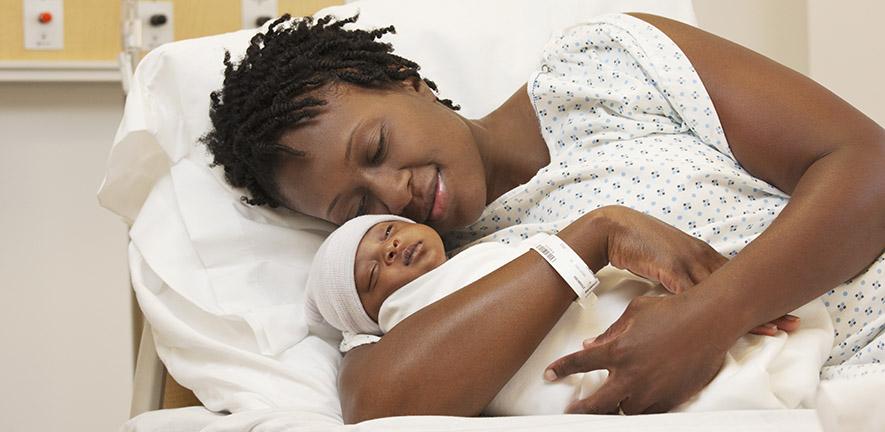
Black woman holding newborn baby in hospital bed


Women who experience racial discrimination on the basis of their ethnicity, race or nationality are at increased risk of giving birth prematurely, according to a team led by researchers at the University of Cambridge.


Racial discrimination impacts the health of racialised communities not only in direct and intentional ways, but also in how it shapes an individual’s experiences, opportunities, and quality of life

Jeenan Kaiser

The findings add to growing evidence that racial discrimination is a risk factor for poor health outcomes, say the researchers.

For several decades, race has been recognised as a social determinant of health and a risk factor for numerous diseases. The evidence increasingly suggests that social, environmental, economic and political factors are fundamental drivers of health inequities, and that it is often racial discrimination or racism, rather than race, that is the root cause of racial disparities in health outcomes.

For example, maternal death rates among Black and Indigenous women in the USA are two to three times higher than those of white women. Similarly, in the UK, maternal death rates are two to four times higher among Black and Asian women compared to death rates among white women.

To explore the existing patterns of racial discrimination and adverse pregnancy outcomes, the researchers carried out a systematic review and meta-analysis, pooling and analysing data from the available evidence. This approach allowed them to bring together existing and sometimes contradictory or under-powered studies to provide more robust conclusions. Their results are published in the open access journal BMJ Global Health.

The team searched eight electronic databases, looking for relevant studies on self-reported racial discrimination and premature birth (that is, before 37 weeks), low and very low birthweight, small-for-gestational age, and high blood pressure associated with pregnancy.

In all, the results of 24 studies were included in the final analysis. The majority of studies (20) were carried out in the USA. Study participants were of different racial and ethnic backgrounds, including Black or African American, Hispanic, non-Hispanic white, Mãori, Pacific, Asian, Aboriginal Australian, Romani, indigenous German and Turkish.

The pooled analysis showed that the experience of racial discrimination was significantly associated with increased risk of premature birth. Women who experienced racial discrimination were 40% more likely to give birth prematurely. When low quality studies were excluded, the odds of a premature birth were reduced, but still 31% higher in those experiencing racial discrimination.

While not statistically significant, the results also suggest that the experience of racial discrimination may increase the chance of giving birth to a small-for-gestational age baby by 23%.

Co-first-author Jeenan Kaiser, who did her MPhil in Public Health at the University of Cambridge and is currently a medical student at the University of Alberta, said: “Racial discrimination impacts the health of racialised communities not only in direct and intentional ways, but also in how it shapes an individual’s experiences, opportunities, and quality of life. These are fundamentally driven by structural and social determinants of health.

“While our study focused on its impact on pregnancy outcomes, it is becoming increasingly evident that it negatively impacts a myriad of health outcomes. Efforts to counter racial discrimination and promote health must focus on systemic policy changes to create sustainable change.”

Co-first author Kim van Daalen, a Gates Cambridge and PhD candidate at the Department of Public Health and Primary Care, University of Cambridge, said: “Dismantling structures and policies that enable institutional and interpersonal racial discrimination, underlying racial and ethnic disparities in health and intersecting social inequalities, is essential to improve overall health in societies. Partnerships of health care professionals with community-based reproductive justice and women’s health organisations who work in this area can improve health for racialised women in a community-centred way.”

The researchers point out that racial discrimination impacts what health services and resources are available, such as referral to specialist care, access to health insurance and access to public health services.

Co-author Dr Samuel Kebede, who did his MPhil in Epidemiology at the University of Cambridge as a Gates Cambridge Scholar and is currently at Montefiore Health System/Albert Einstein College of Medicine in New York City said: “Historically there have been countless examples of where medicine and public health have been furthered by the subjugation and experimentation of Black and indigenous people. But the influence of structural racism is still present within the healthcare system today. From segregated healthcare for uninsured and under-insured people of colour in the United States, to the global disparity in COVID-19 vaccinations, structures continue to perpetuate inequities. Health professionals can play a vital role in dismantling these systems.”

Many of the studies were of limited quality and included few marginalised racial or ethnic groups other than African Americans; as such, their applicability to other ethnic groups and cultural settings may be limited. However, the researchers argue that when pooled, the data clearly demonstrate the negative impact of racial discrimination on pregnancy outcomes.

Reference
van Daalen, KR, & Kaiser, J et al. Racial discrimination and adverse pregnancy outcomes: a systematic review and meta-analysis. BMJ Global Health; 3 Aug 2022; DOI: 10.1136/bmjgh-2022-009227

source: www.cam.ac.uk


Creative Commons License
The text in this work is licensed under a Creative Commons Attribution 4.0 International License. Images, including our videos, are Copyright ©University of Cambridge and licensors/contributors as identified.  All rights reserved. We make our image and video content available in a number of ways – as here, on our main website under its Terms and conditions, and on a range of channels including social media that permit your use and sharing of our content under their respective Terms.

Just Over Half of Six-Year-Olds In Britain Meet Physical Activity Guidelines

Just Over Half of Six-Year-Olds In Britain Meet Physical Activity Guidelines

Group of children playing tug of war


Fifty-three percent of six-year-olds met the recommended daily guidelines for moderate-to-vigorous physical activity in a study carried out pre-pandemic by researchers at the universities of Cambridge and Southampton.


This is something of a double-edged sword: children appear to do more moderate-to-vigorous physical activity when they start formal schooling, which is really positive, but they also spend more time sedentary

Kathryn Hesketh

Physical activity is beneficial for our physical and mental health, but activity levels tend to decrease across childhood and adolescence. Current UK physical activity guidelines recommend that children and young people from ages 5 to 18 years do an average of 60 minutes of moderate-to-vigorous physical activity (such as playing in the park or physical education) per day across the week. For all children, it is also recommended that they keep to a minimum extended periods of sedentary behaviour (such as sitting watching TV).

To investigate how much activity children do in their early primary school years, researchers from the Medical Research Council (MRC) Epidemiology Unit at the University of Cambridge and the MRC Lifecourse Epidemiology Centre at the University of Southampton provided 712 six-year-olds with Actiheart accelerometers, which measured their heart rate and movement. The children, who had been recruited as part of the ongoing Southampton Women’s Survey, wore these continually for an average of six days.

The results of the study are published today in the Journal of Physical Activity & Health.

At age six, children were sedentary for a daily average of more than five hours (316 minutes) and engaged in over 7.5 hours (457 minutes) of low-level physical activity and just over an hour (65 minutes) of moderate-to-vigorous physical activity.

Just over half of the children (53%) met the current UK recommended guidelines, with boys being more likely to reach the target than girls (63% of boys vs 42% of girls).

Dr Esther van Sluijs from the MRC Epidemiology Unit at Cambridge said: “Using accelerometers, we were able to get a much better idea of how active children were and we found that just over a half of six-year-olds were getting the recommended amount of physical activity. But this means that almost half of British children in this age group are not regularly active, which we know is important for their wellbeing and their performance at school.”

When the researchers analysed activity levels by time of day, they found that girls engaged in less moderate-to-vigorous physical activity during the school day at age six. Possible explanations are that girls wear skirts, which may make physical activity more challenging, or that they choose less active options during break times.

The researchers were able to look at longitudinal data from some children – that is, data recorded over a period of time rather than just a snapshot – and found that compared to at age four, at age six children became more sedentary (on average, around 30 minutes per day more compared to when they were four), but also engaged in an additional seven minutes per day of moderate-to-vigorous physical activity.

Dr Kathryn Hesketh from the MRC Epidemiology Unit at Cambridge added: “This is something of a double-edged sword: children appear to do more moderate-to-vigorous physical activity when they start formal schooling, which is really positive, but they also spend more time sedentary. This may in part be because of the structure of the school day, so we may want to look at ways to reduce sedentary time when children are younger, to prevent that behaviour becoming habitual.”

Professor Keith Godfrey from the University of Southampton commented: “These analyses indicate that new initiatives to promote physical activity must consider the lower activity levels in girls and at weekends. The time when children transition into formal schooling is an important opportunity to ensure a much higher proportion achieve recommended levels of activity.”

While based on detailed data collected up to 2012, evidence from national questionnaire based surveys is that children’s patterns of activity levels changed little in the years leading up to the COVID-19 pandemic, with widely recognised even lower rates of meeting the Chief Medical Officer guidelines during the pandemic.

The work was largely supported by Wellcome and the Medical Research Council.

Reference
Hesketh, KR et al. Activity behaviours in British 6-year-olds: cross-sectional associations and longitudinal change during the school transition. Journal of Physical Activity & Health; 11 Aug 2022; DOI: 10.1123/jpah.2021-0718

All averages quoted are mean.

source: www.cam.ac.uk


Creative Commons License
The text in this work is licensed under a Creative Commons Attribution 4.0 International License. Images, including our videos, are Copyright ©University of Cambridge and licensors/contributors as identified.  All rights reserved. We make our image and video content available in a number of ways – as here, on our main website under its Terms and conditions, and on a range of channels including social media that permit your use and sharing of our content under their respective Terms.

This Cambridge Life

This Cambridge Life

The doctor turned detective investigating the imprints of cancer

Serena Nik-Zainal outside the Addenbrooke’s Treatment Centre

Self-confessed ‘nerd’ Serena Nik-Zainal went from hospital wards to the laboratory on a mission to provide patients with the best possible treatment for their illnesses. Ten years later she is at the forefront of genomic research, creating tools for clinicians which are transforming patient care.

I’m a doctor by training; I’d always wanted to be one. I specialised in genetics and dealt with kids with inherited rare disorders. To make a diagnosis I’d often be trying to identify the genetic mutation that caused the presenting symptoms.

‘Reading’ DNA by genomic sequencing was possible but the limitation, at the time, was how expensive it was to do this. It cost thousands of pounds to sequence one little piece of the genome.

As a public sector service there was not enough money to sequence every patient. I found myself in meetings deciding who would be allowed the procedure and who wouldn’t. I found it so hard to be part of this gatekeeping exercise.

Later a technology called Next Generation Sequencing (NGS), pioneered in Cambridge, came along that allowed the whole genome to be sequenced faster than ever before. I knew this would have an impact on my work; I decided to do a PhD so I could understand how to use NGS and was offered a place at the Sanger Institute.

For my research I sequenced the whole genome of 21 breast cancers. At the time it took three months to sequence each one (now it can be done in a day which is fabulous!).

It was astonishing that sequencing as few as 21 cancers resulted in the identification of hundreds and thousands of mutations. Most of these mutations are known as passenger mutations (as opposed to driver mutations that cause cancer).

For decades research had focused on driver mutations rather than passenger mutations which I’d once heard described as “just noise”. I remember thinking: all these mutations can’t just be random. Of course, there is randomness in life, but different factors help mould you in one way or another.

This instinct proved to be correct. I found that the patterns of passenger mutations – called signatures – showed imprints of the damage and repair processes that had occurred in the DNA as the tumour developed. Some of these signatures may be seen across different tumours, whereas others are rare.

Imprints offer clues as to how the cancer arose, what specific type it is and how best to treat it. I often describe the imprints like fingerprints left at a crime scene or footprints in the sand.

 Serena Nik-Zainal using pipette in laboratory
Serena Nik-Zainal talking to colleague in laboratory
 Serena Nik-Zainal running experiments in laboratory
Serena Nik-Zainal using microscope in laboratory
Serena Nik-Zainal talking to colleague in laboratory


What struck me from day one was the realisation that each tumour was so different, and yet was being treated in the same way. I wanted the insights from genome sequencing to reach patients as fast as possible so that they could receive personalised treatment, giving them the best chance of surviving their cancer.

For me, it’s always been about the clinical applications. My team and I are involved in developing tools using machine learning that can interpret the results of genome sequencing quickly and efficiently so that clinicians can use them in their diagnosis and treatment of patients.

An important part of the cancer genomics journey is global collaboration. Over the past decade whole-genome sequencing has been conducted all over the world. This anonymised data has been deposited in the public domain and made available for scientists to analyse.

There is so much data; we are like kids in a candy shop! We hope the results will lead to better cancer treatment. That’s what’s keeping us going, the feeling that we’re contributing back to society.

Serena Nik-Zainal outside the Addenbrooke’s Treatment Centre

The UK is in an unprecedented position. Genomics England has led world-leading initiatives like the 100,000 Genome Project that involved sequencing the genome of 85,000 NHS patients affected by rare disease or cancer. There’s also nowhere else in the world that patients can freely access genomics services at the scale as people in England and Wales can.

However, the time taken from genomic discovery to clinical application in cancer care is 10-15 years − it’s just too long. Of course, we need to do clinical trials to prove that genomic information has an impact on cancer patient care, but perhaps how we do those trials could be modernised. We could evolve how we think about genomic data and use all the data available as effectively as possible, to truly personalise treatment plans. We need to consider what could be done to speed up this process.

I recently attended a World Health Organisation (WHO) expert panel discussion about genomics going global. I feel strongly that genomics should be democratised and accessible to people in low-and-middle income countries (LMIC) like Malaysia, where I’m from. Although I’m aware that adaptions would need to be made to meet each countries’ unique requirements.

I started off as a ‘nerd’ looking at genomes and then bioinformatics, and now I’m discussing transformations in the way we diagnose and treat patients. I’d like to reach the stage where cancer patients, not just in the UK, are offered whole or partial genomic sequencing just like they might have a routine blood testImagine the progress! We’ll be able to offer people the best possible care right from the outset.

Serena is Professor of Genomic Medicine and Bioinformatics in the Department of Medical Genetics, University of Cambridge and Honorary Consultant in Clinical Genetics at the Cambridge University Hospitals NHS Trust. Serena Nik-Zainal is an alumna and Honorary Fellow of Murray Edwards. In 2019, she was awarded the Dr Josef Steiner Cancer Research Prize.

Published 15 August 2022
With thanks to:

Serena Nik-Zainal

Words:
Charis Goodyear

Photography:
Lloyd Mann

The text in this work is licensed under a Creative Commons Attribution 4.0 International License

source: ww.cam.ac.uk

Cambridge Researchers Change Donor Kidney Blood Type

Cambridge Researchers Change Donor Kidney Blood Type

Researchers have been able to alter the blood type of deceased donor kidneys using “molecular scissors”.

The discovery offers hope to ethnic minority patients who struggle to find suitable transplants.

Researchers at the University of Cambridge have successfully altered the blood type on three deceased donor kidneys in a ground-breaking discovery that could have major implications for kidney patients.

The project, funded by charity Kidney Research UK, could increase the supply of kidneys available for transplant, particularly within ethnic minority groups who are less likely to be a match for the majority of donated kidneys.

Professor Mike Nicholson and PhD student Serena MacMillan used a normothermic perfusion machine – a device which connects with a human kidney to pass oxygenated blood through the organ to better preserve it for future use – to flush blood infused with an enzyme through the deceased kidney.

The enzyme acted like “molecular scissors” to remove the blood type markers that line the blood vessels of the kidney resulting in the organ being converted to the most common O type.

A kidney from someone with an A blood type cannot be transplanted to someone with a B blood type, nor the other way around. But changing the blood type to the universal O will allow more transplants to take place as O can be used for people with any blood group.

“It’s very exciting to think about how this could potentially impact so many lives”

Serena MacMillan

“Our confidence was really boosted after we applied the enzyme to a piece of human kidney tissue and saw very quickly that the antigens were removed,” said MacMillan.

“After this, we knew that the process is feasible, and we just had to scale up the project to apply the enzyme to full-size human kidneys. By taking B type human kidneys and pumping the enzyme through the organ using our normothermic prefusion machine, we saw in a matter of just a few hours that we had converted a B type kidney into an O type.”

The discovery could be particularly impactful for people from ethnic minority groups who often wait a year longer for a transplant than Caucasian patients.

People from minority communities are more likely to have B type blood and with current low donation rates from these populations, there are simply not enough kidneys to go around. In 2020/21, just over 9% of total organ donations came from black and minority ethnic donors whilst black and minority ethnic patients make up 33% of the kidney transplant waiting list.

The Cambridge team now need to see how the newly changed O type kidney will react to a patient’s usual blood type in their normal blood supply. The perfusion machine allows them to do this before testing in people, as they can take the kidneys which have been changed to the O type, use the machine to introduce different blood types and monitor how the kidney might react, simulating the process of transplant into the body.

“We now need to look at whether our methods can be successful in a clinical setting”

Prof Mike Nicholson

“One of the biggest restrictions to who a donated kidney can be transplanted to is the fact that you have to be blood group compatible,” said Nicholson, professor of transplant surgery.

“The reason for this is that you have antigens and markers on your cells that can be either A or B. Your body naturally produces antibodies against the ones you don’t have.

“Blood group classification is also determined via ethnicity and ethnic minority groups are more likely to have the rarer B type. After successfully shifting blood group to the universal O type, we now need to look at whether our methods can be successful in a clinical setting and ultimately carried through to transplantation.”

Dr Aisling McMahon, executive director of research at Kidney Research UK said: “The research that Mike and Serena are undertaking is potentially game-changing. It is incredibly impressive to see the progress that the team has made in such a short space of time, and we are excited to see the next steps.

“As an organisation, we are committed to funding research that transforms treatments and tackles health inequalities. We know that people from minority ethnic groups can wait much longer for a transplant as they are less likely to be a blood-type match with the organs available. This research offers a glimmer of hope to over 1,000 people from minority ethnic groups who are waiting for a kidney,” McMahon said.

After testing the reintroduction of other blood types, the team in Cambridge will look at how the approach might be used in a clinical setting. Having made great progress in such a short space of time they are hopeful for the future.

The full paper on Mike and Serena’s work is set to be published in the British Journal of Surgery in the coming months.

Ayesha: “A transplant would give me a second chance at a healthy life”

Ayesha was diagnosed with stage three chronic kidney disease in 1998 when she was pregnant with her first child.

She didn’t think much of it while she enjoyed her time being a mother, but her kidneys deteriorated rapidly during the pandemic.

She was told that she would need a transplant, but she might have to wait double or even triple the time for a kidney than a Caucasian person. Consultants estimated that she might have to wait between six to ten years to receive one.

Ayesha said: “They explained that because of my ethnicity my wait for a deceased donor will be longer than for a white person. The reason being my background – being the Muslim community and other faiths and cultures often don’t agree to be organ donors.

“I feel sad at the thought of waiting so long for a transplant, I understand a transplant isn’t a cure, but it would make my body a lot stronger and give me a second chance at a healthy life.”

She has recently started volunteering for Kidney Research UK under the charity’s peer educator scheme, a programme that recruits trusted members of the community to talk openly about kidney disease.

“In the Muslim communities, kidney disease is common yet still a taboo subject at the same time,” said Ayesha.

“People’s religious beliefs play an imperative role in making life-changing decisions. Even after the law change so everyone was automatically made an organ donor, many people decided to opt out.

“The research will offer so much hope to minority groups still waiting for a transplant and could help to save many lives. Convincing communities that research such as this and organ donation is beneficial is so crucial to improving and saving lives.

Ayesha continues to hope for a donor and hopes that through her education, more people will come forward and offer her, and others like her, the chance at a better life.

source: www.cam.ac.uk

Cambridge Spin-Out Nyobolt Raises £50m To Lead The Future of Sustainable Energy Storage

Dr Sai Shivareddy and Professor Clare Grey
source: www.cam.ac.uk


Nyobolt, the pioneer of end-to-end fast-charging battery systems, announces £50 million funding which will enable the company to enter a stage of manufacturing at scale.


Nyobolt technology will not only enable net zero both in the electrification of transport, but also the storing of clean and renewable energy on and off the grid.

Professor Clare Grey, Chief Scientist and Co-founder of Nyobolt

Nyobolt, which spun out of the Yusuf Hamied Department of Chemistry in 2016 and was co-founded by Professor Dame Clare Grey DBE FRS and CEO Dr Sai Shivareddy, is commercialising high-performance battery and charging technologies to create a world where lengthy charge times no longer exist.

The £50 million funding is led by H.C. Starck Tungsten Powders (HCS), a subsidiary of Masan High-Tech Materials, one of the world’s largest tungsten suppliers – a key component of Nyobolt’s technology. The investment is set to drive Nyobolt’s market entry by establishing its presence and launching the manufacturing of millions of units next year. H.C. Starck funding will enable Nyobolt’s first materials manufacturing plant in the UK, as well as expansion of the US cell engineering facility and the teams’ growth across the globe.

The investment and future collaboration between Nyobolt and H.C. Starck in the supply of materials, scale up of manufacture and recycling aims to provide a sustainable solution supporting the transition to net zero in multiple sectors.

The ultra-fast charging battery solution developed by world renowned experts at Nyobolt drastically decreases charge time from hours to minutes, maximising uptime and productivity. Nyobolt’s technology will lead the world towards transport decarbonisation, by erasing the greatest barrier preventing drivers from going electric – charge anxiety. The technology is applicable for devices ranging from home appliances to electric vehicles and industrial robotics, improving performance and revolutionising energy storage markets.

As well as ensuring security of supply of key materials, this strategic partnership will enable Nyobolt to benefit from the established recycling capabilities of H.C. Starck, allowing the efficient use of resources to minimise the environmental impact of Nyobolt’s ultra-fast charging batteries. The collaboration will lead to a sustainable supply chain for Nyobolt’s technology, making the technically demanding process of battery recycling easier and more efficient.

Nyobolt’s technology builds on a decade of battery research led by University of Cambridge battery scientist Professor Clare Grey, who has been recently appointed as Dame Commander of the Order of the British Empire in the Queen’s Platinum Jubilee Honours list for her services to science, marking her extensive contributions to the battery industry and its pivotal role for a more sustainable world.

Professor Dame Clare Grey, Chief Scientist and Co-founder of Nyobolt said: “We are excited to move our technologies from development to deployment in the market. We founded Nyobolt following the discovery of new anode technologies containing tungsten with remarkable fast charging capability to bring these properties to the market in applications touching all aspects of daily life. The funding from H.C. Starck will help Nyobolt to scale up our operations in the UK and United States and bring a more sustainable solution into the energy storage industry. Nyobolt technology will not only enable net zero both in the electrification of transport, but also the storing of clean and renewable energy on and off the grid. With the investment from H.C. Starck, Nyobolt’s ultra-fast charging, high power batteries will help lead the way towards achieving the clean energy goals set by governments around the world.”

Dr Sai Shivareddy, CEO and Co-founder of Nyobolt said: “Fast charging remains a critical unmet need as the world electrifies with more sustainable forms of energy – a need our technology addresses. We are excited about the partnership with H.C. Starck and see it as a stepping stone to increase scale and speed to market revealing the true potential of Nyobolt technologies. The Series B funding will put Nyobolt in the driving seat of a fast-moving battery industry and allow us to showcase the uniqueness of our battery technology, developed by our team of experts, which is set to transform the energy storage industry. With H.C. Starck investment and technologies, Nyobolt will expand its manufacturing capabilities while minimising its carbon footprint with an effective recycle and reuse program.”

Dr Hady Seyeda, CEO of H.C. Starck Tungsten said: “This investment marks a milestone in our strategy to move further downstream, and get closer to consumers by developing new, innovative applications including our recently trademarked “starck2charge” battery materials product range. Nyobolt’s technology is a real breakthrough that we can help commercialise based on our vast experience in transferring innovative solutions into large-scale manufacturing. This partnership is also going to accelerate the development towards a circular economy for batteries via enhanced recycling and new models of use.”

Mr Craig Bradshaw, CEO of Masan High-Tech Materials commented: “I am really proud that just over two years after acquiring and integrating the H.C. Starck Tungsten Powders business into MHT we have been able to expand our breadth of business capabilities through the acquisition of a significant equity stake in Nyobolt. We look forward to working together with the Nyobolt team to advance their product offering and opportunities to partner in the manufacturing and commercialisation of their products as well as offering a full life cycle for the advanced strategic materials required in the Nyobolt batteries.”

Adapted from an announcement by Cambridge Enterprise


Creative Commons License
The text in this work is licensed under a Creative Commons Attribution 4.0 International License. Images, including our videos, are Copyright ©University of Cambridge and licensors/contributors as identified.  All rights reserved. We make our image and video content available in a number of ways – as here, on our main website under its Terms and conditions, and on a range of channels including social media that permit your use and sharing of our content under their respective Terms.


Read this next

School-Based Mindfulness Training Programme Fails To Improve Young People’s Mental Health

Rear view of sports teacher practicing Yoga with her students at school gym
source: www.cam.ac.uk


A standardised schools-based mindfulness training programme did not help young people’s mental health and well-being overall, but did improve school culture and reduce teachers’ burn out, a new study has found.


Our work adds to the evidence that translating mental health treatments into classroom curricula is difficult and that teachers may not be best placed to deliver them without considerable training and support

Tamsin Ford

The MY Resilience In ADolescence (MYRIAD) study programme span spans eight years of research and explore whether schools-based mindfulness training could improve the mental health of young people. It involved more than 28,000 children aged 11-14, 100 schools and 650 teachers. The main studies from this programme are published in a series of papers in a special issue of Evidence-based Mental Health.

Professor Willem Kuyken from the University of Oxford, one of the lead authors, said: “MYRIAD is the largest of its kind to explore, in detail, whether mindfulness training in schools can improve young people’s mental health. With early adolescence being an important window of opportunity in terms of preventing mental health problems and promoting well-being, and young people spending much of their waking lives at school, a schools-based programme could be a good way to support young people’s mental health.”

Reports suggest that one in five teenagers experience mental health problems, and three quarters of all mental illnesses that anyone will ever develop before the age of 24. For example, the peak age of onset of depression is between 13 and 15 years of age. The MYRIAD studies showed that certain groups of young people were more likely to report mental health problems: girls, older teenagers, those living in urban areas, and those living in areas of greatest poverty and deprivation.

The young people participating in the studies reported mixed views of the mindfulness-training curriculum (some rating it highly and others negatively), while 80% did not do the required mindfulness practice homework.

Professor Mark Williams from the University of Oxford, added: “The findings from MYRIAD confirm the huge burden of mental health challenges that young people face, and the urgent need to find a way to help. They also show that the idea of mindfulness doesn’t help – it’s the practice that matters. If today’s young people are to be enthused enough to practice mindfulness, then updating training to suit different needs and giving them a say in the approach they prefer are the vital next steps.”

In addition, to teach mindfulness well, committed staff, resources and teacher training and support are needed, and the co-design of programmes and resources with young people would likely be more effective, say the researchers. A multitude of factors affect young people’s health, for example, their environment at school and at home, their school’s culture, and their individual differences.

Co-investigator Professor Tamsin Ford from the University of Cambridge said: “Our work adds to the evidence that translating mental health treatments into classroom curricula is difficult and that teachers may not be best placed to deliver them without considerable training and support – another approach would be for mindfulness practitioners to work with students at risk of poor mental health or who express a particular interest in attending mindfulness training.”

Other findings included:

  • Mindfulness training improved overall school climate (atmosphere and culture), especially views of the school leadership, connectedness, and respect – although most effects washed out after one year.
  • Teachers who did the mindfulness training reported lower levels of burnout, particularly feelings of reduced exhaustion and depersonalization – although most effects washed out after one year.

Professor Mark Greenberg, one of the study co-investigators at Pennsylvania State University, said: “The MYRIAD project carefully tested the effects of a brief mindfulness intervention for early teens and found it to have no impact on preventing mental health problems or promoting well-being. In order to improve wellbeing for young people, it is likely we need to make broader systemic changes in schools that both teach them new coping skills and support staff to create environments where youth feel valued and respected.”

Miranda Wolpert, Director of Mental Health at Wellcome, which funded the research, said: “In science, it is just as important to find out what doesn’t work as what does. It can take real bravery to share such findings.  This rigorous, large-scale study found that when mindfulness training was delivered at scale in schools it did not have an impact on preventing risk of depression or promoting well-being in students aged 11 to 14 years.”

Adapted from a press release by the University of Oxford


Creative Commons License
The text in this work is licensed under a Creative Commons Attribution 4.0 International License. Images, including our videos, are Copyright ©University of Cambridge and licensors/contributors as identified.  All rights reserved. We make our image and video content available in a number of ways – as here, on our main website under its Terms and conditions, and on a range of channels including social media that permit your use and sharing of our content under their respective Terms.

Cambridge Research Centre Puts People At The Heart of AI


The University of Cambridge today launches a new research centre dedicated to exploring the possibilities of a world shared by both humans and machines with artificial intelligence (AI).


The Centre for Human-Inspired Artificial Intelligence (CHIA) brings together researchers from engineering and mathematics, philosophy and social sciences; a broad range of disciplines to investigate how human and machine intelligence can be combined in technologies that best contribute to social and global progress.

Anna Korhonen, Director of CHIA and Professor of Natural Language Processing, said: “We know from history that new technologies can drive changes with both positive and negative consequences, and this will likely be the case for AI. The goal of our new Centre is to put humans at the centre of every stage of AI development – basic research, application, commercialisation and policymaking – to help ensure AI benefits everyone.”

Artificial intelligence is a rapidly developing technology predicted to transform much of our society. While AI has the potential to tackle some of the world’s most pressing problems in healthcare, education, climate science and economic sustainability it will need to embrace its human origins to become responsible, transparent and inclusive.

Per-Ola Kristensson, Co-director of CHIA and Professor of Interactive Systems Engineering, said: “For true progress and real-life impact it’s critical to nurture a close engagement with industry, policy makers, non-governmental organisations and civil society. Few universities in the world can rival the breadth and depth of Cambridge making us ideally positioned to make these connections and engage with the communities who face the greatest impact from AI.”

Designed to deliver both academic and real-world impact, CHIA seeks partners in academic, industrial, third-sector and other organizations that share an interest in promoting human-inspired AI.

John Suckling, Co-director of CHIA and Director of Research in Psychiatric Neuroimaging, said: “Our students will be educated in an interdisciplinary environment with access to experts in the technical, ethical, human and industrial aspects of AI. Early-career researchers will be part of all our activities. We are committed to inclusivity and diversity as a way of delivering robust and practical outcomes.”

CHIA will educate the next generation of AI creators and leaders, with dedicated graduate training in human-inspired AI.

Professor Mark Girolami from the Department of Engineering, said: “As artificial intelligence becomes increasingly pervasive, it’s critical to align its development with societal interests. This new University-wide Centre will explore a human-centric approach to the development of AI to ensure beneficial outcomes for society. Cambridge’s depth of expertise in AI and a focus on interdisciplinary collaboration make it an ideal home for CHIA.”

Apart from research and education, the CHIA will also host seminars, public events and international conferences to raise awareness of human-inspired AI. Forums will be convened around topics of ethical or societal concern with representation from all stakeholders.

Professor Anne Ferguson-Smith, Pro-Vice-Chancellor for Research, said: “If we’re to ensure that AI works for everyone and does not widen inequalities, then we need to place people at its heart and consider the societal and ethical implications alongside its development. Cambridge, with its ability to draw on researchers across multiple disciplines, is uniquely positioned to be able to lead in this area.”

Neil Lawrence, DeepMind Professor of Machine Learning, added: “Artificial intelligence is provoking new questions in our societies. It’s vital that we deliver the answers in a people-centric manner. The Centre in Human-Inspired AI will provide a new interdisciplinary hub that delivers the solutions for these challenges.”


Creative Commons License
The text in this work is licensed under a Creative Commons Attribution 4.0 International License. Images, including our videos, are Copyright ©University of Cambridge and licensors/contributors as identified.  All rights reserved. We make our image and video content available in a number of ways – as here, on our main website under its Terms and conditions, and on a range of channels including social media that permit your use and sharing of our content under their respective Terms.

AstraZeneca To Fund a Further 55 PhD Studentships With University of Cambridge

Researcher looking at flask in lab
source: www.cam.ac.uk


The University of Cambridge has formed a new agreement with AstraZeneca for the global biopharmaceuticals company to fund 55 additional PhD studentships over the next five years, starting in October 2022. Over the last 20 years, AstraZeneca has funded more than 100 PhD students from the University as part of a longstanding partnership between the two institutions.


Training the next generation of brilliant scientists who are able to collaborate with colleagues in different disciplines and with industry partners will be critical to getting new treatments to patients.

Professor Andy Neely, Pro-Vice-Chancellor, Enterprise and Business Relations

This new agreement aims to equip research students with the capabilities to work across disciplines and sectors. In addition, students will hone important translational skills that are needed to turn their research into new medicines and better outcomes for patients.

“Cambridge University and AstraZeneca see the future of medicine happening at the intersection of different disciplines, where biological understanding of disease processes and the chemistry of how drugs work, meets engineering and artificial intelligence,” said Kathryn Chapman, Deputy Director of the Milner Therapeutics Institute and the University’s Relationship Manager for AstraZeneca.

Professor Andy Neely, Pro-Vice-Chancellor for Enterprise and Business Relations, University of Cambridge underscores an important piece of working across subject areas: collaboration. He said: “Training the next generation of brilliant scientists who are able to collaborate with colleagues in different disciplines and with industry partners will be critical to getting new treatments to patients.”

“This new agreement demonstrates AstraZeneca’s commitment to developing early career scientists and offers a fantastic opportunity for AstraZeneca and Cambridge University to collaborate by sharing knowledge and expertise across academia and industry,” said Jacqui Hall, Head of Early Careers and R&D Learning, AstraZeneca.

Learning how to collaborate and translate advances in research into breakthroughs that improve patient outcomes will be central to the programme. To facilitate this, each student will have both an academic and industry supervisor. They will also benefit from access to AstraZeneca’s state-of-the-art labs at its Discovery Centre, home to over 2,200 scientists based on the Cambridge Biomedical Campus.

By participating in the programme, students will gain insights into all stages of the drug discovery pipeline and receive guidance as to how they can collaborate with industry and help turn their research into new life-changing medicines for patients.


Creative Commons License
The text in this work is licensed under a Creative Commons Attribution 4.0 International License. Images, including our videos, are Copyright ©University of Cambridge and licensors/contributors as identified.  All rights reserved. We make our image and video content available in a number of ways – as here, on our main website under its Terms and conditions, and on a range of channels including social media that permit your use and sharing of our content under their respective Terms.

Cambridge Innovation Summit 2022

We had a great time at the summit! Cambridge Innovation Summit returned in physical format on July 5th.

image2.jpeg

Many thanks to our generous sponsorship from Silicon Valley Bank and HCR Hewitsons!

image0.jpeg

We assembled a highly interactive programme for inbound corporates and special guests to learn from and with each other about the innovation landscape and how to harness its power. There will be: Panel Discussions, Case Studies, Start-up Pitches and Lunch as well as all the networking you can handle – all in a beautiful riverside venue.

image1.jpeg

Connected Cambridge group on Linked in reaches 12000 members – we have more people in the Cambridge region than any other local group and are delighted  to use this group to target out GDPR compliant weekly e-letter to bring interesting news, jobs and events.

Plans are already in the works for The Cambridge Innovation Summit 2023.

We hope to see you next year!

A Major New Institute Opens Today, Bringing Together the Largest Concentration of Scientists and Clinicians in Heart and Lung Medicine in Europe.

“There isn’t anything like it in the UK”

source: www.cam.ac.uk

The new institute tackling some of the world’s biggest killers

By Craig Brierley

On 18 August 1979, Keith Castle – despite being described by surgeon Sir Terence English as “not an ideal patient from a medical point of view” – made history, becoming the first person in the UK to undergo a successful heart transplant.

The operation was performed at Papworth Hospital, Cambridgeshire, which specialised in heart and lung surgery. It was not the only ‘first’ to take place there: seven years later, Papworth surgeons – alongside surgeons from nearby Addenbrooke’s Hospital – conducted the world’s first heart, lung and liver transplant.

In 2019, the hospital – now Royal Papworth Hospital NHS Foundation Trust – relocated to its new home on the Cambridge Biomedical Campus. Shortly afterwards, at the end of February 2020, work began on a new building next door, the realisation of a decade of planning. Construction was barely impacted by the COVID-19 pandemic that swept the country, and now, just two-and-a-half years later, it is opening.

Welcome to the Heart and Lung Research Institute.

The building will see more than 380 staff from the University of Cambridge and Royal Papworth housed under one roof, all working together to tackle some of the world’s major killers: cardiovascular diseases are estimated to cause nearly 18 million deaths per year, mostly due to heart attacks and stroke, with respiratory diseases such as pneumonia and lung cancer just behind. There will be ‘wet labs’, a clinical research facility, data science and epidemiology research teams, spaces for postgraduate education, collaboration spaces and much more.

“There isn’t anything like it in the UK. We have the largest concentration of scientists and clinicians in cardiovascular and respiratory medicine probably in Europe.”

Professor Nick Morrell, Director of the HLRI.

Cardiovascular and respiratory disease have been a strategic priority for the University for many years, and in 2013, the University became one of the British Heart Foundation (BHF) Centres of Research Excellence. It is this expertise, coupled with Royal Papworth’s clinical excellence, that makes the new institute so unique, says Morrell.

“Papworth routinely comes out top in various assessments of safety and mortality and success from operations, and has a history of innovation. It’s an international brand in itself, rather like the University is, so we’re bringing those two things together to synergize and maximise our research potential.”

The institute has attracted significant funding thanks to this pairing: alongside the University’s contribution, there is £30m from the UK Research Partnership Investment Fund, £10m from the British Heart Foundation – one of the charity’s largest ever strategic awards – as well as additional funding from the Wolfson Foundation, Royal Papworth Hospital Charity and the Cystic Fibrosis Trust.

Location, location, location

Professor Nick Morrell

The setting for the Heart and Lung Research Institute (HLRI) could not be better, situated as it is on the Cambridge Biomedical Campus.

Close by are three hospital trusts – Royal Papworth NHS Foundation Trust, Cambridge University Hospitals NHS Foundation Trust (including Addenbrooke’s and the Rosie) and Cambridgeshire and Peterborough NHS Foundation Trust – and dozens of departments and institutes that form the University’s School of Clinical Medicine (and many more in the biological sciences in the city centre).

Also a stone’s throw away are major pharmaceutical companies: AstraZeneca’s new research & discovery centre and, embedded in Addenbrooke’s, the GSK Clinical Unit. Both companies will play a crucial role in helping HLRI scientists not only build on Cambridge’s rich history of discovery, but deliver tangible benefits to patients’ lives. Morrell is keen to stress that collaborations with these companies will be strategic partnerships, sharing expertise in areas of common interest, from basic science to clinical expertise, designing clinical trials and finding patients to take part in studies.

But as well as location, co-location will be crucial to the success of the building: the institute will bring together researchers from a broad range of disciplines to work side-by-side to improve outcomes for patients, with shared breakout spaces allowing for greater interaction and even the serendipitous conversations that take place over coffee.

As Martin Bennett, BHF Professor of Cardiovascular Sciences, explains: “When you’re tackling big and global problems, there are lots of elements to consider. There’s what causes the disease, how you diagnose the disease, how you manage it, and how you change things at the population level.”

“We’ve got people that cover everything from discovery, validation, and clinical trials, through to implementation – the whole pipeline all could be done in one building.”

Professor Martin Bennett

All this has encouraged Morrell and colleagues to set themselves an ambitious target of developing at least 10 new proof-of-concept drugs or diagnostic approaches within the next five years.

“It’s good to have a goal,” says Morrell. “It sets our stall out as to what we’re here for. This is about translational science. Our goal isn’t just to publish high impact papers in internationally recognised journals. The end game here has to be delivering on the promise of that science.”

Patient-centred research

Dr Mark Toshner

Helping deliver on that promise will be the Clinical Research Facility (CRF), due to open later this year with capacity for up to 10 in-patients to take part in clinical studies and experimental medicine trials.

Heading the facility is Dr Mark Toshner, a consultant at Royal Papworth and Associate Professor at the University, who specialises in pulmonary hypertension, a group of diseases characterised by high blood pressure in the lungs.

“The idea of having a new clinical research facility is to take some of the great basic science we do in Cambridge and then make sure it gets applied in a way that results in changing clinical practice and improving patients’ lives,” he says.

Toshner wants to transform the way that trials are designed. The current model – patient comes in, receives the drug, goes home or stays overnight, and returns for hospital-based tests at regular intervals – suits the clinicians, but not necessarily the patients, he says.

“What we want is to turn this on its head and start redesigning trials that have the patient right at the centre.”

“We’ll ask the patients: ‘what is important to you in a trial? and design them with this at the core.”

Dr Mark Toshner

Studies have shown that patients who take part in clinical trials fare better – regardless of whether the treatment works – but people who are from minoritised communities, those who work full-time or have to make a long journey to participate are often excluded. “If we are systemically disenfranchised people from enrolling in clinical trials, then we are actually enshrining disadvantage in outcomes. Our new facilities will be a step-change in addressing this.”

What’s unique about the HLRI – and the wider biomedical campus – he says, is its ability to put patients, researchers, clinicians and industry all in the same space.

“It’s the innovation this allows that will drive better outcomes for patients. It really makes us an incredible place to be doing research right now.”

Meet some of the researchers at the heart of the new institute

Martin Bennett, BHF Professor of Cardiovascular Sciences

Like many others at the HLRI, Bennett is both a consultant and a scientist, spending some of his time looking after patients who have had a heart attack or heart failure, and some on research.

Bennett’s research interest lies in coronary artery disease. Part of this involves looking at the underlying biology to try and understand the disease. For 25 years, his lab has been studying basic processes – why cells divide, why they die, what leads to inflammation of the artery walls, for example – and then how you interrupt these processes.
He is also exploring new ways to identify patients at high risk from the disease: many people who have coronary artery disease will come to no harm, but others will have a heart attack, and patients who have already had one heart attack are at significant risk of a second.

One approach Bennett is taking is to use imaging to identify at-risk patients, an approach he says could also help assess whether potential new drugs reduce the risk, speeding up the drug development process. Proving a drug is effective is expensive and may involve recruiting tens of thousands of patients, looking for infrequent endpoints, such as heart attacks.

“If you use imaging, you can work out if your drug is going to work within 12 months and with maybe a few 100 people.

“That will then give you the confidence to either do the bigger trial or say ‘actually this drug isn’t going to work, so I’m not going to spend money and waste time doing the bigger trial.'”

Professor Martin Bennett

Dr Helle Jørgensen

Dr Helle Jørgensen, BHF University Lecturer in Stem Cell and Developmental Biology

Jørgensen is interested in what is happening in the walls of our arties. In particular, she studies muscle cells in the artery walls, which are responsible for maintaining vascular tone and blood pressure.

These cells have a remarkable plasticity, carrying out a number of different functions in response to certain stimuli. But the wrong type of stimulus – such as the build-up of cholesterol or inflammation – can cause problems. Then the cells start dividing and can adopt different states that lead to the build-up of calcium deposits, inflammation and the growth of lesions that can rupture and cause heart attack and stroke.

Jørgensen uses a number of approaches, such as single cell RNA sequencing, to analyse how the cells are changing. It has become apparent that a lot of the genetic variants associated with cardiovascular disease are linked with these cells.

“For a long time, the cells have been seen as a boring cell type, that they’re not really doing much, but it seems that they are actually conveying quite a large proportion of the genetic risk of cardiovascular disease.”

Dr Wei Li, BHF Senior Basic Science Research Fellow

Li studies the structure and function of proteins, the products of genes. In particular, her research targets circulating molecules called bone morphogenetic protein 9 and 10 for treating cardiovascular diseases. Mutations in the receptors for these proteins cause the genetic disorders pulmonary arterial hypertension and hereditary haemorrhagic telangiectasia, both of which are currently without a cure.

Li’s group makes these proteins in vitro, reconstructs and examines their functions using biochemical and cell biological tools, and applies structural biology to design therapeutic strategies.

By introducing human mutations into the DNA fragments used for generating the proteins, they can see exactly how the mutations disrupt the protein function and cause disease, and design strategies to restore the mutant protein functions for therapeutic applications.

“Our use of basic research applied to translational questions led to a successful collaboration with Nick [Morrell], which resulted in us co-founding Morphogen-IX, a University spin-out company focused on treating pulmonary arterial hypertension.

“HLRI will provide more opportunities for such translational collaborative work.”

Dr Wei Li

Professor Ziad Mallatt

Ziad Mallat, BHF Professor of Cardiovascular Medicine

The immune system plays a vital role in defending us from infection, but does not always work in our best interests. Mallat is interested in the surprising role it plays in conditions such as atherosclerosis, heart attack, strokes and aortic aneurysms.

“There have been a lot of clinical trials trying to modulate the immune system and see whether these can reduce cardiovascular events, but most of them failed.”

That’s because we don’t understand which components of the immune system are implicated in these conditions and how to target them selectively, he says. Take, for example, the CANTOS trial, which targeted a component of the immune system known as interleukin-1 beta. This was effective at treating coronary artery disease, but increased the risk of fatal infections.

Mallat and his team are trying to understand what’s happening in our arteries at different stages of disease development to try to pinpoint and identify the critical pathways important in this disease. He is conducting several clinical trials at Addenbrooke’s and Royal Papworth, repurposing existing immunotherapies for the treatment of patients with cardiovascular disease.

Two such drugs, low-dose interleukin-2 and rituximab, have passed the safety trials, and are being tested in follow-up efficacy trials. One such trial, using rituximab, a treatment already in use for non-Hodgkin lymphoma and rheumatoid arthritis, is a European multi-centre trial to see whether a single infusion in patients with myocardial infarction can improve heart function.

Andres Floto, Professor of Respiratory Biology

Another early investor in the HLRI has been the Cystic Fibrosis Trust, which has pledged £5million to support a Cystic Fibrosis Trust Innovation Hub, run by Floto, who is also an honorary consultant at Royal Papworth Hospital.

Floto is using the opportunity of moving to the HLRI to broaden the focus out to other inflammatory lung diseases, such as bronchiectasis, asthma and chronic obstructive pulmonary disease (COPD). While the emphasis has previously been on basic biology, Floto intends to extend his work into experimental medicine, working with clinical trials units across the campus to test potential new treatments.

The underlying mechanisms that drive the inflammation in diseases such as bronchiectasis and cystic fibrosis are not fully understood, he says, but by testing interventions on small numbers of patients, they hope to learn more about the fundamental biology of these conditions, which could lead to the discovery of new drug targets.

“Our approach – so, re-purposing off-the-shelf drugs in small scale studies to get an idea about what the impact is of modulating those pathways in man – is really exciting. I think it probably puts us in a very unique position in the world.”

Professor Andres Floto

Professor Charlotte Summers

Charlotte Summers, Professor of Intensive Care Medicine

Summers has spent much of the past two-and-a-half years at the front line of the COVID-19 pandemic, juggling her research with treating intensive care patients at Addenbrooke’s Hospital.

She is leading the new Wolfson Lung Injury Unit at the HLRI. Lung injury, which causes the devastating failure of people’s lungs to deliver oxygen, has come to the forefront during by the pandemic, but even beforehand was a global health problem.

“Every year, 400,000 children under the age of five die of pneumonia, and the predominant mode of death worldwide for these children, and for many thousands of adults, is from their lungs failing to deliver oxygen.”

Acute respiratory distress syndrome has multiple different causes, but is the final pathway that leads to lung failure and death. With patients from across the campus – both Royal Papworth and Addenbrooke’s, as well as from the wider community – Summers’ team aims to understand the mechanisms underlying lung injury in order to develop therapies to prevent and improve it.

She will use a number of different approaches, from patient samples and human cell models through to multicentre, phase III trials such as HEAL COVID, the national urgent public health trial. She will be working with Professor Clare Bryant who is developing ‘lung on a chip’ models, taking components of lung cells and growing them on very small microfluidic devices – ‘chips’ – enabling the study of key lung functions.

Like many HLRI researchers, she will be working with AstraZeneca and GSK to translate her findings into new treatments. She already has a large programme grant under the Experimental Medicine Initiative to Explore New Therapies (EMINENT) scheme funded by the Medical Research Council and GSK.

Published 11 July 2022

Photography: Lloyd Mann

The text in this work is licensed under a Creative Commons Attribution 4.0 International License

Experts Predict Top Emerging Impacts On Ocean Biodiversity Over Next Decade

Experts predict top emerging impacts on ocean biodiversity over next decade

Marine ecosystem


Lithium extraction from the deep sea, overfishing of deeper-water species, and the unexpected ocean impacts of wildfires on land are among fifteen issues experts warn we ought to be addressing now


By highlighting future issues, we’re pointing to where changes must be made today – both in monitoring and policy – to protect our marine and coastal environments

James Herbert-Read

An international team of experts has produced a list of 15 issues they believe are likely to have a significant impact on marine and coastal biodiversity over the next five to ten years.

Their ‘horizon scanning’ technique focuses on identifying issues that are not currently receiving widespread attention, but are likely to become important over the next decade. The aim is to raise awareness and encourage investment into full assessment of these issues now, and potentially drive policy change, before the issues have a major impact on biodiversity.

The issues include the impacts of wildfires on coastal ecosystems, the effects of new biodegradable materials on the marine environment, and an ‘empty’ zone at the equator as species move away from this warming region of the ocean.

“Marine and coastal ecosystems face a wide range of emerging issues that are poorly recognised or understood, each having the potential to impact biodiversity,” said Dr James Herbert-Read in the University of Cambridge’s Department of Zoology, joint first author of the paper.

He added: “By highlighting future issues, we’re pointing to where changes must be made today – both in monitoring and policy – to protect our marine and coastal environments.”

The horizon scan involved 30 experts in marine and coastal systems from 11 countries in the global north and south, from a variety of backgrounds including scientists and policy-makers. The results are published today in the journal Nature Ecology and Evolution.

Several of the issues identified are linked to exploitation of ocean resources. For example, deep sea ‘brine pools’ are unique marine environments home to a diversity of life – and have high concentrations of salts containing lithium. The authors warn that rising demand for lithium for electric vehicle batteries may put these environments at risk. They call for rules to ensure biodiversity is assessed before deep sea brine pools are exploited.

While overfishing is an immediate problem, the horizon scan looked beyond this to what might happen next. The authors think there may soon be a move to fishing in the deeper waters of the mesopelagic zone (a depth of 200m – 1,000m), where fish are not fit for human consumption but can be sold as food to fish farms.

“There are areas where we believe immediate changes could prevent huge problems arising over the next decade, such as overfishing in the ocean’s mesopelagic zone,” said Dr Ann Thornton in the University of Cambridge’s Department of Zoology, joint first author on the paper.

She added: “Curbing this would not only stop overexploitation of these fish stocks, but reduce the disruption of carbon cycling in the ocean – because these species are an ocean pump that removes carbon from our atmosphere.”

The report also highlights the potential impact of new biodegradable materials on the ocean. Some of these materials are more toxic to marine species than traditional plastics.

Herbert-Read said: “Governments are making a push for the use of biodegradable materials – but we don’t know what impacts these materials may have on ocean life.”

The authors also warn that the nutritional content of fish is declining as a consequence of climate change. Essential fatty acids tend to be produced by cold-water fish species, so as climate change raises ocean temperatures, the production of these nutritious molecules is reduced. Such changes may have impacts on both marine life and human health.

Not all of the predicted impacts are negative. The authors think the development of new technologies, such as soft robotics and better underwater tracking systems, will enable scientists to learn more about marine species and their distribution. This, in turn, will guide the development of more effective marine protected areas. But they also warn that the impacts of these technologies on biodiversity must be assessed before they are deployed at scale.

“Our early identification of these issues, and their potential impacts on marine and coastal biodiversity, will support scientists, conservationists, resource managers, policy-makers and the wider community in addressing the challenges facing marine ecosystems,” said Herbert-Read.

While there are many well-known issues facing ocean biodiversity including climate change, ocean acidification and pollution, this study focused on lesser-known emerging issues that could soon have significant impacts on marine and coastal ecosystems.

This horizon scanning process has previously been used by researchers from the Department of Zoology to identify issues that have later come to prominence, for example, a scan in 2009 gave an early warning that microplastics could become a major problem in marine environments.

The United Nations has designated 2021-2030 as the ‘UN Decade of Ocean Science for Sustainable Development.’ In addition, the fifteenth Conference of the Parties (COP) to the United Nations Convention on Biological Diversity will conclude negotiations on a global biodiversity framework in late 2022. The aim is to slow and reverse the loss of biodiversity, and establish goals for positive outcomes by 2050.

This research was funded by Oceankind.

Reference

Herbert-Read, J.E. et al. ‘A global horizon scan of issues impacting marine and coastal biodiversity conservation.’ Nature Ecology and Evolution, July 2022. DOI: 10.1038/s41559-022-01812-0

————————————————————————————————————

The full list of issues identified by the report includes:

Ecosystem impacts

  • Wildfire impacts on coastal and marine ecosystems
  • Coastal darkening
  • Increased toxicity of metal pollution due to ocean acidification
  • Equatorial marine communities becoming depauperate (lacking variety) due to climate migration
  • Altered nutritional content of fish due to climate change

Resource exploitation

  • Untapped potential of marine collagens and their impacts on marine ecosystems
  • Impacts of expanding trade for fish swim bladders on target and non-target species
  • Impacts of fishing for mesopelagic (middle-depth) species on the biological ocean pump
  • Extraction of lithium from deep-sea brine pools

Novel technologies

  • Co-location of marine activities
  • Floating marine cities
  • Trace element contamination compounded by the global transition to green technologies
  • New underwater tracking systems to study non-surfacing marine animals
  • Soft robotics for marine research
  • Effects of new biodegradable materials in the marine environment

Creative Commons License
The text in this work is licensed under a Creative Commons Attribution 4.0 International License. Images, including our videos, are Copyright ©University of Cambridge and licensors/contributors as identified.  All rights reserved. We make our image and video content available in a number of ways – as here, on our main website under its Terms and conditions, and on a range of channels including social media that permit your use and sharing of our content under their respective Terms.

Toads Surprise Scientists By Climbing Trees in UK Woodlands

Toad in a tree
source: www.cam.ac.uk


Volunteers surveying dormice and bats in trees have made the unexpected discovery of over 50 common toads in nest boxes and tree cavities at least 1.5 metres high.


This is significant for our understanding of the ecology and conservation of common toads

Silviu Petrovan

Until now, common toads were thought to be terrestrial. The highest toad in this study was found three metres up a tree – and scientists say there is a chance the toads might be venturing even higher.

This is the first time that the tree climbing potential of amphibians has been investigated at a national scale.

The surprising discovery was made during a survey to search for hazel dormice and bats as part of the National Dormouse Monitoring Programme and the Bat Tree Habitat Key project.

The research was led by the University of Cambridge and Froglife, and supported by wildlife charity People’s Trust for Endangered Species (PTES). It is published today in the journal PLOS ONE.

Dr Silviu Petrovan, Senior Researcher at the University of Cambridge and Trustee at Froglife, and first author of the study, said: “This is a really exciting finding, and significant for our understanding of the ecology and conservation of common toads – one of the most widespread and abundant European amphibians.”

He added: “We know common toads favour woodlands as foraging and wintering habitat, but it appears their association with trees is much more complex than we had previously thought.”

Common toads are regarded as typical terrestrial amphibians, which spend their time both on land and in water during breeding. To date there have only been a handful of documented sightings of common toads in trees in the UK.

Consequently, common toads and UK amphibians in general have never been surveyed for in trees, unlike bat and dormouse surveys – which specifically target this habitat. The study highlights the importance of sharing data between conservation organisations representing different species, and shows that there is a lot to learn about wildlife in the UK – even about species believed to be well-known.

Nida Al-Fulaij, Conservation Research Manager at PTES said: “We couldn’t believe what we found. We’re used to discovering woodland birds and other small mammals in nest boxes but we hadn’t considered finding amphibians in them.”

Over 50 common toads were found during surveys of hazel dormouse nest boxes (located 1.5m above ground) and tree cavities usually used by bats.

Many of the cavities were small or not visible from the ground, so it is unclear how toads are finding them and how difficult it is for toads to climb particular trees.

Toads were not found in boxes or tree holes with other species, however they were found using old nests made by dormice and even birds.

While 50 records is not a huge number, it is comparable to records of other animals known to use trees regularly – such as blue tits. This suggests that toads spend more time in trees than was previously thought. If this is true, it means that common toads could be found in up to one in every hundred trees in the UK in particularly favourable areas, such as near large ponds or lakes.

The discovery suggests that tree cavities might represent an even more important ecological feature than conservationists previously thought. It highlights the importance of protecting our remaining natural woodland habitats, especially ancient trees with veteran features (such as hollows, cracks and other natural cavities) for all wildlife.

Froglife research in 2016 showed that common toads have declined by 68% on average over the last 30 years across the UK.

It is not currently known why toads are climbing trees and using nest boxes. Factors could include searching for food, avoiding predators or evading parasites such as toad fly.

“Future targeted research will enable scientists to better understand the reasons for this tree-climbing behaviour in toads, and how woodland management should take it into account,” said Petrovan.

Froglife is calling on members of the public to record any sightings they have of amphibians in trees on their Dragon Finder App, or to contact them directly.

Reference

Petrovan, SO et al: ‘Why link diverse citizen science surveys? Widespread arboreal habits of a terrestrial amphibian revealed by mammalian tree surveys in Britain.’ PLOS ONE, July 2022. DOI: 10.1371/journal.pone.0265156

Adapted from a press release by Froglife


Creative Commons License
The text in this work is licensed under a Creative Commons Attribution 4.0 International License. Images, including our videos, are Copyright ©University of Cambridge and licensors/contributors as identified.  All rights reserved. We make our image and video content available in a number of ways – as here, on our main website under its Terms and conditions, and on a range of channels including social media that permit your use and sharing of our content under their respective Terms.

Cambridge Researchers Elected as Members of European Molecular Biology Organisation

Cambridge researchers elected as members of European Molecular Biology Organisation

source: www.cam.ac.uk

By Craig Brierley

Five Cambridge researchers join the community of more than 1,900 leading life scientists in Europe and beyond today as the European Molecular Biology Organisation (EMBO) announces its newly-elected Members.

EMBO Members are recognised for their outstanding achievements in the life sciences. The newly elected members reside in 22 countries. The 58 new EMBO Members are based in 15 member states of the EMBC, the intergovernmental organisation that funds the major EMBO Programmes and activities.

EMBO Director Fiona Watt said: “The new EMBO Members and Associate Members are exceptional scientists, who carry out leading research across a variety of fields, ranging from cell biology and cancer to vaccine development and machine learning.

“I am delighted to welcome them to EMBO, and I know that they will enrich the life of the organisation immensely.”

This year’s intake includes:

Professor Menna Clatworthy, Department of Medicine

Professor Clatworthy is a cellular immunologist and renal physician. Her research has provided fundamental insights in two areas: tissue immunity in the kidney, and the regulation of antibody generation and effector function in different tissues, in health and disease.

“I am delighted to be recognised by EMBO. I am grateful for the support and hard work of my research team, colleagues and collaborators, as well as the generosity of patients and tissue donors, without which we would not made the progress we have in understanding human tissue immunity.

“EMBO plays an invaluable role in promoting scientific partnerships across countries to foster high-quality collaborative science, and I look forward to contributing to this goal in the future.”

Professor Menna Clatworthy

Professor Richard Gilbertson

Professor Richard Gilbertson, Director, Cancer Research UK Cambridge Cancer Centre 

Professor Gilbertson’s research is focused on understanding the link between normal development and the origins of cancer, particularly brain tumours.

“It is such an honour to have been elected to EMBO and be part of this incredible group of scientists and colleagues from across Europe.

“I very much hope to continue to promote international collaborations and interactions through my membership of this terrific organisation.”

Professor Ian Henderson, Department of Plant Sciences

Professor Henderson’s research interests are in the genetic and epigenetic organisation of plant genomes, including their ‘dark matter’, which is being revealed by long-read DNA sequencing.

“I am delighted that my research has been recognised by EMBO membership, which rests on many collaborations with excellent colleagues and team members in my group.”

Professor Ian Henderson

Dr Madeline Lancaster (Credit: MRC LMB)

Dr Madeline Lancaster, Official Fellow, Clare Hall

Dr Lancaster’s research uses cerebral organoids generated from stem cells to model complex, human brain development in vitro.

“I am honoured to join this prestigious organisation. Without all the hard work of my team this would not have been possible!

“I look forward to many fruitful interactions with other EMBO members.”

Professor Julian Rayner, Director, Cambridge Institute for Medical Research, and Director, Wellcome Connecting Science

Professor Rayner studies malaria parasites, and in particular how they invade human red blood cells in order to multiply and cause disease. His team seeks to understand red blood cell invasion in molecular detail in order to identify and prioritise new and much-needed drug and vaccine targets.

“Our discoveries, like all scientific research, stem from a deeply collaborative process involving the talent and dedication of many researchers in the UK and across the globe.

“I believe the fundamental important of collaboration in science is even broader because science is part of society, so the public should be involved and engaged throughout the research process.

“EMBO embodies the supportive, open spirit in which we try to work, and I am deeply honoured to be recognised by my scientific peers in this manner.”

Professor Julian Rayner

Members provide guidance and support for EMBO activities, for example by evaluating funding applications, serving on EMBO Council and committees, or joining the editorial boards of EMBO Press journals.

Through their involvement, members help to shape the direction of life sciences, foster the careers of young researchers, and strengthen the research communities in Europe and beyond.

New members are nominated and elected by the existing EMBO Membership. The annual process ensures a broad scope with the flexibility to expand into newly emerging fields in the life sciences.

EMBO will formally welcome the new members at the annual Members’ Meeting in Heidelberg between 26 and 28 October 2022.

An online directory listing all members, their affiliations, and subject areas is available here.

Main image: Cell division (Credit: Tolga_TEZCAN)

The text in this work is licensed under a Creative Commons Attribution 4.0 International License

Published 6 July 2022

Male Dogs Four Times More Likely to Develop Contagious Cancer On Nose or Mouth Than Females


Sniffing or licking other dogs’ genitalia – the common site of Canine Transmissible Venereal Tumour – can spread this unusual cancer to the nose and mouth.


Although canine transmissible cancer can be diagnosed and treated fairly easily, vets in the UK may not be familiar with the signs of the disease because it is very rare here

Andrea Strakova

A new study has found that male dogs are four to five times more likely than female dogs to be infected with the oro-nasal form of Canine Transmissible Venereal Tumour.

Researchers think this is because of behaviour differences between the sexes: male dogs spend more time sniffing and licking female dogs’ genitalia than vice versa.

Canine Transmissible Venereal Tumour, or CTVT, is an unusual cancer – it is infectious and can spread between dogs when they come into contact. The living cancer cells physically ‘transplant’ themselves from one animal to the other.

CTVT commonly affects dogs’ genitals and is usually transmitted during mating. But sometimes the cancer can affect other areas like the nose, mouth and skin.

In the study, the researchers reviewed a database of almost 2,000 cases of CTVT from around the globe and found that only 32 CTVT tumours affected the nose or mouth. Of these, 27 cases were in male dogs.

“We found that a very significant proportion of the nose or mouth tumours of canine transmissible cancer were in male dogs,” said Dr Andrea Strakova in the University of Cambridge’s Department of Veterinary Medicine, first author of the paper. She performed this study with colleagues from the Transmissible Cancer Group, led by Professor Elizabeth Murchison.

Strakova added: “We think this is because male dogs may have a preference for sniffing or licking the female genitalia, compared to vice versa. The female genital tumours may also be more accessible for sniffing and licking, compared to the male genital tumours.”

The findings are published today in the journal Veterinary Record.

CTVT first arose several thousand years ago from the cells of one individual dog; remarkably, the cancer survived beyond the death of this original dog by spreading to new dogs. This transmissible cancer is now found in dog populations worldwide, and is the oldest and most prolific cancer lineage known in nature.

CTVT isn’t common in the UK, although case numbers have risen in the past decade. This is thought to be linked to the import of dogs from abroad. The disease occurs worldwide but is mostly linked to countries with free-roaming dog populations.

“Although canine transmissible cancer can be diagnosed and treated fairly easily, veterinarians in the UK may not be familiar with the signs of the disease because it is very rare here,” said Strakova.

She added: “We think it’s important to consider CTVT as a possible diagnosis for oro-nasal tumours in dogs. Treatment is very effective, using single agent Vincristine chemotherapy, and the vast majority of dogs recover.”

The most common symptoms of the oro-nasal form of the cancer are sneezing, snoring, difficulty breathing, nasal deformation or bloody and other discharge from the nose or mouth.

Genital cases of CTVT occur in roughly equal numbers of male and female dogs.

Transmissible cancers are also found in Tasmanian Devils, and in marine bivalves like mussels and clams. The researchers say that studying this unusual long-lived cancer could also be helpful in understanding how human cancers work.

The research was funded by the Wellcome and International Canine Health Postgraduate Student Inspiration Awards from the Kennel Club Charitable Trust.

Reference

Strakova, A. et al: ‘Sex disparity in oronasal presentations of canine transmissible venereal tumour.’ Veterinary Record, July 2022. DOI: 10.1002/vetr.1794


Creative Commons License
The text in this work is licensed under a Creative Commons Attribution 4.0 International License. Images, including our videos, are Copyright ©University of Cambridge and licensors/contributors as identified.  All rights reserved. We make our image and video content available in a number of ways – as here, on our main website under its Terms and conditions, and on a range of channels including social media that permit your use and sharing of our content under their respective Terms.

Slow Spin of Early Galaxy Observed For The First Time

The Atacama Large Millimeter/submillimeter Array (ALMA) by night
source: www.cam.ac.uk


One of the most distant known galaxies, observed in the very earliest years of the Universe, appears to be rotating at less than a quarter of the speed of the Milky Way today, according to a new study involving University of Cambridge researchers.


For the study, published in The Astrophysical Journal Letters, an international team of researchers analysed data from a galaxy known as MACS1149-JD1 (JD1), obtained from observations by the Atacama Large Millimeter/submillimeter Array (ALMA), an assembly of radio telescopes in Chile.

The galaxy is so far away that its light comes to us from a time when the Universe was only 550 million years old – 4% of its present age.

The researchers, led by Tsuyoshi Tokuoka of Waseda University, found subtle variations in the wavelengths of the light indicating that parts of the galaxy were moving away from us while other parts were moving towards us. From these variations, they concluded that the galaxy was disc-shaped and rotating at a speed of 50 kilometres a second. By contrast, the Milky Way, at the Sun’s position, rotates with a speed of 220 kilometres per second today.

From the size of the galaxy and the speed of its rotation, the researchers were able to infer its mass, which in turn enabled them to confirm that it was likely 300 million years old and therefore formed about 250 million years after the Big Bang.

“This is by far the furthest back in time we have been able to detect a galaxy’s spin,” said co-author Professor Richard Ellis from University College London (UCL). “It allows us to chart the development of rotating galaxies over 96% of cosmic history – rotations that started slowly initially, but became more rapid as the Universe aged.

“These measurements support our earlier findings that this galaxy is well-established and likely formed about 250 million years after the Big Bang. On a cosmic time scale, we see it rotating not long after stars first lit up the Universe.”

“Our findings shed light on how galaxies evolved in the early Universe,” said co-author Dr Nicolas Laporte, from Cambridge’s Kavli Institute for Cosmology. “We see that, 300 million years after massive molecular clouds condensed and fused into stars, a galactic disk has developed and the galaxy has acquired a shape and rotation.”

“Determining whether distant galaxies are rotating is very challenging because they only appear as tiny dots in the sky,” said co-author Professor Akio K. Inoue, from Waseda University, Tokyo “Our new findings came thanks to two months of observations and the high resolution achieved by combining the 54 radio telescopes of the ALMA observatory.”

The further away a galaxy is from Earth, the faster it appears to move away from us. As objects moving away emit light shifted towards longer wavelengths (“redshifted”), this means we can calculate their distance, and in turn their age, from the extent of redshift.

Past studies have found JD1’s redshift to be 9.1, meaning what we see is from when the Universe was 550 million years old. In the latest study, the team picked out variations in the redshift across the galaxy, indicating differences in the speed at which the galaxy was moving away from us, meaning that, relatively speaking, one side was moving away while the other side was moving closer.

From the new observations, the team concluded that JD1 was only 3,000 light years across (by comparison, the Milky Way is 100,000 light years across) and that its total mass was equivalent to 1-2 billion times the mass of the Sun.

This mass is consistent with the galaxy being about 300 million years old, with most of the mass coming from mature stars that formed close to the start of the galaxy’s life.

The finding supports earlier evidence from the same researchers, who came up with the same age estimate for JD1 in a paper published last year, using a different technique based on the brightness of light at various frequencies. They determined the age of six galaxies including JD1, concluding that cosmic dawn – the moment stars first lit up the Universe – occurred 200 to 300 million years after the Big Bang.

The research was supported by MEXT in Japan, the Japan Society for the Promotion of Science, the European Research Council under the EU Horizon 2020 research and innovation programme, and the Kavli Foundation.

Reference:
Tsuyoshi Tokuoka et al. ‘Possible Systematic Rotation in the Mature Stellar Population of a z = 9.1 Galaxy.’ The Astrophysical Journal Letters (2022). DOI:


Creative Commons License
The text in this work is licensed under a Creative Commons Attribution 4.0 International License. Images, including our videos, are Copyright ©University of Cambridge and licensors/contributors as identified.  All rights reserved. We make our image and video content available in a number of ways – as here, on our main website under its Terms and conditions, and on a range of channels including social media that permit your use and sharing of our content under their respective Terms.

UK Organisations Release Annual Statistics For Use of Animals In Research

White research mice
source: www.cam.ac.uk


The ten organisations in Great Britain that carry out the highest number of animal procedures – those used in medical, veterinary and scientific research – have today released their annual statistics.


Animal research continues to be an important part of biomedical science, but as research institutions it is vital that we do not take public support for granted, and instead explain clearly why and how we work with animals and the steps we take to ensure good animal welfare.

Anne Ferguson-Smith

This list coincides with the publication of the Home Office’s report on the statistics of scientific procedures on living animals in Great Britain in 2021.

These ten organisations carried out 1,496,006 procedures, 49% or nearly half of the 3,056,243 procedures carried out on animals for scientific research in Great Britain in 2021. Of these 1,496,006 procedures, more than 99% were carried out on mice, fish and rats and 83% were classified as causing a similar level of pain, or less, as an injection.

The ten organisations are listed below alongside the total number of procedures they carried out in 2021. Each organisation’s name links to its animal research webpage, which includes more detailed statistics. This is the seventh consecutive year that organisations have come together to publicise their collective statistics and examples of their research.


Organisation Number of Procedures (2021)
University of Oxford 207,192
University of Cambridge 199,203
UCL 185,278
The Francis Crick Institute 183,363
University of Edinburgh 172,100
Medical Research Council 169,989
King’s College London 111,750
University of Glasgow 103,271
University of Manchester 87,535
Imperial College London 76,325
TOTAL 1,496,006


A further breakdown of Cambridge’s numbers, including the number of procedures by species and detail of the levels of severity, can be found on our animal research pages.

Understanding Animal Research (UAR) has also produced a list of 63 organisations in the UK that have publicly shared their 2021 animal research statistics. This includes organisations that carry out and/or fund animal research.

All organisations are committed to the ‘3Rs’ of replacement, reduction and refinement. This means avoiding or replacing the use of animals where possible; minimising the number of animals used per experiment and optimising the experience of the animals to improve animal welfare. However, as institutions expand and conduct more research, the total number of animals used can rise even if fewer animals are used per study.

All organisations listed are signatories to the Concordat on Openness on Animal Research in the UK, a commitment to be more open about the use of animals in scientific, medical and veterinary research in the UK. More than 125 organisations have signed the Concordat including UK universities, medical research charities, research funders, learned societies and commercial research organisations.

Wendy Jarrett, Chief Executive of Understanding Animal Research, which developed the Concordat on Openness, said:

“Animal research remains a small but vital part of the quest for new medicines, vaccines and treatments for humans and animals. We know that the majority of the British public accepts that animals are needed for this research, but it is important that organisations that use animals in research maintain the public’s trust in them.  By providing this level of information about the numbers of animals used, and the experience of those animals, as well as details of the medical breakthroughs that derive from this research, these Concordat signatories are helping the public to make up their own minds about how they feel about the use of animals in scientific research in Great Britain.”

Professor Anne Ferguson-Smith, Pro Vice-Chancellor for Research at the University of Cambridge:

“Animal research continues to be an important part of biomedical science, but as research institutions it is vital that we do not take public support for granted, and instead explain clearly why and how we work with animals and the steps we take to ensure good animal welfare.

“Since first signing the Concordat in 2014, Cambridge University has strived to be as open about our animal research as possible, sharing a wealth of information and case studies, and continuing to engage the public. We believe it’s important to show leadership in this area and we hope our efforts make a difference and show others within the sector what can be achieved.”

Adapted from a press release by Understanding Animal Research.


Creative Commons License
The text in this work is licensed under a Creative Commons Attribution 4.0 International License. Images, including our videos, are Copyright ©University of Cambridge and licensors/contributors as identified.  All rights reserved. We make our image and video content available in a number of ways – as here, on our main website under its Terms and conditions, and on a range of channels including social media that permit your use and sharing of our content under their respective Terms.

Professor Suchitra Sebastian To Receive The Schmidt Science Polymaths Award

Suchitra Sebastian
source: www.cam.ac.uk


Cambridge physicist Professor Suchitra Sebastian to join group of ten recently tenured professors named to Polymath Program, awarded up to $2.5 million each for interdisciplinary research support.


To be recognised for this by Schmidt Futures is so unexpected and exciting, the possibilities this award opens up are endless. I look forward to embarking on new quantum explorations, it’s going to be a wild ride!

Suchitra Sebastian

Professor Suchitra Sebastian from Cambridge’s Cavendish Laboratory has been awarded the Schmidt Science Polymaths award. Schmidt Futures, a philanthropic initiative founded by Eric and Wendy Schmidt, announced ten new recipients of the award, which provides $500,000 a year, paid through their institution, for up to five years to help support part of a research group.

The Polymath programme makes long-term bets on recently-tenured professors with remarkable track records, promising futures, and a desire to explore risky new research ideas across disciplines. The awardees are the second group to receive the Polymath award, joining just two other exceptionally talented interdisciplinary researchers named in 2021. The awards build upon Schmidt Futures’ commitment to identifying and supporting extraordinary talent, and growing networks empowered to solve hard problems in science and society.

Professor Sebastian’s research seeks to discover exotic quantum phases of matter in complex materials. Her group’s experiments involve tuning the co-operative behaviour of electrons within these materials by subjecting them to extreme conditions including low temperature, high applied pressure, and intense magnetic field.

Under these conditions, her group can take materials that are quite close to behaving like a superconductor – perfect, lossless conductors of electricity – and ‘nudge’ them, transforming their behaviour.

“I like to call it quantum alchemy – like turning soot into gold,” Sebastian said. “You can start with a material that doesn’t even conduct electricity, squeeze it under pressure, and discover that it transforms into a superconductor. Going forward, we may also discover new quantum phases of matter that we haven’t even imagined.”

Other awards she has received for her research include the World Economic Forum Young Scientist award, the L’Oreal-UNESCO Fellowship, the Lee Osheroff Richardson North American Science prize, the International Young Scientist Medal in Magnetism, the Moseley Medal, the Philip Leverhulme Prize, the Brian Pippard Prize. She is an ERC starting and consolidator grant awardee. Most recently, she was awarded the New Horizons in Physics Prize (2022) by the Breakthrough Foundation.

In addition to her physics research, Sebastian is also involved in theatre and the arts. She is Director of the Cavendish Arts-Science Project, which she founded in 2016. The programme has been conceived to question and explore material and immaterial universes through a dialogue between the arts and sciences.

“The very idea of the Polymath Award is revolutionary,” said Sebastian. “It’s so rare that an award selects people for being polymaths. Imagining new worlds and questioning traditional ways of knowing – whether by doing experimental theatre, or by bringing together art and science, is part of who I am.

“And this is why in our group, we love to research at the edge – to make risky boundary crossings and go on wild adventures into the quantum unknown. We do it because it’s incredibly fun, you never know what each day will bring. To be recognised for this by Schmidt Futures is so unexpected and exciting, the possibilities this award opens up are endless. I look forward to embarking on new quantum explorations, it’s going to be a wild ride!”

The awards build upon Schmidt Futures’ commitment to identifying and supporting extraordinary talent, and growing networks empowered to solve hard problems in science and society. Each Polymath will receive support at the moment in their careers when researchers have the most freedom to explore new ideas, use emerging technologies to test risky theories, and pursue novel scientific research that traverses fields and disciplines; which is otherwise unlikely to receive funding or support.

“The interdisciplinary work that could herald the next great scientific breakthroughs are chronically under-funded,” said Eric Braverman, CEO of Schmidt Futures. “We are betting on the talent of the Schmidt Science Polymaths to explore new ideas across disciplines and accelerate discoveries to address the challenges facing our planet and society.”

Hopeful Polymaths from over 25 universities submitted applications outlining research ideas in STEM fields that represent a substantive shift from their current research portfolio and are unlikely to receive funding elsewhere for consideration to the Schmidt Science Polymaths program. Existing Polymaths’ ideas range from the artificial creation of complex soft matter like human tissue, to the development of synthetic biology platforms for engineering multicellular systems, to the discovery of exotic forms of quantum matter. The impact of this type of interdisciplinary research could result in innovations previously thought impossible like a 3D printer for human organs, climate change-resistant crops, or the unknown applications of quantum matter.

“Single-minded -specialisation coupled with rigid research and funding structures often hinder the ambition to unleash fresh perspectives in scientific inquiry,” said Stuart Feldman, Chief Scientist of Schmidt Futures. “From climate change to public health, the Schmidt Science Polymaths utilise the depth of their knowledge across a breadth of fields to find new ways to solve some of our hardest problems for public benefit.”


Creative Commons License
The text in this work is licensed under a Creative Commons Attribution 4.0 International License. Images, including our videos, are Copyright ©University of Cambridge and licensors/contributors as identified.  All rights reserved. We make our image and video content available in a number of ways – as here, on our main website under its Terms and conditions, and on a range of channels including social media that permit your use and sharing of our content under their respective Terms.

Chandra Observatory Shows Black Hole Spins Slower Than Its Peers

H1821+643, a quasar powered by a supermassive black hole
source: www.cam.ac.uk


Astronomers have made a record-breaking measurement of a black hole’s spin, one of two fundamental properties of black holes. NASA’s Chandra X-ray Observatory shows this black hole is spinning slower than most of its smaller cousins. This is the most massive black hole with an accurate spin measurement and gives hints about how some of the universe’s biggest black holes grow.


Supermassive black holes contain millions or even billions of times more mass than the Sun. Astronomers think that nearly every large galaxy has a supermassive black hole at its center. While the existence of supermassive black holes is not in dispute, scientists are still working to understand how they grow and evolve. One critical piece of information is how fast the black holes are spinning.

“Every black hole can be defined by just two numbers: its spin and its mass,” said Julia Sisk-Reynes of Cambridge’s Institute of Astronomy (IoA), who led the study, published in the Monthly Notices of the Royal Astronomical Society. “While that sounds fairly simple, figuring those values out for most black holes has proved to be incredibly difficult.”

For this result, researchers observed X-rays that bounced off a disk of material swirling around the black hole in a quasar known as H1821+643. Quasars contain rapidly growing supermassive black holes that generate large amounts of radiation in a small region around the black hole. Located in a cluster of galaxies about 3.4 billion light-years from Earth, H1821+643’s black hole is between about three and 30 billion solar masses, making it one of the most massive known. By contrast, the supermassive black hole in the center of our galaxy weighs about four million Suns.

The strong gravitational forces near the black hole alter the intensity of X-rays at different energies. The larger the alteration the closer the inner edge of the disk must be to the point of no return of the black hole, known as the event horizon. Because a spinning black hole drags space around with it and allows matter to orbit closer to it than is possible for a non-spinning one, the X-ray data can show how fast the black hole is spinning.

“We found that the black hole in H1821+643 is spinning about half as quickly as most black holes weighing between about a million and ten million suns,” said co-author Professor Christopher Reynolds, also of the IoA. “The million-dollar question is: why?”

The answer may lie in how these supermassive black holes grow and evolve. This relatively slow spin supports the idea that the most massive black holes like H1821+643 undergo most of their growth by merging with other black holes, or by gas being pulled inwards in random directions when their large disks are disrupted.

Supermassive black holes growing in these ways are likely to often undergo large changes of spin, including being slowed down or wrenched in the opposite direction. The prediction is therefore that the most massive black holes should be observed to have a wider range of spin rates than their less massive relatives.

On the other hand, scientists expect less massive black holes to accumulate most of their mass from a disk of gas spinning around them. Because such disks are expected to be stable, the incoming matter always approaches from a direction that will make the black holes spin faster until they reach the maximum speed possible, which is the speed of light.

“The moderate spin for this ultramassive object may be a testament to the violent, chaotic history of the universe’s biggest black holes,” said co-author Dr James Matthews, also of the IoA. “It may also give insights into what will happen to our galaxy’s supermassive black hole billions of years in the future, when the Milky Way collides with Andromeda and other galaxies.

This black hole provides information that complements what astronomers have learned about the supermassive black holes seen in our galaxy and in M87, which were imaged with the Event Horizon Telescope. In those cases, the black hole’s masses are well known, but the spin is not.

NASA’s Marshall Space Flight Center manages the Chandra program. The Smithsonian Astrophysical Observatory’s Chandra X-ray Center controls science operations from Cambridge, Massachusetts, and flight operations from Burlington, Massachusetts.

Reference:
Júlia Sisk-Reynés et al. ‘Evidence for a moderate spin from X-ray reflection of the high-mass supermassive black hole in the cluster-hosted quasar H1821+643.’ Monthly Notices of the Royal Astronomical Society (2022). DOI: 10.1093/mnras/stac1389

Adapted from a Chandra press release.


Creative Commons License
The text in this work is licensed under a Creative Commons Attribution 4.0 International License. Images, including our videos, are Copyright ©University of Cambridge and licensors/contributors as identified.  All rights reserved. We make our image and video content available in a number of ways – as here, on our main website under its Terms and conditions, and on a range of channels including social media that permit your use and sharing of our content under their respective Terms.

Developmental dyslexia essential to uman Adaptive Success, Study Argues


Young boy steadily makes his way through a dense forest of trees and cow parsley. He stands out in the green in his bright red jumper.
source: www.cam.ac.uk


Researchers say people with Developmental Dyslexia have specific strengths relating to exploring the unknown that have contributed to the successful adaptation and survival of our species.


“The deficit-centred view of dyslexia isn’t telling the whole story. This research proposes a new framework to help us better understand the cognitive strengths of people with dyslexia.”

Dr Helen Taylor

Cambridge researchers studying cognition, behaviour and the brain have concluded that people with dyslexia are specialised to explore the unknown. This is likely to play a fundamental role in human adaptation to changing environments.

They think this ‘explorative bias’ has an evolutionary basis and plays a crucial role in our survival.

Based on these findings − which were apparent across multiple domains from visual processing to memory and at all levels of analysis − the researchers argue that we need to change our perspective of dyslexia as a neurological disorder.

The findings, reported today in the journal Frontiers in Psychology, have implications both at the individual and societal level, says lead author Dr Helen Taylor, an affiliated Scholar at the McDonald Institute for Archaeological Research at the University of Cambridge and a Research Associate at the University of Strathclyde.

“The deficit-centred view of dyslexia isn’t telling the whole story,” said Taylor. “This research proposes a new framework to help us better understand the cognitive strengths of people with dyslexia.”

She added: “We believe that the areas of difficulty experienced by people with dyslexia result from a cognitive trade-off between exploration of new information and exploitation of existing knowledge, with the upside being an explorative bias that could explain enhanced abilities observed in certain realms like discovery, invention and creativity.”

This is the first-time a cross-disciplinary approach using an evolutionary perspective has been applied in the analysis of studies on dyslexia.

“Schools, academic institutes and workplaces are not designed to make the most of explorative learning. But we urgently need to start nurturing this way of thinking to allow humanity to continue to adapt and solve key challenges,” said Taylor.

Dyslexia is found in up to 20% of the general population, irrespective of country, culture and world region. It is defined by the World Federation of Neurology as “a disorder in children who, despite conventional classroom experience, fail to attain the language skills of reading, writing and spelling commensurate with their intellectual abilities”.

The new findings are explained in the context of ‘Complementary Cognition’, a theory proposing that our ancestors evolved to specialise in different, but complementary, ways of thinking, which enhances human’s ability to adapt through collaboration.

These cognitive specialisations are rooted in a well-known trade-off between exploration of new information and exploitation of existing knowledge. For example, if you eat all the food you have, you risk starvation when it’s all gone. But if you spend all your time exploring for food, you’re wasting energy you don’t need to waste. As in any complex system, we must ensure we balance our need to exploit known resources and explore new resources to survive.

“Striking the balance between exploring for new opportunities and exploiting the benefits of a particular choice is key to adaptation and survival and underpins many of the decisions we make in our daily lives,” said Taylor.

Exploration encompasses activities that involve searching the unknown such as experimentation, discovery and innovation. In contrast, exploitation is concerned with using what’s already known including refinement, efficiency and selection.

“Considering this trade-off, an explorative specialisation in people with dyslexia could help explain why they have difficulties with tasks related to exploitation, such as reading and writing.

“It could also explain why people with dyslexia appear to gravitate towards certain professions that require exploration-related abilities, such as arts, architecture, engineering, and entrepreneurship.”

The researchers found that their findings aligned with evidence from several other fields of research. For example, an explorative bias in such a large proportion of the population indicates that our species must have evolved during a period of high uncertainty and change. This concurs with findings in the field of paleoarchaeology, revealing that human evolution was shaped over hundreds of thousands of years by dramatic climatic and environmental instability.

The researchers highlight that collaboration between individuals with different abilities could help explain the exceptional capacity of our species to adapt.

The findings are published today in the journal, Frontiers in Psychology.

The research was funded by the Hunter Centre for Entrepreneurship, University of Strathclyde.

Reference

Taylor, H. and Vestergaard M. D: ‘Developmental Dyslexia: Disorder or Specialization in Exploration?’ Frontiers in Psychology (June 2022). DOI: https://doi.org/10.3389/fpsyg.2022.889245


Creative Commons License
The text in this work is licensed under a Creative Commons Attribution 4.0 International License. Images, including our videos, are Copyright ©University of Cambridge and licensors/contributors as identified.  All rights reserved. We make our image and video content available in a number of ways – as here, on our main website under its Terms and conditions, and on a range of channels including social media that permit your use and sharing of our content under their respective Terms.

Chance To Find Out More About Pioneering Cambridge Maths School at Open Days

source: www.cam.ac.uk


School students from across the East of England will find out more about the new Cambridge Maths School at a series of open day events in July.


The new specialist, state-funded sixth form – opening in Mill Road, Cambridge, in September 2023 – is being developed in partnership with the University of Cambridge, where the open days will be hosted. The free events, on Saturday, 9 July and Tuesday, 12 July are aimed at Year 10 students, but are open to all students who are starting to consider their A-level options.

The Eastern Learning Alliance (ELA) – a multi-academy trust with schools across Cambridgeshire and East Anglia – will run the Cambridge Mathematics School, where talented students from across the East of England will study maths and further maths, and then choose from physics, chemistry, biology or computer science A-levels.

Working with the University’s Faculty of Mathematics, and drawing on its outreach and widening participation expertise – in particular the success of the Millennium Mathematics Project (MMP) and its NRICH programme – the Cambridge Maths School aims to attract more female students into maths subjects, more minority ethnic students, and more students from socially and educationally disadvantaged backgrounds. The School is also working with the Cambridge Mathematics project – a collaboration between Cambridge University Press and Assessment, and the Faculties of Education and Mathematics – to create an innovative mathematics curriculum.

Clare Hargraves, Headteacher of the Cambridge Maths School, said: “The open days are the first opportunity for many school students to find out about our plans for the School and its pioneering learning, and we are delighted to be able to share our excitement with them. We want to stimulate students’ passion for mathematics through an extraordinary curriculum that connects ideas and inspires young people – we hope as many as possible can come along to the open days and discover more.”

Book tickets for the Cambridge Maths School open days, taking place 9 and 12 July at the University of Cambridge’s Centre for Mathematical Sciences, Wilberforce Road, Cambridge.

*Ahead of the open days in July, the Cambridge Maths School’s first outreach enrichment events are taking place in June, for Year 9 and 10 students. Activities will be provided by the University’s NRICH and Isaac Physics outreach programmes, among others. The in-person ‘Eureka Days’, at Cambridge’s Centre for Mathematical Sciences, are designed to inspire curious mathematicians. The sessions will feature a paper crane physics challenge, ‘Dragon Quiz’, a session designed around the importance of collaboration, and a talk exploring ‘the hidden maths behind the digital world, from World War II to Wi-Fi’ by mathematician and public speaker Dr James Grime, presenter of the YouTube channel Numberphile.


Creative Commons License
The text in this work is licensed under a Creative Commons Attribution 4.0 International License. Images, including our videos, are Copyright ©University of Cambridge and licensors/contributors as identified.  All rights reserved. We make our image and video content available in a number of ways – as here, on our main website under its Terms and conditions, and on a range of channels including social media that permit your use and sharing of our content under their respective Terms.

Gene Discovery Indicates Motor Neurone Diseases Caused By Abnormal Lipid Processing In Cells

Neuron
source: www.cam.ac.uk


A new genetic discovery adds weight to a theory that motor neurone degenerative diseases are caused by abnormal lipid (fat) processing pathways inside brain cells. This theory will help pave the way to new diagnostic approaches and treatments for this group of conditions. The discovery will provide answers for certain families who have previously had no diagnosis.


Motor neurone degenerative diseases (MNDs) are a large family of neurological disorders. Currently, there are no treatments available to prevent onset or progression of the condition. MNDs are caused by changes in one of numerous different genes. Despite the number of genes known to cause MNDs, many patients remain without a much-needed genetic diagnosis.

The team behind the current work developed a hypothesis to explain a common cause of MNDs stemming from their discovery of 15 genes responsible for MNDs. The genes they identified are all involved in processing lipids – in particular cholesterol – inside brain cells. Their new hypothesis, published in the journal Brain, describes the specific lipid pathways that the team believe are important in the development of MNDs.

Now, the team has identified a further new gene – named TMEM63C – which causes a degenerative disease that affects the upper motor neurone cells in the nervous system.  Also published in Brain, their latest discovery is important as the protein encoded by TMEM63C is located in the region of the cell where the lipid processing pathways they identified operate. This further bolsters the hypothesis that MNDs are caused by abnormal processing of lipids including cholesterol.

“This new gene finding is consistent with our hypothesis that the correct maintenance of specific lipid processing pathways is crucial for the way brain cells function, and that abnormalities in these pathways are a common linking theme in motor neurone degenerative diseases,” said study co-author Professor Andrew Crosby from the University of Exeter. “It also enables new diagnoses and answers to be readily provided for families affected by some forms of MND”

MNDs affect the nerve cells that control voluntary muscle activity such as walking, speaking and swallowing. There are many different forms of MNDs that have different clinical features and severity. As the condition progresses, the motor neurone cells become damaged and may eventually die. This leads to the muscles, which rely on those nerve messages, gradually weakening and wasting away.

If confirmed, the theory could lead to scientists to use patient samples to predict the course and severity of the condition in an individual, and to monitor the effect of potential new drugs developed to treat these disorders.

In the latest research, the team used cutting-edge genetic sequencing techniques to investigate the genome of three families with individuals affected by hereditary spastic paraplegia – a large group of MNDs in which the motor neurons in the upper part of the spinal cord miscommunicate with muscle fibres, leading to symptoms including muscle stiffness, weakness and wasting. These investigations showed that changes in the TMEM63C gene were the cause of the disease. In collaboration with the group led by Dr Julien Prudent at the Medical Research Council Mitochondrial Biology Unit at the University of Cambridge, the team also undertook studies to learn more about the functional relevance of the TMEM63C protein inside the cell.

Using state-of-the-art microscopy methods, the Cambridge team’s work showed that a subset of TMEM63C is localised at the interface between two critical cellular organelles, the endoplasmic reticulum and the mitochondria, a region of the cell required for lipid metabolism homeostasis and proposed by the Exeter team to be important for the development of MNDs.

In addition to this specific localisation, Dr Luis-Carlos Tabara Rodriguez, a Postdoctoral Fellow in Prudent’s lab, also uncovered that TMEM63C controls the morphology of both the endoplasmic reticulum and mitochondria, which may reflect its role in the regulation of the functions of these organelles, including lipid metabolism homeostasis.

“From a mitochondrial cell biologist point of view, identification of TMEM63C as a new motor neurone degenerative disease gene and its importance to different organelle functions reinforce the idea that the capacity of different cellular compartments to communicate together, by exchanging lipids for example, is critical to ensure cellular homeostasis required to prevent disease,” said Prudent.

“Understanding precisely how lipid processing is altered in motor neurone degenerative diseases is essential to be able to develop more effective diagnostic tools and treatments for a large group of diseases that have a huge impact on people’s lives,” said study co-author Dr Emma Baple from the University of Exeter. “Finding this gene is another important step towards these important goals.”

The Halpin Trust, a charity who support projects which deliver a powerful and lasting impact in healthcare, nature conservation and the environment, part-funded this research. Claire Halpin, who co-founded the charity with her husband Les, said “The Halpin Trust are extremely proud of the work ongoing in Exeter, and the important findings of this highly collaborative international study. We’re delighted that the Trust has contributed to this work, which forms part of Les’s legacy. He would also have been pleased, I know.”

Reference:
Luis-Carlos Tábara et al. ‘TMEM63C mutations cause mitochondrial morphology defects and underlie hereditary spastic paraplegia.’ Brain (2022). DOI: 10.1093/brain/awac123

Adapted from a University of Exeter press release.


Creative Commons License
The text in this work is licensed under a Creative Commons Attribution 4.0 International License. Images, including our videos, are Copyright ©University of Cambridge and licensors/contributors as identified.  All rights reserved. We make our image and video content available in a number of ways – as here, on our main website under its Terms and conditions, and on a range of channels including social media that permit your use and sharing of our content under their respective Terms.

Heart Surgery Delays Will Cost Lives, Warns Research

Surgeons performing heart surgery
source: www.cam.ac.uk


Pandemic has delayed lifesaving treatment for thousands of people with severe aortic stenosis.


Our approach does not put the onus on only management or doctors, but creates a joint solution that is easier to implement in practice

Feryal Erhun

Urgent action is needed to clear the backlog of people with a common heart condition who are waiting for lifesaving treatment, according to research published in the journal BMJ Open. The researchers have warned that a lack of action could result in thousands of people dying while waiting for treatment.

The COVID-19 pandemic has led to thousands of heart procedures being postponed and record waiting lists. Previous work has estimated that 4,989 people in England with severe aortic stenosis missed out on life-saving treatment between March and November 2020.

Aortic stenosis develops when the heart’s aortic valve becomes narrowed, restricting blood flow out of the heart. Prompt treatment is vital for people diagnosed with severe aortic stenosis, as around 50 percent will die within two years of symptoms beginning.

Now, an international team of researchers, including from the University of Cambridge, has modelled the impact that increasing treatment capacity and using a quicker, less invasive treatment option would have on waiting lists. Even in the best-case scenario, they found that the waiting list would take nearly a year to clear and over 700 people would die while waiting for treatment. The research was funded by the British Heart Foundation and the EPSRC Cambridge Centre for Mathematics of Information in Healthcare.

The traditional treatment for aortic stenosis involves replacing the narrowed valve, most commonly through open-heart surgery (a surgical aortic valve replacement, SAVR). However, a newer keyhole procedure called a transcatheter aortic valve implantation (TAVI) is increasingly being used and is now recommended for patients aged 75 and over.

The researchers investigated the impact that increasing treatment capacity and converting a proportion of operations to the quicker TAVI procedure would have on the backlog. They looked at how long it would take to clear the backlog and the number of people who would die while waiting for treatment.

They found that the best and most achievable option involved a combination of increasing capacity by 20 percent and converting 40 percent of procedures from SAVR to TAVI. This would clear the backlog within 343 days with 784 deaths while people wait for treatment.

“This simple yet relevant model tackles the critical question of how to clear waiting lists and is easy to interpret in practice,” said study co-author Professor Houyuan Jiang from Cambridge Judge Business School.

The team say they want to see greater collaboration at local and national levels to agree the changes needed that can ensure that people with severe aortic stenosis receive life-saving treatment as quickly as possible.

Before the pandemic around 13,500 SAVR and TAVI procedures were performed each year across the UK. Increasing capacity by 20 percent would represent one or two additional TAVI procedures each week per centre.

“We think that with local and national collaboration this increase is achievable,” said study co-author Professor Mamas Mamas from Keele University. “Furthermore, we have created an algorithm that NHS Trusts can use to work out the best approach locally.

“Since November 2020 the UK has been hit with further waves of COVID-19 which have led to extreme pressure on the NHS and additional delays to treatment. We expect that number of people waiting for treatment in recent months will be even higher than the figure we used in our study. Doing nothing is simply not an option. If we continue as we are currently thousands of people will die from untreated aortic stenosis.”

“Our approach does not put the onus on only management or doctors, but creates a joint solution that is easier to implement in practice,” said co-author Professor Feryal Erhun, from Cambridge Judge Business School.

“As this modelling study shows, even increased use of this quicker and less invasive procedure won’t be enough to overcome the impact of COVID-19 related delays and stop people with aortic stenosis dying while waiting for treatment,” said Dr Sonya Babu-Narayan, Associate Medical Director at the British Heart Foundation and consultant cardiologist. “Cardiac care can’t wait. The NHS desperately needs additional resources to help it tackle the backlog of care and ensure that heart patients receive the treatment and care they need.”

Reference:
Christian Philip Stickels et al. ‘Aortic stenosis post-COVID-19: a mathematical model on waiting lists and mortality.’ BMJ Open (2022). DOI: 10.1136/bmjopen-2021-059309

Adapted from a BHF press release.


Creative Commons License
The text in this work is licensed under a Creative Commons Attribution 4.0 International License. Images, including our videos, are Copyright ©University of Cambridge and licensors/contributors as identified.  All rights reserved. We make our image and video content available in a number of ways – as here, on our main website under its Terms and conditions, and on a range of channels including social media that permit your use and sharing of our content under their respective Terms.