All posts by Admin

Reinterpreting Newton and Religion

Reinterpreting Newton and Religion

Rediscovered notebook adds new depth to our understanding of Isaac Newton’s relationship with theology

A manuscript notebook which illuminated Isaac Newton’s complex and unorthodox relationship with Christianity – thought lost for almost 450 years – has been added to the world’s largest and most important archive of Newton material, held at Cambridge University Library.

The notebook, originally thought lost, belonged to Newton’s long-time friend and collaborator, John Wickins, and was purchased at auction this year thanks to the generosity of Friends of the National Libraries, Friends of Cambridge University Library and other donors

It was kept by Wickins while he was Newton’s roommate at Trinity College, and presents the earliest datable evidence of Newton’s theological writing. Containing 12,000 words in English and 5,000 in Latin, the notebook is the longest collection of Newtonian writing to be discovered in the last half a century.

“The notebook of John Wickins is a fine complement to these papers and adds significantly to our understanding of Newton and his writings, as well as casting new light on other manuscripts in the University Library”Dr Jill Whitelock, Head of Special Collections at the University Library

The text was identified by Scott Mandelbrote, Fellow of Peterhouse College, Cambridge, and Editorial Director of The Newton Project, when the notebook came up for auction, with additional research by former Munby Fellow at the University Library, Anke Timmermann of Type & Forme, acting on behalf of the Library

The Latin text records a University ‘disputation’ in which Newton was required to discuss in public two theological topics. Although the text only contains Newton’s first disputation, concerning the compatibility of God’s perfect foreknowledge with human free will, it reflects how seriously he took the exercise.

Newton spoke in Latin for over an hour on a subject that was as difficult as it was sensitive. What, though, does the manuscript tell us about Newton’s religious beliefs?

Heresy from orthodoxy?

Newton was an unusual Christian. At some point in his adult years, and certainly by 1690, Newton had dismantled the standard biblical proofs for the doctrine of the Trinity whilst keeping his beliefs to himself.

It was not until after his death in 1727 that his views became public and they have attracted study and speculation ever since.

Many scholars have tried to interpret the thoughts and workings of Newton over the years, all with one seemingly common view – that Newton’s deviation from the orthodox beliefs of the time was a private undertaking. Despite this collective thinking, there has been nothing to help substantiate this hypothesis.

Only when evidence of Newton’s involvement in university theology disputations in 1677 came to light did it become possible to find a dateable starting point for Newton’s theological activity.

Disputations involved students using argumentative skills to defend a set proposition from the counterarguments of their peers, or even their professor. Newton was not exempt from these exercises and it is interesting that the topics on which he disputed remained central to his theological reading and writing for the next four decades.

The text of the disputation shows Newton facing the big questions of free will and evil head on. Newton seems to have undertaken a programme of intense theological reading as shown in the letters he wrote to Wickins, copied in the notebook, where he supplied bibliographical essays to his friend.

What the notebook shows us is the institutional push that drove Newton to start to engage in a programme of theological study and how he was being shaped by the university where he lived and worked.

The notebook

The notebook was compiled while Wickins was a Fellow of Trinity College, a position he resigned in April 1684.

The manuscript gives us a precious insight into Newton’s relationship with his friend, to whom he addressed himself as ‘your ever loving Chamber fellow’. The pair chose to live together for much of their time at Trinity.

Wickins acted as an assistant to Newton and helped to copy notes as well as turning their College rooms into a laboratory. Wickins wrote out a number of optical papers for Newton, just as he wrote out the texts in this notebook. Some of the letters in the notebook reveal that during the 1670s Wickins worked with Newton on improving the reflecting telescope.

Included in the notebook are three transcribed letters from Newton. The originals had been lost by 1728, making these transcriptions the only surviving record of this correspondence.

The first letter, which dates from around 1678, refers to developments in a dispute between Newton and the Jesuit Father Linus about his particle theory of light that originated from Newton’s first publication on the heterogeneous nature of white light in the Royal Society’s Philosophical Transactions in 1672.

The last two letters in the notebook consider appropriate theological literature in the context of purchases to be made by Newton for Wickins, who was active as a provincial clergyman by 1682.

Newton’s collections

Cambridge University Library holds the largest and most important collection of the scientific works of Sir Isaac Newton, which range from his early papers and College notebooks through to the ground-breaking Waste Book and his own annotated copy of the first edition of the Principia.

These manuscripts along with those held at Trinity College Cambridge, King’s College Cambridge, the Fitzwilliam Museum, the Royal Society and the National Library of Israel have been added to the UNESCO Memory of the World Register – an international initiative launched to safeguard the documentary heritage of humanity.

“It is only through the documentary heritage represented by his scientific and mathematical papers that we see a full picture of Newton and how he worked. The papers represent one of the most important archives of scientific and intellectual work on global phenomena.”Dr Jill Whitelock, Head of Special Collections at the University Library

Isaac Newton’s Philosophiæ naturalis principia mathematica. © Cambridge University Library

“They document the development of his thought on universal gravitation, calculus, and optics and reveal not discoveries fully formed through inspiration of a lone genius, but ideas worked out through painstaking experiments, calculations, correspondence and revisions,” added Whitelock.

The catalogue record in ArchiveSearch can be found here.

Many of the texts and manuscripts in the collection are available to view and study freely on the Cambridge Digital Library.

The Friends of Cambridge University Libraries support us to grow, share and care for its extraordinary collections.

Help us to acquire manuscripts, rare books, journals, newspapers, photographs, and letters and more by joining today.

Join the Friends of the Library

source: www.cam.ac.uk
Controlled Burning of Natural Environments Could Help Offset Our Carbon Emissions

Controlled Burning of Natural Environments Could Help Offset Our Carbon Emissions

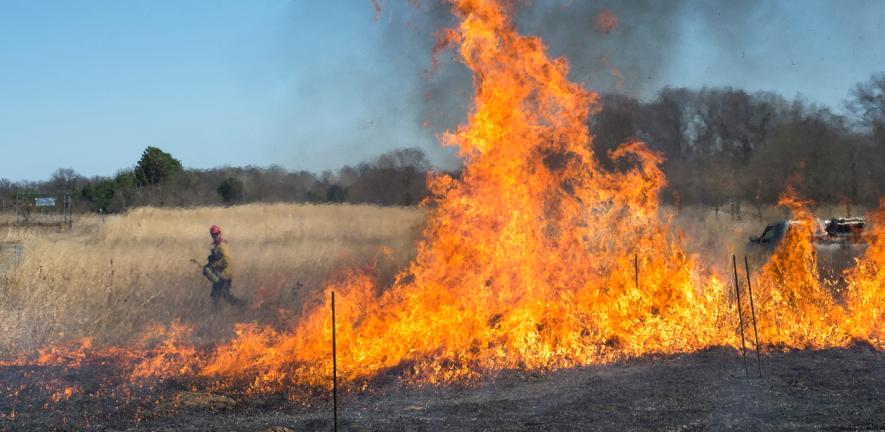
Prescribed burn of grassland


Planting trees and suppressing wildfires do not necessarily maximise the carbon storage of natural ecosystems. A new study has found that prescribed burning can actually lock in or increase carbon in the soils of temperate forests, savannahs and grasslands.


When managed properly, fire can be good – both for maintaining biodiversity and for carbon storage

Adam Pellegrini

The finding points to a new method of manipulating the world’s natural capacity for carbon capture and storage, which can also help to maintain natural ecosystem processes. The results are published today in the journal Nature Geoscience.

“Using controlled burns in forests to mitigate future wildfire severity is a relatively well-known process. But we’ve found that in ecosystems including temperate forests, savannahs and grasslands, fire can stabilise or even increase soil carbon,” said Dr Adam Pellegrini in the University of Cambridge’s Department of Plant Sciences, first author of the report.

He added: “Most of the fires in natural ecosystems around the globe are controlled burns, so we should see this as an opportunity. Humans are manipulating a process, so we may as well figure out how to manipulate it to maximise carbon storage in the soil.”

Fire burns plant matter and organic layers within the soil, and in severe wildfires this leads to erosion and leaching of carbon. It can take years or even decades for lost soil carbon to re-accumulate. But the researchers say that fires can also cause other transformations within soils that can offset these immediate carbon losses, and may stabilise ecosystem carbon.

Fire stabilises carbon within the soil in several ways. It creates charcoal, which is very resistant to decomposition, and forms ‘aggregates’ – physical clumps of soil that can protect carbon-rich organic matter at the centre. Fire can also increase the amount of carbon bound tightly to minerals in the soil.

“Ecosystems can store huge amounts of carbon when the frequency and intensity of fires is just right. It’s all about the balance of carbon going into soils from dead plant biomass, and carbon going out of soils from decomposition, erosion, and leaching,” said Pellegrini.

When fires are too frequent or intense – as is often the case in densely planted forests – they burn all the dead plant material that would otherwise decompose and release carbon into the soil. High-intensity fires can also destabilise the soil, breaking off carbon-based organic matter from minerals and killing soil bacteria and fungi.

Without fire, soil carbon is recycled – organic matter from plants is consumed by microbes and released as carbon dioxide or methane. But infrequent, cooler fires can increase the retention of soil carbon through the formation of charcoal and soil aggregates that protect from decomposition.

The scientists say that ecosystems can also be managed to increase the amount of carbon stored in their soils. Much of the carbon in grasslands is stored below-ground, in the roots of the plants. Controlled burning, which helps encourage grass growth, can increase root biomass and therefore increase the amount of carbon stored.

“In considering how ecosystems should be managed to capture and store carbon from the atmosphere, fire is often seen as a bad thing. We hope this new study will show that when managed properly, fire can also be good – both for maintaining biodiversity and for carbon storage,” said Pellegrini.

The study focused on carbon stored in topsoils, defined as those less than 30cm deep. More carbon is stored in the world’s soil than in the global vegetation and the atmosphere combined. Natural fires occur in most ecosystems worldwide, making fire an important process in global carbon cycling.

This research was funded by the Gatsby Charitable Foundation.

Reference
Pellegrini, A. F.A. et al: ‘Fire effects on the persistence of soil organic matter and long-term carbon storage’, Nature Geoscience, December 2021. DOI 10.1038/s41561-021-00867-1


Read more about Adam Pellegrini’s research

Fire: The Great Manipulator

Forests’ long-term capacity to store carbon is dropping in regions with extreme annual fires

source: www.cam.ac.uk


Creative Commons License
The text in this work is licensed under a Creative Commons Attribution 4.0 International License. Images, including our videos, are Copyright ©University of Cambridge and licensors/contributors as identified.  All rights reserved. We make our image and video content available in a number of ways – as here, on our main website under its Terms and conditions, and on a range of channels including social media that permit your use and sharing of our content under their respective Terms.

Clues to Treatment of Schizophrenia and Bipolar Disorder Found in Recently Evolved Region of The ‘Dark Genome’

Clues to Treatment of Schizophrenia and Bipolar Disorder Found in Recently Evolved Region of The ‘Dark Genome’

DNA
DNA Credit: Brano on Unsplash


Scientists investigating the DNA outside our genes – the ‘dark genome’ – have discovered recently evolved regions that code for proteins associated with schizophrenia and bipolar disorder.


This opens up huge potential for new druggable targets. It’s really exciting because nobody has ever looked beyond the genes for clues to understanding and treating these conditions before.

Sudhakaran Prabakaran

They say these new proteins can be used as biological indicators to distinguish between the two conditions, and to identify patients more prone to psychosis or suicide.

Schizophrenia and bipolar disorder are debilitating mental disorders that are hard to diagnose and treat. Despite being amongst the most heritable mental health disorders, very few clues to their cause have been found in the sections of our DNA known as genes.

The scientists think that hotspots in the ‘dark genome’ associated with the disorders may have evolved because they have beneficial functions in human development, but their disruption by environmental factors leads to susceptibility to, or development of, schizophrenia or bipolar disorder.

The results are published today in the journal Molecular Psychiatry.

“By scanning through the entire genome we’ve found regions, not classed as genes in the traditional sense, which create proteins that appear to be associated with schizophrenia and bipolar disorder,” said Dr Sudhakaran Prabakaran, who was based in the University of Cambridge’s Department of Genetics when he conducted the research, and is senior author of the report.

He added: “This opens up huge potential for new druggable targets. It’s really exciting because nobody has ever looked beyond the genes for clues to understanding and treating these conditions before.”

The researchers think that these genomic components of schizophrenia and bipolar disorder are specific to humans – the newly discovered regions are not found in the genomes of other vertebrates. It is likely that the regions evolved quickly in humans as our cognitive abilities developed, but they are easily disrupted – resulting in the two conditions.

“The traditional definition of a gene is too conservative, and it has diverted scientists away from exploring the function of the rest of the genome,” said Chaitanya Erady, a researcher in the University of Cambridge’s Department of Genetics and first author of the study.

She added: “When we look outside the regions of DNA classed as genes, we see that the entire human genome has the ability to make proteins, not just the genes. We’ve found new proteins that are involved in biological processes and are dysfunctional in disorders like schizophrenia and bipolar disorder.”

The majority of currently available drugs are designed to target proteins coded by genes. The new finding helps to explain why schizophrenia and bipolar disorder are heritable conditions, and could provide new targets for future treatments.

Schizophrenia is a severe, long-term mental health condition that may result in hallucinations, delusions, and disordered thinking and behaviour, while bipolar disorder causes extreme mood swings ranging from mania to depression. The symptoms sometimes make the two disorders difficult to tell apart.

Prabakaran left his University position earlier this year to create the company NonExomics, in order to commercialise this and other discoveries. Cambridge Enterprise, the commercialisation arm of the University of Cambridge, has assisted NonExomics by licensing the intellectual property. Prabakaran has raised seed funding to develop new therapeutics that will target the proteins implicated in schizophrenia and bipolar disorder, and other diseases.

His team has now discovered 248,000 regions of DNA outside of the regions conventionally defined as genes, which code for new proteins that are disrupted in disease.

Reference
Erady, C. et al: ‘Novel open reading frames in human accelerated regions and transposable elements reveal new leads to understand schizophrenia and bipolar disorder’, Molecular Psychiatry, December 2021. DOI 10.1038/s41380-021-01405-6


At a glance

  • Genes code for proteins – the building blocks of life. The current definition of a gene only accounts for around 1.5% of our entire DNA

  • Very little is known about the function of regions of DNA outside our genes – termed the ‘dark genome’

  • A Cambridge-led team recently discovered that proteins are produced by over 248,000 regions of the ‘dark genome’, and are disrupted in multiple diseases

  • Now they have discovered new proteins arising from recently evolved regions of the ‘dark genome’, which could be targeted in the diagnosis and treatment of schizophrenia and bipolar disorder


source: www.cam.ac.uk


Creative Commons License
The text in this work is licensed under a Creative Commons Attribution 4.0 International License. Images, including our videos, are Copyright ©University of Cambridge and licensors/contributors as identified.  All rights reserved. We make our image and video content available in a number of ways – as here, on our main website under its Terms and conditions, and on a range of channels including social media that permit your use and sharing of our content under their respective Terms.

New Grafting Technique Could Combat The Disease Threatening Cavendish Bananas

New Grafting Technique Could Combat The Disease Threatening Cavendish Bananas

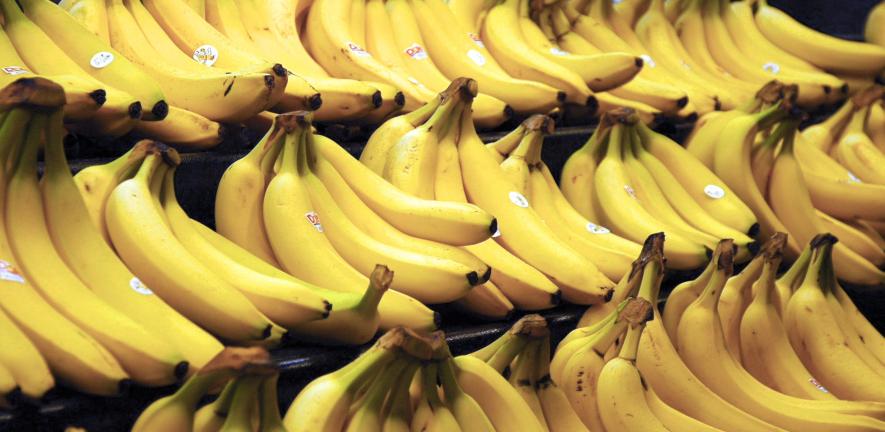
Bananas
Bananas Credit: This file is licensed under the Creative Commons Attribution-Share Alike 2.5 Generic license. Credit:Steve Hopson


Scientists have found a novel way to combine two species of grass-like plant including banana, rice and wheat, using embryonic tissue from their seeds. The technique allows beneficial characteristics, such as disease resistance or stress tolerance, to be added to the plants.


Our technique allows us to add disease resistance, or other beneficial properties like salt-tolerance, to grass-like plants without resorting to genetic modification or lengthy breeding programmes

Greg Reeves

Grafting is the technique of joining the shoot of one plant with the root of another, so they continue to grow together as one. Until now it was thought impossible to graft grass-like plants in the group known as monocotyledons because they lack a specific tissue type, called the vascular cambium, in their stem.

Researchers at the University of Cambridge have discovered that root and shoot tissues taken from the seeds of monocotyledonous grasses – representing their earliest embryonic stages – fuse efficiently. Their results are published today in the journal Nature.

An estimated 60,000 plants are monocotyledons; many are crops that are cultivated at enormous scale, for example rice, wheat and barley.

The finding has implications for the control of serious soil-borne pathogens including Panama Disease, or ‘Tropical Race 4’, which has been destroying banana plantations for over 30 years. A recent acceleration in the spread of this disease has prompted fears of global banana shortages.

“We’ve achieved something that everyone said was impossible. Grafting embryonic tissue holds real potential across a range of grass-like species. We found that even distantly related species, separated by deep evolutionary time, are graft compatible,” said Professor Julian Hibberd in the University of Cambridge’s Department of Plant Sciences, senior author of the report.

The technique allows monocotyledons of the same species, and of two different species, to be grafted effectively. Grafting genetically different root and shoot tissues can result in a plant with new traits – ranging from dwarf shoots, to pest and disease resistance.

The scientists found that the technique was effective in a range of monocotyledonous crop plants including pineapple, banana, onion, tequila agave and date palm. This was confirmed through various tests, including the injection of fluorescent dye into the plant roots – from where it was seen to move up the plant and across the graft junction.

“I read back over decades of research papers on grafting and everybody said that it couldn’t be done in monocots. I was stubborn enough to keep going – for years – until I proved them wrong,” said Dr Greg Reeves, a Gates Cambridge Scholar in the University of Cambridge Department of Plant Sciences, and first author of the paper.

He added: “It’s an urgent challenge to make important food crops resistant to the diseases that are destroying them. Our technique allows us to add disease resistance, or other beneficial properties like salt-tolerance, to grass-like plants without resorting to genetic modification or lengthy breeding programmes.”

The world’s banana industry is based on a single variety, called the Cavendish banana – a clone that can withstand long-distance transportation. With no genetic diversity between plants, the crop has little disease-resilience. And Cavendish bananas are sterile, so disease resistance can’t be bred into future generations of the plant. Research groups around the world are trying to find a way to stop Panama Disease before it becomes even more widespread.

Grafting has been used widely since antiquity in another plant group called the dicotyledons. Dicotyledonous orchard crops including apples and cherries, and high value annual crops including tomatoes and cucumbers, are routinely produced on grafted plants because the process confers beneficial properties – such as disease resistance or earlier flowering.

The researchers have filed a patent for their grafting technique through Cambridge Enterprise. They have also received funding from Ceres Agri-Tech, a knowledge exchange partnership between five leading UK universities and three renowned agricultural research institutes.

“Panama disease is a huge problem threatening bananas across the world. It’s fantastic that the University of Cambridge has the opportunity to play a role in saving such an important food crop,” said Dr Louise Sutherland, Director Ceres Agri-Tech.

Ceres Agri-Tech, led by the University of Cambridge, was created and managed by Cambridge Enterprise. It has provided translational funding as well as commercialisation expertise and support to the project, to scale up the technique and improve its efficiency.

This research was funded by the Gates Cambridge Scholarship programme.

Reference
Reeves, G. et al: ‘Monocotyledonous plants graft at the embryonic root-shoot interface.’ Nature, December 2021. DOI 10.1038/s41586-021-04247-y

source: www.cam.ac.uk


Creative Commons License
The text in this work is licensed under a Creative Commons Attribution 4.0 International License. Images, including our videos, are Copyright ©University of Cambridge and licensors/contributors as identified.  All rights reserved. We make our image and video content available in a number of ways – as here, on our main website under its Terms and conditions, and on a range of channels including social media that permit your use and sharing of our content under their respective Terms.

‘Battle of the sexes’ Begins In Womb as Father and Mother’s Genes Tussle Over Nutrition

‘Battle of the sexes’ Begins In Womb as Father and Mother’s Genes Tussle Over Nutrition

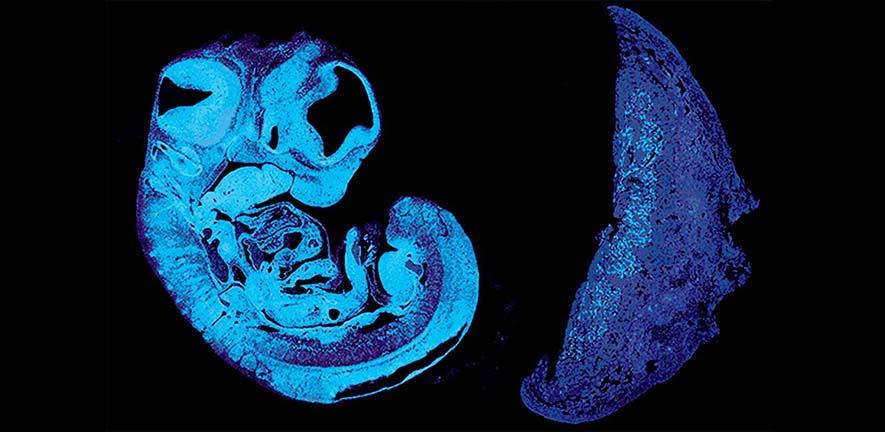
Section of mouse fetus and placenta
Section of mouse fetus and placenta Credit: Ionel Sandovici


Cambridge scientists have identified a key signal that the fetus uses to control its supply of nutrients from the placenta in a tug-of-war between genes inherited from the father and from the mother. The study, carried out in mice, could help explain why some babies grow poorly in the womb.


The father’s gene drives the fetus’s demands for larger blood vessels and more nutrients, while the mother’s gene in the placenta tries to control how much nourishment she provides

Miguel Constância

As the fetus grows, it needs to communicate its increasing needs for food to the mother. It receives its nourishment via blood vessels in the placenta, a specialised organ that contains cells from both baby and mother.

Between 10% and 15% of babies grow poorly in the womb, often showing reduced growth of blood vessels in the placenta. In humans, these blood vessels expand dramatically between mid and late gestation, reaching a total length of approximately 320 kilometres at term.

In a study published today in Developmental Cell, a team led by scientists at the University of Cambridge used genetically engineered mice to show how the fetus produces a signal to encourage growth of blood vessels within the placenta. This signal also causes modifications to other cells of the placenta to allow for more nutrients from the mother to go through to the fetus.

Dr Ionel Sandovici, the paper’s first author, said: “As it grows in the womb, the fetus needs food from its mum, and healthy blood vessels in the placenta are essential to help it get the correct amount of nutrients it needs.

“We’ve identified one way that the fetus uses to communicate with the placenta to prompt the correct expansion of these blood vessels. When this communication breaks down, the blood vessels don’t develop properly and the baby will struggle to get all the food it needs.”

The team found that the fetus sends a signal known as IGF2 that reaches the placenta through the umbilical cord. In humans, levels of IGF2 in the umbilical cord progressively increase between 29 weeks of gestation and term: too much IGF2 is associated with too much growth, while not enough IGF2 is associated with too little growth. Babies that are too large or too small are more likely to suffer or even die at birth, and have a higher risk to develop diabetes and heart problems as adults.

Dr Sandovici added: “We’ve known for some time that IGF2 promotes the growth of the organs where it is produced. In this study, we’ve shown that IGF2 also acts like a classical hormone – it’s produced by the fetus, goes into the fetal blood, through the umbilical cord and to the placenta, where it acts.”

Particularly interesting is what their findings reveal about the tussle taking place in the womb.

In mice, the response to IGF2 in the blood vessels of the placenta is mediated by another protein, called IGF2R. The two genes that produce IGF2 and IGF2R are ‘imprinted’ – a process by which molecular switches on the genes identify their parental origin and can turn the genes on or off. In this case, only the copy of the igf2 gene inherited from the father is active, while only the copy of igf2r inherited from the mother is active.

Lead author Dr Miguel Constância, said: “One theory about imprinted genes is that paternally-expressed genes are greedy and selfish. They want to extract the most resources as possible from the mother. But maternally-expressed genes act as countermeasures to balance these demands.”

“In our study, the father’s gene drives the fetus’s demands for larger blood vessels and more nutrients, while the mother’s gene in the placenta tries to control how much nourishment she provides. There’s a tug-of-war taking place, a battle of the sexes at the level of the genome.”

The team say their findings will allow a better understanding of how the fetus, placenta and mother communicate with each other during pregnancy. This in turn could lead to ways of measuring levels of IGF2 in the fetus and finding ways to use medication to normalise these levels or promote normal development of placental vasculature.

The researchers used mice, as it is possible to manipulate their genes to mimic different developmental conditions. This enables them to study in detail the different mechanisms taking place. The physiology and biology of mice have many similarities with those of humans, allowing researchers to model human pregnancy, in order to understand it better.

The lead researchers are based at the Department of Obstetrics and Gynaecology, the Medical Research Council Metabolic Diseases Unit, part of the Wellcome-MRC Institute of Metabolic Science, and the Centre for Trophoblast Research, all at the University of Cambridge.

The research was largely funded by the Biotechnology and Biological Sciences Research Council, Medical Research Council, Wellcome Trust and Centre for Trophoblast Research.

Reference
Sandovici, I et al. The Imprinted Igf2-Igf2r Axis is Critical for Matching Placental Microvasculature Expansion to Fetal Growth. Developmental Cell; 10 Jan 2022: DOI: 10.1016/j.devcel.2021.12.005

source: www.cam.ac.uk


Creative Commons License
The text in this work is licensed under a Creative Commons Attribution 4.0 International License. Images, including our videos, are Copyright ©University of Cambridge and licensors/contributors as identified.  All rights reserved. We make our image and video content available in a number of ways – as here, on our main website under its Terms and conditions, and on a range of channels including social media that permit your use and sharing of our content under their respective Terms.

Millipedes ‘As Big As Cars’ Once Roamed Northern England, Fossil Find Reveals

Millipedes ‘As Big As Cars’ Once Roamed Northern England, Fossil Find Reveals

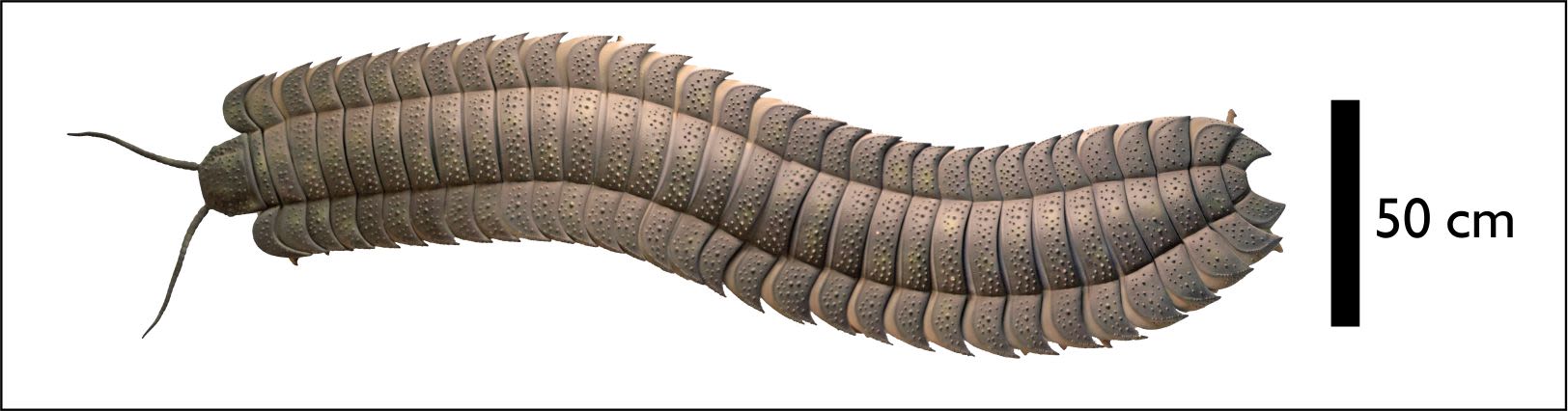
The largest-ever fossil of a giant millipede – as big as a car – has been found on a beach in the north of England.

The fossil – the remains of a creature called Arthropleura – dates from the Carboniferous Period, about 326 million years ago, over 100 million years before the Age of Dinosaurs. The fossil reveals that Arthropleura was the largest-known invertebrate animal of all time, larger than the ancient sea scorpions that were the previous record holders.

The specimen, found on a Northumberland beach about 40 miles north of Newcastle, is made up of multiple articulated exoskeleton segments, broadly similar in form to modern millipedes. It is just the third such fossil ever found. It is also the oldest and largest: the segment is about 75 centimetres long, while the original creature is estimated to have measured around 2.7 metres long and weighed around 50 kilograms. The results are reported in the Journal of the Geological Society.

 Credit: J.W. Schneider. TU Bergakademie Freiberg

The fossil was discovered in January 2018 in a large block of sandstone that had fallen from a cliff to the beach at Howick Bay in Northumberland. “It was a complete fluke of a discovery,” said Dr Neil Davies from Cambridge’s Department of Earth Sciences, the paper’s lead author. “The way the boulder had fallen, it had cracked open and perfectly exposed the fossil, which one of our former PhD students happened to spot when walking by.”

Unlike the cool and wet weather associated with the region today, Northumberland had a more tropical climate in the Carboniferous Period, when Great Britain lay near the Equator. Invertebrates and early amphibians lived off the scattered vegetation around a series of creeks and rivers. The specimen identified by the researchers was found in a fossilised river channel: it was likely a moulted segment of the Arthropleura’s exoskeleton that filled with sand, preserving it for hundreds of millions of years.

The fossil was extracted in May 2018 with permission from Natural England and the landowners, the Howick Estate. “It was an incredibly exciting find, but the fossil is so large it took four of us to carry it up the cliff face,” said Davies.

The fossil was brought back to Cambridge so that it could be examined in detail. It was compared with all previous records and revealed new information about the animal’s habitat and evolution. The animal can be seen to have only existed in places that were once located at the Equator, such as Great Britain during the Carboniferous. Previous reconstructions have suggested that the animal lived in coal swamps, but this specimen showed Arthropleura preferred open woodland habitats near the coast.

There are only two other known Arthropleura fossils, both from Germany, and both much smaller than the new specimen. Although this is the largest Arthropleura fossil skeleton ever found, there is still much to learn about these creatures. “Finding these giant millipede fossils is rare, because once they died, their bodies tend to disarticulate, so it’s likely that the fossil is a moulted carapace that the animal shed as it grew,” said Davies. “We have not yet found a fossilised head, so it’s difficult to know everything about them.”

The great size of Arthropleura has previously been attributed to a peak in atmospheric oxygen during the late Carboniferous and Permian periods, but because the new fossil comes from rocks deposited before this peak, it shows that oxygen cannot be the only explanation.

The researchers believe that to get to such a large size, Arthropleura must have had a high-nutrient diet. “While we can’t know for sure what they ate, there were plenty of nutritious nuts and seeds available in the leaf litter at the time, and they may even have been predators that fed off other invertebrates and even small vertebrates such as amphibians,” said Davies.

Arthropleura animals crawled around Earth’s equatorial region for around 45 million years, before going extinct during the Permian period. The cause of their extinction is uncertain, but could be due to global warming that made the climate too dry for them to survive, or to the rise of reptiles, who out-competed them for food and soon dominated the same habitats.

The fossil will go on public display at Cambridge’s Sedgwick Museum in the New Year.

Neil Davies is a Fellow of Churchill College, Cambridge. The research was supported in part by the Natural Environment Research Council.

Reference:
Neil S. Davies et al. ‘
The largest arthropod in Earth history: insights from newly discovered Arthropleura remains (Serpukhovian Stainmore Formation, Northumberland, England).’ Journal of the Geological Society (2021). DOI: 10.1144/jgs2021-115

All photographs credit: Neil Davies

source: www.cam.ac.uk

The text in this work is licensed under a Creative Commons Attribution 4.0 International License. 

Could Acid-Neutralising Life-Forms Make Habitable Pockets In Venus’ Clouds?

Could Acid-Neutralising Life-Forms Make Habitable Pockets In Venus’ Clouds?

Venus from Mariner 10
Venus from Mariner 10 Credit: NASA/JPL-Caltech


A new study shows it’s theoretically possible. The hypothesis could be tested soon with proposed Venus-bound missions.


If life is there, how does it propagate in an environment as dry as the clouds of Venus?

Paul Rimmer

It’s hard to imagine a more inhospitable world than our closest planetary neighbour. With an atmosphere thick with carbon dioxide, and a surface hot enough to melt lead, Venus is a scorched and suffocating wasteland where life as we know it could not survive. The planet’s clouds are similarly hostile, blanketing the planet in droplets of sulphuric acid caustic enough to burn a hole through human skin.

And yet, a new study, published in the Proceedings of the National Academy of Sciences, supports the long-held theory that, if life exists, it might make a home in Venus’ clouds. The study’s authors, from MIT, Cardiff University, and the University of Cambridge, have identified a chemical pathway by which life could neutralise Venus’ acidic environment, creating a self-sustaining, habitable pocket in the clouds.

Within Venus’ atmosphere, scientists have long observed puzzling anomalies — chemical signatures that are hard to explain, such as small concentrations of oxygen and nonspherical particles unlike sulphuric acid’s round droplets. Perhaps most puzzling is the presence of ammonia, a gas that was tentatively detected in the 1970s, and that by all accounts should not be produced through any chemical process known on Venus.

In their new study, the researchers modelled a set of chemical processes to show that if ammonia is indeed present, the gas would set off a cascade of chemical reactions that not only neutralises surrounding droplets of sulphuric acid, but also would explain most of the anomalies observed in Venus’ clouds. As for the source of ammonia itself, the authors propose the most plausible explanation is of biological origin, rather than an non-biological source such as lightning or volcanic eruptions.

The chemistry suggests that life could be making its own environment on Venus.

This hypothesis is testable, and the researchers provide a list of chemical signatures for future missions to measure in Venus’ clouds, to either confirm or contradict their idea.

“No life that we know of could survive in the Venus droplets,” said study co-author Sara Seager, from MIT. “But the point is, maybe some life is there, and is modifying its environment so that it is livable.”

‘Life on Venus’ was a trending phrase last year, when scientists including Seager and her co-authors reported the detection of phosphine in the planet’s clouds. On Earth, phosphine is a gas that is produced mainly through biological interactions. The discovery of phosphine on Venus leaves room for the possibility of life. Since then, however, the discovery has been widely contested.

“The phosphine detection ended up becoming incredibly controversial,” said Seager. “But phosphine was like a gateway, and there’s been this resurgence in people studying Venus.”

Inspired to look more closely, co-author Dr Paul Rimmer from Cambridge’s Department of Earth Sciences began combing through data from past missions to Venus. In these data, he identified anomalies, or chemical signatures, in the clouds that had gone unexplained for decades. In addition to the presence of oxygen and nonspherical particles, anomalies included unexpected levels of water vapor and sulphur dioxide.

Rimmer proposed the anomalies might be explained by dust. He argued that minerals, swept up from Venus’ surface and into the clouds, could interact with sulphuric acid to produce some, but not all of the observed anomalies. He showed the chemistry checked out. But the physical requirements were unfeasible: A massive amount of dust would have to loft into the clouds to produce the observed anomalies. “The hypothesis requires either large amounts of water-rich volcanism or transport of a lot of dust rich in hydroxide salts,” he said. “So far, I have been unable to identify a plausible mineralogy for this mechanism.”

The researchers wondered if the anomalies could be explained by ammonia. In the 1970s, the gas was tentatively detected in the planet’s clouds by the Venera 8 and Pioneer Venus probes. The presence of ammonia, or NH3, was an unsolved mystery.

“Ammonia shouldn’t be on Venus,” said Seager. “It has hydrogen attached to it, and there’s very little hydrogen around. Any gas that doesn’t belong in the context of its environment is automatically suspicious for being made by life.”

If the team were to assume that life was the source of ammonia, could this explain the other anomalies in Venus’ clouds? The researchers modeled a series of chemical processes in search of an answer.

They found that if life were producing ammonia in the most efficient way possible, the associated chemical reactions would naturally yield oxygen. Once present in the clouds, ammonia would dissolve in droplets of sulphuric acid, effectively neutralising the acid to make the droplets relatively habitable. The introduction of ammonia into the droplets would transform their formerly round, liquid shape into more of a nonspherical, salt-like slurry. Once ammonia dissolved in sulphuric acid, the reaction would trigger any surrounding sulphur dioxide to dissolve as well.

The presence of ammonia could explain most of the major anomalies seen in Venus’ clouds. The researchers also show that sources such as lightning, volcanic eruptions, and even a meteorite strike could not chemically produce the amount of ammonia required to explain the anomalies. Life, however, might.

In fact, the team notes that there are life-forms on Earth — particuarly in our own stomachs — that produce ammonia to neutralise and make livable an otherwise highly acidic environment.

“This hypothesis predicts that the tentative detection of oxygen and ammonia in Venus’s clouds by probes will be confirmed by future missions, and that both life and ammonium sulphite and sulphate are present in the largest droplets in the lower part of the cloud,” said Rimmer, who is also affiliated with the Cavendish Laboratory and the MRC Laboratory for Molecular Biology. “There are also several remaining mysteries: if life is there, how does it propagate in an environment as dry as the clouds of Venus? If it is making water when neutralising the droplets, what happens to that water? If life is not in the clouds of Venus, what alternative abiotic chemistry is taking place to explain this depletion of sulphur dioxide and water? Future lab experiments and missions will be able to test these predictions and may shed light on these outstanding mysteries.”

Scientists may have a chance to check for the presence of ammonia, and signs of life, in the next several years with the Venus Life Finder Missions, a set of proposed privately funded missions that plan to send spacecraft to Venus to measure its clouds for ammonia and other signatures of life.

This research was supported in part by the Simons Foundation, the Change Happens Foundation, and the Breakthrough Initiatives.

Reference:
William Bains et al. ‘Production of ammonia makes Venusian clouds habitable and explains observed cloud-level chemical anomalies.’ Proceedings of the National Academy of Sciences (2021). DOI: 10.1073/pnas.2110889118

Adapted from an MIT news story.

source: www.cam.ac.uk
Omicron May Be Significantly Better At Evading Vaccine-Induced Immunity, But Less Likely To Cause Severe Disease

Omicron May Be Significantly Better At Evading Vaccine-Induced Immunity, But Less Likely To Cause Severe Disease

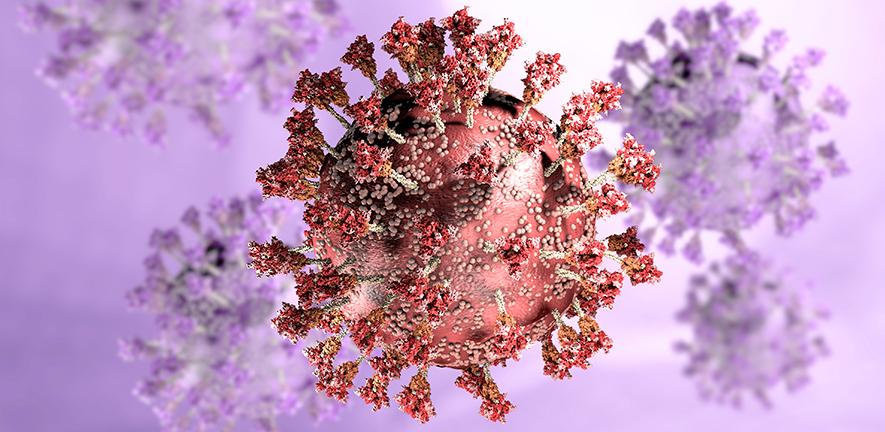
Covid-19 seen under the microscope. SARS-CoV-2, 3D rendering
SARS-CoV-2 3D rendering Credit: Naeblys (Getty Images)


The Omicron variant of SARS-CoV-2 may be significantly better than previous variants at evading vaccine-induced antibodies, according to new research from Cambridge – but preliminary evidence suggests it is less likely to cause severe COVID-19 illness in the lungs.


Omicron’s mutations present the virus with a double-edged sword: it’s got better at evading the immune system, but it might have lost some of its ability to cause severe disease

Ravi Gupta

As the SARS-CoV-2 virus replicates and spreads, errors in its genetic code can lead to changes in the virus. On 26 November 2021, the World Health Organization designated the variant B.1.1.529, first identified in South Africa, a variant of concern, named Omicron. The variant carries a large number of mutations, leading to concern that it will leave vaccines less effective at protecting against infection and illness.

Working in secure conditions, a team led by Professor Ravi Gupta at the Cambridge Institute of Therapeutic Immunology and Infectious Disease, University of Cambridge, created synthetic viruses – known as ‘pseudoviruses’ – that carried key mutations found in the Delta and Omicron strains. They used these to study the virus’s behaviour.

The team, which included collaborators from Japan, including Dr Kei Sato of Tokyo University, has released its data ahead of peer review because of the urgent need to share information relating to the pandemic, and particularly the new Omicron variant.

Professor Gupta and colleagues tested the pseudoviruses against blood samples donated to the NIHR COVID-19 BioResource. The blood samples were from vaccinated individuals who had received two doses of either the AstraZeneca (ChAdOx-1) or Pfizer (BNT162b2) vaccines.

On average, Omicron required around a ten-fold increase in the concentration of serum antibody in order to neutralise the virus, compared to Delta. Of particular concern, antibodies from the majority of individuals who had received two doses of the AstraZeneca vaccine were unable to neutralise the virus. The data were confirmed in live virus experiments.

Reassuringly, however, following a third dose of the Pfizer vaccine, both groups saw a significant increase in neutralisation.

Professor Gupta said: “The Omicron variant appears to be much better than Delta at evading neutralising antibodies in individuals who have received just two doses of the vaccine. A third dose ‘booster’ with the Pfizer vaccine was able to overturn this in the short term, though we’d still expect a waning in immunity to occur over time.”

Spike proteins on the surface of SARS-CoV-2 bind to ACE2, a protein receptor found on the surface of cells in the lung. Both the spike protein and ACE2 are then cleaved, allowing genetic material from the virus to enter the host cell. The virus manipulates the host cell’s machinery to allow the virus to replicate and spread.

To see how effective Omicron is at entering our cells, the team used their pseudoviruses to infect cells in lung organoids – ‘mini-lungs’ that model parts of the lung. Despite having three mutations that were predicted to favour the spike cleavage, the researchers found the Omicron spike protein to be less efficient than the Delta spike at cleaving the ACE2 receptor and entering the lung cells.

In addition, once Omicron had entered the cells, it was also less able than Delta to cause fusion between cells, a phenomenon associated with impaired cell-to-cell spread. Fused cells are often seen in respiratory tissues taken following severe disease. Indeed, when the team used a live Omicron virus and compared it to Delta in a spreading infection experiment using lung cells, Omicron was significantly poorer in replication, confirming the findings regarding impaired entry.

Professor Gupta added: “We speculate that the more efficient the virus is at infecting our cells, the more severe the disease might be. The fact that Omicron is not so good at entering lung cells and that it causes fewer fused cells with lower infection levels in the lab suggests this new variant may cause less severe lung-associated disease.

“While further work is needed to corroborate these findings, overall, it suggests that Omicron’s mutations present the virus with a double-edged sword: it’s got better at evading the immune system, but it might have lost some of its ability to cause severe disease.”

However, Professor Gupta urged caution.

“Omicron still represents a major public health challenge. Individuals who have only received two doses of the vaccine – or worse, none at all – are still at significant risk of COVID-19, and some will develop severe disease. The sheer number of new cases we are seeing every day reinforces the need for everyone to get their boosters as quickly as possible.”

The research was supported by Wellcome and the NIHR Cambridge Biomedical Research Centre.

Reference
Meng, B, et al. SARS-CoV-2 Omicron neutralising antibody evasion, replication and cell-cell fusion.

source: www.cam.ac.uk


Creative Commons License
The text in this work is licensed under a Creative Commons Attribution 4.0 International License. Images, including our videos, are Copyright ©University of Cambridge and licensors/contributors as identified.  All rights reserved. We make our image and video content available in a number of ways – as here, on our main website under its Terms and conditions, and on a range of channels including social media that permit your use and sharing of our content under their respective Terms.

First Spaceflight for Gates Cambridge Scholar

First Spaceflight for
Gates Cambridge Scholar

On 10th November Kayla Barron blasted off into space on her first trip to the International Space Station where she is part of a six-month science mission.

Kayla, a Gates Cambridge alumna, was one of four astronauts on the SpaceX Crew Dragon.

Kayla’s trip is the third crew rotation mission with astronauts on the SpaceX Crew Dragon spacecraft and the fourth flight with astronauts as part of the agency’s Commercial Crew Programme.

The other astronauts are Raja Chari and Tom Marshburn from NASA, like Kayla, and Matthias Maurer from the European Space Agency.

Three of the four, including Kayla, are first-time flyers. Kayla was a mission specialist on the flight into space and worked closely with the commander and the pilot to monitor the spacecraft during the launch phase, as she will on the re-entry phase.

At the space station she is working as a flight engineer for Expedition 66 and has been researching how to manipulate nanoparticles for the InSPACE-4 space manufacturing study.

Earlier this month, Kayla completed a six and a half hour spacewalk to replace a malfunctioning communications antenna.

Kayla [2011] has an MPhil in nuclear engineering from the University of Cambridge where she met her husband, Tom Barron, who was also a Gates Cambridge Scholar.

After leaving Cambridge, she went on to serve in the US Navy, having done her undergraduate degree at the US Naval Academy. At the time of her selection as an astronaut candidate in 2017, she was serving as the flag aide to the superintendent of the US Naval Academy.

Kayla only applied to NASA as a result of a serendipitous meeting with an astronaut who told her about her mission to the International Space Station and the engineering challenges she faced. Through talking to the astronaut, Kayla realised that working on the space station was similar to working on a submarine.

“The chance to go to Cambridge allowed me to form friendships with people who grew up all around the world”

Kayla Barron

Kayla inside the ISS’s Destiny lab.

Kayla in her spacesuit during a training session at SpaceX headquarters.

Kayla checks out chili peppers growing inside the ISS’s Advanced Plant Habitat.

Kayla was one of 11 trainees chosen from 18,000 applicants to NASA’s Artemis programme. She says her fellow trainees all shared certain characteristics: an appetite for adventure and a passion for working in teams.

Her two-year training course, which finished in late 2019, involved learning a lot of new skills. For instance, she had to learn how to walk in zero gravity at a neutral buoyancy lab. This included underwater training to mimic buoyancy effects. She also had to do aviation training in a T38 jet – the world’s first supersonic trainer jet, learn robotics and ISS systems as well as study Russian.

Kayla has been a pioneer throughout her working life. One of the first class of women commissioned into the US Navy’s submarine community, she could, after her trip to the ISS, become one of the first women to set foot on the Moon.

Artemis will send astronauts to land and live on the Moon by 2024 and around once a year after that. In addition to exploring the Moon they will learn how to live and operate on the surface of another celestial body and test the technologies needed to send astronauts on missions to Mars.

Kayla recently told The Scholar magazine about her excitement at being chosen for the ISS mission: “The opportunity to live and work on one of the most incredible engineering marvels in the history of the world is just amazing to me.

“The space station, which is due to be decommissioned in 2024, has been up there for over 20 years with continuous human presence, doing amazing science and inspiring people, so the chance to be a part of that mission is really exciting.”

Kayla told the magazine that, when applying to be a Gates Cambridge Scholar, she had no idea how much influence the experience would have on her life.

“While being a Gates Cambridge Scholar is about pursuing a degree, whether studying or conducting research, a big part of the experience is also joining this global community and exploring opportunities at Cambridge,” she said.

“Coming from the somewhat cloistered environment of a U.S. military academy, the chance to go to Cambridge and be part of such a diverse community allowed me to form friendships with people who grew up all around the world and are passionate about things I had never even thought about before.

“Those friendships had a big influence on me in terms of how I interact with the world and my curiosity as a person.

“Also, Tom and I met during the Gates Cambridge orientation weekend, and the rest is sort of history. So I can credit the Gates community with finding my partner!”

Kayla Barron is pictured during her six and a half hour spacewalk to replace a failed antenna system on the International Space Station’s Port-1 truss structure.

All images courtesy of NASA and used under the Creative Commons license: Attribution-NonCommercial-NoDerivs.

source: www.cam.ac.uk

More Than 900 A-Level Students Will Join STEM SMART Widening Participation Programme

More Than 900 A-Level Students Will Join STEM SMART Widening Participation Programme


More than 900 talented sixth formers studying maths and science at state schools across the UK will next month join the University’s new STEM SMART widening participation pilot, launched to help bridge attainment gaps, mitigate COVID-19 disruption, and strengthen university applications.


Every eligible student who applied has been offered a place on the 17-month course of enhanced learning and we look forward to welcoming them at our launch at the beginning of January.

Dr Lisa Jardine-Wright, co-director of the STEM SMART programme

Every eligible student who applied by the 31 October deadline has been offered a place on the course which will support them through the final year and a half of their A-Levels. They will receive enhanced learning and encouragement from Cambridge academics and current students – around 300 of whom have come forward to mentor the sixth formers and answer their questions about university life.

As well as complementing the sixth formers’ classroom studies, the programme aims to build confidence in students who in addition to disruption caused by COVID-19 have experienced wider educational disadvantage, and encourage them to apply to study engineering or physical sciences (such as physics, chemistry, Earth sciences and materials science) at top universities, including Cambridge.

When STEM SMART was announced in September, the University aimed to enrol around 750 A-level students for the start of the pilot, much of which will be delivered through the Isaac Physics online platform. However following an enthusiastic response, more than 900 have been signed up nationwide, including in Belfast, Glasgow, Newcastle, Hull, Manchester, Liverpool, Plymouth, Cardiff and Bristol. It is expected that many joining the programme will be at schools with little or no experience of sending students to Cambridge, so those who actively take part will be invited to attend a 4-day residential in Cambridge, when they will stay at a College, experience life as a Cambridge student, and consider whether to apply.

Physics lecturer Dr Lisa Jardine-Wright, who is co-directing the STEM SMART programme, said: “The response to the launch of STEM SMART has been amazing, and we are delighted to confirm places for more than 900 students, around 150 more than originally anticipated. Every eligible student who applied has been offered a place on the 17-month course of enhanced learning and we look forward to welcoming them at our launch at the beginning of January.”

Dr Michael Sutherland, co-director of STEM SMART, and Director of Studies in Natural Sciences at Corpus Christi College, said: “STEM SMART draws on the expertise of the University’s staff, the support of its Colleges, and the experience of its students – who came forward in their hundreds to act as mentors to these sixth formers. This innovative programme will complement the vital work of teachers in schools, and builds on the University’s work to help talented students access top universities regardless of background.”

STEM SMART (Subject Mastery and Attainment Raising Tuition) will provide A-Level (or equivalent) students with extra resources including weekly online tutorials by Cambridge academics who will mark work and give students individual feedback, small group supervisions, and live online motivational lectures. It will be free to all students taking part, following generous support and funding from the University, Colleges and the Department for Education England.

The programme continues widening participation progress made by the University in recent years, including the launch of a Foundation Year for Arts, Humanities and Social Sciences, which from 2022 will offer talented students from backgrounds of educational and social disadvantage a new route to undergraduate study, and the use of UCAS Adjustment to reconsider candidates who exceed expectations in examinations.

More information is available here.
source: www.cam.ac.uk

Creative Commons License
The text in this work is licensed under a Creative Commons Attribution 4.0 International License. Images, including our videos, are Copyright ©University of Cambridge and licensors/contributors as identified.  All rights reserved. We make our image and video content available in a number of ways – as here, on our main website under its Terms and conditions, and on a range of channels including social media that permit your use and sharing of our content under their respective Terms.

New Model Improves Accuracy of Machine Learning in COVID-19 Diagnosis While Preserving Privacy

New Model Improves Accuracy of Machine Learning in COVID-19 Diagnosis While Preserving Privacy


SArs-cov-2
Covid-19 Credit: U.S. Department of Energy


Researchers in the UK and China have developed an artificial intelligence (AI) model that can diagnose COVID-19 as well as a panel of professional radiologists, while preserving the privacy of patient data.


By working with other countries, we can do so much more than we can alone

Michael Roberts

The international team, led by the University of Cambridge and the Huazhong University of Science and Technology, used a technique called federated learning to build their model. Using federated learning, an AI model in one hospital or country can be independently trained and verified using a dataset from another hospital or country, without data sharing.

The researchers based their model on more than 9,000 CT scans from approximately 3,300 patients in 23 hospitals in the UK and China. Their results, reported in the journal Nature Machine Intelligence, provide a framework where AI techniques can be made more trustworthy and accurate, especially in areas such as medical diagnosis where privacy is vital.

AI has provided a promising solution for streamlining COVID-19 diagnoses and future public health crises. However, concerns surrounding security and trustworthiness impede the collection of large-scale representative medical data, posing a challenge for training a model that can be used worldwide.

In the early days of the COVID-19 pandemic, many AI researchers worked to develop models that could diagnose the disease. However, many of these models were built using low-quality data, ‘Frankenstein’ datasets, and a lack of input from clinicians. Many of the same researchers from the current study highlighted that these earlier models were not fit for clinical use in the spring of 2021.

“AI has a lot of limitations when it comes to COVID-19 diagnosis, and we need to carefully screen and curate the data so that we end up with a model that works and is trustworthy,” said co-first author Hanchen Wang from Cambridge’s Department of Engineering. “Where earlier models have relied on arbitrary open-sourced data, we worked with a large team of radiologists from the NHS and Wuhan Tongji Hospital Group to select the data, so that we were starting from a strong position.”

The researchers used two well-curated external validation datasets of appropriate size to test their model and ensure that it would work well on datasets from different hospitals or countries.

“Before COVID-19, people didn’t realise just how much data you needed to collect in order to build medical AI applications,” said co-author Dr Michael Roberts from AstraZeneca and Cambridge’s Department of Applied Mathematics and Theoretical Physics. “Different hospitals, different countries all have their own ways of doing things, so you need the datasets to be as large as possible in order to make something that will be useful to the widest range of clinicians.”

The researchers based their framework on three-dimensional CT scans instead of two-dimensional images. CT scans offer a much higher level of detail, resulting in a better model. They used 9,573 CT scans from 3,336 patients collected from 23 hospitals located in China and the UK.

The researchers also had to mitigate for bias caused by the different datasets, and used federated learning to train a better generalised AI model, while preserving the privacy of each data centre in a collaborative setting.

For a fair comparison, the researchers validated all the models on the same data, without overlapping with the training data. The team had a panel of radiologists make diagnostic predictions based on the same set of CT scans, and compared the accuracy of the AI models and human professionals.

The researchers say their model is useful not just for COVID-19, but for any other diseases that can be diagnosed using a CT scan. “The next time there’s a pandemic, and there’s every reason to believe that there will be, we’ll be in a much better position to leverage AI techniques quickly so that we can understand new diseases faster,” said Wang.

“We’ve shown that encrypting medical data is possible, so we can build and use these tools while preserving patient privacy across internal and external borders,” said Roberts. “By working with other countries, we can do so much more than we can alone.”

The researchers are now collaborating with the newly-established WHO Hub for Pandemic and Epidemic Intelligence, to explore the possibility of advancing the privacy-preserving digital healthcare frameworks.

Reference:
Xiang Bai et al. ‘Advancing COVID-19 Diagnosis with Privacy-Preserving Collaboration in Artificial Intelligence.’ Nature Machine Intelligence (2021). DOI: 10.1038/s42256-021-00421-z

source: www.cam.ac.uk

Creative Commons License
The text in this work is licensed under a Creative Commons Attribution 4.0 International License. Images, including our videos, are Copyright ©University of Cambridge and licensors/contributors as identified.  All rights reserved. We make our image and video content available in a number of ways – as here, on our main website under its Terms and conditions, and on a range of channels including social media that permit your use and sharing of our content under their respective Terms.

Cambridge Coronavirus Vaccine Enters Clinical Trial

Needle-free vaccine targets COVID-19 variants and future coronaviruses

Professor Jonathan Heeney

Professor Jonathan Heeney (Credit: Nick Saffell)

source: www.cam.ac.uk

14 December 2021

Safety trials are underway for a Cambridge-led vaccine that could be used as a booster targeting COVID-19 virus variants and relatives that threaten future coronavirus pandemics. The first volunteer is expected to receive the vaccine today at the NIHR Southampton Clinical Research Facility.

Developed by Professor Jonathan Heeney at the University of Cambridge and spin-out company DIOSynVax, this is a next generation coronavirus vaccine administered through a needle-free ‘injection’ – a blast of air that delivers it into the skin. This offers a possible future alternative to people who fear needle-based jabs. If successful, it could be scaled up and manufactured as a powder to boost global vaccination efforts, particularly in low- and middle-income countries.

Professor Heeney said: “The response of the scientific and medical communities to the development and delivery of COVID-19 vaccines has been incredible, but as new variants emerge and immunity begins to wane we need newer technologies. It’s vital that we continue to develop new generation vaccine candidates ready to help keep us safe from the next virus threats.

“Our vaccine is innovative, both in terms of the way it primes the immune system to respond with a broader protective response to coronaviruses, and how it is delivered. Crucially, it is the first step towards a universal coronavirus vaccine we are developing, protecting us not just from COVID-19 variants but from future coronaviruses.”

Vaccine delivery system

The vaccine is delivered using a needle-free ‘injection’ (Credit: Lloyd Mann)

HOW THE VACCINE WORKS

SARS-CoV-2 uses ‘spike’ proteins on its surface to gain entry to host cells. These proteins bind to ACE2, a protein receptor on the surface of cells in our airways, allowing the virus to release its genetic material into the host cell. The virus hijacks the host cell’s machinery to allow itself to replicate and spread.

Vaccines inform our bodies about what dangerous infections look like and how to respond to them. This is much safer than becoming infected with the live virus, because it avoids the life-threatening effects the whole virus can have. Immunisation arms our immune system to look out for and block virus, or destroy cells that carry the spike protein, protecting us from COVID-19 disease. Unfortunately, SARS-CoV-2 is constantly mutating and the virus spike protein itself is changing. This raises the prospect of ‘vaccine escape’, where changes to the spike protein mean the immune system is no longer able to recognise it.

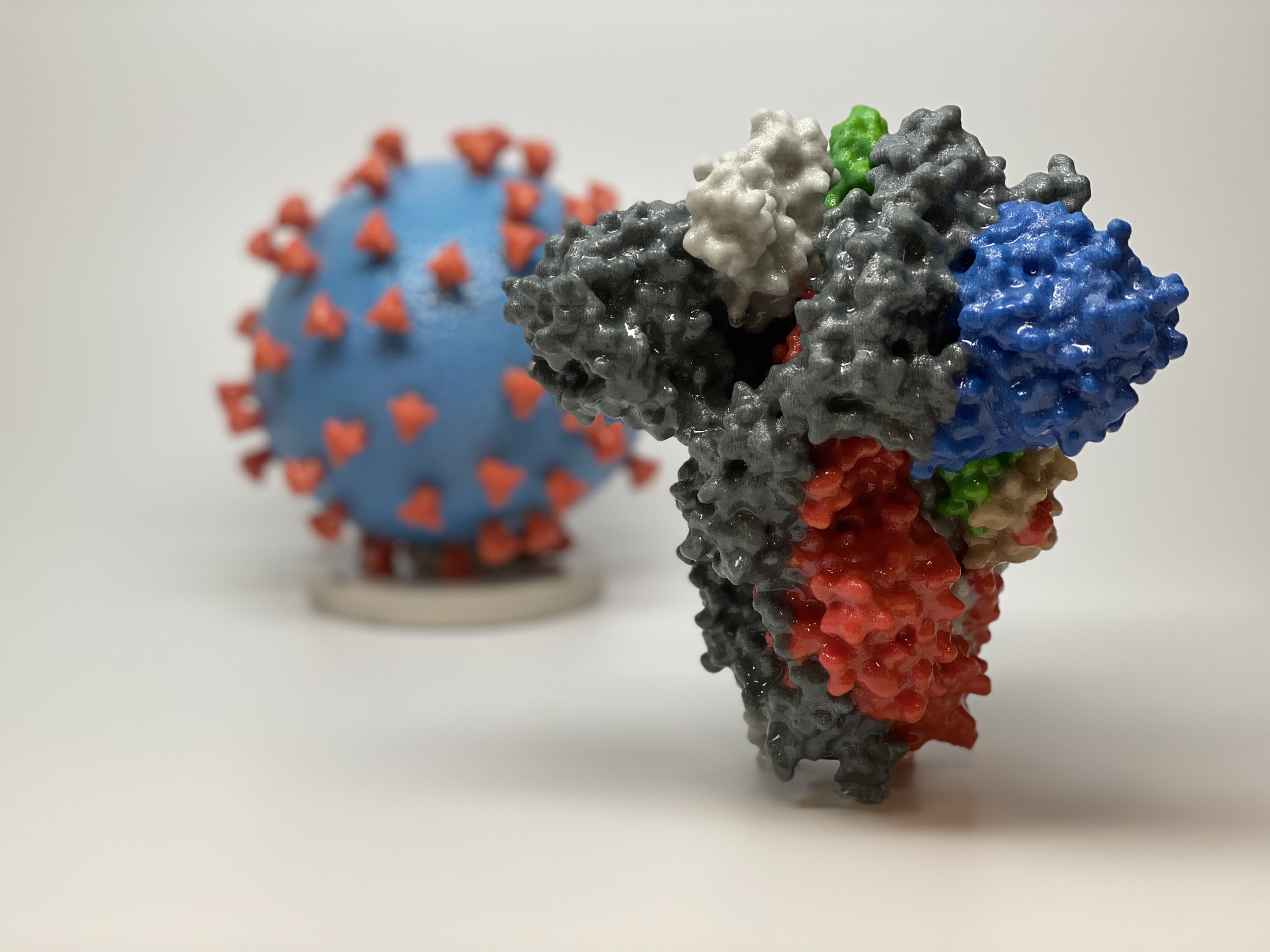
SARS-CoV-2 Spike Protein

SARS-CoV-2 Spike Protein (Credit: NIH)

To get around this problem, the Cambridge team searched for new types of antigens – key regions of the virus – that are the same across coronaviruses that occur in nature, including in animals that carry them, such as bats.

While most COVID-19 vaccines use the sequence of the RNA for the virus spike protein from the first isolated samples of the COVID-19 virus in January 2020, this new DIOSvax technology uses predictive methods to encode antigens like the spike protein that mimic the wider family of coronavirus antigens, thus giving wider protection. The body’s immune cells take up the vector, decode the DIOS-vaccine antigen and present the information to the immune system. This in turn produces neutralising antibodies, which block virus infection, and T-cells, which remove virus-infected cells. This technology is well-established and the vaccine plasmid DNA does not get taken up into human genetic material.

Professor Heeney added: “DIOS-CoVax vaccines target elements of the virus structure that are common to all known ‘beta-coronaviruses’ – those coronaviruses that are the greatest disease threats to humans. These are structures that are vitally important to the virus life cycle, which means we can be confident that they are unlikely to change in the future.

“These next generation DIOSvax vaccines should protect us against variants we’ve seen so far – alpha, beta, delta variants, for example – and hopefully future-proof us against emerging variants and potential coronavirus pandemics.”

The vaccine can be delivered pain-free without a needle into the skin, using the PharmaJet Tropis® intradermal Needle-free Injection System, which delivers the vaccine in less than a tenth of a second by spring-powered jet injection.

Funding for the development of the vaccine has come from Innovate UK, part of UK Research and Innovation.

Digital generated image of different variants of SARS-CoV-2

Digital generated image of different variants of SARS-CoV-2 (Andriy Onufriyenko/Getty Images)

SAFETY TRIALS BEGIN IN SOUTHAMPTON

The first trials of DIOS-CoVax are being delivered by the NIHR Southampton Clinical Research Facility (CRF). The trial team are calling for healthy volunteers aged between 18 and 50 in the Southampton area. Participants must have had both doses of a COVID-19 vaccine, but not their booster.

Professor Saul Faust, Clinical Chief Investigator and Director of the NIHR Southampton CRF, said: “This isn’t simply ‘yet another’ coronavirus vaccine as it has both COVID-19 variants and future coronaviruses in its sights. This technology could give wide-ranging protection to huge numbers of people worldwide.

“The people of Southampton and Hampshire have stepped up time and again to help find the vaccines that have unlocked the pandemic. We’re asking for their help again in developing this potentially game-changing vaccine.”

The phase I vaccine trial in Southampton will follow up volunteers for approximately 12 months to ensure it is safe. Payment will be provided for time and travel across 11 visits. Contact UHS.recruitmentCRF@nhs.net or call 0238 120 4989 for further details.

DIOSynVax is a spin-out company from the University of Cambridge, set up in 2017 with the support of Cambridge Enterprise, the University’s commercialisation arm.

Professor Heeney is a Fellow at Darwin College, Cambridge.

The text in this work is licensed under a Creative Commons Attribution 4.0 International License.

Professor Jonathan Heeney and the team at DIOSynVax

Professor Jonathan Heeney and the team at DIOSynVax

Public Health Experts Urge Government To Put Health at Centre of Levelling Up Agenda


Blackpool
source: www.cam.ac.uk

 

Health needs to be at the heart of the Government’s levelling up agenda, say researchers at the Universities of Cambridge and Newcastle. The team have today published practical guidance on how to reduce health inequalities.


The new guidance has been produced to show how to level up health. We already know that progress on closing the gap is possible

John Ford

Based on decades of research around tackling health inequalities at local and regional level, the guidance is aimed at central and local government as well as other agencies with a stake in improving health.

The team has published its report on the Cambridge Research Methods Hub website. It sets out five principles and eight policy recommendations that are designed to be used together long-term across national, regional and local systems.

The principles are:

  • Allocating resources proportionate to need;
  • Working in partnership with local communities;
  • Developing long-term, multisector and cross-government programmes;
  • Offering bespoke services to disadvantaged groups;
  • Ensuring initiatives are healthy-by-default and easy to use.

Each principle is supported by case studies, such as Healthy New Towns, the Big Local initiative, and New Deal for Communities.

Dr John Ford, lead author and Clinical Lecturer in Public Health at the Primary Care Unit, University of Cambridge, said: “The new guidance has been produced to show how to level up health. We already know that progress on closing the gap is possible. The previous cross-government health inequalities programme reduced the socio-economic gap in life expectancy by six months and improved overall life expectancy. This was achieved through sustained, multi-component, and cross-government action over more than 10 years.”

Policy recommendations include: health being a core part of levelling up; development of a cross-government health inequalities strategy; establishing a consensus around what levelling up health means; and a focus on the social and structural factors that determine health.

Importantly, the report recommends a move away from initiatives that require individuals to invest time and effort to benefit from, such as promoting gym membership, because they tend to increase inequalities. Rather, the researchers recommend initiatives that make healthy choices the default and require minimal effort from the individuals, such as fluoridation of water and opportunistic screening for health problems during vaccine appointments.

Furthermore, the report calls for an end to competitive bidding of local areas to allocate public funds. Instead, it recommends allocating funding based on population need.

Health inequalities in England mean that men and women in deprived areas live an average of ten and eight years less respectively than men and women in more affluent places. Area-level health inequalities like these are driven by the conditions in which we live. Education and employment opportunities, housing, opportunities for exercise and a good diet are just some of the factors that directly affect our health.

Left-behind neighbourhoods, which have not prospered as much as other areas, experience greater health inequalities and the health of disadvantaged areas in the Northern regions has been falling further behind. For example, a baby boy born today in Blackpool can expect an additional 17 years of poor health compared to a baby boy born in Richmond upon Thames.

The pandemic has exacerbated inequalities, and deaths related to COVID-19 in the most deprived areas of the country are double those in the least deprived. The long-term repercussions of the pandemic for some people – food and housing insecurity, debt and poverty – are expected to disproportionally affect those living in areas of higher deprivation, causing further damage to wellbeing and health.

The researchers say that work to address area-level health inequalities is critically important for the UK Government’s levelling up agenda.

The team reviewed data from over 650 research studies and 19 published reports. The 12 case studies were selected from 143 potentially relevant examples from across England showing what works.

Professor Clare Bambra, Professor of Public Health at the University of Newcastle, said: “Levelling up needs to urgently focus on health inequalities by addressing the unequal conditions in which we live, work and age.

“For too long, a lack of investment in key services has meant that more deprived, ‘Left Behind Areas’ – particularly in the north – have suffered disproportionately. The COVID-19 pandemic has worsened these inequalities and it will cast a long shadow across our future heath and economic prosperity as a country unless we act now. That’s why levelling up health is so central to the government’s overall approach to levelling up the country.”

The new guidance was commissioned by Public Health England.

Reference
John Ford, Vic McGowan, Fiona Davey, Jack Birch, Isla Kuhn, Anwesha Lahiri, Anna Gkiouleka, Ananya Arora, Sarah Sowden, Clare Bambra. Levelling Up Health: A practical, evidence-based framework. December 2021


Creative Commons License
The text in this work is licensed under a Creative Commons Attribution 4.0 International License. Images, including our videos, are Copyright ©University of Cambridge and licensors/contributors as identified.  All rights reserved. We make our image and video content available in a number of ways – as here, on our main website under its Terms and conditions, and on a range of channels including social media that permit your use and sharing of our content under their respective Terms.

Community of Ethical Hackers Needed To Prevent AI’s Looming ‘Crisis of Trust’

source: www.cam.ac.uk

 

A global hacker “red team” and rewards for hunting algorithmic biases are just some of the recommendations from experts who argue that AI faces a “tech-lash” unless firm measures are taken to increase public trust.


We need policy and public support to create an ecosystem of trust for AI

Shahar Avin

The Artificial Intelligence industry should create a global community of hackers and “threat modellers” dedicated to stress-testing the harm potential of new AI products in order to earn the trust of governments and the public before it’s too late.

This is one of the recommendations made by an international team of risk and machine-learning experts, led by researchers at the University of Cambridge’s Centre for the Study of Existential Risk (CSER), who have authored a new “call to action” published in the journal Science.

They say that companies building intelligent technologies should harness techniques such as “red team” hacking, audit trails and “bias bounties” – paying out rewards for revealing ethical flaws – to prove their integrity before releasing AI for use on the wider public.

Otherwise, the industry faces a “crisis of trust” in the systems that increasingly underpin our society, as public concern continues to mount over everything from driverless cars and autonomous drones to secret social media algorithms that spread misinformation and provoke political turmoil.

The novelty and “black box” nature of AI systems, and ferocious competition in the race to the marketplace, has hindered development and adoption of auditing or third party analysis, according to lead author Dr Shahar Avin of CSER.

The experts argue that incentives to increase trustworthiness should not be limited to regulation, but must also come from within an industry yet to fully comprehend that public trust is vital for its own future – and trust is fraying.

The new publication puts forward a series of “concrete” measures that they say should be adopted by AI developers.

“There are critical gaps in the processes required to create AI that has earned public trust. Some of these gaps have enabled questionable behavior that is now tarnishing the entire field,” said Avin.

“We are starting to see a public backlash against technology. This ‘tech-lash’ can be all encompassing: either all AI is good or all AI is bad.

“Governments and the public need to be able to easily identify the trustworthy, the snake-oil salesmen, and the clueless,” Avin said. “Once you can do that, there is a real incentive to be trustworthy. But while you can’t tell them apart, there is a lot of pressure to cut corners.”

Co-author and CSER researcher Haydn Belfield said: “Most AI developers want to act responsibly and safely, but it’s been unclear what concrete steps they can take until now. Our report fills in some of these gaps.”

The idea of AI “red teaming” – sometimes known as white-hat hacking – takes its cue from cyber-security.

“Red teams are ethical hackers playing the role of malign external agents,” said Avin. “They would be called in to attack any new AI, or strategise on how to use it for malicious purposes, in order to reveal any weaknesses or potential for harm.”

While a few big companies have internal capacity to “red team” – which comes with its own ethical conflicts – the report calls for a third-party community, one that can independently interrogate new AI and share any findings for the benefit of all developers.

A global resource could also offer high quality red teaming to the small start-up companies and research labs developing AI that could become ubiquitous.

The new report, a concise update of more detailed recommendations published by a group of 59 experts last year, also highlights the potential for bias and safety “bounties” to increase openness and public trust in AI.

This means financially rewarding any researcher who uncovers flaws in AI that have the potential to compromise public trust or safety – such as racial or socioeconomic biases in algorithms used for medical or recruitment purposes.

Earlier this year, Twitter began offering bounties to those who could identify biases in their image-cropping algorithm.

Companies would benefit from these discoveries, say researchers, and be given time to address them before they are publicly revealed. Avin points out that, currently, much of this “pushing and prodding” is done on a limited, ad-hoc basis by academics and investigative journalists.

The report also calls for auditing by trusted external agencies – and for open standards on how to document AI to make such auditing possible – along with platforms dedicated to sharing “incidents”: cases of undesired AI behavior that could cause harm to humans.

These, along with meaningful consequences for failing an external audit, would significantly contribute to an “ecosystem of trust” say the researchers.

“Some may question whether our recommendations conflict with commercial interests, but other safety-critical industries, such as the automotive or pharmaceutical industry, manage it perfectly well,” said Belfield.

“Lives and livelihoods are ever more reliant on AI that is closed to scrutiny, and that is a recipe for a crisis of trust. It’s time for the industry to move beyond well-meaning ethical principles and implement real-world mechanisms to address this,” he said.

Added Avin: “We are grateful to our collaborators who have highlighted a range of initiatives aimed at tackling these challenges, but we need policy and public support to create an ecosystem of trust for AI.”


Creative Commons License
The text in this work is licensed under a Creative Commons Attribution 4.0 International License. Images, including our videos, are Copyright ©University of Cambridge and licensors/contributors as identified.  All rights reserved. We make our image and video content available in a number of ways – as here, on our main website under its Terms and conditions, and on a range of channels including social media that permit your use and sharing of our content under their respective Terms.

New Centre to Foster Global Conversations About Ethical Issues Faised By Science


University of Cambridge announces the launch of the Kavli Centre for Ethics, Science, and the Public, to engage publics and scientists with the ethical implications of scientific discovery and its impact on society.


Major scientific breakthroughs deepen our understanding of nature and ourselves. Such discoveries have the potential to transform our everyday lives.

Yet the same science that holds promise for progress often raises concerns and questions for society.

Who bears responsibility for the societal and ethical implications of scientific discoveries? When and how should wider public views be brought into discussion about the direction of scientific research, its benefits and risks? How can members of the public, ethicists and scientists be empowered to take part in meaningful and constructive dialogue? And what can we do to help researchers negotiate a path through these complexities?

The new Kavli Centre for Ethics, Science, and the Public at the University of Cambridge will tackle these critical questions.

Announcing the launch today, Professor Anna Middleton, inaugural Director of the Kavli Centre for Ethics, Science, and the Public at the University of Cambridge, said: “From the discovery of DNA to the development of the first AI, and to the sequencing of 20% of the world’s COVID-19 virus today, Cambridge is at the cutting edge of science, and has been for centuries. This is truly a place where the big questions get explored. Through collaboration with experts in popular culture we will find the evidence base to drive conversations with everyday people around the ethical issues raised by science, so that all of us can share in decision making around the implications of science for society.”

The Kavli Centre will foster global conversations and pursue fundamentally new ways to build and create new spaces and mechanisms for interaction on the ethical issues associated with scientific discovery. It will create a programme of innovative research and public engagement on broad scientific domains, initially focusing on three rapidly changing fields: genome editing, artificial intelligence and big data.

The Centre is a unique collaboration between the University of Cambridge and Wellcome Connecting Science, with funding from The Kavli Foundation. Building on the close relationship between the University and Wellcome Connecting Science, it will work with international partners and have a global view.

Cynthia Friend, President of the Kavli Foundation: “This is an exciting and innovative endeavour. Ensuring the public is meaningfully involved in ethical considerations born from scientific discovery is important. The vision, creativity, and global community of the Cambridge team impressed us.”

Alongside inaugural Director Professor Anna Middleton, the Kavli Centre will be supported by Dr. Richard Milne as Deputy Director and Lead for Research, and Dr. Catherine Galloway as Lead for Innovation and Translation.

The Kavli Centre for Ethics, Science, and the Public will be hosted within the University of Cambridge’s Faculty of Education as its primary base, with a physical presence at Wellcome Connecting Science premises on the Wellcome Genome Campus near Cambridge.

Today also sees the launch of a sister Kavli Center for Ethics, Science, and the Public at UC Berkeley in the United States. With a similar mission but an independent programme to its Cambridge counterpart, the Berkeley centre will initially address artificial intelligence, genome editing and neuroscience. The two centres may collaborate on key projects or events.


Creative Commons License
The text in this work is licensed under a Creative Commons Attribution 4.0 International License. Images, including our videos, are Copyright ©University of Cambridge and licensors/contributors as identified.  All rights reserved. We make our image and video content available in a number of ways – as here, on our main website under its Terms and conditions, and on a range of channels including social media that permit your use and sharing of our content under their respective Terms.

Drinkers Risk Exceeding Legal Driving Limit By Underestimating How Drunk They Are

Man pouring a pint of beer
source: www.cam.ac.uk

 

As many as a half of all drinkers underestimated how drunk they were, judging themselves still safe to drive despite having exceeded the legal driving limit, in new research published today.


In countries with legal alcohol limits, it’s usually the driver who makes a judgement about how much they’ve drunk and how fit they are to drive. But as we’ve shown, we are not always good at making this judgement

Kai Hensel

Worldwide, drunk driving is a major problem, despite decades of health promotion activities. Road traffic injuries have become the leading killer of people aged five to 29 years, and recently, the World Health Organization has said that alcohol-related traffic accidents are one of the major causes. In 2019, between 210 and 250 people were killed in accidents in Britain where at least one driver was over the drink-drive limit, the highest level since 2009.

Drinking alcohol causes significant impairment to our motor function, and the more we drink, the worse this becomes. Drunk drivers may struggle to keep their vehicle in lane and have slow reaction times, as well as being more likely to take risks.

In research published today in the Harm Reduction Journal, a team of researchers from Witten/Herdecke University and the University of Cambridge studied how accurately participants were able to estimate their fitness to drive after drinking alcohol.

Ninety students (average age 24 years old) took part in an experiment on two separate days. Participants were split into two groups: a study group and a control group. Both groups consumed either beer or wine or both until they reached a maximum breath alcohol concentration (BrAC) of 0.11%.

The research was carried out in Germany, where the legal driving limit is a BrAC of 0.05% (in England and Wales, the level is 0.08%).

In the study group, participants were told at the start that when they reached a BrAC of 0.05%, they would be switched from beer to wine or vice versa, though it was not explicitly explained that this was the legal driving limit.

The researchers monitored each participant’s breath alcohol concentration using breathalysers. With each measurement, they asked the participants to estimate their own breath alcohol concentration. All participants were asked to come forward when they thought they had reached the legal driving limit.

The team found that on the first study day, more than a third (39%) of participants who believed they had reached the legal driving limit had in fact already exceeded this threshold. On the second day this proportion increased to more than half (53%).

Dr Kai Hensel from Witten/Herdecke University and the University of Cambridge, who led the study, said: “In countries with legal alcohol limits, it’s usually the driver who makes a judgement about how much they’ve drunk and how fit they are to drive. But as we’ve shown, we are not always good at making this judgement. As many as one in two people in our study underestimated how drunk they were – and this can have devastating consequences.”

The researchers also noticed that participants became poorer at estimating their BrAC level the drunker they became. “This could have serious consequences in England and Wales, where the legal driving limit is higher, as it suggests that a significant number of people might misjudge how drunk they are and consider themselves fit to drive when in fact they have a potentially dangerously high level of alcohol in their blood,” added Dr Hensel.


To see whether people were able to improve their ability to estimate how drunk they are, the researchers compared the volunteers’ self-estimation of having reached the legal driving limit between the two study days. For the study group participants were better able to estimate how drink they were on the second day, but this was not the case for the control group.

Dr Hensel added: “Drinking and driving is a major risk fact for road traffic accidents. Anything that can be done to reduce these numbers is worth trying. With guidance, our participants were able to improve their judgement. It could be that pop-up stalls set up around drinking establishments to help people understand their breath alcohol concentration might help.

“Really, the best advice is that if you’re driving, just don’t drink. But if you really do feel like a drink, then look into your own alcohol tolerance. This differs from one person to the next, depending on your sex, weight and age, and there are some reliable apps out there that can help guide you.”

Carlsberg donated 420 litres of beer to be utilised for research purposes only, but had no role in the design, conduct, or analyses of the study.

Reference
Köchling, J et al. The hazardous (mis)perception of Self-estimated Alcohol intoxication and Fitness to drivE – an avoidable health risk: the SAFE randomised trial. Harm Reduction Journal; 7 Dec 2021; DOI: 10.1186/s12954-021-00567-4


Creative Commons License
The text in this work is licensed under a Creative Commons Attribution 4.0 International License. Images, including our videos, are Copyright ©University of Cambridge and licensors/contributors as identified.  All rights reserved. We make our image and video content available in a number of ways – as here, on our main website under its Terms and conditions, and on a range of channels including social media that permit your use and sharing of our content under their respective Terms.

Miniature Grinding Mill Closes In On The Details Of ‘Green’ Chemical Reactions

Miniature Grinding Mill Closes In On The Details Of ‘Green’ Chemical Reactions

Person in laboratory holding a flask
Person in laboratory holding a flask Credit: Photo by Chokniti Khongchum from Pexels


Scientists at the University of Cambridge have developed a new approach for observing mechanochemical reactions — where simple ingredients are ground up to make new chemical compounds and materials that can be used in anything from the pharmaceutical to the metallurgical, cement and mineral industries.


It’s exciting because it opens up the study of mechanochemistry to all areas of chemistry and materials science

Giulio Lampronti

The study, published in Nature Communications and led by Cambridge Earth Sciences’ Dr Giulio Lampronti, observed reactions as materials were pulverised inside a miniaturised grinding mill — providing new detail on the structure and formation of crystals.

Knowledge of the structure of these newly-formed materials, which have been subjected to considerable pressures, helps scientists unravel the kinetics involved in mechanochemistry. But they are rarely able to observe it at the level of detail seen in this new work.

The study also involved Dr Ana Belenguer and Professor Jeremy Sanders from Cambridge’s Yusuf Hamied Department of Chemistry.

Mechanochemistry is touted as a ‘green’ tool because it can make new materials without using bulk solvents that are harmful to the environment. Despite decades of research, the process behind these reactions remains poorly understood.

To learn more about mechanochemical reactions, scientists usually observe chemical transformations in real time, as ingredients are churned and ground in a mill — like mixing a cake — to create complex chemical components and materials.

Once milling has stopped, however, the material can keep morphing into something completely different, so scientists need to record the reaction with as little disturbance as possible — using an imaging technique called time-resolved in-situ analysis to essentially capture a movie of the reactions. But, until now, this method has only offered a grainy picture of the unfolding reactions.

By shrinking the mills and taking the sample size down from several hundred milligrams to less than ten milligrams, Lampronti and the team were able to more accurately capture the size and microscopic structure of crystals using a technique called X-ray diffraction.

The down-scaled analysis could also allow scientists to study smaller, safer, quantities of toxic or expensive materials. “We realised that this miniaturised setup had several other important advantages, aside from better structural analysis,” said Lampronti. “The smaller sample size also means that more challenging analyses of scarce and toxic materials becomes possible, and it’s also exciting because it opens up the study of mechanochemistry to all areas of chemistry and materials science.”

“The combination of new miniature jars designed by Ana, and the experimental and analytical techniques introduced by Giulio, promise to transform our ability to follow and understand solid-state reactions as they happen,” said Sanders.

The team observed a range of reactions with their new miniaturised setup, covering organic and inorganic materials as well as metal-organic materials — proving their technique could be applied to a wide range of industry problems. One of the materials they studied, ZIF-8, could be used for carbon capture and storage, because of its ability to capture large amounts of CO2. The new view on these materials meant they were able to uncover previously undetected structural details, including distortion of the crystal lattice in the ZIF-8 framework.

Lampronti says their new developments could not only become routine practice for the study of mechanochemistry, but also offer up completely new directions for research in this influential field, “Our method allows for much faster kinetics, and will open up doors for previously inaccessible reactions — this could really change the playing field of mechanochemistry as we know it.”

Reference:
Giulio I. Lampronti et al. ‘Changing the game of time resolved X-ray diffraction on the mechanochemistry playground by downsizing.’ Nature Communications (2021). DOI: 10.1038/s41467-021-26264-1

source: www.cam.ac.uk


Creative Commons License
The text in this work is licensed under a Creative Commons Attribution 4.0 International License. Images, including our videos, are Copyright ©University of Cambridge and licensors/contributors as identified.  All rights reserved. We make our image and video content available in a number of ways – as here, on our main website under its Terms and conditions, and on a range of channels including social media that permit your use and sharing of our content under their respective Terms.

Collaboration Could Enable Cancer Patients To Get Faster and More Personalised Treatment

Collaboration Could Enable Cancer Patients To Get Faster and More Personalised Treatment

Web network graphic
Web network Credit: geralt


GE Healthcare, the University of Cambridge and Cambridge University Hospitals have agreed to collaborate on developing an application aiming to improve cancer care, with Cambridge providing clinical expertise and data to support GE Healthcare’s development and evaluation of an AI-enhanced application that integrates cancer patient data from multiple sources into a single interface.


Ovarian cancer is an important and complex disease with poor outcomes, and we believe this application would help us deal with its complexity

James Brenton

Building on research supported by The Mark Foundation for Cancer Research and Cancer Research UK, the collaboration aims to address the problems of fragmented or siloed data and disconnected patient information, which is challenging for clinicians to manage effectively and can prevent cancer patients receiving optimal treatment.

“Thanks to ever-improving technologies, we now generate increasing amounts of complex data for each patient with cancer,” said Professor Richard Gilbertson, Director of the Cancer Research UK Cambridge Centre, and Head of the Department of Oncology at the University of Cambridge. “These include multiple imaging scans, digital pathology, genomic data, advanced blood tests and treatment information. Bringing all this data together to make precise and informed decisions for patients can be hard. We often do this inefficiently and miss important connections between the data.”

This new application would be designed using advanced software engineering and machine learning methods to integrate a variety of patient data including clinical, imaging and genomic data – from diagnosis through every stage of treatment – into one single location. The aim is to offer all medical teams involved in a patient’s cancer care – medical oncologists, clinical oncologists, surgeons, radiologists, pathologists, clinical nurse specialists and more – simultaneous access to the necessary data and information to allow the medical team to plan the best, most personalised treatment for each of their patients.

The application is expected to be evaluated for ovarian cancer initially in Cambridge and the goal is to evaluate it across the UK, and beyond. Ovarian cancer is often difficult to treat as most patients present with advanced disease. Although initially 70-80% of patients will respond well to chemotherapy, ultimately most develop chemotherapy resistance leading to treatment failure.  The application may help clinicians have better visibility on how the patient respond to treatment, thus helping them more effectively identify when treatment may require adjustment. If the application is successfully developed, our vision is for it to be expanded for use in breast and kidney cancer patients.

“Healthcare professionals can struggle to easily find and interpret the many different types of patient data information they need to make the best clinical decisions,” said Dr Ben Newton, GM Oncology at GE Healthcare. “Bringing these multiple data streams into a single interface could enable clinicians to make fast, informed and highly personalised treatment decisions throughout a patient’s cancer care pathway.”

Two Addenbrooke’s cancer clinicians aiming to evaluate the application to help patients are consultant oncologist Professor James Brenton, professor of Ovarian Cancer Medicine and a senior group leader at the Cancer Research UK Cambridge Institute; and consultant radiologist Professor Evis Sala, professor of Oncological Imaging, University of Cambridge.

“Aggregating and analysing the substantial amounts of data available would help address an unmet need. Ovarian cancer is an important and complex disease with poor outcomes, and we believe this application would help us deal with its complexity. Eventually, we hope to be able to better understand the disease and therefore improve treatment and outcomes for patients,” says Professor Brenton, who co-leads the Mark Foundation Institute for Integrated Cancer Medicine (MFICM) at the University of Cambridge.

“If we can aggregate and integrate relevant data along the care pathway, and visualize the output, it may ultimately lead to clinicians making better-informed decisions and better care.” adds Professor Sala who also co-leads the MFICM at the University of Cambridge.

“The team aims to transform the delivery of cancer patient care by integrating multiple data streams together into a single platform that can be accessed simultaneously by clinicians, patients and multi-disciplinary teams from tertiary and regional hospitals.”

The development work will be underpinned by GE Healthcare’s Edison platform to integrate data from diverse sources, such as electronic health records and radiology information systems, imaging and other medical device data.

source: www.cam.ac.uk

Creative Commons License
The text in this work is licensed under a Creative Commons Attribution 4.0 International License. Images, including our videos, are Copyright ©University of Cambridge and licensors/contributors as identified.  All rights reserved. We make our image and video content available in a number of ways – as here, on our main website under its Terms and conditions, and on a range of channels including social media that permit your use and sharing of our content under their respective Terms.

Colour-Changing Magnifying Glass Gives Clear View of Infrared Light

Colour-Changing Magnifying Glass Gives Clear View of Infrared Light

Nano-antennas convert invisible infrared into visible light
Nano-antennas convert invisible infrared into visible light Credit: NanoPhotonics Cambridge/Ermanno Miele, Jeremy Baumberg


By trapping light into tiny crevices of gold, researchers have coaxed molecules to convert invisible infrared into visible light, creating new low-cost detectors for sensing.


It’s like listening to slow-rippling earthquake waves by colliding them with a violin string to get a high whistle that’s easy to hear, and without breaking the violin

Jeremy Baumberg

Detecting light beyond the visible red range of our eyes is hard to do, because infrared light carries so little energy compared to ambient heat at room temperature. This obscures infrared light unless specialised detectors are chilled to very low temperatures, which is both expensive and energy-intensive.

Now researchers led by the University of Cambridge have demonstrated a new concept in detecting infrared light, showing how to convert it into visible light, which is easily detected.

In collaboration with colleagues from the UK, Spain and Belgium, the team used a single layer of molecules to absorb the mid-infrared light inside their vibrating chemical bonds. These shaking molecules can donate their energy to visible light that they encounter, ‘upconverting’ it to emissions closer to the blue end of the spectrum, which can then be detected by modern visible-light cameras.

The results, reported in the journal Science, open up new low-cost ways to sense contaminants, track cancers, check gas mixtures, and remotely sense the outer universe.

The challenge faced by the researchers was to make sure the quaking molecules met the visible light quickly enough. “This meant we had to trap light really tightly around the molecules, by squeezing it into crevices surrounded by gold,” said first author Angelos Xomalis from Cambridge’s Cavendish Laboratory.

The researchers devised a way to sandwich single molecular layers between a mirror and tiny chunks of gold, only possible with ‘meta-materials’ that can twist and squeeze light into volumes a billion times smaller than a human hair.

“Trapping these different colours of light at the same time was hard, but we wanted to find a way that wouldn’t be expensive and could easily produce practical devices,” said co-author Dr Rohit Chikkaraddy from the Cavendish Laboratory, who devised the experiments based on his simulations of light in these building blocks.

“It’s like listening to slow-rippling earthquake waves by colliding them with a violin string to get a high whistle that’s easy to hear, and without breaking the violin,” said Professor Jeremy Baumberg of the NanoPhotonics Centre at Cambridge’s Cavendish Laboratory, who led the research.

The researchers emphasise that while it is early days, there are many ways to optimise the performance of these inexpensive molecular detectors, which then can access rich information in this window of the spectrum.

From astronomical observations of galactic structures to sensing human hormones or early signs of invasive cancers, many technologies can benefit from this new detector advance.

The research was conducted by a team from the University of Cambridge, KU Leuven, University College London (UCL), the Faraday Institution, and Universitat Politècnica de València.

The research is funded as part of a UK Engineering and Physical Sciences Research Council (EPSRC) investment in the Cambridge NanoPhotonics Centre, as well as the European Research Council (ERC), Trinity College Cambridge and KU Leuven.

Jeremy Baumberg is a Fellow of Jesus College, Cambridge.

Reference:
Angelos Xomalis et al. ‘Detecting mid-infrared light by molecular frequency upconversion with dual-wavelength hybrid nanoantennas’, Science (2021). DOI: 10.1126/science.abk2593

source: www.cam.ac.uk


Creative Commons License
The text in this work is licensed under a Creative Commons Attribution 4.0 International License. Images, including our videos, are Copyright ©University of Cambridge and licensors/contributors as identified.  All rights reserved. We make our image and video content available in a number of ways – as here, on our main website under its Terms and conditions, and on a range of channels including social media that permit your use and sharing of our content under their respective Terms.

Campaign Donors Help Students at Cambridge

Campaign Donors Help Students at Cambridge

Students who took part in the Get In social media campaign of 2020


Thirty students at the University of Cambridge are benefitting from bursaries distributed from the Get in Cambridge campaign. The campaign, originally designed for social media, aims to increase the number of students from historically under-represented backgrounds applying to Cambridge.


It’s particularly pleasing to see awards being made to those embarking on their Master’s courses

Professor Graham Virgo

The first phase was aimed at UK Black undergraduate students, and the second at British Pakistani and Bangladeshi students.

Grants ranging from £12,000 to £20,000 have been given to nine postgraduates studying for their Master’s to cover outstanding fees and living costs. And additional awards of £1,750 have been given to 21 undergraduates to help with maintenance costs. More than £180,000 has been awarded in total.

Senior Pro-Vice-Chancellor, Professor Graham Virgo, said:

“The Get In campaign has been successful in breaking down misguided perceptions of Cambridge among under-represented groups of students who may have been put off applying. The videos that were produced for social media reached new audiences of young people and enabled us to say directly to them that Cambridge is a place where you can come to and thrive. Thanks to the generosity of the donors backing the campaign we’re now able to help some of those students with their living costs and ease the financial concerns they may have. We know there’s a challenge in encouraging more students from these backgrounds into postgraduate education, so it’s particularly pleasing to see awards being made to those embarking on their Master’s courses.”

Launched in 2019, with the support of a leading group of alumni, the Get In Cambridge campaign has recently won two Digital Impact Awards as well as the Drum Award for Best Social Media and Inclusivity Programme.

One of the students benefitting from an award is Saif Mohammed, who is studying for a Master’s in Theology, Religion and the Philosophy of Religion. Originally from Bradford, he studied for his first degree at the University of Essex and had doubts as to whether Cambridge was the right place for him:

“I am filled with gratitude for this opportunity. I hope that it raises the confidence of other prospective students like me that postgraduate studies and enrolment at Cambridge is really possible, despite any seemingly daunting extrinsic barriers to entry. Watching other students from similar backgrounds to mine in the Get In videos assured me that I am not alone on this journey, and that I wouldn’t be totally out of place.”

Zaynab Ahmed was one of the students featured in last year’s videos produced for the campaign. She is now the Access, Education and Participation Officer at the Cambridge Students’ Union:

“Having been involved with Get In Cambridge, it’s incredible to see it evolve from a social media campaign to life-changing funding for students from minority ethnic communities that are under-represented in Higher Education. It’s especially exciting to see dedicated funding for Master’s students as a lack of postgraduate funding means many students are unable to take up offers to study at Cambridge. Going forward, I would love to see Get In commit to more targeted access and outreach work for students.”

The donors who have given money to the Get In campaign know first-hand about the importance of ensuring higher education remains accessible to all. Most are Cambridge graduates. Iain Drayton, now co-head of Goldman Sachs’ Investment Banking Division in Asia (except Japan) said:

“At university I learned a lot from talking with people who majoring in other subjects, and from listening to their differing approaches to problems, challenges and issues. So in my view, encouraging people from different backgrounds to come together is fundamental to bringing diverse perspectives to bear, and to driving new, original and innovative thought.”

The University of Cambridge has made significant improvements in recent years in diversifying its undergraduate population. It recognises there is work to do in ensuring its postgraduate community is also representative of wider UK society and has announced it’ll be embarking on a four year project, in partnership with the University of Oxford, with the aim of removing any systemic barriers that may exist within the postgraduate applications process.

The image shows undergraduate students who took part in the second phase of the social media campaign in 2020

source: www.cam.ac.uk


Creative Commons License
The text in this work is licensed under a Creative Commons Attribution 4.0 International License. Images, including our videos, are Copyright ©University of Cambridge and licensors/contributors as identified.  All rights reserved. We make our image and video content available in a number of ways – as here, on our main website under its Terms and conditions, and on a range of channels including social media that permit your use and sharing of our content under their respective Terms.

‘Transformational’ Approach to Machine Learning Could Accelerate Search For New Disease Treatments

Woman in grey shirt
source: www.cam.ac.uk


Researchers have developed a new approach to machine learning that ‘learns how to learn’ and out-performs current machine learning methods for drug design, which in turn could accelerate the search for new disease treatments.


I was surprised how well it works – better than anything else we know for drug design

Ross King

The method, called transformational machine learning (TML), was developed by a team from the UK, Sweden, India and Netherlands. It learns from multiple problems and improves performance while it learns.

TML could accelerate the identification and production of new drugs by improving the machine learning systems which are used to identify them. The results are reported in the Proceedings of the National Academy of Sciences.

Most types of machine learning (ML) use labelled examples, and these examples are almost always represented in the computer using intrinsic features, such as the colour or shape of an object. The computer then forms general rules that relate the features to the labels.

“It’s sort of like teaching a child to identify different animals: this is a rabbit, this is a donkey and so on,” said Professor Ross King from Cambridge’s Department of Chemical Engineering and Biotechnology, who led the research. “If you teach a machine learning algorithm what a rabbit looks like, it will be able to tell whether an animal is or isn’t a rabbit. This is the way that most machine learning works – it deals with problems one at a time.”

However, this is not the way that human learning works: instead of dealing with a single issue at a time, we get better at learning because we have learned things in the past.

“To develop TML, we applied this approach to machine learning, and developed a system that learns information from previous problems it has encountered in order to better learn new problems,” said King, who is also a Fellow at The Alan Turing Institute. “Where a typical ML system has to start from scratch when learning to identify a new type of animal – say a kitten – TML can use the similarity to existing animals: kittens are cute like rabbits, but don’t have long ears like rabbits and donkeys. This makes TML a much more powerful approach to machine learning.”

The researchers demonstrated the effectiveness of their idea on thousands of problems from across science and engineering. They say it shows particular promise in the area of drug discovery, where this approach speeds up the process by checking what other ML models say about a particular molecule. A typical ML approach will search for drug molecules of a particular shape, for example. TML instead uses the connection of the drugs to other drug discovery problems.

“I was surprised how well it works – better than anything else we know for drug design,” said King. “It’s better at choosing drugs than humans are – and without the best science, we won’t get the best results.”

Reference:
Ivan Olier et al. ‘Transformational Machine Learning: Learning How to Learn from Many Related Scientific Problems.’ Proceedings of the National Academy of Sciences (2021). DOI: 10.1073/pnas.2108013118


Creative Commons License
The text in this work is licensed under a Creative Commons Attribution 4.0 International License. Images, including our videos, are Copyright ©University of Cambridge and licensors/contributors as identified.  All rights reserved. We make our image and video content available in a number of ways – as here, on our main website under its Terms and conditions, and on a range of channels including social media that permit your use and sharing of our content under their respective Terms.

Get In Cambridge Widening Participation Campaign Wins Digital excellence Awards


The University’s Get In Cambridge social media campaign has won prizes in two international digital excellence awards.


Developed in partnership with students and digital agency Battenhall, the campaign’s second phase – launched in 2020 – features a series of videos specifically created to encourage more applications from UK Bangladeshi and Pakistani students – two of the most underrepresented groups at the University of Cambridge.

The campaign won the award for ‘Best Social Media Diversity and Inclusivity Program or Initiative’ in The Drum Awards for Social Media in 2021, and separately won ‘Best use of digital from the education sector’, as well as the Grand Prix, in the Digital Impact Awards 2021.

Get In Cambridge was also a finalist in the Asian Media Awards 2021.

In the films, 10 Cambridge students, who went to state schools in London, Manchester and Bradford before arriving at Cambridge to study subjects including English, History and Classics, compare the perceptions they had of the University as sixth formers with the reality of their lived experience. The films follow them in lectures, prayer spaces and at University cultural and religious society events, as they make it clear that concerns over cultural barriers can be overcome at Cambridge, religious practices can be observed, and people don’t have to change who they are to fit in.

The series – funded philanthropically – also includes six ‘Myth vs Reality’ videos that, among others, challenge the myth that Cambridge is more expensive to study at than other universities, and highlight the opportunity of being able to apply to a women-only college.

Get In Cambridge
Cambridge launched social media campaign Get In Cambridge in 2019 to help increase diversity in the undergraduate body. Cambridge alumna and YouTube vlogger Courtney Daniella fronted the first phase of the campaign, and in five films described her journey to Cambridge from her single-parent family on a North London council estate.

More information on how to support the campaign here.


Creative Commons License
The text in this work is licensed under a Creative Commons Attribution 4.0 International License. Images, including our videos, are Copyright ©University of Cambridge and licensors/contributors as identified.  All rights reserved. We make our image and video content available in a number of ways – as here, on our main website under its Terms and conditions, and on a range of channels including social media that permit your use and sharing of our content under their respective Terms.

‘Super Jelly’ Can Survive Being Run Over By a Car


Researchers have developed a jelly-like material that can withstand the equivalent of an elephant standing on it, and completely recover to its original shape, even though it’s 80% water.


At 80% water content, you’d think it would burst apart like a water balloon, but it doesn’t: it stays intact and withstands huge compressive forces

Oren Scherman

The soft-yet-strong material, developed by a team at the University of Cambridge, looks and feels like a squishy jelly, but acts like an ultra-hard, shatterproof glass when compressed, despite its high water content.

The non-water portion of the material is a network of polymers held together by reversible on/off interactions that control the material’s mechanical properties. This is the first time that such significant resistance to compression has been incorporated into a soft material.

The ‘super jelly’ could be used for a wide range of potential applications, including soft robotics, bioelectronics or even as a cartilage replacement for biomedical use. The results are reported in the journal Nature Materials.

The way materials behave – whether they’re soft or firm, brittle or strong – is dependent upon their molecular structure. Stretchy, rubber-like hydrogels have lots of interesting properties that make them a popular subject of research – such as their toughness and self-healing capabilities – but making hydrogels that can withstand being compressed without getting crushed is a challenge.

“In order to make materials with the mechanical properties we want, we use crosslinkers, where two molecules are joined through a chemical bond,” said Dr Zehuan Huang from the Yusuf Hamied Department of Chemistry, the study’s first author. “We use reversible crosslinkers to make soft and stretchy hydrogels, but making a hard and compressible hydrogel is difficult and designing a material with these properties is completely counterintuitive.”

Working in the lab of Professor Oren A Scherman, who led the research, the team used barrel-shaped molecules called cucurbiturils to make a hydrogel that can withstand compression. The cucurbituril is the crosslinking molecule that holds two guest molecules in its cavity – like a molecular handcuff. The researchers designed guest molecules that prefer to stay inside the cavity for longer than normal, which keeps the polymer network tightly linked, allowing for it to withstand compression.

“At 80% water content, you’d think it would burst apart like a water balloon, but it doesn’t: it stays intact and withstands huge compressive forces,” said Scherman, Director of the University’s Melville Laboratory for Polymer Synthesis. “The properties of the hydrogel are seemingly at odds with each other.”

“The way the hydrogel can withstand compression was surprising, it wasn’t like anything we’ve seen in hydrogels,” said co-author Dr Jade McCune, also from the Department of Chemistry. “We also found that the compressive strength could be easily controlled through simply changing the chemical structure of the guest molecule inside the handcuff.”

To make their glass-like hydrogels, the team chose specific guest molecules for the handcuff. Altering the molecular structure of guest molecules within the handcuff allowed the dynamics of the material to ‘slow down’ considerably, with the mechanical performance of the final hydrogel ranging from rubber-like to glass-like states.

“People have spent years making rubber-like hydrogels, but that’s just half of the picture,” said Scherman. “We’ve revisited traditional polymer physics and created a new class of materials that span the whole range of material properties from rubber-like to glass-like, completing the full picture.”

The researchers used the material to make a hydrogel pressure sensor for real-time monitoring of human motions, including standing, walking and jumping.

“To the best of our knowledge, this is the first time that glass-like hydrogels have been made. We’re not just writing something new into the textbooks, which is really exciting, but we’re opening a new chapter in the area of high-performance soft materials,” said Huang.

Researchers from the Scherman lab are currently working to further develop these glass-like materials towards biomedical and bioelectronic applications in collaboration with experts from engineering and materials science. The research was funded in part by the Leverhulme Trust and a Marie Skłodowska-Curie Fellowship. Oren Scherman is a Fellow of Jesus College.

Reference:
Zehuan Huang et al. ‘Highly compressible glass-like supramolecular polymer networks.’ Nature Materials (2021). DOI: 10.1038/s41563-021-01124-x


Creative Commons License
The text in this work is licensed under a Creative Commons Attribution 4.0 International License. Images, including our videos, are Copyright ©University of Cambridge and licensors/contributors as identified.  All rights reserved. We make our image and video content available in a number of ways – as here, on our main website under its Terms and conditions, and on a range of channels including social media that permit your use and sharing of our content under their respective Terms.

For the Brain, Context is Key to New Theory of Movement and Memory

Tennis match
source: www.cam.ac.uk


Mathematical model could help in physical therapy and shed light on learning more generally.


The COIN model may also generalise to many other forms of learning and memory, not just memories underlying our movement

Máté Lengyel

How is it that a chef can control their knife to fillet a fish or peel a grape and can wield a cleaver just as efficiently as a paring knife? Even those of us less proficient in the kitchen learn to skilfully handle an astonishing number of different objects throughout our lives, from shoelaces to tennis rackets.

This ability to continuously acquire new skills, without forgetting or degrading old ones, comes naturally to humans but is a major challenge even for today’s most advanced artificial intelligence systems.

Now, scientists from the University of Cambridge and Columbia University (USA) have developed and experimentally verified a new mathematical theory that explains how the human brain achieves this feat. Called the COntextual INference (COIN) model, it suggests that identifying the current context is key to learning how to move our bodies.

The model describes a mechanism in the brain that is constantly trying to figure out the current context. The theory suggests that these continuously changing beliefs about context determine how to use existing memories — and whether to form new ones. The results are reported in the journal Nature.

“Imagine playing tennis with a different racket than usual or switching from tennis to squash,” said co-senior author Dr Daniel Wolpert from Columbia University. “Our theory explores how your brain adjusts to these situations and whether to treat them as distinct contexts.”

According to the COIN model, the brain maintains a repertoire of motor memories, each associated with the context in which it was created, such as playing squash versus tennis. Even for a single swing of the racket, the brain can draw upon many memories, each in proportion to how much the brain believes it is currently in the context in which that memory was created.

This goes against the traditional view that only one memory is used at a time. To improve performance on the next swing, the brain also updates all memories, once again depending on its belief about the current context. When the context of the movement is judged to be new (the first time we play squash after years of tennis, for example), the brain automatically creates a new memory for that context. This ensures that we do not overwrite previously established memories, such as the memory for playing tennis.

This research may lead to better physical therapy strategies to help people with injuries use their bodies again. Often the improvements seen in the setting of a physical therapist’s office do not transfer to improvements in the real world.

“With a better understanding of how context affects motor learning, you can think about how to nudge the brain to generalise what it learns to contexts outside of the physical therapy session,” said first author Dr James Heald. “A better understanding of the basic mechanisms that underlie the context dependence of memory and learning could have therapeutic consequences in this area.”

“What I find exciting is that the principles of the COIN model may also generalise to many other forms of learning and memory, not just memories underlying our movement,” said co-senior author Professor Máté Lengyel from Cambridge’s Department of Engineering. “For example, the spontaneous recurrence of seemingly forgotten memories, often triggered by a change in our surroundings, has been observed both in motor learning and in post-traumatic stress disorder.”

COINing a new model

Practice with a tennis racket, and the brain forms motor memories of how you moved your arm and the rest of your body that improve your serve over time. But learning isn’t as simple as just making better memories to make movements more precise, the researchers said. Otherwise, a tennis player’s serves might improve to the point at which they never hit a ball out of bounds. The real world and our nervous systems are complex, and the brain has to deal with a lot of variability.

How does the brain distinguish this noise — these random fluctuations — from new situations? And how does it understand that a slightly lighter tennis racket can still be operated using previous tennis racket memories? But that a table tennis paddle is an entirely different kind of object that requires starting from scratch?

The answer, according to the COIN model, may be Bayesian inference, a mathematical technique used to deal with uncertainty. This method statistically weighs new evidence in light of prior experience in order to update one’s beliefs in a changeable world. In the COIN model, a context is a simplifying assumption that, in a given set of circumstances, certain actions are more likely to lead to some consequences than others. The new theory’s acceptance of the role that uncertainty plays in motor learning is similar to how quantum physics views the universe in terms of probabilities instead of certainties, the scientists noted.

Getting a handle on the theory

The researchers put the COIN model to the test on data from previous experiments, as well as new experiments, in which volunteers interacted with a robotic handle. Participants learned to manipulate the handle to reach a target while the handle pushed back in different ways.

Volunteers who spent time learning to operate the handle as it pushed to the left, for instance, had more trouble operating the handle when it changed behaviour and pushed to the right, as compared to volunteers who started with a handle pushing to the right. The COIN model explained this effect, called anterograde interference.

“The longer you learn one task, the less likely you are to move into a new context with the second task,” said Wolpert. “You’re still forming a motor memory of the second task, but you’re not using it yet because your brain is still stuck back in the first context.”

The model also predicted that a learned skill can re-emerge even after subsequent training seems to have erased it. Called spontaneous recovery, this re-emergence is seen in many other forms of learning besides motor learning. For example, spontaneous recovery has been linked with challenges in treating post-traumatic stress disorder, where contexts can trigger traumatic memories to spontaneously recur.

Scientists usually explain spontaneous recovery by invoking two different learning mechanisms. In one, memories learned quickly are forgotten quickly, and in the other, memories learned slowly are forgotten slowly, and can thus reappear. In contrast, the COIN model suggests there is just one mechanism for learning instead of two separate ones, and that memories that apparently vanished may be ready to pop back with the right trigger: the belief that the context has re-emerged. The researchers confirmed this in their lab with new experiments.


Máté Lengyel is a Fellow of Churchill College. The research was supported by the European Research Council, the Wellcome Trust, the Royal Society, the National Institutes of Health, and the Engineering and Physical Sciences Research Council.


Reference:
James B Heald, Máté Lengyel and Daniel M Wolpert. ‘Contextual inference underlies the learning of sensorimotor repertoires.’ Nature (2021). DOI: 10.1038/s41586-021-04129-3

Adapted from a Columbia University press release.


Creative Commons License
The text in this work is licensed under a Creative Commons Attribution 4.0 International License. Images, including our videos, are Copyright ©University of Cambridge and licensors/contributors as identified.  All rights reserved. We make our image and video content available in a number of ways – as here, on our main website under its Terms and conditions, and on a range of channels including social media that permit your use and sharing of our content under their respective Terms.

Cambridge to Tackle Barriers to Postgraduate Education

Postgraduate student looking at experiment results on screen
source: www.cam.ac.uk


The University of Cambridge, which has a long-established widening participation programme for undergraduate students, is now turning its attention to addressing inequalities that exist across the postgraduate higher education sector.


We want to find ways to make admissions systems flex better

Dr Katherine Powlesland

The University is delighted to have been awarded two significant grants by the Office for Students (OfS) and Research England (RE) to deliver innovative and ambitious programmes designed to improve the admission of students from under-represented minority ethnic backgrounds into the highest level of postgraduate education (notably postgraduate research or doctoral study undertaken as PhDs or DPhils).

Across the Higher Education sector the proportion of students from minority ethnic cohorts who continue into initial postgraduate study is lower than for White students, and the gap is even greater in doctoral study. The difference is particularly marked for Black British, British Pakistani and British Bangladeshi students. These gaps ultimately mean fewer people from minority ethnic backgrounds progress into academia as a career, resulting in fewer professors with these heritages.

A grant of £800,000 will be shared between the Universities of Cambridge and Oxford enabling the two institutions to work together in a groundbreaking collaboration to develop and test a range of new admissions practices and systems designed to transform selection processes for postgraduate research. A set of new selection model prototypes that build on world-leading inclusive recruitment practices will be tested in a total of 16 volunteer departments, eight in each University, and will range from simple and efficient solutions like contextual flags to models that could revolutionise pathways into academic research. Among areas to be considered will be the extent to which systems need to adapt better to take account of different student pathways and trajectories, how, and when to apply, and the availability of support through the transition from undergraduate to postgraduate study.

Professor Graham Virgo, Senior Pro-Vice-Chancellor at the University of Cambridge, said:

“We are really pleased to be partnering with the University of Oxford, and delighted that this OfS/RE funding competition has brought about the opportunity to share data and current practice so openly. We feel this is indicative of a wider desire across the sector to collaborate to bring about transformational change in representation in postgraduate study.”

The aim is to halve the current ‘offer gap’ in pilot sites by the end of 2025, with an aspiration to eliminate the gap altogether within one school generation (by 2035). To drive the initial four year project, the two Universities will create four new posts. A range of stakeholders will be consulted at every stage. Included in the programme is a combined Cambridge-Oxford Student Panel. It is intended that the programme will develop a range of new, fair postgraduate admissions processes and tools for use throughout the Higher Education sector.

Dr Katherine Powlesland, Postgraduate Widening Participation Manager at the University of Cambridge, said:

“By the time many students from under-represented ethnic groups come to apply for postgraduate research study, they have often chosen pathways that inadvertently may have made it harder for them to access postgraduate research and funding, because of certain established selection practices. We want to find ways to make admissions systems flex better – thinking imaginatively about pre-requisites, really interrogating the inclusivity of our systems, asking the right questions so we can spot and support the best talent – and also to think radically about innovative inclusive recruitment. From the postgraduate communities of Britain’s leading research universities come the experts of tomorrow: the decision-makers and advisors on climate change, on educational policy, on social justice. We need these researchers to represent the widest range of lived experience possible, so that, ultimately, all voices can be heard and no perspective goes unseen.”

Martin Williams, Pro-Vice-Chancellor for Education at the University of Oxford, said:

“We’re delighted that our joint bid with the University of Cambridge to the OfS/Research England competition to improve access to postgraduate research study for under-represented students has been successful. The University [of Oxford] has taken significant steps in recognising the issue of graduate access in recent years, and this has become a strategic priority building on the work that been done at undergraduate level for years.”

Cambridge’s second successful bid to the same funding competition is a collaboration with University College London and City University and will offer paid summer research internships for students from under-represented ethnic groups.

Dr Powlesland added: “We also know there is a lot we could do further upstream to support ethnic minority students to make successful applications for postgraduate research study. We are delighted that, with the support of the Office for Students and Research England, we are also able to partner with UCL and City on a really exciting project to deliver undergraduate summer research internships. Cambridge will be offering at least 72 paid internships over three years to Black British, British Bangladeshi, and British Pakistani undergraduates as part of the collaboration. We are excited to be pushing for real change in minority ethnic representation in academic research.’

The University of Cambridge has made significant improvements over the last five years in diversifying its undergraduate population so that it is more reflective of UK society as a whole. The work in this area has not just been focused on numbers but on improving student experience too. That’s why the Black Advisory Hub was established. As part of this project, new ways of assessing applicants for postgraduate study will be examined, and the University will seek to overturn any systemic barriers that may exist. Today’s postgraduates are, after all, tomorrow’s experts in their respective fields.


Creative Commons License
The text in this work is licensed under a Creative Commons Attribution 4.0 International License. Images, including our videos, are Copyright ©University of Cambridge and licensors/contributors as identified.  All rights reserved. We make our image and video content available in a number of ways – as here, on our main website under its Terms and conditions, and on a range of channels including social media that permit your use and sharing of our content under their respective Terms.