All posts by Admin

Hewitsons LLP to Sponser the Centre for Business Innovation (CfBI) Summer Summit

Hewitsons LLP to Sponser the Centre for Business Innovation (CfBI) Summer Summit

“Hewitsons LLP was pleased to sponsor the Centre for Business Innovation (CfBI) Summer Summit at Trinity Hall, Cambridge in July. This meeting attracted members of CfBI’s consortia from five countries including the USA. Its purpose was to share information about the current portfolio of consortia where blue chip companies share insights around specific areas of technology and business process, and to sow the seeds for future consortia.

CfBI is a Cambridge think-tank which organizes consortia around themes as diverse as ‘Medical Adherence’ (the problem of patients not following their physicans’ instructions, ‘Microfluidics’ (opportunities arising from lab-on- a-chip and artificial organs) and ‘Novel Uses of Social Media’ (in areas as diverse as recruitment/training, targeting of marketing campaigns, and management of customer service responses).

Dr Peter Hewkin, CEO of CfBI’s said ‘We are delighted that our formula has grown strongly over the last seven years and pleased to pick up expressions of interest in expanding it in future into areas such as Artificial Intelligence, Assisted Living and Novel Materials’.

Bill Thatcher of Hewitsons said ’As a law firm long associated with innovative businesses in and around Cambridge and beyond, Hewitsons was delighted to sponsor the CfBI Summer Summit. CfBI has put together and runs a range of consortia that draw in a most unusual way on the combined expertise of diverse businesses and specialists from academia, to mutual benefit. And one of the things that stands out is the participants’ determination to make their efforts count in the real world, to the benefit of society’.

The Summit concluded with a dinner hosted by Professor John Clarkson of the Engineering Design Centre (EDC) at the University of Cambridge which works closely with CfBI’s Inclusive Design Consortium identifying strategic opportunities arising from improved design of user interfaces suitable also for the growing market cohort of elderly consumers.

CfBI’s ‘Open Innovation meets Big Data’ and ‘Nano-Carbon Enhanced Materials’ consortia took advantage of the occasion to hold operating meetings in Cambridge on the following day.

For further information visit www.cfbi.com or contact operations@cfbi.com

ARM Chip Designer To Be Bought By Japan’s Softbank

ARM chip designer to be bought by Japan’s Softbank

source: http://www.bbc.co.uk/news/business-36822806

Media captionSoftbank chief executive Masayoshi Son says the ARM purchase is a long-term investment

UK technology firm ARM Holdings is to be bought by Japan’s Softbank for £24bn ($32bn) it confirmed on Monday.

The board of ARM is expected to recommend shareholders accept the offer – which is around a 43% premium on its closing market value of £16.8bn on Friday.

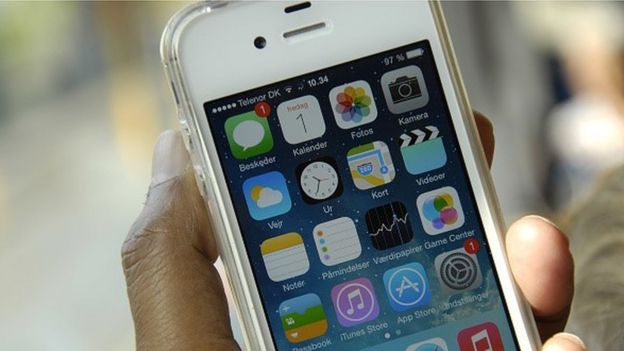
The Cambridge-based firm designs microchips used in most smartphones, including Apple’s and Samsung’s.

ARM, which was founded in 1990, employs more than 3,000 people.

Shares in the UK technology firm surged by 45% at the open of the London Stock Exchange to 1,742.85p per share, adding £7.56bn to ARM’s market value.

Japanese entrepreneur

ARM said it would keep its headquarters in Cambridge and that it would at least double the number of its staff over the next five years.

Softbank is one of the world’s biggest technology companies and is run by its founder, Japanese entrepreneur Masayoshi Son.

It has previously acquired Vodafone’s Japanese operations and the US telecoms company Sprint. The $20bn deal was the biggest foreign acquisition by a Japanese firm at the time.

The new deal will be funded by Softbank’s own cash reserves and a long term loan from Japan’s Mizuho Bank.


Analysis: Rory Cellan-Jones, BBC technology correspondent:

ARM Holdings logoImage copyrightGETTY IMAGES

It’s hard to exaggerate just how important ARM is to the UK tech sector – and the shock many are feeling this morning at the news that it is about to lose its independence.

Its brilliance was to realise that if chips were about to come with everything, you didn’t have to make them – designing them was the key.

Five years ago, Cambridge was home to at least three world-beating UK-owned technology firms, ARM, Autonomy and Cambridge Silicon Radio (CSR).

Then Autonomy was swallowed up by HP in an ill-fated deal, last year the chipmaker Qualcomm bought CSR, and now the biggest and best, ARM, is about to have a Japanese owner.

And in Softbank, ARM may well have found a good parent.

The Japanese firm bought France’s Aldebaran robotics business and has gone on to give it a global profile.

But there will still be sadness this morning in Cambridge, and beyond, that Britain’s best hope of building a global technology giant now appears to have gone.

Softbank-ARM deal is a bet on the future


‘Sad day’

Softbank intends to preserve the UK tech firm’s organisation, including its existing senior management structure and partnership-based business model, ARM said.

Masayoshi Son, chairman and chief executive of Softbank, said: “This is one of the most important acquisitions we have ever made, and I expect ARM to be a key pillar of SoftBank’s growth strategy going forward.

Media captionARM founder: ‘Sad day for technology in Britain’

However, the co-founder of ARM Hermann Hauser said: “This is a sad day for me and a sad day for technology in Britain.”

“ARM is the last British [technology] company that has a global reach,” he said.

“It gave Britain real strength. It was a British company that determined the next generation microprocessor architecture.”


Analysis: Simon Jack, BBC business editor:

IphoneImage copyrightGETTY IMAGES

ARM Holdings is arguably the most precious jewel in the crown of British technology, its microchip designs are used in billions of devices.

Sources close to the deal say the Japanese company considers ARM well placed to exploit the so called “internet of things” which may see microchips embedded in whole new categories of household and business devices.

Prime Minister Theresa May recently questioned whether foreign takeovers of UK firms are always in the national interest. However, Softbank has committed to doubling the size of ARM’s UK-based workforce over the next five years and new Chancellor Philip Hammond welcomed the deal.

That allure has been boosted by the fall in the value of the pound since Brexit – making UK targets cheaper and many industry watchers are predicting a new wave of foreign takeovers.

ARM has until recently argued that its future was better served as an independent company. However, Stuart Chambers, ARM chairman since March 2014, is no stranger to making it big in Japan. He was responsible for selling Pilkington, another blue chip UK company, to Nippon Sheet Glass in 2006.


‘Attractive destination’

Prime Minister Theresa May said the deal between Softbank and ARM Holdings showed the UK economy could be successful after the country voted to leave the European Union.

A spokeswoman for the prime minister said Mrs May believed the deal was in the country’s national interest – a gauge that she will use to assess any future foreign takeovers.

“This is good news for British workers, it’s good news for the British economy, it shows that, as the prime minister has been saying, we can make a success of leaving the EU,” the spokeswoman added.

Dan Ridsdale, analyst at Edison Investment Research, said “An increase in inbound merger and acquisition activity was one of the obvious consequences of Brexit and weakened sterling, but few expected it to manifest itself so quickly or at so large a scale.”

Former Business Secretary Vince Cable told the BBC there was usually very little the government could do to prevent takeovers.

“We don’t have a system of defence against takeovers if they prove to be unsatisfactory,” he said.

Mr Cable added the government had few legal powers to stop takeovers unless it could be demonstrated there was a national security issue.

Planets Similar To Jupiter Are Likely Able To Form On Orbits Shorter Than The Earth’s

Planets similar to Jupiter are likely able to form on orbits shorter than the Earth’s

source: www.cam.ac.uk

After analyzing four years of Kepler space telescope observations, astronomers from the University of Toronto, and of the University of Cambridge have given us our clearest understanding yet of a class of exoplanets called “warm Jupiters”, showing that many have unexpected planetary companions.

We had not anticipated this remarkable result. This challenges our ideas about which conditions are sufficient for the formation of planets.

Amaury Triaud

Warm Jupiters are large, gas-giant exoplanets—planets found around stars other than the Sun. They are comparable in size to Jupiter and Saturn in our Solar System. But unlike the Sun’s family of giant planets, Warm Jupiters orbit their parent stars at roughly the same distance that Mercury, Venus and the Earth circle the Sun. They take ten to two hundred days to complete a single orbit instead of decades. Their origin is heavily debated topic of research.

It is generally thought that Warm Jupiters cannot form on the orbits that we find them on today; they are too close to their parent stars to have accumulated enough mass, and sufficient gas. Instead, it appeared more likely that they had formed in the outer reaches of their planetary systems and had migrated inward to their current positions. However such a migratory history would also leave a trace. The large gravity of any migrating Warm Jupiter would have disturbed any neighbouring or companion planets, ejecting them from the system.

But, instead of finding “lonely”, companion-less Warm Jupiters, the team found that 11 of the 27 targets they studied have companions ranging in size from Earth-like to Neptune-like.

The team’s analysis, published this week in the Astrophysical Journal, demonstrates the existence of two distinct types of warm Jupiters, each with their own formation and dynamical history.

The two types include those that have smaller planetary companions and thus, likely formed near to where we find them today; and warm Jupiters without any companions indicating that they likely migrated to their current positions.

The presence of many smaller sized planetary companions to warm Jupiters provides our strongest evidence that planets similar to Jupiter and Saturn can assemble on orbits shorter than the Earth’s. “And when we take into account that there is more analysis to come,” says lead-author Chelsea Huang, “the number of Warm Jupiters with smaller neighbours may be even higher. We may find that more than half have companions.”

This result came as a “surprise” according to Amaury Triaud, now a research fellow at the Institute of Astronomy, in Cambridge. “Before starting this study, we had not anticipated this remarkable result. This challenges our ideas about which conditions are sufficient for the formation of planets. It reinforces the view that planets form in richer and more diverse ways than what can be glimpsed from the sole study of the Solar system planets.”

Reference

Huang, C et al. Warm Jupiters are less lonely than Hot Jupiters: close neighbors. Astrophysical Journal; 6 July 2016; DOI:10.3847/0004-637X/825/2/98

Based on a press release prepared by the University of Toronto.


Creative Commons License
The text in this work is licensed under a Creative Commons Attribution 4.0 International License. For image use please see separate credits above.

Obesity Linked To Premature Death, With Greatest Effect in Men

Obesity linked to premature death, with greatest effect in men

source: www.cam.ac.uk

A study of 3.9 million adults published today in The Lancet has found that being overweight or obese is associated with an increased risk of premature death. The risks of coronary heart disease, stroke, respiratory disease and cancer are all increased. Overall, the excess risk of premature death (before age 70) among those who are overweight or obese is about three times as great in men as in women.

On average, overweight people lose about one year of life expectancy, and moderately obese people lose about three years of life expectancy

Emanuele Di Angelantonio

The World Health Organization estimates that 1.3 billion adults worldwide are overweight, and that a further 600 million are obese. The prevalence of adult obesity is 20% in Europe and 31% in North America.

“On average, overweight people lose about one year of life expectancy, and moderately obese people lose about three years of life expectancy,” says Dr Emanuele Di Angelantonio from the University of Cambridge, the lead author. “We also found that men who were obese were at much higher risk of premature death than obese women. This is consistent with previous observations that obese men have greater insulin resistance, liver fat levels, and diabetes risk than women.”

The study found an increased risk of premature death for people who were underweight, as well as for people classed as overweight. The risk increased steadily and steeply as BMI increased. A similar trend was seen in many parts of the world and for all four main causes of death.

Where the risk of death before age 70 would be 19% and 11% for men and women with a normal BMI, the study found that it would be 29.5% and 14.6% for moderately obese men and women. The authors defined premature deaths as those at ages 35-69 years.

The new study brings together information on the causes of any deaths in 3.9 million adults from 189 previous studies in Europe, North America and elsewhere. At entry to the study all were aged between 20 and 90 years old, and were non-smokers who were not known to have any chronic disease when their BMI was recorded. The analysis is of those who then survived at least another five years.

The authors say that assuming that the associations between high BMI and mortality are largely causal, if those who were overweight or obese had WHO-defined normal levels of BMI, then one in 7 premature deaths in Europe and one in 5 in North America would be avoided.

Reference
The Global BMI Mortality Collaboration. Body-mass index and all-cause mortality: individual-participant-data meta-analysis of 239 prospective studies in four continents.Lancet; 13 July 2016; DOI: 10.1016/S0140-6736(16)30175-1

Adapted from a press release from The Lancet


Creative Commons License
The text in this work is licensed under a Creative Commons Attribution 4.0 International License. For image use please see separate credits above.

Gravitational Vortex Provides New Way To Study Matter Close To a Black Hole

Gravitational vortex provides new way to study matter close to a black hole

source: www.cam.ac.uk

An international team of astronomers has proved the existence of a ‘gravitational vortex’ around a black hole, solving a mystery that has eluded astronomers for more than 30 years. The discovery will allow astronomers to map the behaviour of matter very close to black holes. It could also open the door to future investigation of Albert Einstein’s general relativity.

We need to test Einstein’s general theory of relativity to breaking point

Adam Ingram, University of Amsterdam

Matter falling into a black hole heats up as it plunges to its doom. Before it passes into the black hole and is lost from view forever, it can reach millions of degrees. At that temperature it shines x-rays into space.

In the 1980s, astronomers discovered that the x-rays coming from black holes vary on a range of timescales and can even follow a repeating pattern with a dimming and re-brightening taking 10 seconds to complete. As the days, weeks and then months progress, the pattern’s period shortens until the oscillation takes place 10 times every second. Then it suddenly stops altogether.

This phenomenon was dubbed a Quasi Periodic Oscillation (QPO). During the 1990s, astronomers began to suspect that the QPO was associated with a gravitational effect predicted by Einstein’s general relativity which suggested that a spinning object will create a kind of gravitational vortex. The effect is similar to twisting a spoon in honey: anything embedded in the honey will be ‘dragged’ around by the twisting spoon. In reality, this means that anything orbiting around a spinning object will have its motion affected. If an object is orbiting at an angle, its orbit will ‘precess’ – in other words, the whole orbit will change orientation around the central object. The time for the orbit to return to its initial condition is known as a precession cycle.

In 2004, NASA launched Gravity Probe B to measure this so-called Lense-Thirring effect around Earth. By analysing the resulting data, scientists confirmed that the spacecraft would turn through a complete precession cycle once every 33 million years. Around a black hole, however, the effect would be much stronger because of the stronger gravitational field: the precession cycle would take just a matter of seconds to complete, close to the periods of the QPOs.

An international team of researchers, including Dr Matt Middleton from the Institute of Astronomy at the University of Cambridge, has used the European Space Agency’s XMM-Newton and NASA’s NuSTAR, both x-ray observatories, to study the effect of black hole H1743-322 on a surrounding flat disc of matter known as an ‘accretion disk’.

Close to a black hole, the accretion disc puffs up into a hot plasma, a state of matter in which electrons are stripped from their host atoms – the precession of this puffed up disc has been suspected to drive the QPO. This can also explain why the period changes – the place where the disc puffs up gets closer to the black hole over weeks and months, and, as it gets closer to the black hole, the faster its Lense-Thirring precession becomes.

The plasma releases high energy radiation that strikes the matter in the surrounding accretion disc, making the iron atoms in the disc shine like a fluorescent light tube. Instead of visible light, the iron releases X-rays of a single wavelength – referred to as ‘a line’. Because the accretion disc is rotating, the iron line has its wavelength distorted by the Doppler effect: line emission from the approaching side of the disc is squashed – blue shifted – and line emission from the receding disc material is stretched – red shifted. If the plasma really is precessing, it will sometimes shine on the approaching disc material and sometimes on the receding material, making the line wobble back and forth over the course of a precession cycle.

It is this ‘wobble’ that has been observed by the researchers.

“Just as general relativity predicts, we’ve seen the iron line wobble as the accretion disk orbits the black hole,” says Dr Middleton. “This is what we’d expect from matter moving in a strong gravitational field such as that produced by a black hole.”

This is the first time that the Lense-Thirring effect has been measured in a strong gravitational field. The technique will allow astronomers to map matter in the inner regions of accretion discs around back holes. It also hints at a powerful new tool with which to test general relativity. Einstein’s theory is largely untested in such strong gravitational fields. If astronomers can understand the physics of the matter that is flowing into the black hole, they can use it to test the predictions of general relativity as never before – but only if the movement of the matter in the accretion disc can be completely understood.

“We need to test Einstein’s general theory of relativity to breaking point,” adds Dr Adam Ingram, the lead author at the University of Amsterdam. “That’s the only way that we can tell whether it is correct or, as many physicists suspect, an approximation – albeit an extremely accurate one.”

Larger X-ray telescopes in the future could help in the search because they could collect the X-rays faster. This would allow astronomers to investigate the QPO phenomenon in more detail. But for now, astronomers can be content with having seen Einstein’s gravity at play around a black hole.

Adapted from a press release by the European Space Agency.

Image: ESA/ATG medialab.


Creative Commons License
The text in this work is licensed under a Creative Commons Attribution 4.0 International License. For image use please see separate credits above.

AlgoDynamix Signs Up Major Silicon Valley Customer

AlgoDynamix signs up major Silicon Valley customer

Major licensor for the ALDX-RAP™ Global SaaS product with exotic financial instruments
CANARY WHARF, U.K.July 6, 2016PRLog — AlgoDynamix today announced acquisition of a major Silicon Valley customer under a Global production SaaS license.

London and Cambridge based AlgoDynamix is an innovative risk analytics company that detects disruptive events in global financial markets and anticipates price movements hours or days in advance of the event. The software is used by investment banks and asset managers including hedge funds and family offices. The risk analytics are available via numerous distribution channels including API, email alerts and now via ALDX-RAP™ which is a comprehensive interface that includes, portfolio monitoring, resources/education section and API connectivity.

Our knowledgeable customer had originally attended one of our popular workshops which comes with a 7 day software licence included in the price. Having then fully evaluated the software and its capabilities they decided to go ahead with purchasing a full production license.

Dr Jeremy Sosabowski, PhD, CEO of AlgoDynamix said, “The take up at our software workshop on Level 39 was great. The results our trial customers had over the 7 days of using the software clearly demonstrated the added value of the ALDX-RAP™ platform.”

The AlgoDynamix ALDX-RAP™ platform is available as a SaaS license and prices start at $3K per month depending on the number of instruments and financial exchanges. The simplest way to receive alerts from the AlgoDynamix ALDX-RAP™ platform is to subscribe to the “push” email service. This “push’ email will send you an alert 1-2 days before a market anomaly occurs. For full technical integration and better product performance a RESTful API interface is available which can be accessed easily using simple JSON scripts.

More information and further results from the AlgoDynamix ALDX-RAP™ platform are available in our latest research note: http://us12.campaign-archive1.com/?u=7aa06c633bc6bc4aacd2….

AlgoDynamix continues to run regular workshops at our Level 39 client solution centre in Canary Wharf, London and online Webinars. Please get in touch with us to find out more or visit our websitehttp://www.algodynamix.com for regular updates.

Contact
Raj Sajjan
press@algodynamix.com
***@algodynamix.com

Kickstarter – Bilingual From Birth: An Innovative Kit for Familes

About this project

Hello!

We’re Skylark Learning and we want parents across the globe to be able to teach their children English with confidence. We are dedicated to equipping parents with the tools and support to help their children learn and develop.

Founded by husband-and-wife team Alexey and Svetlana, Skylark Learning’s aim is to create products that provide young children with more opportunities through early education and fun, play-based learning. Our first resource, Skylark English for Babies, is a multisensory toolkit for learning English at home. Packed with original and fun educational resources, it is specially designed to inspire little learners from birth. But we need your help to bring it to a wider audience.

What’s in the box?

How does it work?

Skylark English uses a fun, interaction-based method for meaningful learning. This happens naturally as parents and children communicate in everyday situations. At the heart of the product is a limited number of target words that are repeated again and again throughout the materials. We provide hundreds of opportunities to use these words in real-life contexts. Its fully individualised, flexible learning will suit any child, and parents with any level of English.


When children play they also learn, making it the most effective teaching method for early childhood education. We recognise the importance of meaningful play in creating a fun and comfortable platform for children as they begin the journey of communicating in English.

Tailor-made for families, Skylark English is designed to work in a home environment. It comes with full, interactive support so that parents with any level of English can teach with confidence.

Great for kids from birth

Skylark English is designed to be used with your child from birth. Introducing our Skylark puppet as a friend who can only speak English motivates children to learn. Reading from our storybooks and singing along to our songs help to immerse your child in the English language from as early as day one.

Of course, children do not magically become bilingual! While it’s true that learning languages is much easier in early childhood, parents need to stay consistent in their language use. Skylark English is the perfect way to ensure this consistency with its ‘repeat and extend’ methodology and full parental support providing a structured and fun environment in which to do so.

There are lots of benefits in raising a child as bilingual, from giving them a head start at school to improving their cognitive flexibility, to developing their appreciation for other cultures and an innate acceptance of cultural differences. Plus, it’s easier to learn another language from birth than it is during any other time of life. The earlier you start introducing English to your child, the easier it will be for you and for them!

For parents with any level of English

All materials in this set are in English. It is designed for use at home with parents who already speak a little bit of English and who are looking for materials to raise their child bilingual. An intermediate level of English is enough to read the Parent’s Guide and Activity Book.

Developed in Cambridge, England, in collaboration with academics and language teachers, Skylark English is informed by current research in the fields of child development and language acquisition.

All the stories, songs and activities in the set have been created by native British English speakers.

Support us!

Skylark English was originally created for a Russian audience, and has been sold in Russia for 16 months. We want to bring an English version of Skylark English to market to give parents right across the globe support in raising their child bilingual.

We would be so grateful for your help in bringing the English language to families all over the world.

 What do people say?

Thank you for your support!


Risks and challenges

We’re happy to let you know that there will be minimal risk associated with this project. We have finished all our preparation work, including texts, typesetting and layouts and we have everything ready to send to manufacture. We have experience producing our product in Russian, so we know the materials and we know that we’ll produce a high quality product.
The only possible risk would be a slight delay in shipping to you, which we have factored in here, just in case a logistic issue arises. We do expect everything to run smoothly, but just in case something does crop up, your only risk here would be receiving your product a week or two later than expected.

Learn about accountability on Kickstarter

FAQ

Have a question? If the info above doesn’t help, you can ask the project creator directly.

Ask a question

Rewards

  1. Select this reward

    Pledge £3 or more About $4 USD

    Thank you!

    Thank you very much for supporting us! You’ll make the world better by helping bilingual families to raise English-speaking kids in an easy and fun way!

    Less

    Estimated delivery:
    2 backers
  2. Pledge £20 or more About $27 USD

    Get the books and the songs

    15 songs, created by native British English speakers.
    6 original storybooks that help children hear target words set in real language (available in PDF).
    A letter with access will be sent after the end of this crowdfunding campaign.

    Includes

    • The books
    • The songs

    Less

    Estimated delivery:
    0 backers
  3. Pledge £49 or more About $65 USD

    SUPER Early Birds!

    You will receive a BIG BOX for this FANTASTIC price. You’ll get a Skylark English kit with a Skylark Puppet, 12 Storybooks, 218 Play Cards, Huge Play Board, Activity Book, Word Book, Parent’s Guide, 12 Songs, Online Audio & More!

    Includes

    • The box

    Less

    Estimated delivery:
    Ships to: Anywhere in the world
    Limited (44 left of 50) 6 backers

  4. Pledge £59 or more About $78 USD

    Early Birds

    You will receive a BIG BOX for this great price. You’ll get a Skylark English kit with a Skylark Puppet, 12 Storybooks, 218 Play Cards, Huge Play Board, Activity Book, Word Book, Parent’s Guide, 12 Songs, Online Audio & More!

    Includes

    • The box

    Less

    Estimated delivery:
    Ships to: Anywhere in the world
    Limited (50 left of 50) 0 backers

  5. Pledge £69 or more About $92 USD

    The Big Box

    You’ll get a Skylark English kit with a Skylark Puppet, 12 Storybooks, 218 Play Cards, Huge Play Board, Activity Book, Word Book, Parent’s Guide, 12 Songs, Online Audio & More!

    Includes

    • The box

    Less

    Estimated delivery:
    Ships to: Anywhere in the world
    0 backers

  6. Pledge £440 or more About $584 USD

    A Kindergarten Set

    You will receive 10 BIG BOXES for this amazing price. Each box contains a Skylark Puppet, 12 Storybooks, 218 Play Cards, Huge Play Board, Activity Book, Word Book, Parent’s Guide, 12 Songs, Online Audio & More!

    Includes

    • 10 boxes

    Less

    Estimated delivery:
    Ships to: Anywhere in the world
    0 backers

  7. Pledge £1,000 or more About $1,327 USD

    Your Child’s Photo on the Box!

    A special offer! You will receive a unique kit with your child’s name printed on the packaging! The offer is available for a limited time only, until 15 July.
    Do not forget to contact us after choosing this reward at al@skylarkenglish.com to tell your child’s name!

    Includes

    • The box

    Less

    Estimated delivery:
    Ships to: Anywhere in the world
    0 backers

Missing Link In Epigenetics Could Explain Conundrum of Disease Inheritance

Missing link in epigenetics could explain conundrum of disease inheritance

The process by which a mother’s diet during pregnancy can permanently affect her offspring’s attributes, such as weight, could be strongly influenced by genetic variation in an unexpected part of the genome, according to research published today. The discovery could shed light on why many human genetic studies have previously not been able to fully explain how certain diseases, such as type 2 diabetes and obesity, are inherited.

The study, published in Science by researchers at University of Cambridge, Queen Mary University of London (QMUL) and King’s College London, shows that the genetic variation of ribosomal DNA (rDNA) could be driving how the environment within the womb determines an offspring’s attributes. rDNA is the genetic material that forms ribosomes – the protein building machines within the cell.

Lead researcher Professor Vardhman Rakyan from QMUL said: “The fact that genetic variation of ribosomal DNA seems to play such a major role suggests that many human genetics studies in humans could be missing a key part of the puzzle. These studies only looked at a single copy part of individuals’ genomes and never at ribosomal DNA.

“This could be the reason why we’ve only so far been able to explain a small fraction of the heritability of many health conditions, which makes a lot of sense in the context of metabolic diseases, such as type 2 diabetes.”

The environmental factors that play a role alongside genetic factors in determining a person’s attributes are also present in the in-utero environment. When offspring are in the womb, the environment experienced by their mothers (for example, diet, stress, smoking), influences the attributes of their offspring when they are adults. This ‘developmental programming’ is thought to contribute to the obesity and type 2 diabetes epidemic seen today.
A major contributor to this process is ‘epigenetics’. This describes naturally-occurring modifications to genes that control how they are expressed. One such modification involves tagging DNA with chemical compounds called methyl groups. These epigenetic markers determine which genes are expressed or not expressed. Liver cells and kidney cells are genetically identical in terms of their DNA sequence but differ in their epigenetic marks. It has been proposed that in response to a poor in-utero environment, an offspring’s epigenetic profile will change.

The team compared the offspring of pregnant mice when given a low protein diet (8 per cent protein) and a normal diet (20 per cent protein). After they were weaned, all offspring were given a normal diet, and the team then looked at the difference in the offspring’s DNA methylation, from mothers exposed to a low protein diet and those that were not.

Professor Rakyan said: “When cells are stressed, for example when nutrient levels are low, they alter protein production as a survival strategy. In our low protein mice mothers, we saw that their offspring had methylated rDNA. This slowed the expression of their rDNA, which could be influencing the function of ribosomes, and resulted in smaller offspring – as much as 25 per cent lighter.”

These epigenetic effects occur during a critical developmental window while the offspring is in-utero but is a permanent effect that remains into adulthood. A mother’s diet while pregnant is therefore likely to have more severe consequence on the offspring’s epigenetic state than an offspring’s own diet after it has been weaned.

Professor Susan Ozanne from the University of Cambridge Metabolic Research Laboratories and MRC Metabolic Diseases Unit added: “Perhaps our most surprising finding was that, despite all of our mice being bred to be genetically identical, their rDNA was different. In fact, even within an individual mouse, different copies of rDNA were genetically distinct.”

In any given genome, there are many copies of rDNA, and the researchers found that not all copies of the rDNA were responding in the same way epigenetically. In offspring from mothers who were fed a low protein diet, it was only one form of rDNA – the ‘A-variant’ – that appeared to undergo methylation and affect weight. Professor Ozanne added: “This variation in rDNA appears to be playing a large role in determining the response of the fetus to the in utero environment and therefore its phenotype later in life.”

This means that the epigenetic response of a given mouse is determined by the genetic variation of the rDNA – those who have more A-variant rDNA end up being smaller.

Heritability (how much the risk of a disease is explained by genetic factors) of type 2 diabetes has been estimated to be between 25 and 80 per cent in different studies. However, less than 20 per cent of the heritability of type 2 diabetes has been explained by genome studies of people with the disease. The major role played by genetic variation of rDNA, together with the fact that rDNA analysis would not have been included in these studies, could explain some of this missing heritability.

The findings also complement other studies that have found that mice that are put on high fat diets have offspring who show increased rDNA methylation. This suggests that methylation is a general stress response and may also explain the rise in obesity that is happening across the world.

The study was funded by the Biotechnology and Biological Sciences Research Council, Research Councils UK, the European Union, British Heart Foundation and Medical Research Council.

Reference
Holland, ML et al. Early life nutrition modulates the epigenetic state of specific rDNA genetic variants in mice. Science; 7 July 2016; DOI: 10.1126/science.aaf7040

Adapted from a press release from Queen Mary University of London


Creative Commons License
The text in this work is licensed under a Creative Commons Attribution 4.0 International License. For image use please see separate credits above.
Anatomy Of A Decision: Mapping Early Development

Anatomy of a decision: mapping early development

In the first genome-scale experiment of its kind, researchers have gained new insights into how a mouse embryo first begins to transform from a ball of unfocussed cells into a small, structured entity. Published in Nature, the single-cell genomics study was led by the European Bioinformatics Institute (EMBL-EBI) and the University of Cambridge.

We can look at individual cells and see the whole set of genes that are active at stages of development, which until now have been very difficult to access

John Marioni

The point in our development when the whole body plan is set, just before individual organs start to develop, is known as gastrulation. Understanding this point in very early development is vital to understanding how humans and animals develop and how things go wrong. One of the biggest challenges in studying gastrulation is the very small number of cells that make up an embryo at this stage.

“If we want to better understand the natural world around us, one of the fundamental questions is, how do animals develop?” says Professor Bertie Gottgens from the Wellcome Trust-Medical Research Council Cambridge Stem Cell Institute at the University of Cambridge. “How do you turn from an egg into an animal, with all sorts of tissues? Many of the things that go wrong, like birth defects, are caused by problems in early development. We need to have an atlas of normal development for comparison when things go wrong.”

Today, thanks to advances in single-cell sequencing, the team was able to analyse over 1000 individual cells of gastrulating mouse embryos. The result is an atlas of gene expression during very early, healthy mammalian development.

“Single-cell technologies are a major change over what we’ve used before – we can now make direct observations to see what’s going on during the earliest stages of development,” says Dr John Marioni, Research Group Leader at EMBL-EBI, the Wellcome Trust Sanger Institute and the University of Cambridge. “We can look at individual cells and see the whole set of genes that are active at stages of development, which until now have been very difficult to access.

“Once we have that, we can take cells from embryos in which some genetic factors are not working properly at a specific developmental stage, and map them to the healthy atlas to better understand what might be happening.”

To illustrate the usefulness of the atlas, the team studied what happened when a genetic factor essential for the formation of blood cells was removed.

“It wasn’t what we expected at all. We found that cells which in healthy embryos would commit to becoming blood cells would actually become confused in the embryos lacking the key gene, effectively getting stuck,” says Dr Marioni. “What is so exciting about this is that it demonstrates how we can now look at the very small number of cells that are actually making the decision at the precise time point when the decision is being made. It gives us a completely different perspective on development.”

“What is really exciting for me is that we can look at things that we know are important but were never able to see before – perhaps like people felt when they got hold of a microscope for the first time, suddenly seeing worlds they’d never thought of,” says Professor Gottgens. “This is just the beginning of how single cell genomics will transform our understanding of early development.”

The study was made possible by a Wellcome Trust Strategic Award to study Gastrulation and by the Sanger/EBI Single Cell Genomics Centre.

Reference
Scialdone A, et al. Resolving early mesoderm diversification through single-cell expression profiling. Nature; 6 July 2016; DOI: 10.1038/nature18633

Adapted from a press release from the European Bioinformatics Institute.


Creative Commons License
The text in this work is licensed under a Creative Commons Attribution 4.0 International License. For image use please see separate credits above.
Antimatter Matters At The Royal Society Summer Exhibition

Antimatter matters at the Royal Society Summer Exhibition

Scientists from the University of Cambridge are presenting their research into the nature of antimatter at this year’s Royal Society Summer Exhibition.

Antimatter might sound like science fiction, but it is one of the biggest mysteries in science today.

Val Gibson

Why we live in a universe made of matter, rather than a universe with no matter at all, is one of science’s biggest questions. The behaviour of antimatter, a rare oppositely charged counterpart to normal matter, is thought to be key to understanding why. However, the nature of antimatter is a mystery. Scientists use data from the LHCb and ALPHA experiments at CERN to study antiparticles and antiatoms in order to learn more about it. Some of these scientists, from the University of Cambridge and other UK institutions, will present their work at the Royal Society’s annual Summer Science Exhibition which opens to the public tomorrow (5 July 2016).

At CERN’s Large Hadron Collider particle accelerator, matter and antimatter versions of fundamental particles are produced when the accelerator beams smash into each other. The LHCb experiment records the traces these particles leave behind as they fly outwards from the beam collisions with exquisite precision, enabling scientists to identify the particles and deduce whether they are matter or antimatter. At larger scales, antimatter is studied in CERN’s antiproton decelerator complex, when antiprotons are joined with antielectrons to form anti-hydrogen atoms. The ALPHA experiment holds these antiatoms in suspension so that their structure and behavior can be studied. Both experiments are currently recording data that will enable scientists to carefully build up an understanding of why antimatter appears to behave the way it does.

The University of Cambridge is a founder institute of the LHCb experiment and plays a major part in the construction and operation of the detectors that determine the identity of particles. The detectors use the Ring-Imaging Cherenkov radiation technique via which particles emit radiation as they travel faster than the speed of light in the material of the detectors. The principles behind this technique and the data produced will be on view in the Royal Society Summer Science Exhibition for visitors to examine.

Professor Val Gibson of the University of Cambridge and former UK Spokesperson for the experiment said: “Antimatter might sound like science fiction, but it is one of the biggest mysteries in science today. We’re going to show everyone just why it matters so much – from what it can tell us about the earliest universe, to how we study it at the frontiers of research, to how it has everyday uses in medical imaging.“

Visitors to the Exhibition will also be able to see how fundamental particles and antiparticles are identified with the LHCb experiment, talk to researchers to discover what this science is like, try the experimental techniques used to hold and study anti-atoms with the ALPHA experiment, and move, image and locate antimatter within a PET scanner system.

The Royal Society’s Summer Science Exhibition is weeklong festival of cutting edge science from across the UK, featuring 22 exhibits which give a glimpse into the future of science and tech. Visitors can meet the scientists who are on hand at their exhibits, take part in activities and live demonstrations and attend talks. Entrance is free.


Creative Commons License
The text in this work is licensed under a Creative Commons Attribution 4.0 International License. For image use please see separate credits above.

Infant Bodies Were ‘Prized’ By 19th Century Anatomists, Study Suggests

Infant bodies were ‘prized’ by 19th century anatomists, study suggests

source: www.cam.ac.uk

A study of the University of Cambridge anatomy collection dating from the 1700s and 1800s shows how the bodies of stillborn foetuses and babies were valued for research into human development, and preserved as important teaching aids.

Foetal and infant bodies were clearly valued by anatomists, illustrated by the measures taken to preserve the remains intact and undamaged

Jenna Dittmar

A new study of the University of Cambridge anatomy collection suggests that the bodies of foetuses and babies were a “prized source of knowledge” by British scientists of the 18th and 19th centuries, and were dissected more commonly than previously thought and quite differently to adult cadavers.

Historical research combined with the archaeological assessment of collection specimens shows that foetus and infant cadavers were valued for the study of growth and development, and were often kept in anatomical museums.

Researchers say that socio-cultural factors and changes in the law, as well as the spread of infectious disease during the industrial revolution, dictated the availability of these small bodies for dissection.

The study, conducted by Jenna Dittmar and Piers Mitchell from Cambridge’s Department of Archaeology and Anthropology, is the first to look specifically at how British scientists investigated the changing anatomy of childhood during the 1800s. The findings are published today in the Journal of Anatomy.

The researchers undertook studies of the skeletal collection retained from the former dissecting room of Cambridge’s department of anatomy, with specimen dates ranging from 1768 to 1913.

While the bodies of adults typically underwent a craniotomy – opening of the top of the skull using a saw – the researchers found that anatomists generally kept the skulls of foetuses and young children in one piece. From a total of 54 foetal and infant specimens in the collection, just one had undergone a craniotomy.

Careful study of the bone surface revealed that soft tissues had been gently removed using knives and brushes in order to preserve as much of the bones of the head as possible, although surgical instruments would have been similar to those used on the fully-grown. Tools for other purposes in adults, such as ‘bone nipper’ forceps, were likely used for dividing diminutive ribcages.

The research suggests that anatomists kept the skeletal remains of foetuses and infants for further study and use as teaching aids, whereas adults were frequently reburied after dissection.

“Foetal and infant bodies were clearly valued by anatomists, illustrated by the measures taken to preserve the remains intact and undamaged,” says Dittmar.

“The skulls appear to have been intentionally spared to preserve them for teaching or display. This may explain why so few children with signs of dissection on their bones have been recovered from the burial grounds of hospitals or parish churches, compared with adults.”

Literature from the late 18th century shows that the size of infant bodies made them preferable for certain ‘anatomical preparations’ in teaching, particularly for illuminating the anatomy of the nervous and circulatory systems, which required an entire body to be injected with coloured wax and displayed.

“The valuable and unique knowledge that could only be obtained from the examination of these developing bodies made them essential to the study of anatomy,” says Dittmar.

“During much of the 18th and 19th century, executed criminals provided the main legal access to cadavers, and it was previously thought that dissection of young children was relatively rare. However, changes in the law may have resulted in infant dissections becoming more common.”

The Murder Act in 1752 gave the judiciary power to allow executed murderers – almost entirely men – to be used for medical dissection. These felons hardly made a dent in the growing demand for bodies, and a black market flourished.

Bodies acquired (often grave robbed) by gangs of ‘resurrectionists’, or body-snatchers, were usually sold by the inch, so those of infants were not very profitable, although there are records of ‘smalls’ being traded.

The Anatomy Act of 1832 allowed workhouses and hospitals to donate the bodies of the poor if unclaimed by family, in an attempt to abate the resurrectionists. Infectious diseases such as cholera and tuberculosis were common killers during the industrial revolution, and a major cause of infant death in hospitals and beyond. Workhouses were desperate places, and nearly always lethal to infants.

Until 1838, a legal loophole did not require a stillborn baby to be registered, and a body could be easily sold to an anatomist through an intermediary. But the New Poor Law Amendment Act of 1834 may have had the most significant repercussions of any law for infant material in anatomy collections, say the researchers.

The Act ended parish relief for unmarried women and the availability of assistance from the father of an illegitimate child. Part of Victorian society’s attempt to curtail the illegitimate birth rate, the law succeeded only in contributing to dire situations for poor unwed women, mainly in service positions, who fell pregnant.

“This left very few options for these women: the workhouse, prostitution, abortion and infanticide – all of which were life-threatening,” says Mitchell. By the 1860s, infanticide in England had reached epidemic proportions.

“Our research shows that the major sources of the bodies of very young children were from stillborn babies of destitute mothers, babies who died from infectious diseases, those dying in charitable hospitals, and unmarried mothers who secretly murdered their new-born to avoid the social stigma of single parenthood,” says Mitchell.

“Poor and desperate women at the time of the industrial revolution could not only save the cost of a funeral by passing their child’s body to an anatomist, but also be paid as well. This money would help feed poor families, so the misfortune of one life lost could help their siblings to survive tough times.”

Top inset image: the only foetal skull in the Cambridge to have undergone a craniotomy. 


Creative Commons License
The text in this work is licensed under a Creative Commons Attribution 4.0 International License. For image use please see separate credits above.
Chasing The Volcano

Chasing the volcano

source: www.cam.ac.uk

In 2014, Cambridge researchers monitored a series of seismic shocks which preceded Iceland’s biggest volcanic eruption in 200 years. The dramatic story of their work, and its scientific value, is now part of this year’s Royal Society Summer Science Exhibition.

The eruption formed a curtain of fire the height of Big Ben.

Robert Green

Faced with the prospect of an imminent volcanic eruption, most people would head for safety, but for one group of Cambridge research students, the aim is to get as close as they realistically can.

That opportunity suddenly presented itself when, on the night of August 28, 2014, members of the University’s Volcano Seismology group were shaken awake by a series of low-magnitude earthquakes. The tremors were being caused by the movement of an underground channel of molten rock which they had been tracking for 10 days as it forced its way north-east from the Barðarbunga volcano in central Iceland.

The group’s work involves measuring and studying such seismic events, which warn that a volcanic eruption may be about to take place. As it became clear that this was now imminent, the team hastily finished deploying field instruments around the tip of the area where they knew the channel was flowing. Just hours later, it ruptured the Earth’s surface, disgorging huge fountains of magma that reached up to 150 metres high, announcing the start of Iceland’s biggest volcanic event for 200 years.

Click image to enlarge

The story of the group’s dramatic fieldwork – and why it matters – is now the subject of a display at this year’s Royal Society Summer Science Exhibition, which will be taking place in London from 4-10 July 2016.

During the build-up to the eruption, a total of 30,000 mini earthquakes occurred as the molten rock forged a crack through the earth, several kilometres beneath the surface. By analysing these earthquakes, the team were able to understand more about the physical process that was happening under their feet. This knowledge helps to inform both early warning tools that can be used to anticipate a volcanic eruption, and scenario-planning around its potential consequences.

Robert Green, a Seismology PhD student from St John’s College, University of Cambridge, was one of the Cambridge researchers responsible for assessing the tremors around Barðarbunga. “Most people think of a volcano as being a large mountain where molten rock comes straight up from under the ground and erupts directly from the summit, either explosively creating a huge ash cloud, or producing lava which flows down the sides,” he said.

“Those are certainly options, but this one was different. Instead the molten rock moved 46 kilometres underground away from the volcano before it emerged in a completely different place. When it did, the eruption formed a curtain of fire the height of Big Ben.”

Earthquakes such as those measured by Green and his colleagues are caused by the molten flow cracking through rock in the Earth’s crust. As the rocks slide past one another, they cause the ground to shake. In August 2014, it was this seismic activity that indicated that one of these so-called “dyke intrusions” had developed from the Barðarbunga volcano.

The scientific community was quick to respond, deploying researchers from 26 different institutions, including the Cambridge team. This group effectively chased the volcano, travelling in helicopters, snow scooters and offroad vehicles to install seismometers and track its subterranean progress.

They also worked closely with civil and aviation authorities to keep them up to date about potential impact. Airlines feared a repeat of the 2010 Eyjafjallajökull eruption, when a plume of volcanic ash infamously led to the cancellation of 100,000 flights during the Easter holidays.

When the fissure eruption finally happened, it was at the Holuhraun lava field, the site of a 19th Century volcanic event north of Barðarbunga itself. Some of the Cambridge group’s seismometers had been positioned so close that they had to be hastily retrieved in the face of the advancing lava flow.

The eruption was on a huge scale, lasting from August 2014 until February 2015. During its early stages, about 500 tonnes of rock were flung out of the Earth every second at temperatures of about 1,300 degrees C. The thermal energy was calculated to be equivalent to one Hiroshima atomic bomb being detonated every two minutes for almost six months.

For the researchers, it was an unprecedented opportunity to gather data about the effects of the movement of magma under the ground during such events. “Earthquakes accompanying the movement of magma underground are the best volcano monitoring tool we have, but we don’t yet understand the mechanics of it – precisely why, when and where the earthquakes occur, and why, when and where they don’t,” said Jenny Woods, another member of the team, based at Cambridge’s Department of Earth Sciences. “These are important things to learn if we want to understand the behaviour of volcanoes and improve eruption prediction.”

In the case of the 2014 eruption, scientists and government teams had to consider the possibility that lava might erupt beneath a local ice cap, causing an ash cloud which could disrupt flights, and a major flood. Even more frightening was the possibility was that it might continue moving until it met another reservoir of molten rock beneath the Askja volcano, triggering a major eruption that would have had devastating consequences for much of northern Iceland.

“There is no certainty during these events that it will even erupt at all,” Green added. “The whole time we were looking at several possible scenarios, one of which was that the lava would just stay in the ground.”

“Tracking the Bárdarbunga intrusion and witnessing the eruption was an utterly surreal experience: arriving in Iceland, deploying instruments in an evacuation zone, being shaken awake by an earthquake, and then being the first group on the scene at the eruption in the middle of the night under the northern lights,” said Woods. “It was a real reminder of the raw power trapped in the earth beneath our feet!”

The study also involved an assessment of the stress changes that occurred within the Earth’s crust as a result of the tremors. These findings could, among other things, help with the assessment of human activities that have a similar effect, not least the highly sensitive question of where and when it is safe to undertake “fracking” for shale gas.

The group’s display at the Royal Society Summer Exhibition, which is aptly entitled “Explosive Earth”, will feature several hands-on activities enabling visitors to discover how researchers monitor the movement of molten rock under the ground, how they triangulate the point of origin from tremors to track the magma’s course, and how an earthquake itself is measured.


Creative Commons License
The text in this work is licensed under a Creative Commons Attribution 4.0 International License. For image use please see separate credits above.

Leading Theologians Urge The Church of England To Celebrate Same-Sex Relationships

Leading theologians urge the Church of England to celebrate same-sex relationships

source: www.cam.ac.uk

Leading theologians have called on the Church of England to recognise and celebrate same-sex relationships at its forthcoming General Synod, warning that to take a hard line on the subject would be “suicidal”.

We urge the Church to make a positive and joyful affirmation of same-sex relationships or risk alienating the younger generation. Maintaining the current silence on this issue will only build a barrier preventing us from reaching young people on other important issues surrounding sexual and social ethics

Duncan Dormor

A new book written by Cambridge theologians aims to set the agenda for sexuality conversations being held at the Church of England’s General Synod in July by urging the Church towards acceptance and affirmation of committed same-sex relationships. The study warns that a failure to adopt such a stance would be “suicidal”.

Amazing Love, edited by Andrew Davison, Starbridge Lecturer in Theology and Natural Sciences at the University of Cambridge, sets out a case for the Church to bless stable gay and lesbian relationships, arguing that such a position is entirely consistent with the Christian tradition of ethical reflection.

The book is deliberately timed to reach members of the General Synod, the “parliament” of the Church of England, who will take part in discussions about sexuality from 10-12 July. These conversations aim to build “good disagreement” on same-sex relationships and will set the framework for a debate in 2017 on changes to the Church’s stance.

To date, the Church of England has failed to comment positively on faithful and committed same-sex relationships and the book argues that the time has come for change.

Amazing Love is the result of a workshop held earlier in the year at St John’s College, University of Cambridge. It aims to show that the celebration of gay and lesbian relationships is consistent with authentic Christian belief by tackling the issues on a number of fronts.

Traditional arguments that reject same-sex relationships have often identified passages in the Bible which appear to prohibit homosexuality, but the book argues that there is no evidence that these passages refer to the strong, loving and stable same-sex relationships that are under discussion.

Duncan Dormor, Dean of Chapel at St John’s College, Cambridge, and a contributor to the book said: “The story of Sodom and Gomorrah is often seen as a passage in the Bible which condemns homosexuality. The story is more likely to be about the abuse of hospitality, but if it does refer to sex, it is about an attempted sexually motivated attack by a mob rather than committed gay and lesbian relationships.”

“Whatever your view on these passages in the Bible, these are not the only sentences that matter in this conversation. Interpretation of the Bible can never be totally objective – different readings depend on factors such as the age, culture and experience of the reader. The big picture of the Bible’s Christian message should trump the details of interpretation.”

The book cites examples of matters which at one time seemed to be supported by the Bible on which Christian teaching has now changed. For example, it can safely be assumed that modern Christians are overwhelmingly of the view that slavery is wrong, but in the Bible it is an accepted institution, with Job, the model of the righteous person, described as a “just” man because he treats his slaves fairly rather than setting them free.

During their campaign, 18th-Century Abolitionists faced strong opposition from fellow Christians on “Biblical” grounds and similar things can be said historically about issues like contraception and lending money with interest, demonstrating how new insights lead Christians to apply scripture to a particular issue in a new way.

The second chapter of Amazing Love draws upon advances in science and how our scientific understanding of homosexuality has evolved. The book argues that grasping scientific facts should be important to members of the Synod and all Christians as they have a responsibility to examine the full range of information available and understand the issues that they are discussing from as rounded a perspective as possible.

Human sexuality is complex, but scientific evidence is conclusive on the following points: Sexuality occurs on a diverse spectrum, it is not consciously chosen and for the vast majority it is not easily changed. The book states that there is clear, robust evidence that for some people, same-sex attraction is “natural, inevitable and beyond their conscious control”.

“Pre-1973, homosexuality was regarded as a mental illness, but the scientific consensus has changed – we now know that being gay or lesbian is not damaging to people, it is the assumption that it is ‘unhealthy’ that damages them. New discoveries can and should shift the background against which well-informed ethical thinking takes place,” added Dormor.

A key premise of the book is that the most fundamental feature of Christian life is following Jesus and that “loving your neighbour” involves listening to others and their experiences. The book warns of the damaging consequences of a Christian culture in which gay and lesbian people do not feel welcome, or are not able to speak about themselves.

The book also notes a shift in contemporary sexual ethics  away from acts and on to thinking about people, relationships and emotional intimacy. “What should concern Christians is not what x does with Y – this mirrors a reductive, materialistic approach to sexuality which Christians would rightly object to in the secular world. There is much more to sexual relationships than particular acts and Christians should be more concerned with the nature and integrity of relationships and their impact on wellbeing.”

The book concludes that taking a hard line on the issue of same-sex relationships would be “suicidal” for the Church and involve “shooting ourselves in the foot in the worst possible way”. It notes that young people care deeply about relationships and marriage and are increasingly “baffled” by the Church’s decision to excluded committed same sex couples from these aspects of life.

“We urge the Church to make a positive and joyful affirmation of same-sex relationships or risk alienating the younger generation. Maintaining the current silence on this issue will only build a barrier preventing us from reaching young people on other important issues surrounding sexual and social ethics,” said Dormor.

Copies of Amazing Love have been sent to all members of the General Synod.

Amazing Love is published on Thursday 30 June by Darton, Longman and Todd. More information can be found via: http://www.darton-longman-todd.co.uk/titles/2181-9780232532654-amazing-love


Creative Commons License
The text in this work is licensed under a Creative Commons Attribution 4.0 International License. For image use please see separate credits above.
Using Gravitational Waves To Catch Runaway Black Holes

Using gravitational waves to catch runaway black holes

source: www.cam.ac.uk

Black holes are the most powerful gravitational force in the Universe. So what could cause them to be kicked out of their host galaxies? Cambridge researchers have developed a method for detecting elusive ‘black hole kicks.’

We now have two ways of detecting black holes, instead of just one – it’s amazing that just a few months ago, we couldn’t say that.

Christopher Moore

Researchers have developed a new method for detecting and measuring one of the most powerful, and most mysterious, events in the Universe – a black hole being kicked out of its host galaxy and into intergalactic space at speeds as high as 5000 kilometres per second.

The method, developed by researchers from the University of Cambridge, could be used to detect and measure so-called black hole superkicks, which occur when two spinning supermassive black holes collide into each other, and the recoil of the collision is so strong that the remnant of the black hole merger is bounced out of its host galaxy entirely. Their results are reported in the journal Physical Review Letters.

Earlier this year, the LIGO Collaboration announced the first detection of gravitational waves – ripples in the fabric of spacetime – coming from the collision of two black holes, confirming a major prediction of Einstein’s general theory of relativity and marking the beginning of a new era in astronomy. As the sensitivity of the LIGO detectors is improved, even more gravitational waves are expected to be detected – the second successful detection was announced in June.

As two black holes circle each other, they emit gravitational waves in a highly asymmetric way, which leads to a net emission of momentum in some preferential direction. When the black holes finally do collide, conservation of momentum imparts a recoil, or kick, much like when a gun is fired. When the two black holes are not spinning, the speed of the recoil is around 170 kilometres per second. But when the black holes are rapidly spinning in certain orientations, the speed of the recoil can be as high as 5000 kilometres per second, easily exceeding the escape velocity of even the most massive galaxies, sending the black hole remnant resulting from the merger into intergalactic space.

The Cambridge researchers have developed a new method for detecting these kicks based on the gravitational wave signal alone, by using the Doppler Effect. The Doppler Effect is the reason that the sound of a passing car seems to lower in pitch as it gets further away. It is also widely used in astronomy: electromagnetic radiation coming from objects which are moving away from the Earth is shifted towards the red end of the spectrum, while radiation coming from objects moving closer to the Earth is shifted towards the blue end of the spectrum. Similarly, when a black hole kick has sufficient momentum, the gravitational waves it emits will be red-shifted if it is directed away from the Earth, while they will be blue-shifted if it’s directed towards the Earth.

“If we can detect a Doppler shift in a gravitational wave from the merger of two black holes, what we’re detecting is a black hole kick,” said study co-author Davide Gerosa, a PhD student from Cambridge’s Department of Applied Mathematics and Theoretical Physics. “And detecting a black hole kick would mean a direct observation that gravitational waves are carrying not just energy, but linear momentum as well.”

Detecting this elusive effect requires gravitational-wave experiments capable of observing black hole mergers with very high precision. A black hole kick cannot be directly detected using current land-based gravitational wave detectors, such as those at LIGO. However, according to the researchers, the new space-based gravitational wave detector known as eLISA, funded by the European Space Agency (ESA) and due for launch in 2034, will be powerful enough to detect several of these runaway black holes. In 2015, ESA launched the LISA Pathfinder, which is successfully testing several technologies which could be used to measure gravitational waves from space.

The researchers found that the eLISA detector will be particularly well-suited to detecting black hole kicks: it will be capable of measuring kicks as small as 500 kilometres per second, as well as the much faster superkicks. Kick measurements will tell us more about the properties of black hole spins, and also provide a direct way of measuring the momentum carried by gravitational waves, which may lead to new opportunities for testing general relativity.

“When the detection of gravitational waves was announced, a new era in astronomy began, since we can now actually observe two merging black holes,” said study co-author Christopher Moore, a Cambridge PhD student who was also a member of the team which announced the detection of gravitational waves earlier this year. “We now have two ways of detecting black holes, instead of just one – it’s amazing that just a few months ago, we couldn’t say that. And with the future launch of new space-based gravitational wave detectors, we’ll be able to look at gravitational waves on a galactic, rather than a stellar, scale.”

Reference:
Davide Gerosa and Christopher J. Moore. ‘Black-hole kicks as new gravitational-wave observables.’ Physical Review Letters (2016). DOI: 10.1103/PhysRevLett.117.011101


Creative Commons License
The text in this work is licensed under a Creative Commons Attribution 4.0 International License. For image use please see separate credits above.

Diabetes Sniffer Dogs? ‘Scent’ of Hypos Could Aid Development Of New Tests

Diabetes sniffer dogs? ‘Scent’ of hypos could aid development of new tests

source: www.cam.ac.uk

A chemical found in our breath could provide a flag to warn of dangerously-low blood sugar levels in patients with type 1 diabetes, according to new research from the University of Cambridge. The finding, published today in the journal Diabetes Care, could explain why some dogs can be trained to spot the warning signs in patients.

Magic is incredible – he’s not just a wonderful companion, but he’s my ‘nose’ to warn me if I’m at risk of a hypo

Claire Pesterfield

Claire Pesterfield, a paediatric diabetes specialist nurse at Addenbrooke’s Hospital, Cambridge University Hospitals NHS Foundation Trust has type 1 diabetes, which requires insulin injections to manage blood sugar levels. She also has a golden Labrador dog that has been trained by the charity Medical Detection Dogs to detect when her blood sugar levels are falling to potentially dangerous levels.

“Low blood sugar is an everyday threat to me and if it falls too low – which it can do quickly – it can be very dangerous,” says Claire. “Magic is incredible – he’s not just a wonderful companion, but he’s my ‘nose’ to warn me if I’m at risk of a hypo. If he smells a hypo coming, he’ll jump up and put his paws on my shoulders to let me know.”

Hypoglycaemia – low blood sugar – can cause problems such as shakiness, disorientation and fatigue; if the patient does not receive a sugar boost in time, it can cause seizures and lead to unconsciousness. In some people with diabetes, these episodes can occur suddenly with little warning.

Given the reports of dogs alerting owners to blood glucose changes, researchers at the Wellcome Trust-MRC Institute of Metabolic Science, University of Cambridge, believed that certain naturally-occurring chemicals in exhaled breath might change when glucose levels were low. In a preliminary study to test this hypothesis, the scientists gradually lowered blood sugar levels under controlled conditions in 8 women, all around their forties, and all with type 1 diabetes. They then used mass spectrometry – which look for chemical signatures – to detect the presence of these chemicals.

The researchers found that levels of the chemical isoprene rose significantly at hypoglycaemia – in some cases almost doubling. They believe that dogs may be sensitive to the presence of isoprene, and suggest that it may be possible to develop new detectors that can identify elevated levels of isoprene in patients at risk.

“Isoprene is one of the commonest natural chemicals that we find in human breath, but we know surprisingly little about where it comes from,” says Dr Mark Evans, Honorary Consultant Physician at Addenbrooke’s Hospital, University of Cambridge. “We suspect it’s a by-product of the production of cholesterol, but it isn’t clear why levels of the chemical rise when patients get very low blood sugar.

“Humans aren’t sensitive to the presence of isoprene, but dogs with their incredible sense of smell, find it easy to identify and can be trained to alert their owners about dangerously low blood sugar levels. It provides a ‘scent’ that could help us develop new tests for detecting hypoglycaemia and reducing the risk of potentially life-threatening complications for patients living with diabetes. It’s our vision that a new breath test could at least partly – but ideally completely – replace the current finger-prick test, which is inconvenient and painful for patients, and relatively expensive to administer.”

The research was funded by the National Institute for Health Research (NIHR) Cambridge Biomedical Research Centre with support from the Cambridge NIHR Wellcome Trust Clinical Research Facility.

Reference
Neupane, S et al. Exhaled Breath Isoprene rises during Hypoglycemia in Type 1 Diabetes. Diabetes Care; 21 June 2016; DOI: 10.2337/dc16-0461


Creative Commons License
The text in this work is licensed under a Creative Commons Attribution 4.0 International License. For image use please see separate credits above.

Law In Focus: ‘Brexit: Legally and Constitutionally, What Now?’

Law in Focus: ‘Brexit: Legally and constitutionally, what now?’

www.cam.ac.uk

In this video, Professor Mark Elliott from the Faculty of Law discusses some of the key legal points that will be critical in the Brexit process.

In the early hours of 24 June 2016, the result of the UK referendum on EU membership was announced. By a narrow but clear majority the vote was to leave the European Union. This result has begun a chain of seismic political consequences in UK and the EU, and will have widespread consequences for the law and constitution in the UK.

In this video, Mark Elliott assess the immediate impact of the result.

Professor Mark Elliott is a Professor of Public Law at the University of Cambridge and a Fellow of St Catharine’s College. His main research interests are in the fields of constitutional and administrative law. He writes a blog: Public Law for Everyone. This video was based on a recent post.


Creative Commons License
The text in this work is licensed under a Creative Commons Attribution 4.0 International License. For image use please see separate credits above.

Winners Announced In The Inaugural Vice-Chancellor’s Impact Awards and Public Engagement With Research Awards

Winners announced in the inaugural Vice-Chancellor’s Impact Awards and Public Engagement with Research Awards

source: www.cam.ac.uk

Researchers from across the University have been recognised for the impact of their work on society, and engagement with research in the inaugural Vice-Chancellor’s Impact Awards and Public Engagement with Research Awards.

On Monday 20 June, the Vice-Chancellor and Pro Vice-Chancellor for Research presented two sets of inaugural awards; the Impact Awards run by the Research Strategy Office, and the Public Engagement with Research Awards run by the Public Engagement team in the Office of External Affairs and Communications.

Research at the University of Cambridge has had profound effects on society – it is a formal part of the University’s mission.

The Vice-Chancellor’s Impact Awards have been established to recognise and reward those whose research has led to excellent impact beyond academia, whether on the economy, society, culture, public policy or services, health, the environment or quality of life.

In this, its inaugural year, there were 71 nominations across all Schools. Nominations were initially judged by School, with one overall best entry selected by external advisor Schlumberger. A prize of £1,000 was awarded to the best impact in each School, with the prize for the overall winner increased to £2,000.

The winners were announced at an award ceremony on 20 June 2016, hosted by Professor Sir Leszek Borysiewicz. These winners, although very diverse, illustrate only a small part of the wide range of impact that Cambridge’s research has had.

This year’s winners were:

  • Dr Mari Jones (Faculty of Modern and Medieval Languages)

Norman French has been spoken in Jersey for over 1,000 years. Today, however, this language (Jèrriais to its speakers) is obsolescent: spoken by some 1% of the population. The research of Mari Jones has sought to preserve Jèrriais and has helped raise the profile of the language within Jersey and beyond, with impacts on local and national media, language policy and education, and cultural identity and development.

  • Dr Gilly Carr (Department of Archaeology and Anthropology)

The Channel Islands have long had great difficulty in coming to terms with the darker side of the German occupation. The aim of Gilly Carr’s research is to increase awareness of Channel Islander victims of Nazi persecution through creation of a plural ‘heritage landscape’ and via education. The creation of this heritage is a major achievement and will be of significant impact for the Channel Islands.

  • Professor Steve Jackson (Wellcome Trust/CRUK Gurdon Institute)

Olaparib is an innovative targeted therapy for cancer developed by Steve Jackson. In 2014 Olaparib was licensed for the treatment of advanced ovarian cancer by the US Food and Drug Administration and the European Medicines Agency. The following year, NICE made the drug available on the NHS in England for specific ovarian cancer patients. 2015 saw promising findings from a clinical trial in prostate cancer and Olaparib received Breakthrough Therapy Designation earlier this year. Olaparib is currently in clinical trials for a wide range of other cancer types.

  • Professor John Clarkson and Dr Nathan Crilly (Department of Engineering)

It is normal to be different. The demographics of the world are changing, with longer life expectancies and a reduced birth rate resulting in an increased proportion of older people. Yet with increasing age comes a general decline in capability, challenging the way people are able to interact with the ‘designed’ world around them. The Cambridge Engineering Design Centre has worked with the Royal College of Art to address this ‘design challenge’. They developed a design toolkit and realised what was by now obvious, that inclusive design was simply better design.

  • Dr Nita Forouhi and Dr Fumiaki Imamura (MRC Epidemiology Unit)

Identifying modifiable risk factors is an important step in helping reduce the health burden of poor diet. Forouhi and Imamura have advanced our understanding of the health impacts of sugars, fats and foods, through both scale and depth of investigation of self-reported information and nutritional biomarkers. They have engaged at an international level with policy and guidance bodies, and have used the media to improve public understanding with the potential for a direct impact on people’s health.


In 2015, the University of Cambridge received a one-year £65k Catalyst Seed Fundgrant from Research Councils UK to embed high quality public engagement with research and bring about culture change at an institutional level.

The Public Engagement with Research Awards were set up to recognise and reward those who undertake quality engagement with research. 69 nominations were received from across all Schools.

This year’s winners were:

  • Dr Becky Inkster (Department of Psychiatry)

Dr Inkster’s work work explores the intersection of art and science through the prism of mental health research. Dr Inkster has successfully collaborated with The Scarabeus Theatre in a performance called Depths of My Mind and founded the websiteHipHopPsych, showcasing the latest psychiatry research through hip hop lyrics. Her approach has allowed her to engage with hard-to-reach teenage audiences, encouraging them to reflect on their own mental health. Beyond this work she has explored the use of social media to diagnose mental illness, and has gathered patient perspectives on ethics, privacy and data sharing in preparation for research publication.

  • Dr Paolo Bombelli (Department of Biochemistry)

Dr Bombelli’s research looks to utilise the photosynthetic chemistry of plants to create biophotovoltaic devices, a sustainable source of solar power. For over five years, he has been taking his research out of the lab to science festivals, schools and design fairs; tailoring his approach to a wider variety of audiences. Through his engagement, he has reached thousands of people, in multiple countries, and is currently developing an educational toolkit to further engage school students with advances in biophotovoltaic technology. Dr Bombelli’s public engagement work has also advanced his research, namely through a transition from using algae to moss in live demonstrations.

  • Dr Ruth Armstrong and Dr Amy Ludlow (Institute of Criminology and Faculty of Law)

Dr Armstrong and Dr Ludlow have collaborated on a research project addressing the delivery of education in the prison sector. Their project, Learning Together, pioneered a new approach to prison education where the end-users, the prisoners, are directly engaged with the design, delivery and evaluation of the research intervention. Adopting this shared dialogue approach has yielded positive results in terms of prisoners’ learning outcomes and has gathered praise from prison staff and government policy makers. Through continued engagement and partnership working, Armstrong and Ludlow have managed to expand their initiative across a broad range of sites and institutional contexts.

  • Dr Hazel Wilkinson (Department of English)

Dr Wilkinson is investigating the history of reading and writing habits in the eighteenth century. In collaboration with Dr Will Bowers at the University of Oxford, she has developed an online public platform, journallists.org, which allows readers to engage with installments of periodicals, diaries, letters, and novels, on the anniversaries of the day on which they were originally published, written, or set. Her approach has allowed members of the public to actively participate in research. She has also inspired thousands of readers to engage with under-read eighteenth and nineteenth century texts, often for the very first time.

  • Dr Paul Coxon (Department of Materials Science and Metallurgy)

Over the last ten years Dr Coxon has endeavored to engage with audiences often overlooked by traditional public engagement channels. He has given talks in venues as varied as bingo halls, working men’s social clubs and steam fairs to showcase his passion for solar research, steering clear of the “flashes and bangs” approach often associated with Chemistry. He has also designed a Fruit Solar Cell Starter Kit, used in fifty low-income catchment schools across the UK.

  • Mr Ian Hosking and Mr Bill Nicholl (Department of Engineering and Faculty of Education)

Ian Hosking and Bill Nicholl are cofounders of Designing Our Tomorrow, a platform for transforming D&T education in schools. Their public engagement initiative began in 2009 and brought together research around inclusive design and creativity in education. Through production of their DOT box, Hosking and Nicholl have taken active research questions into the classroom and given students control of designing technological solutions. Engagement with teachers, students and policymakers is integral to the success of their initiative and has resulted in engineering design being included in the national curriculum and GCSE qualifications.


Creative Commons License
The text in this work is licensed under a Creative Commons Attribution 4.0 International License. For image use please see separate credits above.

Parent-Led Tool Opens Up NHS Children’s Heart Surgery Data To Families

Parent-led tool opens up NHS children’s heart surgery data to families

source: www.cam.ac.uk

Transparency without accessibility is not enough: stats must be put in context, say researchers.

Rather than try and directly compare hospitals with each other, we need to compare a hospital’s survival rate with what we would predict it to be, taking into account how severe their cases are.

David Spiegelhalter

Researchers are calling for the end to an era of confusion and alarm about children’s heart surgery statistics by launching an innovative communication tool that will help people make sense of published survival data about children’s heart surgery in the UK and Ireland.

The website, Understanding Children’s Heart Surgery Outcomes, which launches today, shows decision makers and parents that hospitals should not be ranked by their survival rates, because hospitals treat different patients — high performing hospitals can have lower survival ratessimply because they are taking on the most complex cases. An individual hospital’s actual survival rate should only be compared to its own predicted range, which is determined by the complexity of the procedures it undertakes, among other factors. The website also sets out why if a hospital’s survival rate is below its predicted range, it need not indicate alarm, but rather serves as a trigger for further investigation.

The website was developed by Christina Pagel from University College London and Sir David Spiegelhalter from the University of Cambridge, in collaboration with the charity Sense about Science and experimental psychologist Tim Rakow from King’s College London. It explains a risk adjustment method known as PRAiS (Partial Risk Adjustment in Surgery).

“This website draws a line under an era of poor risk communication of hospital surgery statistics,” said Tracey Brown, director of Sense about Science. “In 2013 over-interpretation of faulty data resulted in temporary hospital closure of Leeds General Infirmary’s paediatric heart unit. Parents and children were faced with all the additional stress, risks and costs of travelling further for operations, and for others the horrendous unnecessary guilt as they wondered if their child’s outcome would have been better at another unit. There could not be a stronger case for professionals and decision makers using the risk adjustment model and communicating it well.”

Each hospital that performs children’s heart surgery in the UK and Ireland has had its overall survival rates published by the National Congenital Heart Disease Audit (NCHDA) since 2013. The researchers used PRAiS to calculate a predicted range of survival for each specific hospital, taking into account the complexity of each individual child’s medical condition and surgery. No hospital will have exactly the same predicted range of survival as another hospital, because each hospital treated different children.

However, the report the NCHDA publishes is lengthy, hard to find and hard to understand without expert knowledge. Sense about Science ran user-testing workshops to involve the public, patients’ families and medical charities in co-designing the website with Pagel and Spiegelhalter, a first in this area.

“There is an understandable urge to put hospitals in a league table when comparing survival rates,” said Spiegelhalter, Winton Professor for the Public Understanding of Risk at Cambridge. “But rather than try and directly compare hospitals with each other, we need to compare a hospital’s survival rate with what we would predict it to be, taking into account how severe their cases are. This is a tricky idea but, with the help of many families, I think we have made it clear.”

“Because different hospitals treat different children and some children can have more complex medical problems than others, it is not valid to directly compare survival rates between hospitals,” said Pagel, Reader in Operational Research at UCL, who helped develop the formula the NHS uses to evaluate hospital survival rates. “We involved families from the beginning of the project and throughout to help us researchers communicate these complicated concepts clearly. I definitely learned that incorporating their feedback was absolutely crucial to building something useful. An accountable NHS is one where we can all understand how it is doing- and for this you need to listen to patients and families.”

Spiegelhalter and Pagel are calling for other researchers, companies and government to make health statistics accessible to patients and families by making them understandable. Transparency without accessibility is not enough; improved understanding by decision makers, health care professionals, patients and families can prevent misuse, confusion and unfounded anxiety.


Creative Commons License
The text in this work is licensed under a Creative Commons Attribution 4.0 International License. For image use please see separate credits above.
Astronomers Observe Most Distant Oxygen Ever

Astronomers observe most distant oxygen ever

source: www.cam.ac.uk

An international team of astronomers have detected glowing oxygen in a distant galaxy seen just 700 million years after the Big Bang. This is the most distant galaxy in which oxygen has ever been unambiguously detected, and it is most likely being ionised by powerful radiation from young giant stars. This galaxy could be an example of one type of source responsible for cosmic reionisation in the early history of the Universe.

Oxygen could be used as a powerful probe for very distant galaxies.

Kazuaki Ota

Astronomers from Japan, Sweden, the United Kingdom and the European Southern Observatory (ESO) have used the Atacama Large Millimeter/submillimeter Array (ALMA) to observe one of the most distant galaxies known. SXDF-NB1006-2 lies at a redshift of 7.2, meaning that we see it only 700 million years after the Big Bang.

The team was hoping to find out about the chemical elements present in the galaxy, as they can tell us about the level of star formation, and provide clues about the period in the history of the Universe known as cosmic reionisation. Their results are reported today in the journal Science.

“Seeking heavy elements in the early Universe is an essential approach to explore the star formation activity in that period,” said Akio Inoue of Osaka Sangyo University, Japan, the paper’s lead author. “Studying heavy elements also gives us a hint to understand how the galaxies were formed and what caused the cosmic reionisation.”

Click image to enlarge.

In the time before objects formed, the Universe was filled with electrically neutral gas. But when the first objects began to shine, a few hundred million years after the Big Bang, they emitted powerful radiation that started to break up those neutral atoms, ionising the gas. During this phase — known as cosmic reionisation — the whole Universe changed dramatically. But there is much debate about exactly what kind of objects caused the reionisation. Studying the conditions in very distant galaxies can help to answer this question.

Before observing the distant galaxy, the researchers performed computer simulations to predict how easily they could expect to see evidence of ionised oxygen with ALMA. They also considered observations of similar galaxies that are much closer to Earth, and concluded that the oxygen emission should be detectable, even at vast distances.

They then carried out high-sensitivity observations with ALMA and found light from ionised oxygen in SXDF-NB1006-2, making this the most distant unambiguous detection of oxygen ever obtained. It is firm evidence for the presence of oxygen in the early Universe, only 700 million years after the Big Bang.

“Many astronomers have believed that ionised carbon emits the strongest light from very distant galaxies in the far infrared range and tried to detect them in the carbon emission using ALMA,” said co-author Dr Kazuaki Ota from the Kavli Institute for Cosmology at the University of Cambridge. “Most of such attempts have failed. However, this study has solely predicted that ionized oxygen emits the strongest light and even detected it from one of the most distant galaxies known. We believe that oxygen could be used as a powerful probe for very distant galaxies.”

Oxygen in SXDF-NB1006-2 was found to be ten times less abundant than it is in the Sun. “The small abundance is expected because the Universe was still young and had a short history of star formation at that time,” said co-author Naoki Yoshida at the University of Tokyo. “Our simulation actually predicted an abundance ten times smaller than the Sun. But we have another, unexpected, result: a very small amount of dust.”

The team was unable to detect any emission from carbon in the galaxy, suggesting that this young galaxy contains very little un-ionised hydrogen gas, and also found that it contains only a small amount of dust, which is made up of heavy elements. “Something unusual may be happening in this galaxy,” said Inoue. “I suspect that almost all the gas is highly ionised.”

The detection of ionised oxygen indicates that many very brilliant stars, several dozen times more massive than the Sun, have formed in the galaxy and are emitting the intense ultraviolet light needed to ionise the oxygen atoms.

The lack of dust in the galaxy allows the intense ultraviolet light to escape and ionise vast amounts of gas outside the galaxy. “SXDF-NB1006-2 would be a prototype of the light sources responsible for the cosmic reionisation,” said Inoue.

“This is an important step towards understanding what kind of objects caused cosmic reionisation,” explained Yoichi Tamura of the University of Tokyo. “Our next observations with ALMA have already started. Higher resolution observations will allow us to see the distribution and motion of ionised oxygen in the galaxy and provide vital information to help us understand the properties of the galaxy.”

Reference:
Inoue et al. “Detection of an oxygen emission line from a high redshift galaxy in the reionization epoch.” Science (2016). DOI: 10.1126/science.aaf0714

Adapted from a press release by NAOJ/ESO


Creative Commons License
The text in this work is licensed under a Creative Commons Attribution 4.0 International License. For image use please see separate credits above.

Debt Level Analysis Could Help Investors Make Sharper Choices About Real Estate

Debt level analysis could help investors make sharper choices about real estate

source: www.cam.ac.uk

Retail and institutional investors alike often buy stocks in Real Estate Investment Trusts, because they are known as defensive stocks, able to withstand periods of economic downturn, but a new study explains why some of these companies could prove a much safer bet than others.

Investors sometimes think that because stock is generally classified as defensive, not much is going to happen to it in a downturn, but that may not be the case

Eva Steiner

Investors who buy stocks of Real Estate Investment Trusts in search of a “defensive security” should be careful to check those firms’ levels of debt before they commit, a new study suggests.

Real Estate Investment Trusts, or REITs, are publically listed companies that generate income by owning and operating large property portfolios. By purchasing stocks in these companies, investors can share in that income and any capital appreciation, without having to buy the capital-intensive properties themselves.

These stocks are often considered to be low-risk, because they typically generate high dividends for investors and used to be only moderately affected during periods of economic turmoil. As a result, they are often also attractive to the managers of pension and endowment funds looking for high, reliable long-term returns, and are often referred to as “defensive” stocks.

In the new study, however, two researchers from the Universities of Cambridge and Sydney point out that the performance of individual REIT stocks is not always as consistent as this suggests. Instead, they argue that investors should look carefully at certain characteristics within the specific firms.

In particular, they warn that investors should examine these firms’ overall leverage, or the amount of debt that they use to finance their assets. The more indebted the firm is, they suggest, the less robust these so-called defensive stocks are likely to prove, in particular during periods of economic downturn.

The study was co-authored by Dr Eva Steiner, a Fellow and Director of Studies in Land Economy at St John’s College at the University of Cambridge, UK, and Dr Jamie Alcock, from the University of Sydney Business School.

“Investors sometimes think that because stock is generally classified as defensive, not much is going to happen to it in a downturn, but that may not be the case,” Dr Steiner said. “The sensitivity of any stock to variation in the broader market environment will fluctuate over time and investors need to know more about the drivers of this sensitivity so that they can make sensible choices. We found that this depends, among other factors, on the overall financial position of the firm.”

The idea that firm characteristics can be used to predict the overall sensitivity of its stock to market downturns has not been extensively investigated empirically until now. Most research has looked at the impact of broader, macro-economic trends, such as real and monetary conditions, on returns from real estate stocks, and this data suggests that they are, on average, quite resilient.

The new study, however, shows that the state of a specific REIT can offer investors a more nuanced and accurate picture. Steiner and Alcock looked at a large sample of historical data about the returns and overall characteristics of numerous REIT firms in the United States, covering a 20-year period from 1993 to 2013. On average, they examined data for 55 firms during each quarter over the course of the two decades.

Unlike any previous study, they found that leverage was one of the sharpest means of predicting the likely stability of stocks in these companies – especially during downturns. The more debt a firm had, the more its stock proved sensitive to periods of recession – without any additional gains on the upside. The impact of this relationship seemed to be particularly pronounced during periods of extreme difficulty, such as the 2007/8 sub-prime mortgage crisis.

Other company characteristics also proved important predictors of stock sensitivity. For example, more defensive, lower-risk stocks were consistently associated with small, high-growth firms that were less intensively traded.

Similarly, the researchers found that companies which demonstrated strong growth opportunities were less sensitive to such change. This pattern, they suggest, may recur because such opportunities were often circumstantial, one-off prospects specific to those companies alone, meaning that they would not be affected by broader market fluctuations – making an investment in them more secure.

Although the findings could help investors to construct more robust portfolios capable of weathering an economic storm, the researchers point out that they could also offer guidelines for managers within REITs themselves.

“There are implications for investors at two levels – the ones who buy the stock, who need to know that they are making sensible choices, but also the REIT managers, for whom this has implications regarding the risk management of their firms,” Steiner said. “These results could help guide decisions about the investment risk of their firm, for example by choosing the appropriate level of leverage.”

The research was funded by the Real Estate Research Institute. The paper, Fundamental Drivers of Dependence in REIT Returns, is published in The Journal of Real Estate Finance and Economics.


Creative Commons License
The text in this work is licensed under a Creative Commons Attribution 4.0 International License. For image use please see separate credits above.
Nano ‘Hall Of Mirrors’ Causes Molecules To Mix With Light

Nano ‘hall of mirrors’ causes molecules to mix with light

source: www.cam.ac.uk

Researchers have successfully used quantum states to mix a molecule with light at room temperature, which will aid in the exploration of quantum technologies and provide new ways to manipulate the physical and chemical properties of matter.

It’s like a hall of mirrors for a molecule, only spaced a hundred thousand times thinner than a human hair.

Jeremy Baumberg

When a molecule emits a blink of light, it doesn’t expect it to ever come back. However researchers have now managed to place single molecules in such a tiny optical cavity that emitted photons, or particles of light, return to the molecule before they have properly left. The energy oscillates back and forth between light and molecule, resulting in a complete mixing of the two.

Previous attempts to mix molecules with light have been complex to produce and only achievable at very low temperatures, but the researchers, led by the University of Cambridge, have developed a method to produce these ‘half-light’ molecules at room temperature.

These unusual interactions of molecules with light provide new ways to manipulate the physical and chemical properties of matter, and could be used to process quantum information, aid in the understanding of complex processes at work in photosynthesis, or even manipulate the chemical bonds between atoms. The results are reported in the journal Nature.

To use single molecules in this way, the researchers had to reliably construct cavities only a billionth of a metre (one nanometre) across in order to trap light. They used the tiny gap between a gold nanoparticle and a mirror, and placed a coloured dye molecule inside.

“It’s like a hall of mirrors for a molecule, only spaced a hundred thousand times thinner than a human hair,” said Professor Jeremy Baumberg of the NanoPhotonics Centre at Cambridge’s Cavendish Laboratory, who led the research.

In order to achieve the molecule-light mixing, the dye molecules needed to be correctly positioned in the tiny gap. “Our molecules like to lie down flat on the gold, and it was really hard to persuade them to stand up straight,” said Rohit Chikkaraddy, lead author of the study.

To solve this, the team joined with a team of chemists at Cambridge led by Professor Oren Scherman to encapsulate the dyes in hollow barrel-shaped molecular cages called cucurbiturils, which are able to hold the dye molecules in the desired upright position.

When assembled together correctly, the molecule scattering spectrum splits into two separated quantum states which is the signature of this ‘mixing’. This spacing in colour corresponds to photons taking less than a trillionth of a second to come back to the molecule.

A key advance was to show strong mixing of light and matter was possible for single molecules even with large absorption of light in the metal and at room temperature. “Finding single-molecule signatures took months of data collection,” said Chikkaraddy.

The researchers were also able to observe steps in the colour spacing of the states corresponding to whether one, two, or three molecules were in the gap.

The Cambridge team collaborated with theorists Professor Ortwin Hess at the Blackett Laboratory, Imperial College London and Dr Edina Rosta at Kings College London to understand the confinement and interaction of light in such tiny gaps, matching experiments amazingly well.

The research is funded as part of a UK Engineering and Physical Sciences Research Council (EPSRC) investment in the Cambridge NanoPhotonics Centre, as well as the European Research Council (ERC), the Winton Programme for the Physics of Sustainability and St John’s College.

Reference:
Rohit Chikkaraddy et al. ‘Single-molecule strong coupling at room temperature in plasmonic nanocavities.’ Nature (2016). DOI: 10.1038/nature17974


Creative Commons License
The text in this work is licensed under a Creative Commons Attribution 4.0 International License. For image use please see separate credits above.

Brains Eden – VIP Invitation

Supported by:

Source: http://www.brainseden.net/

Brains Eden is back, and it’s bigger than ever.

For the eighth year running, Anglia Ruskin University is raising the standards for games development and associated creative skills in Cambridge by hosting the annual, highly successful Brains Eden student games festival – bringing the very best young talent from across the UK and Europe to East Anglia.

Supported by some of the biggest games and technologies companies in the world, this year’s festival will run from Friday 24 – Monday 27 June 2016 and welcomes a record number of participants from universities far and wide.

Students will be competing in a 48-hour games jam, with a surprise theme, within the state-of-the-art Compass House facilities, which house the Computer Game Art and Game Technology BA, MA and MSc courses and cutting edge computer suites serving up to 300 people.

Meet.Talk.Play

Brains Eden invites you to attend the grand finale of the festival on Monday 27 June (11.00 – 16.00) to play the games created across the weekend, network with industry professionals, listen to inspiring talks from a range of world-leading games companies such as PlayStation First and Jagex and attend the awards ceremony where participating teams will be crowned with Best Game, Best PC Game, and Best Mobile Game.

Don’t miss out! If you wish to attend please register for free or email kathryn.ford@consciouscomms.com

Cellulose: New Understanding Could Lead To Tailored Biofuels

Cellulose: new understanding could lead to tailored biofuels

source: www.cam.ac.uk

In the search for low emission plant-based fuels, new research may help avoid having to choose between growing crops for food or fuel.

By using cellulosic plant materials we get around the problem of food-versus-fuel scenario that is problematic when using corn as a basis for bioethanol

Paul Dupree

Scientists have identified new steps in the way plants produce cellulose, the component of plant cell walls that provides strength, and forms insoluble fibre in the human diet.

The findings could lead to improved production of cellulose and guide plant breeding for specific uses such as wood products and ethanol fuel, which are sustainable alternatives to fossil fuel-based products.

Published in the journal Nature Communications today, the work was conducted by an international team of scientists, led by the University of Cambridge and the University of Melbourne.

“Our research identified several proteins that are essential in the assembly of the protein machinery that makes cellulose”, said Melbourne’s Prof Staffan Persson.

“We found that these assembly factors control how much cellulose is made, and so plants without them can not produce cellulose very well and the defect substantially impairs plant biomass production. The ultimate aim of this research would be breed plants that have altered activity of these proteins so that cellulose production can be improved for the range of applications that use cellulose including paper, timber and ethanol fuels.”

The newly discovered proteins are located in an intracellular compartment called the Golgi where proteins are sorted and modified.

“If the function of this protein family is abolished the cellulose synthesizing complexes become stuck in the Golgi and have problems reaching the cell surface where they normally are active” said the lead authors of the study, Drs. Yi Zhang (Max-Planck Institute for Molecular Plant Physiology) and Nino Nikolovski (University of Cambridge).

“We therefore named the new proteins STELLO, which is Greek for to set in place, and deliver.”

“The findings are important to understand how plants produce their biomass”, said Professor Paul Dupree from the University of Cambridge’s Department of Biochemistry.

“Greenhouse-gas emissions from cellulosic ethanol, which is derived from the biomass of plants, are estimated to be roughly 85 percent less than from fossil fuel sources. Research to understand cellulose production in plants is therefore an important part of climate change mitigation.”

“In addition, by using cellulosic plant materials we get around the problem of food-versus-fuel scenario that is problematic when using corn as a basis for bioethanol.”

“It is therefore of great importance to find genes and mechanisms that can improve cellulose production in plants so that we can tailor cellulose production for various needs.”

Previous studies by Profs. Persson’s and Dupree’s research groups have, together with other scientists, identified many proteins that are important for cellulose synthesis and for other cell wall polymers.

With the newly presented research they substantially increase our understanding for how the bulk of a plant’s biomass is produced and is therefore of vast importance to industrial applications.

The work was funded, in part, by the BBSRC and was conducted with the BBSRC Sustainable Bioenergy Centre Cell Wall Sugars Programme.

Adapted from a University of Melbourne press release. 


Creative Commons License
The text in this work is licensed under a Creative Commons Attribution 4.0 International License. For image use please see separate credits above.

Larger Wine Glasses May Lead People To Drink More

Larger wine glasses may lead people to drink more


www.cam.ac.uk

Selling wine in larger wine glasses may encourage people to drink more, even when the amount of wine remains the same, suggests new research from the University of Cambridge. In a study published today in the journal BMC Public Health, researchers found that increasing the size of wine glasses led to an almost 10% increase in wine sales.

It’s not obvious why this should be the case, but one reason may be that larger glasses change our perceptions of the amount of wine, leading us to drink faster and order more

Rachel Pechey

Alcohol consumption is one of the leading risk factors for disease and has been linked to conditions such as type 2 diabetes, cancer and liver disease. The factors that influence consumption are not clear; a recent Cochrane review published by the Behaviour and Health Research Unit (BHRU) at the University of Cambridge found thatlarger portion sizes and tableware increased consumption of food and non-alcoholic drinks, but found no evidence relating to consumption of alcohol.

To examine whether the size of glass in which alcohol is served affects consumption, the team at the BHRU, together with Professor Marcus Munafo from the University of Bristol, carried out a study in The Pint Shop in Cambridge from mid-March to early July 2015. The establishment has separate bar and restaurant areas, both selling food and drink. Wine (in 125ml or 175ml servings) could be purchased by the glass, which was usually a standard 300ml size.

Over the course of a 16-week period, the owners of the establishment changed the size of the wine glasses at fortnightly intervals, alternating between the standard (300ml) size, and larger (370ml) and smaller (250 ml) glasses.

The researchers found that the volume of wine purchased daily was 9.4% higher when sold in larger glasses compared to standard-sized glasses. This effect was mainly driven by sales in the bar area, which saw an increase in sales of 14.4%, compared to an 8.2% increase in sales in the restaurant. The findings were inconclusive as to whether sales were different with smaller compared to standard-sized glasses.

“We found that increasing the size of wine glasses, even without increasing the amount of wine, leads people to drink more,” says Dr Rachel Pechey from the BHRU at Cambridge. “It’s not obvious why this should be the case, but one reason may be that larger glasses change our perceptions of the amount of wine, leading us to drink faster and order more. But it’s interesting that we didn’t see the opposite effect when we switched to smaller wine glasses.”

Professor Theresa Marteau, Director of the Unit, adds: “This suggests that avoiding the use of larger wine glasses could reduce the amount that people drink.  We need more research to confirm this effect, but if it is the case, then we will need to think how this might be implemented. For example, could it be an alcohol licensing requirements that all wine glasses have to be below a certain size?”

The research was funded by the Department of Health.

Reference
Pechey, R et al. Does wine glass size influence sales for on-site consumption? A multiple treatment reversal design. BMC Public Health; 7 June 2016; DOI: 10.1186/s12889-016-3068-z


Creative Commons License
The text in this work is licensed under a Creative Commons Attribution 4.0 International License. For image use please see separate credits above.

Women And People Under The Age Of 35 At Greatest Risk Of Anxiety

Women and people under the age of 35 at greatest risk of anxiety

source: www.cam.ac.uk

Women are almost twice as likely to experience anxiety as men, according to a review of existing scientific literature, led by the University of Cambridge. The study also found that people from Western Europe and North America are more likely to suffer from anxiety than people from other cultures.
Anxiety disorders can make life extremely difficult for some people and it is important for our health services to understand how common they are and which groups of people are at greatest risk

Olivia Remes

The review, published today in the journalBrain and Behavior, also highlighted how anxiety disorders often provide a double burden on people experiencing other health-related problems, such as heart disease, cancer and even pregnancy.

Anxiety disorders, which often manifest as excessive worry, fear and a tendency to avoid potentially stressful situations including social gatherings, are some of the most common mental health problems in the Western world. The annual cost related to the disorders in the United States is estimated to be $42.3 million. In the European Union, over 60 million people are affected by anxiety disorders in a given year.

There have been many studies looking at the number of people affected by anxiety disorders and the groups that are at highest risk, and in an attempt to synthesise the various studies, National Institute for Health Research (NIHR)-funded researchers from the University of Cambridge’s Institute of Public Health carried out a global review of systematic reviews. Out of over 1,200 reviews, the researchers identified 48 reviews that matched their criteria for inclusion.

Between 1990 and 2010, the overall proportion of people affected remained largely unchanged, with around four out of every 100 experiencing anxiety. The highest proportion of people with anxiety is in North America, where almost eight out of every 100 people are affected; the proportion is lowest in East Asia, where less than three in 100 people have this mental health problem.

Women are almost twice as likely to be affected as men, and young individuals – both male and female – under 35 years of age are disproportionately affected.

The researchers also found that people with other health conditions are often far more likely to also experience anxiety disorders. For example, around one in ten adults (10.9%) with cardiovascular disease and living in Western countries are affected by generalised anxiety disorder, with women showing higher anxiety levels than men. People living with multiple sclerosis are most affected – as many as one in three patients (32%) also have an anxiety disorder.

According to first author Olivia Remes from the Department of Public Health and Primary Care at the University of Cambridge: “Anxiety disorders can make life extremely difficult for some people and it is important for our health services to understand how common they are and which groups of people are at greatest risk.

“By collecting all these data together, we see that these disorders are common across all groups, but women and young people are disproportionately affected. Also, people who have a chronic health condition are at a particular risk, adding a double burden on their lives.”

Obsessive compulsive disorder (OCD) – which is an anxiety disorder characterized by obsessions and compulsions – was found to be a problem in pregnant women and in the period immediately after birth. In the general population, only one in a hundred people are affected by OCD, but the proportion with the disorder was double in pregnant women and slightly higher in post-partum women.

However, the analysis also showed that data on some populations was lacking or of poor quality. This was particularly true for marginalised communities, such as indigenous cultures in North America, Australia and New Zealand, and drug users, street youth and sex workers. Anxiety disorders also represent an important issue among people identifying as lesbian, gay, and bisexual; however, there are not enough studies in these populations, and those that have looked at it are of variable quality.

Dr Louise Lafortune, Senior Research Associate at the Cambridge Institute of Public Health, explains: “Anxiety disorders affect a lot of people and can lead to impairment, disability, and risk of suicide. Although many groups have examined this important topic, significant gaps in research remain.”

Professor Carol Brayne, Director of the Cambridge Institute of Public Health, adds: “Even with a reasonably large number of studies of anxiety disorder, data about marginalised groups is hard to find, and these are people who are likely to be at an even greater risk than the general population. We hope that, by identifying these gaps, future research can be directed towards these groups and include greater understanding of how such evidence can help reduce individual and population burdens.”

Reference
Remes, O et al. A systematic review of reviews on the prevalence of anxiety disorders in adult populations. Brain and Behavior; 6 June 2016; DOI: 10.1002/brb3.497


Creative Commons License
The text in this work is licensed under a Creative Commons Attribution 4.0 International License. For image use please see separate credits above.